
Yogyakarta
Yogyakarta is the cultural soul of Java, a city where ancient Javanese traditions thrive alongside a vibrant student-driven arts scene.
Last updated: October 15, 2026
When to go
Climate and best time for YogyakartaBest months: May to October
- January: Poor (a lot of rain). 31 °C by day, 23 °C at night, 371 mm of rain
- February: Mixed (a lot of rain). 32 °C by day, 23 °C at night, 349 mm of rain
- March: Mixed (a lot of rain). 32 °C by day, 24 °C at night, 313 mm of rain
- April: Good (a lot of rain). 32 °C by day, 24 °C at night, 195 mm of rain
- May: Great. 32 °C by day, 24 °C at night, 104 mm of rain
- June: Great. 32 °C by day, 22 °C at night, 66 mm of rain
- July: Great. 31 °C by day, 21 °C at night, 25 mm of rain
- August: Great. 31 °C by day, 21 °C at night, 17 mm of rain
- September: Great. 31 °C by day, 22 °C at night, 31 mm of rain
- October: Great. 32 °C by day, 23 °C at night, 99 mm of rain
- November: Mixed (a lot of rain). 32 °C by day, 24 °C at night, 245 mm of rain
- December: Mixed (a lot of rain). 31 °C by day, 24 °C at night, 350 mm of rain
- Great
- Good
- Mixed
- Poor
Contents
- 1. Orientation and Neighborhoods
- 1.1 Malioboro and Surrounds
- 1.2 Prawirotaman
- 1.3 Kotagede
- 1.4 Northern Yogya and the University District
- 2. Best Time to Visit
- 3. Getting There and Getting Around
- 4. Top Sights and Experiences
- 4.1 Must-See Attractions
- 4.2 Hidden Gems
- 4.3 Overrated Attractions
- 5. Food and Drink
- 5.1 Signature Dishes
- 6. Where to Stay
- 6.1 Budget (Under $15 per night)
- 6.2 Mid-Range ($15 - $50 per night)
- 6.3 Upscale ($50 - $150+ per night)
- 7. Practical Tips
- 8. Day Trips
- 8.1 Borobudur and Surrounds
- 8.2 Prambanan and the Ratu Boko Plateau
- 8.3 Mount Merapi
- 8.4 Gunungkidul Beaches
- 8.5 Dieng Plateau
- 9. Sample 3-Day Itinerary
- 9.1 Day 1: The Cultural Core
- 9.2 Day 2: Temples
- 9.3 Day 3: Volcano and Local Life
- 10. Budget Overview
- 11. Frequently Asked Questions
A gamelan orchestra rehearses behind the walls of the Sultan's palace while, two streets over, university students debate politics over glasses of sweet iced tea. Yogyakarta, universally shortened to Yogya (pronounced "Jogja"), operates on a different frequency than Jakarta or Bali. This is a city that still has a functioning sultanate, where batik artisans work in the same neighborhoods their grandparents did, and where you can eat spectacularly well for a dollar.
Yogya is the launchpad for two UNESCO World Heritage Sites, Borobudur and Prambanan, but reducing it to a temple-hopping base camp misses the point. The city itself is dense with galleries, performing arts venues, traditional markets, and a street food culture that rivals anywhere in Southeast Asia. It draws backpackers, culture enthusiasts, history buffs, and increasingly, digital nomads attracted by the absurdly low cost of living.
With a population of roughly 400,000 in the city proper and over a million in the metro area, Yogya feels manageable. The main tourist spine runs along Jalan Malioboro, but the city's real character reveals itself in the kampungs (urban villages) south of the kraton, in the university district to the north, and in the workshops and studios scattered throughout. Two to four days lets you cover the highlights, but a week disappears easily.
Orientation and Neighborhoods
Yogya is laid out along a north-south axis that carries deep cosmological significance in Javanese culture, running from Mount Merapi in the north to the Indian Ocean in the south. The Sultan's palace, the Kraton, sits at the symbolic center.
Malioboro and Surrounds
Jalan Malioboro is the main tourist artery, a long shopping street lined with batik stalls, souvenir shops, and street food vendors. It is loud, crowded, and unavoidable. Most budget guesthouses cluster in the alleys (gang) just off Malioboro, particularly along Jalan Sosrowijayan and Jalan Prawirotaman. Staying here puts you within walking distance of the Kraton, Taman Sari, and the main train station.
Prawirotaman
About 2 km south of Malioboro, Prawirotaman is the more relaxed alternative. This former batik-trading street has evolved into a traveler hub with boutique hotels, cafes, galleries, and restaurants catering to a slightly older and more design-conscious crowd. It is quieter, greener, and has better food options than Malioboro. This is where most mid-range travelers base themselves.
Kotagede
The old capital of the Mataram Sultanate, east of the center, Kotagede is a silverworking district with narrow lanes, traditional Javanese houses, and a quiet, lived-in atmosphere. It is worth a half-day wander but not practical as a base unless you want deep immersion.
Northern Yogya and the University District
The area around Gadjah Mada University (UGM) and the Seturan student zone is where Yogya's young, creative energy lives. Cheap eats, live music venues, and co-working spaces abound. If you are a digital nomad or want to experience local nightlife beyond tourist bars, head north.
Things to Do
Offers are only loaded from GetYourGuide after you click. GetYourGuide can then process your IP address and set cookies. Privacy Policy
GetYourGuide partner offers. GoAsia may earn a commission if you book through these offers. Check whether tickets or transfers are included, and follow the attraction's official booking and admission rules.
Best Time to Visit
Yogya sits in the tropical lowlands of central Java at roughly 100 meters elevation. It is hot and humid year-round, with temperatures between 24 and 33 degrees Celsius (75 to 91 Fahrenheit). The distinction that matters is wet versus dry.
| Season | Months | Weather | Crowds | Prices |
|---|---|---|---|---|
| Dry Season | May - October | Hot, low humidity, rare rain | Moderate to high | Slightly higher |
| Wet Season | November - April | Heavy afternoon downpours, humid | Lower | Lower |
| Peak | June - August, Eid holidays | Dry | Very high | Highest |
The dry season from May through October is the most comfortable time to visit, particularly for sunrise trips to Borobudur. The wet season is not a dealbreaker since rain usually falls in intense afternoon bursts, leaving mornings clear. However, haze from agricultural burning can obscure views of Mount Merapi during September and October.
Avoid Eid al-Fitr (Lebaran) week unless you want to experience the holiday atmosphere. Domestic tourism surges, hotel prices double or triple, and Borobudur becomes extremely crowded. The Yogyakarta Arts Festival in June and July and the annual Sekaten festival at the Kraton are worth timing your visit around if you want cultural immersion.
Getting There and Getting Around
Yogyakarta International Airport (YIA), located in Kulon Progo about 40 km west of the city center, replaced the old Adisucipto Airport for commercial flights. The DAMRI airport bus runs to the city center for around $2 to $3 and takes about 60 to 90 minutes depending on traffic. Taxis from the airport cost roughly $15 to $20 using metered or ride-hailing services. Some hotels arrange private transfers.
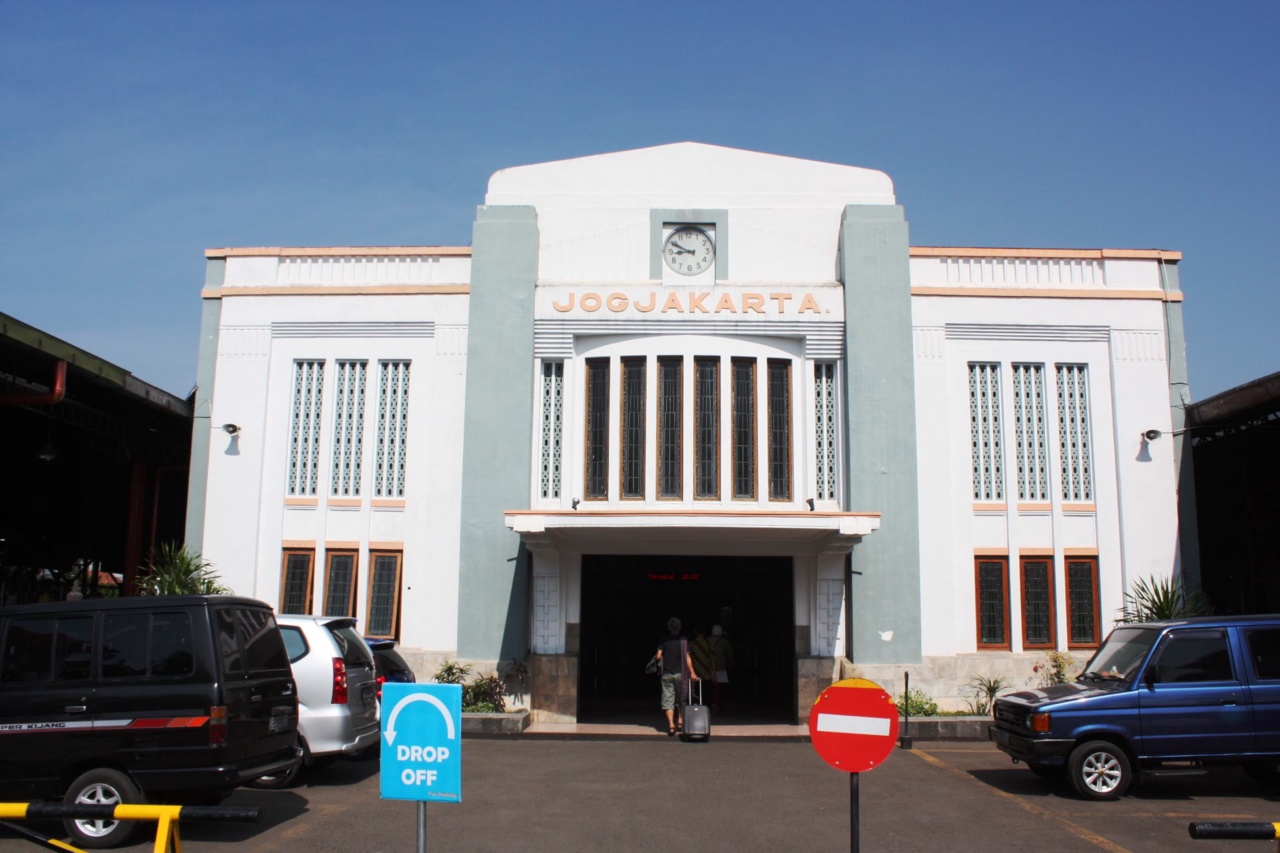
Yogya's train station, Tugu, sits right at the north end of Malioboro and is one of the best-connected stations on Java. Trains from Jakarta take 7 to 8 hours (executive class around $20 to $35), from Surabaya about 4 to 5 hours, and from Bandung about 7 hours. The train is far more comfortable than the bus for long-distance travel. You can check schedules and book through the official KAI app or website.
Within the city, Grab (Southeast Asia's ride-hailing app) is the easiest way to get around. A motorbike ride across town costs roughly $0.50 to $1.50, and a car ride around $2 to $5. Traditional becak (pedicabs) are atmospheric but always agree on a price before getting in; a short ride should cost around $1 to $2. For more transport details across Java and Indonesia, GoAsia.cc has comprehensive route guides.
The TransJogja bus system covers main routes for around $0.30 per ride, though service can be infrequent and confusing for first-time visitors. Renting a motorbike costs roughly $5 to $7 per day and is the best way to explore independently, but Yogya traffic is chaotic and an international driving permit is technically required. The city center around Malioboro and the Kraton is walkable, though heat and narrow sidewalks make it tiring over long distances.
Top Sights and Experiences
Must-See Attractions
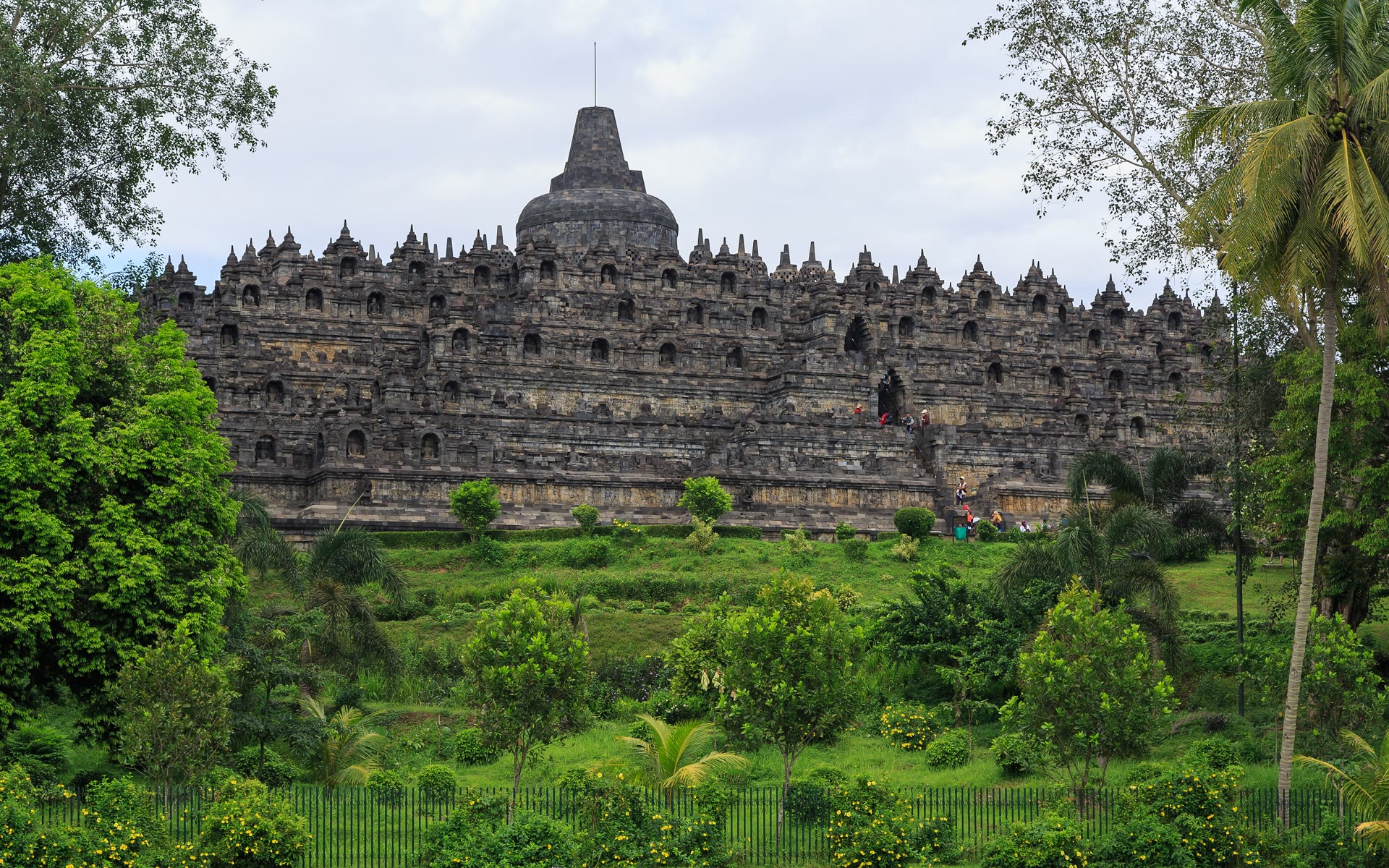
Borobudur Temple - The largest Buddhist temple in the world, about 40 km northwest of the city. This ninth-century monument is a staggering achievement: 2,672 relief panels and 504 Buddha statues arranged across nine stacked platforms representing the Buddhist cosmological path to enlightenment. Arrive at opening time (around 6:00 AM) to beat the heat and tour groups. The sunrise experience is ticketed separately and costs significantly more (roughly $25 to $40 for foreigners versus around $5 to $7 for regular daytime entry). Allow 2 to 3 hours to explore properly. The surrounding Manohara grounds are peaceful for a post-visit stroll.
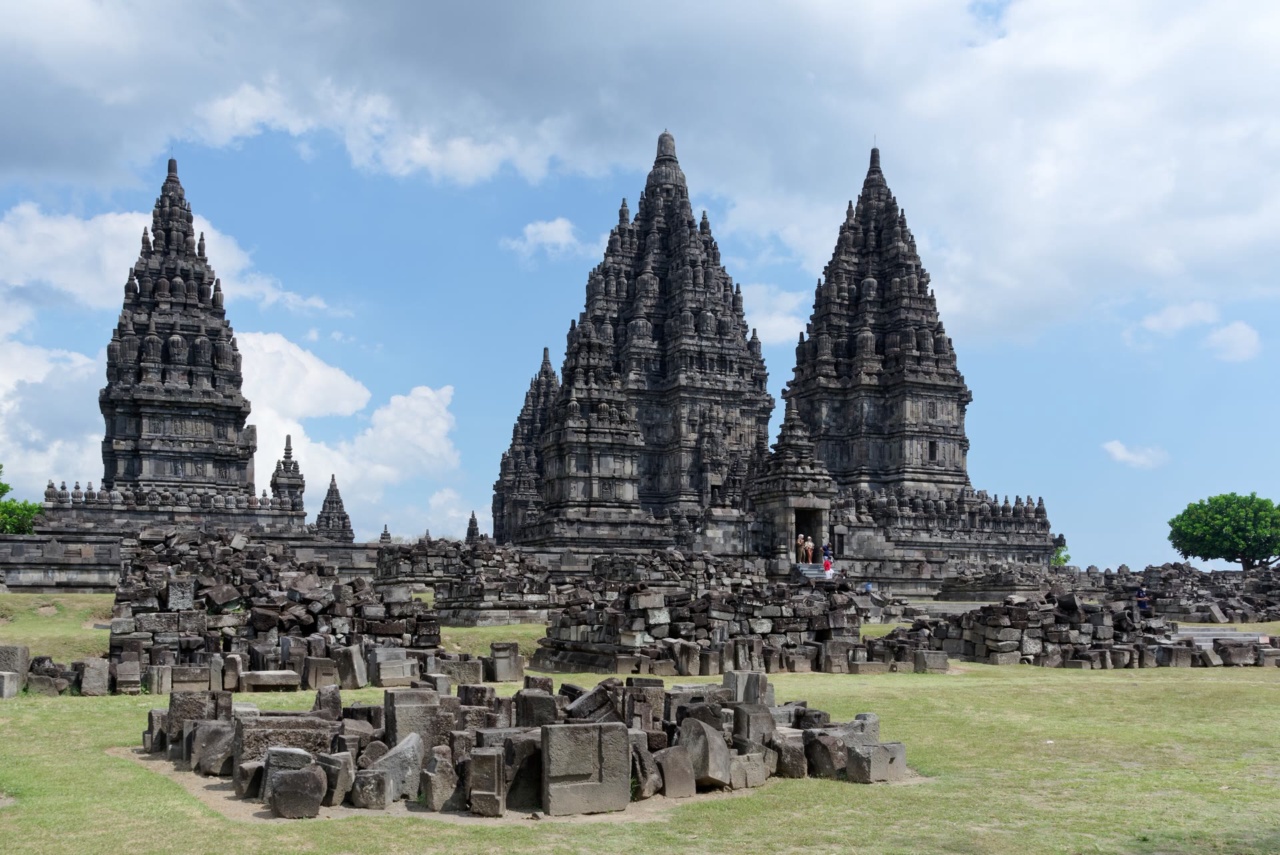
Prambanan Temple - This Hindu temple compound, about 17 km east of the city center, is Borobudur's counterpart and equally impressive. The central Shiva temple rises 47 meters and the Ramayana reliefs on its inner walls are exquisite. Visit in the late afternoon for the best light and fewer crowds. Entry for foreigners is around $5 to $7. If you visit between May and October, the open-air Ramayana Ballet performed against the floodlit temple backdrop is an unforgettable experience (tickets roughly $10 to $30 depending on seating).
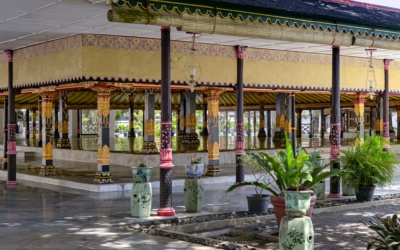
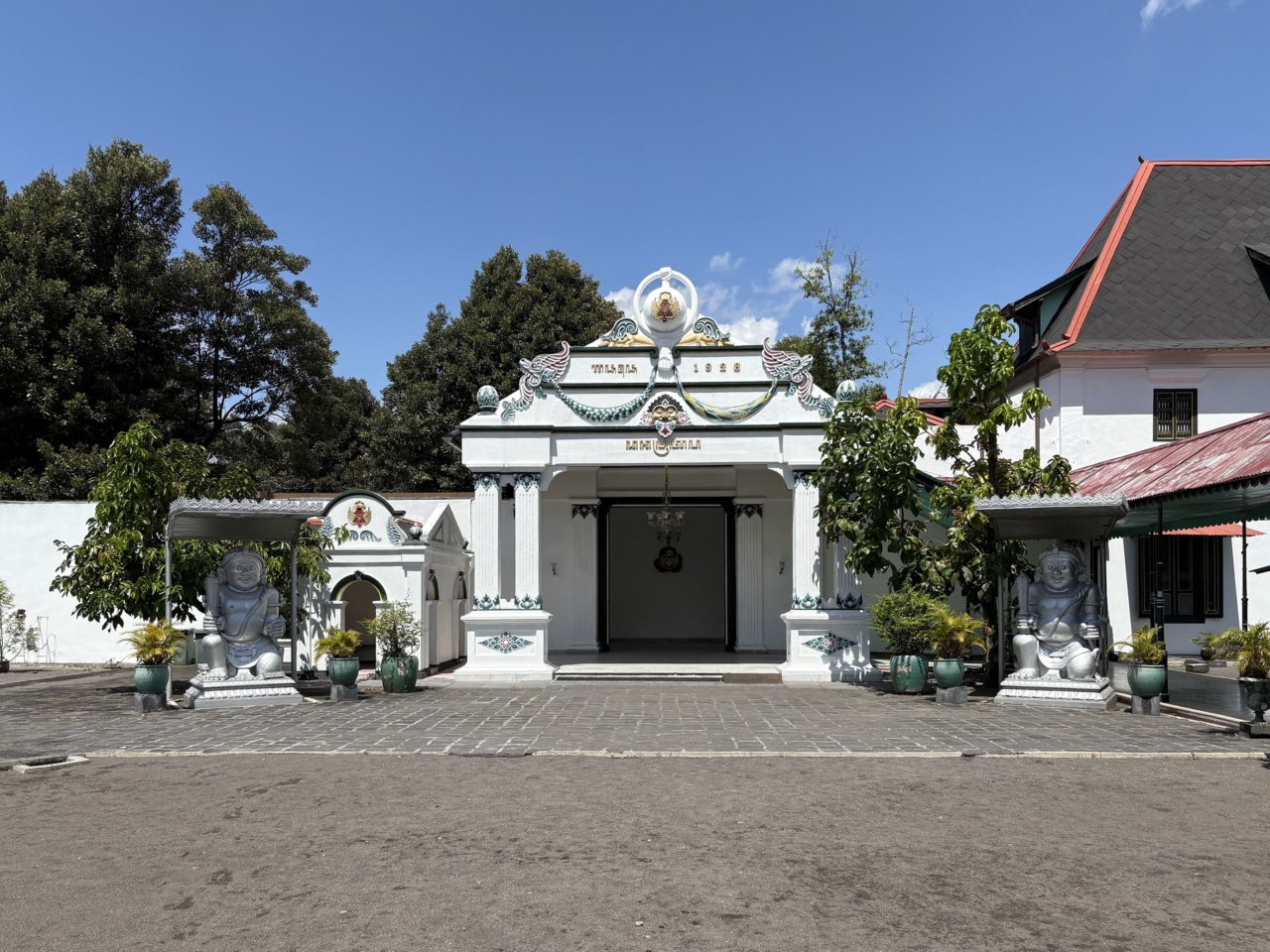
Kraton (Sultan's Palace) - The living palace of Sultan Hamengkubuwono X, who serves as both sultan and governor of the Yogyakarta Special Region. Parts of the palace are open to visitors, and you can often catch gamelan rehearsals or traditional dance performances included with the roughly $1 to $2 entry fee. Hire one of the palace guides (small tip expected) for context; without explanation, the displays can feel underwhelming.
Taman Sari (Water Castle) - The former royal pleasure garden, a short walk south of the Kraton. The restored bathing pools are photogenic, but the real magic is wandering the kampung that has grown up within and around the old palace walls. Look for the underground mosque (Sumur Gumuling), a circular, partially subterranean structure with striking geometry.
Jalan Malioboro - More experience than sight. Walk the full length, browse the batik, eat from the lesehan (mat-dining) food stalls that appear at night, and duck into Pasar Beringharjo, the sprawling traditional market at the south end, where locals buy spices, jamu (herbal tonics), and everyday goods.
Hidden Gems
Imogiri Royal Cemetery - About 15 km south of the city, this hillside burial complex holds the tombs of Mataram sultans dating back to the 1600s. Visitors must wear Javanese court dress (provided at the entrance). It is serene, rarely visited by foreigners, and offers a window into Javanese spiritual life.
Kota Gede Silver Village - Wander the narrow lanes of this old quarter to watch silversmiths at work in small workshops. You can buy finely crafted jewelry at workshop prices. The old mosque and royal cemetery here predate the Kraton.
Merapi Lava Tour - Modified jeeps may provide a ground-level view of eruption landscapes on the southern slopes, but only on routes that local authorities currently permit. Before booking, check MAGMA Indonesia activity updates and official Merapi climbing guidance, follow exclusion zones and closures, and confirm the operator's route locally. A lava tour does not grant permission to climb the volcano.
Pindul Cave Tubing - About an hour east of the city in Gunungkidul, you float through an underground river on an inner tube, passing through a cave lit by natural light. It is a refreshing half-day adventure and costs around $5 to $8 per person.
Overrated Attractions
Timang Beach rope bridge - Heavily promoted on social media, this involves a rickety gondola or rope bridge to a small rocky islet. It is a long drive from Yogya (roughly 2 hours), the infrastructure feels unsafe, and the experience is brief. The southern beaches of Gunungkidul are beautiful, but skip this specific attraction.
Taman Sari's main pool area alone - Many visitors see only the restored bathing pool, take a photo, and leave. Without exploring the surrounding kampung and underground mosque, the visit feels thin for the entry price. Budget at least an hour to wander beyond the main pool.
Malioboro shopping for quality batik - The batik sold on Malioboro is mostly mass-produced screen prints. For genuine hand-drawn (tulis) or hand-stamped (cap) batik, visit workshops in the Tirtodipuran area south of the Kraton or the Batik Museum for context before buying.
Food and Drink
Yogya is arguably the best food city on Java, and competition for that title is fierce. Javanese cuisine here leans sweet, using palm sugar generously, and the city has developed its own distinct specialties.
Signature Dishes
| Dish | Description | Where to Try | Typical Price |
|---|---|---|---|
| Gudeg | Slow-cooked young jackfruit in coconut milk and palm sugar, served with rice, chicken, egg, and krecek (spicy beef skin stew) | Gudeg stalls near Wijilan Street; early morning warung near the Kraton | $0.75 - $1.50 |
| Bakpia | Small pastry filled with mung bean paste, the city's signature snack and souvenir | Bakpia shops along Jalan Pathuk | $1 - $3 per box |
| Nasi Kucing | Tiny portions of rice with various toppings (sambal, fried fish, tempeh) meant to be ordered in multiples, served from angkringan (street carts) | Angkringan stalls along Malioboro and near Tugu station | $0.15 - $0.30 per portion |
| Sate Klathak | Goat satay grilled over charcoal on iron skewers, seasoned simply with salt | Warung along Jalan Imogiri Barat in the Bantul area | $2 - $4 per serving |
| Oseng-oseng Mercon | Stir-fried meat or offal in an explosively spicy chili sauce | Small warung specializing in Javanese home cooking around Prawirotaman | $1 - $2 |
| Wedang Ronde | Warm ginger drink with glutinous rice balls and peanuts, perfect for cool evenings | Night market stalls and angkringan carts | $0.30 - $0.50 |
The angkringan cart is Yogya's most distinctive dining institution. These mobile stalls, lit by kerosene lamps at night, serve nasi kucing, fried snacks, and sweet Javanese coffee (kopi joss, famously served with a piece of burning charcoal dropped in). Sitting on a low bench at an angkringan near Tugu station at midnight, eating five portions of nasi kucing and drinking sweet tea for under $2, is one of the quintessential Yogya experiences.
For street food, Malioboro's lesehan stalls open after dark, and the area around Alun-Alun Selatan (the southern square) has vendors selling everything from grilled corn to martabak. Prawirotaman has the best concentration of traveler-friendly restaurants, including excellent Indonesian fusion, wood-fired pizza, and specialty coffee shops. A proper sit-down meal at a mid-range restaurant in Prawirotaman costs around $3 to $8 per person.
Yogya has a thriving coffee scene driven by its student population. Specialty coffee shops are everywhere, with single-origin Javanese coffee typically priced around $1.50 to $3 per cup. Alcohol is available but not prominent; this is a conservative Muslim-majority city. You will find beer in tourist-oriented restaurants and some convenience stores, typically around $2 to $3 for a large Bintang.
Where to Stay
Budget (Under $15 per night)
Yogya is one of the cheapest cities in Southeast Asia for accommodation. Basic but clean guesthouses along Jalan Sosrowijayan near Malioboro start at around $5 to $8 per night for a fan room. Prawirotaman has slightly more stylish budget options, including hostels with dorms for $4 to $6. At this price point, expect air conditioning to be an upgrade, but WiFi is almost always included.
Mid-Range ($15 - $50 per night)
This is the sweet spot in Yogya. Prawirotaman and the streets south of the Kraton have beautifully designed boutique hotels, often in converted Javanese heritage houses with interior courtyards, for $20 to $45 per night. You get air conditioning, hot water, breakfast, and often a pool. Some properties in this range offer genuine architectural character that would cost five times as much in Bali.
Upscale ($50 - $150+ per night)
Several international and local luxury brands operate in Yogya, mostly along the main roads north of the Kraton or near Malioboro. Expect full-service hotels with pools, spas, and excellent restaurants for $60 to $120. For a truly special experience, a handful of heritage properties near Borobudur offer stays with sunrise temple views for $100 to $200 per night, eliminating the early morning drive.
Practical Tips
Safety: Yogya is one of the safest cities in Indonesia for travelers. Violent crime against tourists is extremely rare. The main risks are motorbike bag-snatching (carry bags on the side away from the road), petty theft in crowded markets, and traffic accidents. Be cautious of overly friendly strangers near tourist sites who steer you toward specific shops for commission.
- Common scam: Near the Kraton and Taman Sari, locals may tell you the attraction is closed and offer to take you to a batik "exhibition" instead. It is always open during posted hours. Politely decline and walk to the entrance yourself.
- Becak pricing: Always negotiate before riding. A reasonable short ride is around $1 to $2. Some drivers will quote $5 or more to tourists.
Payment: Cash is king in Yogya. Most warung, angkringan, markets, and small shops are cash-only. ATMs are widespread and accept international cards. Mid-range restaurants and hotels increasingly accept cards, but carry enough cash for daily spending. Tipping is not expected at local establishments but appreciated at tourist-oriented restaurants (5 to 10 percent is generous).
SIM cards and internet: Buy a local SIM card at the airport or any phone shop. Telkomsel has the best coverage in the Yogya area. A tourist SIM with enough data for a week costs around $3 to $5. WiFi is available in most cafes and hotels.
Language: English proficiency is moderate in tourist areas and among university students, but limited elsewhere. Learning a few words of Bahasa Indonesia goes a long way: "terima kasih" (thank you), "berapa" (how much), and "permisi" (excuse me) will earn you smiles. Google Translate works well for Indonesian.
Cultural etiquette:
- Yogya is more conservative than Bali. Dress modestly when visiting the Kraton, mosques, or temples. Shoulders and knees should be covered.
- Remove shoes before entering homes, some shops, and all places of worship.
- Use your right hand for giving and receiving, especially money and food.
- During Ramadan, avoid eating or drinking conspicuously in public during daylight hours out of respect, though tourist restaurants remain open.
- The Kraton area carries particular cultural significance. Behave respectfully, keep voices low, and follow any posted guidelines.
Day Trips
Borobudur and Surrounds
The obvious day trip, 40 km northwest. Combine a morning temple visit with a walk through the surrounding villages, where you can see tofu-making, rice harvesting (seasonally), and traditional pottery. The Punthuk Setumbu viewpoint, a short drive from Borobudur, offers a panoramic sunrise view of the temple with Merapi and Merbabu volcanoes behind it. Arrange transport through your hotel (roughly $15 to $25 for a return car trip) or take a public minibus from Jombor terminal for under $2 each way.
Prambanan and the Ratu Boko Plateau
Prambanan is close enough to visit in a half day, but combine it with the Ratu Boko palace ruins, a hilltop complex 3 km south with sweeping views across the Prambanan plain. A combo ticket covers both. Sunset from Ratu Boko is stunning. Reachable by TransJogja bus or Grab.
Mount Merapi
Mount Merapi is an active volcano, so treat a jeep lava tour on the southern slopes only as a ground-level excursion in areas that local authorities currently permit. It is not a route to the summit. Before booking, check the latest MAGMA Indonesia activity updates and official Merapi climbing guidance, then follow every exclusion zone, closure and operator instruction. If a jeep tour is open, confirm its permitted route and return plan locally.
Gunungkidul Beaches
The limestone coast south of Yogya, about 1.5 to 2 hours by motorbike or car, has dozens of white-sand coves. Indrayanti, Sundak, and Siung are among the most scenic. The roads are winding but well-paved. Bring sunscreen and water; facilities are basic. This makes a full-day trip and is best with your own transport or a hired driver (around $25 to $35 for the day).
Dieng Plateau
About 3 hours north, this misty volcanic plateau at 2,000 meters is dramatically cooler than Yogya and home to some of Java's oldest Hindu temples (dating to the 700s), colored volcanic lakes, and geothermal vents. It is a long day trip; consider an overnight stay. Public buses run from Yogya's Giwangan terminal but take 4 or more hours. A hired car costs around $40 to $60 for the return trip.
Sample 3-Day Itinerary
Day 1: The Cultural Core
Morning: Start at the Kraton when it opens (around 8:30 AM) to catch a gamelan or dance rehearsal. Walk south to Taman Sari and spend an hour exploring the underground mosque and surrounding kampung. Afternoon: Walk north through the batik-making neighborhood of Tirtodipuran, stopping at a workshop to watch artisans at work. Continue to Pasar Beringharjo for spices, snacks, and atmosphere. Evening: Walk the length of Malioboro as the lesehan stalls set up. Eat gudeg at one of the famous stalls on Wijilan Street, then finish with kopi joss at an angkringan near Tugu station.
Day 2: Temples
Morning: Depart early (4:00 to 4:30 AM) for Borobudur sunrise. Spend 2 to 3 hours at the temple as the morning light shifts across the stone. Afternoon: Return to Yogya, rest during the midday heat, then head to Prambanan around 3:00 PM for the best light. If the Ramayana Ballet is performing, stay for the evening show. If not, continue to Ratu Boko for sunset. Evening: Dinner at a Prawirotaman restaurant. Try sate klathak if you have not already.
Day 3: Volcano and Local Life
Morning: If a local operator confirms that a Merapi jeep tour is permitted, follow its ground-level route and exclusion-zone instructions. Check MAGMA Indonesia updates before departure and do not plan a summit climb. Visit the eruption museum and preserved village only if they are open. Afternoon: Head to Kotagede to explore the silver workshops and old Javanese architecture. Pick up bakpia from the shops on Jalan Pathuk on your way back. Evening: Catch a traditional wayang kulit (shadow puppet) performance if one is scheduled at the Sonobudoyo Museum near the Kraton. Otherwise, explore the cafes and galleries of Prawirotaman for a final evening.
Budget Overview
| Category | Budget | Mid-Range | Comfort |
|---|---|---|---|
| Accommodation | $5 - $10 | $20 - $40 | $60 - $120 |
| Food | $3 - $5 | $8 - $15 | $20 - $35 |
| Transport | $2 - $4 | $5 - $10 | $15 - $25 |
| Activities | $5 - $8 | $10 - $20 | $25 - $50 |
| Daily Total | $15 - $27 | $43 - $85 | $120 - $230 |
Yogyakarta is exceptionally affordable. A disciplined budget traveler can get by on $15 to $20 per day including accommodation, eating entirely at warung and angkringan, and using public transport. The biggest single expenses are temple entry fees for foreigners, which are significantly higher than local prices. Mid-range travelers will find extraordinary value, with boutique hotel stays and excellent meals costing a fraction of what they would in Bali or Bangkok.
Frequently Asked Questions
Is Yogyakarta worth visiting?
Absolutely. Yogyakarta is the cultural heart of Java and one of the most rewarding destinations in Southeast Asia. It offers world-class temple complexes, a living royal court, outstanding street food, and a genuine artistic scene, all at remarkably low prices. If you have any interest in history, culture, or Indonesian cuisine, it is essential.
How many days do you need in Yogyakarta?
Three days is the minimum to cover the city center, Borobudur, and Prambanan at a comfortable pace. Four to five days lets you add Mount Merapi, the southern beaches, and more time exploring neighborhoods and food. A full week is easy to fill if you enjoy slow travel and day trips.
Is Yogyakarta safe for tourists?
Yogya is one of the safest cities in Indonesia for travelers. Violent crime against foreigners is extremely rare. The main concerns are petty theft in crowded areas, motorbike bag-snatching, and traffic. Be aware of the batik gallery scam near the Kraton, where locals claim attractions are closed and redirect you to shops.
What food is Yogyakarta famous for?
Gudeg, slow-cooked jackfruit in coconut milk and palm sugar, is the city's signature dish. Other specialties include nasi kucing (tiny rice portions from angkringan street carts), sate klathak (goat satay on iron skewers), bakpia pastries, and kopi joss (coffee with a piece of burning charcoal). The street food scene is among the best and cheapest in Southeast Asia.
Is Yogyakarta expensive?
Not at all. Yogya is one of the most affordable travel destinations in Asia. Budget travelers can manage on $15 to $25 per day, and mid-range travelers enjoy boutique hotels and excellent meals for $40 to $80 daily. The main premium is on foreign visitor entry fees at major temples, which are significantly higher than local prices.
How do I get from the airport to Yogyakarta city center?
Yogyakarta International Airport (YIA) is about 40 km west of the city. The DAMRI airport bus costs around $2 to $3 and takes 60 to 90 minutes. Taxis and ride-hailing services like Grab cost roughly $15 to $20. Some hotels offer private airport transfers which are worth arranging in advance, especially for early morning arrivals.
Can you drink tap water in Yogyakarta?
No, tap water is not safe to drink anywhere in Indonesia. Stick to bottled or filtered water, which is cheap and widely available. Most hotels provide complimentary bottles. Ice in restaurants and cafes in tourist areas is generally made from purified water and is safe.
What is the best neighborhood to stay in Yogyakarta?
Prawirotaman is the best all-around choice for most travelers, offering boutique hotels, good restaurants, cafes, and a relaxed atmosphere. Budget backpackers often prefer Sosrowijayan near Malioboro for its rock-bottom guesthouse prices and central location. For luxury, look at hotels along the main road north of the Kraton or properties near Borobudur itself.
What is the best time to visit Yogyakarta?
The dry season from May through October offers the most comfortable weather and clearest skies for temple visits and volcano views. June through August is peak season with higher prices. The wet season brings afternoon downpours but fewer crowds and lower costs. Avoid the Eid al-Fitr holiday period when domestic tourism surges and prices spike dramatically.
Is English widely spoken in Yogyakarta?
English is spoken at a basic level in tourist areas, hotels, and by university students, but limited elsewhere. You can navigate major attractions and tourist restaurants without Bahasa Indonesia, but learning a few key phrases greatly improves interactions. Translation apps work well for Indonesian and are helpful at local warung and markets.
Routes
🗺️ Getting Around Yogyakarta - Local Transport Guide
→ Routes from Yogyakarta (13)
Routes to Yogyakarta (10)