Yogyakarta Kraton Palace: Java's Living Royal Court
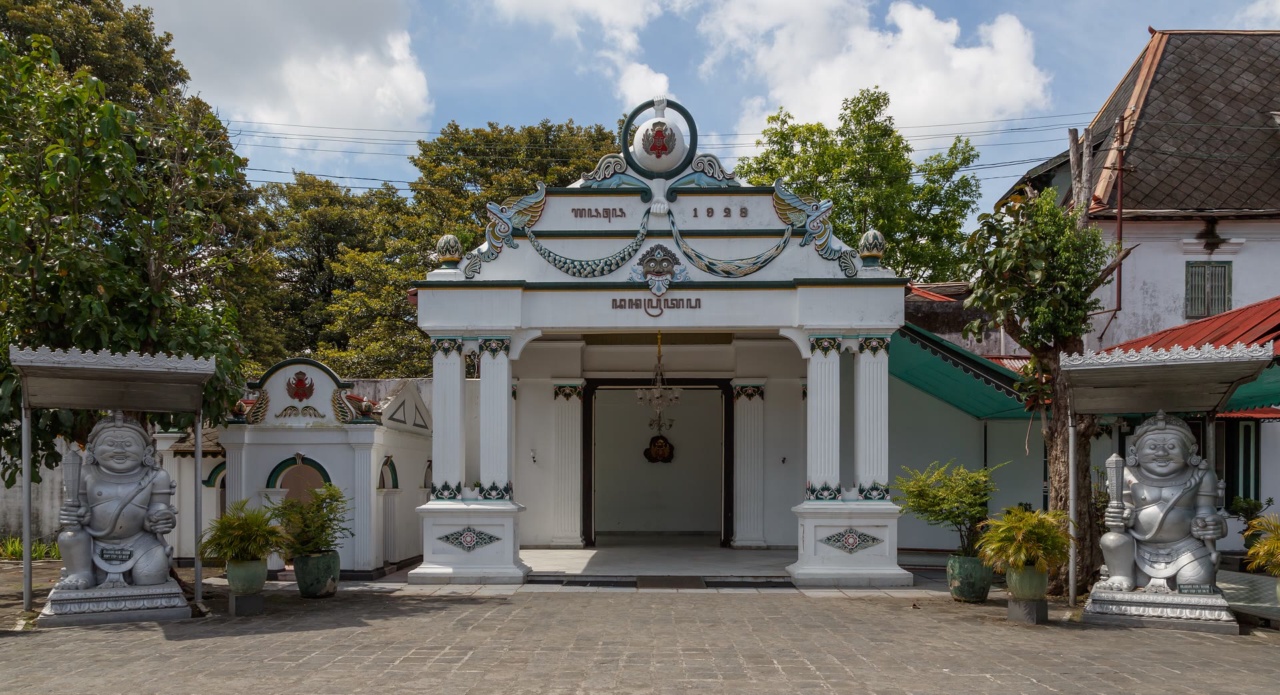
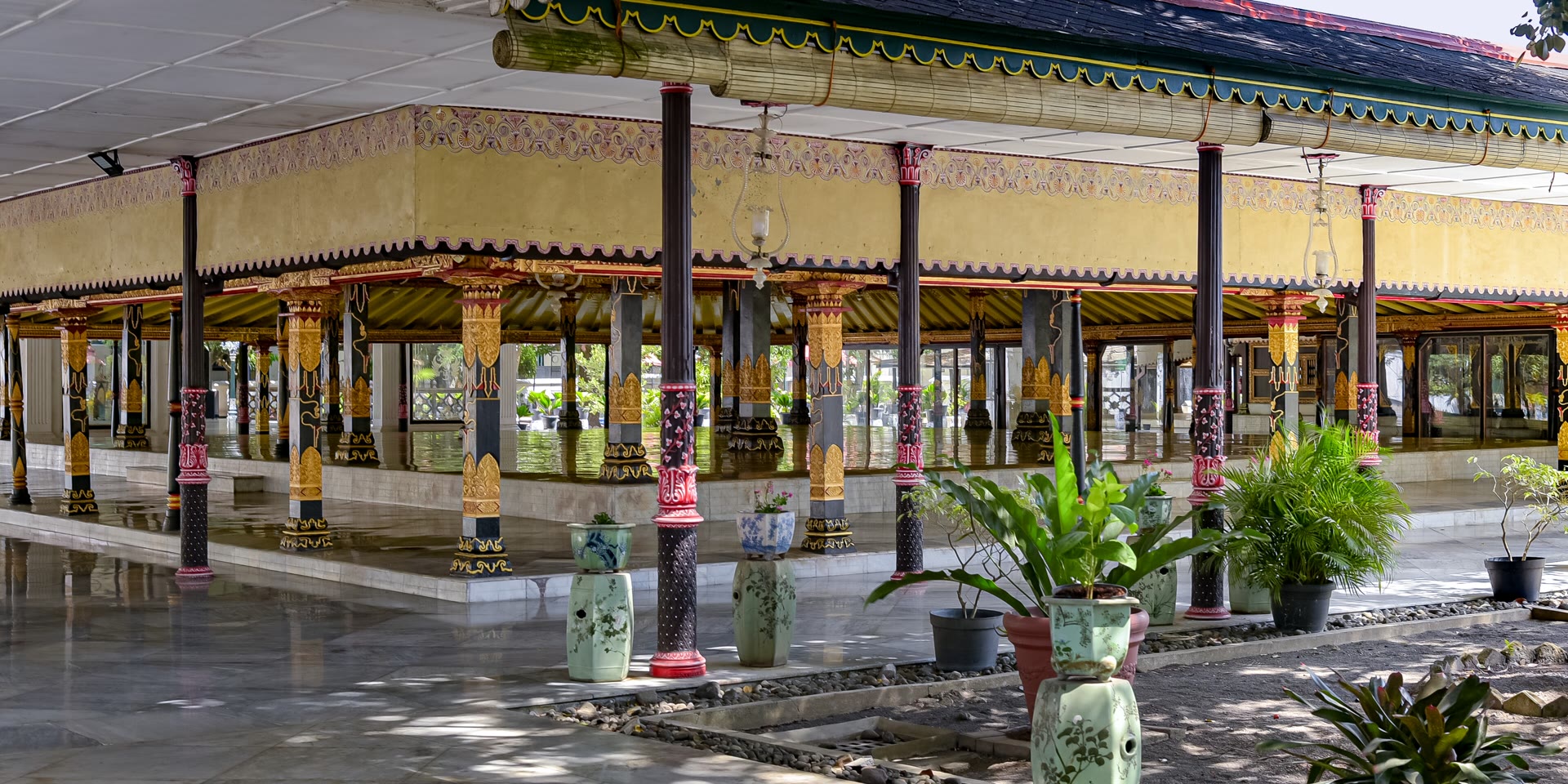
The Kraton Ngayogyakarta Hadiningrat is not a museum pretending to be a palace. It is an actual functioning royal court, home to the Sultan of Yogyakarta and the center of Javanese cultural life. While tourists walk through the ornate pavilions admiring the architecture, the Sultan's family lives in private quarters behind the same walls. Court servants in traditional Javanese dress go about their duties. Gamelan musicians rehearse in open-air halls. It is one of the few places in Southeast Asia where a living monarchy operates in a space that is simultaneously open to the public.
Founded in 1755 after the Treaty of Giyanti divided the Islamic Mataram Sultanate into two courts, Yogyakarta's Kraton was designed as a microcosm of the Javanese universe. Every element of its layout, from the position of gates to the alignment of the north-south axis connecting Mount Merapi to the Indian Ocean, carries cosmological meaning. The palace sits at the geographic and spiritual heart of Yogyakarta, a city that was literally built around it.
Visiting the Kraton takes about two hours and includes not only the palace architecture but daily cultural performances ranging from gamelan orchestras to classical Javanese dance to puppet theater. At IDR 15,000 per ticket, it is one of the most affordable cultural experiences in all of Indonesia.
History of the Yogyakarta Kraton
The Kraton was established in 1755 when Prince Mangkubumi, after years of rebellion against the Dutch-allied Surakarta court, negotiated the division of the Mataram Sultanate. He became Sultan Hamengkubuwono I and chose a site between the Winongo and Code rivers to build his palace, positioning it on a cosmic axis that runs from Mount Merapi in the north to the Indian Ocean in the south. The Tugu monument marks the northern end of this axis, and the Krapyak hunting lodge marks the southern end, with the Kraton at the center.
The palace has survived earthquakes, eruptions, colonial occupation, and revolution. During the Indonesian War of Independence, Yogyakarta served as the republican capital, and the Sultan's decision to support the independence movement cemented the Kraton's political significance. Today, the Sultan of Yogyakarta holds the unique position of being both a traditional monarch and the elected governor of the Yogyakarta Special Region, the only Indonesian province headed by a hereditary ruler.
The current sultan, Hamengkubuwono X, has occupied the throne since 1989 and is a popular figure who has modernized many aspects of court life while maintaining the ceremonial traditions that draw visitors from around the world.
Things to Do
The Palace Complex
The Kraton complex covers approximately 14,000 square meters and is organized in a series of courtyards connected by gates, each with specific ceremonial functions. Only a portion of the complex is open to visitors; the rest remains the private domain of the royal family.
Key Areas Open to Visitors
- Pagelaran (Front Hall): The large open pavilion facing the northern alun-alun (public square). This was historically where the sultan held audiences and public ceremonies. Today it houses a small museum with historical photographs and artifacts.
- Sitihinggil (Elevated Ground): A raised platform behind the Pagelaran used for important state ceremonies including coronations. The ornate pendopo (pavilion) here features carved teak columns and Javanese-style roofing.
- Sri Manganti: The reception hall where the sultan formally received guests. The architecture blends Javanese, Dutch colonial, and even Portuguese influences, reflecting the sultanate's centuries of diplomatic engagement.
- Bangsal Kencana (Golden Pavilion): The throne hall and ceremonial center of the palace. This is where the most important rituals take place, including the Garebeg festivals. The carved and gilded woodwork is the finest in the complex.
- Kedhaton: The central residential area, partially accessible. Here you can see the sultan's personal collection of gifts from foreign dignitaries, historical weapons, and royal regalia.
- Museum Batik: A separate collection within the palace grounds showcasing the royal batik collection, including rare patterns that were once exclusive to the court.
Architecture and Symbolism
The Kraton's architecture follows the Javanese concept of the mandala, with the most sacred spaces at the center and increasingly public spaces radiating outward. The pendopo style, with its large open pavilion roofs supported by carved wooden pillars and no walls, reflects the tropical climate and the Javanese principle of openness. European elements appear throughout, particularly Dutch-style stained glass windows and marble floors added during the colonial period, creating a distinctive fusion that captures centuries of cultural exchange.
Daily Cultural Performances
One of the Kraton's greatest assets is its schedule of free daily performances, all included in the regular entrance ticket. These take place in the inner pavilions and offer an authentic window into Javanese performing arts.
| Day | Performance | Time |
|---|---|---|
| Monday | Gamelan Orchestra | 10:00 AM - 12:00 PM |
| Tuesday | Gamelan Orchestra | 10:00 AM - 12:00 PM |
| Wednesday | Wayang Golek (Puppet Theater) | 9:00 AM - 12:00 PM |
| Thursday | Classical Javanese Dance | 10:00 AM - 12:00 PM |
| Friday | Macapat (Javanese Poetry) | 10:00 AM - 11:30 AM |
| Saturday | Wayang Kulit (Shadow Puppetry) | 9:00 AM - 1:00 PM |
| Sunday | Javanese Dance | 11:00 AM - 12:00 PM |
The gamelan performances on Monday and Tuesday are the most atmospheric, with a full court orchestra playing in the open-air pavilion. The hypnotic, layered metallic tones fill the palace courtyard and create a genuinely immersive experience. Saturday's wayang kulit shadow puppet performance is the longest and most elaborate, running up to four hours with a dalang (puppet master) telling stories from the Ramayana or Mahabharata epics.
Arrive early if you want a good viewing position for any performance. Seating is on the floor in the traditional Javanese style, though some areas have benches. The performances are not staged tourist shows but genuine court arts practiced by musicians and dancers who serve the sultanate.
Practical Visitor Information
| Detail | Information |
|---|---|
| Location | Jl. Rotowijayan Blok No. 1, Panembahan, Kraton, Yogyakarta |
| Opening Hours | Tuesday - Sunday, 8:30 AM - 3:00 PM (last entry 2:00 PM) |
| Closed | Mondays and during royal ceremonies/national holidays |
| Entrance Fee | IDR 15,000 (~$1) for international visitors |
| Camera Fee | IDR 1,000 (optional) |
| Guide Fee | IDR 12,500 - 15,000 (optional, recommended) |
| Visit Duration | 1.5 - 2.5 hours |
Getting There
The Kraton sits in the center of Yogyakarta, within the old city walls. It is easily reachable from anywhere in the city.
- Walking: From Malioboro Street, the Kraton is about a 15-minute walk south through the market area. Follow Jalan Malioboro south to the main alun-alun (square) and the palace entrance is just beyond.
- Becak (pedicab): A traditional becak ride from Malioboro costs about IDR 15,000 to IDR 25,000 and is a charming way to arrive. Negotiate the price before departing.
- Ride-hailing: Grab and Gojek operate throughout Yogyakarta. A ride from most central hotels costs under IDR 15,000.
- TransJogja bus: The public bus system has stops near the palace. Route 1A passes close to the Kraton entrance.
Dress Code
The Kraton is an active royal residence and a place of cultural significance. Dress modestly: cover shoulders and knees. Sarongs are not required but are appreciated. Avoid shorts, sleeveless tops, and revealing clothing. Shoes must be removed when entering certain pavilions.
The Surrounding Area
The Kraton anchors an entire neighborhood of cultural sites that can be explored on foot.
- Taman Sari (Water Castle): A partially ruined 18th-century royal garden and bathing complex, a 5-minute walk southwest of the Kraton. The underground mosque and restored bathing pools are highlights. Separate entrance fee of IDR 15,000.
- Alun-Alun Utara (North Square): The formal public square in front of the palace, flanked by two sacred banyan trees. At night, locals gather here to eat from street food vendors and attempt the blindfolded walk between the banyan trees, a Javanese tradition said to reveal one's spiritual focus.
- Alun-Alun Kidul (South Square): The southern square where the blindfolded banyan walk is most popular. The evening atmosphere here is lively, with food stalls, horse-drawn carriages, and families socializing.
- Jalan Malioboro: Yogyakarta's famous shopping street, about 1 km north of the Kraton. Silver jewelry, batik textiles, wayang puppets, and street food make this the city's most popular commercial strip.
- Sono Budoyo Museum: Located on the north square, this museum has an excellent collection of Javanese art, wayang puppets, keris (ceremonial daggers), and Hindu-Buddhist sculpture. Entrance is IDR 10,000.
Major Kraton Festivals
The Kraton hosts several annual festivals that draw enormous crowds and represent the peak of Javanese ceremonial life. For more information on Java's cultural calendar and travel planning, visit GoAsia.cc.
- Garebeg Maulud: Celebrates the birthday of Prophet Muhammad. Elaborate gunungan (mountains of food offerings) are paraded from the Kraton to the Grand Mosque and distributed to the public. The most spectacular of the three annual Garebeg festivals.
- Garebeg Syawal: Marks the end of Ramadan. Similar gunungan processions with additional court ceremonies.
- Garebeg Besar: Coincides with Eid al-Adha. Features the sacrifice of animals and distribution of offerings.
- Sekaten: A week-long festival preceding Garebeg Maulud, featuring a night market in the north square and the playing of sacred gamelan instruments that are brought out only for this occasion.
During these festivals, the Kraton may be partially or fully closed to regular visitors, but the public ceremonies and processions are spectacular and free to watch from the squares.
Tips for Visiting the Kraton
- Hire a guide. The palace's significance is almost entirely invisible without explanation. A guide (available at the entrance for IDR 12,500 to IDR 15,000) transforms a walk through old buildings into a lesson in Javanese cosmology, court politics, and living tradition. This is one of those places where context makes all the difference.
- Time your visit for a performance. Check the daily schedule and plan to arrive 30 minutes before a performance starts. Thursday's classical dance and Saturday's wayang kulit are the highlights.
- Watch for closures. The Kraton closes without notice during royal ceremonies and official events. Check with your hotel the morning of your visit, or call the palace information line. Mondays are always closed.
- Combine with Taman Sari. The Water Castle is a 5-minute walk away and together with the Kraton makes a rewarding half-day cultural itinerary. Visit the Kraton first (morning for performances), then walk to Taman Sari afterward.
- Be aware of unofficial guides. People outside the palace gates may approach offering guide services. While some are knowledgeable, the official guides inside the entrance are vetted and offer standardized tours. Politely decline outside offers if you prefer the official service.
- Visit the south square at night. Alun-Alun Kidul comes alive after dark with food stalls, LED-lit pedal cars, and the blindfolded banyan walk tradition. It is a completely different atmosphere from the daytime palace visit and a quintessential Yogyakarta experience.
- Bring small bills. Change can be scarce at the ticket counter and vendor stalls. Having IDR 15,000 ready for your ticket avoids delays.
Frequently Asked Questions
The Kraton Ngayogyakarta Hadiningrat is an active royal palace and the seat of the Sultan of Yogyakarta, who serves as both traditional monarch and provincial governor. Founded in 1755, it remains the center of Javanese court culture, hosting daily performances of gamelan, dance, and puppet theater. It is one of the few functioning royal courts in Southeast Asia that is open to the public.
The entrance fee is IDR 15,000 (approximately $1) for international visitors. All daily cultural performances are included in this price at no extra charge. An optional guided tour costs an additional IDR 12,500 to IDR 15,000 and is highly recommended for understanding the palace's symbolism and history.
The Kraton is about a 15-minute walk south from Malioboro Street. Follow the main road south past the market to the northern alun-alun square, where the palace entrance is located. Alternatively, take a becak pedicab for IDR 15,000 to IDR 25,000 or use a Grab or Gojek ride for under IDR 15,000.
The palace is open Tuesday through Sunday from 8:30 AM to 3:00 PM, with the last ticket sold at 2:00 PM. It is always closed on Mondays and may close without notice during royal ceremonies and national holidays. Check with your hotel on the morning of your visit to confirm availability.
The Saturday wayang kulit shadow puppet performance is the most elaborate, running up to four hours with a master puppeteer telling epic stories. Thursday's classical Javanese dance is also highly recommended for its grace and artistry. Arrive 30 minutes early for any performance to secure a good viewing position.
Dress modestly by covering your shoulders and knees. Avoid shorts, sleeveless tops, and revealing clothing. Sarongs are appreciated but not required. You will need to remove your shoes when entering certain pavilions, so wear footwear that is easy to slip on and off.
Yes, Taman Sari is just a 5-minute walk southwest of the Kraton and makes an excellent combination visit. Start at the Kraton in the morning to catch a cultural performance, then walk to Taman Sari afterward. Each has a separate entrance fee of IDR 15,000. Together they fill a rewarding half-day.
Yes. Sultan Hamengkubuwono X and the royal family reside in private quarters within the palace complex that are not accessible to visitors. The palace functions as both a public cultural site and an active royal residence, which is what makes it uniquely different from palace museums elsewhere in Southeast Asia.