
Contents
- 1. Getting Around Jakarta by MRT
- 2. Getting Around Jakarta by Commuter Rail (KRL Commuterline)
- 3. Getting Around Jakarta by TransJakarta (Busway)
- 4. Getting Around Jakarta by Grab and Gojek
- 4.1 GrabCar and GoCar
- 4.2 GrabBike and GoRide
- 5. Getting Around Jakarta by Metered Taxi
- 6. Getting Around Jakarta by Bajaj and Ojek
- 7. Getting Around Jakarta on Foot
- 8. Comparing Your Options
- 9. Practical Tips for Getting Around Jakarta
- 10. Popular Routes and Destinations
- 11. Frequently Asked Questions
- 12. Sources and background
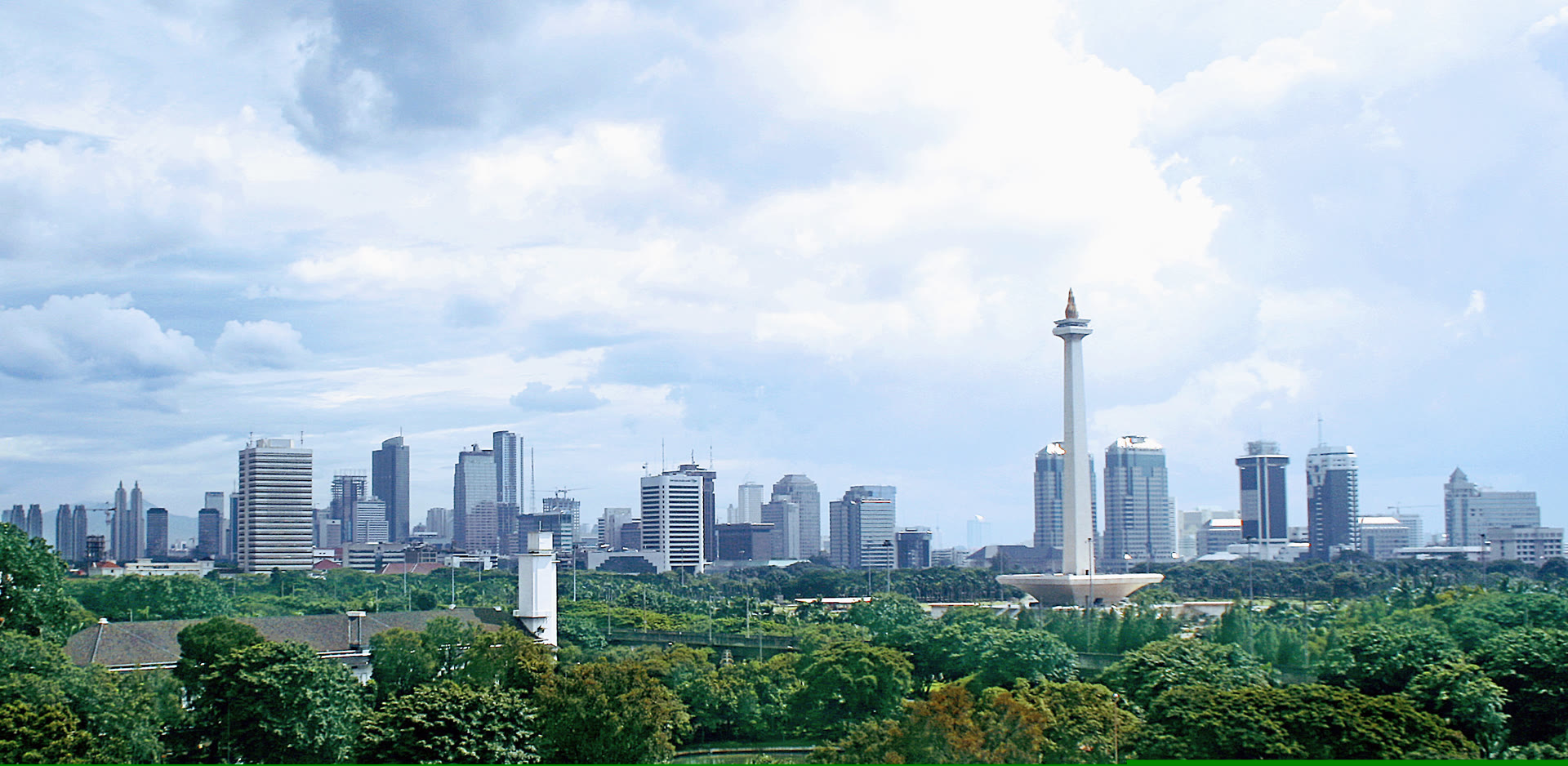
Jakarta is a sprawling city where a modern MRT line, commuter trains, a large bus rapid transit network and ride-hailing apps work alongside bajaj and your own feet. Traffic is heavy at rush hour, so travelers who learn to use the MRT, the commuter rail and Transjakarta can skip the worst of the gridlock. For everything else, ride-hailing apps are the most flexible option. Knowing which mode to pick, and when, is the most important skill for getting around.
The city sprawls in every direction, so walking between major attractions is rarely practical. Think of Jakarta as a city you experience in pockets, such as Kota Tua's colonial old town, the malls of Sudirman, the nightlife of Kemang and the markets of Blok M, and plan your transport between them.
Getting Around Jakarta by MRT
Jakarta's MRT is the most modern way to get around. Its north-south line runs 15.7 km with 13 stations from Lebak Bulus in the south through Fatmawati, Blok M, Senayan and Dukuh Atas to Bundaran HI, the Hotel Indonesia roundabout.[1] The MRT runs from 05:00 until around midnight, with trains every 5 minutes at weekday peak times, every 10 minutes at other times and every 10 minutes at weekends.[2] The MRT's rush hours are 07:00 to 09:00 and 17:00 to 19:00.[2]
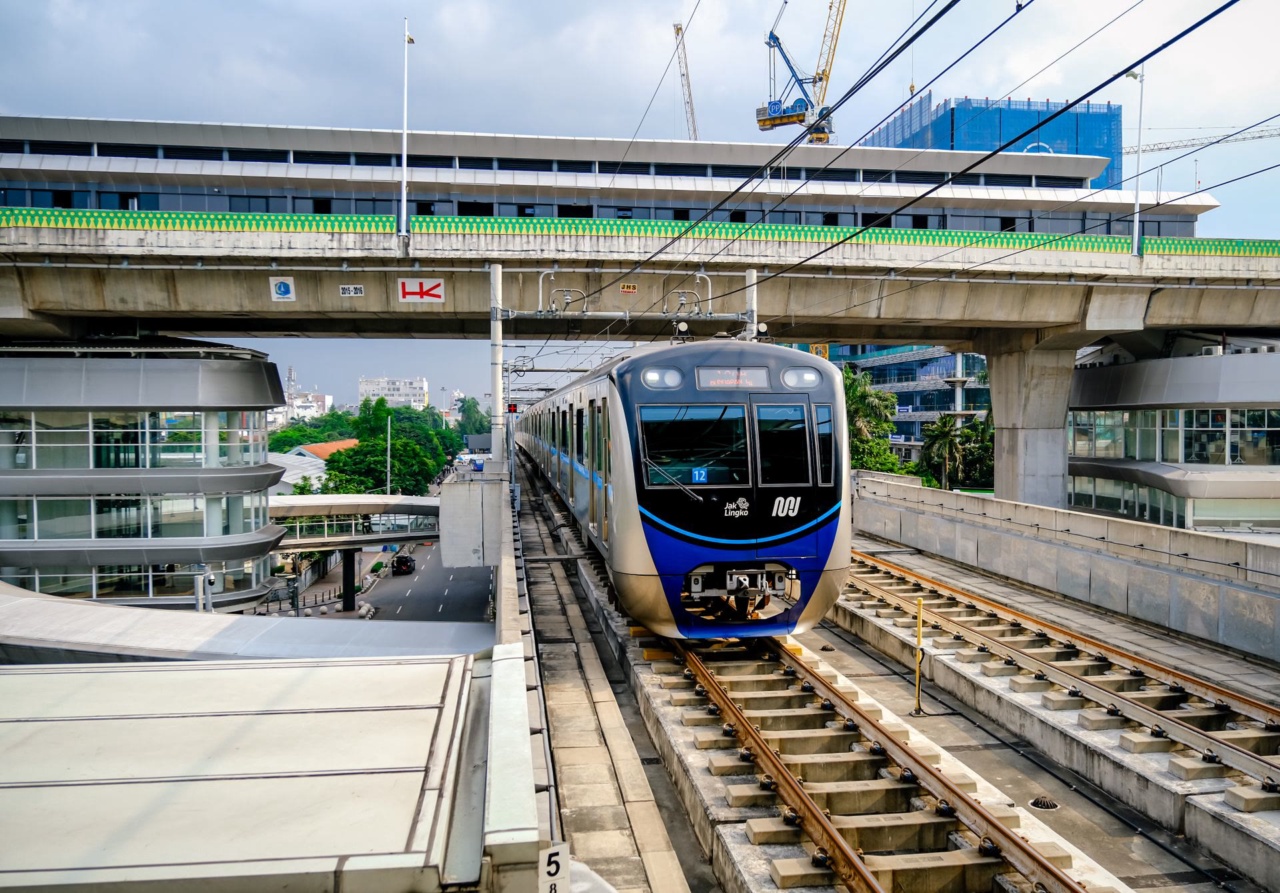
Fares depend on the distance. Since October 2026, holders of bank e-money cards such as e-money Mandiri, TapCash BNI, BRIZZI, Flazz BCA and JakCard, and of the KRL multi-trip card, tap at the JakLingko readers at the gates. Contactless EMV bank cards use the EMV readers, and a single-trip MRT card is also available.[3] If you combine the MRT, LRT Jakarta and Transjakarta BRT, a through fare of at most Rp10,000 per 3 hours applies.[3]
The MRT is most useful if your hotel is along the Sudirman-Thamrin corridor or in the Blok M and Senayan area. The line currently ends at Bundaran HI, so for the National Monument (Monas) and Kota Tua you need Transjakarta or the commuter rail.
Getting Around Jakarta by Commuter Rail (KRL Commuterline)
The KRL Commuterline is the commuter rail network of Jakarta and the surrounding Jabodetabek area, which includes Bogor, Depok, Tangerang and Bekasi.[4] Within central Jakarta, Jakarta Kota station is the stop for Kota Tua. The fare is Rp3,000 for the first 25 km, plus Rp1,000 for every further 10 km, under Ministerial Decision KM 354 of 2020, and KAI Commuter says it is coordinating a fare adjustment with the government.[4]
The commuter rail is handy for reaching areas the MRT does not cover, particularly Kota Tua and connections eastward. Trains are frequent during peak hours but can be extremely crowded. Off-peak they are a comfortable and cheap way to cover long distances.
Getting Around Jakarta by TransJakarta (Busway)
Transjakarta is the city's bus rapid transit system. It has run since 2004 and the city government describes it as the first BRT in Southeast Asia.[5] It has 14 main corridors with 269 stops along 251.2 km of route, plus feeder services and routes into Bogor, Depok, Tangerang and Bekasi.[5] Corridor 1 runs from Blok M to Kota, Corridor 2 from Pulo Gadung to Monumen Nasional, Corridor 3 from Kalideres to Monumen Nasional and Corridor 8 from Lebak Bulus to Pasar Baru.[5]
The regular fare is Rp3,500 per trip (07:01 to 04:59), and Rp2,000 applies from 05:00 to 07:00.[5] You tap in at the stop and tap out at your destination, using an e-money card, the TJ: Transjakarta app or the JakLingko app (QR code).[5] Transjakarta operates 24 hours a day, although individual routes have their own hours.[5]
The dedicated lanes mean buses often move faster than surrounding traffic, though they are not immune to Jakarta's congestion. During rush hour, buses can be standing-room-only. Use the TJ: Transjakarta app or Google Maps to plan your route, as the corridor numbering can be confusing at first.
Getting Around Jakarta by Grab and Gojek
Grab and Gojek are the main ride-hailing apps in Jakarta. Both offer car rides (GrabCar, GoCar), motorbike taxis (GrabBike, GoRide), food delivery and more. For travelers, the car and motorbike services are the ones that matter.
GrabCar and GoCar
These are your go-to for comfortable, air-conditioned, door-to-door transport. The app shows the price before you book, so there is no haggling, but surge pricing during rush hour or rain can push it higher. Payment works via cash, credit card or the app's e-wallet. The main downside is that you are still stuck in traffic. Use ride-hailing for areas not served by rail and for late-night trips, and combine it with the MRT when possible.
GrabBike and GoRide
Motorbike taxis weave through gridlocked traffic while you ride on the back wearing a provided helmet. For solo travelers comfortable on two wheels, this is often the fastest way to get anywhere during peak hours. Safety is a fair concern. The riding style is assertive by Western standards, so wear the helmet, hold on, and avoid booking during heavy rain when roads flood.
Getting Around Jakarta by Metered Taxi
Traditional metered taxis still have a place in Jakarta. Blue Bird is a well-known metered taxi company with its own app (MyBlueBird) that books its metered fleet like a ride-hailing service. Always insist on the meter ("pakai argo, ya?"). With other taxi companies, some drivers may try to agree a flat fare that is higher than the metered rate. Taxis are useful at malls, hotels and restaurants where you can easily find one, but less so in heavy traffic, when the meter keeps running while you sit still.
Getting Around Jakarta by Bajaj and Ojek
The bajaj is Jakarta's answer to the tuk-tuk, a small three-wheeled vehicle that buzzes through narrow streets over short distances. Bajajs do not use meters, so you must negotiate the fare before getting in. They are fun for the experience and practical for short hops in older neighborhoods like Kota Tua or Menteng, but not suitable for long trips or major roads.
Traditional ojek (freelance motorbike taxis) still wait at street corners. For tourists, Grab or Gojek motorbike rides are preferable, since the price is shown in the app and the ride is tracked.
Getting Around Jakarta on Foot
Walking in Jakarta works in short bursts but is challenging as a main way of getting around. Sidewalks are inconsistent, and the heat and humidity make long walks tiring. Certain neighborhoods reward exploring on foot. Kota Tua's old town square is compact and pedestrian-friendly, the area around Monas has wide open spaces, and Kemang's cafe-lined streets are pleasant for an evening stroll. Keep walks short, carry water and use transit or ride-hailing to bridge the gaps.
Comparing Your Options
| Mode | Typical Cost | Best For |
|---|---|---|
| MRT | Distance-based; through fare with LRT and Transjakarta BRT at most Rp10,000 per 3 hours[3] | North-south travel along the Sudirman-Thamrin corridor |
| KRL Commuterline | Rp3,000 for the first 25 km, plus Rp1,000 per further 10 km[4] | Reaching Kota Tua, Manggarai or suburban areas |
| TransJakarta | Rp3,500 (Rp2,000 from 05:00 to 07:00)[5] | Budget travel across the whole city |
| GrabCar / GoCar | Price shown in the app before booking | Door-to-door comfort, late-night trips, groups |
| GrabBike / GoRide | Price shown in the app before booking | Solo travelers beating rush-hour gridlock |
| Metered Taxi (Blue Bird) | Metered | Comfortable rides without needing an app |
| Bajaj | Negotiated before the ride | Quick hops in old neighborhoods |
| Walking | Free | Exploring compact areas like Kota Tua or Monas |
Practical Tips for Getting Around Jakarta
Apps to download before you arrive:
- Grab and Gojek: essential for ride-hailing. Set up payment before you need a ride.
- Google Maps: reliable for transit directions and shows real-time traffic.
- TJ: Transjakarta: the official app for Transjakarta.
- MyBlueBird: for booking metered Blue Bird taxis directly.
Payment tips: Bank e-money cards work on the MRT and on Transjakarta (see the sections above), so one card covers both. Carry small bills for bajaj rides and street purchases, because drivers rarely have change for large notes.
Timing is everything: Weekday morning and evening rush hours are brutal on the roads, so plan rail-based travel or avoid moving at those times. Heavy rain can cause flash flooding (banjir) that paralyzes whole neighborhoods. If heavy rain starts, wait until it passes instead of pushing through flooded roads.
Avoiding common mistakes: Do not take non-metered taxis from airports or train stations without agreeing on a price first, or use the official taxi counter or your ride-hailing app. When using GrabCar or GoCar, confirm that the license plate matches the app before getting in.
Language tips: The Grab and Gojek apps work in English, but taxi drivers and bajaj operators usually speak limited English. Have your destination written down in Bahasa Indonesia or show it on Google Maps. "Ke Monas" or "Ke Kota Tua" means "to Monas" or "to Kota Tua", and "Berapa?" means "How much?". You can compare transport options and plan specific routes between Jakarta's top destinations on GoAsia.cc.
Popular Routes and Destinations
Airport to Central Jakarta: The airport train of KAI Commuter (Commuter Line Basoetta) links Soekarno-Hatta Airport with Manggarai via Batu Ceper, Duri and Sudirman Baru (BNI City), and the ride from the airport to Sudirman Baru takes about 45 minutes.[6] In November 2024 the fare from the airport to Duri, BNI City or Manggarai was Rp70,000. Tickets can be booked in the Access by KAI app or at reservation.kci.id from 7 days before departure, and vending machines at the stations sell tickets for the same day.[7] KAI Commuter advises arriving at the airport station at least 2 hours before a domestic flight and 3 hours before an international one.[7] Taxis and ride-hailing are the alternative, but road traffic can make the trip much longer.
Kota Tua (Old Town): Take the KRL Commuterline to Jakarta Kota station, or Transjakarta Corridor 1 from Blok M to Kota.[5]
Monas (National Monument): Transjakarta Corridors 2 and 3 run to Monumen Nasional.[5] The MRT does not reach Monas, but you can ride to Bundaran HI and continue by bus or ride-hailing.
Blok M and South Jakarta: The MRT's Blok M BCA station is the gateway to this area's nightlife, food scene and shopping, and Transjakarta Corridor 1 also starts here.[5] For Kemang, take the MRT to Blok M or Blok A and then a short GrabBike ride.
Frequently Asked Questions
Use this guide to compare local transport in Jakarta. When bookable tickets are available, the booking tool shows current options and prices.
The best approach is to combine the MRT and Transjakarta for longer distances with Grab or Gojek for door-to-door trips. The MRT avoids traffic along the north-south Sudirman corridor, while ride-hailing apps fill the gaps. During rush hour, motorbike taxis (GrabBike or GoRide) are often the fastest option.
Transjakarta costs Rp3,500 per trip (Rp2,000 from 05:00 to 07:00). The KRL Commuterline costs Rp3,000 for the first 25 km plus Rp1,000 for every further 10 km. MRT fares depend on distance, and a through fare of at most Rp10,000 per 3 hours applies when you combine the MRT with Transjakarta BRT or LRT Jakarta. Ride-hailing apps show the price before you book.
Jakarta's public transport is generally used by many visitors without problems. As in any large city, keep an eye on your belongings in crowded buses and trains, and stick to reputable taxi companies like Blue Bird or use ride-hailing apps.
Yes, Grab and Gojek are essential tools in Jakarta. Both offer car rides and motorbike taxis, and they work in English. Set up payment before you arrive, and compare both apps, as coverage and prices can vary between them.
For Transjakarta you tap in and out with an e-money card or use the TJ: Transjakarta or JakLingko app. On the MRT you can tap with bank e-money cards, a KRL multi-trip card or a contactless bank card, or buy a single-trip card.
Jakarta is not a walkable city overall because of its size, heat, inconsistent sidewalks and heavy traffic. Certain pockets are pleasant on foot, including Kota Tua's old town square, the area around Monas and the streets of Kemang or Menteng.
The airport train of KAI Commuter runs from the airport to Manggarai via Duri and Sudirman Baru (BNI City), and the ride to Sudirman Baru takes about 45 minutes. Taxis and ride-hailing are the alternative, but road traffic can make the trip much longer.
Avoid road transport during the weekday morning and evening rush hours. Use the MRT or the KRL Commuterline for longer trips at peak times. Motorbike taxis can weave through traffic but are not for everyone.
Sources and background
Numbers in the text such as [1] refer to these sources.
- [1] PT MRT Jakarta (Perseroda): MRT Jakarta - Official Website. Retrieved October 15, 2026.
- [2] PT MRT Jakarta (Perseroda): Ketentuan Perjalanan - MRT Jakarta. Retrieved October 15, 2026.
- [3] PT MRT Jakarta (Perseroda): Perkuat Integrasi Pembayaran, MRT Jakarta Wujudkan Integrasi Sempurna Perjalanan. Retrieved October 15, 2026.
- [4] KAI Commuter: Tarif Commuterline Jabodetabek masih sesuai Keputusan Menteri Perhubungan No. 354 Tahun 2020. Retrieved October 15, 2026.
- [5] Pemerintah Provinsi DKI Jakarta: Transjakarta - jakarta.go.id. Retrieved October 15, 2026.
- [6] KAI Commuter: Jadwal Commuter Line Basoeta, rute Bandara Soekarno-Hatta - Duri - Manggarai. Retrieved October 15, 2026.
- [7] KAI Commuter: Mudah dan Praktis, Begini Cara Naik Commuter Line Basoetta. Retrieved October 15, 2026.
Guide prices and journey times are indicative, not live quotes. A booked package may include transfers and waiting time as well as the main journey. Check the selected offer, pickup point and current conditions before booking.