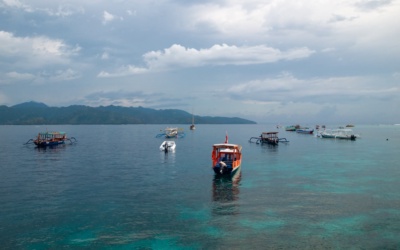
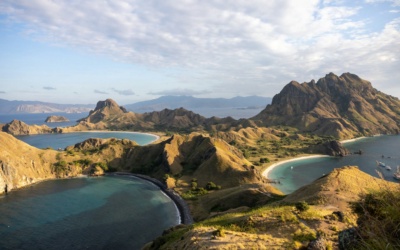
For travelers, Indonesian ferries unlock destinations that planes simply cannot reach, offering front-row seats to volcanic coastlines, turquoise bays, and sunsets that melt across the Java Sea. The experience ranges from sleek fast boats zipping between Bali and the Gili Islands to hulking state-owned ships on epic trans-archipelago routes. Understanding the network, the options, and the quirks of ferry travel here will transform what could be a stressful journey into one of the most memorable parts of your trip.
The Ferry Network in Indonesia
Indonesia's ferry network is one of the most extensive in the world, a necessity given the country's geography. The state-owned operator PELNI (Pelayaran Nasional Indonesia) runs a fleet of large passenger ships on fixed routes that connect major ports across the entire archipelago, from Sumatra in the west to Papua in the east. Many of these ships call at several ports along the way, and they are usually among the cheapest ways to cover long inter-island distances.
Beyond PELNI, a patchwork of other services fills the gaps. ASDP Indonesia Ferry operates the shorter roll-on, roll-off (RoRo) crossings that link neighboring islands - the busy Merak to Bakauheni route between Java and Sumatra, the Ketapang to Gilimanuk crossing between Java and Bali, and the Padangbai to Lembar route between Bali and Lombok, among many others.[2][3] These crossings run frequently and are used by everyone from truck drivers to backpackers.[4]
In tourist-heavy corridors, private fast boat operators dominate. The Bali to Gili Islands and Lombok routes are served by several speedboat companies,[5] while boats also connect Labuan Bajo on Flores with the islands of Komodo National Park.[6] Eastern Indonesia - Maluku and Papua - remains heavily dependent on PELNI ships and smaller local boats, with fewer private alternatives.
The network is extensive but not always predictable. Weather, mechanical issues, and demand can all affect schedules, particularly on smaller routes and during monsoon season.
Classes and Comfort Levels
The range of comfort on Indonesian ferries is enormous, depending on the operator and the route.
PELNI ships offer multiple classes. At the top, first class (Kelas 1) offers cabins for 2 (1A) or 4 (1B) adult passengers, and second class (Kelas 2) cabins sleep 6 (2A) or 8 (2B).[7] Economy class (Ekonomi) is the cheapest choice and the one most locals take, with shared sleeping space among many other passengers. Economy is an adventure in itself: expect families, snack vendors weaving through the crowd, and a communal atmosphere that is authentically Indonesian. According to PELNI, the ticket includes 3 meals a day during the voyage in every class.[7]
ASDP RoRo ferries are more utilitarian. Most have open-air seating on the upper deck and an indoor lounge. Crossings are usually short, so the experience is straightforward. There are no sleeping berths, but you can stretch out on deck if you find space.
Private fast boats, especially on tourist routes, vary wildly in quality. Premium operators offer cushioned seats, air conditioning, life jackets, and sometimes complimentary water. Budget operators may pack passengers tightly onto open boats with minimal safety equipment. Researching operators before booking is strongly recommended, as safety records differ significantly.
Booking and Tickets
How you book depends on the type of ferry. PELNI tickets can be booked on the PELNI website, in the PELNI Mobile app, by phone, at Alfamart and Indomaret stores, or through travel agents.[7] The e-ticket must then be exchanged for the actual ticket or boarding pass at the departure port or a PELNI branch office from 24 hours before departure, and foreign passengers show their passport.[7] For popular routes during holiday periods like Lebaran (Eid) or Christmas, booking well in advance is advisable, because travel demand surges during Lebaran.[8] On the busy ASDP crossings such as Merak-Bakauheni, Ketapang-Gilimanuk, and Padangbai-Lembar, tickets are no longer sold at the port: since May 2025 they must be bought digitally through ASDP's Ferizy website or app, at least one day before departure.[2]
Fast boats on tourist routes can be booked through hotel travel desks, local agents in tourist areas, or online platforms. Comparing options on sites like GoAsia.cc can help you evaluate routes, operators, and travel times before committing. Many fast boat companies now issue e-tickets or confirmation vouchers that you exchange at the port.
PELNI tickets can be paid at Alfamart and Indomaret stores or by bank virtual account.[7] Fast boat operators and agents in tourist areas often still take cash (Indonesian Rupiah), and digital payment infrastructure is limited at smaller ports and on remote routes, so carry some cash.
What to Expect on Board
The onboard experience varies dramatically by vessel type, but a few things are universal. Indonesian ferry journeys offer some of the most stunning coastal and open-ocean scenery you will ever see. Watching volcanic islands rise from the sea, spotting flying fish skimming the waves, or sailing into a harbor flanked by stilt villages are experiences no flight can replicate.
On PELNI ships, the journey is a social event. Passengers share food, play cards, and chat for hours. Meals are included in the ticket.[7] Bring snacks, plenty of water, and entertainment for longer voyages, as phone signal drops in and out. Luggage is stored in your cabin or beside you in economy class; keep valuables close. Free baggage is limited to 40 kg per passenger, with a maximum size of 70 x 40 x 35 cm.[7]
On ASDP ferries, the upper deck is the place to be. Vendors sell instant noodles, fried snacks, coffee, and cigarettes. The short crossing between Java and Bali, for example, offers lovely sea views.
Fast boats on tourist routes tend to be noisy and bouncy, especially in rough seas. Motion sickness is common, so sit near the center or back of the boat and take medication beforehand if you are prone to it. Luggage is typically stored on the roof or in a separate hold - use waterproof bags or dry sacks to protect your belongings from spray. Charging outlets are rare on fast boats, so charge your devices before departure.
A note on etiquette: Indonesians are generally relaxed and friendly fellow travelers. Offering to share snacks is a kind gesture that is often reciprocated. Remove shoes if you are sitting on a mat area, and be mindful of prayer times - many ferries have a small musholla (prayer room).
Tips for Ferry Travel in Indonesia
- Check the weather and sea conditions. The wet season (roughly November to March in most regions) brings rough seas, especially in open straits, and for 2026/27 Indonesia's meteorological agency BMKG expects most regions to enter it in November or December.[9] Crossings may be delayed or cancelled. The dry season generally offers calmer waters and more reliable schedules.
- Arrive early at the port. Indonesian ports can be chaotic, with unclear signage and competing touts. Arriving at least an hour before departure gives you time to find the right dock and secure a good seat.
- Research fast boat operators carefully. Safety standards vary. Look for operators with good reputations, proper life jackets for all passengers, and boats that are not visibly overloaded. Avoid the cheapest option if it means compromising on safety.[10]
- Bring essentials with you. Sunscreen, a hat, a reusable water bottle, snacks, toilet paper, and a light rain jacket are all useful. Toilets on ferries range from acceptable to challenging - hand sanitizer is your friend.
- Watch your belongings. Theft is uncommon but not unheard of, especially in crowded economy class on longer routes. Use a small daypack for valuables and keep it with you at all times.
- Learn a few phrases in Bahasa Indonesia. Port staff and crew on local ferries rarely speak English. Knowing words like pelabuhan (port), kapal (ship), tiket (ticket), and jam berapa? (what time?) goes a long way.
- Be flexible with your schedule. Delays happen. Boats break down, weather changes plans, and departure times can shift without much notice. Build buffer days into your itinerary, especially when connecting to flights.
- Consider overnight PELNI voyages for a unique experience. Even if you normally prefer flying, a single PELNI leg offers an unforgettable window into how most Indonesians travel between islands.