Gili Islands: The Complete Guide to Trawangan, Air, and Meno
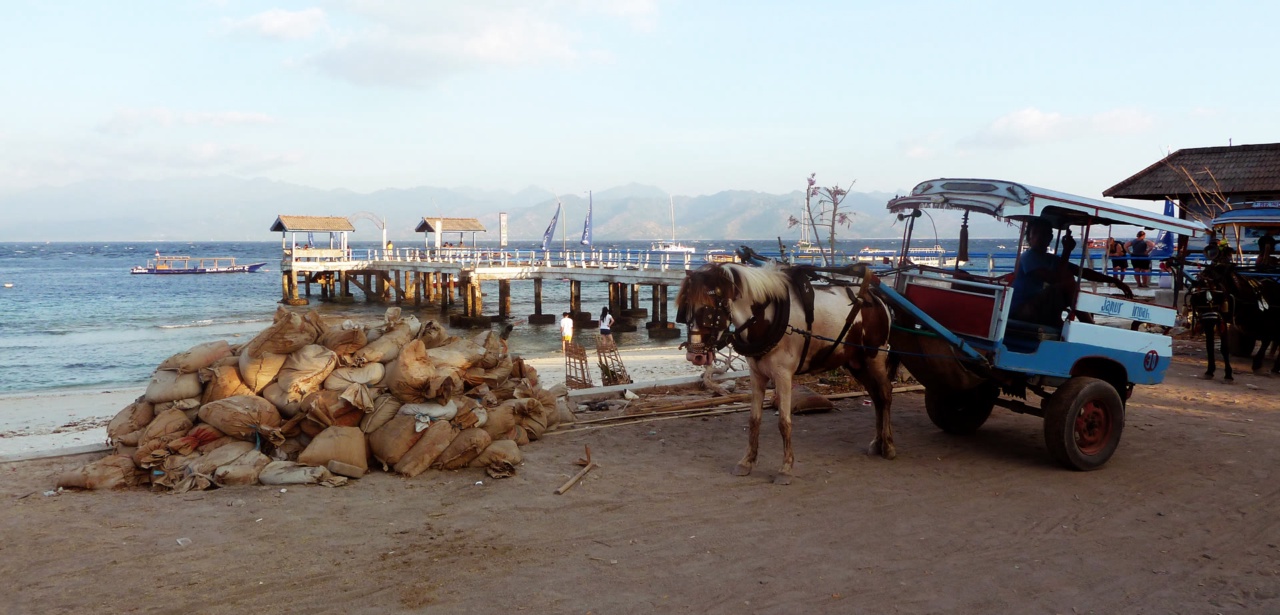
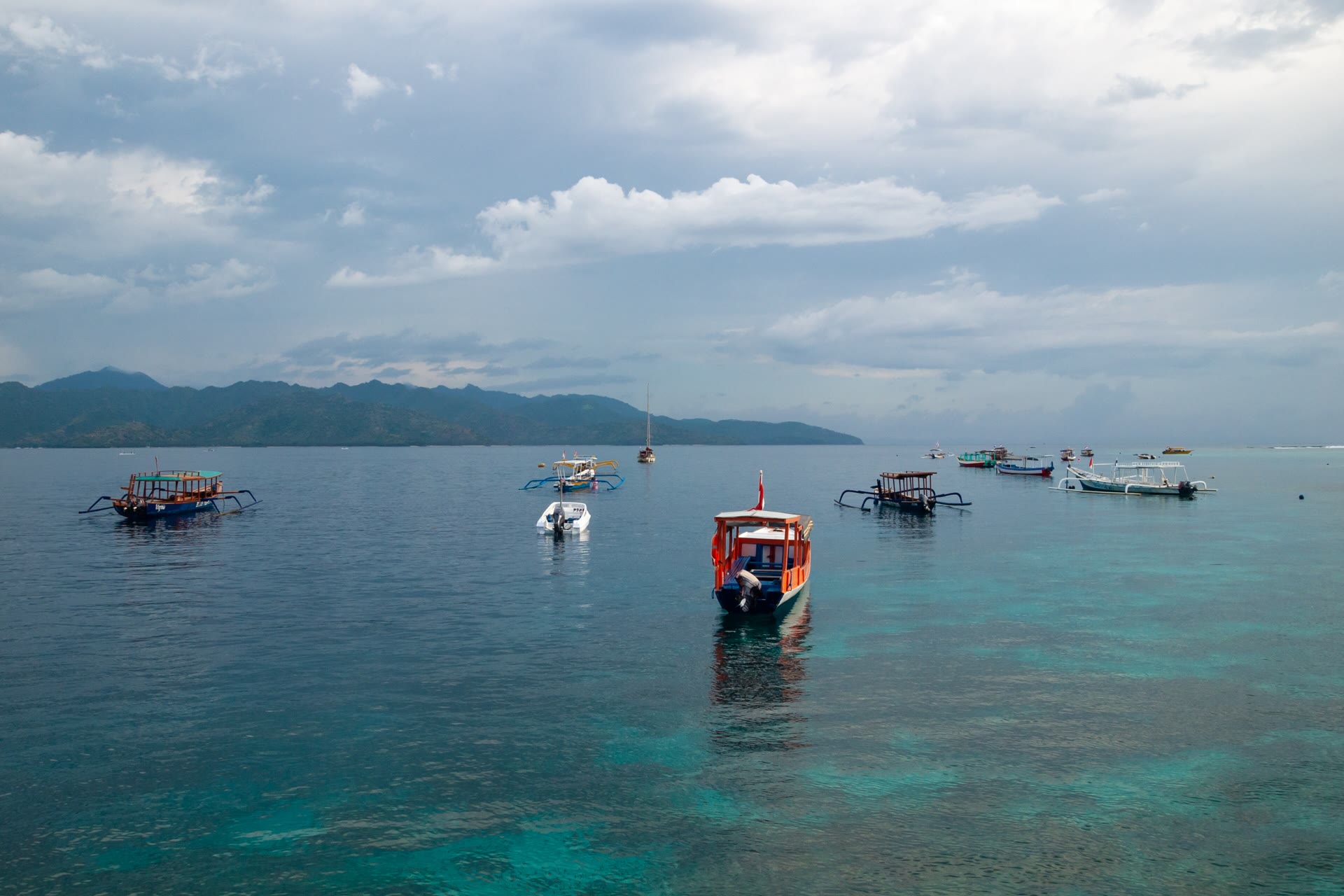
Three tiny islands off the northwest coast of Lombok have become some of Indonesia's most beloved destinations. The Gili Islands - Gili Trawangan, Gili Air, and Gili Meno - offer something increasingly rare: no motorized vehicles, crystal-clear water, and a pace of life that forces you to slow down. Horse carts and bicycles are the only transport on land, and the loudest sounds you will hear are waves and the occasional call to prayer drifting across the water from Lombok.
Each island has its own personality. Gili Trawangan draws the party crowd with beach bars and nightlife. Gili Air balances social energy with village calm. Gili Meno barely has a village at all, making it the choice for couples and anyone who wants genuine solitude. Despite their growing popularity, the Gilis remain remarkably easy to enjoy - you can circle the largest island on foot in under two hours, and the snorkeling starts right from the beach.
Choosing Your Island
Gili Trawangan
The largest and most developed of the three, Gili Trawangan (locals call it Gili T) is about 3 kilometers long and 2 kilometers wide. The east coast facing Lombok has the main strip of restaurants, dive shops, bars, and accommodation. The west coast is quieter, with a handful of resorts and the best sunset views.
Gili T is the hub of nightlife in the Gilis, with themed party nights rotating between venues. Monday nights at one bar, Wednesday at another - the schedule is well known and the island fills up accordingly. But beyond the parties, Gili T has excellent diving, a thriving food scene, and a full loop walking path that takes about 90 minutes to complete. You can cycle it in 30 minutes.
Gili Air
Gili Air sits closest to Lombok and strikes the balance most travelers are looking for. The south and east sides have enough restaurants, yoga studios, and beachfront cafes to keep you fed and entertained. The north and west sides feel genuinely remote, with local houses, coconut groves, and empty stretches of beach.
The island is small enough to walk around in about an hour. Snorkeling off the east coast is excellent, with sea turtles regularly spotted in the shallows. Gili Air attracts a slightly older crowd than Gili T - digital nomads, couples, and families who want activity options without the late-night noise.
Gili Meno
The smallest and quietest island, Gili Meno has fewer than 500 permanent residents and a fraction of the tourist infrastructure. This is where you go to disconnect. Accommodation ranges from basic bungalows to a handful of upscale resorts, but nightlife is essentially nonexistent.
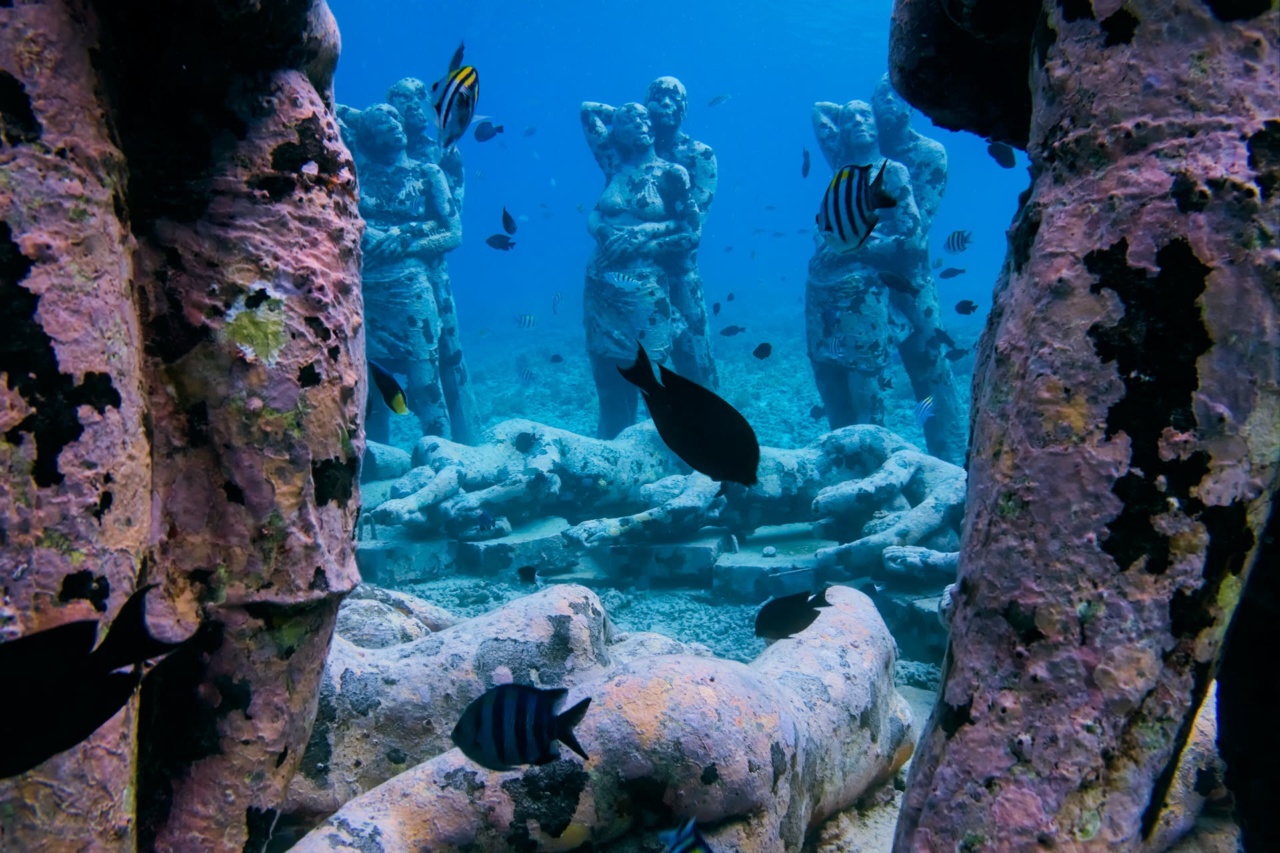
What Gili Meno lacks in facilities, it makes up for underwater. The island has some of the best snorkeling in the Gilis, including the famous Nest - a circle of 48 life-sized underwater statues by artist Jason deCaires Taylor, sitting in about 4 meters of water off the west coast. Sea turtles are abundant here, and the reefs are healthier due to lower boat traffic.
Things to Do
Getting to the Gili Islands
From Bali
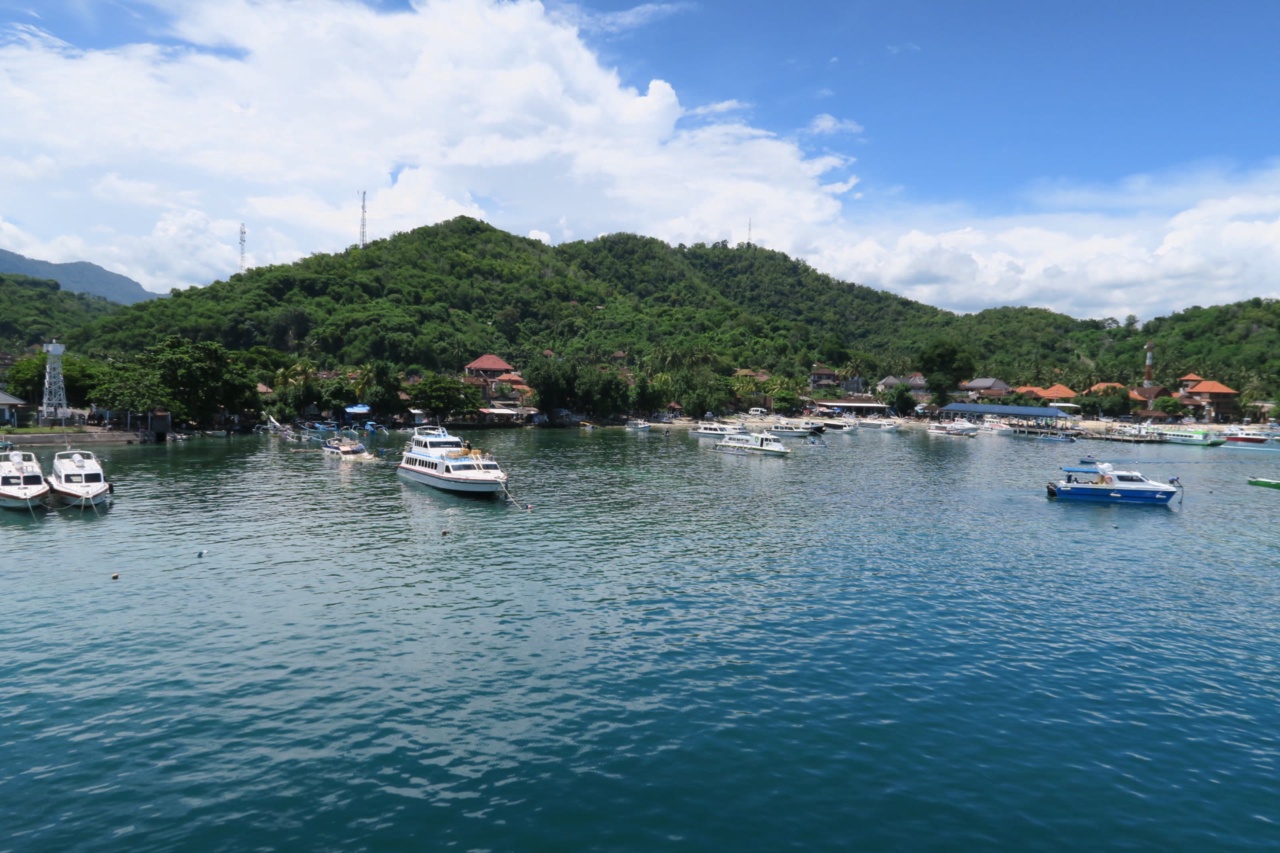
Fast boats run daily from several harbors on Bali's east and south coast. The most common departure points are Padang Bai, Serangan, and Sanur.
| Departure Port | Travel Time | Price (One Way) |
|---|---|---|
| Padang Bai | 1.5-2 hours | $25-35 |
| Serangan | 2-2.5 hours | $30-40 |
| Sanur | 2-2.5 hours | $30-40 |
Book fast boats through your hotel, a local travel agent, or online platforms. Prices usually include hotel pickup from southern Bali areas (Kuta, Seminyak, Ubud). The crossing can be rough during rainy season (November to March), so travelers prone to seasickness should take precautions. Most boats stop at Gili Trawangan first, then Gili Air. For Gili Meno, you may need to transfer on a smaller boat from either neighbor island.
From Lombok
The cheapest route is from Bangsal Harbor on Lombok's northwest coast. Public boats run throughout the day and cost around Rp15,000-25,000 per person. The crossing takes 20-30 minutes. Private boats are available for about Rp350,000 and depart on your schedule. From Lombok International Airport, a taxi to Bangsal takes about two hours and costs around Rp250,000-350,000.
Between the Islands
Public boats connect all three islands multiple times daily. The hop between any two islands takes 10-15 minutes and costs Rp25,000-35,000. Private charter boats are also readily available if you prefer your own schedule.
Snorkeling and Diving
Snorkeling
The Gili Islands are one of the easiest places in Indonesia to snorkel. You do not need a boat - many of the best spots are accessible right from the beach. Rental gear is available everywhere for about Rp30,000-50,000 per day (around $3).
- Turtle Point (Gili T): On the northeast side of Gili Trawangan, swim out from the sandy beach to find sea turtles grazing on seagrass in 3-4 meters of clear water. Morning visits offer the calmest conditions.
- The Nest (Gili Meno): The underwater statue installation off Gili Meno's west coast. Snorkelers can easily reach it from shore. The statues sit at about 4 meters depth and are already colonized by coral and small fish.
- East Coast Gili Air: The reef along Gili Air's east shore has excellent coral coverage and regular turtle sightings. Enter from any beach access point and drift south with the current.
Half-day snorkeling boat tours visit multiple spots around all three islands, typically including turtle points, coral gardens, and the underwater statues. Shared tours cost around Rp150,000-200,000 per person ($10-13), while private boats start at Rp300,000 per person ($20).
Diving
The Gilis have over 20 dive sites and are one of Indonesia's most popular spots for learning to dive. Open Water certification courses cost around $350-450, significantly cheaper than many other destinations. Fun dives for certified divers run about $35-50 per dive.
Marine life includes green and hawksbill sea turtles, reef sharks (both blacktip and whitetip), octopus, cuttlefish, and an extraordinary variety of reef fish. Manta rays occasionally pass through between October and April. Visibility typically ranges from 15-30 meters, with the best conditions from May to September.
Where to Stay
Accommodation ranges from backpacker dorms at Rp100,000 per night to luxury villas at several million rupiah. Each island has its own price range and style.
| Island | Budget | Mid-Range | Luxury |
|---|---|---|---|
| Gili Trawangan | Rp100,000-250,000 | Rp400,000-800,000 | Rp1,500,000+ |
| Gili Air | Rp150,000-300,000 | Rp500,000-1,000,000 | Rp2,000,000+ |
| Gili Meno | Rp200,000-350,000 | Rp600,000-1,200,000 | Rp2,500,000+ |
Gili Trawangan has the widest range and best value. Gili Meno is the most expensive due to limited supply. On all islands, beachfront costs a premium - staying one row back from the beach can halve your rate. Book ahead during peak season (July-August and Christmas-New Year) as popular places fill up weeks in advance.
Food and Drink
Gili Trawangan has the best food scene, with options ranging from local warungs serving nasi goreng for Rp25,000 to upscale restaurants with international menus. The night market on the east side of Gili T is a highlight - rows of seafood stalls where you pick your fish, prawns, or squid and have it grilled to order. Expect to pay Rp50,000-100,000 for a generous seafood plate.
Gili Air has a growing restaurant scene with excellent Indonesian, Mediterranean, and health-food options. Gili Meno has fewer choices, so be prepared to eat at your accommodation or the small cluster of restaurants near the boat landing. Fresh water is limited on all three islands - it is shipped in from Lombok - so expect to pay more for drinks than on the mainland.
Practical Tips for the Gili Islands
- Bring cash: ATMs exist on Gili T and Gili Air but frequently run out or malfunction. Bring enough rupiah from Bali or Lombok to cover your stay. Some places accept cards, but a cash backup is essential.
- Water and power: Fresh water is scarce and electricity comes from generators or solar panels. Brief power outages happen. Hot water is not guaranteed at budget accommodations.
- No motorized vehicles: This is strictly enforced. Getting around means walking, cycling (rental: Rp50,000-75,000 per day), or taking a cidomo (horse cart, Rp50,000-100,000 per trip). On Gili Meno, walking is the only realistic option.
- Respect the reef: Do not stand on coral, touch turtles, or use reef-damaging sunscreen. The coral ecosystem is the islands' main attraction and it is fragile.
- Best season: May to September offers the driest weather and best underwater visibility. The rainy season (November to March) brings rougher seas that can delay or cancel boat services, especially fast boats from Bali.
- Island hopping is easy: Do not feel locked into one island. The short boat hops between islands mean you can stay on Gili Air for the calm mornings and visit Gili T for an evening out without any hassle.
- Mosquitoes: They are present on all three islands, particularly at dawn and dusk. Bring repellent - the islands have had occasional dengue cases.
For more island guides and Indonesia travel tips, explore other destinations on GoAsia.cc.
Frequently Asked Questions
Gili Trawangan is best for nightlife, socializing, and the widest range of restaurants and dive shops. Gili Air offers a balanced mix of activity and relaxation with a village atmosphere. Gili Meno is ideal for couples and anyone seeking quiet beaches with minimal development. Most travelers who have time visit at least two islands since hopping between them takes only 10-15 minutes by boat.
Fast boats from Bali cost $25-40 one way. Budget accommodation starts at Rp100,000 per night on Gili Trawangan. Meals at local warungs run Rp25,000-50,000 and snorkel gear rental is about Rp30,000-50,000 per day. A comfortable mid-range budget is around $50-70 per day including accommodation, food, and activities.
Fast boats depart daily from Padang Bai (1.5-2 hours), Serangan, or Sanur (2-2.5 hours) on Bali. Prices include hotel pickup from major tourist areas. Most boats stop at Gili Trawangan first, then Gili Air. For Gili Meno, you typically transfer from one of the other islands on a local boat. Book in advance during peak season.
Yes, this is one of the Gilis' biggest advantages. Several excellent snorkel spots are reachable directly from shore without a boat. Turtle Point on northeast Gili Trawangan, the east coast of Gili Air, and the underwater statues off Gili Meno's west coast are all accessible by swimming from the beach. Gear rental is widely available for about $3 per day.
ATMs exist on Gili Trawangan and Gili Air, but they frequently run out of cash or experience technical problems. Gili Meno has no ATM. Bring sufficient rupiah from Bali or Lombok to cover your entire stay. Some restaurants and dive shops accept credit cards, but cash remains the primary payment method across all three islands.
During the dry season (May to September), crossings are generally smooth and reliable. During rainy season (November to March), rough seas can cause delays, cancellations, or uncomfortable rides. Choose reputable operators, avoid the cheapest options, and check recent reviews. If you are prone to seasickness, the shorter Lombok-to-Gili route from Bangsal Harbor (20-30 minutes) is a much calmer alternative.
May to September offers dry weather, calm seas, and the best underwater visibility for snorkeling and diving. July and August are the busiest months with higher prices. May, June, and September provide excellent conditions with fewer crowds. The rainy season from November to March brings lower prices but rougher boat crossings and occasional heavy downpours.