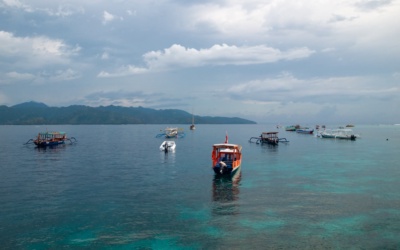
Lombok is Bali's quieter, wilder neighbor - an island of turquoise bays, towering volcanoes, and traditional Sasak villages largely untouched by mass tourism.
The first thing you notice about Lombok is the silence. Not literal silence - roosters crow at dawn, the call to prayer drifts across rice paddies, and waves crash against southern cliffs - but the absence of Bali's relentless commercial buzz. Lombok is Indonesia's open secret: an island just across the Lombok Strait from Bali, yet operating at a completely different tempo.[1] The population is predominantly Sasak, an ethnic group with their own language, architecture, and culinary traditions that set this island apart from its Hindu neighbor.[1]
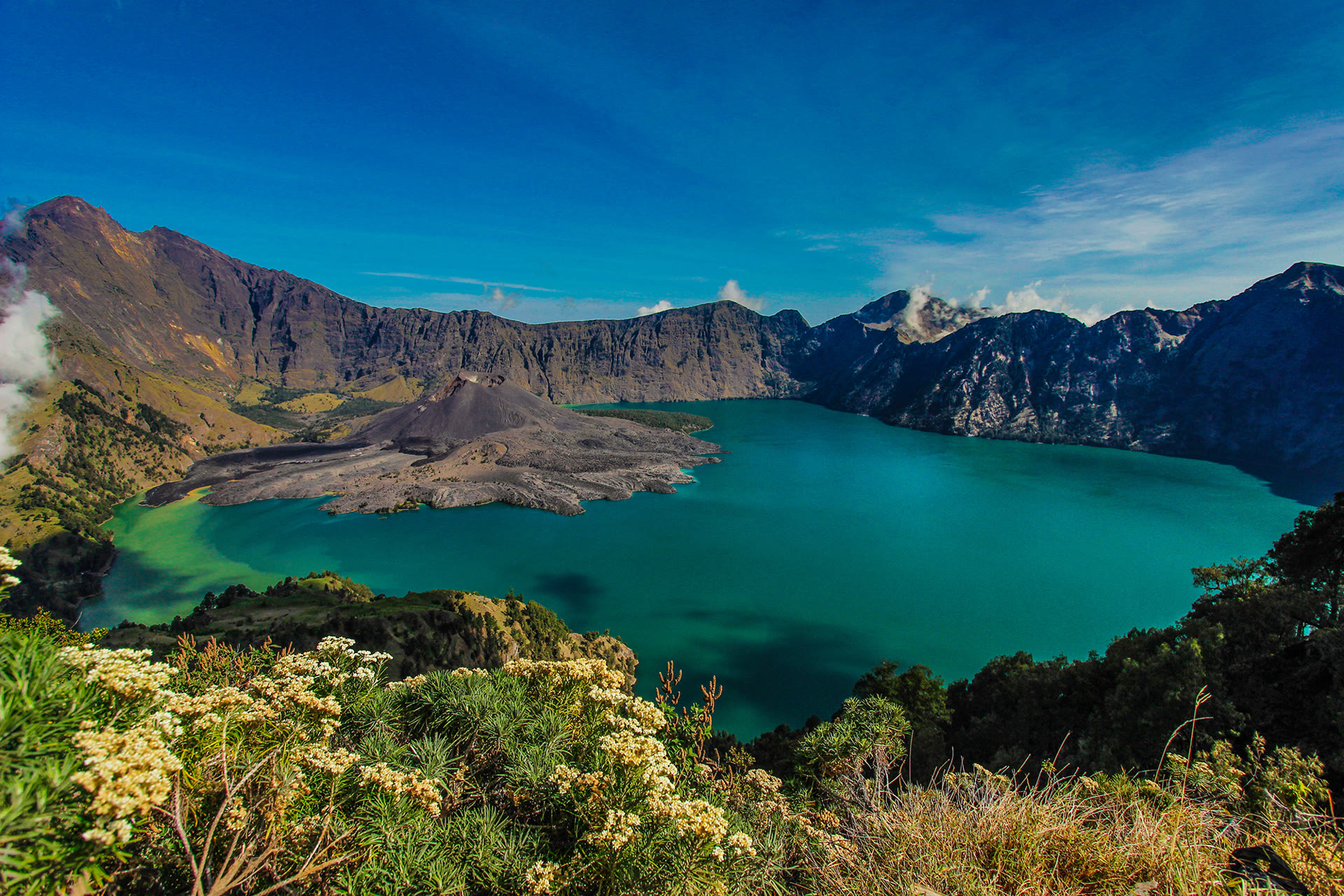
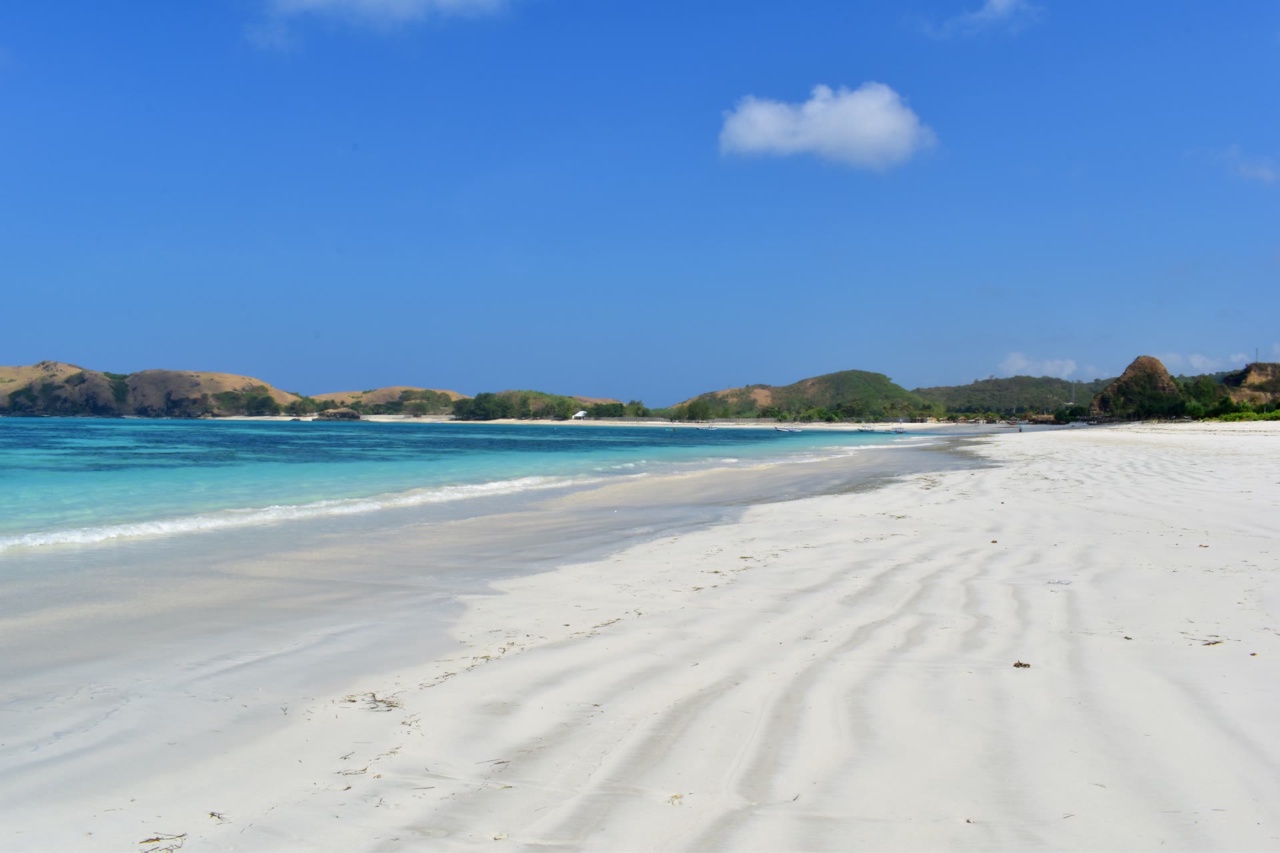
Lombok suits travelers who want nature at the forefront. The island is dominated by Mount Rinjani, one of Indonesia's highest volcanoes, whose crater lake draws trekkers from around the world.[1] The southern coastline hides a string of jaw-dropping bays - Mawun, Tanjung Aan, Selong Belanak - each with white sand and water that shifts from emerald to sapphire.[1] Surfers flock to Desert Point on the southwest tip for a legendary left-hand barrel, while the northwest coast serves as the jumping-off point for the Gili Islands.
Infrastructure is developing but still patchy. Outside of Senggigi and the Kuta area, roads can be rough, ATMs scarce, and English limited. That rawness is exactly the appeal. Lombok gives you the Indonesia that Bali offered decades ago, but with enough guesthouses, warungs, and motorbike rental shops to keep things comfortable. If you want polished resorts and nightclub strips, look elsewhere. If you want to watch the sun set over a volcanic ridge from a near-empty beach, Lombok is your island.
Orientation and Neighborhoods
Understanding Lombok's geography saves you from wasting days on transit. The island divides neatly into four zones, each with a distinct character.
Mataram and the West Coast
Mataram is the capital of West Nusa Tenggara and the island's center of government and industry. It is a sprawling, functional Indonesian town made up of the old district of Ampenan, the commercial district of Cakranegara, and the office district.[1] Most travelers pass through rather than stay, but it has the best selection of banks, pharmacies, and supplies. Senggigi, a short drive up the coast road, was Lombok's original tourist hub. It has a faded resort-town feel with beachfront hotels, restaurants, and dive shops, and works as a comfortable base for exploring the northwest coast or catching boats to the Gili Islands.
Kuta and the South Coast
Not to be confused with Bali's Kuta, Lombok's Kuta is a small, dusty town that has become the island's most popular traveler base. It sits at the center of Lombok's finest beaches, close enough to reach by motorbike. Budget hostels, surf camps, hip cafes, and a growing number of boutique hotels line the main road. This is where the backpacker and surfer crowd gravitates, though development is accelerating.
The Gili Islands Gateway (Bangsal)
The northwest coast harbors Bangsal, a ferry port for the Gili Islands.[2] The area itself is not particularly pleasant, so buy your ticket and move on. Some travelers skip it entirely and take fast boats directly from Bali to the Gilis.
North and East Lombok
The mountainous north is where you find the trailheads for Mount Rinjani. Senaru and Sembalun are two of the main gateway villages, both quiet and cool at elevation.[3] East Lombok is the least visited region, home to traditional Sasak weaving villages and empty black-sand beaches such as Obel-Obel.[1] It rewards those with time and a sense of adventure.
Things to Do
Offers are only loaded from GetYourGuide after you click. GetYourGuide can then process your IP address and set cookies. Privacy Policy
GetYourGuide partner offers. GoAsia may earn a commission if you book through these offers. Check whether tickets or transfers are included, and follow the attraction's official booking and admission rules.
Best Time to Visit
Lombok has a tropical climate with two distinct seasons. The dry season runs from roughly May through September, delivering sunny days, low humidity, and the best conditions for trekking, diving, and beach hopping. The wet season spans roughly November through March, bringing afternoon downpours and occasional road flooding in rural areas. October and April are shoulder months that often deliver good weather with fewer visitors.
Rinjani follows its own calendar. The national park closed every hiking route from 1 January to 31 March 2026 to reduce the risk of hydrometeorological disasters in the rainy season.[3] Check the park's announcements before you fix dates, because closures can come at short notice.
Month Range
Weather
Crowds
Prices
May - Sep
Dry, sunny, warm
Peak season, moderate crowds
Higher
Oct, Apr
Transitional, occasional rain
Low to moderate
Mid-range
Nov - Mar
Wet season, daily rain, humid
Low season
Lowest
July and August see the highest visitor numbers, especially around the Gili Islands and Kuta. For the best balance of weather and value, aim for May, June, or September. The Bau Nyale festival near Kuta and Seger Beach celebrates the annual arrival of sea worms and is Lombok's most culturally significant event. It is held on the 20th day of the tenth month of the Sasak calendar, so the date in the Gregorian calendar changes every year.[4] Locals gather on the beach in the afternoon, fill the evening with traditional arts, and catch the nyale from night until dawn.[4]
Getting There and Getting Around
Arriving in Lombok
Lombok International Airport (LOP) is in Tanah Awu in Central Lombok, about 30 km or an hour's drive south-east of Mataram.[1] In mid-2025 the airport served twelve domestic routes, including Jakarta, Surabaya, Yogyakarta, Bali, Makassar and Labuan Bajo.[5] The Bali hop takes around 50 minutes in the air.[6] From the airport, DAMRI buses run daily from 07:00 to 17:00 to Mataram (Rp25,000), Ampenan and Senggigi (Rp35,000 each) and Selong (Rp30,000), and you buy tickets at the counter.[7] The taxi counter at Domestic Arrivals, run by KSU Lombok Baru, charges by zone or meter and also operates from 07:00 to 17:00.[7] Outside those hours, arrange a transfer with your hotel in advance.
The public ferry from Padang Bai in Bali docks at Lembar port on Lombok's west coast. It is a slow but cheap crossing of 36 nautical miles with an average sailing time of 4 hours 30 minutes, and departures run around the clock.[8] ASDP has no ticket counter at the port, so buy tickets online in advance via Ferizy or from the online ticket sellers at the port entrance.[8] Fast boats leave Bali from Serangan and Padang Bai.[1] Fares from Padang Bai to the Gilis and Lombok start from Rp790,000 per person.[9] You can find detailed transport options and schedules on GoAsia.cc.
Getting Around the Island
Renting a motorbike is the default mode of transport and the most practical way to explore, though you can also rent cars from trusted providers.[1] Roads in the south and west are generally good; northern mountain roads and eastern routes can be rough and narrow. Always carry your international driving permit.
Public transport is limited. Bemos, minibuses that serve most tourist attractions, run only during the daytime.[1] After dark, ojek (motorbike taxi) drivers take over; they have no meter, so agree the price before you hop on.[1] Private car hire with a driver makes sense for groups or those uncomfortable on two wheels. Cidomo, small horse-drawn carts, operate around Senggigi and on the Gilis.[1]
Lombok is not a walkable destination. Distances between attractions are significant, and the southern beaches are spread across a wide coastal stretch connected by hilly roads. Budget for transport as a core trip expense.
Top Sights and Experiences
Must-See Highlights
Mount Rinjani Trek: The crown jewel of Lombok. The summit rises to 3,726 meters, and the multi-day trek to its crater rim or summit is one of Southeast Asia's great hiking experiences.[1] The crater lake, Segara Anak, glows an otherworldly blue-green.[1] The park runs six hiking routes: Senaru, Torean, Sembalun, Timbanuh, Tetebatu and Aik Berik.[3] Bookings go through the official eRinjani app.[10] The park revised its trekking rules in 2025, including route grades, guide ratios, insurance and a safety contingency plan, so book through a reputable operator that handles the current requirements.[10] Physical fitness is essential; the trails are steep and can be slippery.
Check the current status before you commit. Because of the wildfire risk, the park opened only on a limited basis from 1 September 2026, with tighter patrols and checks of baggage for anything that could start a fire, and online booking through eRinjani was paused until the fire risk is judged safe.[11] The Torean route has been closed since 23 September 2026 after a forest fire on Bukit Setampol, and hikers with Torean tickets are asked to reschedule or switch to another route.[12]
South Coast Beaches: Lombok's southern coastline is extraordinary. Tanjung Aan features two crescent bays with powdery white sand and calm turquoise water - ideal for swimming. Mawun Beach is a sheltered horseshoe bay with gentle waves, perfect for families. Selong Belanak offers a long, flat stretch popular with beginner surfers, with board rentals available on the sand. Visit early morning for near-empty sands.
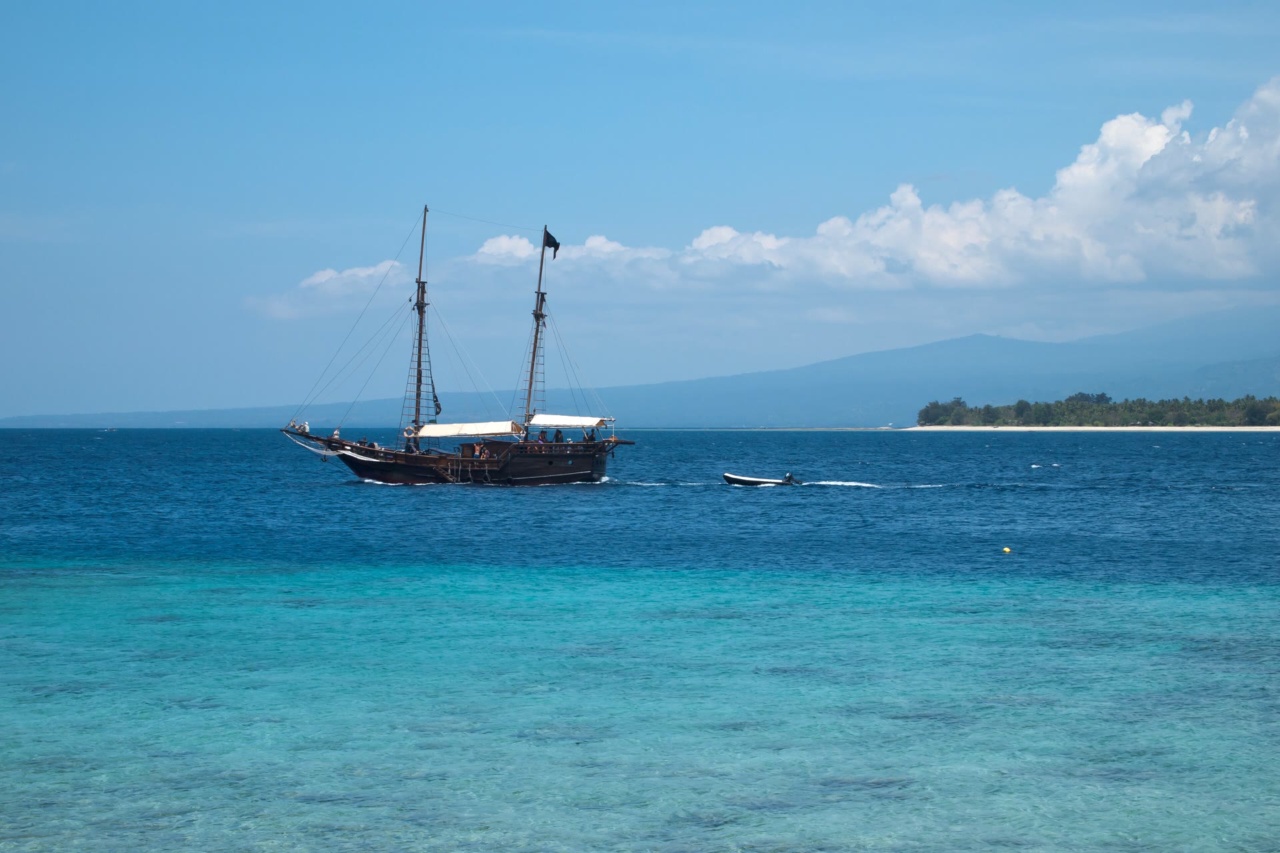
Gili Islands: While technically a separate destination, most Lombok visitors include at least one Gili. Gili Trawangan is the largest and most popular island, with bars and dive shops. Gili Air is closest to the mainland and balances social vibes with tranquility. Gili Meno is the smallest and quietest, best for couples.[13] There are no cars or motorbikes on the Gilis, so you get around by bike or cidomo.[13] Snorkelers and divers can spot green turtles, which you can see at depths of 10 to 20 meters.[13]
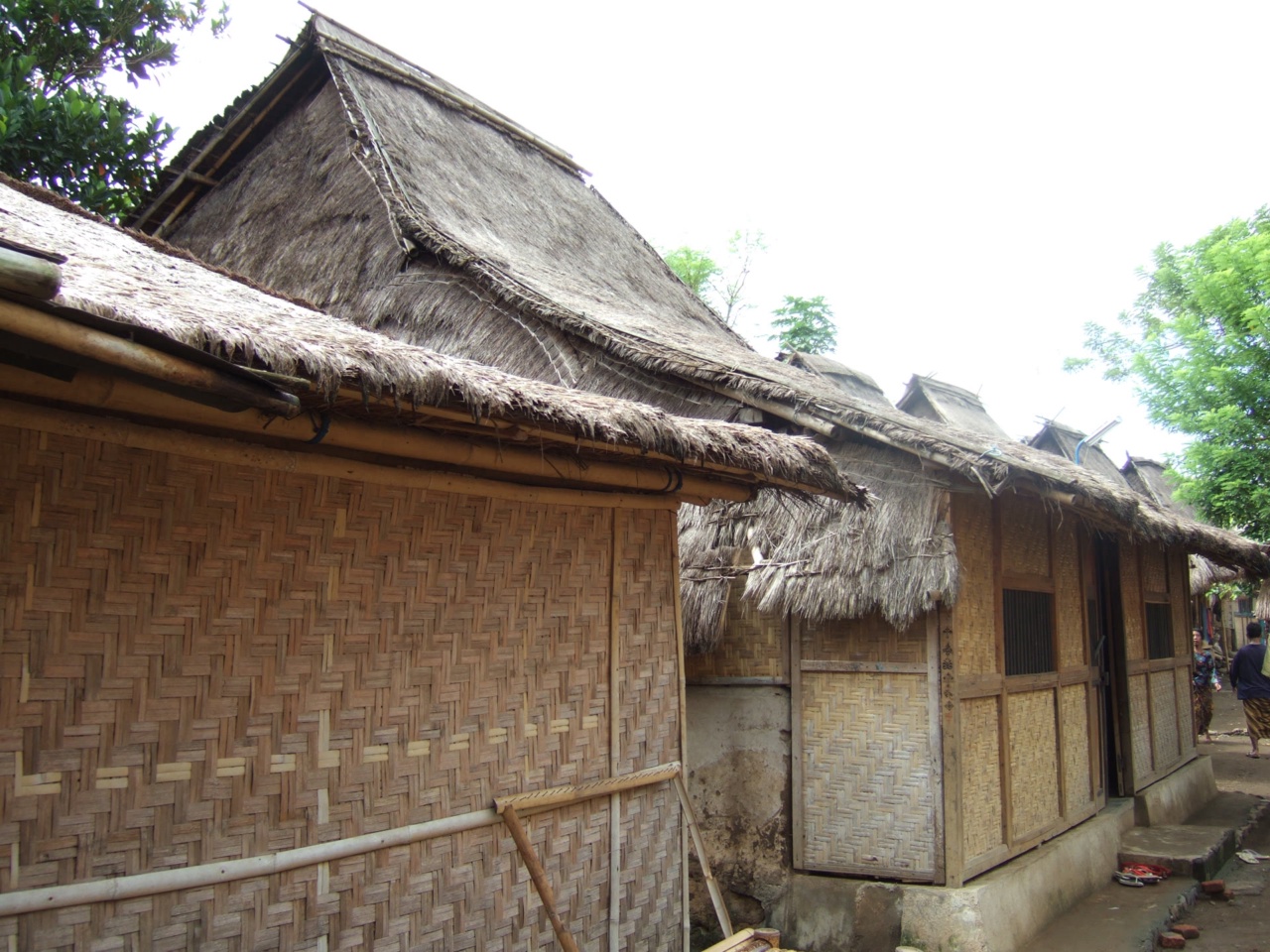
Traditional Sasak Villages: Sade and Rambitan are traditional Sasak weaving villages where you can see daily life and learn about the weaving skills of the local women.[1] Villagers welcome visitors and explain their weaving traditions and customs. Visit early, before the tour groups arrive. Both offer a genuine window into traditional Lombok life.
Hidden Gems
Benang Kelambu and Benang Stokel Waterfalls: Tucked into the Rinjani foothills, these twin waterfalls cascade through lush jungle. Benang Kelambu, where water filters through a curtain of vines, is especially photogenic, and the trail to it is a soothing walk.[1] Go on weekdays to avoid domestic tour groups.
Tiu Kelep Waterfall (Senaru): A thundering waterfall reached by a jungle walk from Senaru village, one of the Senaru waterfalls the tourism board recommends.[1] You will wade through the river and get soaked by spray. A local guide is genuinely helpful for navigating the rocky riverbed. Combine this with the nearby Sendang Gile waterfall for a half-day outing.
Pink Beach (Tangsi): Far down Lombok's south-east coast, this beach gets its blush color from pretty corals that tint the shore.[1] The drive from Kuta is long and the roads are rough, but the reward is a surreal, near-empty shoreline. Bring your own food and water as facilities are minimal.
Overrated Attractions
Bangsal Harbor: Some guides list this as a place to experience local life, but it is a working ferry port, not a place to linger. Buy your ticket from a licensed operator and move on.
Narmada Water Palace: This royal garden complex in Mataram, listed by the tourism board alongside Mayura Garden and the West Nusa Tenggara Museum, has historical significance.[1] Unless you have a strong interest in Lombok's royal history, your time is better spent elsewhere.
Senggigi Beach itself: The beach is mediocre by Lombok standards - grayish sand, modest waves, and a strip of aging hotels. Senggigi works as a base for its restaurants and proximity to the Gilis, but do not expect a standout beach experience here.
Food and Drink
Lombok's cuisine is distinct from Bali's, shaped by Sasak culture and a love of bold, spicy flavors. The island's signature ingredient is a fiery chili paste that appears in nearly every dish.
Signature Dishes
Dish
Description
Where to Try
Course
Ayam Taliwang
Grilled chicken marinated in a fierce chili, shrimp paste, and garlic sauce - Lombok's most famous dish
Warungs in Mataram and Kuta
Main
Plecing Kangkung
Blanched water spinach topped with a spicy tomato-chili sambal
Everywhere - a universal side dish
Side
Sate Rembiga
Beef satay marinated in a sweet-spicy paste, grilled over coconut husks
Night markets in Mataram
Main
Beberuk Terong
Raw eggplant salad with chili, tomato, and shrimp paste - refreshing and punchy
Local warungs near Sade village
Side
Nasi Balap Puyung
Rice with shredded chicken, fried soybeans, bean sprouts, and sambal - a complete Sasak meal
Roadside stalls along the Praya road
Main
Eating Culture
Street food and warungs (family-run eateries) are the heart of Lombok dining. In Kuta, a growing cafe scene caters to travelers with smoothie bowls, Western breakfasts, and wood-fired pizza, but the best food remains local. Mataram's night markets offer the widest variety of Sasak dishes at rock-bottom prices. Mid-range restaurants in Kuta and Senggigi charge more, and upscale dining exists mainly in resort hotels.
Lombok is a predominantly Muslim island, so alcohol is less prevalent than in Bali. Beer is available in tourist areas, and some bars in Kuta serve cocktails. You will not find alcohol in most local warungs. Freshly squeezed juice is everywhere and cheap.
Where to Stay
Budget
Kuta has the densest concentration of budget accommodation, from basic guesthouses to surf hostels with pools. Senaru village near Rinjani offers simple homestays, perfect for pre-trek stays. Quality varies widely, so check recent reviews.
Mid-Range
Kuta and Senggigi both offer boutique hotels and villa-style accommodations. Expect pools, breakfast included, and modern bathrooms. Some properties in the hills above Kuta deliver stunning ocean views at surprisingly reasonable rates. The Selong Belanak area has several mid-range surf lodges with direct beach access.
Upscale
Luxury options are growing but still limited compared to Bali. The Senggigi coast and the area around Kuta have a handful of high-end resorts with private pools, spa facilities, and ocean-view villas. Mandalika, a Special Economic Zone near Kuta that covers Tanjung Aan, Kuta and Serenting beaches, is a designated Super Priority Destination and the home of the Mandalika Circuit.[4] For the ultimate splurge, some private villa rentals on the hillsides above the south coast offer extraordinary value compared to equivalent Bali properties.
Practical Tips
Safety: Lombok is generally safe for tourists. Petty theft can occur - do not leave valuables on the beach or in unlocked motorbike baskets. The biggest physical risks are motorbike accidents (roads are unforgiving) and ocean currents: Australia's government warns that travelers have drowned from rough seas and strong rip currents at beaches including Lombok and the Gili Islands, and that conditions can change rapidly.[14] Always wear a life jacket on boats and check that the boat carries safety equipment.[14] Malaria risk is listed for rural parts of Lombok, but not for the Gili Islands, and dengue is present, so ask a travel doctor before you go and avoid mosquito bites.[15] Lombok lies in an earthquake zone, so learn the basic safety procedures at your accommodation.
Cash vs. Card: Lombok is still largely a cash economy. ATMs are plentiful in Mataram, Senggigi, and Kuta but rare elsewhere. Carry enough cash before heading to remote beaches, the east coast, or mountain trailheads. Some mid-range and upscale hotels accept cards, but warungs and local transport are cash only.
Tipping: Not expected at warungs or local eateries. At tourist-oriented restaurants, rounding up is appreciated. Tip your Rinjani guide and porters generously.
SIM Cards: Buy a local SIM at the airport or any phone shop in Mataram or Kuta. Coverage is weaker in the mountains, so download offline maps before a trek.
Language: Bahasa Indonesia is the lingua franca, and Sasak is the local language. English is spoken in tourist areas of Kuta and Senggigi but limited elsewhere. Learning basic Indonesian phrases (terima kasih for thank you, berapa for how much) goes a long way and earns genuine warmth.
Cultural Etiquette: Lombok is conservative. Cover shoulders and knees when visiting villages or mosques. Remove shoes before entering homes. During Ramadan, be discreet about eating and drinking in public during daylight hours. Dress modestly away from the beach - swimwear is for the sand only.
Water: Do not drink tap water. Bottled water is cheap and available everywhere. Where you find refill stations, use them to reduce plastic waste.
Day Trips
Gili Islands
The most popular day trip, though an overnight stay is recommended to fully enjoy the pace. Speedboats from Senggigi take only about 20 minutes.[13] Snorkeling, diving, and cycling the car-free islands are the main draws. A day trip works if you pick one island and focus on beach time and snorkeling.
This highland valley on Rinjani's eastern side offers cool air, strawberry farms, and dramatic views of the volcano. The drive through terraced rice fields and small villages is half the experience. Combine with a visit to the Sembalun Lawang viewpoint. Worth it for the scenery alone.
Sekotong and the Southwest Islands
The Sekotong peninsula is the gateway to a chain of small islands with exceptional snorkeling and diving. Gili Nanggu and Gili Sudak are the most accessible, reached by local boats. These islands are far less developed than the main Gilis - expect basic facilities and pristine coral.
Tetebatu
A small village on Rinjani's southern slopes. Tetebatu offers rice paddy walks, tobacco plantation visits, and a glimpse of rural Sasak life without the tourist overlay. Local guides lead walks to small waterfalls through monkey-inhabited forest. Homestays here are basic but charming.
Desert Point (Bangko Bangko)
Lombok's legendary surf break, on the remote southwest tip. The drive from Kuta is long and the roads get increasingly rough. When the swell hits right, Desert Point produces a long, hollow left-hand barrel that surfers travel the world for. Non-surfers will find little to do here, but watching from the cliff is mesmerizing. Facilities are minimal - bring food and water.
Sample 3-Day Itinerary
Day 1: South Coast Beaches
Morning: Arrive and settle into accommodation in Kuta. Rent a motorbike and ride east to Tanjung Aan. Swim in the calm bay and walk the headland for panoramic views. Afternoon: Head to Mawun Beach for a quieter swim, then continue to Selong Belanak for a beginner surf lesson. Evening: Return to Kuta for dinner at a local warung - try ayam taliwang and plecing kangkung. Browse the small night market if it is running.
Day 2: Culture and Waterfalls
Morning: Visit Sade or Rambitan village early before tour groups arrive. Spend an hour learning about Sasak weaving and architecture. Drive north toward Mataram. Afternoon: Continue to Benang Kelambu and Benang Stokel waterfalls. Allow plenty of time for hiking and swimming. Grab lunch at a warung in the foothills. Evening: If staying in Senggigi, enjoy a sunset dinner along the coast road. If returning to Kuta, stop at Mataram's night market for sate rembiga.
Morning: Depart early for Bangsal or Senggigi. It is a long drive from Kuta, so leave at first light. Take the boat to Gili Air or Gili Meno. Afternoon: Snorkel, cycle the island perimeter, and eat fresh grilled fish at a beachfront restaurant. Evening: Catch a late afternoon boat back to Lombok. If your schedule allows, spend the night on the Gili and return the next day - the islands are best appreciated at sunset and sunrise.
Travelers with more time should add days for the Mount Rinjani trek, once you have checked the current park status, or spend a day exploring the remote southeast coast and Pink Beach.
Budget Overview
Category
Budget
Mid-Range
Comfort
Accommodation
Dorms, guesthouses, homestays
Boutique hotels, surf lodges
Resorts, private villas
Food
Warungs and night markets
Cafes and mid-range restaurants
Resort dining
Transport
Motorbike
Motorbike plus occasional car
Private driver
Activities
Beaches, waterfalls, villages
Surf lessons, snorkeling trips
Dive courses, guided treks
Lombok remains one of Indonesia's best-value destinations, and day-to-day living costs are remarkably low if you eat at warungs and ride a motorbike. The biggest variable expense is activities: a Rinjani trek or dive course will spike your daily average.
Frequently Asked Questions
Is Lombok worth visiting?
Absolutely. Lombok offers stunning beaches, world-class trekking on Mount Rinjani, rich Sasak culture, and excellent surf breaks, all with far fewer tourists than Bali. If you want natural beauty and authentic Indonesian experiences without the crowds, Lombok delivers exceptionally well.
How many days do you need in Lombok?
A minimum of three days covers the south coast beaches, a cultural visit, and a day trip to the Gili Islands. Five to seven days is ideal if you want to include the Mount Rinjani trek, explore the remote east coast, or spend more time on the Gilis.
Is Lombok safe for tourists?
Lombok is generally safe. The main risks are motorbike accidents on unfamiliar roads and strong ocean currents on the beaches. Petty theft is uncommon but possible, so keep valuables secure. The island sits in an earthquake zone, so familiarize yourself with basic safety procedures.
What is the best time to visit Lombok?
The dry season from roughly May through September offers the best weather for beaches, trekking, and diving. June and September provide a sweet spot of good conditions with fewer visitors than peak months of July and August. If you want to trek Rinjani, check the national park's current announcements first, because the park closes its routes in the rainy season and can restrict access at other times, for example because of wildfire risk.
What food is Lombok famous for?
Ayam taliwang, a fiercely spicy grilled chicken, is the island's signature dish. Other must-tries include plecing kangkung (water spinach with chili sambal), sate rembiga (spiced beef satay), and nasi balap puyung (a complete rice plate with shredded chicken and fried soybeans).
Is Lombok expensive?
Lombok is very affordable. Eating at warungs and getting around by motorbike keeps daily costs low, and even mid-range travelers who choose boutique hotels and restaurant meals spend far less than in Bali's busiest areas. Major expenses like Rinjani treks or dive courses are the main budget variable.
Can you drink tap water in Lombok?
No, tap water is not safe to drink in Lombok. Stick to bottled or filtered water. Many cafes and guesthouses have refill stations where you can top up a reusable bottle instead of buying new plastic bottles.
How do I get from Lombok airport to Kuta?
Lombok International Airport (LOP) is in Central Lombok, south of Mataram. The taxi counter at Domestic Arrivals charges by zone or meter and is open from 07:00 to 17:00, and you can also arrange a private transfer with your hotel in advance. The airport's DAMRI buses go to Mataram, Ampenan, Senggigi and Selong, not directly to Kuta.
Is English widely spoken in Lombok?
English is spoken in tourist hubs like Kuta and Senggigi, particularly at hotels, restaurants, and tour agencies. Outside these areas, English is limited. Learning a few basic Indonesian phrases will be very helpful and is warmly received by locals.
What is the best neighborhood to stay in Lombok?
Kuta (south Lombok) is the best base for most travelers, offering easy access to the island's finest beaches, a good range of accommodation, and a growing food scene. Senggigi works better if you want quick access to the Gili Islands. For Rinjani trekkers, Senaru or Sembalun villages are the logical pre-trek bases.
Sources and background
Numbers in the text such as [1] refer to these sources.