
Sanur
Sanur is Bali's original beach resort town, a calm and sophisticated stretch of coast where the pace is deliberately slower than the island's party hubs.
Last updated: October 15, 2026
Contents
- 1. Orientation and Neighborhoods
- 1.1 Northern Sanur
- 1.2 Central Sanur
- 1.3 Southern Sanur (Mertasari)
- 1.4 Inland Sanur (Denpasar Side)
- 2. Best Time to Visit
- 3. Getting There and Getting Around
- 4. Top Sights and Experiences
- 4.1 Must-See Highlights
- 4.2 Lesser-Known Gems
- 4.3 Overrated Attractions
- 5. Food and Drink
- 5.1 Signature Dishes to Try
- 5.2 Eating Neighborhoods and Tips
- 6. Where to Stay
- 6.1 Budget (Under $25 per night)
- 6.2 Mid-Range ($25 to $80 per night)
- 6.3 Upscale ($80 to $200+ per night)
- 7. Practical Tips
- 8. Day Trips
- 8.1 Nusa Penida
- 8.2 Nusa Lembongan
- 8.3 Ubud
- 8.4 Sidemen Valley
- 8.5 Kertha Gosa and Klungkung
- 9. Sample 3-Day Itinerary
- 9.1 Day 1: Settle In and Explore Sanur
- 9.2 Day 2: Nusa Penida Day Trip
- 9.3 Day 3: Culture and Relaxation
- 10. Budget Overview
- 11. Frequently Asked Questions
Every morning before the heat sets in, Sanur's beachfront promenade fills with a gentle parade of joggers, cyclists, elderly Balinese doing tai chi, and expats walking their dogs. This four-kilometer paved path, stretching from the Inna Grand Bali Beach hotel in the north down past Mertasari Beach in the south, is the heartbeat of the town. It tells you everything about Sanur's character: orderly, relaxed, community-minded, and quietly beautiful without trying too hard.
Sanur sits on Bali's southeastern coast, facing the strait toward Nusa Penida and Nusa Lembongan. Unlike Kuta's relentless commercial energy or Seminyak's curated cool, Sanur has the feel of a small town that happens to have excellent restaurants, a reef-protected shoreline, and some of the best sunrises on the island. The reef keeps the waves gentle, which means no surf culture here but also no dangerous currents for children or nervous swimmers.
The town attracts a loyal following of repeat visitors, many of them European retirees, families with young kids, and digital nomads who want Bali without the chaos. It is also deeply Balinese in ways that the southern tourist corridor is not. Temple ceremonies regularly block traffic, offerings line every sidewalk, and the fishing boats (jukung) still launch from the same beaches where tourists sunbathe. If you want a Bali base that feels lived-in rather than performed, Sanur delivers.
Orientation and Neighborhoods
Sanur is a narrow coastal strip running roughly north to south for about four kilometers. The main road, Jalan Danau Tamblingan, runs parallel to the beach one block inland and serves as the town's commercial spine, lined with restaurants, shops, spas, and small hotels. A secondary road, Jalan Danau Poso, runs parallel further inland. Understanding this simple two-road layout makes Sanur immediately navigable.
Northern Sanur
The area around the Inna Grand Bali Beach and Sanur's original fishing village is the most traditionally Balinese part of town. You will find the Le Mayeur Museum here, along with older temples and a more local atmosphere. Accommodation tends to be slightly cheaper, and the beach is narrower but less crowded.
Central Sanur
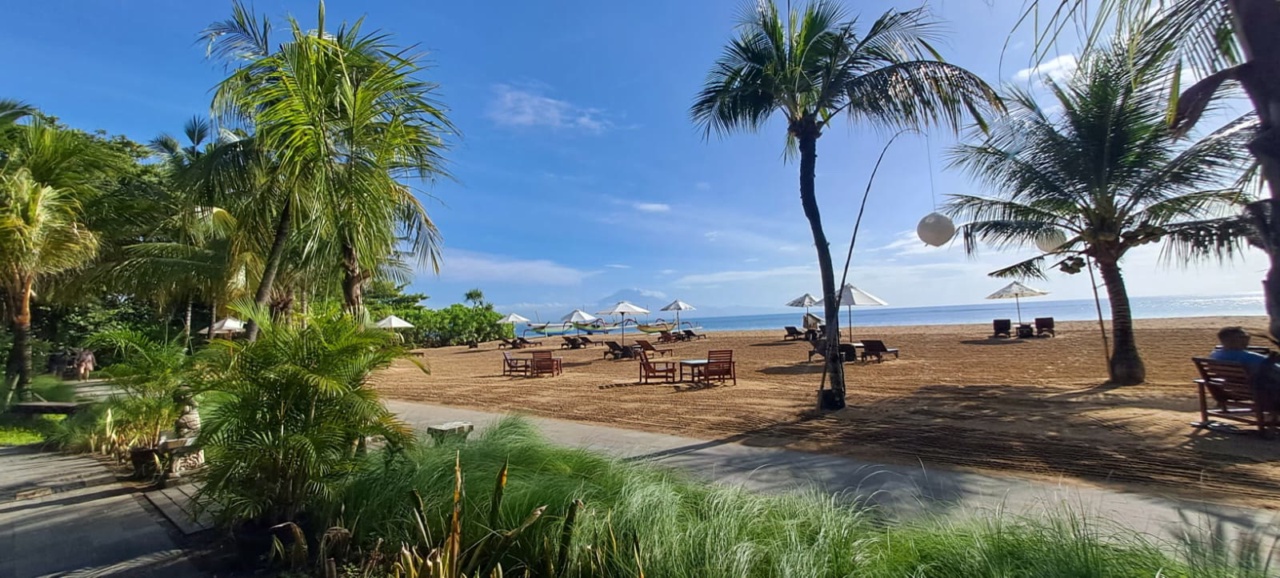
The stretch between Jalan Segara Ayu and Jalan Pantai Sindhu is the most popular area for visitors. This is where the highest concentration of restaurants, cafes, and mid-range hotels cluster. The beach is wider here, with beach chairs available from various warungs for a small fee or the price of a drink. If this is your first visit, stay in central Sanur for maximum convenience.
Southern Sanur (Mertasari)
South of the main drag, the coastline opens up toward Mertasari Beach, which is wider and less developed. This area is popular with kite surfers when the wind picks up. It is also where Sanur Harbor is located, the departure point for fast boats to the Nusa islands. Hotels here tend to be newer and more resort-oriented, and you will need a motorbike or bicycle to reach central Sanur's restaurants easily.
Inland Sanur (Denpasar Side)
Head a few blocks west of Jalan Danau Tamblingan and you are effectively in the outskirts of Denpasar. This area has local markets, affordable warungs, and everyday Balinese life. It is not a tourist zone, but budget travelers staying in homestays here can save significantly while still being a short walk from the beach.
Things to Do
Offers are only loaded from GetYourGuide after you click. GetYourGuide can then process your IP address and set cookies. Privacy Policy
GetYourGuide partner offers. GoAsia may earn a commission if you book through these offers. Check whether tickets or transfers are included, and follow the attraction's official booking and admission rules.
Best Time to Visit
Bali's tropical climate gives Sanur warm temperatures year-round, typically between 27 and 33 degrees Celsius. The key variable is rainfall, which determines the two distinct seasons.
| Season | Months | Weather | Crowds | Prices |
|---|---|---|---|---|
| Dry Season | May - September | Sunny, low humidity, occasional brief showers | Moderate to high | Higher, peak in Jul-Aug |
| Shoulder | April, October | Mostly dry with occasional rain | Low to moderate | Good value |
| Wet Season | November - March | Daily heavy showers (often afternoon), high humidity | Low (except Christmas/New Year) | Lowest, except holiday weeks |
The dry season from May to September is the most popular time, with July and August being peak months when European and Australian school holidays overlap. Sanur's east-facing position means mornings are spectacular year-round, but dry-season sunrises are particularly stunning with clear skies over Mount Agung.
The wet season is not a washout. Rain typically falls in intense afternoon bursts, leaving mornings clear. Hotel rates drop significantly, sometimes by 40 to 50 percent, and the town feels pleasantly uncrowded. The main downside is higher humidity and occasional multi-day overcast stretches.
Sanur hosts the annual Bali Kite Festival, usually around July or August, when enormous traditional kites fill the sky above Padang Galak Beach just north of town. It is a genuinely spectacular local event worth timing your visit around. Nyepi, the Balinese Day of Silence (usually March), is a unique experience where the entire island shuts down for 24 hours, including the airport.
Getting There and Getting Around
Ngurah Rai International Airport is the arrival point for virtually all visitors to Bali. Sanur sits about 14 kilometers northeast of the airport, reachable in 25 minutes outside of rush hour or up to an hour during peak traffic (typically 8 to 10 AM and 4 to 7 PM).
A metered blue-bird taxi from the airport costs roughly $8 to $12. Grab, the dominant ride-hailing app in Southeast Asia, charges around $5 to $8 but cannot pick up from the official airport taxi queue. You will need to walk to the departure level or outside the airport compound to book a Grab. Many hotels offer airport transfers for $10 to $15, which is worth the convenience.
Within Sanur, the most practical transport options are:
- Walking: Central Sanur is very walkable, and the beachfront promenade connects most of the coastline. You can cover the main tourist strip on foot in 20 minutes.
- Bicycle: Sanur is one of the few places on Bali where cycling is genuinely pleasant. The flat terrain and beachfront path make it ideal. Rentals cost around $3 to $5 per day from shops along Jalan Danau Tamblingan.
- Motorbike: Available for rent at roughly $5 to $7 per day. Useful for reaching southern Sanur, Denpasar, or nearby attractions. International driving permits with a motorcycle endorsement are technically required.
- Grab/Taxi: Readily available for trips outside Sanur. A Grab to Ubud costs roughly $8 to $12, to Seminyak around $6 to $10.
For getting to other parts of Bali and onward transport options, you can find detailed route information on GoAsia.cc. Sanur does not have a local bus system, though the Trans Sarbagita public bus occasionally runs routes connecting to Denpasar.
Top Sights and Experiences
Must-See Highlights
The Beachfront Promenade (Pantai Sanur Boardwalk): This paved path is Sanur's defining feature. Walk or cycle the full four-kilometer stretch in the early morning when the light is golden and the tide is usually high enough for swimming. Allow 30 to 45 minutes for a leisurely walk, or an hour if you stop for coffee at one of the beachside cafes along the way.
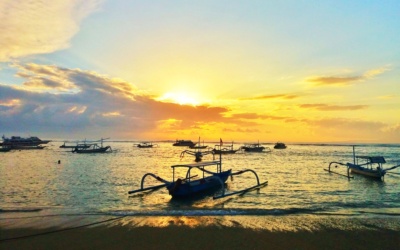
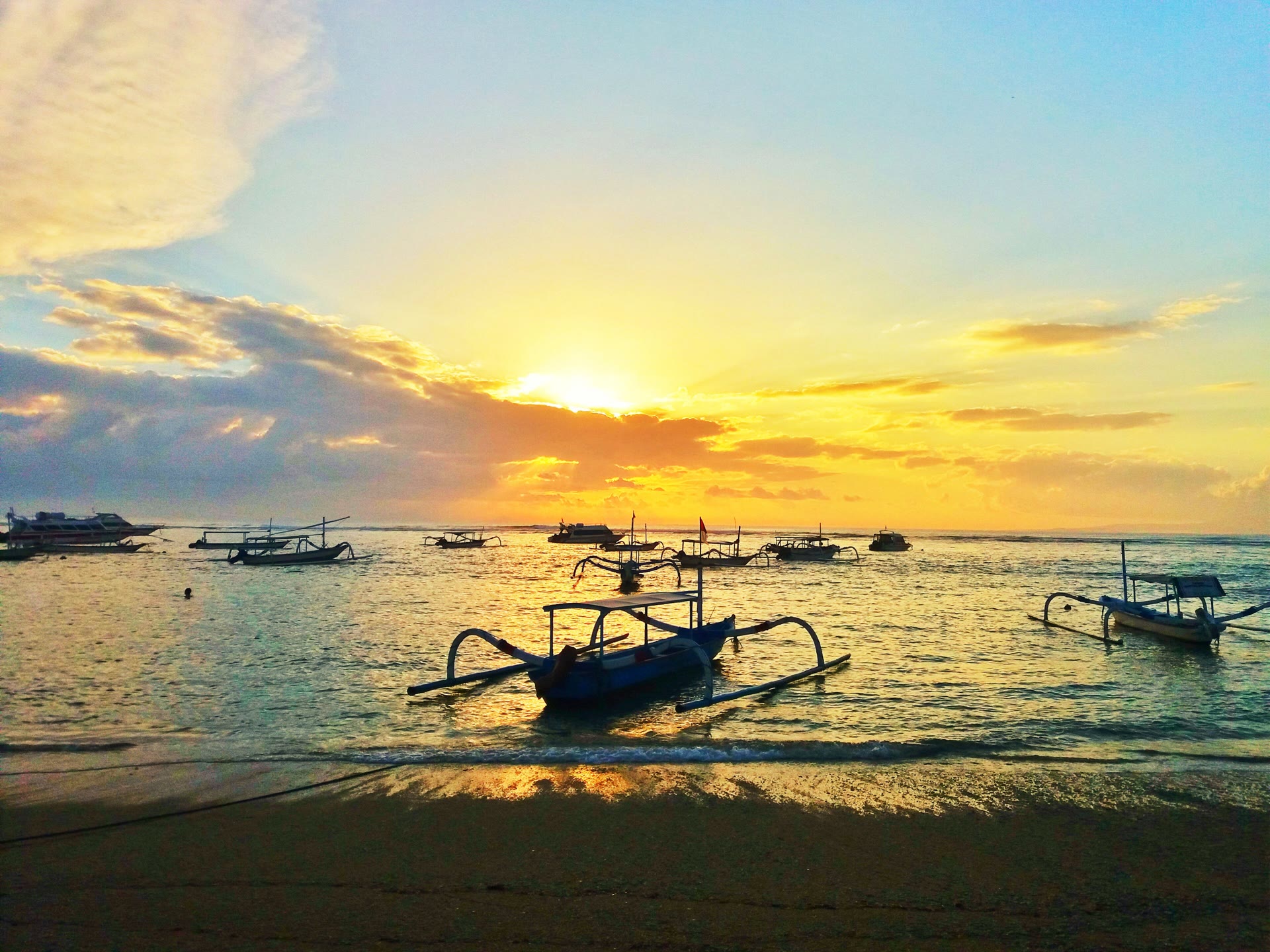
Sunrise on Sanur Beach: Sanur faces east, making it one of the only tourist beaches on Bali with proper sunrises. Arrive at the beach by 6 AM, grab a spot near one of the traditional jukung outrigger boats, and watch the sun come up over Nusa Penida. On clear days, Mount Agung looms in the background. This is free, unforgettable, and reason enough to stay in Sanur.
Le Mayeur Museum: The former home and studio of Belgian painter Adrien-Jean Le Mayeur, who married a Balinese dancer and lived in Sanur from the 1930s until his death. The museum houses his paintings of Balinese life and the beautifully preserved traditional compound itself is worth the visit. Entry is around $1, and 30 to 45 minutes is sufficient.
Sanur Harbor and the Nusa Islands: Even if you are not taking a boat, the harbor area is lively in the mornings with boats loading up. A day trip to Nusa Penida (for dramatic cliffs and manta ray snorkeling) or Nusa Lembongan (for a more relaxed island vibe) is one of the top experiences accessible from Sanur. Book fast boat tickets the day before from any of the numerous agents along Jalan Danau Tamblingan for roughly $15 to $25 return.
Pura Blanjong: This small temple in southern Sanur houses the Blanjong Pillar, a stone inscription dating to the 10th century and one of the oldest historical artifacts in Bali. It is not dramatic to look at, but history enthusiasts will appreciate its significance. Free entry with a sarong (available to borrow), and five to ten minutes is enough.
Lesser-Known Gems
Sindhu Night Market: Operating every evening near Jalan Pantai Sindhu, this small night market is where locals eat. Nasi campur, satay, bakso (meatball soup), and fresh juices are available for under $2 per dish. It is the most authentic and affordable eating experience in Sanur.
Mangrove Information Center (Taman Hutan Raya Ngurah Rai): Located at the northern edge of Sanur, this mangrove forest boardwalk offers a peaceful escape from the beach. The elevated wooden walkway winds through dense mangroves, and birdwatching is excellent in the early morning. Entry is around $1 to $2, and an hour is enough to explore.
Cycling to Denpasar Markets: Rent a bicycle and ride 15 minutes inland to Pasar Badung or Pasar Kumbasari, Denpasar's massive traditional markets. The route takes you through real Balinese neighborhoods and the markets sell everything from temple offerings to spices to textiles at local prices.
Overrated Attractions
Turtle Conservation and Education Center (Serangan Island): Often marketed as a Sanur-area attraction, this facility on nearby Serangan Island has drawn criticism for its conditions. The turtles are kept in small concrete pools, and the experience feels more like a petting zoo than genuine conservation. Skip it in favor of seeing turtles in the wild while snorkeling off Nusa Penida.
Big-Name Water Sports Operators on the Beach: Touts along Sanur Beach aggressively sell parasailing, jet ski rides, and banana boat rides at inflated prices. The experiences are generic and overpriced, typically starting at $25 to $35 for a few minutes. If you want water activities, invest in a snorkeling trip to Nusa Penida instead.
Bali Orchid Garden: Occasionally recommended in guidebooks, this small commercial garden charges around $5 entry and is underwhelming unless you are a serious orchid enthusiast. The grounds are modest and the experience does not justify a special trip.
Food and Drink
Sanur punches well above its weight for dining. The town's long history as an expat enclave means the restaurant scene is diverse, with quality Indonesian, Western, Japanese, and Italian options within walking distance of each other. Prices are generally lower than Seminyak or Canggu for comparable quality.
Signature Dishes to Try
| Dish | Description | Where to Try | Typical Price |
|---|---|---|---|
| Nasi Campur Bali | Rice with assorted small portions of meat, vegetables, sambal, and peanuts | Warungs along Jalan Danau Tamblingan or Sindhu Night Market | $1.50 - $3 |
| Babi Guling | Spit-roasted suckling pig with crispy skin, a Balinese specialty | Dedicated babi guling warungs (look for the ones packed with locals at lunch) | $2 - $4 |
| Ikan Bakar | Grilled fresh fish with sambal matah (raw shallot and lemongrass relish) | Beachfront seafood warungs, especially in central Sanur | $3 - $7 |
| Sate Lilit | Minced fish or pork satay wrapped around lemongrass sticks, uniquely Balinese | Most traditional warungs and some beachside restaurants | $2 - $4 |
| Lawar | Finely chopped meat, vegetables, grated coconut, and spices, often served with rice | Local warungs, especially during ceremony days | $1.50 - $3 |
Eating Neighborhoods and Tips
Jalan Danau Tamblingan is the main restaurant strip, with options ranging from simple warungs to upscale dining rooms. The northern end tends to be more local and affordable, while the central stretch has the most variety. Walk the street before committing and look for places with actual diners inside.
The Beachfront has several warungs and restaurants where you can eat with your feet in the sand. Seafood is the obvious choice here. Expect to pay a slight premium for the view, but prices remain reasonable compared to beach dining in Seminyak.
Sindhu Night Market is the budget champion. Open from late afternoon, this small cluster of food stalls serves authentic Indonesian dishes at local prices. A full meal with a drink rarely exceeds $3.
For coffee, Sanur has embraced the specialty coffee movement. Several excellent cafes along Jalan Danau Tamblingan serve single-origin Indonesian beans. A good flat white or pour-over costs around $2.50 to $4.
Alcohol is widely available. Bintang beer costs around $2 to $3 at restaurants, and cocktails range from $4 to $8. Sanur is not a drinking town, but plenty of restaurants have full bars, and a few beachfront spots offer pleasant sunset (or rather, sunrise) drinks.
Budget meal: $1.50 to $4 at warungs and night markets. Mid-range restaurant: $6 to $15 per person. Upscale dining: $15 to $30 per person, which buys a genuinely excellent meal by Bali standards.
Where to Stay
Budget (Under $25 per night)
Sanur has numerous guesthouses and homestays, particularly along the smaller lanes (gang) branching off Jalan Danau Tamblingan and in the inland areas toward Denpasar. Expect a clean room with air conditioning, a private bathroom, and often a small pool. Many include a simple breakfast. The quality at this price point in Sanur is notably better than equivalent budget stays in Kuta or Legian.
Mid-Range ($25 to $80 per night)
This is Sanur's sweet spot. Boutique hotels with pools, garden settings, and included breakfast are abundant. Many are family-run properties with genuine Balinese hospitality. Central Sanur locations along or just off Jalan Danau Tamblingan put you within walking distance of everything. At the upper end of this range, you will find properties with beachfront access or large resort-style pools.
Upscale ($80 to $200+ per night)
Several established resort hotels line the beachfront, offering direct beach access, multiple pools, spas, and full resort amenities. The historic Inna Grand Bali Beach at the northern end is a piece of Bali history, though the facilities show their age. Newer boutique resorts in central and southern Sanur offer more contemporary luxury. For the price of a mid-range room in Seminyak, you can get genuine beachfront luxury in Sanur.
A unique Sanur option is renting a private villa. Numerous small villas with private pools are available through booking platforms, often at surprisingly reasonable rates for groups or families, sometimes under $60 per night for a two-bedroom villa with a pool.
Practical Tips
Safety: Sanur is very safe by any standard. The biggest physical risks are sunburn (the equatorial sun is fierce, especially on the water), motorbike accidents, and the occasional rip current if you swim outside the reef-protected areas. Petty theft is uncommon but do not leave valuables unattended on the beach.
- Scams: The most common annoyance is inflated pricing from beach touts selling water sports or transport. Always agree on a price before any activity or ride. Money changers on the street sometimes use rigged calculators or sleight-of-hand tricks. Use bank ATMs or authorized exchange counters instead.
- Payment: Cash is still king for small warungs, market stalls, and local shops. Most mid-range and upscale restaurants accept credit cards, but always carry Indonesian Rupiah. ATMs are plentiful along Jalan Danau Tamblingan. Tipping is not mandatory but appreciated. Rounding up the bill or leaving 5 to 10 percent at restaurants is a kind gesture.
- SIM Cards and Internet: Buy a local SIM card at the airport or from phone shops along Jalan Danau Tamblingan. Telkomsel has the best coverage across Bali. A tourist SIM with ample data costs around $5 to $10. WiFi is available at virtually every hotel, cafe, and restaurant, and is generally reliable.
- Language: English is widely spoken in tourist-facing businesses. Basic Indonesian phrases (terima kasih for thank you, berapa for how much) are appreciated and go a long way. Balinese is the local language, but Indonesian is understood by everyone.
- Temple Etiquette: Always wear a sarong and sash when entering temples. Many temples provide loaners, but carrying your own is respectful. Women who are menstruating are traditionally asked not to enter temples. Do not stand higher than a priest or shrine, and ask before photographing ceremonies.
- Traffic: While Sanur itself is relatively calm, driving to other parts of Bali can involve heavy traffic, especially on the bypass road. Allow extra time for any trip to the airport, Ubud, or the Bukit Peninsula during peak hours.
Day Trips
Nusa Penida
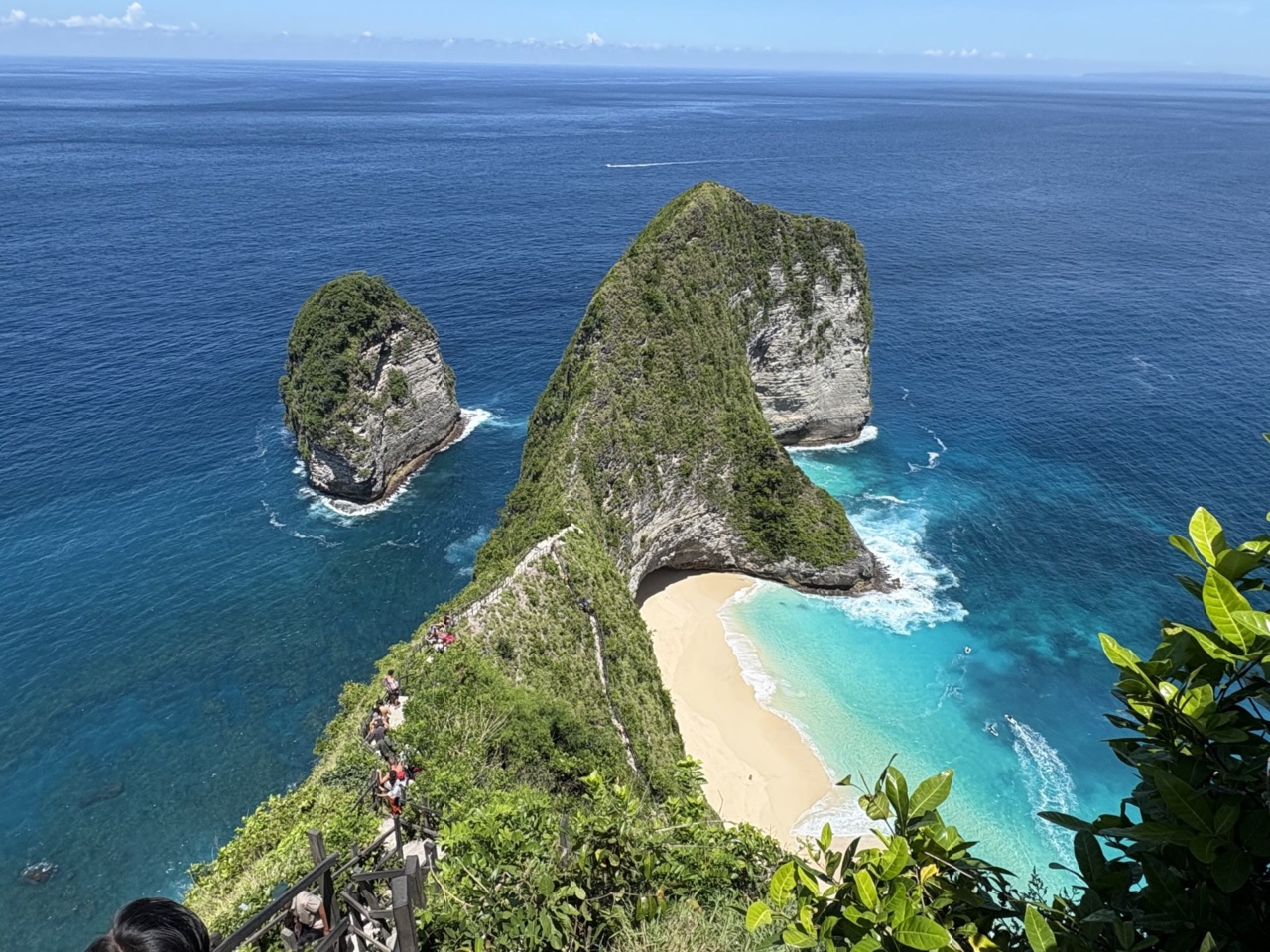
The most popular day trip from Sanur, and for good reason. Fast boats depart Sanur Harbor in the morning (roughly 30 to 45 minutes crossing) and return in the afternoon. Nusa Penida offers dramatic cliff formations like Kelingking Beach, the natural infinity pool at Angel's Billabong, and world-class snorkeling with manta rays at Manta Point. Hire a driver on the island (around $30 to $40 for a full day) since the roads are rough and distances are significant. Book a snorkeling tour from Sanur for around $30 to $50 including boat transfer if manta rays are your priority.
Nusa Lembongan
Smaller and more laid-back than Nusa Penida, Lembongan is reachable by the same fast boats (around 30 minutes). It is ideal for a relaxed day of snorkeling, exploring the seaweed farms, crossing the iconic yellow bridge to Nusa Ceningan, and having a seafood lunch with ocean views. Lembongan is manageable by scooter or bicycle, making it more independent-traveler-friendly than Nusa Penida. Some visitors prefer an overnight stay, but a day trip works well.
Ubud
Bali's cultural heartland is about 35 kilometers north of Sanur, reachable in roughly one hour by car. Ubud offers the Sacred Monkey Forest, Tegalalang Rice Terraces, excellent art museums, and a vibrant dining scene. Hire a driver for the day (around $35 to $50) rather than dealing with parking and navigation yourself. Combine Ubud with a stop at Tirta Empul water temple or Gunung Kawi for a full day.
Sidemen Valley
A less-visited alternative to Ubud's rice terraces, the Sidemen Valley in eastern Bali offers stunning landscapes of rice paddies backed by Mount Agung. The drive takes about 90 minutes from Sanur. Trekking through the terraces, visiting local weaving workshops, and enjoying the profound quiet make this an excellent escape from tourist crowds. A hired driver for the day is the practical option.
Kertha Gosa and Klungkung
The former royal court complex in Klungkung (Semarapura), about 40 minutes east of Sanur, features beautifully painted ceilings depicting scenes from Balinese mythology and the consequences of sinful behavior. The adjacent Taman Gili floating pavilion is photogenic and historically significant. Combine this with a visit to the nearby traditional market for a half-day trip. Entry is around $2 to $3.
Sample 3-Day Itinerary
Day 1: Settle In and Explore Sanur
Morning: Wake early for sunrise on the beach near your hotel. Walk or rent a bicycle and ride the full beachfront promenade from north to south. Stop for breakfast at a beachside cafe around the central Sanur stretch. Visit Le Mayeur Museum (opens around 8 AM).
Afternoon: Lunch at a warung on Jalan Danau Tamblingan. Browse the shops along the main road, book your Nusa Penida boat tickets for Day 2, then hit the beach for swimming and relaxing. The reef-protected water is calmest in the morning and early afternoon.
Evening: Dinner at Sindhu Night Market for an authentic local experience. Afterward, stroll the promenade under the stars or grab a drink at a beachfront restaurant.
Day 2: Nusa Penida Day Trip
Morning: Catch a fast boat from Sanur Harbor around 8 to 9 AM. Arrive on Nusa Penida and meet your pre-arranged driver. Visit Kelingking Beach viewpoint (arrive early to beat crowds) and Angel's Billabong.
Afternoon: Continue to Broken Beach for photos, then head to Crystal Bay for swimming and lunch at a beachside warung. Alternatively, book a snorkeling tour to Manta Point in the morning and explore the island by land in the afternoon.
Evening: Return to Sanur on the afternoon boat (usually departing around 3 to 4 PM). Shower and rest, then treat yourself to a proper seafood dinner at one of Sanur's beachfront restaurants.
Day 3: Culture and Relaxation
Morning: Another sunrise walk (you will not tire of them). After breakfast, visit Pura Blanjong to see the ancient inscription, then cycle or drive to the Mangrove Information Center for a peaceful boardwalk walk through the forest.
Afternoon: Book a traditional Balinese massage at one of Sanur's many spas (roughly $10 to $20 for a full hour). Alternatively, cycle inland to explore Denpasar's Pasar Badung market. Return to the beach for a final swim.
Evening: Farewell dinner at one of the mid-range restaurants on Jalan Danau Tamblingan. Try babi guling if you have not yet, or go for a full Indonesian rijsttafel (rice table) spread to sample multiple dishes at once.
Budget Overview
| Category | Budget | Mid-Range | Comfort |
|---|---|---|---|
| Accommodation | $10 - $20 | $30 - $60 | $80 - $150 |
| Food | $5 - $10 | $15 - $25 | $30 - $50 |
| Transport | $3 - $5 | $5 - $10 | $15 - $25 |
| Activities | $0 - $5 | $10 - $25 | $30 - $60 |
| Daily Total | $18 - $40 | $60 - $120 | $155 - $285 |
Sanur is excellent value at every budget level. Budget travelers can live comfortably on $25 to $35 per day by eating at warungs, staying in guesthouses, and walking or cycling everywhere. Mid-range travelers will find Sanur significantly cheaper than Seminyak or Canggu for equivalent quality. Even at the comfort level, Sanur's prices are modest by international standards, and you will eat and sleep extremely well.
Frequently Asked Questions
Is Sanur worth visiting?
Absolutely, especially if you value a relaxed atmosphere over nightlife and party scenes. Sanur offers a genuine slice of Balinese coastal life with excellent restaurants, a beautiful beachfront promenade, calm swimming waters, and easy access to the Nusa islands. It is one of the best bases on Bali for families and travelers who prefer a quieter pace.
How many days do you need in Sanur?
Three to four days is ideal. This gives you time to enjoy the beaches and promenade, take a day trip to Nusa Penida or Nusa Lembongan, explore local temples, and eat your way through the restaurant scene. If you are using Sanur as a base for eastern Bali excursions, a full week is easy to fill.
Is Sanur safe for tourists?
Sanur is one of the safest areas on Bali. Violent crime against tourists is extremely rare, and the town has a calm, residential feel even after dark. The main concerns are typical Bali issues like motorbike traffic, occasional petty theft if you leave belongings unattended on the beach, and strong sun exposure.
What is the best time to visit Sanur?
The dry season from May through September offers the most reliable weather with clear skies and comfortable humidity. June through August is peak season with higher prices. April and October are excellent shoulder months with fewer crowds and mostly dry conditions.
What food is Sanur famous for?
Sanur is known for its fresh seafood, particularly grilled fish at beachside warungs. The town also has an unusually diverse restaurant scene for its size, with excellent Indonesian, Italian, and Japanese options. Local specialties to seek out include babi guling (roast suckling pig) and nasi campur Bali.
Is Sanur good for families with kids?
Sanur is arguably the best spot on Bali for families. The reef-protected beach means calm, shallow water safe for children. The beachfront path is perfect for strollers and bikes. Many restaurants are family-friendly, and the overall pace is relaxed without the traffic chaos of Kuta or Seminyak.
How do I get from the airport to Sanur?
Sanur is roughly 25 minutes from Ngurah Rai International Airport without traffic, though it can take 45 minutes to an hour during peak hours. A metered taxi costs around $8 to $12, while ride-hailing apps like Grab typically charge $5 to $8. Many hotels offer airport pickup for similar prices.
Can I get to Nusa Penida from Sanur?
Yes, Sanur is the primary departure point for fast boats to both Nusa Penida and Nusa Lembongan. Boats leave from Sanur Harbor throughout the morning, with the crossing taking roughly 30 to 45 minutes. Return tickets typically cost around $15 to $25 depending on the operator.
Is Sanur boring compared to other parts of Bali?
That depends entirely on what you are looking for. If you want pumping nightclubs and beach clubs with DJs, Sanur will feel quiet. But if you appreciate sunrise walks, long leisurely meals, snorkeling, cycling, and a community atmosphere, Sanur is deeply satisfying. Most visitors who come expecting boredom end up extending their stay.
Do I need a visa to visit Sanur and Bali?
Most nationalities can obtain a Visa on Arrival at Ngurah Rai Airport for around $35, valid for 30 days and extendable once for another 30 days. Some nationalities qualify for free visa-exempt entry for 30 days without extension. Check your country's specific requirements before traveling.
Routes
🗺️ Getting Around Sanur - Local Transport Guide for Bali's Relaxed Beach Town
→ Routes from Sanur (13)