Most visitors to Bali treat Denpasar as nothing more than a traffic jam between the airport and their Ubud villa or Seminyak beach club. That is a mistake. Bali's capital city pulses with a distinctly Balinese urban energy: offerings of flowers and incense line every sidewalk, gamelan music drifts from temple courtyards wedged between shophouses, and massive traditional markets overflow with spices, ceremonial fabrics, and freshly pressed coconut oil. Denpasar is where hundreds of thousands of Balinese people actually live and work, and spending even a single day here recalibrates your understanding of the island.
This is not a polished tourist destination. Sidewalks are uneven, traffic is relentless, and you will not find infinity pools or sunset cocktail bars. What you will find is Bali's finest museum, its most important state temple, cheap street food that tastes extraordinary, and a genuine window into how Balinese Hindu culture operates in a modern Indonesian city. Denpasar is best suited to culturally curious travelers, market lovers, and anyone who wants to see a side of Bali that most visitors never encounter.
The city also functions as the island's transport and commercial hub, making it a natural base for budget travelers who want easy access to southern Bali's beaches, Ubud's rice terraces, and the eastern coast without paying resort-area premiums.
Orientation and Neighborhoods
Denpasar sprawls across the southern-central part of Bali, bordered by Kuta and the airport to the south, Sanur to the southeast, and Ubud's foothills to the north. The city is not organized on a neat grid. Instead, it radiates outward from a historic core centered on the Catur Muka statue at the main crossroads of Jalan Gajah Mada and Jalan Veteran.
City Center (Pusat Kota)
The historic heart clusters around Puputan Square (Lapangan Puputan Badung), the Bali Museum, Pura Jagatnatha, and Pasar Badung. This is where you will spend most of your sightseeing time. It is walkable within a compact area of roughly one square kilometer, though crossing roads requires patience.
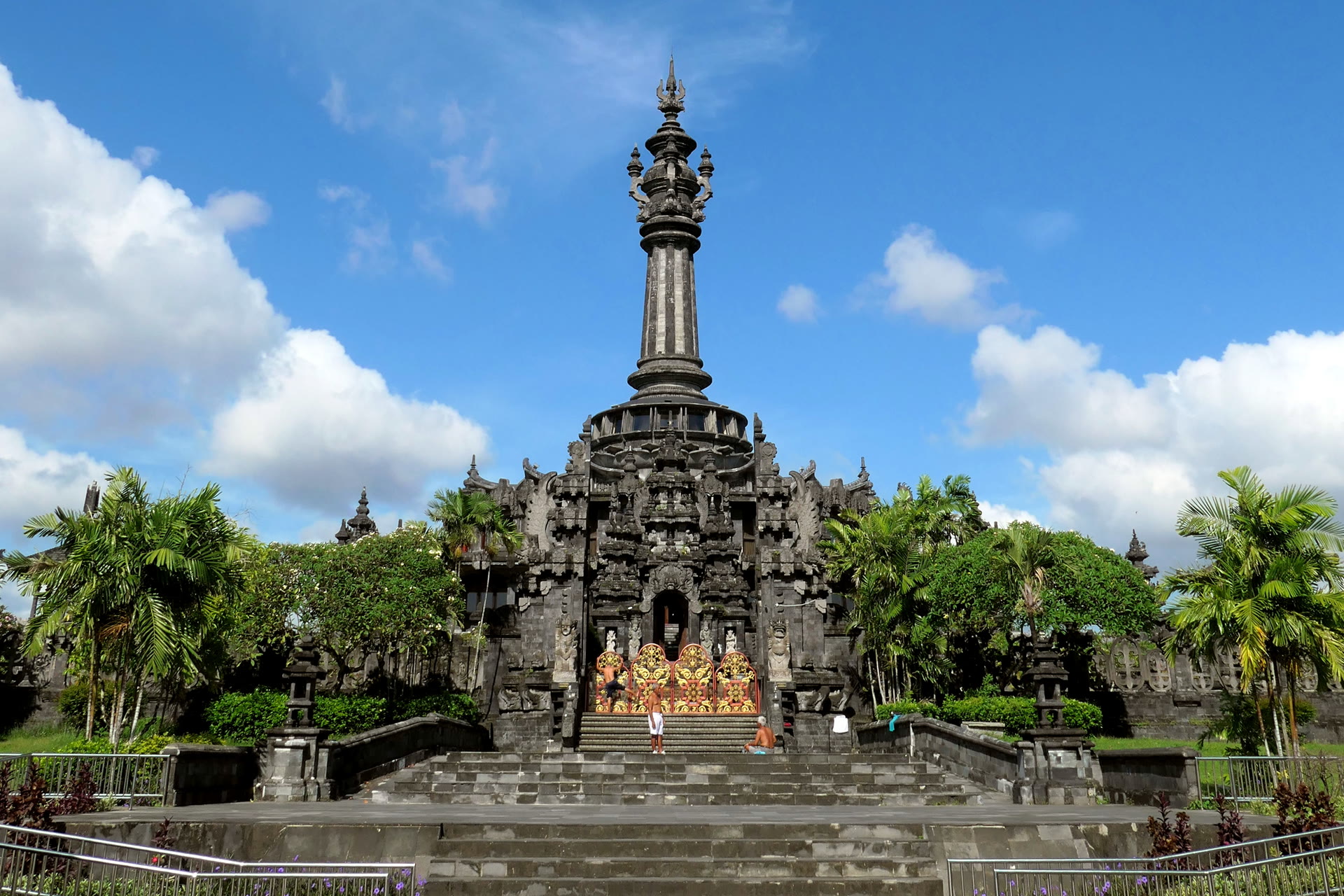
South of the center, Renon is the government and diplomatic district. It is quieter, greener, and home to the Bajra Sandhi monument and several consulates. The wide boulevards here are a welcome contrast to the congested core. A handful of mid-range hotels sit in this area, making it a calm base.
Sesetan and Panjer
These southern neighborhoods offer budget accommodation and local eating spots. They are residential and unremarkable for sightseeing but convenient for accessing both the airport and the city center.
Sanur (Eastern Edge)
Technically a separate area but often grouped with greater Denpasar, Sanur's beachfront is about 20 minutes east of the city center. It offers a laid-back coastal alternative with its own hotels, restaurants, and a long promenade. Travelers wanting both beach access and easy Denpasar day trips should consider staying here.
Where to stay by priority: Culture and markets, stay in the city center or Renon. Beach access with Denpasar proximity, stay in Sanur. Pure budget, try Sesetan or Panjer.
Things to Do
Offers are only loaded from GetYourGuide after you click. GetYourGuide can then process your IP address and set cookies. Privacy Policy
GetYourGuide partner offers. GoAsia may earn a commission if you book through these offers. Check whether tickets or transfers are included, and follow the attraction's official booking and admission rules.
Best Time to Visit
Denpasar shares Bali's tropical climate with two distinct seasons. The dry season from April through October brings lower humidity, less rain, and comfortable temperatures. The wet season from November through March sees heavy afternoon downpours, higher humidity, and occasional flooding on Denpasar's less-maintained roads.
Unlike beach towns, Denpasar's appeal is not weather-dependent. Markets, museums, and temples operate year-round. However, the wet season makes walking the city less pleasant, and traffic worsens considerably when it rains.
Period
Weather
Crowds
Prices
Apr - Jun
Dry, pleasant, low humidity
Moderate
Mid-range
Jul - Sep
Dry, coolest months
High (peak season island-wide)
Highest
Oct - Nov
Transition, occasional rain
Low
Lower
Dec - Mar
Wet, humid, heavy afternoon rain
High in Dec-Jan, low Feb-Mar
Variable
Festivals worth timing around: Galungan and Kuningan (occurs every 210 days on the Balinese calendar) transform Denpasar with elaborate penjor bamboo poles lining every street and temple ceremonies throughout the city. Nyepi (Balinese New Year, the date changes every year) shuts down the entire island for 24 hours of silence - fascinating to experience but means no movement at all for a full day. The Bali Arts Festival, held annually from June to July at the Taman Werdhi Budaya art center in Denpasar, is the island's biggest cultural event with daily performances, exhibitions, and craft displays. The 48th edition ran from 13 June to 11 July 2026.[1]
Getting There and Getting Around
Ngurah Rai International Airport (DPS) lies south of central Denpasar, and the Bajra Sandhi monument in Renon is about 30 minutes from the airport.[2] Travel times vary with Bali's notoriously unpredictable traffic. Metered taxis and Grab (Southeast Asia's dominant ride-hailing app) serve the airport, so compare the fare with the official airport taxi counter and agree on the price before you set off if the taxi is not metered. Some hotels offer transfers.
Within Denpasar, the Trans Metro Dewata city buses run daily from 04:30 to 18:30 at a flat fare of IDR 4,400, but routes are limited.[3] For most visitors, Grab is the most practical way to move around.
Renting a scooter is common but only recommended if you are experienced with dense Asian traffic. Denpasar's roads are chaotic, with frequent one-way streets, minimal lane discipline, and ceremonial processions that block roads without warning. Walking is feasible in the compact city center but challenging elsewhere due to broken sidewalks, heat, and traffic. For broader Bali transport planning, you can check routes and options on GoAsia.cc.
Top Sights and Experiences
Must-See Attractions
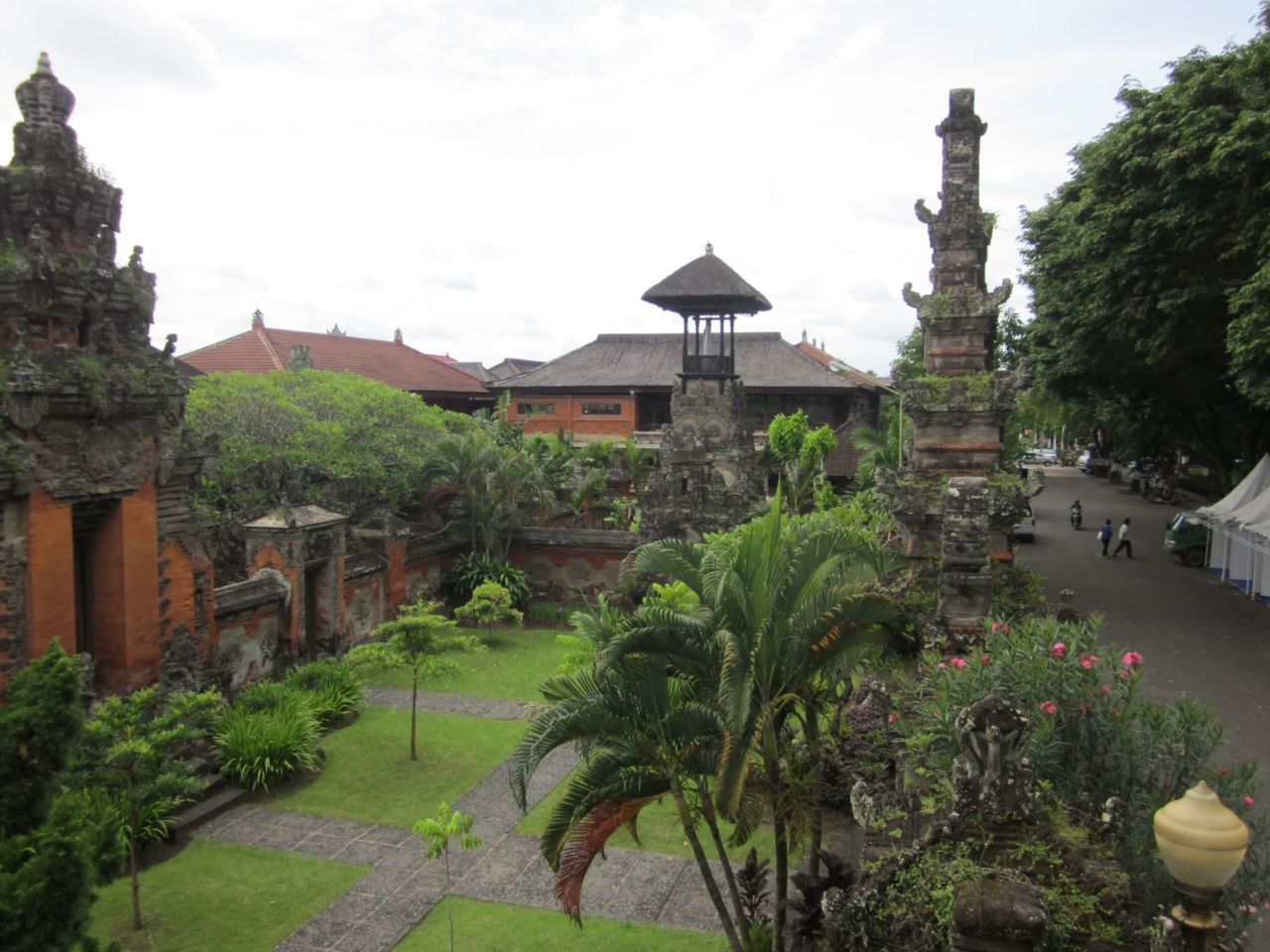
Bali Museum (Museum Negeri Propinsi Bali): This is the single best museum on the island and the essential first stop in Denpasar. Set in a complex of traditional Balinese palace-style buildings, it houses an excellent collection of prehistoric artifacts, traditional textiles, ceremonial masks, Barong costumes, and Kamasan-style paintings. The architecture alone is worth the visit. Allow 90 minutes to two hours. Check the current entry fee and opening hours locally before you go. It is best visited in the morning before the heat peaks.
Pasar Badung: One of Bali's largest traditional markets is a sensory onslaught spread across several floors of a modern building. The ground floor overflows with fruits, vegetables, spices, and flowers for temple offerings. Upper floors sell ceremonial supplies, textiles, and cheap clothing. Arrive before 8 AM to see the market at its most intense, when vendors unload produce and buyers haggle in rapid Balinese. The flower section, with its mountains of marigolds and frangipani, is unforgettable. Expect to bargain politely for non-food items.
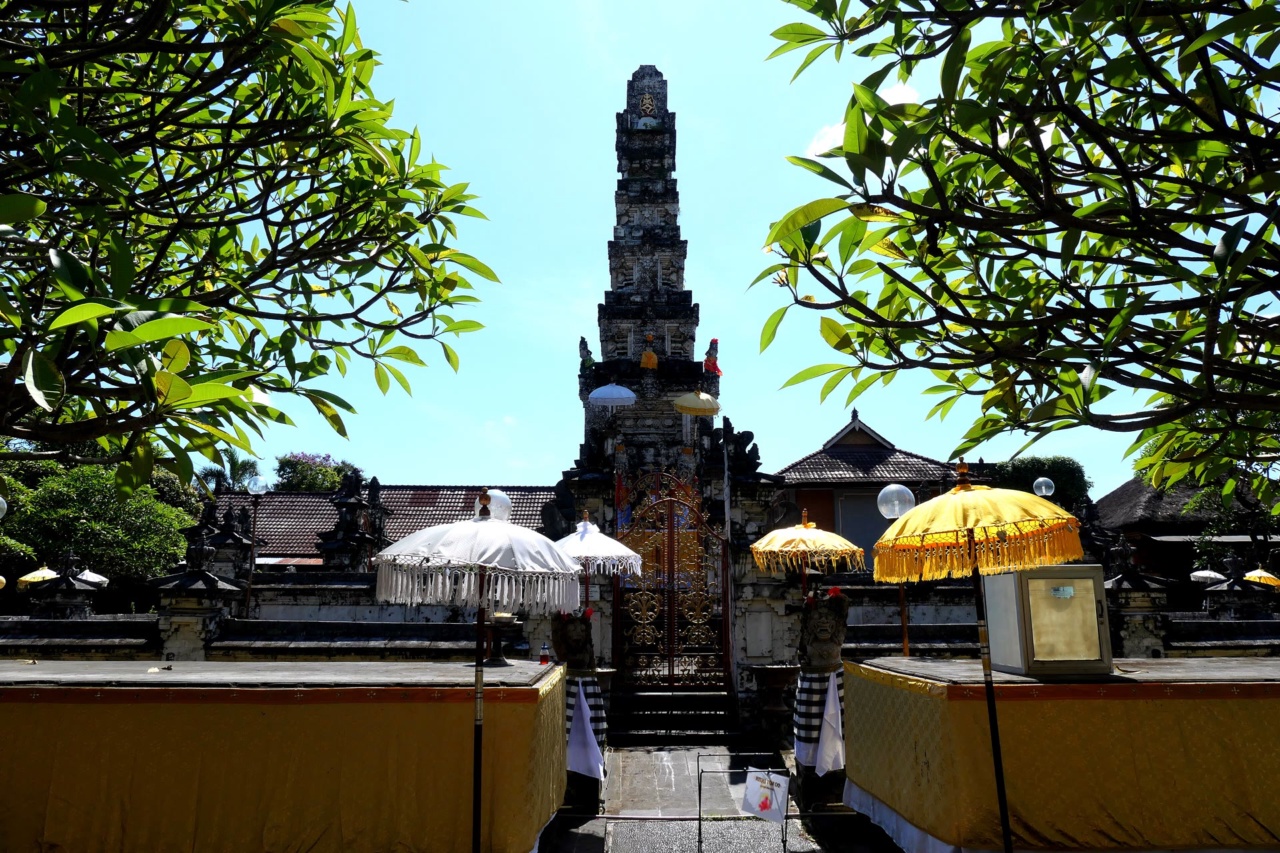
Pura Jagatnatha: Directly adjacent to the Bali Museum, this is Denpasar's main state temple, dedicated to the supreme god Sang Hyang Widhi Wasa. The towering white coral shrine is architecturally striking. Visitors can enter respectfully outside of prayer times (wear a sarong and sash, often available to borrow at the entrance). Particularly atmospheric during full moon and new moon ceremonies when hundreds of worshippers gather.
Bajra Sandhi Monument: This 45-meter monument in Renon, inaugurated in 2003, commemorates the struggle of the Balinese people.[2] A museum on the second floor covers Bali's history from prehistoric times through the development of its civilization to the struggle against colonial rule.[2] Check the current entry fee and opening hours before you go. It is set in a large, well-maintained park that provides welcome green space for a breather from the city.
Puputan Square (Lapangan Puputan Badung): This central park marks the site of the 1906 puputan, a mass ritual sacrifice by Balinese royalty rather than surrender to Dutch colonial forces. The large bronze statue depicting the event is powerful. The square itself is a pleasant gathering point, especially in the late afternoon when families come to relax. It is flanked by the museum, temple, and market, making it the natural hub for a walking tour.
Lesser-Known Gems
Pasar Kumbasari: Directly across the river from Pasar Badung, this art market specializes in handicrafts, souvenirs, paintings, and textiles. Prices can be lower than in tourist areas like Ubud's art market. Bargaining is expected.
Pura Maospahit: One of Denpasar's oldest temples, dating back to the Majapahit era. It is small and easy to miss on a side street, but the ancient brick carvings and quiet atmosphere offer a stark contrast to the city's bustle. Ask permission before entering and dress respectfully.
Taman Werdhi Budaya Art Center: Even outside the annual Bali Arts Festival, this sprawling cultural complex hosts regular dance and music performances, art exhibitions, and craft workshops. Check locally for performance schedules. The grounds contain impressive examples of Balinese architectural styles.
Morning Ceremony Walks: Simply walking through residential neighborhoods in the early morning (around 6 to 7 AM) reveals daily Hindu rituals: women placing canang sari offerings at doorways, incense smoke curling into the air, and the sound of small bells. This is not a ticketed attraction but one of the most memorable experiences in Denpasar.
Overrated or Skippable
Bali Orchid Garden: Located on the eastern edge of Denpasar toward Sanur, this is a small commercial nursery with a modest plant collection. Skip it unless you are genuinely passionate about orchids.
Shopping malls (Ramayana, Matahari, Level 21): Some guides list Denpasar's malls as attractions. They are ordinary Indonesian department stores and shopping centers, useful for buying practical items but not worth dedicated sightseeing time. Level 21 has a decent food court if you need air conditioning and a quick meal.
Kreneng Night Market: It is less of a draw than it once was. Pasar Badung's food stalls and the warungs along Jalan Teuku Umar now offer better eating.
Food and Drink
Denpasar is arguably the best city on Bali for eating. The food here is cooked for local palates, not adjusted for tourists, and prices reflect a local economy rather than a resort one. Balinese cuisine is distinct from the rest of Indonesia, with a heavier reliance on pork (unique in majority-Muslim Indonesia), rich spice pastes called base genep, and fresh coconut.
Signature Dishes
Dish
Description
Where to Try
Babi Guling
Spit-roasted suckling pig with crispy skin, served with rice, lawar, and spicy sambal
Warungs along Jl. Nusa Indah and Jl. Tukad Pakerisan
Nasi Campur Bali
Rice with an assortment of small dishes: shredded chicken, lawar, satay, sambal, vegetables
Any warung with a glass display case of dishes
Lawar
Finely chopped meat, vegetables, grated coconut, and spices; sometimes mixed with fresh blood
Best at babi guling warungs or market stalls
Sate Lilit
Minced seafood or meat pressed around lemongrass sticks and grilled
Warungs near Pasar Badung
Tipat Cantok
Rice cake with steamed vegetables in peanut sauce - Bali's version of gado-gado
Morning market stalls and street carts
Jaje Bali
Colorful traditional Balinese sweets and cakes made from rice flour and coconut
Pasar Badung, ground floor
Where to Eat
Jalan Teuku Umar and Jalan Diponegoro: These parallel streets running through the city center are lined with warungs serving everything from babi guling to Javanese bakso (meatball soup). This is Denpasar's unofficial restaurant row for locals.
Pasar Badung and surroundings: The market itself and the streets around it have excellent cheap food stalls, particularly in the early morning. Look for the stalls packed with locals.
Renon area: Slightly more upscale local restaurants and cafes catering to government workers. Good for a sit-down lunch with air conditioning.
Street food culture in Denpasar is vibrant but operates mostly in the morning and around lunchtime. By evening, many warung stalls close, though some night food vendors set up along main roads. Meals at a warung are inexpensive, and a meal at a mid-range local restaurant costs more. Upscale dining is limited in Denpasar proper - for fine dining, head to Sanur or Seminyak.
Bali coffee (kopi Bali) is strong, sweet, and served with grounds settled at the bottom of the glass. Order it at any warung. Fresh fruit juices are everywhere.
Where to Stay
Denpasar has limited tourist-oriented accommodation compared to other parts of Bali, which keeps prices low. Most options are simple guesthouses and budget hotels.
Budget
The city center and Sesetan area have numerous small guesthouses and homestays. Rooms are basic but clean, often with air conditioning and private bathrooms. Do not expect swimming pools or breakfast spreads. These places cater primarily to domestic travelers and budget-minded foreigners.
Mid-Range
A handful of proper hotels in the Renon area and along major roads offer comfortable rooms with modern amenities. Expect clean rooms, Wi-Fi, breakfast, and sometimes a small pool. These represent excellent value compared to equivalent quality in Seminyak or Ubud.
Upscale
Denpasar itself has very few luxury options. Travelers wanting upscale accommodation should stay in Sanur, which offers beachfront resorts and boutique hotels while remaining within easy reach of Denpasar for day trips.
Unique option: A few traditional Balinese family compounds in the city center offer homestay rooms, giving you a genuine immersion in daily Balinese household life including morning offerings and family temple ceremonies. Ask locally or search for homestays specifically in Denpasar's central neighborhoods.
Practical Tips
Safety: Denpasar is generally safe for tourists. The main risks are traffic-related. Always look both ways multiple times before crossing, and be aware that motorbikes frequently ride on sidewalks. Petty theft can occur in crowded markets - use a cross-body bag and keep your phone secure. Bag snatching from passing motorbikes happens occasionally on quieter streets.
Payment: Cash is king in Denpasar. Most warungs, markets, and small shops accept only Indonesian Rupiah. ATMs are plentiful. Some larger restaurants and hotels accept cards, but do not rely on it. Tipping is not expected at local warungs but appreciated at sit-down restaurants.
SIM cards: Buy a local SIM card at the airport or at any phone shop in Denpasar. Telkomsel is widely used across Bali. Most hotels offer Wi-Fi.
Language: English is much less widely spoken in Denpasar than in tourist areas. Learning basic Indonesian phrases will significantly improve your experience. Key words: terima kasih (thank you), berapa (how much), mau ke (I want to go to), and tidak (no). Locals deeply appreciate any effort with their language.
Dress code: Denpasar is more conservative than Bali's beach towns. Cover shoulders and knees when visiting temples. Wearing a sarong and sash is required at temples and often provided at the entrance. In general, modest clothing is respectful in this city context.
Offerings: You will see small woven palm-leaf trays (canang sari) filled with flowers, incense, and sometimes food placed on sidewalks, doorsteps, and even in the middle of roads. Never step on them. Walk around them. This is one of the most important cultural rules in Bali.
Ceremony disruptions: Temple ceremonies and funeral processions regularly close roads without warning. Do not honk, do not get frustrated, and do not try to push through. These are sacred events. Wait patiently or find an alternative route.
Day Trips
Sanur Beach
Just 20 minutes east of central Denpasar, Sanur offers a calm, reef-protected beach with a lovely paved promenade stretching several kilometers. It is the departure point for fast boats to Nusa Lembongan and Nusa Penida. A half-day is sufficient for a relaxed beach visit.
Ubud
Ubud lies to the north of Denpasar, and the drive can take well over an hour depending on traffic. The Monkey Forest, Tegallalang rice terraces, and Ubud's art galleries make it Bali's cultural tourism capital. Go early to beat both traffic and crowds. Worth a full day.
Tanah Lot Temple
This iconic sea temple sits on a rocky outcrop northwest of Denpasar (allow an hour or more by car depending on traffic). It is stunning at sunset but extremely crowded and heavily commercialized with a gauntlet of souvenir shops leading to the temple. Go on a weekday if possible. Worth visiting once despite the tourist circus.
Nusa Penida
Fast boats depart from Sanur harbor (reachable from Denpasar in 20 minutes) and reach Nusa Penida in about 30 to 45 minutes.[3] The island has dramatic cliff coastlines, Kelingking Beach, and excellent snorkeling with manta rays. A full day trip is feasible but tiring - the island's roads are rough. Consider an overnight stay for a more relaxed experience. Fast boat fares typically start from around IDR 325,000.[3]
Gianyar and Klungkung
These two regency capitals east of Denpasar offer the Gianyar night market (one of Bali's best for food), the historic Kerta Gosa painted ceiling pavilion in Klungkung, and a glimpse into small-town Balinese life. Easily combined into a half-day loop. Honest assessment: individually neither is a blockbuster, but together they make a satisfying cultural half-day, especially if you time it for the Gianyar night market in the evening.
Sample 3-Day Itinerary
Day 1: Central Denpasar Deep Dive
Morning (7 AM): Start early at Pasar Badung when the market is at its most frenetic. Spend 90 minutes exploring the flower vendors, spice stalls, and ceremonial supply floors. Cross the river to browse Pasar Kumbasari for textiles and crafts. Grab breakfast at a nearby warung - try tipat cantok or nasi campur from a market stall.
Late Morning (10 AM): Walk to the Bali Museum and spend two hours exploring the pavilions. Then visit adjacent Pura Jagatnatha. Stroll through Puputan Square and read the historical plaques about the 1906 puputan.
Afternoon (1 PM): Lunch at a babi guling warung on Jalan Nusa Indah or Jalan Tukad Pakerisan. After lunch, take a Grab to the Bajra Sandhi monument in Renon. Explore the museum on the second floor. Rest in the surrounding park.
Evening: Dinner along Jalan Teuku Umar. Try sate lilit and a cold Bintang beer. If the Taman Werdhi Budaya Art Center has an evening performance, attend it.
Day 2: Sanur and Nusa Penida
Early Morning (7 AM): Take a Grab to Sanur harbor and catch a fast boat to Nusa Penida. Spend the day exploring Kelingking Beach viewpoint, Angel's Billabong, and Broken Beach. Hiring a local driver on the island for the day is the most practical way to get around.
Late Afternoon: Return by fast boat to Sanur. Walk along the Sanur beach promenade as the sun sets. Dinner at one of Sanur's beachfront restaurants - seafood is the specialty here.
Evening: Return to Denpasar or stay overnight in Sanur.
Day 3: Culture and Day Trip
Morning (8 AM): Visit Pura Maospahit, one of Denpasar's oldest temples, in the quiet of early morning. Then explore any neighborhoods you missed - walk through residential streets to observe daily offering rituals and temple life.
Late Morning: Head north to Ubud (hire a driver or take a Grab). Visit the Sacred Monkey Forest and walk through central Ubud's art galleries and craft shops. Lunch at a warung in Ubud.
Afternoon: Stop at Tegallalang rice terraces on the way back (or the less crowded Jatiluwih terraces if you have more time). Return to Denpasar via Gianyar, stopping at the Gianyar night market for an early dinner of babi guling, sate, and fresh juices.
Evening: Return to Denpasar for a final stroll around the city center.
Budget Overview
Denpasar is one of the more affordable bases in southern Bali. Budget travelers eating at warungs, using Grab, and staying in guesthouses can keep daily costs low. The biggest variable is day trip costs, particularly boat tickets to Nusa Penida and hired drivers for excursions outside the city. Mid-range travelers will find that Denpasar delivers good value compared to staying in tourist-oriented areas.
Frequently Asked Questions
Is Denpasar worth visiting?
Yes, especially if you want to experience authentic Balinese culture beyond the tourist zones. The Bali Museum, Pasar Badung market, and Pura Jagatnatha temple alone justify a visit. It is not a beach or nightlife destination, but for culture, food, and markets, it is one of the most rewarding places on the island.
How many days do you need in Denpasar?
One full day covers the main sights and markets comfortably. Two days let you explore at a relaxed pace, visit the Bajra Sandhi monument, eat your way through multiple warungs, and catch a Barong dance performance. Most travelers use Denpasar as a day trip or brief stopover rather than a multi-night base.
Is Denpasar safe for tourists?
Denpasar is generally safe. Petty theft like bag-snatching from motorbikes can occur in crowded market areas, so keep valuables secure. Traffic is the biggest real danger, as sidewalks are inconsistent and scooters dominate. Use common sense and you will be fine.
What food is Denpasar famous for?
Denpasar is the best place on Bali to eat babi guling (spit-roast suckling pig), nasi campur Bali (mixed rice with multiple side dishes), and lawar (a spiced meat and coconut salad). The warungs here serve the same dishes found in tourist areas but at much lower prices and often better quality.
Is Denpasar expensive?
Denpasar is generally cheaper than Seminyak, Canggu, or Ubud. Street food and warung meals are inexpensive, budget hotels are modest, and transport within the city is affordable. It is one of the most budget-friendly areas in southern Bali.
Can you drink tap water in Denpasar?
No. Tap water throughout Bali, including Denpasar, is not safe to drink. Buy bottled water or use a refillable bottle with a filter, and ask about the ice if you are unsure.
How do I get from Ngurah Rai Airport to Denpasar?
The airport lies south of central Denpasar. A metered taxi or Grab ride typically takes from about half an hour, longer in heavy traffic. You can also arrange a hotel pickup or use the airport taxi counter service for a fixed fare.
Is English widely spoken in Denpasar?
Less so than in tourist areas like Kuta or Seminyak. Hotel staff and some shop owners speak basic English, but market vendors and warung cooks often speak only Indonesian and Balinese. Learning a few Indonesian phrases like terima kasih (thank you) and berapa harga (how much) goes a long way.
What should I avoid in Denpasar?
Avoid driving a scooter if you are not experienced with aggressive Asian traffic. Do not step on or kick the small canang sari offerings placed on sidewalks, as this is deeply disrespectful. Skip the midday hours for walking around, as heat and humidity are intense. Also avoid Pasar Badung on major ceremony days when it can be overwhelmingly crowded.
Is Denpasar good for families?
It is better as a half-day or full-day cultural excursion for families rather than a base. The Bali Museum and Bajra Sandhi monument are kid-friendly, and children often enjoy the sensory overload of Pasar Badung. However, the lack of sidewalks and heavy traffic make it less comfortable for families with very young children.
Sources and background
Numbers in the text such as [1] refer to these sources.