Tegallalang Rice Terraces: The Complete Visitor's Guide
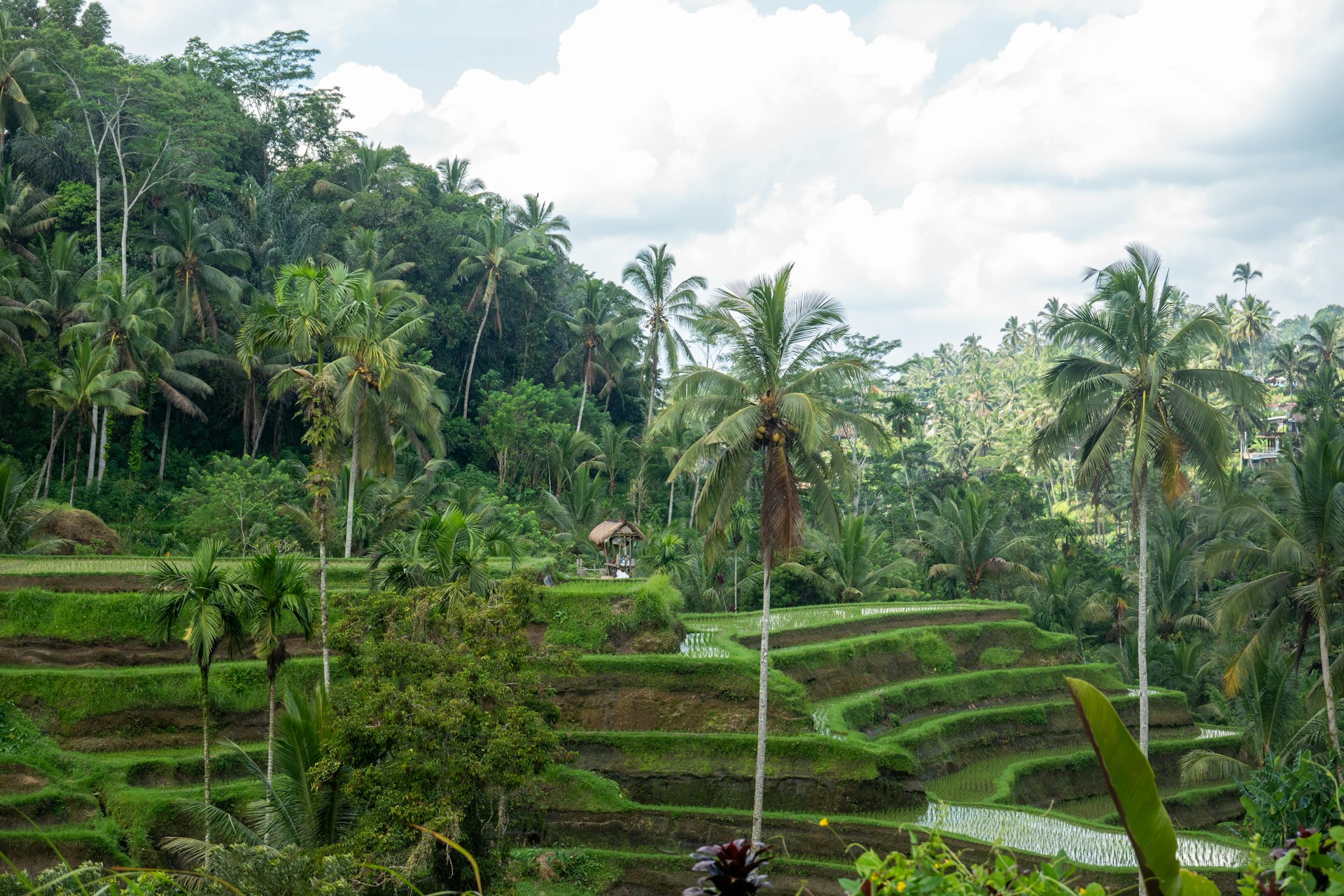
The rice terraces carved into the hillsides north of Ubud are not simply a pretty backdrop for photographs. They are a living, working agricultural landscape shaped by a cooperative irrigation system that has functioned without interruption for over a thousand years. UNESCO recognized the Balinese subak as a World Heritage Site not because the scenery is spectacular - though it is - but because the social and spiritual philosophy embedded in it represents something genuinely rare: a farming culture where resource management and religious practice are inseparable.
Tegallalang is the most visited of Bali's rice terrace areas, positioned conveniently between Ubud and the craft villages to the north. That popularity has made it one of the island's most photographed landscapes and also one of its most commercially developed tourist sites. The experience you have here depends almost entirely on when you arrive, how deep into the terraces you walk, and what you are expecting to find.
This guide covers everything you need to know: the entry system, the swings, the donation collectors, the best viewpoints, how to get there, and how to visit in a way that actually feels rewarding.
The Subak: A Thousand-Year Water Democracy
Before focusing on logistics, it is worth understanding what makes Tegallalang's terraces genuinely significant. The subak is a cooperative water management institution dating to the 9th century. It is not a government program or a corporate farming operation - it is a community-governed system where farmers share water through a network of canals, weirs, and tunnels, guided by temple rituals and local consensus.
At the heart of the subak lies the Balinese concept of Tri Hita Karana - three causes of well-being - which describes the necessity of harmony between people, the natural environment, and the spiritual realm. Water allocation across the island has historically been coordinated by the priests at Pura Ulun Danu Batur, the water temple on Bali's volcanic crater lake. Farmers participate in ritual cycles that double as irrigation schedules, so the rice growing calendar is also a religious calendar.
UNESCO inscribed the subak system as a World Heritage Site, recognizing the Tegallalang area as part of the Pekerisan Watershed component - a zone that also includes the ancient temple of Tirtha Empul and the royal shrines of Gunung Kawi downstream. The terraces you are walking through are an unbroken thread running back twelve centuries.
Things to Do
What to Expect: The Reality of Tegallalang Today
Tegallalang's main terrace strip runs along Jalan Raya Tegallalang, about 10 km north of central Ubud. The section most visitors photograph - and where the main access points, cafes, and swing operators are concentrated - is in the Ceking area, where the terraces cascade dramatically into a palm-lined river valley.
The road-level experience is highly commercial. Souvenir stalls, swing operators, photo prop installations, and cafes line the ridge. This is the Tegallalang that gets complained about in travel forums, and the complaints are not unfounded. If you stay at road level and limit your visit to 30 minutes, you will mostly experience a tourist market with a view.
The terraces themselves - the actual stepped fields, irrigation channels, and palm groves below - are a different matter. Once you descend past the ridge commercial zone and into the working paddies, the atmosphere changes. Paths wind between flooded fields reflecting the sky. Farmers tend their plots. The air smells of earth and water. Allow at least an hour and a half for the full circuit walk, and you will understand why this place deserves its reputation.
Entry Fees and the Donation System
Entry to the terrace area costs IDR 20,000 to 25,000 per person (approximately 1 to 2 USD), paid at official booths at the main access points. Parking is separate: IDR 5,000 for scooters, IDR 10,000 for cars.
The donation system is a second, less predictable layer of costs. The terraces are private agricultural land divided among multiple farmers. As you walk from one farmer's plot to the next, someone will approach asking for a small donation - typically IDR 5,000 to 20,000 per crossing. This happens regularly throughout the walk. It is not a scam exactly; the land belongs to those farmers. But it can feel relentless if you are unprepared for it. Bring a stack of small-denomination rupiah notes and decide in advance what you are comfortable contributing.
A practical workaround: buy a drink or meal at one of the cafes with terrace access. Spending the minimum purchase amount (typically IDR 50,000 to 100,000) at a cafe often grants you access to their deck and pathways without the donation approach, since you are on their property.
Be aware of unofficial ticket sellers near the entrance who present themselves as official staff and quote much higher prices. The real fee is under 25,000 IDR. Walk past anyone quoting significantly more and proceed to the actual booth.
The Swings and Activities
The Tegallalang swing has become an icon of Bali tourism. Several operators along the ridge offer swings positioned to arc out over the terrace valley - the photos are dramatic. Prices start at IDR 100,000 (around 6 USD) for a basic wooden swing and rise to IDR 500,000 or more for premium setups with elaborate photo packages. The experience lasts a few minutes; the photos last considerably longer.
A few practical notes on the swings: always agree on the total price before you get on, including whether photos are included or priced separately. Inspect the setup - quality and safety standards vary between operators. The more dramatic the swing position and the more elaborate the photo staging, the higher the price.
Other activities at the site include the Sky Bike, a bicycle suspended between cables above the terraces (priced separately, typically IDR 100,000 or more), and the terrace walk itself, which remains the most worthwhile thing to do here. The walking circuit through the working paddies takes roughly 90 minutes at a comfortable pace and descends steeply in places - this is the part of the visit that actually earns the memories.
Best Time to Visit
Arrive early. The single most impactful variable in the Tegallalang experience is timing. At 7:00 AM the terraces are quiet, the light is soft, and the heat has not yet built up. By 10:00 AM the tourist buses have arrived, the temperature is climbing, and the ridge road is shoulder-to-shoulder with visitors.
On clear mornings, roughly 45 minutes after sunrise, light filters through the palm trees at an angle that creates atmospheric shafts of sunlight across the upper terraces. This is the light that makes the iconic photographs. It does not last long and it does not occur on overcast days - but when conditions align, it is genuinely beautiful.
Late afternoon around 5:00 PM is a secondary good window - cooler temperatures, gentler light, and the day-trip buses have mostly gone. The terraces are not artificially lit, so stay until dusk rather than after dark.
For the terraces themselves, the greenest and most photogenic phase runs from February through April, when the new crop is growing but has not yet been harvested. September and October offer another green window. Rainy season brings lush vegetation and occasional mist in the valley, which can create atmospheric conditions for photography despite the wet paths.
How to Get There
Tegallalang is 10 to 12 km north of central Ubud, a 20 to 25 minute drive under normal conditions. From the southern resort areas of Kuta or Seminyak, allow 1.5 to 2 hours depending on traffic through Ubud town.
| Option | From Ubud | From Kuta / Seminyak | Notes |
|---|---|---|---|
| Scooter rental | Most flexible, IDR 70,000-100,000/day | Long ride, heavy traffic | Best option from Ubud; gives freedom to stop |
| Private driver | IDR 400,000-600,000 half-day | IDR 600,000-800,000 full day | Easily combined with Tirta Empul and Gunung Kawi |
| Grab / Gojek | Affordable, convenient | Not recommended for distance | App-based ride-hailing; easy return from Ubud |
| Organized day tour | Not needed from Ubud | Typically includes Ubud sights | Full-day tours from south Bali usually combine 4-5 stops |
There is no reliable public transport to Tegallalang. The route north from Ubud on Jalan Raya Tegallalang is well-paved and straightforward. If you have a scooter, consider stopping at the Kopi Luwak coffee plantations dotted along the road between Ubud and the terraces - most offer free tastings, though the hard sell to buy Luwak coffee afterward is common.
Nearby Attractions Worth Combining
Tegallalang fits naturally into a larger Ubud-area day of sightseeing. The three sites that combine most logically with it are all within 15 to 20 minutes south along the same river valley:
- Pura Tirtha Empul - One of Bali's most sacred Hindu water temples, where devotees and visitors perform purification rituals in spring-fed pools. Meaningful, visually striking, and genuinely active as a place of worship. Located approximately 5 km south of Tegallalang.
- Gunung Kawi - Enormous 11th-century royal shrines carved directly into a riverside cliff face, reached by descending 300 steps into a forested ravine. One of Bali's most dramatic archaeological sites and consistently underrated. About 8 km south of Tegallalang.
- Tegenungan Waterfall - A wide, powerful waterfall south of Ubud that gets crowded but is worth combining on the return drive toward the south of the island.
GoAsia.cc covers all three of these in detail if you want to plan the full route.
Practical Tips for Visiting Tegallalang
- Footwear matters. The terrace paths are steep, uneven, and can be slippery after rain. Flip-flops are genuinely unsuitable for the walk. Wear closed-toe shoes or sturdy sandals with grip.
- Bring small cash. IDR 5,000, 10,000, and 20,000 notes are what you need. Card payment is not accepted at entry booths, donation points, or most small warungs within the terraces.
- Set a mental budget for donations. Knowing in advance that you will contribute, say, IDR 50,000 total in crossing donations makes the interactions feel less pressured. Small, calm, and polite handling of these requests is the norm on both sides.
- Skip the north entrance for crowds. The southern access point near the main cafe strip is busiest. The northern end of the terrace area near the OneWorld Ayurveda complex tends to be quieter.
- The terraces are a working farm. Stay on the paths. Do not walk into the planted fields. Do not disturb irrigation channels.
- Dress for heat. Light breathable clothing, sunhat, and sunscreen are essential by mid-morning. A light rain jacket is useful in wet season.
- Combine with a cafe stop. Several cafes along the ridge have terraces directly overlooking the paddies. Kawi Resto and Tis Cafe are frequently recommended for the views. An hour spent with coffee and a view can be more memorable than the swing photograph.
Frequently Asked Questions
Yes, if you approach them with the right expectations. The terraces are genuinely beautiful and historically significant as part of UNESCO's Balinese subak World Heritage Site. The road-level tourist zone is heavily commercial, but walking down into the actual paddies for an hour or more reveals a working agricultural landscape of real character. Arrive early for the best experience.
The official entry fee is IDR 20,000 to 25,000 per person (roughly 1 to 2 USD), plus IDR 5,000 to 10,000 for parking. Budget an additional IDR 30,000 to 60,000 for donation requests as you walk between farmer plots. Swing rides start at IDR 100,000 and go up to IDR 500,000 or more for premium setups. Ignoring fake ticket sellers near the entrance will save you money.
Tegallalang is 10 to 12 km north of central Ubud, a 20 to 25 minute drive. The most flexible option is renting a scooter in Ubud (IDR 70,000 to 100,000 per day), which lets you stop freely along the road. Grab and Gojek ride-hailing apps work well for a one-way trip. Private drivers are available for half-day or full-day hire, typically combined with Tirta Empul and Gunung Kawi. There is no public bus service.
Aim to arrive between 6:30 and 8:30 AM. This window offers cooler temperatures, far fewer tourists, and the best morning light - on clear days, sunlight filters through the palm trees at a low angle creating atmospheric conditions for photography. By 10:00 AM the site fills rapidly with day-trippers and the heat becomes intense.
The subak is a Balinese cooperative water management system dating to the 9th century, where farmers collectively share irrigation water guided by Hindu temple rituals and the philosophy of Tri Hita Karana - harmony between people, nature, and the spiritual realm. UNESCO inscribed the subak in 2012 as a World Heritage Site because it represents an unbroken thousand-year tradition where agricultural practice and religious life are inseparable. Tegallalang is part of the designated Pekerisan Watershed component of that inscription.
Most swing operators run reasonable setups, but quality and safety standards vary. Always inspect the swing and rigging before getting on, agree on the total price (including photos) before boarding, and choose operators at established, busy locations rather than informal setups on the path edges. Prices range from IDR 100,000 for basic swings to IDR 500,000 or more for elaborate photo packages.
Wear light breathable clothing suitable for heat and humidity, and bring a sunhat and sunscreen. Most importantly, wear closed-toe shoes or sturdy sandals with grip - not flip-flops. The terrace paths descend steeply and become slippery when wet. A light rain jacket is useful during the rainy season months from November through March.
Yes, though the drive takes 1.5 to 2 hours each way depending on traffic through Ubud. Most visitors combine Tegallalang with Tirta Empul temple, Gunung Kawi shrines, and Ubud town to make a full day of it. Hiring a private driver for the full day (IDR 600,000 to 800,000) is the most practical approach from the south of the island. Organized Ubud day tours from the resort areas typically include all these stops.