Komodo National Park: Dragons, Diving, and Pink Beaches in Indonesia
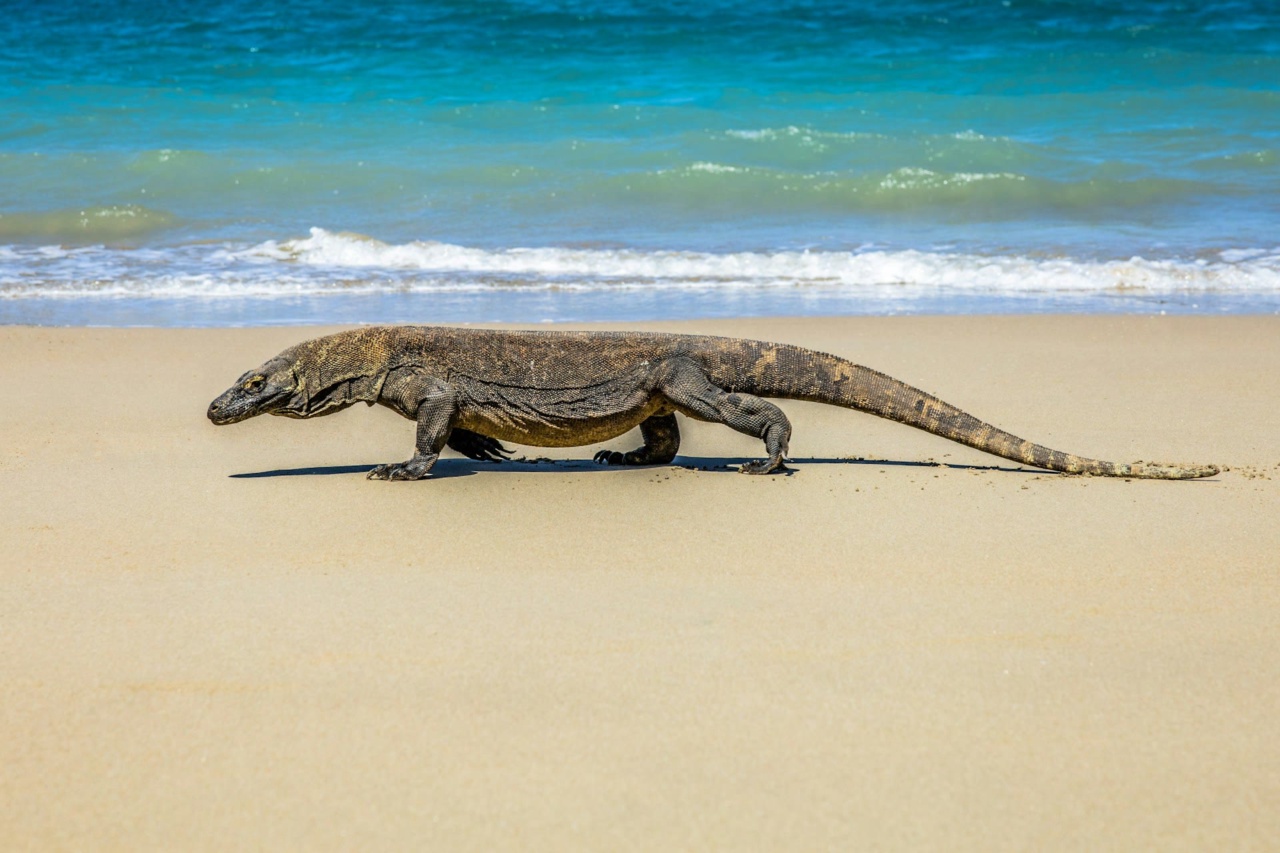
Komodo National Park is the only place on Earth where Komodo dragons live in the wild. Roughly 5,700 of these prehistoric predators - the world's largest living lizards, reaching up to 3 meters in length - roam three volcanic islands in eastern Indonesia, hunting deer, water buffalo, and occasionally each other. Walking among them with only a ranger and a forked stick for protection is one of the most primal wildlife encounters you can have anywhere.
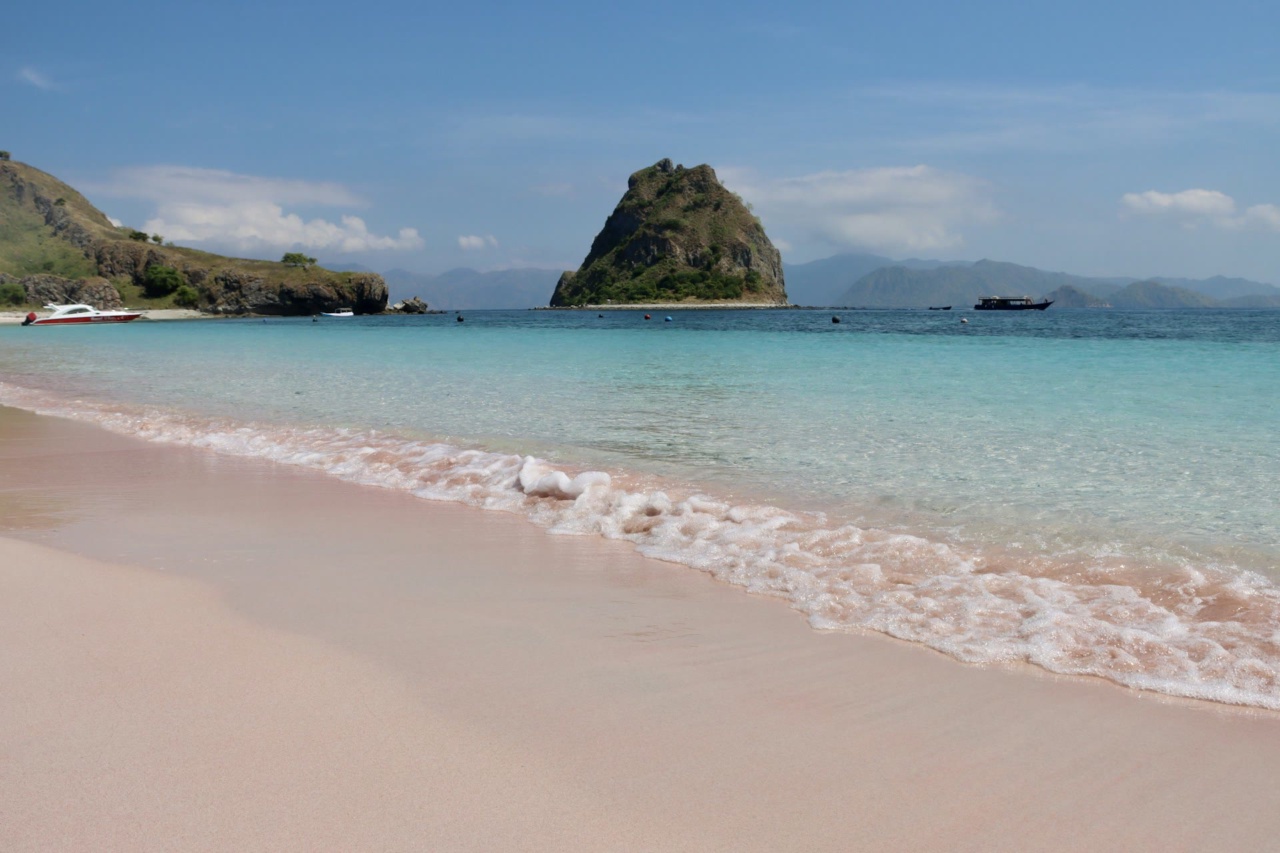
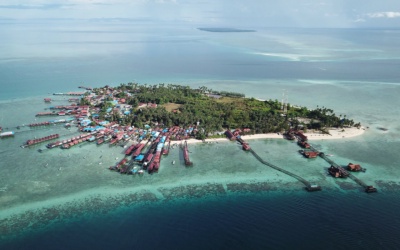
But dragons are only half the story. The waters surrounding the park contain some of the richest marine biodiversity on the planet - manta rays, reef sharks, sea turtles, dolphins, and coral gardens so dense and colorful they look artificial. The park's islands offer pink sand beaches (tinted by microscopic red coral fragments), volcanic hillside viewpoints, and a rawness that most of Indonesia's better-known destinations have polished away.
All visits to Komodo National Park launch from the small town of Labuan Bajo on the western tip of Flores island. Here is everything you need to plan a trip that covers both the dragons and the underwater world.
The Main Islands
Komodo Island
The largest island in the park and the one that gives it its name. Komodo Island is home to the biggest population of dragons, and the main ranger station at Loh Liang is where most dragon trekking tours take place. Three trekking routes of varying length (short, medium, and long) lead through dry savanna and forest where dragons, deer, wild boar, and water buffalo are regularly spotted. The medium trek (about 2 kilometers, 1-1.5 hours) offers the best balance of walking distance and sighting probability.
Rinca Island
Smaller and closer to Labuan Bajo, Rinca is increasingly popular because it requires less boat travel time and has equally reliable dragon sightings. The terrain is hillier than Komodo, and dragons are often spotted right near the ranger station kitchen, drawn by the smell of food. The Rinca trek also includes good viewpoints over the surrounding bays. Many day-trip boats visit Rinca instead of Komodo to save transit time.
Padar Island
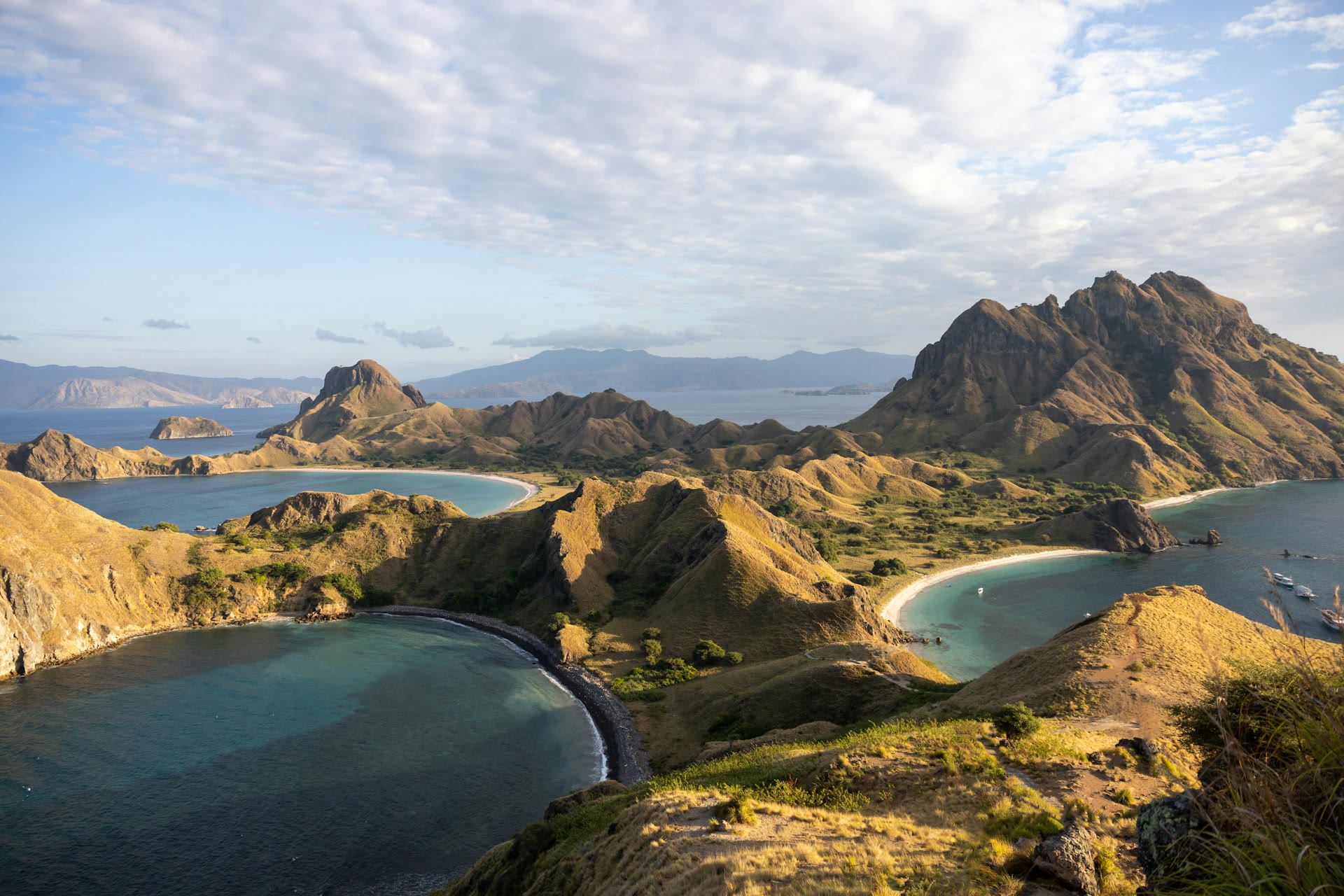
Padar has no dragons but offers one of the most photographed viewpoints in all of Indonesia. A steep 30-minute hike to the island's summit reveals a panoramic view of three crescent bays - one with white sand, one pink, and one black volcanic sand - all curving in different directions below jagged green ridges. Sunrise and sunset here are spectacular, and the hike, while steep, is manageable for most fitness levels.
Things to Do
Seeing the Komodo Dragons
Dragon encounters happen on guided treks at Komodo Island or Rinca Island. You cannot explore either island without a licensed park ranger - this is non-negotiable for safety. Rangers carry forked wooden sticks to keep dragons at a safe distance. Despite their lumbering appearance, Komodo dragons can sprint at 20 kilometers per hour in short bursts, and their saliva contains bacteria and mild venom that can cause serious infections.
Practical rules for dragon trekking:
- Stay with your group and ranger at all times
- Do not approach dragons closer than the ranger allows (typically 5-10 meters)
- Menstruating women should inform the ranger, as dragons are attracted to the scent of blood
- Do not bring open food on the trek
- Wear closed shoes - the terrain is rocky and uneven
- Morning treks (before 10 AM) see more active dragons; midday heat makes them lethargic
Snorkeling and Diving
Komodo's underwater world is world-class. The park sits at the confluence of the Indian and Pacific Oceans, creating nutrient-rich currents that support extraordinary marine diversity.
Top Snorkeling Spots
- Manta Point - The highlight for most visitors. Manta rays with wingspans of up to 5 meters glide through the shallow water here, often in groups. Snorkelers float on the surface watching them circle below. Sightings are reliable year-round but best from December to February.
- Pink Beach (Pantai Merah) - Excellent coral right off the shore, accessible by wading in from the famous pink sand. The snorkeling here is beginner-friendly with calm, shallow water and abundant fish life.
- Kanawa Island - A small island near Labuan Bajo with a pristine house reef. Often included as a stop on day tours. The coral is healthy and colorful, and sea turtles are regularly spotted.
- Taka Makassar - A sandbar that appears at low tide, surrounded by turquoise water and excellent snorkeling on the reef edges.
Diving
Komodo is a world-renowned dive destination, but conditions are not for beginners. Strong currents, cold thermoclines, and variable visibility require intermediate to advanced skills. Top dive sites include Batu Bolong (a current-swept pinnacle teeming with reef fish and sharks), Castle Rock (schooling pelagics and mantas), and Crystal Rock (soft corals and incredible biodiversity).
Dive operators in Labuan Bajo offer day trips (2-3 dives) for $100-$150 per person including equipment, or liveaboard packages for multi-day diving. PADI certification courses are also available.
Tour Options from Labuan Bajo
All visits to Komodo National Park depart from Labuan Bajo. The main options:
| Tour Type | Duration | Price Range | Best For |
|---|---|---|---|
| Day trip (slow boat) | 1 day | 700,000-1,000,000 rupiah ($45-$65) | Budget travelers, 3-4 stops |
| Day trip (speedboat) | 1 day | 1,500,000-2,500,000 rupiah ($100-$165) | More stops, less transit time |
| Liveaboard (2D/1N) | 2 days | 2,000,000-4,000,000 rupiah ($130-$260) | Relaxed pace, sunset/sunrise on water |
| Liveaboard (3D/2N) | 3 days | 3,000,000-8,000,000 rupiah ($195-$520) | Full park experience, remote spots |
Park entrance fees are not included in tour prices and must be paid separately in cash at the ranger stations. Slow boats are the cheapest option but waste significant time in transit - the journey to Komodo Island takes 3-4 hours one way. Speedboats halve the travel time but cost roughly double. Liveaboards offer the best overall experience, letting you sleep on the water, hit remote sites at dawn before day-trippers arrive, and avoid the daily back-and-forth.
You can book tours in advance online or simply walk down the main street of Labuan Bajo and compare offers at the many tour agencies. Walk-in prices are often lower than online bookings, especially outside peak season.
Entry Fees
Komodo National Park has a multi-layered fee structure:
| Fee Type | Weekday | Weekend/Holiday |
|---|---|---|
| Park entrance (foreign tourist) | 150,000 rupiah | 250,000 rupiah |
| Dragon trekking (per island) | 80,000-100,000 rupiah | 100,000-120,000 rupiah |
| Snorkeling fee | 50,000-100,000 rupiah | 75,000-150,000 rupiah |
| Ranger guide fee | Per group (shared) | Per group (shared) |
Total park fees for a typical day trip visiting one dragon island plus snorkeling spots run 300,000 to 500,000 rupiah ($20-$33) per person. All fees are cash only in Indonesian rupiah - bring enough from Labuan Bajo, as there are no ATMs in the park.
Getting to Labuan Bajo
Labuan Bajo has a small airport (LBJ/Komodo Airport) receiving direct flights from Bali (1.5 hours), Jakarta (2.5 hours), and several other Indonesian cities. Lion Air, Citilink, and Garuda fly the Bali-Labuan Bajo route multiple times daily, with one-way fares starting around 500,000-1,000,000 rupiah ($33-$65).
For a more adventurous approach, overland travel across Flores island from Ende or Maumere is possible by bus or motorbike, passing through some of Indonesia's most dramatic volcanic landscapes. The Trans-Flores highway is scenic but slow - budget 2-3 days for the full crossing.
Tips for Visiting Komodo National Park
- Visit on a weekday - Park entrance fees are significantly cheaper, and the islands are less crowded. Tuesday through Thursday are the quietest days.
- Choose a liveaboard if budget allows - Sleeping on the water lets you experience sunset at Padar, sunrise at Komodo, and snorkeling at Manta Point before the day-trip boats arrive. It is the single best upgrade you can make to a Komodo trip.
- Bring reef-safe sunscreen - The coral in Komodo is exceptional and worth protecting. Chemical sunscreens damage reefs. Use mineral-based (zinc oxide) sunscreen instead.
- Carry cash in small bills - All park fees, most boat tours, and many Labuan Bajo shops and restaurants are cash only. ATMs in Labuan Bajo exist but sometimes run dry on busy weekends.
- Dry season is best - April through November offers calmer seas, better visibility for snorkeling and diving, and more reliable manta sightings. December through March brings rougher conditions and occasional tour cancellations due to weather.
- Stay hydrated on island treks - The dragon trekking islands are hot, dry, and shadeless. Bring at least 1 liter of water per person. Rangers sell water at the stations, but at marked-up prices.
- Book early for peak season - July, August, and the Christmas-New Year period see the highest visitor numbers. Liveaboard slots fill up weeks in advance. Low season (January-March) offers the best deals and thinnest crowds.
- Respect the wildlife - Do not feed, provoke, or attempt to touch Komodo dragons. Follow your ranger's instructions at all times. In the water, do not touch or chase manta rays or turtles - they will come close on their own if you stay calm and still.
For more island and marine life destinations across Indonesia and Southeast Asia, explore GoAsia.cc.
Frequently Asked Questions
Komodo dragons are wild predators and potentially dangerous - they can run at 20 km/h in short bursts and their bite delivers bacteria and mild venom that cause serious infections. However, attacks on tourists are extremely rare because all island visits are accompanied by licensed rangers who know the animals' behavior and carry forked sticks for protection. Following ranger instructions and staying with your group makes the encounter safe.
A budget day trip on a slow boat costs around 700,000-1,000,000 rupiah ($45-$65) for the tour, plus 300,000-500,000 rupiah ($20-$33) in park fees. A mid-range speedboat day trip runs about 1,500,000-2,500,000 rupiah plus fees. A 3-day/2-night liveaboard with diving costs 3,000,000-8,000,000 rupiah plus fees. Add flights to Labuan Bajo (500,000-1,000,000 rupiah from Bali) and accommodation.
Fly to Labuan Bajo (Komodo Airport) on Flores island, with direct flights from Bali (1.5 hours), Jakarta, and other Indonesian cities. From Labuan Bajo, all park visits are by boat - either day trips or liveaboards. You cannot fly directly to Komodo Island. Book boat tours in advance online or walk into agencies along Labuan Bajo's main street.
Both islands have reliable dragon sightings. Rinca is closer to Labuan Bajo (less boat travel time), making it the practical choice for day trips. Dragons are often spotted right near the Rinca ranger station. Komodo Island has the larger dragon population and a more classic wilderness feel but requires 3-4 hours by slow boat each way. Multi-day liveaboards typically visit both.
April through November (dry season) offers the best conditions: calm seas, clear visibility for snorkeling and diving, and reliable access to all sites. Manta ray sightings are good year-round but peak from December to February. The wet season (December-March) brings rougher seas that can cancel boat trips. July-August is peak tourist season with the highest prices and most crowded boats.
Not at all. Snorkeling at Komodo is world-class and accessible to everyone, including beginners. Manta Point, Pink Beach, and Kanawa Island all offer spectacular snorkeling in relatively calm conditions. Most boat tours include snorkeling gear. Diving adds another dimension with sites like Batu Bolong and Castle Rock, but requires intermediate skills due to strong currents.
For most visitors, yes. Liveaboards let you experience sunrise at Padar, reach snorkeling spots before day-trip crowds arrive, and cover more of the park without daily back-and-forth transit. You also get sunset dinners on deck and stargazing in one of Indonesia's least light-polluted areas. A 2-day/1-night trip offers a significant upgrade over a day trip at roughly double the cost.