Lake Toba and Samosir: Ferries, Culture and Travel Planning
Photo: Dio Hasibuan / Unsplash
Contents
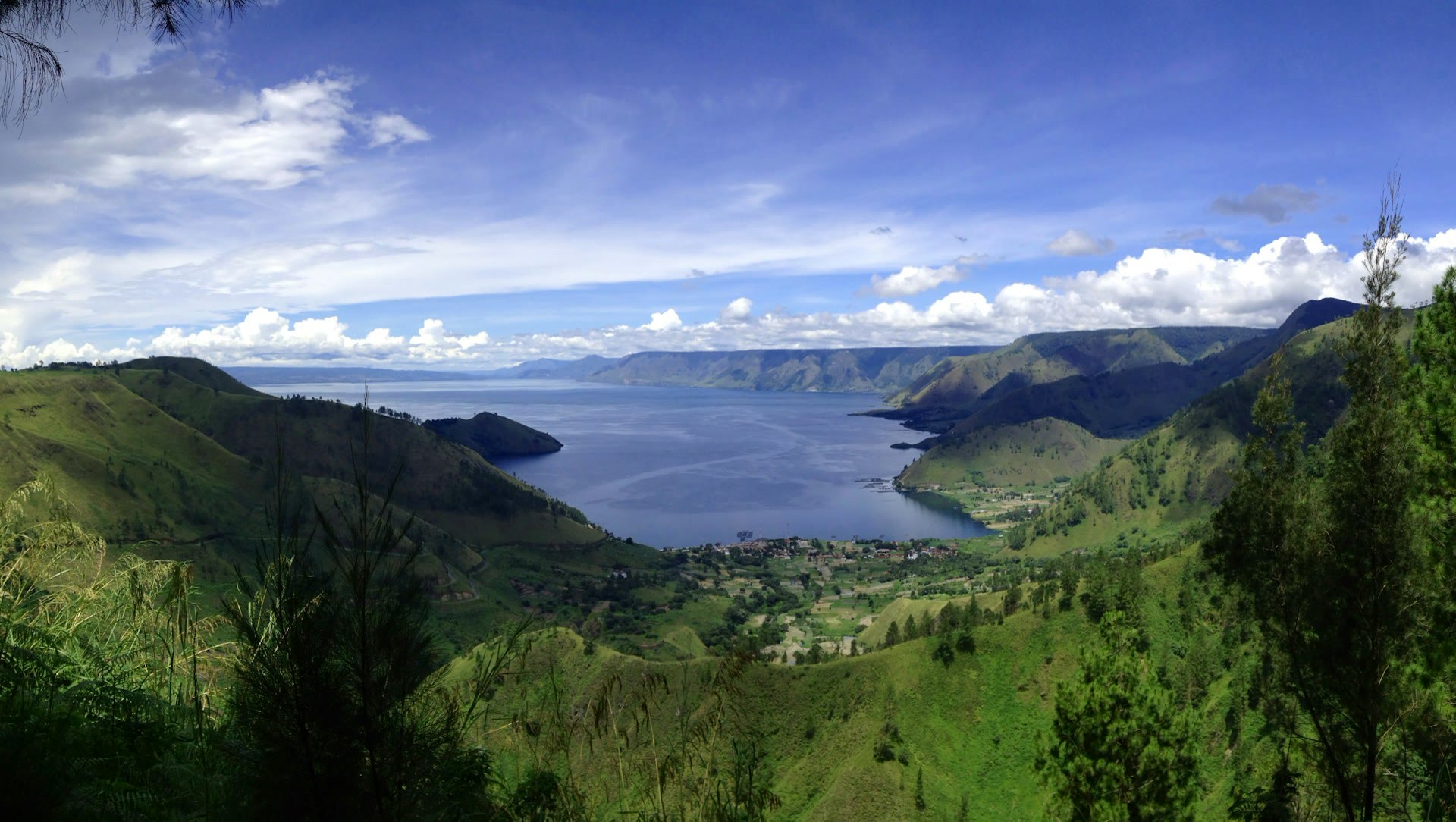
Lake Toba in North Sumatra fills a volcanic caldera, with Samosir Island rising in its centre. It is the world's largest volcanic crater lake, about 1,100 km² in area, with its surface 904 metres above sea level and a maximum depth of 505 metres.[1] The eruption that formed it happened about 75,000 years ago.[1] Choose your base and your arrival route together, because the lakeside towns are not interchangeable.
Getting to Lake Toba
Driving from Medan to the Huta Ginjang viewpoint takes about 6 hours, while from Silangit airport it is 20 to 30 minutes by car.[2] Before you book a road transfer, choose your destination on the lake. Ask for the exact drop-off pier or hotel, whether the price is per seat or per vehicle, and whether a boat leg is included.
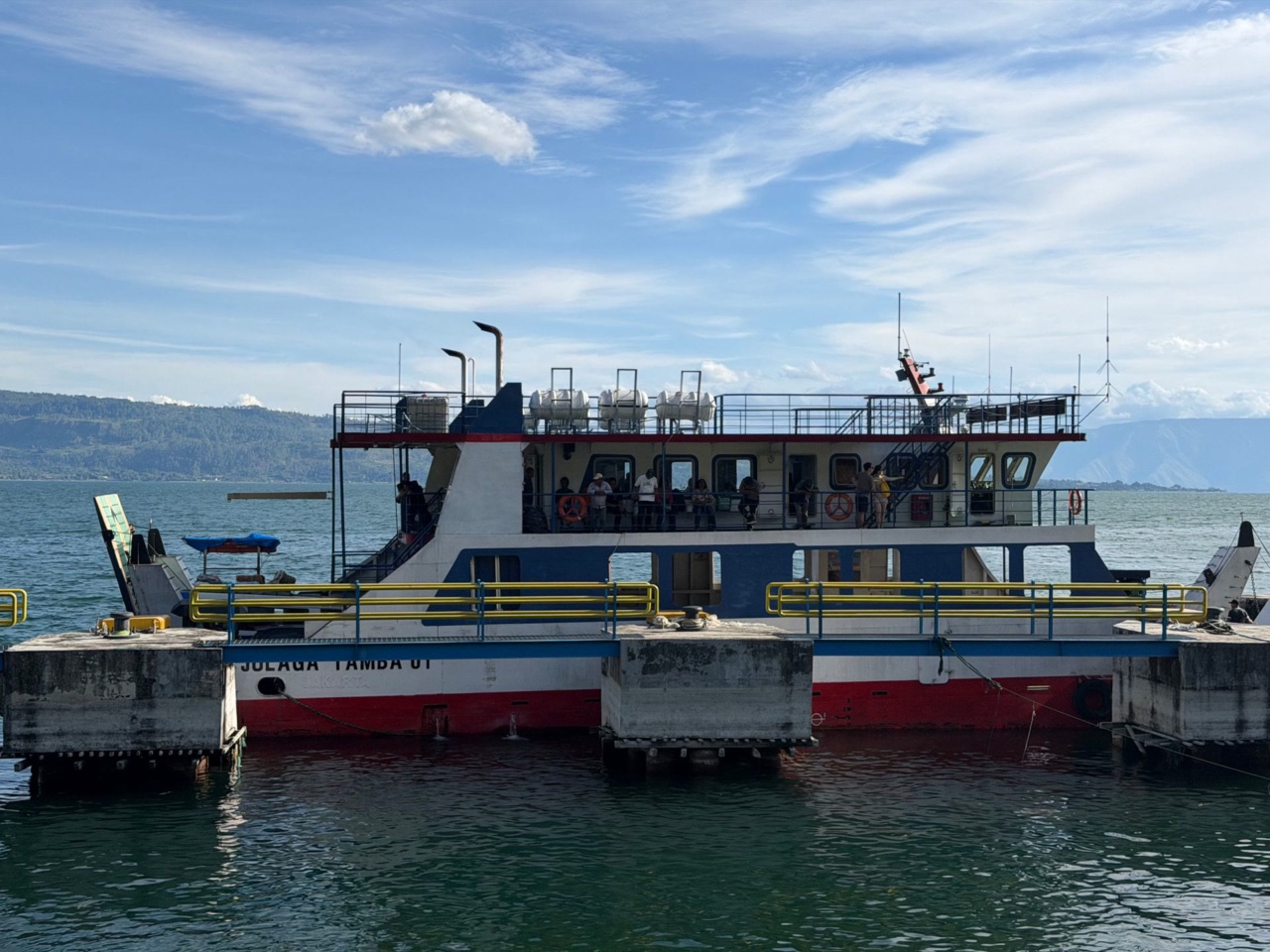
Small passenger ferries cross from Parapat to Tomok pier on Samosir.[2] Ask your hotel where the boat lands, because not every boat stops at Tuktuk. If you bring a car or motorbike, use the Ajibata-Ambarita ferry instead. ASDP runs it with the ships KMP Ihan Batak and KMP Pora-Pora, with sailings from 07:30 every day.[3] Service ends at 18:00 from Monday to Thursday and at 21:15 from Friday to Sunday.[3] In October 2025 the adult passenger fare was Rp 16,700 and the infant fare Rp 7,000.[3]
Things to Do
Offers are only loaded from GetYourGuide after you click. GetYourGuide can then process your IP address and set cookies. Privacy Policy
GetYourGuide partner offers. GoAsia may earn a commission if you book through these offers. Check whether tickets or transfers are included, and follow the attraction's official booking and admission rules.
Where to Stay on Samosir
Compare places by position, transport connections and facilities rather than by nightly price alone. Tuktuk, Tomok and Ambarita each make a different base, so check the distance to your planned visits and the last return service. Ask about hot water, internet and lake access if they matter to you. A private jetty does not mean the water beside it is safe for swimming.
Exploring Samosir Island
Start with the Batak heritage. Tomok has the tomb of King Sidabutar, Batak houses, Sigale-gale puppet shows and a souvenir market. It is open daily from 07:00 to 17:00, and entry is Rp 5,000.[2] Huta Siallagan in Ambarita is a stone-walled Batak village with traditional Bolon and Sopo houses.[4] At its centre stand two sets of stone chairs under a sacred Hariara tree, one used for meetings and the other for executions, believed to be more than 200 years old.[4] It is open daily from 08:00 to 18:00, and entry is Rp 10,000.[2]
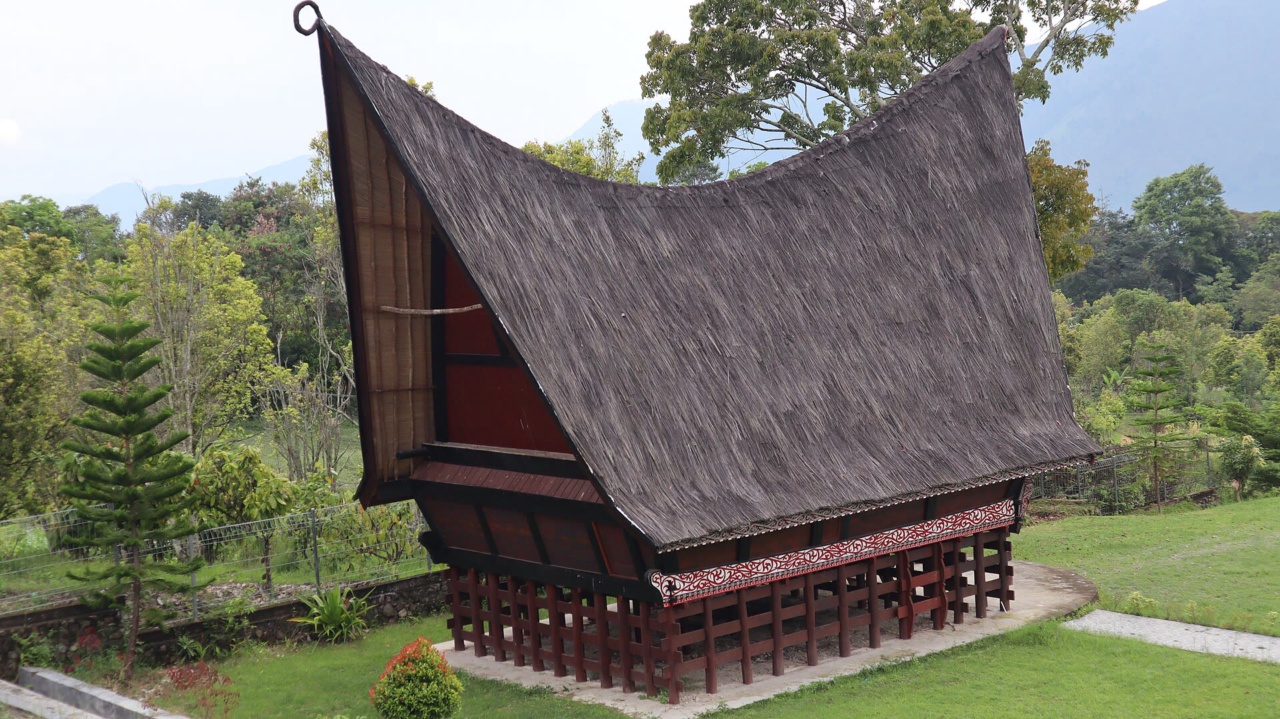
The Huta Bolon museum in Simanindo is an open-air museum in the house inherited from King Sidauruk, founded in 1969.[5] Entry is Rp 10,000, and it is closed on public holidays.[5] Batak wooden houses have walls shaped like a boat hull and fronts carved with gorga in white, red and black. The handwoven ulos cloth in red, black and white is part of weddings, births and other ceremonies.[1] Ask permission before photographing people or entering a home.
Take care when you swim. Stay out of the water where signs say the area is closed, when the water is cloudy, discoloured or smelly, or near drainage pipes, and check conditions after heavy rain. Do not swallow lake water.[6]
Rent a scooter only if you have a valid licence, insurance and riding experience, and ask what the rental covers for fuel and damage. If riding does not suit you, hire a driver for the day.
Food on Samosir
Try arsik, a Batak dish of carp (ikan mas) cooked slowly with andaliman, Batak onion and asam cikala, neither fried nor grilled.[7] It is often served at ceremonies and family celebrations.[7] Andaliman, a numbing, peppery spice, is a key flavour of Batak cooking.[1] Check menu prices and portion size before you order.
Practical Tips for Lake Toba
Budget separately for road transport, the right boat or ferry, accommodation, meals and entrance fees, and keep the passenger and vehicle fares apart. Carry some cash in rupiah as a backup, and download directions and booking details before you cross the lake.
Three or four nights leave time for the arrival, a cultural outing and a flexible lake day. With less time, choose one small area and add viewpoints or waterfalls only if the connections work.
No month is guaranteed dry. Match your dates to the activities you want, check the local forecast and leave room for rain or a cancelled outing.
Sources and background
Numbers in the text such as [1] refer to these sources.
- [1] UNESCO: Toba Caldera UNESCO Global Geopark: lake dimensions, geology, Batak houses and ulos. Retrieved October 21, 2026.
- [2] Indonesia Travel: Lake Toba destinations: Tomok, Sigale-gale, Sidabutar and passenger access. Retrieved October 21, 2026.
- [3] ASDP Indonesia Ferry: Ajibata-Ambarita vehicle crossing: operator announcement and dated fares, 26 October 2025. Retrieved October 21, 2026.
- [4] Indonesia Travel: Huta Siallagan: historical stone seats and Ambarita village context. Retrieved October 21, 2026.
- [5] Indonesia Travel: Huta Bolon Simanindo museum: traditional house and Sidauruk family. Retrieved October 21, 2026.
- [6] Centers for Disease Control and Prevention: General precautions for swimming in oceans, lakes and rivers, not a Lake Toba water assessment. Retrieved October 21, 2026.
- [7] Indonesia Travel: Ikan Arsik: ingredients and slow-cooked preparation. Retrieved October 21, 2026.
Frequently Asked Questions
Driving from Medan to the Huta Ginjang viewpoint takes about 6 hours; from Silangit airport it is 20 to 30 minutes. Small passenger ferries cross from Parapat to Tomok pier, and the Ajibata-Ambarita ferry takes vehicles, with sailings from 07:30 until 18:00 (Monday to Thursday) or 21:15 (Friday to Sunday). In October 2025 the adult passenger fare was Rp 16,700.
Budget separately for road transport, the ferry or boat, accommodation, meals and entrance fees. Samosir entry fees are low: Rp 5,000 at Tomok, Rp 10,000 at Huta Siallagan and Rp 10,000 at the Huta Bolon museum. The Ajibata-Ambarita ferry charged Rp 16,700 for an adult in October 2025.
Three or four nights leave time for the arrival, a cultural outing and a flexible lake day. With less time, choose one small area and check the connections before you add distant viewpoints or waterfalls.
Stay out of the water where the area is closed, when the water is cloudy, discoloured or smelly, or near drainage pipes, and check conditions after heavy rain. Do not swallow the water.
Batak houses have walls shaped like a boat hull and fronts carved with gorga in white, red and black, and the handwoven ulos cloth is part of weddings, births and other ceremonies. Visit Tomok for the Sidabutar tomb and Sigale-gale puppets, and Huta Siallagan for its stone chairs. Ask permission before photographing people or entering a home.
No month is guaranteed dry. Match your dates to the activities you want, check the local forecast and leave room for rain or a cancelled outing.
Only if you have a valid licence, insurance and riding experience. Ask what the rental covers for fuel and damage, or hire a driver for the day.