Sacred Monkey Forest Ubud: Tickets, Temples and Visitor Rules
Contents
- 1. Plan your visit first
- 2. Why this forest is also a community and religious site
- 3. Understanding the three temples
- 3.1 Pura Dalem Agung Padangtegal
- 3.2 Pura Beji
- 3.3 Pura Prajapati
- 4. Observing the macaques without seeking contact
- 4.1 The practical visitor rules
- 4.2 After a bite or scratch
- 5. Getting there and choosing the next stop
- 6. A simple visit sequence
- 7. Sources and background
- 8. Frequently Asked Questions
Ubud's Sacred Monkey Forest Sanctuary combines a forest walk, long-tailed macaques and three living Hindu temples. Choose it for observing animals and understanding a Padangtegal community site, not for feeding or touching monkeys. The temple interiors are places of prayer, not tourist rooms.
Plan your visit first
Admission and entry details from the official visitor page (October 2026):
| Planning item | Details |
|---|---|
| Adult admission | 130,000 IDR per person[1] |
| Child admission | 100,000 IDR per person[1] |
| Opening hours | 09:00 to 18:00, last entrance at 17:00[1] |
| Visitor lobby | East side, near Sentral Parking[1] |
Allow one to two hours for a walk and animal observation, more if you stop often. Budget in IDR, and with children confirm the age category, any exemption and the payment methods with the sanctuary.
Things to Do
Offers are only loaded from GetYourGuide after you click. GetYourGuide can then process your IP address and set cookies. Privacy Policy
GetYourGuide partner offers. GoAsia may earn a commission if you book through these offers. Check whether tickets or transfers are included, and follow the attraction's official booking and admission rules.
Why this forest is also a community and religious site
The sanctuary is a 12.5-hectare forest managed by the Padangtegal community.[1][2] Its conservation work, religious use and visitor activity share the same grounds. Treat worship and local customs as part of the place, rather than scenery arranged for a photograph.
Its guiding philosophy is Tri Hita Karana: harmony between people and God, between people, and between people and the environment.[2] All three relationships matter. The community context explains why access to a temple and permission to walk in the forest are different things.
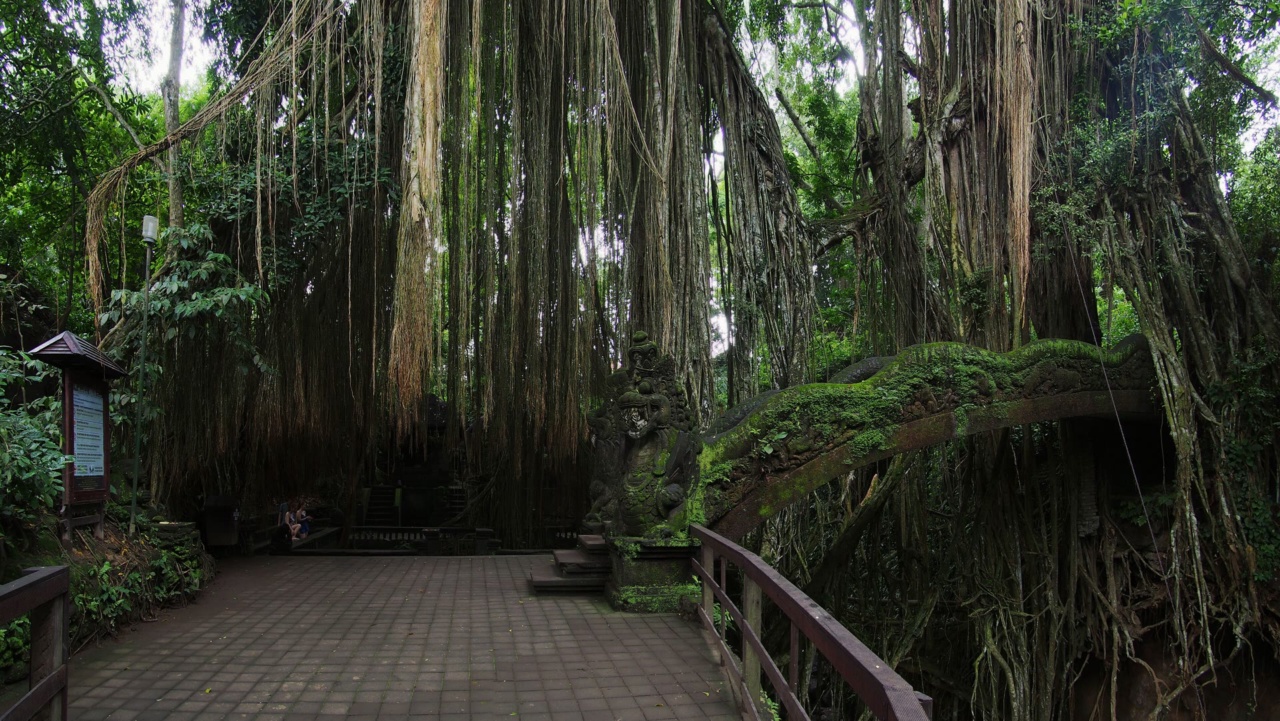
Banyan trees, shrines among the vegetation and paths offer more to look at than the macaques alone. Some trees and leaves are part of ritual practice, banyan leaves in ceremonies among them. Follow the open routes and take time to see how the vegetation and the sacred places belong together.
Understanding the three temples
The temple history of the site goes back to around the middle of the 14th century, according to the sanctuary's reading of the Pura Purana.[3]
Pura Dalem Agung Padangtegal
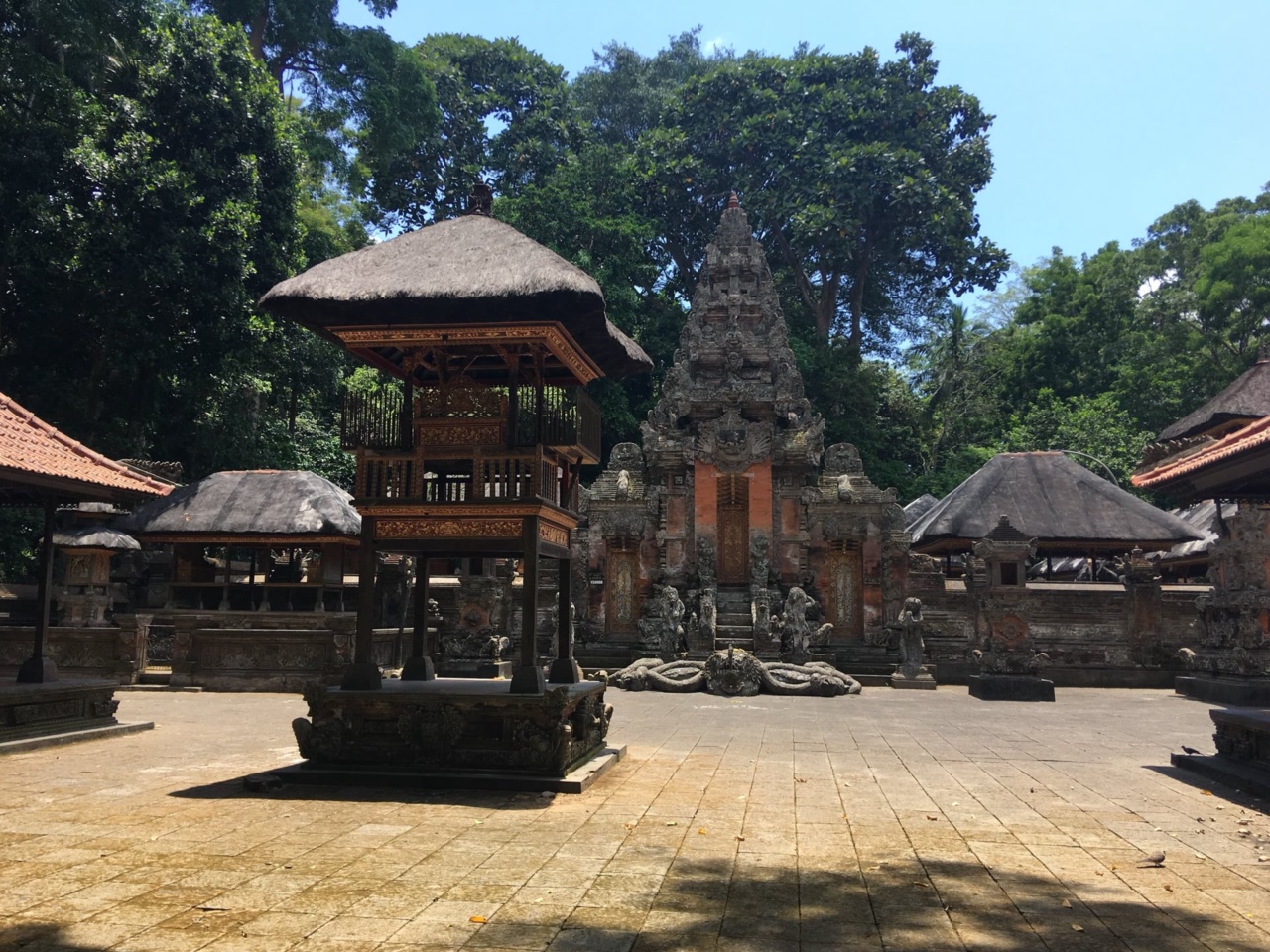
The main temple is in the southwest of the forest. It is associated with Shiva and Durga and with the community's beliefs surrounding death and transformation.[3] Look at its setting and exterior from the visitor paths; the prayer spaces are not open to tourists.
Pura Beji
This temple is in the northwest and is associated with Gangga and ritual purification.[3] Purification here is religious, not an invitation to bathe.
Pura Prajapati
The northeastern temple is associated with Brahma Prajapati. The sanctuary also has a community cemetery, where temporary burial can precede collective cremation.[3]
All three temples are reserved for local worship.[3] Respectful clothes do not grant entry to prayer areas. Follow barriers and staff instructions, including any restrictions around ceremonies; photograph only from permitted places without interrupting worship.
Observing the macaques without seeking contact
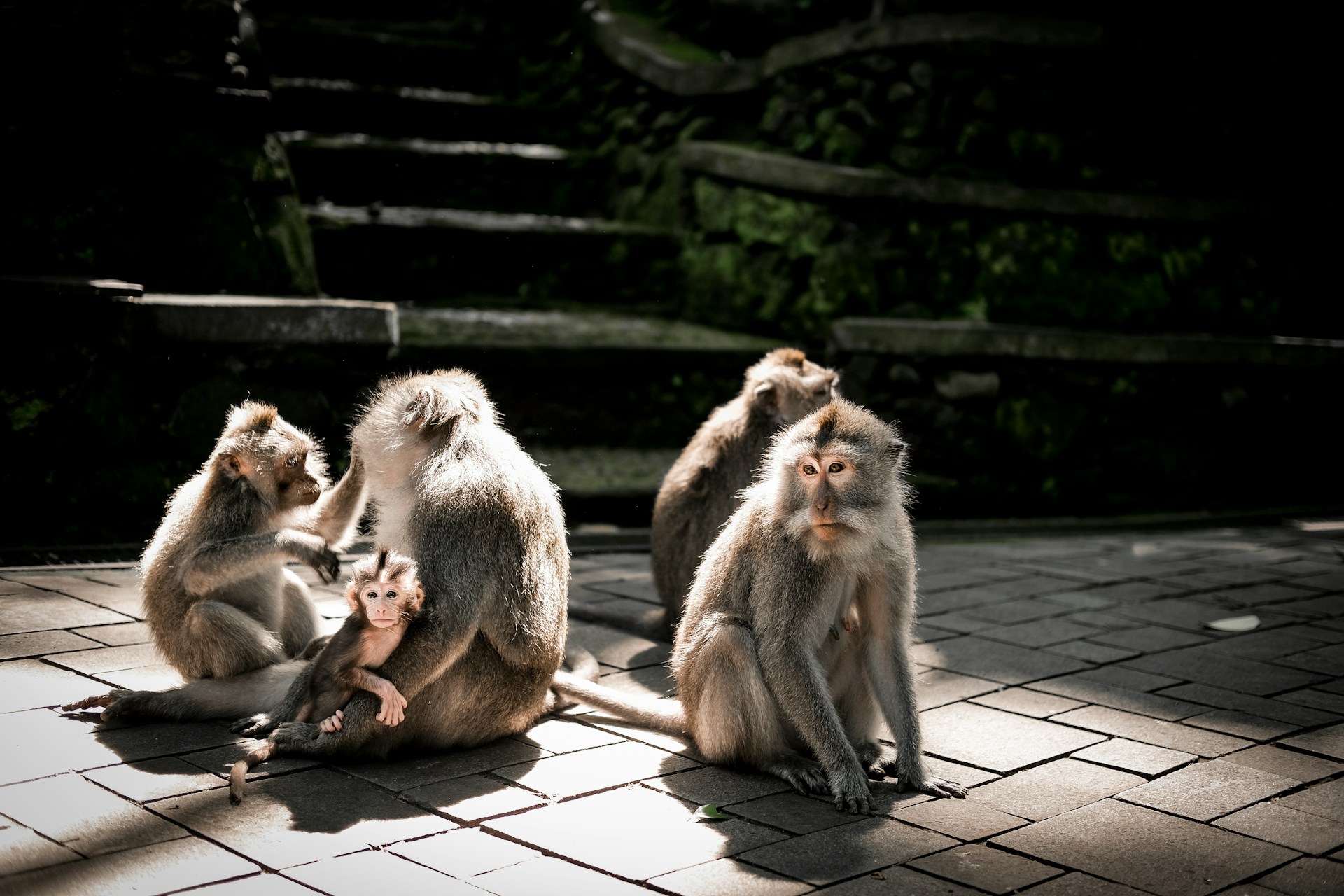
The monkeys are long-tailed macaques, Macaca fascicularis, living in social groups.[2] Watching them move and interact is the heart of the visit. They are not pets, and being used to visitors does not mean they will ignore you.
Give yourself time to observe the groups from a distance, without following an animal to obtain a closer view. Do not approach young macaques or handle an animal, and leave feeding to staff.
The practical visitor rules
Follow the official guidelines and FAQ before and during the forest walk.
- Do not bring food or drinks into the forest. Arrange refreshments outside the animal area. The lobby has lockers; ask staff how to store prohibited belongings before entering.[2]
- Do not feed, touch or pick up monkeys. Staff do the feeding.[2]
- Avoid direct eye contact and move calmly. Do not run, tease an animal or force an interaction.[2]
- Secure small objects. Keep glasses, jewellery, phones and loose accessories out of reach. A strap or closed bag does not stop a determined monkey.[2]
- If a monkey climbs on you, seek staff assistance. Stay calm, stand up slowly and walk away rather than running. Do not push it or try to handle it.[2]
- If an animal takes an item, do not pull it back. Ask staff for help, and do not offer food in exchange.
- Supervise children closely. Do not let them approach, feed or touch the animals.[2]
After a bite or scratch
After any monkey bite or scratch, immediately wash the wound thoroughly with soap and running water and seek medical care without delay, even if it appears minor. A clinician should assess rabies exposure and other infection risks; first aid does not replace that assessment.[4] CDC
Following the rules does not make animal contact risk-free, so never postpone care.
Getting there and choosing the next stop
The sanctuary is on Jalan Monkey Forest, and the visitor lobby is on the east side near Sentral Parking.[1] Use that arrival point when planning your route from your accommodation or agreeing a drop-off with a driver.
If you arrange a vehicle, confirm the drop-off, parking and return pickup.
For a longer Ubud day, add the palace, the market or a walk such as Campuhan; the rice terraces need their own onward journey. Check access and travel time for each. The Indonesia travel overview helps place Bali within a wider trip.
A simple visit sequence
- Check the current price and opening information, then choose your arrival and return route.
- At the lobby, read the posted rules and ask about storage, child eligibility or any route restrictions.
- Follow the open forest paths, observe animals from a distance and view sacred places only from permitted areas.
- Leave time to exit before closing and take refreshments outside the forest animal area.
Wear practical shoes and respectful clothing. Carry rain protection if your forecast calls for it, watch your footing on wet paths and follow temporary closures. Watch for natural hazards such as falling branches; an open route is not a guarantee of safety.[2]
Sources and background
Numbers in the text such as [1] refer to these sources.
- [1] Sacred Monkey Forest Sanctuary Ubud: Published admission, entry hours and east visitor lobby. Retrieved October 20, 2026.
- [2] Sacred Monkey Forest Sanctuary Ubud: Visitor conduct, food and drink rules and staff assistance. Retrieved October 20, 2026.
- [3] Sacred Monkey Forest Sanctuary Ubud: Three living temples and local sacred-place history. Retrieved October 20, 2026.
- [4] Centers for Disease Control and Prevention: Animal bites and scratches: immediate care and medical assessment. Retrieved October 20, 2026.
- [5] Sacred Monkey Forest Sanctuary Ubud: Padangtegal sanctuary and Tri Hita Karana philosophy. Retrieved October 20, 2026.
Frequently Asked Questions
Animal contact is not risk-free, even if you follow the rules. Observe from a distance, do not feed or touch macaques, secure loose items and supervise children. After any bite or scratch, wash immediately with soap and running water and seek medical care without delay, even for a small wound.
Admission is 130,000 IDR per adult and 100,000 IDR per child (October 2026). Confirm the child age category, any exemption and payment methods with the sanctuary.
Use the visitor lobby on the east side near Sentral Parking as your arrival point. Check the route from your accommodation or agree drop-off and return with a driver.
Stay calm, do not pull the item back or handle the animal, and ask staff for help. Secure small objects before entering rather than relying on a strap or a food trade.
Allow one to two hours for a forest walk and animal observation, more if you stop often. Keep the closing time in mind.
The park is open 09:00 to 18:00, with last entrance at 17:00. Choose a slot that leaves enough time for your visit and return journey.
No. Staff do the feeding. Do not bring food or drinks into the forest, and observe the monkeys without touching or picking them up.
No. The temples are reserved for local worship. View their surroundings only from the visitor paths and follow barriers and staff instructions. Respectful clothes do not grant access, and ceremonies may restrict your walk.