Uluwatu Temple: Bali's Dramatic Cliff Temple and Kecak Dance

Uluwatu Temple: Bali's Dramatic Cliff Temple and Kecak Dance

Last updated: March 17, 2026

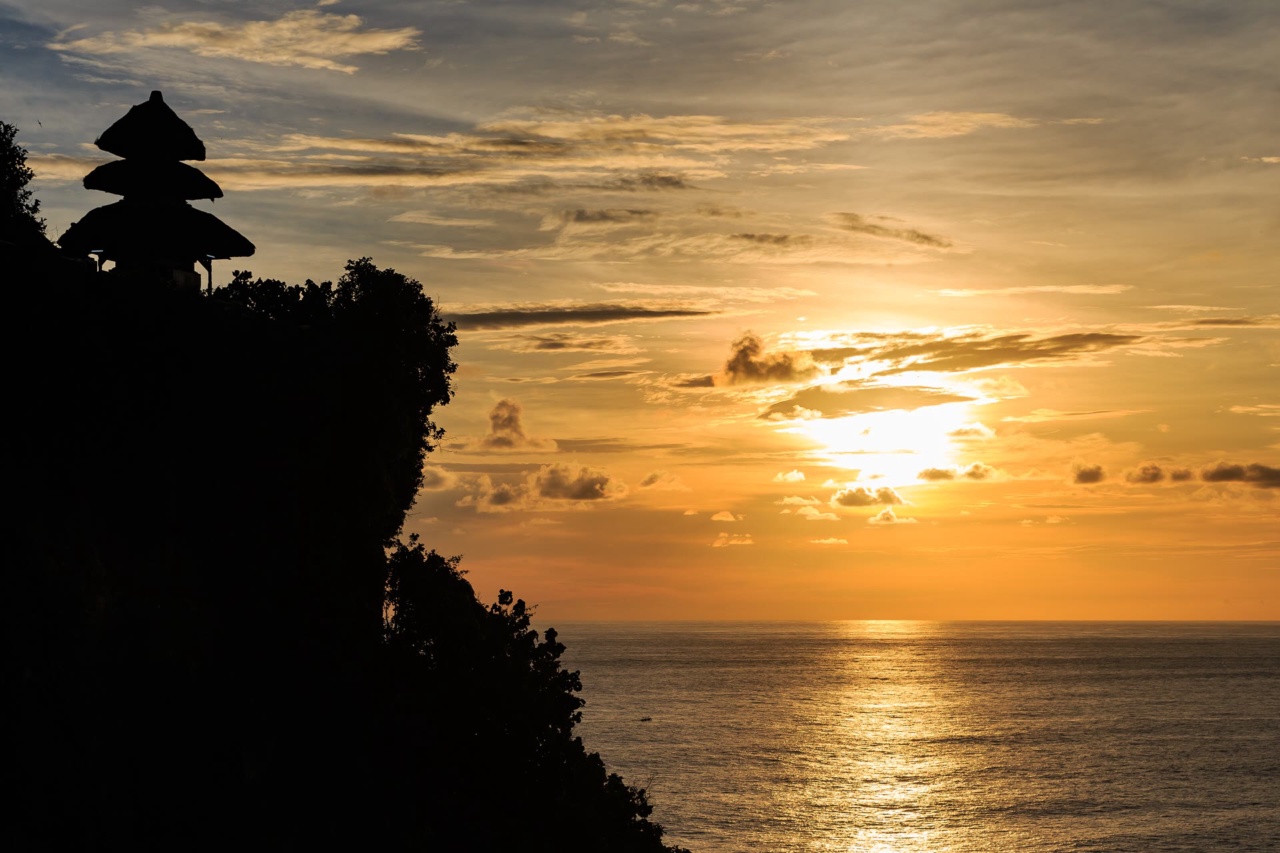
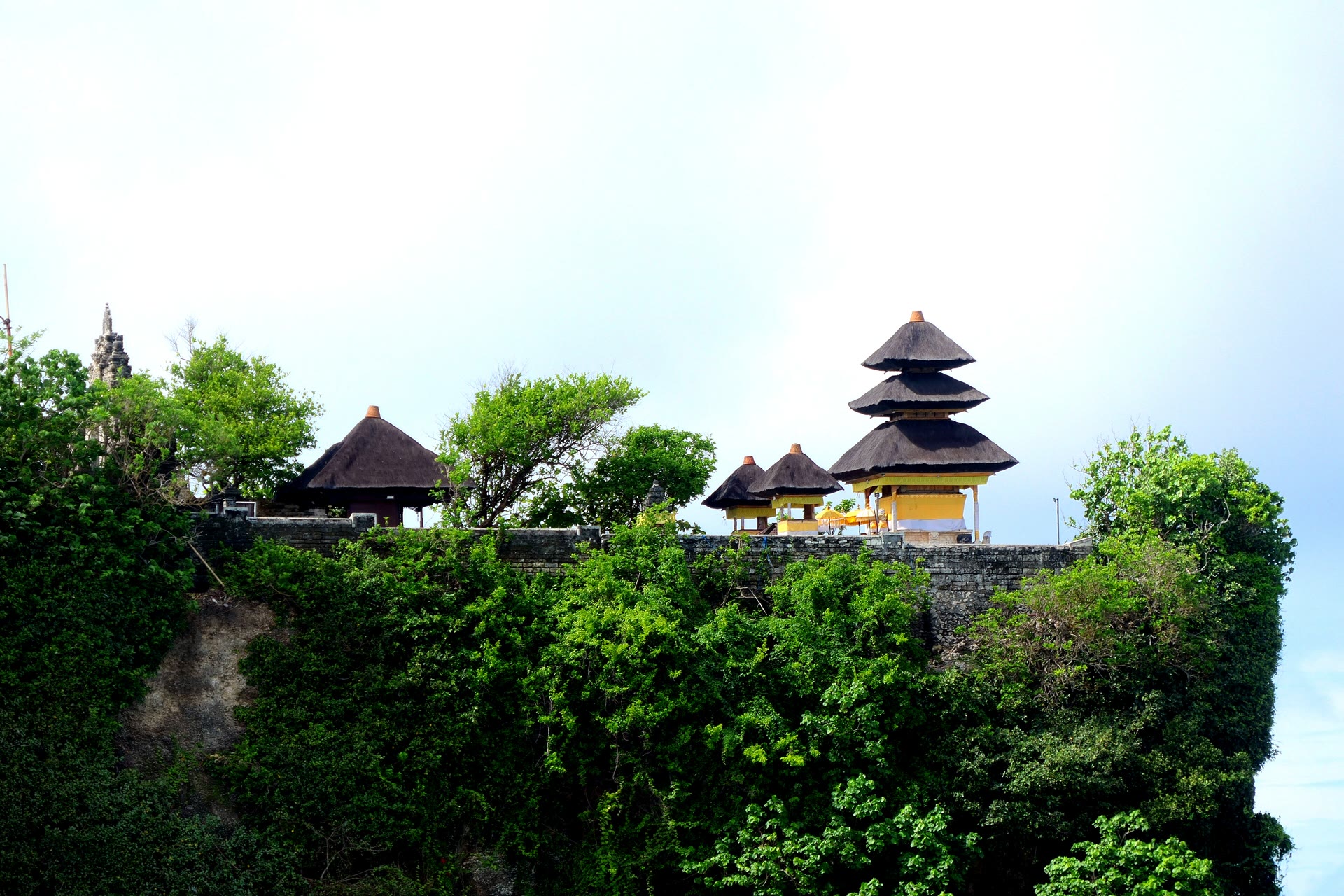
Perched 97 meters above the Indian Ocean on the southwestern tip of Bali's Bukit Peninsula, Pura Luhur Uluwatu is one of the island's six key directional temples and arguably its most dramatically located. The temple itself dates back to the 11th century, but the real draw is the setting: sheer limestone cliffs dropping into crashing turquoise waves, with unobstructed views stretching to the horizon. Add a sunset Kecak fire dance performed on a cliff-edge amphitheater, and you have one of Bali's most memorable experiences.

Uluwatu is also home to a large population of long-tailed macaques who patrol the temple grounds with the confidence of seasoned pickpockets. They are part of the charm and part of the challenge. Knowing what to expect - and what to hide - makes the difference between a magical visit and a frustrating one.

Getting to Uluwatu Temple

Uluwatu sits at the southern tip of the Bukit Peninsula, about 25 kilometers from Kuta and 40 kilometers from Ubud. There is no public transport to the temple, so your options are:

  • Scooter: The most flexible option. Parking costs Rp2,000 for motorbikes. The road to Uluwatu is well-paved and the ride from the Kuta/Seminyak area takes about 40-50 minutes.
  • Grab/Gojek: A ride from Kuta costs around Rp80,000-120,000 one way. Getting a return ride can be tricky - arrange a pickup time with your driver or be prepared to wait.
  • Day tour: Many operators combine Uluwatu with other Bukit Peninsula attractions (Padang Padang Beach, Garuda Wisnu Kencana) and the Kecak dance for Rp300,000-500,000 per person including transport.

Things to Do

Entrance Fees and Opening Hours

The temple complex opens daily from 7:00 AM to 7:00 PM.

TicketAdultChild (under 12)
Temple entrance (domestic)Rp30,000Rp20,000
Temple entrance (foreign)Rp50,000Rp30,000
Kecak DanceRp150,000Rp100,000

The temple ticket and Kecak dance ticket are separate purchases. Parking costs Rp4,000 for cars and Rp2,000 for motorbikes. Bring cash - card payment is not always available at the ticket counters.

Exploring the Temple Grounds

A paved clifftop walkway loops around the temple complex, covering about 700 meters and taking roughly 25 minutes to walk at a relaxed pace. The path winds along the cliff edge with viewing platforms at several points, each offering different perspectives of the ocean, the cliffs, and the temple silhouette.

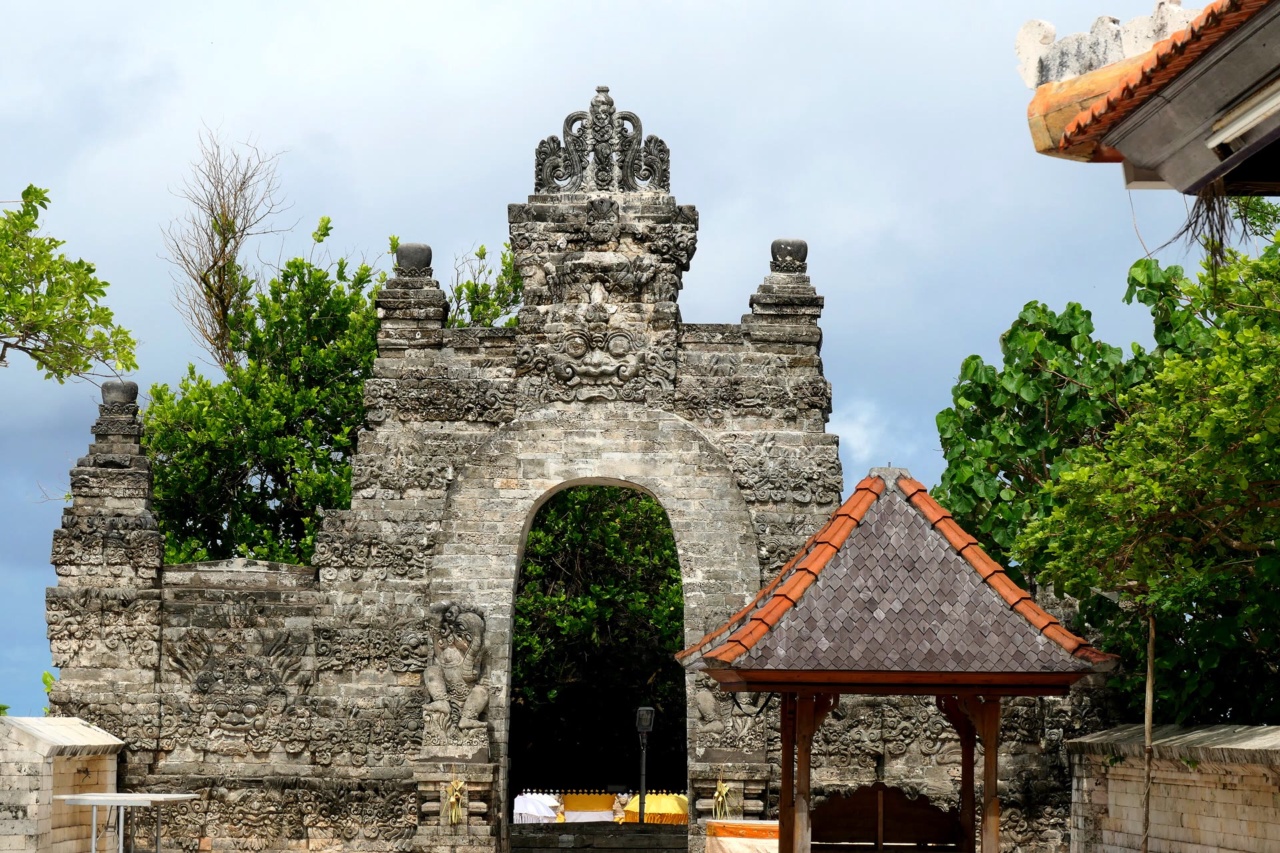
The temple's inner sanctum is off-limits to visitors - only worshippers in full Balinese ceremonial dress may enter. However, the exterior grounds and cliff walk are where the magic lies. The carved split gate (candi bentar) framing the ocean makes for an iconic photograph, and the weathered coral stone walls give the complex an ancient, timeless quality.

A sarong and sash are required for entry and provided free of charge at the gate. Even if you are wearing long pants, you will be asked to wear the sarong. This is a working temple, and the dress code is strictly enforced.

The Monkeys of Uluwatu

The grey long-tailed macaques that live around Uluwatu are clever, fast, and completely unafraid of humans. They will grab sunglasses off your face, snatch phones from your hands, and pull earrings, hats, and water bottles from unsuspecting visitors. This is not exaggeration - it happens dozens of times per day.

Practical precautions that actually work:

  • Leave sunglasses in your bag or secure them with a strap. Dangling glasses are the number one target.
  • Keep your phone in a zipped pocket or bag when not actively using it. If taking photos, grip it firmly with both hands.
  • Remove dangling earrings, bracelets, and loose hair accessories before entering.
  • Do not bring food or drinks into the temple area. Even a sealed water bottle can attract attention.
  • If a monkey does grab something, do not chase it. Temple staff are experienced at negotiating returns - they usually lure the monkey with food to trade for your item.
  • Stay on the marked paths. Monkeys are most active along the main walkway, but wandering off the path can lead to closer encounters.

The Kecak Fire Dance

The Kecak dance at Uluwatu is the single most popular cultural performance in Bali, and for good reason. Performed in an open-air amphitheater carved into the clifftop, with the sunset and ocean as a backdrop, it is an extraordinary sensory experience.

What Is Kecak?

Unlike most Balinese dances that use a gamelan orchestra, Kecak is performed entirely with human voices. A circle of 50-70 bare-chested men sit cross-legged and chant "cak-cak-cak" in interlocking rhythms, creating a hypnotic percussive wall of sound. Within this circle, costumed dancers act out scenes from the Ramayana epic - Rama's quest to rescue Sita from the demon king Ravana. The performance climaxes with a fire dance sequence where a performer in trance walks through and kicks burning coconut husks.

Schedule and Tickets

Performances run daily with two shows: at 6:00 PM and 7:00 PM, each lasting about one hour. Two community groups alternate management on different days of the week. Box offices open between 4:30 and 5:00 PM depending on the day.

Tickets cost Rp150,000 for adults and Rp100,000 for children. Seating is first-come, first-served within the amphitheater, and the best spots go quickly. Arriving by 5:00-5:15 PM gives you time to explore the temple, secure a Kecak ticket, and claim a good seat before the first show.

Choosing Your Show

The 6:00 PM show is the most popular because it coincides with sunset. The sky changes colors behind the performers as the chanting builds, creating an atmosphere that is genuinely unforgettable. The 7:00 PM show is performed after dark, which has its own appeal - the fire dance sequence is more dramatic against the night sky, and the crowd is usually smaller.

Best Time to Visit

The ideal visit combines temple exploration with the Kecak dance. Arrive between 4:00 and 4:30 PM, which gives you time to walk the cliff path, enjoy the views, buy your Kecak ticket, and settle into the amphitheater before the 6:00 PM show.

If you prefer to skip the Kecak and just see the temple, early morning (before 9:00 AM) is the quietest time. The monkeys are less active in the early hours, and you will have the cliff walk largely to yourself. Midday visits are hot and crowded - avoid if possible.

Seasonally, the dry months from April to October offer the clearest skies for sunset viewing. During rainy season (November to March), afternoon showers can roll in, though the Kecak performance continues in light rain.

Nearby Attractions

The Bukit Peninsula around Uluwatu has several worthwhile stops that combine well with a temple visit.

  • Padang Padang Beach: A small cove beach about 5 minutes from Uluwatu, reached by descending through a narrow gap in the cliffs. Popular for swimming and surfing, and famous as a filming location.
  • Single Fin: A cliff-top bar overlooking the Uluwatu surf break, perfect for a pre-temple drink. The Sunday sessions with live music and sunset views are legendary among Bali's expat community.
  • Suluban Beach (Blue Point): A surfer's beach at the base of dramatic cliffs, accessed through caves and rocky passages. Worth visiting even if you do not surf - the scenery is spectacular.
  • Garuda Wisnu Kencana (GWK): A cultural park about 15 minutes north of Uluwatu, dominated by a 121-meter tall statue of Vishnu riding Garuda. The scale is impressive, though opinions on the park itself are mixed.

For more Bali temple guides and cultural experiences across Indonesia, browse other articles on GoAsia.cc.

Tips for Visiting Uluwatu Temple

  • Timing is everything: Arrive at 4:00-4:30 PM for the perfect combination of temple exploration, sunset views, and Kecak dance at 6:00 PM.
  • Secure everything: The monkey warning is not overstated. Zip up bags, remove loose accessories, and keep a firm grip on your phone. If you wear prescription glasses, consider a sports strap.
  • Bring cash: Both the temple entrance and Kecak tickets require cash payment. Have small bills ready to avoid delays.
  • Wear comfortable shoes: The cliff path is paved but uneven in places. Sandals work, but closed shoes give you more confidence on the narrow sections.
  • Plan your return transport: If using a ride-hailing app, arrange your pickup time in advance. After the Kecak show ends, hundreds of visitors try to leave simultaneously, and drivers can be scarce. Having a pre-arranged pickup saves considerable waiting time.
  • Skip the midday visit: There is no shade on the cliff walk, and temperatures on exposed limestone can be brutal between 11:00 AM and 3:00 PM.
  • Respect the temple: Wear the provided sarong, stay on marked paths, and remember this is an active place of worship. During Balinese holidays (particularly Galungan and Kuningan), the temple may have restricted access for ceremonies.

Frequently Asked Questions

Is the Kecak dance at Uluwatu worth seeing?

The Uluwatu Kecak dance is widely considered Bali's best cultural performance. The clifftop amphitheater with the sunset as a natural backdrop makes it unlike any other venue. The combination of 50-70 men chanting in unison, Ramayana storytelling, and a fire dance finale creates a genuinely memorable experience. Arrive early for the 6:00 PM show to get the best seats and the sunset timing.

How much does it cost to visit Uluwatu Temple?

Foreign adult visitors pay Rp50,000 for the temple entrance. The Kecak dance is an additional Rp150,000 per person. Parking is Rp2,000-4,000 depending on your vehicle. Budget around Rp200,000 total per adult for the temple visit and Kecak show combined. Bring cash as card payment is unreliable at the ticket counters.

How do I protect my belongings from the monkeys?

Keep sunglasses in a zipped bag rather than on your head or face - they are the top target. Use a zipped pocket for your phone and grip it firmly when taking photos. Remove dangling earrings and bracelets before entering. Do not bring food or open drinks. If a monkey does grab something, stay calm and alert a temple staff member who can usually retrieve it.

What time should I arrive at Uluwatu Temple?

For the full experience including temple exploration and the sunset Kecak dance, arrive between 4:00 and 4:30 PM. This gives you time to walk the cliff path, enjoy the views, purchase Kecak tickets, and secure a good seat in the amphitheater before the 6:00 PM show. If you only want to see the temple without the dance, early morning before 9:00 AM is quietest.

Can I enter the inner temple at Uluwatu?

No, the inner sanctum of Pura Luhur Uluwatu is restricted to worshippers in full Balinese ceremonial dress. Visitors can explore the exterior grounds and the clifftop walkway, which offers stunning views. A sarong and sash are provided free at the entrance and must be worn by all visitors regardless of clothing.

Is there a difference between the 6 PM and 7 PM Kecak shows?

The 6:00 PM show is the most popular as it coincides with sunset, creating a spectacular natural backdrop that shifts colors throughout the performance. The 7:00 PM show is performed after dark, making the fire dance sequence more visually dramatic against the night sky. It also tends to be less crowded, so securing a good seat is easier.

How long do I need at Uluwatu Temple?

The cliff walkway loop takes about 25 minutes at a relaxed pace. Allow 45-60 minutes for the temple grounds including photo stops. If staying for the Kecak dance, add another hour for the performance plus 15-20 minutes for seating. A complete visit from arrival through the end of the Kecak show typically takes 2.5-3 hours.