Bunaken Marine Park: World-Class Wall Diving in North Sulawesi

Bunaken Marine Park: World-Class Wall Diving in North Sulawesi

Last updated: March 18, 2026

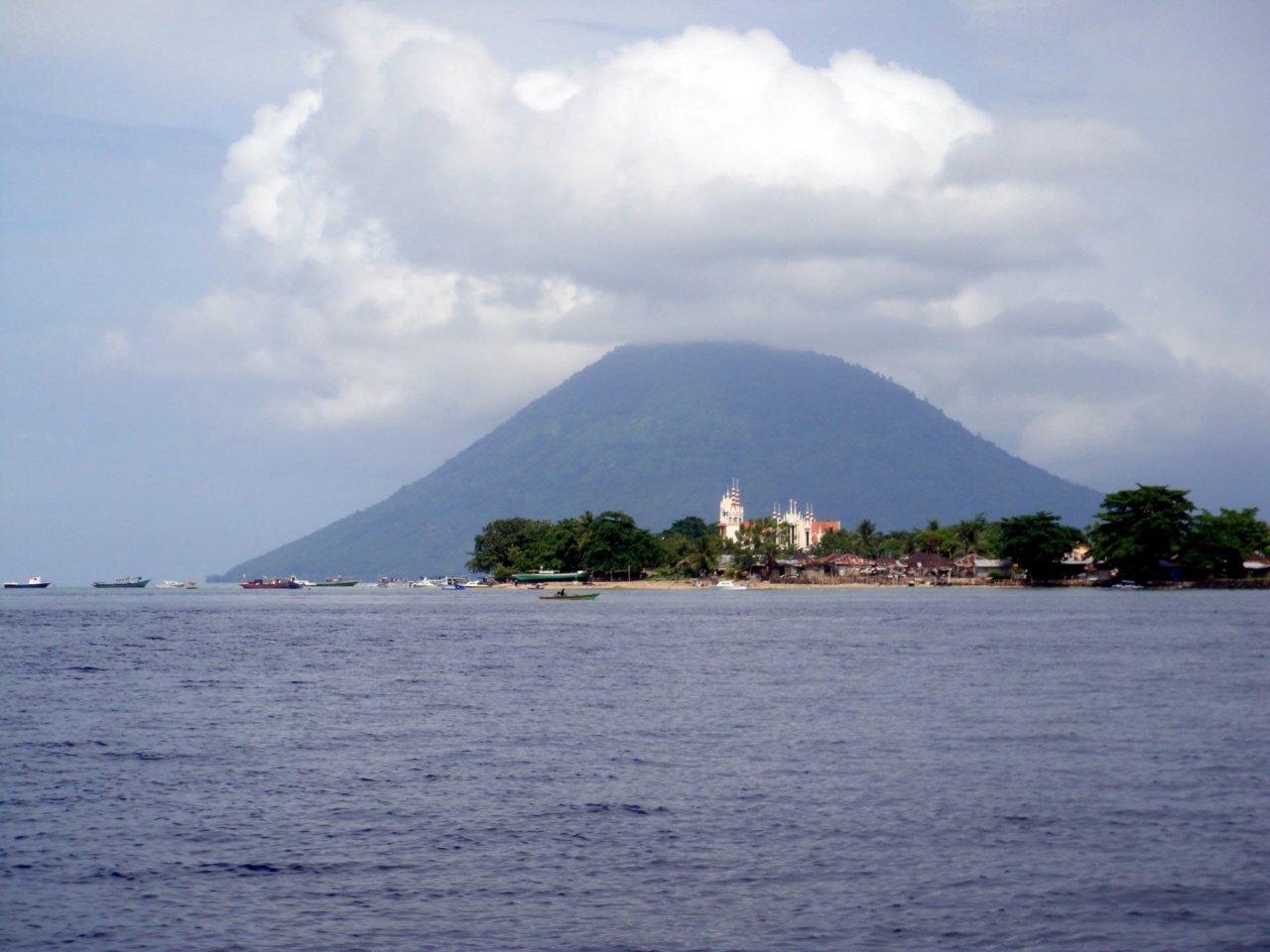
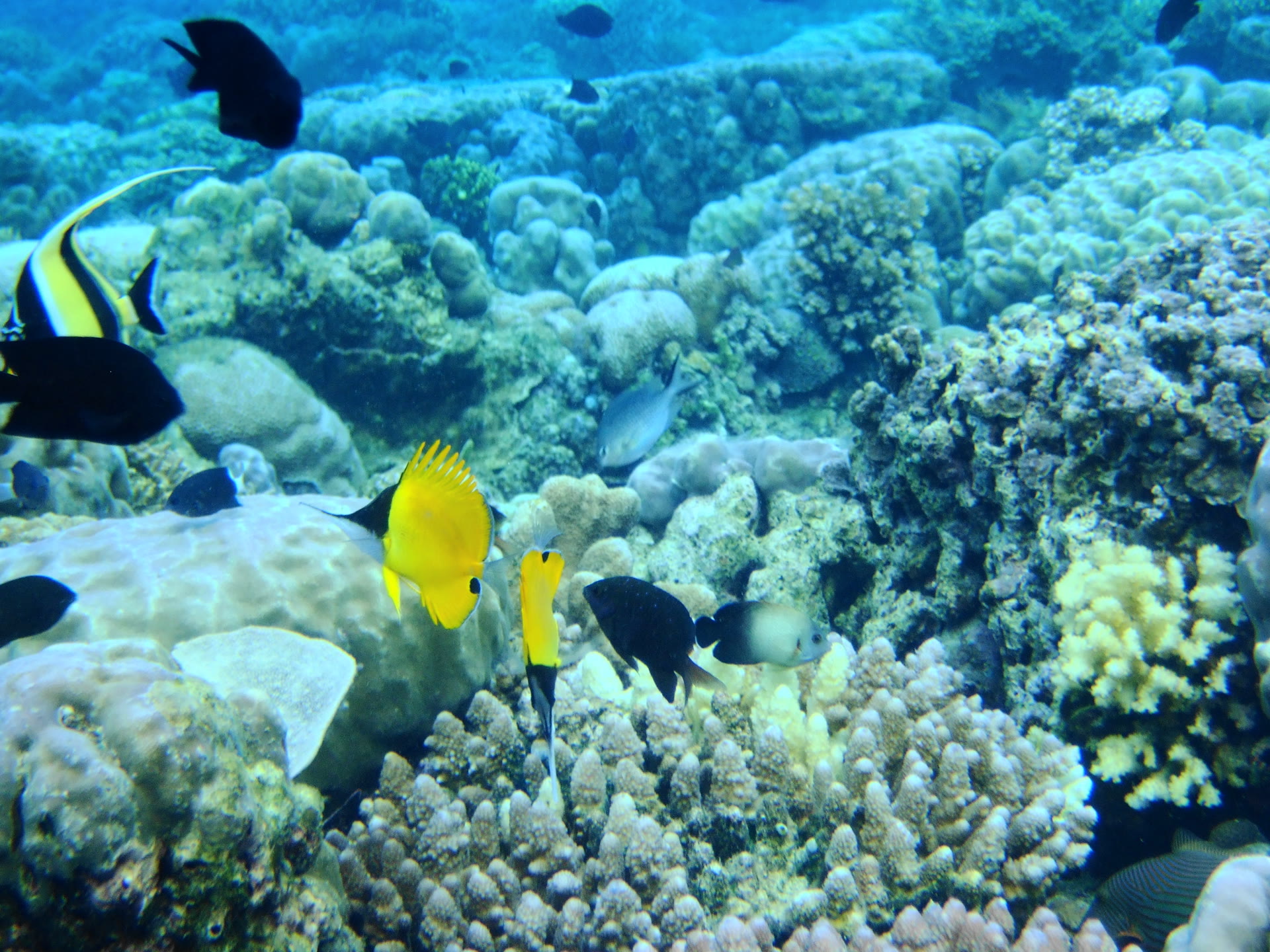
Imagine dropping off the edge of a coral wall that plunges vertically into deep blue water, watching sea turtles glide past in groups of ten or more, while enormous gorgonian fans and barrel sponges cling to the reef face at every depth. This is a typical dive at Bunaken National Marine Park, a protected area off the coast of Manado in North Sulawesi that consistently ranks among the world's best diving destinations. The park contains over 70% of all fish species found in the Indo-Western Pacific, seven times more coral genera than Hawaii, and some of the healthiest reef walls on the planet.

Bunaken is not the easiest Indonesian dive destination to reach, and that relative remoteness is part of its appeal. While Bali's dive sites attract mainstream tourism, Bunaken draws serious divers and marine life enthusiasts who want pristine reefs without the crowds. The park encompasses five islands, with Bunaken Island as the main hub, offering a handful of dive resorts ranging from budget to comfortable mid-range. There are no luxury mega-resorts here, just small operations run by people who know the reefs intimately.

Non-divers are welcome too. The reefs start in shallow water just meters from the beach, making Bunaken one of Indonesia's finest snorkeling destinations. The wall tops at many sites sit at just 1 to 3 meters depth, meaning snorkelers can peer over dramatic drop-offs and encounter turtles, reef sharks, and kaleidoscopic coral gardens without ever needing a tank.

What Makes Bunaken Special

Bunaken's defining feature is its vertical walls. Unlike the sloping coral reefs found at most dive destinations, the reefs here drop straight down for hundreds of meters, sometimes to depths exceeding 600 meters. These walls are covered in a dense tapestry of hard and soft corals, enormous barrel sponges, sea fans, and whip corals. The sheer biomass on display is staggering.

The park is home to 390 species of coral, over 3,000 species of fish, and 33 species of butterflyfish alone. Green and hawksbill sea turtles are so abundant that encountering 30 or more during a single dive is not unusual at the best sites. Pelagic visitors include white-tip and black-tip reef sharks, Napoleon wrasses, eagle rays, barracudas, and the occasional whale shark during migration season.

The park was established as a national marine reserve, and enforcement of fishing restrictions has kept the reefs in remarkably good condition compared to many other sites in the Coral Triangle. The combination of biodiversity, wall topography, and conservation success is what puts Bunaken in the conversation with Raja Ampat and Komodo as Indonesia's top marine destinations.

Things to Do

Top Dive Sites

Lekuan Wall (I, II, III, and Pygmy)

The most famous dive sites in Bunaken, the Lekuan walls stretch for several kilometers along Bunaken Island's south coast. Each section has its own character:

  • Lekuan I: A spectacular vertical wall covered in soft corals and sea fans. Strong currents bring nutrients that attract schooling fish, barracudas, and jacks. Look for pygmy seahorses on the gorgonian fans.
  • Lekuan II: Similar wall profile with slightly calmer conditions. Excellent for macro photography. Nudibranchs, frogfish, and mantis shrimp hide among the corals.
  • Lekuan III: The turtle capital of Bunaken. Enormous green and hawksbill turtles rest on the wall and cruise along the reef. Encountering ten or more turtles in a single dive is common.
  • Lekuan Pygmy: Named for the pygmy seahorses that inhabit the gorgonian fans here. A macro diver's paradise with leaf scorpionfish, ornate ghost pipefish, and various species of nudibranch.

Sachiko's Point

On Bunaken's north side, this wall dive features massive gorgonian sea fans and regular sightings of black-tip reef sharks, Napoleon wrasses, batfish, and moray eels. The wall starts at around 5 meters and drops into the abyss. Currents can be strong, making this a site for experienced divers who want big marine life encounters.

Mandolin Reef

Located on Bunaken's west coast, Mandolin is one of the deepest walls in the park, reaching over 600 meters. Strong currents make it ideal for spotting pelagics including reef sharks, tuna, and occasionally eagle rays. The wall is decorated with massive sponges and overhangs where groupers hide.

Fukui Point

A gentle sloping reef on Bunaken's northwest, suitable for all levels. The coral garden here is exceptionally colorful, with staghorn corals, table corals, and mushroom corals creating a diverse landscape. Turtles, anemonefish, and moray eels are regularly spotted.

Siladen Island

A small island just east of Bunaken with its own ring of coral walls. Siladen's sites tend to be less visited and offer pristine conditions. The house reef at Siladen Resort is considered one of the best shore dives in North Sulawesi.

Snorkeling in Bunaken

Bunaken is one of the rare world-class dive destinations where snorkeling is equally rewarding. Many of the wall tops sit at 1 to 3 meters depth, meaning you can float on the surface and look straight down over dramatic drop-offs covered in coral. Turtles frequently surface to breathe, coming within arm's reach of snorkelers.

Most resorts include snorkeling trips in their packages, taking guests to the best reef sections by boat. The house reefs in front of several resorts are excellent for self-guided snorkeling at any time. Visibility typically ranges from 20 to 40 meters, so you can see deep into the wall even from the surface.

Snorkeling gear is available to rent from all resorts and dive operators, usually for around IDR 50,000 to IDR 100,000 per day. Bringing your own mask and snorkel ensures a better fit.

Getting to Bunaken

Flights to Manado

Sam Ratulangi International Airport (MDC) in Manado receives domestic flights from Jakarta, Surabaya, Bali (Denpasar), and Makassar. Lion Air, Garuda Indonesia, and Citilink operate regular routes. Flight times are approximately 3.5 hours from Jakarta, 2 hours from Bali, and 1.5 hours from Makassar. International connections are available via Singapore.

Manado to Bunaken Island

OptionDurationCostNotes
Resort boat transfer30-45 minOften included in packageMost convenient. Arranged by your resort from a designated pier.
Public boat from Manado Harbor45-60 minIDR 50,000Departs in the morning. Check schedules locally.
Private charter boat20-30 minIDR 500,000 - IDR 1,000,000Fastest option. Available from Bawoho pier.

Most dive resorts include the boat transfer from Manado in their package rate. Confirm this when booking. The airport to pier transfer in Manado takes about 30 minutes by car.

Where to Stay

Accommodation on Bunaken Island is resort-based, with most properties operating as dive resorts that bundle rooms, meals, and diving into package rates. There are no large hotels or hostels on the island.

  • Budget (IDR 400,000 - IDR 800,000/night): Simple hillside rooms or cottages with fan or basic AC, private bathroom, and included meals. Dive packages add IDR 500,000 to IDR 800,000 per day for 2-3 guided dives with equipment.
  • Mid-range (IDR 800,000 - IDR 2,000,000/night): Beachfront rooms or bungalows with better amenities, hot water, and restaurant. Dive packages are often bundled. Bastianos Bunaken and Living Colours are established options in this range.
  • Siladen Island: For a more upscale experience, Siladen Resort offers the most comfortable accommodation in the park area with its own excellent house reef.

Most visitors stay 3 to 5 nights to complete a series of dives across different sites. Nearly all resorts offer multi-day packages that reduce the per-day cost significantly. For more Sulawesi dive destination comparisons, check GoAsia.cc.

Entrance Fees and Park Regulations

Ticket TypeForeign VisitorNotes
Daily entranceIDR 50,000 (~$3)Per day, per person
Annual tagIDR 150,000 (~$9)Waterproof tag valid for the calendar year

If you are staying more than 3 days, the annual tag pays for itself. The entrance fee supports park conservation and enforcement patrols. Your resort can help you purchase the tag on arrival.

Park regulations prohibit anchoring on reefs (boats use fixed mooring buoys), touching or standing on coral, collecting marine life or shells, and using reef-damaging sunscreen. Dive operators enforce these rules strictly, which is a major reason the reefs remain in such good condition.

Best Time to Visit

Bunaken can be dived year-round thanks to the sheltering effect of the North Sulawesi mainland. However, conditions vary by season:

  • Best conditions (April - October): The dry season brings calm seas, the best visibility (25-40 meters), and the most comfortable boat transfers. June through October are the peak months with the clearest water.
  • Wet season (November - March): Rain is more frequent and seas can be rougher, especially for the boat crossing from Manado. Visibility may drop to 15-20 meters. Diving is still possible on most days, but some exposed sites may be inaccessible. Fewer visitors mean lower prices and more personalized dive experiences.

Water temperatures remain warm year-round, ranging from 26 to 30 degrees Celsius. A 3mm wetsuit is sufficient for most divers, though a 5mm may be appreciated on deeper or longer dives.

Tips for Visiting Bunaken Marine Park

  • Book dive packages in advance. Resorts on Bunaken are small and fill up during peak season (July-August). Package rates that bundle accommodation, meals, diving, and transfers are significantly cheaper than paying for each separately.
  • Bring your own mask and dive computer. Rental equipment at Bunaken is generally well-maintained, but a personal mask that fits properly and your own dive computer are worth the luggage space.
  • Buy the annual tag. At IDR 150,000 for the year versus IDR 50,000 per day, anyone staying more than 3 days saves money with the annual pass.
  • Do not touch the reef. Bunaken's walls are pristine because of strict enforcement. Maintain neutral buoyancy and keep your fins clear of the coral. Dive operators take this seriously and will end your dive if you repeatedly make contact.
  • Bring reef-safe sunscreen. Chemical sunscreens damage coral. Use mineral-based (zinc oxide or titanium dioxide) sunscreen, or wear a rash guard for sun protection.
  • Consider combining with Lembeh Strait. Lembeh, located on the opposite side of the North Sulawesi peninsula, is the world's premier muck diving destination. Many dive operators offer combined Bunaken-Lembeh packages that showcase two completely different diving experiences in one trip.
  • Bring cash. There are no ATMs on Bunaken Island. Bring sufficient Indonesian rupiah from Manado to cover any extras not included in your package (drinks, tips, entrance fees, equipment rental).
  • Check your dive insurance. The nearest hyperbaric chamber is in Manado. Ensure your dive insurance covers emergency evacuation and chamber treatment. DAN or a similar organization is highly recommended.

Frequently Asked Questions

What makes Bunaken Marine Park one of the best dive destinations in the world?

Bunaken features dramatic vertical walls that drop hundreds of meters, covered in pristine hard and soft corals. The park hosts over 3,000 fish species, 390 coral species, and extraordinary numbers of green and hawksbill sea turtles. Its protected status and strict enforcement have kept the reefs in exceptional condition compared to many other Coral Triangle sites.

How much does it cost to dive at Bunaken Marine Park?

Park entrance is IDR 50,000 per day or IDR 150,000 for an annual tag. Dive resort packages typically range from IDR 1,200,000 to IDR 3,000,000 per night including accommodation, meals, and 2-3 guided dives. Budget packages with simpler rooms start around IDR 900,000 per day. Equipment rental adds IDR 200,000 to IDR 400,000 per day if needed.

How do I get to Bunaken from Manado?

From Manado, take a boat to Bunaken Island. Most dive resorts arrange their own transfers (30-45 minutes) included in the package price. Public boats from Manado Harbor take 45-60 minutes and cost IDR 50,000. Private charter boats from Bawoho pier take 20-30 minutes for IDR 500,000 to IDR 1,000,000.

Is Bunaken good for snorkeling or only for scuba diving?

Bunaken is excellent for snorkeling. Many wall tops sit at just 1-3 meters depth, allowing snorkelers to peer over dramatic drop-offs and encounter turtles, reef fish, and vibrant coral gardens from the surface. Visibility of 20-40 meters means you can see deep into the walls. Most resorts include snorkeling trips in their packages.

When is the best time to visit Bunaken?

The best conditions are from April through October during the dry season, with June through October offering peak visibility of 25-40 meters and calm seas. The park can be dived year-round since the mainland provides shelter. The wet season (November-March) brings reduced visibility and rougher seas but fewer visitors and lower prices.

How many days should I spend at Bunaken?

Most visitors stay 3 to 5 nights to dive across different sites and experience the variety of wall profiles and marine life. Three days allows 6-9 dives covering the key sites like Lekuan and Sachiko's Point. Five days or more lets you explore quieter sites around Siladen Island and revisit favorites at different times of day.

Can I combine Bunaken with other Sulawesi dive destinations?

Yes, combining Bunaken with Lembeh Strait is the most popular option. Lembeh, on the opposite side of North Sulawesi, offers world-class muck diving with completely different marine life. Several operators run combined packages. Bangka Island, north of Manado, is another option offering a mix of walls, coral gardens, and macro diving.

Do I need diving certification to visit Bunaken?

You do not need certification to visit or snorkel. For scuba diving, you need at least an Open Water certification. Several resorts offer PADI courses on-site, from Discover Scuba Diving (no certification, introductory experience) to full Open Water and Advanced certifications. The calm, clear conditions make Bunaken an excellent place to learn.