Railay Beach: Thailand's Stunning Limestone Paradise in Krabi

Railay Beach: Thailand's Stunning Limestone Paradise in Krabi

Last updated: March 13, 2026

Tucked behind towering limestone cliffs on a peninsula south of Ao Nang, Railay Beach is one of those rare places that genuinely lives up to the hype. There are no roads leading here, no cars, no motorbikes - just longtail boats gliding across turquoise water to drop you at the base of some of the most dramatic karst formations in Southeast Asia.

What makes Railay special is not just the scenery. This compact peninsula packs world-class rock climbing, hidden lagoons, cave shrines, and four distinct beaches into a walkable area you can cross in fifteen minutes. Whether you come for a day trip or stay for a week, Railay rewards every type of traveler - from the climber scaling overhangs at sunrise to the couple watching the sun melt behind Phra Nang's limestone stacks.

The Four Beaches of Railay

Railay is not a single beach but a collection of four distinct stretches of sand, each with its own character. Understanding the layout helps you choose where to base yourself and how to spend your time.

Railay West

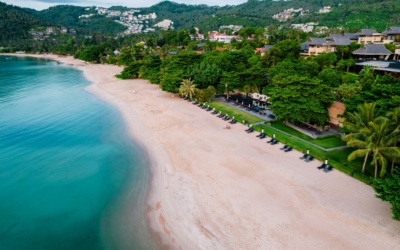
This is where most longtail boats from Ao Nang arrive. A wide crescent of soft sand flanked by cliffs, Railay West has the best swimming on the peninsula and the most photogenic sunsets. Beach bars and restaurants line the tree cover behind the sand. It gets busy during the day with day-trippers, but mornings and evenings are peaceful.

Railay East

The opposite side of the peninsula and far less scenic - Railay East is backed by mangroves rather than postcard-perfect sand. But this is where you will find the bulk of budget accommodation, the main walking street with restaurants and tour agencies, and the trailheads to viewpoints and the lagoon. Think of it as Railay's practical hub.

Phra Nang Beach (Princess Beach)

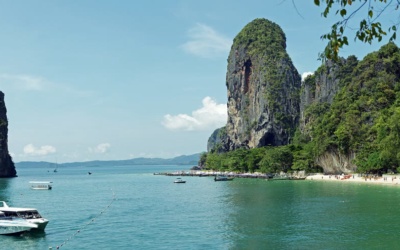
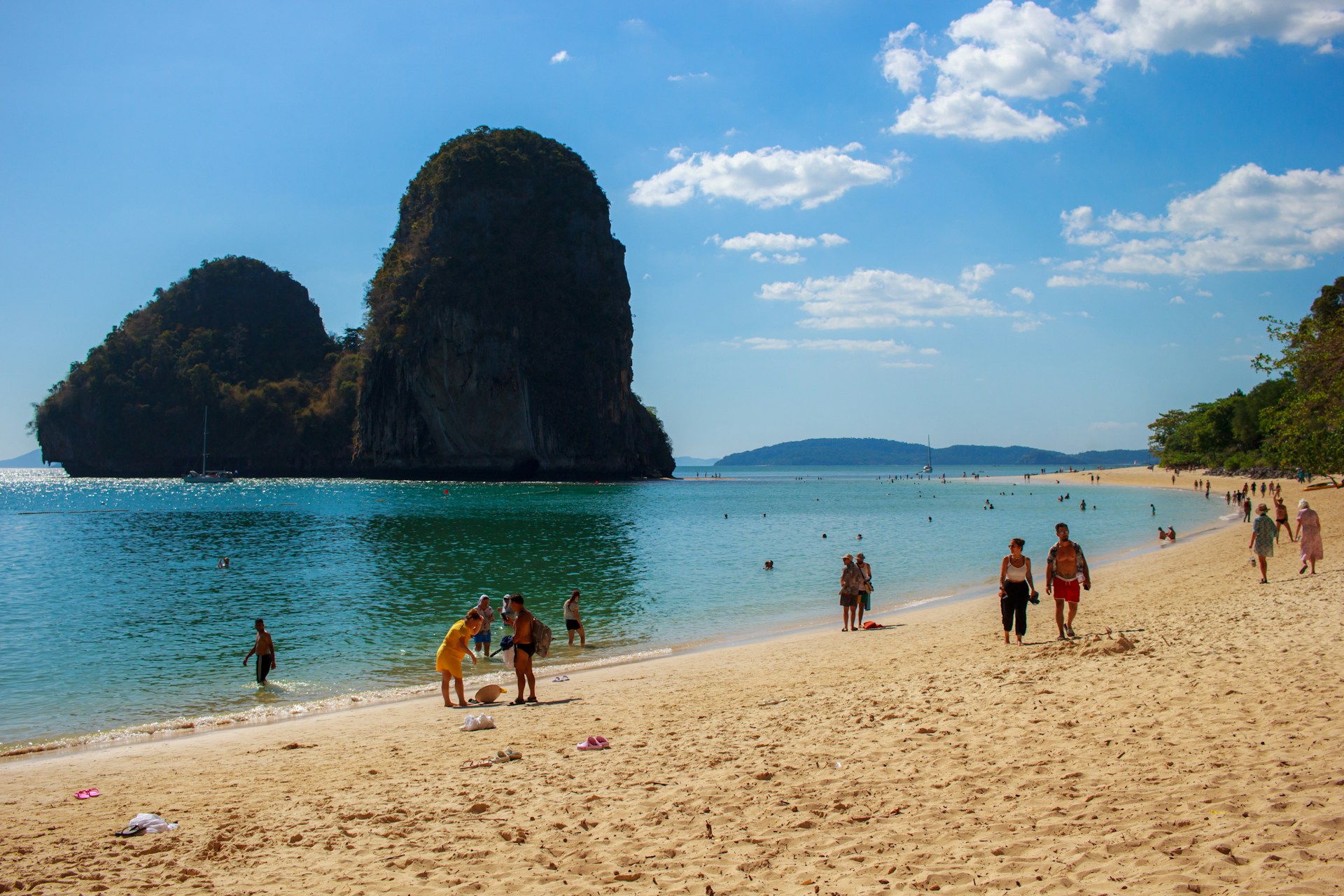
Arguably the most beautiful beach in all of Thailand. Phra Nang sits at the southern tip of the peninsula, accessible only on foot via a path from Railay East. The sand is powder-fine, the water impossibly clear, and the backdrop of sheer limestone towers rising from the sea is unforgettable. At the eastern end, you will find the Princess Cave (Tham Phra Nang), a shrine decorated with colorful offerings. Kayaks are available for rent to explore nearby sea caves and hidden coves.

Ton Sai Beach

Technically a separate beach to the west, Ton Sai is reachable from Railay West by walking around the rocks at low tide or by longtail boat at high tide. This is the backpacker and climbing hub - cheaper accommodation, reggae bars, and a laid-back vibe that feels a decade removed from the rest of Krabi's tourist development.

Things to Do

Getting to Railay Beach

Railay is only accessible by boat. There are no roads through the cliffs, which is precisely what keeps the peninsula feeling like an escape.

From Ao Nang

The most common route. Longtail boats depart from Ao Nang Beach throughout the day from around 8 AM to 6 PM. The ride takes 10 to 15 minutes and costs 100 THB per person one way. Boats operate on a shared basis and leave once they have 8 passengers, so you may wait a few minutes during quieter times. After 6:30 PM, boats still run but charge a surcharge of 50 THB extra. You can also charter a private longtail for around 800 to 1,000 THB.

From Krabi Town

Boats from Khong Kha pier in Krabi Town run to Railay West, taking about 45 minutes and costing 150 to 200 THB per person. These run less frequently and usually only during high season (November to April).

From Phuket or the Islands

If you are coming from Phuket, Koh Phi Phi, or Koh Lanta, ferries connect to Ao Nang or Krabi Town, from where you catch a longtail to Railay. Some speedboat tours from Phi Phi include a Railay stop. Budget about half a day for the full journey from Phuket.

Rock Climbing at Railay

Railay is Southeast Asia's most celebrated rock climbing destination, and for good reason. The limestone karst provides hundreds of bolted routes across all difficulty levels, from gentle introductory climbs to severely overhanging test pieces that draw elite climbers from around the world.

The main climbing areas are concentrated around Railay East, Ton Sai, and the cliff faces between them. Popular walls include Muay Thai Wall (beginner-friendly), One-Two-Three Wall (a good progression of grades), and the legendary Thaiwand Wall with its steep tufas and stalactites.

Climbing Courses and Guides

Several climbing schools operate on the peninsula, with half-day courses starting at around 1,500 THB ($48). A typical half-day session runs about 3.5 to 4 hours and includes all equipment, instruction, and a guide. Full-day courses cost around 2,500 to 3,000 THB. No experience is needed - the schools cater to complete beginners and will have you climbing real rock faces on your first session. For experienced climbers, gear rental is available and many routes are accessible for independent climbing.

Things to Do Beyond the Beach

Railay Viewpoint and Lagoon

A short but intense hike from the eastern end of Railay East leads up to the Railay Viewpoint, offering panoramic views over the peninsula and surrounding islands. The trail continues down to a hidden lagoon surrounded by vertical cliff walls. Be warned: this hike involves steep, muddy sections with ropes and roots for handholds. Wear proper shoes (not flip-flops), bring water, and allow about 60 to 90 minutes for the round trip. The lagoon can be swampy at certain tides, but the viewpoint alone makes it worthwhile.

Kayaking

Rent a kayak from Phra Nang Beach or Railay West (around 200 to 400 THB per hour) and paddle along the coastline to explore sea caves, hidden beaches, and the striking cliff formations from water level. Early morning is the best time, when the sea is calm and the light is golden.

Island Hopping

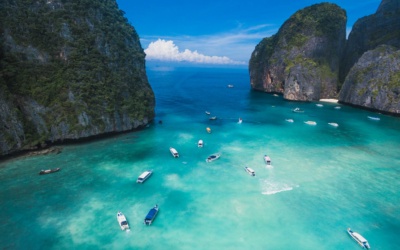
Tour agencies on Railay East sell day trips to the nearby Four Islands (Koh Poda, Koh Gai/Chicken Island, Koh Tup, and Phra Nang), usually for around 800 to 1,200 THB per person including lunch and snorkeling gear. These tours depart by longtail and offer some of the best snorkeling in the Krabi area.

Deep Water Soloing

For adventurous climbers, deep water soloing - climbing above the sea without ropes and dropping into the water below - is available on several routes around the peninsula. Tours by boat take you to the best spots and provide safety support. Expect to pay around 2,000 to 2,500 THB for a half-day session.

Where to Stay

Accommodation on Railay ranges from backpacker bungalows to upscale resorts. Prices are higher than mainland Krabi due to the peninsula's isolation, but you are paying for a genuinely car-free, cliff-surrounded setting.

Budget (800 to 1,500 THB/night): Ton Sai has the cheapest options, with basic bungalows and guesthouses. Railay East also has affordable guesthouses along the walking street. Expect fans, shared bathrooms at the lowest end, and air conditioning starting around 1,200 THB.

Mid-range (1,500 to 4,000 THB/night): Railay West and Railay East both offer comfortable resorts with pools, air conditioning, and beach access. Railay Village Resort and Sand Sea Resort are solid mid-range picks with good locations.

Luxury (4,000+ THB/night): Rayavadee is Railay's standout luxury property, set in a coconut grove between Railay East and Phra Nang Beach. It is one of Thailand's most celebrated resorts, with pavilion-style rooms and direct access to two beaches.

When to Visit

The best time to visit Railay is during the dry season from November to March, when skies are clear, seas are calm, and longtail boats run reliably. This is peak season, so expect higher prices and more visitors, especially around Christmas and New Year.

The shoulder months of April and October offer a good compromise - fewer crowds, lower prices, and generally decent weather with occasional rain. From May to September, the southwest monsoon brings heavy rain, rough seas, and strong currents. Some resorts close during this period, longtail services become unreliable, and swimming can be dangerous. Rock climbing is still possible during the wet season, but many routes become slippery.

Practical Tips for Visiting Railay

  • Bring cash. There are a couple of ATMs on the peninsula but they charge high fees (around 220 THB per withdrawal). Many smaller restaurants and shops are cash-only. Withdraw what you need in Ao Nang or Krabi Town before coming over.
  • Pack a dry bag. Getting on and off longtail boats means wading through knee-deep water, especially at low tide on Railay East. A waterproof bag for your electronics and valuables is essential.
  • Wear proper footwear for the viewpoint hike. Flip-flops will not cut it on the steep, muddy trail. Bring trail shoes or at least sturdy sandals with grip.
  • Book accommodation in advance during peak season. Railay has limited rooms due to the geography, and popular spots fill up weeks ahead from December to February.
  • Stay overnight if you can. Day-trippers flood in from Ao Nang by mid-morning and leave by late afternoon. The magic of Railay - quiet beaches at sunrise, bioluminescent plankton at night, uncrowded Phra Nang in the early hours - belongs to those who sleep here.
  • Watch the tides. Low tide opens up walking paths between beaches (Railay West to Ton Sai) and reveals tidal pools. High tide is better for swimming. Check tide charts to plan your day.
  • Respect the Princess Cave. Tham Phra Nang is an active shrine, not just a tourist photo spot. The phallic offerings are part of a local fertility tradition - observe respectfully.

For more detailed guides on Krabi and other destinations in Thailand, head over to GoAsia.cc where you will find practical travel advice for getting around Southeast Asia.

Frequently Asked Questions

How do you get to Railay Beach?

Railay Beach is only accessible by boat since limestone cliffs block all road access. The most common route is a longtail boat from Ao Nang Beach, which takes 10 to 15 minutes and costs 100 THB one way. Boats are shared and depart once 8 passengers have gathered.

How much does it cost to visit Railay Beach?

The boat ride from Ao Nang is 100 THB each way (about $3). Budget accommodation starts around 800 THB per night on Ton Sai, while mid-range resorts run 1,500 to 4,000 THB. Meals at local restaurants cost 80 to 250 THB per dish. A day trip with minimal spending can be done for under 500 THB excluding transport to Ao Nang.

Can beginners go rock climbing at Railay?

Absolutely. Several climbing schools offer half-day beginner courses starting at around 1,500 THB, including all gear, instruction, and a certified guide. No prior experience is needed. The limestone walls have routes at every difficulty level, and instructors will have you climbing real rock faces within your first session.

Is Railay Beach worth visiting in the rainy season?

The wet season from May to September brings rough seas, unreliable boat services, and some resort closures. Swimming can be dangerous due to strong currents. However, the dramatic landscapes remain stunning, prices drop significantly, and rock climbing is still possible on sheltered walls. Visit during shoulder months (April or October) for a better compromise.

Should I stay overnight at Railay or do a day trip?

Staying overnight is strongly recommended. Day-trippers crowd the beaches from mid-morning to late afternoon, so overnight guests enjoy peaceful mornings, uncrowded Phra Nang Beach at sunrise, and spectacular sunsets without the rush of catching the last boat back.

Which Railay beach is best for swimming?

Railay West and Phra Nang Beach offer the best swimming conditions with clear water, sandy bottoms, and calm seas during high season. Railay East is backed by mangroves and is not suitable for swimming. Phra Nang is widely considered the most beautiful of the four beaches.

Are there ATMs and shops on Railay?

There are a couple of ATMs on the peninsula, but they charge high withdrawal fees of around 220 THB. Small convenience shops sell basics at marked-up prices. For the best rates, withdraw cash and buy supplies in Ao Nang or Krabi Town before taking the boat over.

How long should I spend at Railay Beach?

Two to three nights is the sweet spot for most travelers. This gives you time to explore all four beaches, do the viewpoint hike, try rock climbing or kayaking, and take a Four Islands day trip. A single overnight works if time is tight, but you will feel rushed.