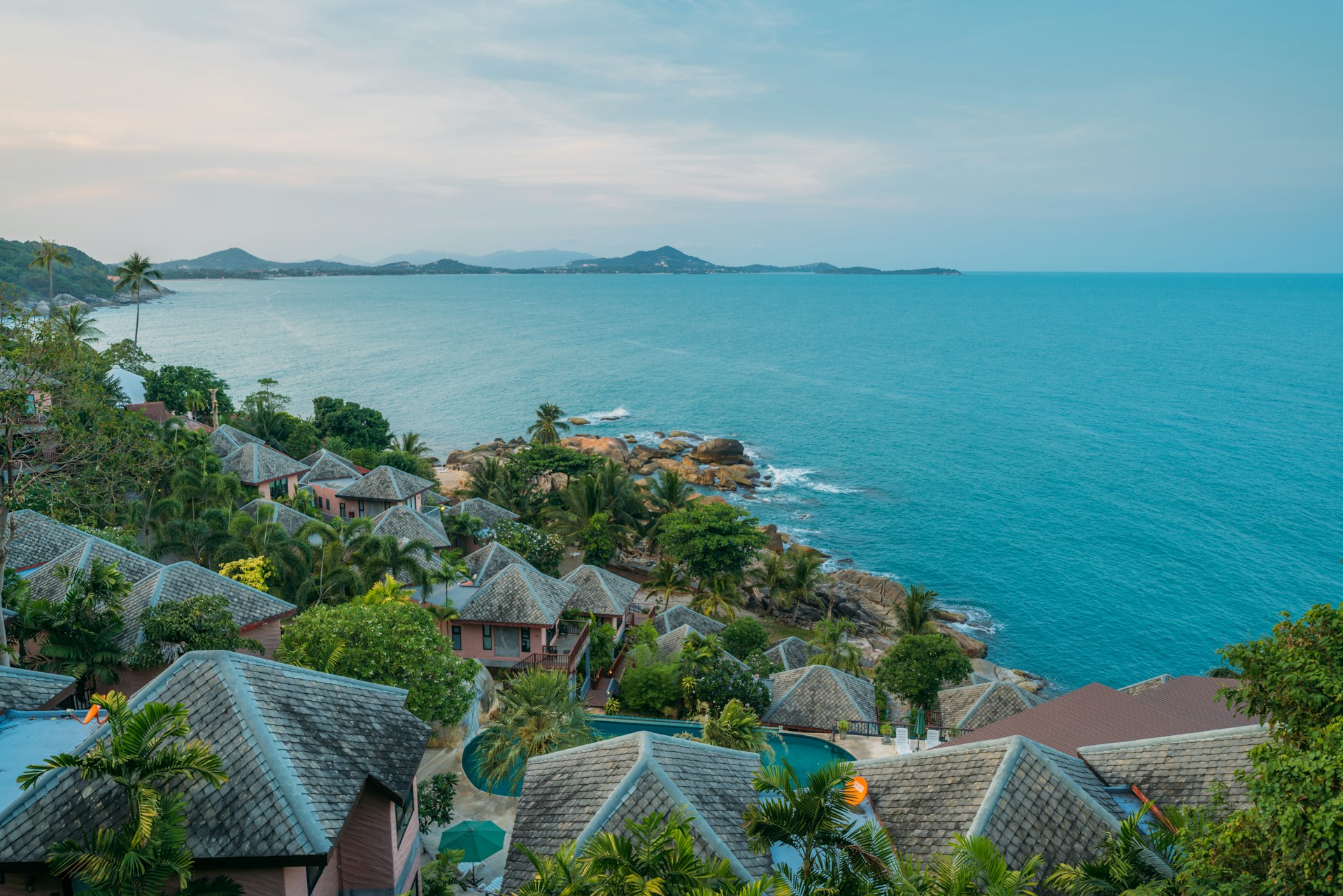
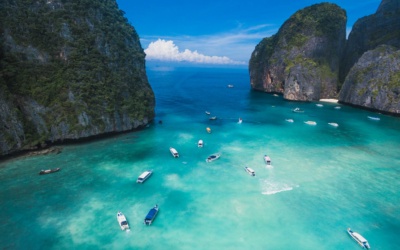
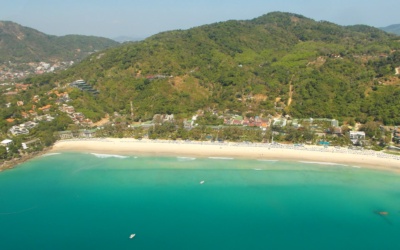
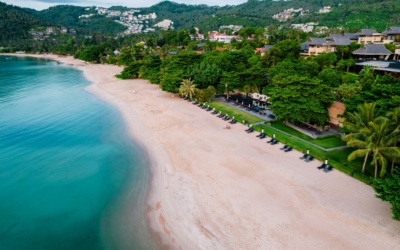
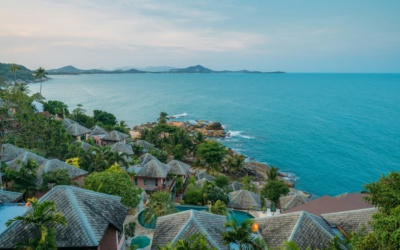
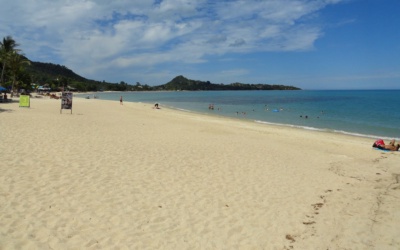
The smell of charcoal-grilled satay drifts across a night market where Chinese shrine lanterns glow red above tables loaded with blue crab. A longtail boat idles in turquoise water off a limestone karst. Somewhere behind you, a tuk-tuk driver is quoting triple the fair price. This is Phuket in a single breath: stunning, delicious, and occasionally exasperating.
Phuket is not a city in the traditional sense. It is an island province roughly the size of Singapore, connected to the Thai mainland by the Sarasin Bridge. Most visitors cluster along the west coast beaches, but the island's interior hills, east-coast mangroves, and the charming Old Town in the southeast offer a completely different experience. Understanding this geography is the single most important thing you can do before arriving, because Phuket's traffic is genuinely terrible and picking the wrong base can waste hours of your trip.
The island rewards both the five-day beach lounger and the active explorer. You can island-hop to the Phi Phi archipelago, learn Muay Thai at a serious camp, eat your way through a Michelin-recognized food scene, or simply park yourself at a beach club with a frozen daiquiri. Phuket has been a tourist destination for decades, and while that means some areas feel over-commercialized, it also means the infrastructure is excellent and you can find quality at every price point.
Orientation and Neighborhoods
Phuket's west coast is where the beaches and most tourism infrastructure sit. From north to south, the major beach areas are Mai Khao, Bang Tao, Surin, Kamala, Patong, Karon, Kata, and Rawai/Nai Harn. The east coast is less touristy, home to marinas, mangroves, and the historic Old Town.
Patong
The loudest, most built-up beach area. Bangla Road is the epicenter of Phuket nightlife with go-go bars, nightclubs, and street performers. The beach itself is decent but crowded. Stay here if nightlife is a priority, but know that the area feels like a tourist bubble and prices are inflated.
Kata and Karon
Quieter than Patong but still well-serviced with restaurants, bars, and shops. Kata Beach is particularly good for surfing during the May-to-October monsoon swell. Families and couples tend to prefer this stretch.
Kamala and Surin
More upscale and relaxed. Surin Beach has some of the island's best luxury resorts and beach clubs. Kamala has a village feel with a good local market. Both are excellent for travelers who want quality without chaos.
Bang Tao and Laguna Area
Home to the Laguna resort complex, a cluster of five-star properties around a lagoon. Great for families and resort-style holidays. Limited independent dining options outside the hotels.
Mai Khao
The island's longest and quietest beach, up near the airport. A handful of luxury resorts and not much else. Perfect if you want isolation.
Rawai and Nai Harn
The southern tip feels the most local. Rawai's seafront is lined with seafood restaurants where you pick your fish from ice trays. Nai Harn Beach is small, beautiful, and popular with expats. Limited nightlife but excellent food.
Phuket Old Town
The cultural heart of the island, centered on Thalang Road and Soi Romanee. Restored Sino-Portuguese shophouses now hold cafes, boutique hotels, galleries, and street art. The Sunday Walking Street Market is one of the best markets in southern Thailand. Stay here if you value culture and food over beach proximity; the nearest beach is about 20 minutes by car.
Best Time to Visit
Phuket has a tropical monsoon climate with two broad seasons: dry (November through April) and wet (May through October). The distinction matters more than in many Thai destinations because Phuket's west coast beaches can have dangerous riptides and red-flag days during the monsoon.
| Period | Weather | Crowds | Prices |
|---|
| Nov - Jan | Dry, warm, low humidity, best seas | High (peak Dec-Jan) | Highest |
| Feb - Apr | Hot and dry, occasional haze from burning season | Moderate to high | Moderate to high |
| May - Jul | Increasing rain, afternoon storms, some rough seas | Low | Low (great deals) |
| Aug - Oct | Wettest months, heavy rain possible, strong surf | Lowest | Lowest |
The sweet spot is November or early December, when the rains have just stopped, everything is lush green, and peak-season prices have not yet fully kicked in. The Vegetarian Festival (10 to 18 October in 2026)[1] is a spectacular, intense event centered on Old Town's Chinese shrines, featuring firewalking, face-piercing processions, and incredible meat-free street food. Songkran (Thai New Year, mid-April) turns the entire island into a water fight.
Getting There and Getting Around
Arriving
Phuket International Airport (HKT) receives direct flights from cities across Asia and seasonal long-haul routes from Europe and Australia. It sits at the island's northern tip, roughly 35 km from Patong and 45 km from Old Town. A metered taxi from the airport costs around $15-25 depending on destination; use the official taxi counter inside arrivals to avoid negotiation. The Phuket Smart Bus runs hourly from the airport via Patong, Karon and Kata to Rawai for a flat 100 baht (about $3).[2] Grab (Southeast Asia's ride-hailing app) works at the airport though drivers sometimes cancel due to taxi mafia pressure; more on that below. For details on regional transport options and connections from other Thai cities, GoAsia.cc has comprehensive route information.
Getting Around the Island
This is Phuket's biggest pain point. There is no rail system and public bus service is minimal. The blue songthaew (shared truck-bus) runs between a few beach towns and Old Town during daytime hours for around $1-2, but service is infrequent and stops early.
Most visitors rely on one of these options:
- Motorbike rental: Around $7-12 per day. By far the most flexible option, but Phuket's hilly roads, aggressive drivers, and lack of helmet culture make this genuinely dangerous. Accidents involving tourists on motorbikes are extremely common. Only ride if you are an experienced motorcyclist, and always wear a helmet.
- Car rental: Around $25-40 per day for a compact car. Recommended if you want to explore the whole island. Drive on the left. Traffic in Patong and around Central Festival mall can be brutal.
- Grab: Works island-wide but availability is inconsistent, especially at beaches and late at night. The local tuk-tuk and taxi drivers have historically resisted ride-hailing apps, sometimes aggressively. When it works, Grab is the most transparent option for pricing.
- Tuk-tuks: Phuket tuk-tuks are small red trucks, not the three-wheelers of Bangkok. They do not use meters. A short ride within Patong costs around $4-5; between beaches expect $10-20. Always agree on the price before getting in. Overcharging is standard practice.
Walkability varies by area. Patong's beach road and Bangla area are walkable. Old Town is very walkable. Between beaches, you absolutely need wheels.
Top Sights and Experiences
Must-See
Phuket Old Town: Spend a half day wandering Thalang Road, Soi Romanee, Phang Nga Road, and Dibuk Road. The Sino-Portuguese architecture is genuinely beautiful, and the area is packed with small museums, temples, and excellent cafes. The Thai Hua Museum on Krabi Road provides good context on Phuket's tin-mining history and Chinese immigrant heritage. Best visited in the morning before the heat builds, or on Sunday evening for the Walking Street Market.
Phang Nga Bay: The iconic seascape of limestone karsts rising from emerald water. Day trips by longtail or speedboat typically include James Bond Island, sea caves, and a floating Muslim village. Book a morning departure to beat the crowds. Budget around $30-50 for a group tour, $150-plus for a private longtail. The scenery is genuinely jaw-dropping despite the tourist volume.
Big Buddha: The 45-meter marble-clad Buddha statue sits atop Nakkerd Hill between Chalong and Kata, offering panoramic views of the south island. Free entry, though donations are encouraged. Visit early morning for the best light and fewest people. The access road is steep and winding.
Wat Chalong: The island's most important Buddhist temple, about 10 minutes from Big Buddha. The main pagoda houses a bone fragment said to be a relic of the Buddha. Respectful dress required (covered shoulders and knees). Allow 30-45 minutes.
Phi Phi Islands: A day trip or overnight to Ko Phi Phi Leh (Maya Bay) and Ko Phi Phi Don. Maya Bay closes every year from 1 August to 30 September to recover.[3] The rest of the year it is beautiful but expect crowds. The national park fee is 400 baht (about $12) for adults.[4] The snorkeling at Pileh Lagoon and Bamboo Island is excellent. Speedboat day trips run around $50-70 per person; the slower ferry is around $15 each way but eats most of your day in transit.
Lesser-Known Gems
Sirinat National Park: Covers Mai Khao and Nai Yang beaches in the north. During nesting season (November to February), sea turtles lay eggs here. The mangrove boardwalk near the visitor center is a peaceful 30-minute walk. Entry is 200 baht (about $6) for foreign adults.[5]
Bang Pae Waterfall and Khao Phra Thaeo Wildlife Sanctuary: The island's last significant patch of virgin rainforest, in the northeast. A short, easy trail leads to the waterfall. Best visited during or just after the rainy season when water flow is strongest.
Laem Promthep at Sunrise: Everyone goes for sunset and it is packed. Come at sunrise instead: you will likely have the cape to yourself, and the light over the Andaman is spectacular.
Thalang National Museum: A small but well-curated museum near the Heroines Monument covering Phuket's history from prehistoric times through the tin era. Entry around $3.
Overrated Attractions
Bangla Road (as a cultural experience): Worth a walk-through for the spectacle, but the drinks are overpriced, the touts are relentless, and it is essentially the same strip you will find in any Southeast Asian party zone. One evening is enough.
Simon Cabaret: The famous ladyboy cabaret show is polished but formulaic and heavily geared toward tour groups. If you have seen a similar show in Bangkok or Pattaya, skip it.
Elephant "sanctuaries": Some facilities in Phuket market themselves as ethical sanctuaries but still practice dubious welfare standards. If you want an elephant experience, research thoroughly. Look for places that do not offer riding, bathing lines, or close-contact photo ops. Genuine rescue operations exist but they are the minority.
Food and Drink
Phuket has one of the most distinctive regional cuisines in Thailand, shaped by Hokkien Chinese, Malay, and southern Thai influences. The island earned several Michelin Bib Gourmand and starred recognitions, and the street food scene is superb.
Signature Dishes
| Dish | Description | Where to Try | Typical Price |
|---|
| Mee Hokkien (Phuket-style Hokkien noodles) | Thick wheat noodles in a rich, slightly sweet broth with pork, egg, and greens | Old Town noodle shops, especially around Yaowarat Road | $1.50-2.50 |
| Oh Tao (Phuket oyster omelet) | Crispy-edged omelet stuffed with small oysters and bean sprouts, served with chili sauce | Night markets, especially the Chillva Market or Old Town Sunday market | $2-3 |
| Moo Hong (Phuket braised pork belly) | Slow-braised pork belly in a dark, peppery soy-based sauce - Phuket's comfort food | Local restaurants in Old Town and Kathu | $2-4 |
| Gaeng Som (southern sour curry) | Fiery, tangy curry with fish and vegetables, much spicier than central Thai versions | Any local rice-and-curry shop (khao gaeng) | $1.50-2.50 |
| Lobster and seafood | Fresh Andaman seafood grilled or wok-fried | Rawai seafront restaurants, Laem Hin seafood market | $8-25 depending on catch |
Where to Eat
Old Town is the undisputed food capital of the island. Thalang Road and the surrounding sois have everything from century-old noodle shops to modern Thai-fusion restaurants. The Sunday Walking Street Market transforms the area into a massive open-air food court.
Rawai seafront is the place for seafood. Walk along the waterfront, choose your fish or shellfish from the vendors' ice displays, then take it to a neighboring restaurant to be cooked to order. Cooking fees are typically $2-4 per dish on top of the seafood price.
Kathu and the areas around the old tin-mining communities have excellent local food with zero tourist markup.
Patong has the widest variety of international food (Indian, Italian, Scandinavian, Russian) but local Thai food in Patong tends to be adapted for foreign palates and overpriced. For authentic Thai in Patong, look for the small shophouses on the back streets east of the beach road.
Price Ranges
- Street food or market meal: $1.50-4
- Casual restaurant: $5-12
- Mid-range restaurant with drinks: $15-30 per person
- Upscale dining: $40-80 per person
Beer is relatively expensive by Thai standards due to Phuket's tourist economy. A large Chang or Singha at a restaurant runs around $3-5. Cocktails at beach clubs start around $8-12.
Where to Stay
Budget (Under $30 per night)
Hostels and basic guesthouses are concentrated in Patong, Kata, and Old Town. Kata has the best value-to-quality ratio for budget travelers, with clean guesthouses a short walk from the beach. Old Town hostels put you in the cultural center with great food at your doorstep. Dorm beds start around $8-12; private rooms in guesthouses around $15-25.
Mid-Range ($30-100 per night)
This is Phuket's sweet spot. Boutique hotels in Old Town offer beautifully restored Sino-Portuguese rooms. In Karon and Kamala, you can find pool hotels with breakfast included. Serviced apartments in Chalong or Kathu work well for longer stays and give you a more local experience away from the beach strip.
Upscale ($100-400+ per night)
Phuket has an enormous luxury hotel market. The Surin-Bang Tao corridor and the Kamala headlands have clifftop pool villas with Andaman views. Mai Khao has secluded five-star resorts. Cape Panwa on the east coast offers a quieter luxury alternative. During low season, you can often find rooms at top-tier resorts for 40-60% off peak rates.
Unique Stays
Converted shophouse hotels in Old Town are a Phuket-specific experience worth seeking out. Some properties on the east coast offer overwater or beachfront bungalows with a more rustic, Robinson Crusoe feel. For something different, a few Muay Thai camps in the Chalong area offer training-and-accommodation packages.
Practical Tips
Safety
Phuket is generally safe for tourists. The main risks are:
- Motorbike accidents: The leading cause of tourist injury and death. Phuket's roads are hilly, often poorly maintained, and other drivers are unpredictable. Wear a helmet, drive sober, and do not ride if inexperienced.
- Rip currents: West coast beaches have strong riptides during monsoon season. Obey red flags. Lifeguard coverage is inconsistent.
- Scams: Jet-ski operators sometimes claim you damaged equipment and demand inflated payments. Avoid renting jet-skis from beach vendors. Tuk-tuk drivers may offer free or cheap rides to gem shops or tailors where you will be pressured to buy. Decline politely.
- Drink spiking: Rare but reported in Patong's bar scene. Watch your drinks.
Money
Cash is still king for street food, markets, and tuk-tuks. Most restaurants and all hotels accept credit cards. ATMs are everywhere but charge a flat fee of around $6 per withdrawal for foreign cards. Tip is not mandatory but appreciated: rounding up or leaving 20-50 baht at restaurants is common. A 10% service charge is added at upscale venues.
Connectivity
Buy a tourist SIM card at the airport from AIS, TrueMove, or DTAC. A 15-day unlimited data SIM costs around $8-12. Wi-Fi is widely available at hotels, cafes, and restaurants.
Language
English proficiency is high in tourist areas. Hotel staff, tour operators, and restaurant workers in Patong, Kata, and Karon generally speak functional English. In Old Town and local neighborhoods, basic Thai phrases help but you can get by with a translation app. Menus in tourist areas are almost always bilingual.
Cultural Etiquette
- Remove shoes before entering temples and many shops or homes.
- Dress modestly at temples: cover shoulders and knees. Many temples provide wraps if needed.
- The Thai monarchy is deeply revered and protected by strict lesa-majeste laws. Never make disrespectful comments about the royal family.
- Do not touch anyone's head or point your feet at people or Buddha images.
- Public displays of anger or raised voices cause loss of face and are considered extremely rude.
Day Trips
Phang Nga Bay
Distance: About 1.5 hours by road to the pier, then 30-60 minutes by boat. The classic Phuket day trip. Limestone karsts, sea caves, James Bond Island, and the stilted village of Ko Panyi. Book a tour that departs early to beat the midday crush. Sea-canoe tours through the hongs (collapsed cave lagoons) are more intimate than speedboat tours.
Phi Phi Islands
Distance: About 45 minutes by speedboat, 90 minutes by ferry. Maya Bay is iconic but the real highlights are snorkeling at Shark Point and Pileh Lagoon. An overnight stay on Phi Phi Don lets you enjoy the islands after day-trippers leave. The party scene on Phi Phi Don is intense if that appeals.
Similan Islands
Distance: About 2 hours by road to Khao Lak, then 1-1.5 hours by speedboat. The park is open only in the dry season and the entry fee is 500 baht (about $15) for foreign adults.[6] It is among the best diving and snorkeling areas in Thailand, with crystal visibility and healthy coral. Package tours from Phuket agents are usually priced at 2,000 to 2,500 baht (about $60 to $75) per person.[6] Worth every baht if you enjoy marine life.
Khao Sok National Park
Distance: About 3 hours by road. Ancient rainforest, dramatic limestone formations, and Cheow Lan Lake with its floating raft houses. Better as an overnight trip than a day trip. The lake is the highlight; book a tour that includes a longtail boat ride and jungle trek.
Koh Racha (Racha Yai)
Distance: About 30-40 minutes by speedboat from Chalong Pier. A quieter island alternative to Phi Phi with white sand, clear water, and good snorkeling. Day trips cost around $40-60. Feels less crowded and more relaxed.
Sample 3-Day Itinerary
Day 1: Old Town and Southern Beaches
Morning: Start in Phuket Old Town. Walk Thalang Road and Soi Romanee, photograph the street art and Sino-Portuguese facades, visit the Thai Hua Museum. Have Mee Hokkien noodles at a local shop for breakfast.
Afternoon: Drive south to Big Buddha for the panoramic view, then continue to Wat Chalong. Head to Nai Harn Beach for a late-afternoon swim in one of the island's prettiest bays.
Evening: Dinner at the Rawai seafront. Pick your seafood from the vendors and have it cooked at a neighboring restaurant. Return to your hotel or, if staying in Patong, take a walk down Bangla Road for the spectacle.
Day 2: Island Hopping
Full day: Take a speedboat day trip to the Phi Phi Islands or Phang Nga Bay. If choosing Phi Phi, opt for an early departure to reach Maya Bay before peak crowds. Snorkel at Pileh Lagoon and Bamboo Island. If choosing Phang Nga, book a sea-canoe tour through the hongs.
Evening: Return to Phuket by late afternoon. Have dinner at a beachfront restaurant in Kata or Kamala. Early night to recover from a full day on the water.
Day 3: Beach Day and Local Culture
Morning: Pick your best beach based on the season. During dry season, Surin or Freedom Beach (accessible by longtail from Patong) are excellent. During monsoon season, east-coast beaches like Ao Yon are calmer.
Afternoon: Visit a local market for lunch. The Banzaan Fresh Market in Patong has a cooked-food floor upstairs where you can eat well for a few dollars. Alternatively, explore the Kathu area or visit the Phuket Trickeye Museum if traveling with kids.
Evening: If it is Sunday, end at the Old Town Walking Street Market for the best street food on the island. Otherwise, have a sunset drink at a Surin or Kamala beach club, followed by dinner at a restaurant you spotted during the trip.
Budget Overview
| Category | Budget | Mid-Range | Comfort |
|---|
| Accommodation | $10-20 | $40-70 | $120-250 |
| Food | $10-15 | $20-35 | $50-80 |
| Transport | $5-10 | $15-25 | $25-50 |
| Activities | $5-10 | $20-40 | $50-100 |
| Daily Total | $30-55 | $95-170 | $245-480 |
Budget travelers who eat at markets, share transport, and skip expensive tours can get by on around $35-50 per day. Mid-range travelers staying in boutique hotels with one activity per day should budget around $100-150. Comfort travelers in resort hotels with private tours and upscale dining will spend $250 and up. Phuket is more expensive than most Thai destinations but still very affordable by global standards, especially during low season when hotel rates plummet.