
Krabi
Krabi is a laid-back coastal province in southern Thailand where dramatic limestone karsts rise from emerald waters and lush mangrove forests line quiet estuaries.
Last updated: October 15, 2026
When to go
Climate and best time for KrabiBest months: December to March
- January: Great. 33 °C by day, 23 °C at night, 50 mm of rain
- February: Great. 34 °C by day, 23 °C at night, 39 mm of rain
- March: Great. 34 °C by day, 24 °C at night, 87 mm of rain
- April: Mixed (a lot of rain and very hot). 35 °C by day, 24 °C at night, 138 mm of rain
- May: Good (a lot of rain). 34 °C by day, 24 °C at night, 204 mm of rain
- June: Good (a lot of rain). 33 °C by day, 24 °C at night, 200 mm of rain
- July: Good (a lot of rain). 32 °C by day, 24 °C at night, 218 mm of rain
- August: Mixed (a lot of rain). 32 °C by day, 24 °C at night, 283 mm of rain
- September: Mixed (a lot of rain). 32 °C by day, 23 °C at night, 294 mm of rain
- October: Mixed (a lot of rain). 32 °C by day, 23 °C at night, 327 mm of rain
- November: Good (a lot of rain). 32 °C by day, 23 °C at night, 209 mm of rain
- December: Great. 32 °C by day, 23 °C at night, 98 mm of rain
- Great
- Good
- Mixed
- Poor
Contents
- 1. Orientation and Neighborhoods
- 2. Best Time to Visit
- 3. Getting There and Getting Around
- 4. Top Sights and Experiences
- 4.1 Must-See Highlights
- 4.2 Lesser-Known Gems
- 4.3 Overrated Attractions
- 5. Food and Drink
- 6. Where to Stay
- 7. Practical Tips
- 8. Day Trips
- 9. Sample 3-Day Itinerary
- 9.1 Day 1: Krabi Town and Tiger Cave Temple
- 9.2 Day 2: Four Islands and Railay
- 9.3 Day 3: Emerald Pool, Hot Springs, and Ao Nang
- 10. Budget Overview
- 11. Frequently Asked Questions
Limestone towers punch straight out of the sea like the knuckles of a buried giant. That is the first thing you notice about Krabi, and it never stops being surreal. Whether you are paddling a kayak through mangrove channels, scaling a cliff face at Railay, or simply watching the sun melt behind Poda Island from a longtail boat, the geology here steals every scene. Krabi is not one beach but an entire coastline of them, strung along the Andaman Sea in southern Thailand.
The name "Krabi" refers both to the small riverside town that serves as the provincial capital and to the wider province that includes Ao Nang, Railay, Koh Lanta, Koh Phi Phi, and dozens of smaller islands. Most travelers pass through Krabi Town briefly on their way to the beaches, but the town itself has a relaxed charm, excellent night markets, and far lower prices than the resort strips. Understanding this distinction between Krabi Town and the beach areas is key to planning well.
Krabi suits a wide range of travelers. Budget backpackers find cheap beds in Ao Nang and Krabi Town. Couples chase sunsets on Railay. Families appreciate the calm shallow waters of Klong Muang. Climbers come from around the world for the world-class sport routes on Tonsai and Railay. And anyone who just wants to hop between islands with a snorkel and a cold beer will be thoroughly satisfied.
Orientation and Neighborhoods
Krabi Town sits on the banks of the Krabi River, about 20 minutes inland from the coast. It is the transport hub with the bus terminal, night markets, and the cheapest accommodation in the area. Stay here if you are on a tight budget, want authentic Thai street food, or need an early start for island tours.
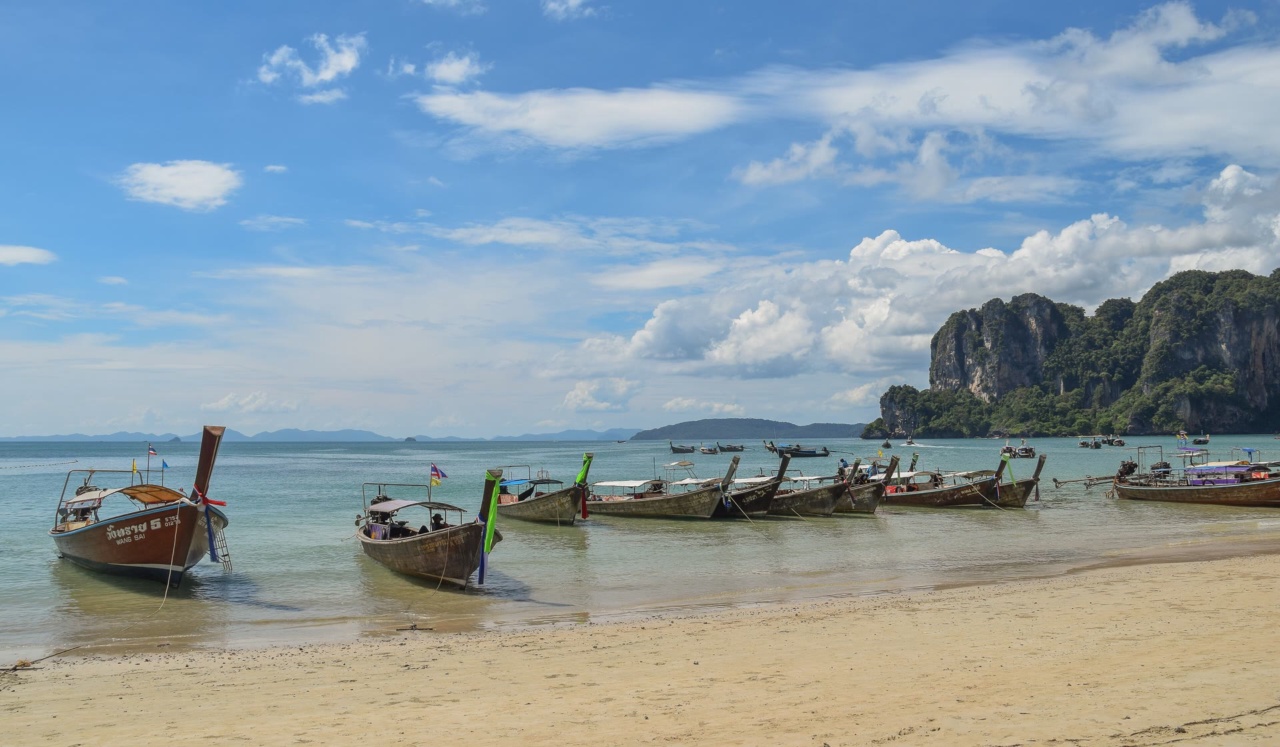
Ao Nang is the main tourist beach strip, roughly 20 km west of Krabi Town. A long road lined with hotels, restaurants, dive shops, and tour agencies faces a decent beach backed by karsts. This is where most visitors base themselves because of the convenience: longtail boats to Railay, Poda, and the four islands depart directly from the beach. The vibe is touristy but functional.
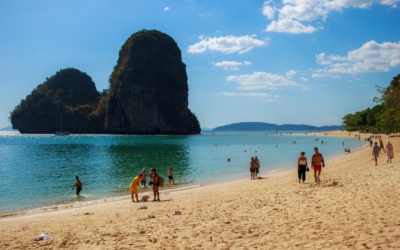
Railay (Rai Leh) is a peninsula accessible only by boat, even though it is technically on the mainland. Towering cliffs cut it off from road access. Railay West has the stunning beach and upscale resorts, Railay East is mangrovey and budget-friendly, and Tonsai is the climbers' enclave with basic bungalows and a bohemian atmosphere. This is the most beautiful place to stay on the Krabi mainland coast.
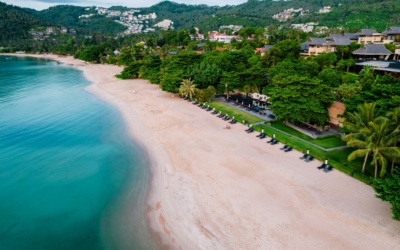
Klong Muang and Tubkaek are quieter beach areas north of Ao Nang, home to higher-end resorts. The beaches are calm and uncrowded, ideal for families or couples seeking tranquility. You will need your own transport or hotel shuttles to get around.
Koh Lanta is a large island about 70 km south, reachable by car ferry or speedboat. It has a more relaxed, less developed feel than Ao Nang, with long beaches, a small Old Town, and excellent diving at Koh Haa and Hin Daeng. Many travelers split time between Ao Nang/Railay and Koh Lanta.
Koh Phi Phi technically falls under Krabi province but functions as its own destination, roughly 90 minutes by ferry. It is covered separately in most guides but makes a natural extension of any Krabi itinerary.
Things to Do
Offers are only loaded from GetYourGuide after you click. GetYourGuide can then process your IP address and set cookies. Privacy Policy
GetYourGuide partner offers. GoAsia may earn a commission if you book through these offers. Check whether tickets or transfers are included, and follow the attraction's official booking and admission rules.
Best Time to Visit
Krabi has a tropical climate with two main seasons: dry and wet. The dry season from November through March delivers blue skies, calm seas, and the best conditions for island hopping, snorkeling, and climbing. This is also peak tourist season, so prices are higher and beaches more crowded.
The shoulder months of April and May bring increasing heat and humidity but still mostly good weather. April is the hottest month, with temperatures regularly hitting 35 degrees Celsius.
The wet season runs from June through October, with September and October being the wettest months. Rain typically comes in heavy afternoon bursts rather than all-day downpours. Many island tours still operate, but seas can be rough, some dive sites close, and a few resorts on Koh Lanta shut down entirely. The upside: prices drop significantly, crowds thin out, and the landscape is at its greenest.
| Season | Months | Weather | Crowds | Prices |
|---|---|---|---|---|
| Peak/Dry | Nov - Mar | Sunny, calm seas, low humidity | High | Highest |
| Hot | Apr - May | Very hot, occasional storms | Moderate | Moderate |
| Wet/Green | Jun - Oct | Afternoon rains, rough seas | Low | Lowest |
The Loy Krathong festival (usually November) is a magical time to visit, with floating lanterns released onto the river in Krabi Town. Songkran (Thai New Year) in mid-April means epic water fights but extreme heat.
Getting There and Getting Around
Krabi International Airport (KBV) receives domestic flights from Bangkok (about 90 minutes), Chiang Mai, and some international routes from Kuala Lumpur and Singapore. From the airport, shared minivans to Ao Nang cost around $4-5 per person, while a private taxi runs roughly $15-20 to Ao Nang or $10-12 to Krabi Town.
Buses and minivans connect Krabi Town to Phuket (roughly 3 hours), Surat Thani (roughly 3 hours), and Bangkok (overnight, around 12 hours). The bus terminal is in Krabi Town. Ferries to Koh Phi Phi and Koh Lanta depart from Klong Jilad Pier in Krabi Town or from Nopparat Thara pier near Ao Nang. For detailed ferry schedules and cross-regional transport options, GoAsia.cc is a useful resource.
Getting around locally: Songthaews (shared pickup trucks) run between Krabi Town and Ao Nang for about $1.50 per person. Grab works in Krabi but availability is inconsistent outside Krabi Town and Ao Nang. Renting a motorbike costs around $6-8 per day and is the most flexible option if you are comfortable riding. Longtail boats from Ao Nang to Railay cost roughly $3-4 per person (or $10-12 for a charter if boats are not filling up). Ao Nang itself is walkable along the main strip but spread out beyond that.
Top Sights and Experiences
Must-See Highlights
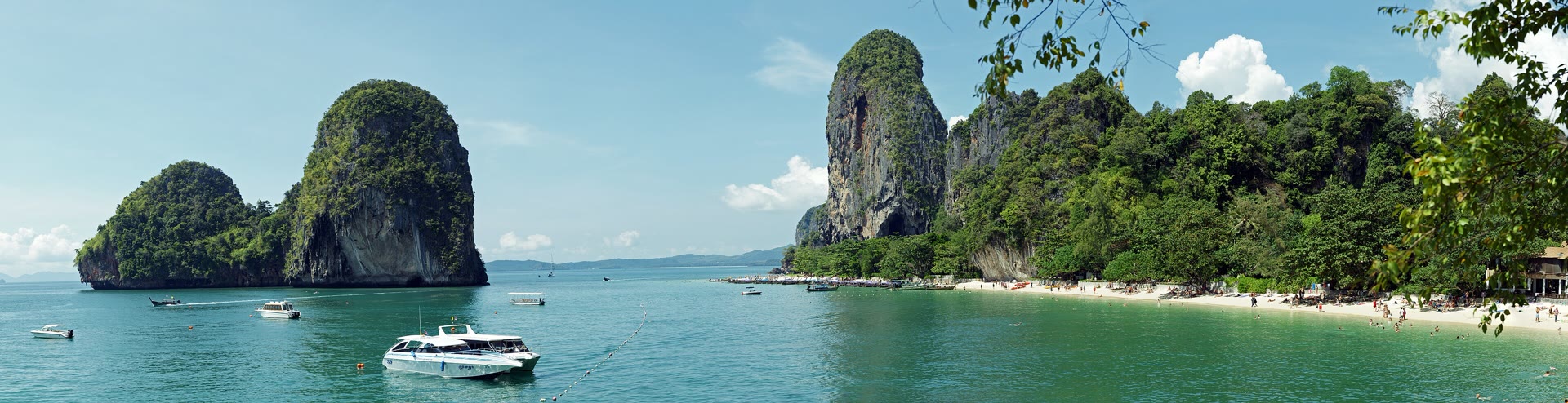
Railay Beach: The crown jewel. Railay West is one of the most beautiful beaches in Thailand, with powdery sand framed by vertical limestone cliffs. Walk to Phra Nang Cave Beach on the southern tip for an even more dramatic setting (and a cave shrine filled with phallic offerings left by local fishermen for good luck). Spend at least one night here to enjoy it after the day-trippers leave. Budget about $3-4 for the longtail from Ao Nang.
Rock Climbing at Railay and Tonsai: Krabi is one of the top rock climbing destinations in the world. Over 700 bolted routes range from beginner-friendly 5a to expert-level 8b+. Half-day introductory courses cost around $30-40 and require no experience. Tonsai Wall, One-Two-Three Wall, and the Diamond Cave area are popular sectors. The climbing season mirrors the dry season (November through March).
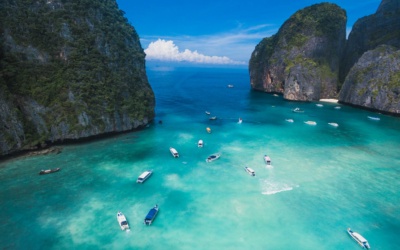
Four Islands Tour: The classic day trip visits Koh Tup, Koh Mor (connected by a sandbar at low tide), Koh Poda, and Phra Nang Cave Beach. Longtail boat tours from Ao Nang cost around $15-20 per person including lunch and snorkel gear. Speedboat versions cost more but cover ground faster. Go early to beat the crowds, especially at Poda Island.
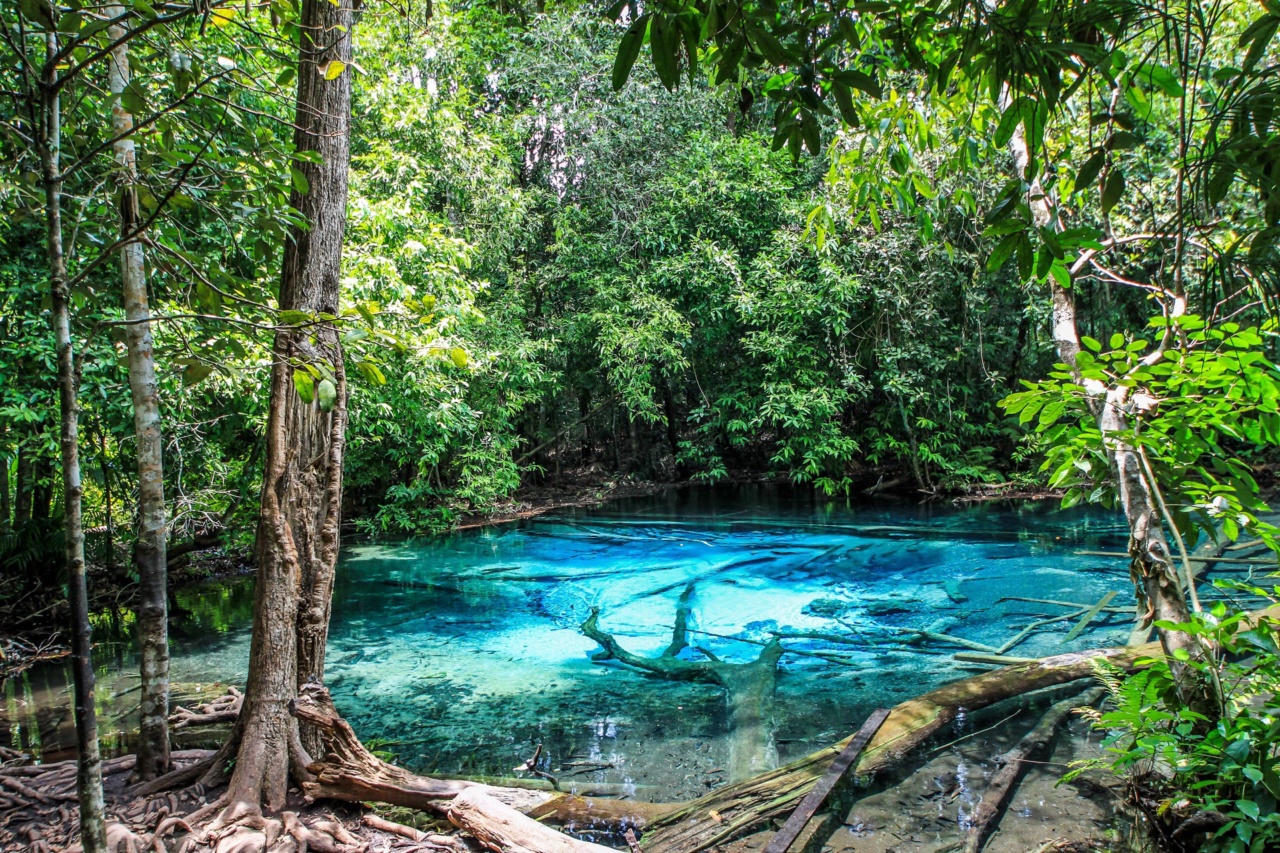
Emerald Pool and Hot Springs (Sa Morakot and Namtok Ron): Located in the Khao Phra Bang Khram Nature Reserve, roughly 60 km from Krabi Town. The Emerald Pool is a stunning natural pool fed by a warm spring, glowing an almost unreal shade of green. Nearby, the hot stream waterfall cascades through the jungle. Entry is around $6 for foreigners. Visit on a weekday morning to avoid tour bus crowds. Combine with the Blue Pool (a deeper, bluer sinkhole you can view but not swim in).
Tiger Cave Temple (Wat Tham Suea): Climb 1,237 steps to the summit for a panoramic view of Krabi Town, the river, and the karst-studded coastline. The climb is steep and grueling in the heat, so start early in the morning. At the top sits a golden Buddha footprint shrine. At the base, explore the cave temple complex with its Buddha statues and resident monkeys. Free entry, but dress modestly.
Lesser-Known Gems
Kayaking through Ao Thalane: A mangrove estuary about 30 minutes north of Ao Nang, far less touristy than the beaches. Paddle through narrow channels flanked by limestone cliffs and mangrove roots. Half-day guided tours cost around $25-30. Best at high tide when you can enter the sea caves (hongs).
Koh Klang: A Muslim fishing village directly across the river from Krabi Town, reachable by a $0.50 longtail boat. Rent a bicycle and ride through rubber plantations and rice paddies. Virtually no tourists. A great half-day cultural experience.
Than Bok Khorani National Park: A network of caves, mangroves, and a botanical garden about 45 km north of Krabi Town. The park is uncrowded and beautiful, with emerald lagoons and limestone caverns. Entry is around $6.
Overrated Attractions
Ao Nang Beach itself: The beach is fine but not spectacular. The sand is coarse, longtail boats crowd the shoreline, and the water is murky compared to Railay or Poda. Use Ao Nang as a base, not a beach destination.
Phi Phi Island day trips from Krabi: The islands are beautiful, but a day trip means roughly 4 hours of travel for a few rushed hours on crowded beaches. Maya Bay has visitor limits now, and you may not even get in. If Phi Phi interests you, stay overnight instead.
Krabi Town weekend night market: Often recommended, but it is a standard Thai night market with nothing particularly unique. The Friday walking street along Maharaj Road is better for atmosphere, though still modest compared to Chiang Mai's markets.
Food and Drink
Krabi's food scene blends central Thai and southern Thai cuisines. Southern Thai food is generally spicier, more pungent, and heavier on turmeric and shrimp paste than what you find in Bangkok or the north.
Signature dishes:
| Dish | Description | Where to Try | Typical Price |
|---|---|---|---|
| Khao Mok Gai | Thai-Muslim chicken biryani with turmeric rice, served with sweet dipping sauce and clear soup | Krabi Town morning markets, Muslim restaurants | Around $1.50 |
| Gaeng Tai Pla | Fiery southern curry made with fermented fish entrails, bamboo shoots, and vegetables - an acquired taste | Local rice-and-curry shops in Krabi Town | Around $1.50-2 |
| Roti | Crispy flatbread served with condensed milk and banana (sweet) or with curry (savory) | Street carts throughout Ao Nang and Krabi Town | Around $0.50-1 |
| Fresh Seafood | Grilled prawns, squid, and fish, often with spicy seafood dipping sauce (nam jim seafood) | Ao Nang seafood restaurants, Krabi riverfront | Around $5-15 per dish |
| Pad Sataw | Stir-fried stink beans with shrimp paste and prawns - a southern Thai staple with a funky, addictive flavor | Any local restaurant | Around $2-3 |
Best eating areas: Krabi Town offers the best value. The night market near Vogue Department Store has dozens of stalls with pad thai, grilled meats, and fresh fruit shakes for under $2. Maharaj Soi 8 and the streets around Chao Fah pier have excellent local restaurants. In Ao Nang, the main road is lined with tourist restaurants charging 2-3 times Krabi Town prices, but a few side-street Thai places remain affordable. Railay is the most expensive area for food, with limited options and captive-audience pricing.
Price ranges: A street food meal in Krabi Town costs roughly $1-2. A sit-down meal at a local Thai restaurant runs $3-5. Mid-range tourist restaurants in Ao Nang charge $6-12 per dish. An upscale beachfront dinner with seafood and drinks will set you back $20-40 per person.
Thai iced tea, fresh coconuts, and fruit shakes are everywhere and cost around $1-1.50. Beer (Chang, Singha, Leo) costs roughly $2-3 at restaurants, less at 7-Eleven. Ao Nang has a handful of rooftop bars and beach bars where cocktails run $4-7.
Where to Stay
Budget (under $20/night): Krabi Town has the cheapest guesthouses and hostels, with dorm beds from $5-8 and private rooms from $12-18. Ao Nang has a decent hostel scene with dorms around $8-12. Tonsai Beach has the cheapest beachfront bungalows (basic fan rooms from $10-15), though conditions are rustic.
Mid-range ($20-70/night): Ao Nang is packed with mid-range hotels offering pools and breakfast. Railay East has some good-value mid-range resorts. Klong Muang has a few boutique options in this range during low season. Expect clean air-conditioned rooms, pools, and decent breakfasts.
Upscale ($70-250+/night): Railay West has the most dramatic luxury settings, with resorts built against the cliffs. Tubkaek and Klong Muang host several five-star properties with private beach access. Koh Lanta also has excellent high-end beachfront resorts, often at lower prices than the Ao Nang area.
A unique Krabi accommodation experience is staying in a cliff-side bungalow at Tonsai or a floating raft house on Cheow Lan Lake (technically in Khao Sok, but often packaged with Krabi trips). Railay's cave-adjacent resorts also offer something you simply will not find elsewhere.
Practical Tips
Safety: Krabi is generally very safe. The biggest risks are motorbike accidents (wear a helmet, drive slowly, avoid riding at night on unlit roads) and ocean currents during the wet season. Red flags on beaches mean do not swim. Petty theft is uncommon but lock up valuables at your hotel.
- Common scams: Longtail boat drivers quoting inflated prices to solo travelers (know the going rate before negotiating). Jet ski rental damage scams (avoid renting jet skis). "Closed today" scams where tuk-tuk drivers claim an attraction is closed and redirect you to a gem shop - this is more common in Bangkok but occasionally surfaces here.
- Payment: Cash is king for street food, markets, longtail boats, and small shops. ATMs are plentiful in Ao Nang and Krabi Town (expect a $5-6 foreign card fee per withdrawal). Mid-range and upscale hotels accept cards. Tipping is not expected at local restaurants but appreciated at tourist-oriented ones (rounding up or leaving 10% is generous).
- SIM cards: Pick up a tourist SIM at the airport or any 7-Eleven. AIS, TrueMove, and DTAC all offer tourist packages with unlimited data for about $8-12 for a week. Coverage is excellent in Ao Nang and Krabi Town, decent on the islands.
- Language: English is widely spoken in Ao Nang and Railay by hotel and tour staff. In Krabi Town and rural areas, English is limited. Learn basic Thai phrases (sawasdee for hello, khob khun for thank you) and use a translation app for menus.
- Cultural etiquette: Remove shoes before entering temples and some shops. Dress modestly at temples (cover shoulders and knees). Do not touch anyone's head. Show respect for images of the King. The national anthem plays at 8 AM and 6 PM in public spaces - Thais stand still during it.
Day Trips
Koh Phi Phi (90 minutes by ferry): Stunning limestone islands with world-famous snorkeling. As mentioned, a day trip is rushed - consider an overnight stay. Ferry tickets cost around $10-15 each way. If you do day-trip, take the earliest boat and explore Pileh Lagoon and Bamboo Island.
Koh Lanta (2 hours by minivan and ferry): A more laid-back island with long beaches, excellent snorkeling at Koh Haa, and a charming Old Town. Worth at least two nights rather than a day trip. Minivan-ferry combos cost around $8-10.
Khao Sok National Park (3 hours north): Ancient rainforest, dramatic karst scenery, and the spectacular Cheow Lan Lake with floating raft houses. This deserves an overnight trip - day trips exist but feel rushed. Two-day, one-night packages including lake stay, kayaking, and jungle trekking cost around $60-90.
Koh Hong (45 minutes by longtail): A stunning lagoon enclosed by limestone cliffs, part of Than Bok Khorani National Park. Excellent snorkeling in crystal-clear water. Longtail charters from Ao Nang cost around $50-70 for the boat (split among passengers). National park fee is around $10. Go early to have the lagoon nearly to yourself.
Krabi Hot Springs and Emerald Pool: Already detailed above, but worth listing here as it makes an excellent half-day trip. Combine with the Tiger Cave Temple if you start early. Songthaews and tours from Ao Nang cost around $10-15 per person.
Sample 3-Day Itinerary
Day 1: Krabi Town and Tiger Cave Temple
Morning: Arrive and settle in. Head to Tiger Cave Temple early (before 9 AM to beat the heat). Climb the 1,237 steps to the summit for panoramic views. Budget about 2 hours total. Explore the cave temple at the base.
Afternoon: Return to Krabi Town. Grab lunch at a local rice-and-curry shop near the river. Walk along the Krabi riverfront promenade and photograph the giant crab sculptures. Take the longtail across to Koh Klang for a bicycle ride through the village.
Evening: Hit the Krabi Town night market for dinner. Try khao mok gai and roti with banana. If it is a Friday, walk the Maharaj Road walking street.
Day 2: Four Islands and Railay
Morning: Take a songthaew to Ao Nang. Join a Four Islands longtail tour departing around 9 AM. Snorkel at Poda Island, walk the sandbar between Koh Tup and Koh Mor at low tide, and swim at Phra Nang Cave Beach.
Afternoon: Instead of returning to Ao Nang with the tour, ask to be dropped at Railay West (most tours accommodate this). Check into your Railay accommodation. Explore the Railay viewpoint trail (steep, muddy, bring shoes) or try a half-day rock climbing intro course.
Evening: Watch the sunset from Phra Nang Beach. Dinner at one of Railay's beachfront restaurants. Walk over to Tonsai for a more laid-back bar scene with fire shows and reggae.
Day 3: Emerald Pool, Hot Springs, and Ao Nang
Morning: Take an early longtail back to Ao Nang. Join a tour or rent a motorbike to the Emerald Pool and Hot Springs (about 1 hour each way). Swim in the emerald-green pool and soak in the hot stream waterfall. Visit the Blue Pool viewpoint.
Afternoon: Return to Ao Nang. Browse the shops, get a Thai massage (roughly $8-10 for an hour), and have a late lunch at a seafood restaurant.
Evening: Sunset drinks at one of Ao Nang's rooftop bars overlooking the karsts. Final dinner of grilled seafood before heading to the airport or onward transport.
Budget Overview
| Category | Budget | Mid-Range | Comfort |
|---|---|---|---|
| Accommodation | $8-15 | $30-60 | $80-200 |
| Food | $5-10 | $15-25 | $30-50 |
| Transport | $3-5 | $8-15 | $15-30 |
| Activities | $5-15 | $20-40 | $40-80 |
| Daily Total | $21-45 | $73-140 | $165-360 |
Krabi is one of the more affordable Andaman coast destinations. Budget travelers eating street food, staying in hostels, and using shared transport can get by on $25-40 per day. Mid-range travelers with private hotel rooms, restaurant meals, and a daily tour or activity will spend $80-120. Comfort seekers at beachfront resorts with private tours and upscale dining should budget $150-300+. The biggest variable is accommodation: staying in Krabi Town versus Railay can mean a difference of $50-100 per night for comparable comfort levels.
Frequently Asked Questions
Is Krabi worth visiting?
Absolutely. Krabi offers some of Thailand's most stunning coastal scenery with towering limestone karsts, world-class rock climbing, and beautiful islands for snorkeling and beach hopping. It is less hectic and more affordable than Phuket while offering equally impressive natural beauty. Railay Beach alone justifies the trip.
How many days do you need in Krabi?
Three to four days is ideal for covering the main highlights: Railay, a Four Islands tour, Tiger Cave Temple, and the Emerald Pool. If you want to add Koh Lanta or Koh Phi Phi, budget five to seven days. Even two full days allow you to hit Railay and one island tour.
Is Krabi safe for tourists?
Krabi is very safe by any standard. Violent crime against tourists is extremely rare. The main risks are motorbike accidents and ocean currents during the monsoon season. Use common sense with valuables, wear a helmet when riding, and respect red flags on beaches.
What is the best time to visit Krabi?
November through March offers the best weather with dry skies and calm seas, perfect for island hopping and climbing. April and May are very hot but still mostly dry. June through October is the rainy season with lower prices and fewer crowds, though some boat tours may be limited.
What food is Krabi famous for?
Krabi is known for southern Thai cuisine, which is spicier and more intense than central Thai food. Signature dishes include khao mok gai (Thai-Muslim chicken biryani), gaeng tai pla (fermented fish curry), pad sataw (stink bean stir-fry), and fresh seafood. Street roti with banana and condensed milk is a beloved local snack.
Is Krabi expensive?
Krabi is affordable compared to Phuket or the Samui islands. Budget travelers can manage on $25-40 per day. Street food meals cost $1-2, and basic accommodation starts around $8-15 per night. Ao Nang and Railay are pricier than Krabi Town, but overall costs remain reasonable for a tropical beach destination.
What is the best neighborhood to stay in Krabi?
Ao Nang is the most convenient base with easy access to boats, tours, restaurants, and shops. Railay is the most beautiful but more isolated and expensive. Krabi Town is cheapest and best for authentic food but requires transport to reach beaches. Klong Muang suits families and couples wanting quiet luxury.
How do I get from Krabi Airport to Ao Nang?
Shared minivans run from the airport to Ao Nang for around $4-5 per person and take about 30-40 minutes. Private taxis cost roughly $15-20. You can also arrange hotel transfers in advance. There is no public bus service directly from the airport to Ao Nang.
Can you drink tap water in Krabi?
No, do not drink tap water in Krabi or anywhere in Thailand. Bottled water is cheap and available everywhere for about $0.30-0.50. Most hotels provide complimentary bottles. Ice in restaurants and bars is generally made from purified water and is safe.
How do I get to Railay Beach?
Railay is only accessible by boat since cliffs block road access. Longtail boats from Ao Nang beach take about 15 minutes and cost roughly $3-4 per person when the boat fills up, or $10-12 for a private charter. Boats also run from Krabi Town's Chao Fah pier for a similar price but a longer ride.
Routes
🗺️ Getting Around Krabi - Local Transport Guide for Travelers
→ Routes from Krabi (17)