Khao Sok National Park: Rainforest Trails and Cheow Lan Lake
Contents
Khao Sok is the biggest tract of tropical rainforest in southern Thailand, and it is not a single stop.[1] Limestone peaks, waterfalls, caves and the Ratchaprapha Reservoir fill 738.74 square kilometres.[2] Most visitors choose between two bases: the headquarters near Khlong Sok village for jungle trails and streams, or Cheow Lan Lake to the east for longtail boats and floating bungalows.
Choose the area that fits your trip
The headquarters sits at Moo 6, Khlong Sok, Phanom District, Surat Thani 84250.[1] The park offers nature trails, trekking, waterfalls, cave exploration, bird, butterfly and wildlife watching, stargazing, boat rides, paddling, swimming and camping.[1] Call +66 7739 5139 or +66 7739 5155 before you set out to ask which trails and caves are open.[1]
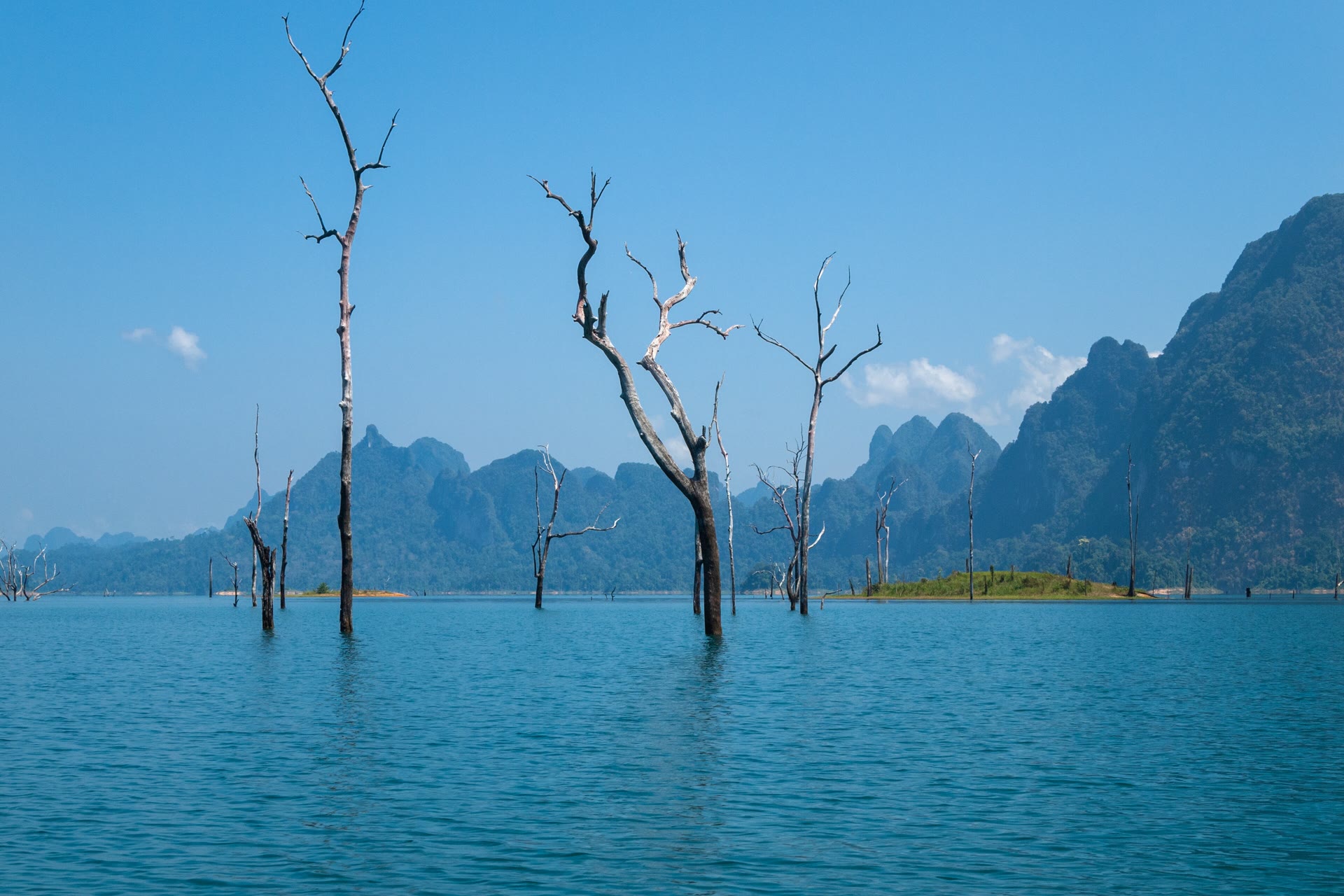
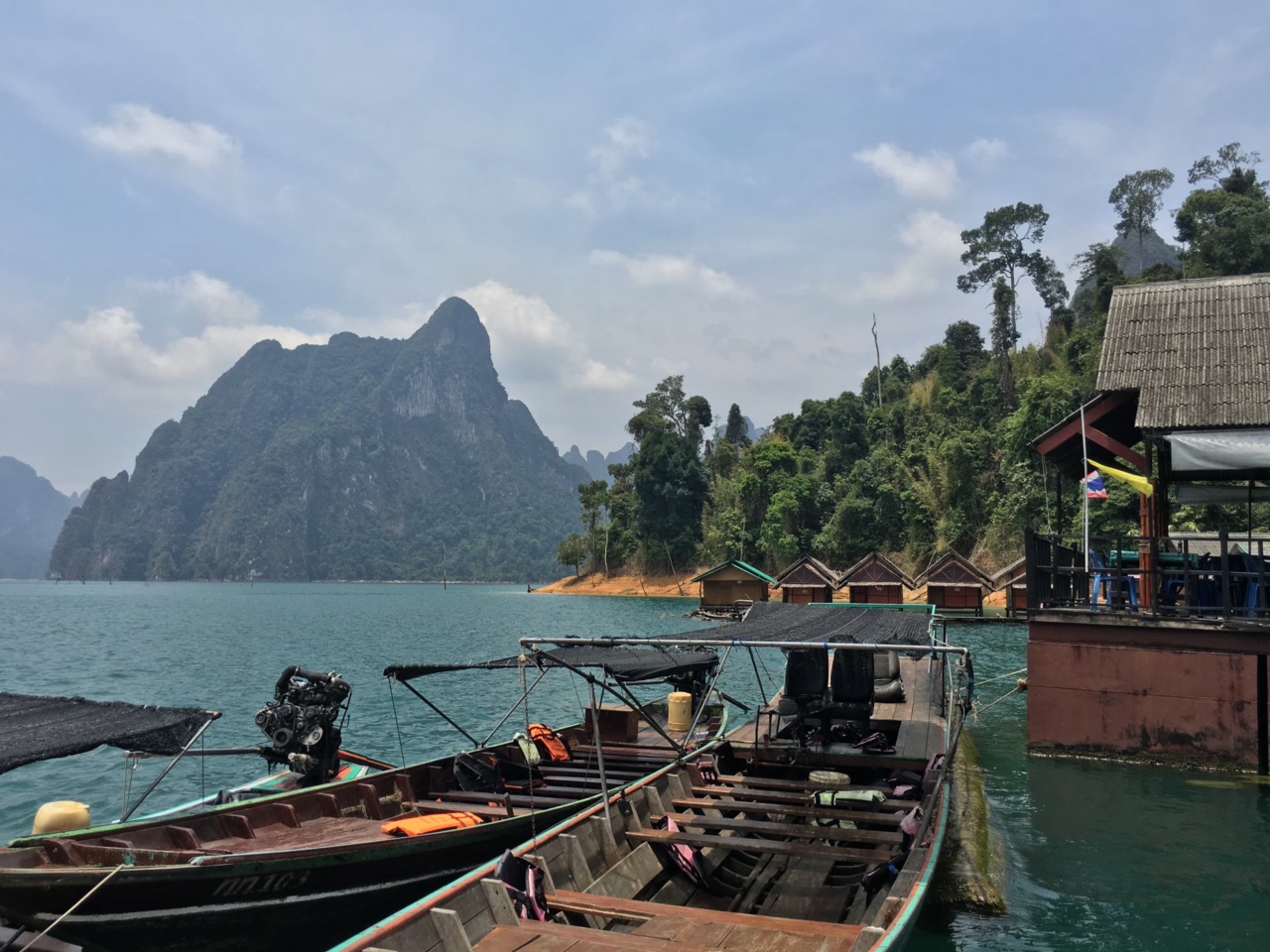
Cheow Lan Lake, also called Ratchaprapha Reservoir, is a different area. About 165 islets rise from the water, and the Three Brothers limestone karsts, nicknamed the Guilin of Thailand, are among its best-known sights.[1] Ratchaprapha Pier in Ban Ta Khun District is the main departure point for lake boats and floating resorts.[3] Some resorts are about 40 minutes away by longtail boat, and deeper ones take more than an hour.[3] The road transfer from Khao Sok to the pier takes about one hour.[3] Boats do not run like a public ferry: your resort or tour arranges the departure, so book the transfer in advance and plan your road journey around the boat meeting time, not hotel check-in.[3] Do not confuse the pier with the Ratchaprapha Dam viewpoint nearby.[3]
Things to Do
Offers are only loaded from GetYourGuide after you click. GetYourGuide can then process your IP address and set cookies. Privacy Policy
GetYourGuide partner offers. GoAsia may earn a commission if you book through these offers. Check whether tickets or transfers are included, and follow the attraction's official booking and admission rules.
Entry costs and what to confirm
Foreign visitors pay THB 200 (adult) or THB 100 (child) in the mountain zone around the headquarters, and THB 300 (adult) or THB 150 (child) in the Ratchaprapha Dam zone. Thai visitors pay THB 40 or THB 20.[4] If you visit both zones on the same day, you pay once at the higher rate.[4] Keep your receipt after paying, because rangers may ask to see it.[1] Lake tours and floating stays are priced separately, so ask what your quote includes: admission, boat, meals and transfers.
Getting there and planning time
Take Highway 401, the Surat Thani to Takua Pa road. From Surat Thani it is about 127 km to the Khao Sok junction, then a short turn off the highway of roughly 2 km to the headquarters.[4][1] Minivans leave Surat Thani's Talat Kaset 2 minivan station every hour from 07:30 to 17:30, and the trip takes about 2.5 hours.[4] From the park junction, minivans run hourly from 06:30 to 16:00.[4] Minivans from Krabi via Phang Nga and Takua Pa also stop at the junction.[4]
For the lake, Surat Thani Airport and railway station are each 1 to 1.5 hours by road from the pier, Khao Lak 2 to 2.5 hours, Krabi 2.5 to 3 hours and Phuket 3 to 3.5 hours.[3] With only a short stop, pick one area. To see both the rainforest and the lake, leave time for the transfer and book each part separately.
Activities and changing conditions
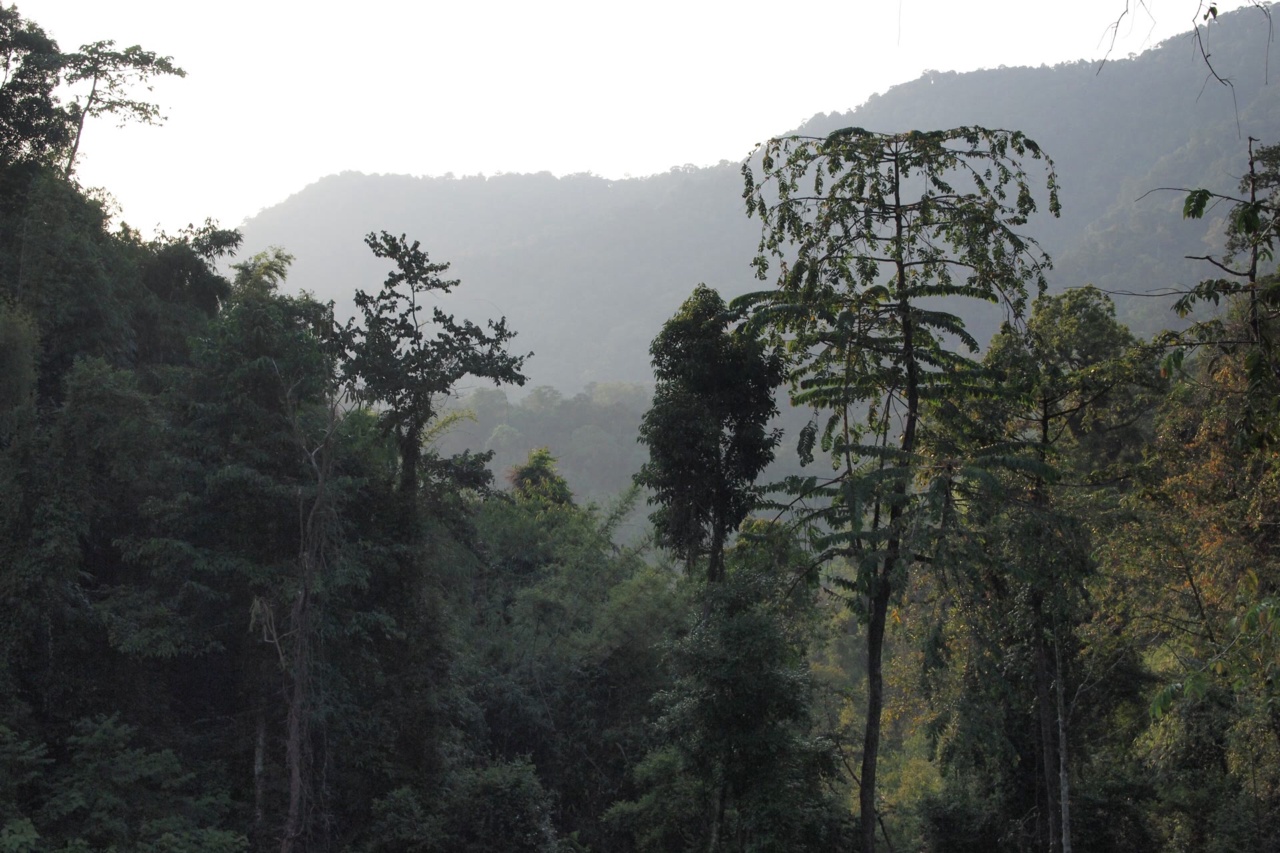
Around the headquarters you walk shaded forest trails to waterfalls such as Bang Hua Raet and Ton Kloi, and a stream runs past the park office.[4] On the lake you ride longtail boats past limestone cliffs, caves and forested shores, and floating resorts range from simple raft houses to air-conditioned rooms with private bathrooms.[3] Ask the park or your operator about current trail, cave and water access, since weather can change plans. Wildlife and Rafflesia sightings are never guaranteed.
For onward planning, see our Thailand travel overview.
Sources and background
Numbers in the text such as [1] refer to these sources.
- [1] Department of National Parks, Wildlife and Plant Conservation, Thailand: Khao Sok National Park. Retrieved October 20, 2026.
- [2] Tourism Authority of Thailand: Khao Sok National Park. Retrieved October 20, 2026.
- [3] Cheow Lan Lake Travel, local lake-tour and transfer operator: Ratchaprapha Pier | Cheow Lan Lake Pier and Boat Guide. Retrieved October 20, 2026.
- [4] Tourism Authority of Thailand: Khao Sok National Park (Thai edition: fees by zone, how to get there). Retrieved October 20, 2026.
Frequently Asked Questions
The headquarters near Khlong Sok village is the base for rainforest trails, waterfalls and stream activities. Cheow Lan Lake is a separate area reached by road and then boat from Ratchaprapha Pier, with floating resorts and lake trips. If time is short, choose the experience you want most.
Foreign visitors pay THB 200 for adults and THB 100 for children in the mountain zone around the headquarters, and THB 300 for adults and THB 150 for children in the Ratchaprapha Dam zone. If you visit both zones on the same day, you pay once at the higher rate. Keep your receipt for inspection.
The headquarters is at Moo 6, Khlong Sok, Phanom District, Surat Thani 84250, off Highway 401 between Surat Thani and Takua Pa, about 127 km from Surat Thani. Minivans leave Surat Thani every hour from 07:30 to 17:30 and take about 2.5 hours. You can call the park on +66 7739 5139 or +66 7739 5155.
Go by road to Ratchaprapha Pier, the main departure point for lake boats. The transfer from Khao Sok takes about one hour, and from Surat Thani Airport 1 to 1.5 hours. Resorts and tours arrange the boat, so book the meeting time and transfer in advance.
They are separate areas with a road transfer of about one hour between them, and the lake also needs a boat. On a short visit, choose one. If you combine both, plan around the boat departure. A single-day visit to both zones needs one entrance payment, at the higher rate.
The park offers nature trails, trekking, waterfalls, cave exploration, wildlife watching, stargazing, boat rides, paddling, swimming and camping. On the lake you can take longtail boat trips and stay in floating resorts. Ask about current trail and cave access before you go.
No. Resorts and operators offer different boat trips, 2-day and 3-day stays and day tours, with different inclusions. Ask for an itemized quote covering the room, boat, meals, guide, park admission and road transfer.
No. The park is home to more than 415 wildlife species, but sightings are never guaranteed, and access to caves and trails depends on conditions. Check with the park or your operator for your dates.