
Koh Samui
Thailand's second-largest island wraps palm-fringed beaches around a mountainous jungle interior, offering everything from full-moon beach bars to secluded luxury villas.
Last updated: October 15, 2026
When to go
Climate and best time for Koh SamuiBest months: January to September
- January: Great. 30 °C by day, 23 °C at night, 120 mm of rain
- February: Great. 30 °C by day, 23 °C at night, 52 mm of rain
- March: Great. 31 °C by day, 24 °C at night, 118 mm of rain
- April: Great. 32 °C by day, 25 °C at night, 98 mm of rain
- May: Great. 33 °C by day, 25 °C at night, 128 mm of rain
- June: Great. 32 °C by day, 25 °C at night, 89 mm of rain
- July: Great. 32 °C by day, 25 °C at night, 87 mm of rain
- August: Great. 31 °C by day, 24 °C at night, 95 mm of rain
- September: Great. 31 °C by day, 24 °C at night, 121 mm of rain
- October: Mixed (a lot of rain). 30 °C by day, 23 °C at night, 265 mm of rain
- November: Poor (a lot of rain). 29 °C by day, 23 °C at night, 363 mm of rain
- December: Mixed (a lot of rain). 29 °C by day, 23 °C at night, 228 mm of rain
- Great
- Good
- Mixed
- Poor
Contents
- 1. Orientation and Neighborhoods
- 1.1 Chaweng (East Coast)
- 1.2 Lamai (Southeast Coast)
- 1.3 Bophut and Fisherman's Village (North Coast)
- 1.4 Maenam (North Coast)
- 1.5 Choeng Mon (Northeast)
- 1.6 South and West Coasts
- 2. Best Time to Visit
- 3. Getting There and Getting Around
- 3.1 Arriving by Air
- 3.2 Arriving by Ferry
- 3.3 Getting Around the Island
- 4. Top Sights and Experiences
- 4.1 Must-See Attractions
- 4.2 Lesser-Known Gems
- 4.3 Overrated Attractions
- 5. Food and Drink
- 5.1 Signature Dishes
- 5.2 Where to Eat
- 6. Where to Stay
- 6.1 Budget (Under $30 per night)
- 6.2 Mid-Range ($30-120 per night)
- 6.3 Upscale ($120-500+ per night)
- 7. Practical Tips
- 8. Day Trips
- 8.1 Ang Thong National Marine Park
- 8.2 Koh Phangan
- 8.3 Koh Tao
- 8.4 Koh Tan and Koh Madsum
- 8.5 Surat Thani and Khao Sok National Park
- 9. Sample 3-Day Itinerary
- 9.1 Day 1: East Coast and Temples
- 9.2 Day 2: Ang Thong Marine Park
- 9.3 Day 3: Interior and West Coast
- 10. Budget Overview
- 11. Frequently Asked Questions
The first thing that hits you stepping off the open-air terminal at Samui Airport is the humid sweetness of frangipani and the realization that this island does things differently. Koh Samui has its own privately operated airport, its own rhythm, and a personality that sits somewhere between Phuket's polished resort machine and the backpacker grit of Koh Phangan next door. Coconut palms still outnumber high-rises here, a legacy of the island's copra farming past that locals fought to preserve through building-height restrictions.
Ringed by a single coastal road that takes about an hour to drive without stops, Samui is compact enough to explore in a few days yet deep enough to fill two weeks. The east coast beaches draw the crowds, the southern and western coasts hide quieter coves, and the hilly interior rewards anyone willing to rent a scooter and climb. Whether you want a five-star pool villa, a beachfront bungalow under $40, or a muay Thai training camp, Samui accommodates without losing its laid-back island soul.
Tourism infrastructure is mature here. You will find international hospitals, reliable 4G and 5G coverage, convenience stores on every corner, and a food scene that ranges from $1.50 pad thai at Lamai night market to omakase sushi overlooking the Gulf of Thailand. It is the kind of island where you can genuinely relax without constantly problem-solving logistics.
Orientation and Neighborhoods
Koh Samui is roughly circular, about 25 kilometers across, with a mountainous, jungle-covered interior and development concentrated along the coast. Route 4169 loops the entire island and serves as the main artery. Think of the island in four quadrants.
Chaweng (East Coast)
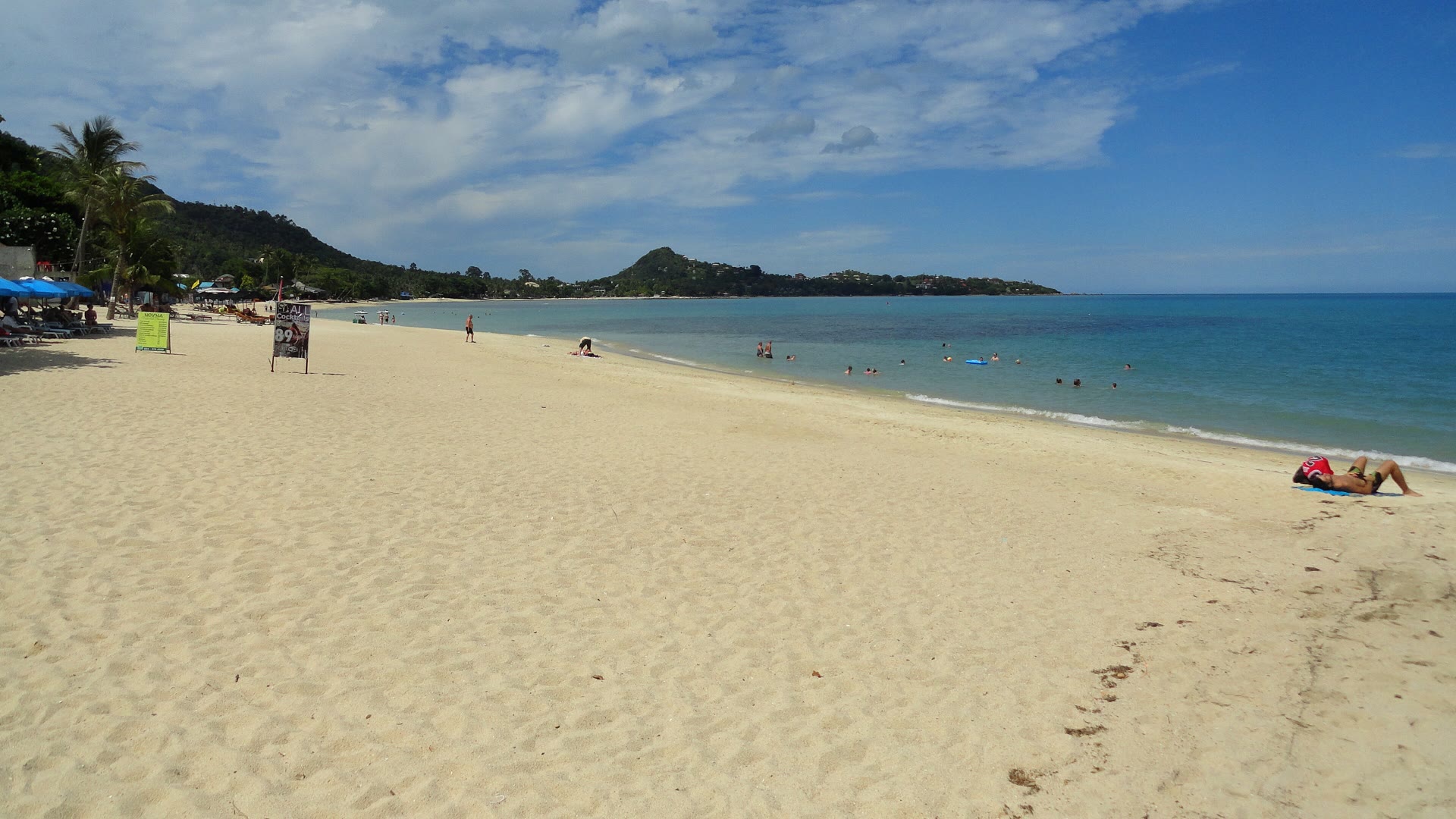
The longest beach and the commercial heart of Samui. Chaweng stretches about seven kilometers and is split into Chaweng proper (busy, loud, packed with bars and malls) and Chaweng Noi to the south (calmer, more upscale). This is where you stay if you want nightlife, shopping, and the widest selection of restaurants. The sand is genuinely beautiful, powdery white, though the beach gets crowded by midday. Budget to mid-range travelers will find the most options here.
Lamai (Southeast Coast)
Samui's second-most-popular beach sits about 15 minutes south of Chaweng. Lamai has a slightly older, more relaxed crowd, good-value accommodation, a lively Sunday night market, and the famous Hin Ta and Hin Yai rock formations at its southern end. Muay Thai gyms and yoga studios cluster here, making it popular with wellness-focused travelers.
Bophut and Fisherman's Village (North Coast)
The most charming area on the island. Fisherman's Village is a narrow lane of converted Chinese shophouses now housing boutique hotels, wine bars, and galleries. The Friday walking street market here is Samui's best weekly event. Bophut beach is calm and faces Koh Phangan across the strait. Ideal for couples and families who want character over party vibes.
Maenam (North Coast)
West of Bophut, Maenam is the budget-friendly north coast option with a long, quiet beach and a backpacker-friendly Thursday night market. The sand is slightly coarser, but the swimming is good and the views of Koh Phangan are stunning at sunset. Several affordable beachfront bungalow operations survive here.
Choeng Mon (Northeast)
A small, sheltered bay with calm turquoise water and a handful of luxury resorts. Choeng Mon feels like a private cove and suits families with young children or anyone wanting seclusion without being far from Chaweng (about 10 minutes by car).
South and West Coasts
Lipa Noi, Taling Ngam, and the southwestern hills are where the luxury villa rentals and boutique hideaways cluster. Beaches are rockier and less swimmable, but the sunset views are the island's best. Nathon on the west coast is the main ferry port and a working Thai town with cheap eats and zero tourist gloss. It is worth a wander but not a base.
Things to Do
Offers are only loaded from GetYourGuide after you click. GetYourGuide can then process your IP address and set cookies. Privacy Policy
GetYourGuide partner offers. GoAsia may earn a commission if you book through these offers. Check whether tickets or transfers are included, and follow the attraction's official booking and admission rules.
Best Time to Visit
Koh Samui sits in the Gulf of Thailand and follows a different weather pattern than Phuket and the Andaman coast. The island's monsoon season peaks later in the year, which makes it a great alternative when western Thailand is getting drenched.
| Month Range | Weather | Crowds | Prices |
|---|---|---|---|
| Jan - Mar | Dry, sunny, low humidity, calm seas | High | Peak |
| Apr - Jun | Hot and humid, occasional showers, mostly sunny | Moderate | Moderate |
| Jul - Sep | Warm with brief afternoon rain, seas can be rough | Low-Moderate | Low |
| Oct - Dec | Monsoon: heavy rain, flooding possible, rough seas | Low (except Christmas) | Low (spikes at holidays) |
February and March are the sweet spot: dry skies, comfortable temperatures around 28-32 degrees Celsius, and calm water for snorkeling. November is the wettest month and the one to avoid if possible, as flooding occasionally disrupts roads and boat trips get cancelled. The Songkran festival in mid-April brings island-wide water fights and a festive atmosphere, though it coincides with the hottest temperatures. The vegetarian festival in October, centered at Chinese shrines in Nathon, is a fascinating cultural event if you happen to be on the island during monsoon season.
Getting There and Getting Around
Arriving by Air
Samui Airport (USM) is operated by Bangkok Airways, which keeps a near-monopoly on flights and prices accordingly. Direct flights connect to Bangkok (about 70 minutes), Chiang Mai, Phuket, Singapore, Hong Kong, and Kuala Lumpur. Expect to pay $80-180 one way from Bangkok. A budget alternative is to fly into Surat Thani Airport (URT) on AirAsia or Nok Air for as little as $25-40, then take a combined bus-and-ferry transfer (roughly 3-4 hours total, around $10-15). You can check specific route options on GoAsia.cc for updated transport details.
Arriving by Ferry
Ferries from the mainland depart from Donsak pier (near Surat Thani) and take 60-90 minutes. Seatran Discovery and Raja Ferry are the main operators, with tickets around $5-8. Night boats from Surat Thani town are the cheapest option at around $4 but take six hours and are basic.
Getting Around the Island
The songthaew (shared pickup truck taxi) system runs along Route 4169 and costs around $1-3 per ride, but service is irregular after dark. Grab works on Samui but drivers are limited outside Chaweng and Lamai. Private taxis do not use meters; agree on a price before getting in. A trip across the island typically costs $8-15.
Renting a scooter is the most popular way to explore, at around $5-8 per day for a 125cc automatic. However, Samui's steep interior roads, unpredictable drivers, and frequent rain make accidents common. If you ride, wear a helmet, check brakes before renting, and avoid the hills after dark. Car rental runs $25-50 per day and is the safer option for families or nervous riders. Roads are generally well-paved but narrow, and GPS navigation works reliably.
Top Sights and Experiences
Must-See Attractions
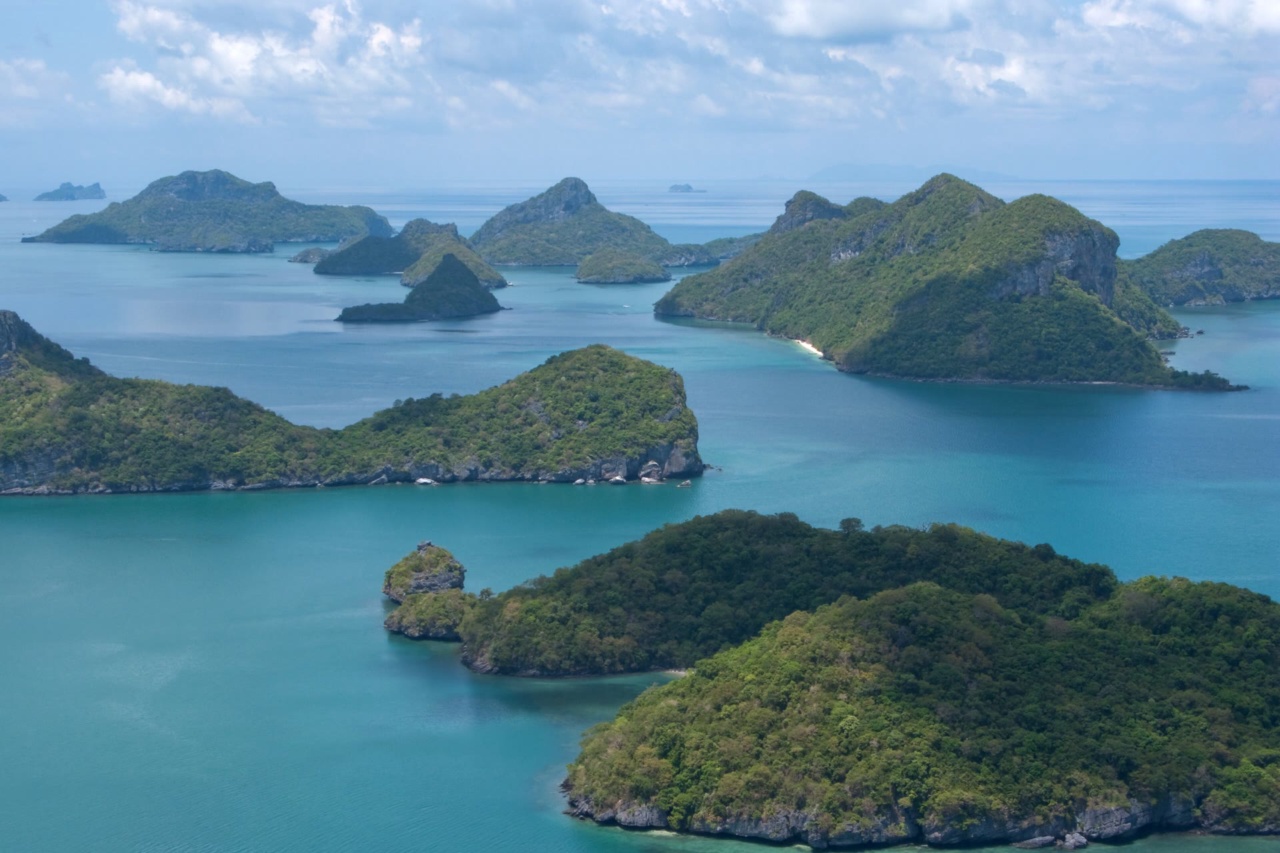
Ang Thong National Marine Park: This archipelago of 42 limestone islands about 30 kilometers west of Samui is the island's single best day trip. Emerald lagoons, jungle-covered karsts, and superb snorkeling make it unforgettable. Full-day boat tours depart from Nathon and cost around $40-60 including lunch, kayaking, and snorkeling. The park closes during monsoon season (typically November through mid-December). Book a speedboat tour if you get seasick easily, as the slower boats take 90 minutes on potentially choppy water.
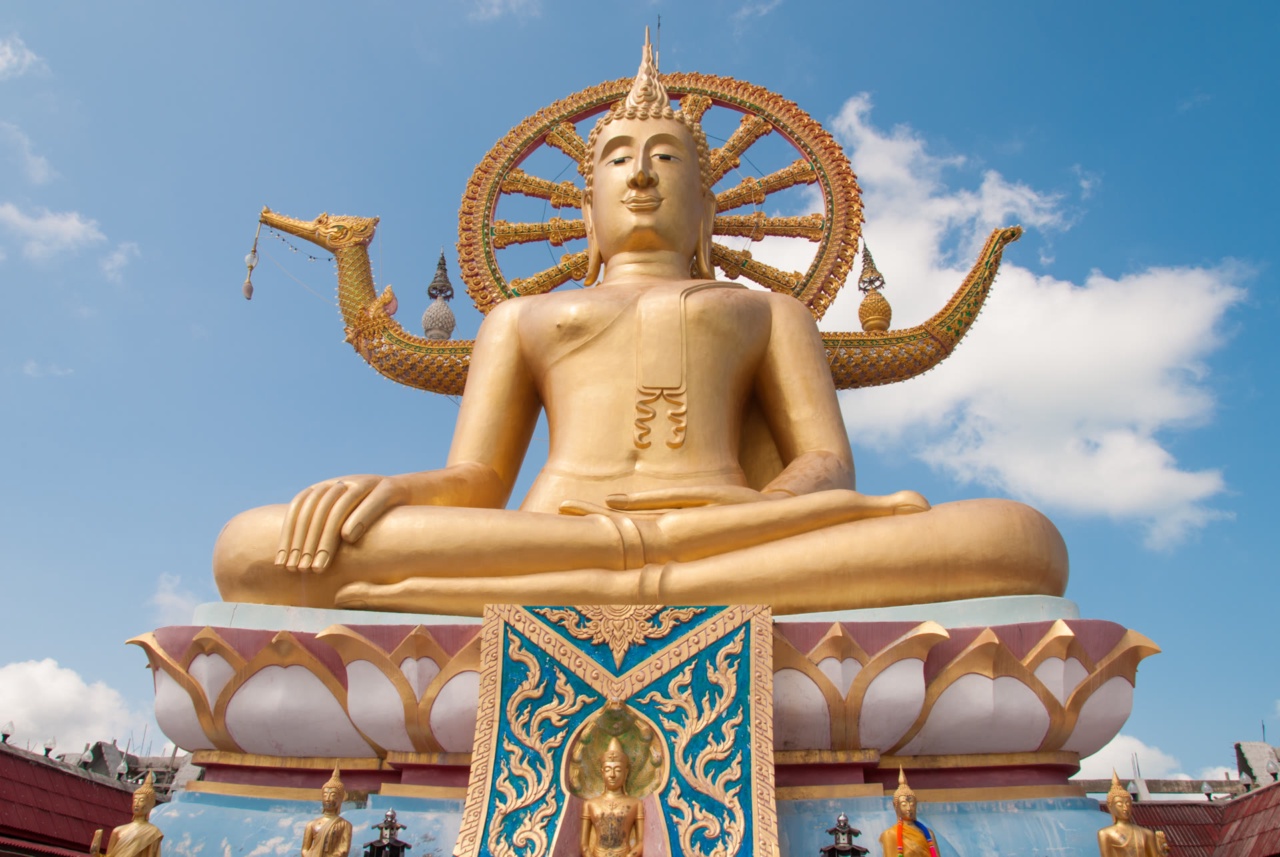
Wat Phra Yai (Big Buddha Temple): The 12-meter golden Buddha statue on a small island connected by causeway to the northeast coast is Samui's most iconic landmark. The temple is free to enter, takes about 30 minutes to explore, and offers panoramic views from the top of its staircase. Visit early morning to avoid tour groups and midday heat. Dress modestly, covering shoulders and knees.
Fisherman's Village Friday Night Market: Bophut's walking street transforms every Friday evening into a vibrant market with grilled seafood skewers, Thai desserts, handmade jewelry, and live music. Arrive around 5:30 PM to browse before the biggest crowds hit at 7 PM. Budget around $8-12 for a full dinner of market food.
Na Muang Waterfalls: Two waterfalls in the interior jungle, reachable by paved road. Na Muang 1 is an easy walk from the parking lot with a swimmable pool at the base. Na Muang 2 requires a 30-minute uphill hike but rewards with a taller cascade and fewer people. Go in the morning after recent rain for the best flow. Free entry.
Secret Buddha Garden (Magic Garden): Hidden in the hills above Lamai, this quirky sculpture garden was created by a local fruit farmer and features moss-covered statues scattered through the jungle. Getting there requires a 4WD vehicle or a bumpy scooter ride up a steep dirt track. The setting is genuinely magical. Entry is around $3.
Lesser-Known Gems
Lad Koh Viewpoint: A short drive up from Chaweng, this viewpoint offers dramatic coastal panoramas and is far less visited than the Overlap Stone viewpoint nearby. Best at sunrise.
Hin Lad Waterfall and Meditation Temple: A small waterfall in the northwest interior with an active meditation center. The monks welcome visitors for short meditation sessions. Peaceful and completely off the tourist radar.
Nathon Town: Samui's administrative capital on the west coast has authentic Thai street food, a morning market, and old wooden shophouses. Spend an hour here before or after a ferry trip for a taste of non-tourist Samui.
Overrated Attractions
Grandfather and Grandmother Rocks (Hin Ta Hin Yai): These phallic-shaped rock formations at the south end of Lamai beach are mildly amusing for about five minutes. The surrounding area is packed with souvenir stalls. Worth a quick stop if you are in Lamai, but do not make a special trip.
Samui Aquarium and Tiger Zoo: The facilities are dated and the animal welfare standards are questionable. Skip it entirely and spend that time snorkeling at Ang Thong instead.
Elephant trekking operations: Several camps on the island still offer elephant rides, which are widely condemned by animal welfare organizations. If you want an elephant experience, seek out ethical sanctuaries that focus on observation and bathing without riding, though even these vary in quality. Research thoroughly before visiting.
Food and Drink
Samui's food scene punches above its weight for an island. Southern Thai cuisine dominates local kitchens, characterized by bold, spicy flavors with heavy use of turmeric, coconut milk, and fresh seafood. The island's coconut heritage shows up everywhere, from curries to desserts to fresh coconut water sold roadside for about $1.
Signature Dishes
| Dish | Description | Where to Try | Typical Price |
|---|---|---|---|
| Massaman Curry | Rich, mildly spiced coconut curry with potatoes and peanuts, often with chicken or beef | Local restaurants in Nathon or Maenam | $2-4 |
| Gaeng Som | Sour orange curry, a southern Thai staple, usually with fish and vegetables | Market stalls across the island | $1.50-3 |
| Grilled Squid (Pla Muek Yang) | Whole squid grilled over charcoal, served with spicy seafood dipping sauce | Night markets at Lamai or Chaweng | $2-5 |
| Pad Thai Goong | Classic stir-fried noodles with fresh prawns, elevated by island-fresh seafood | Any night market or beach restaurant | $2-4 |
| Coconut Ice Cream | Served in a coconut shell with toppings like peanuts, sticky rice, and corn | Fisherman's Village market, roadside vendors | $1-2 |
| Whole Grilled Fish | Snapper or sea bass stuffed with lemongrass and lime, grilled in salt crust | Beachfront seafood restaurants in Bophut | $6-12 |
Where to Eat
For the best-value local food, hit the night markets. Lamai has a lively market on Sunday nights, Maenam on Thursdays, Bophut on Fridays, and Chaweng's night market runs nightly along a road parallel to the beach. A full meal of two or three dishes at any market costs $3-6.
Bophut's Fisherman's Village has the island's densest concentration of quality sit-down restaurants, from Thai seafood to Italian and French. Expect $10-25 per person for a good meal with a drink. Chaweng's restaurant row along the beach road is more hit-or-miss; look for places packed with Thai diners rather than tourist menus with photos.
For a splurge, several cliffside and beachfront restaurants on the south and west coasts serve exceptional Thai-fusion cuisine with sunset views. Dinner for two with wine at these spots runs $50-100. Samui also has a surprisingly good brunch culture, with several cafes in Bophut and Chaweng Noi serving quality coffee and Western-style breakfasts for $5-10.
Street food is safe to eat on Samui. Follow the standard rules: choose stalls with high turnover, eat food that is cooked fresh in front of you, and drink sealed bottled water.
Where to Stay
Budget (Under $30 per night)
Maenam and Lamai have the best budget options. Simple fan-cooled bungalows with cold-water showers start around $10-15 per night. For $20-30, you can find air-conditioned rooms with hot water and a pool in smaller guesthouses. Hostels with dorm beds exist in Chaweng and Lamai at around $8-12 per night but are less common than on Koh Phangan.
Mid-Range ($30-120 per night)
This is where Samui excels. Boutique hotels with pools, beachfront bungalow resorts with breakfast included, and stylish aparthotels fall in this range. Bophut and Choeng Mon offer the best mid-range value with more character than Chaweng's cookie-cutter options. Many properties in this bracket include airport transfers and have on-site restaurants.
Upscale ($120-500+ per night)
Samui has a dense concentration of luxury resorts, particularly along the north coast and in the southwestern hills. Private pool villas, cliff-edge infinity pools, and world-class spas are standard at this level. The island's luxury properties compete with anywhere in Southeast Asia. Booking direct often gets you complimentary upgrades and better cancellation terms than third-party sites.
A unique Samui accommodation experience is renting a private hillside villa with a cook and driver, which groups of four to six people can split for surprisingly reasonable per-person rates, often $40-80 per person per night for a stunning property.
Practical Tips
Safety: Samui is safe overall, but motorbike accidents are the number one risk for tourists. Hospitals on the island, including Bangkok Hospital Samui and Thai International Hospital, are well-equipped for emergencies. Ensure your travel insurance covers motorbike riding if you plan to rent one. Rip currents can be dangerous on the east coast during monsoon season; heed red flag warnings.
- Payment: Cash is still king at markets, small restaurants, and for songthaew rides. Credit cards are accepted at hotels, larger restaurants, and shops. ATMs are everywhere but charge a $5-7 foreign transaction fee per withdrawal. Bring a card with no foreign ATM fees if possible.
- Tipping: Not expected at street stalls or markets. At sit-down restaurants, rounding up or leaving 10% is appreciated but not mandatory. Spa therapists appreciate a $3-5 tip.
- SIM cards: Pick up a tourist SIM at the airport or any 7-Eleven. AIS and TrueMove offer packages with 15-30 days of unlimited data for around $8-15. Coverage is excellent across the island.
- Language: English is widely spoken in tourist areas, especially Chaweng, Bophut, and at hotels. In Nathon, Maenam, and the interior, basic Thai phrases or a translation app help. Menus in tourist restaurants almost always have English.
- Cultural etiquette: Remove shoes before entering temples and homes. Do not touch anyone's head. Show respect toward images of the Thai royal family and Buddhist monks. Topless sunbathing is technically illegal and culturally inappropriate, even though some tourists do it.
- Scams: The most common issues are inflated taxi prices (always agree beforehand), jet ski damage scams (avoid renting jet skis entirely or photograph every scratch before riding), and gem shop scams (do not buy gems from anyone who approaches you on the street). Motorbike rental shops may try to charge for pre-existing damage, so photograph the bike thoroughly before riding off.
Day Trips
Ang Thong National Marine Park
Distance: 30 km west by boat. Full-day tours depart around 7-8 AM and return by 5 PM. Expect kayaking through lagoons, snorkeling over coral, and hiking to viewpoints. Around $40-60 per person. This is the top day trip from Samui and genuinely worth every baht. Closed during the worst monsoon weeks.
Koh Phangan
Distance: 20-minute speedboat or 30-minute ferry from Bophut or Maenam piers. Famous for the Full Moon Party (held monthly), but also has beautiful northern beaches like Bottle Beach and Haad Salad that are worth visiting any day. A day trip works, but spending one or two nights lets you explore properly. Ferry tickets run $5-12 each way.
Koh Tao
Distance: About two hours by high-speed catamaran. Thailand's premier dive destination with excellent visibility and affordable PADI courses. A day trip is too rushed; plan for at least two nights if you want to dive. However, snorkeling day trips that include Koh Tao and Koh Nang Yuan (a tiny connected triple island with a stunning sandbar) are available from Samui for around $40-60 and are worthwhile even without diving.
Koh Tan and Koh Madsum
Distance: 15 minutes by longtail boat from the south coast. These two tiny islands just off Samui's southern tip offer excellent shallow snorkeling, empty beaches, and a fraction of the crowds of Ang Thong. Half-day tours cost around $20-30. Koh Madsum has a resident pig beach, which is either charming or gimmicky depending on your outlook. Great option if seas are too rough for the longer Ang Thong trip.
Surat Thani and Khao Sok National Park
Distance: Ferry plus 2-3 hours by road. Khao Sok is one of Thailand's most spectacular national parks, with ancient rainforest and the surreal Cheow Lan Lake with floating raft houses. This requires at least an overnight stay to be worthwhile. It is a fantastic add-on if you are leaving Samui by ferry anyway, but too far for a comfortable same-day return.
Sample 3-Day Itinerary
Day 1: East Coast and Temples
Morning: Start at Wat Phra Yai (Big Buddha) early before tour buses arrive. Explore the temple, enjoy the views, and grab coffee at one of the cafes near the causeway. Head to Chaweng Noi beach for a swim in the calmer southern section.
Afternoon: Lunch at a beachfront restaurant in Chaweng, then drive south to Hin Ta Hin Yai rocks for a quick photo stop. Continue to Na Muang Waterfall 1 for a jungle swim.
Evening: If it is Friday, head to Fisherman's Village night market in Bophut for dinner. Otherwise, explore Lamai's night market or eat seafood on Chaweng's beach road.
Day 2: Ang Thong Marine Park
Full day: Book a full-day tour to Ang Thong National Marine Park. Most tours pick up from your hotel around 7 AM. You will kayak through sea caves, snorkel over coral reefs, hike to the Emerald Lake viewpoint, and eat lunch on a beach. Return around 5 PM.
Evening: After a day on the water, treat yourself to a Thai massage (around $8-12 for an hour) and a relaxed dinner in Bophut or Lamai.
Day 3: Interior and West Coast
Morning: Rent a scooter or hire a driver for the day. Head into the hills to the Secret Buddha Garden, stopping at Lad Koh Viewpoint on the way. The jungle roads are an adventure in themselves.
Afternoon: Drive the west coast down to Lipa Noi beach for a quiet swim, then stop in Nathon for cheap local lunch at the day market. Browse the old shophouses.
Evening: End the trip with sunset drinks at a west-coast bar or restaurant overlooking the Gulf of Thailand. Many spots along the Taling Ngam coast have dramatic cliffside seating.
Budget Overview
| Category | Budget | Mid-Range | Comfort |
|---|---|---|---|
| Accommodation | $10-20 | $40-80 | $120-300 |
| Food | $8-12 | $15-30 | $40-80 |
| Transport | $5-8 (scooter rental) | $10-20 (scooter + occasional taxi) | $25-50 (car rental or private driver) |
| Activities | $5-10 | $20-40 | $50-100 |
| Daily Total | $30-50 | $85-170 | $235-530 |
Budget travelers sticking to night market food, fan bungalows, and free beaches can get by on $30-50 per day. Mid-range travelers enjoying air-conditioned boutique hotels, sit-down restaurants, and one or two paid activities will spend $85-170. Comfort-level travelers in pool villas with spa treatments, private tours, and fine dining should budget $235 and up. Alcohol is the biggest variable: imported wine and cocktails at resort bars can easily double your food budget, while local beer at a convenience store costs about $2.
Frequently Asked Questions
Is Koh Samui worth visiting?
Absolutely. Koh Samui offers a polished tropical experience with beautiful beaches, excellent food, reliable infrastructure, and easy access to stunning marine parks. It suits a wide range of travelers, from honeymooners to families, and avoids the overwhelming scale of Phuket while offering far more comfort than smaller Thai islands.
How many days do you need in Koh Samui?
Four to five days is the sweet spot. This gives you time to explore two or three beaches, take a day trip to Ang Thong Marine Park, visit the main temples, and still have downtime for spa treatments or snorkeling. Three days works if you are efficient, while a full week allows for a relaxed pace with a Koh Phangan or Koh Tao side trip.
Is Koh Samui safe for tourists?
Koh Samui is generally very safe. The biggest risks are motorbike accidents on hilly roads, strong currents during monsoon season, and petty theft from unlocked rooms. Avoid riding scooters at night without experience, wear a helmet at all times, and use hotel safes for valuables. Violent crime against tourists is rare.
What is the best time to visit Koh Samui?
The driest and most pleasant months are January through April, with February and March being ideal. Unlike the rest of Thailand, Samui's monsoon peaks in November and December. The shoulder months of May and June offer good weather with lower prices and fewer crowds.
What food is Koh Samui famous for?
Samui is known for ultra-fresh seafood, southern Thai curries, and coconut-based dishes reflecting its plantation heritage. Must-try items include massaman curry, grilled squid from night markets, coconut ice cream, and som tum (papaya salad). The Fisherman's Village Friday night market in Bophut is the island's top food destination.
Is Koh Samui expensive compared to mainland Thailand?
Yes, Samui is pricier than Bangkok or Chiang Mai due to its island location and resort-heavy tourism. Budget travelers can still manage on roughly $40-60 per day by eating at local markets and staying in fan-cooled guesthouses, but expect to pay a 20-40% premium over mainland prices for most things.
Can you drink tap water in Koh Samui?
No. Tap water is not safe to drink anywhere in Thailand, including Koh Samui. Buy bottled water or refill at filtered water stations found outside convenience stores for around one baht per liter. Most hotels provide complimentary bottled water daily.
How do I get from Samui Airport to my hotel?
The airport is near Chaweng on the northeast coast. Shared minivan transfers cost around $5-8, while private taxis run $10-25 depending on your destination. Many mid-range and upscale hotels offer free airport pickup if you book direct. Grab is available on the island but can be unreliable near the airport.
Do I need a visa to visit Koh Samui?
Most Western passport holders receive a 30-day visa exemption on arrival in Thailand, which covers Koh Samui. Citizens of many other countries can apply for a visa on arrival for 15 days. Check your specific nationality's requirements before traveling, as rules vary and occasionally change.
Is Koh Samui good for families with kids?
Koh Samui is one of Thailand's best family islands. The calm, shallow waters at Chaweng Noi and Maenam beaches are great for young children, and many resorts offer kids' clubs and family suites. International hospitals provide peace of mind, and activities like the aquarium, zipline parks, and elephant sanctuaries keep children entertained.
Latest News
1/1
Routes
🗺️ Getting Around Koh Samui - Local Transport Guide
→ Routes from Koh Samui (16)