
Chiang Mai
Thailand's northern capital sits in a mountain-ringed valley where ancient temples share space with trendy cafes, night markets, and a thriving digital nomad scene.
Last updated: October 15, 2026
When to go
Climate and best time for Chiang MaiBest months: June and October to February
- January: Great. 30 °C by day, 14 °C at night, 3 mm of rain
- February: Great. 33 °C by day, 15 °C at night, 8 mm of rain
- March: Mixed (very hot and air pollution). 35 °C by day, 19 °C at night, 21 mm of rain
- April: Mixed (very hot and air pollution). 36 °C by day, 23 °C at night, 58 mm of rain
- May: Mixed (a lot of rain and very hot). 35 °C by day, 24 °C at night, 154 mm of rain
- June: Great. 33 °C by day, 24 °C at night, 114 mm of rain
- July: Good (a lot of rain). 32 °C by day, 24 °C at night, 162 mm of rain
- August: Good (a lot of rain). 32 °C by day, 24 °C at night, 199 mm of rain
- September: Good (a lot of rain). 32 °C by day, 23 °C at night, 181 mm of rain
- October: Great. 32 °C by day, 22 °C at night, 109 mm of rain
- November: Great. 31 °C by day, 19 °C at night, 33 mm of rain
- December: Great. 29 °C by day, 16 °C at night, 9 mm of rain
- Great
- Good
- Mixed
- Poor
Contents
- 1. Orientation and Neighborhoods
- 1.1 Old City
- 1.2 Nimmanhaemin (Nimman)
- 1.3 Riverside (Charoen Rat / Ping River area)
- 1.4 Santitham
- 1.5 Hang Dong / South of the City
- 2. Best Time to Visit
- 3. Getting There and Getting Around
- 3.1 Getting Around the City
- 4. Top Sights and Experiences
- 4.1 Must-See Temples
- 4.2 Lesser-Known Gems
- 4.3 Experiences Worth Your Time
- 4.4 Overrated Attractions
- 5. Food and Drink
- 5.1 Signature Dishes
- 5.2 Where and How to Eat
- 6. Where to Stay
- 6.1 Budget (Under $20 per night)
- 6.2 Mid-Range ($20-60 per night)
- 6.3 Upscale ($60-200+ per night)
- 7. Practical Tips
- 8. Day Trips
- 8.1 Doi Inthanon National Park
- 8.2 Chiang Rai and the White Temple
- 8.3 Pai
- 8.4 Lamphun
- 8.5 Mae Kampong Village
- 9. Sample 3-Day Itinerary
- 9.1 Day 1: Old City Temples and Night Market
- 9.2 Day 2: Doi Suthep and Cooking Class
- 9.3 Day 3: Day Trip or Deeper Exploration
- 10. Budget Overview
- 11. Frequently Asked Questions
The smell of incense drifts from a 700-year-old temple, mixes with smoke from a charcoal grill turning satay skewers, and gets carried off by a breeze rolling down from Doi Suthep mountain. That layering of old and new, sacred and everyday, is what Chiang Mai does better than almost anywhere else in Southeast Asia. This is a city where you can study meditation with monks in the morning, eat a bowl of khao soi that ruins you for all future curries at lunch, and browse contemporary art galleries by evening.
Unlike Bangkok's relentless energy, Chiang Mai operates at a pace that lets you actually absorb what you're experiencing. The cost of living is low enough that budget travelers can stay for weeks without stress, while mid-range and upscale options have multiplied in recent years, bringing craft cocktail bars, farm-to-table restaurants, and boutique hotels into the mix. The city has become one of Asia's biggest digital nomad hubs, which means excellent coffee shops, reliable coworking spaces, and a cosmopolitan undercurrent running beneath the traditional Lanna culture.
Chiang Mai is not a beach destination and it is not a party city, though it has nightlife. It is a place for people who want to eat extraordinarily well, explore temple architecture that is distinct from anything in central or southern Thailand, trek into hill tribe villages, and use a comfortable base to explore the mountainous north. If that sounds like your kind of trip, this city will exceed your expectations.
Orientation and Neighborhoods
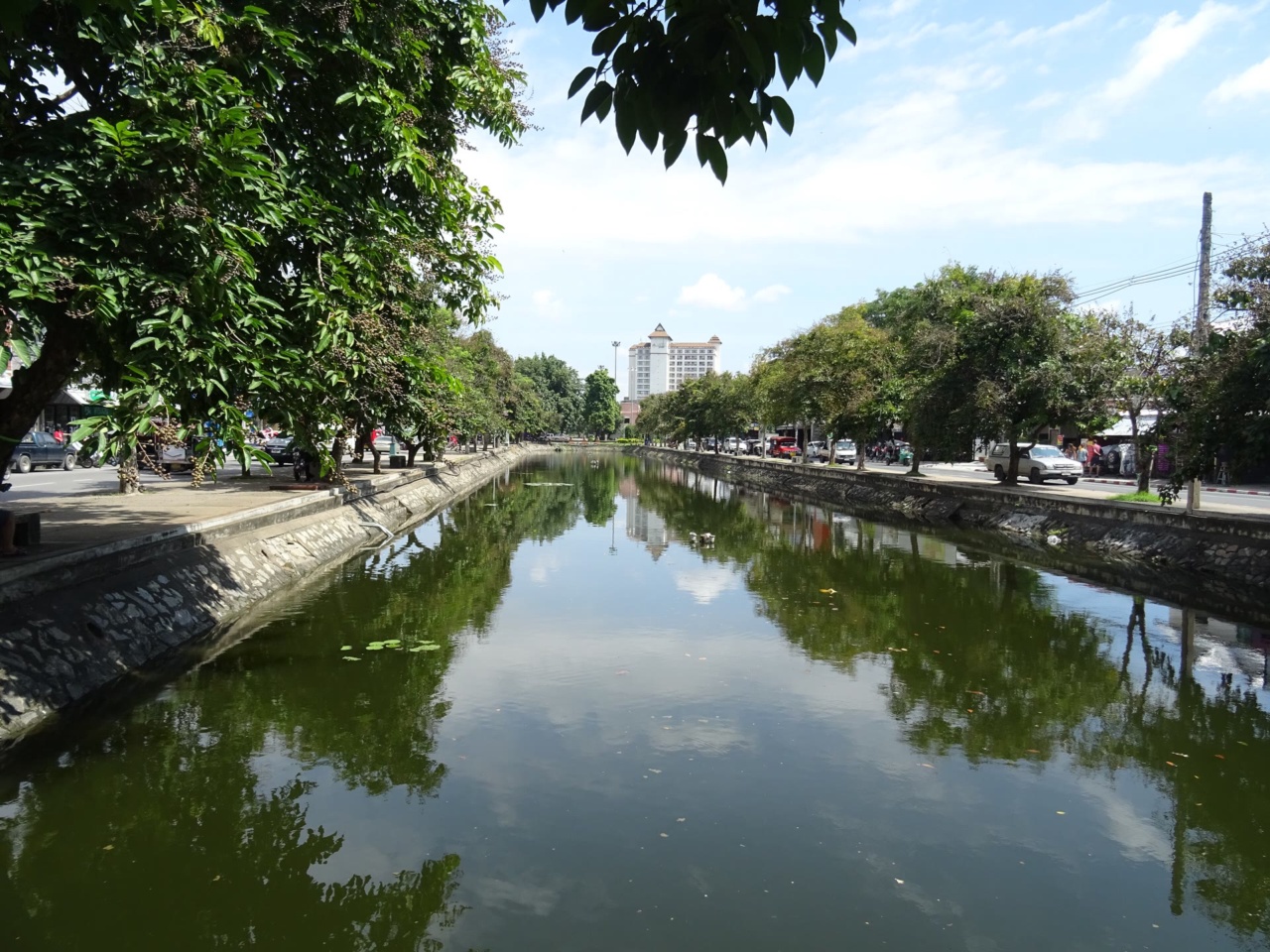
Chiang Mai's layout is anchored by the Old City, a rough square bounded by remnants of ancient walls and a moat. Most first-time visitors orient themselves around this core, but the city extends well beyond it in every direction.
Old City
The historic heart, packed with temples (over 30 within the moat alone), guesthouses, massage shops, and restaurants. Streets are walkable but can feel touristy. Best for first-timers who want everything within reach and don't mind the concentration of fellow travelers. Budget accommodation is plentiful here.
Nimmanhaemin (Nimman)
West of the Old City, this is the trendy district. Think boutique hotels, design shops, hip cafes, and a younger crowd including Thai university students and digital nomads. Nimman is where you go for craft beer, brunch culture, and air-conditioned coworking spaces. Mid-range to upscale stays cluster here.
Riverside (Charoen Rat / Ping River area)
East of the Old City along the Mae Ping River, this area has a mellower vibe with some excellent restaurants, the famous Warorot Market, and a handful of stylish boutique hotels. It is a good compromise between the Old City's temple density and Nimman's modern comforts.
Santitham
North of the Old City and west of Nimman, Santitham is a residential neighborhood that has become a digital nomad favorite. Rents are lower, the food scene is authentic, and it is still walkable or a short bike ride to anywhere central. Great for longer stays.
Hang Dong / South of the City
The southern suburbs are where you find artisan workshops, antique dealers, and large weekend markets. Not ideal as a base unless you have your own transport, but worth visiting for shopping and crafts.
For a first visit of three to five days, staying in the Old City or Nimman gives you the best access. For longer stays, Santitham offers better value and a more local feel.
Things to Do
Offers are only loaded from GetYourGuide after you click. GetYourGuide can then process your IP address and set cookies. Privacy Policy
GetYourGuide partner offers. GoAsia may earn a commission if you book through these offers. Check whether tickets or transfers are included, and follow the attraction's official booking and admission rules.
Best Time to Visit
Chiang Mai has three distinct seasons, and the one you choose makes a significant difference to your experience.
| Season | Months | Weather | Crowds | Notes |
|---|---|---|---|---|
| Cool Season | Nov - Feb | Daytime around 25-30C, nights can drop to 15C or lower in the mountains | High | Best overall weather; book accommodation early for Dec-Jan |
| Hot Season | Mar - May | Extreme heat, 35-40C; burning season creates heavy haze in Mar-Apr | Low | Avoid March-April if possible due to severe air pollution from agricultural burning |
| Rainy Season | Jun - Oct | Afternoon downpours, lush green landscapes, 25-32C | Low-Medium | Rain rarely lasts all day; good deals on accommodation; Sep-Oct are wettest |
The burning season deserves special emphasis. From roughly late February through April, farmers across northern Thailand and neighboring countries burn fields, creating a thick haze that blankets the valley. Air quality can reach hazardous levels. If you have respiratory issues or simply want to enjoy the outdoors, avoid this window entirely.
The cool season is undeniably the best time, especially November through early February. Songkran (Thai New Year water festival) in mid-April is a massive event and Chiang Mai hosts Thailand's most famous celebrations, but it falls right in the smoky season, so weigh that tradeoff. Yi Peng, the lantern festival in November, is magical and worth timing your trip around if dates align.
Getting There and Getting Around
Chiang Mai International Airport (CNX) sits just minutes southwest of the Old City. Domestic flights from Bangkok take about 75 minutes, and budget carriers like AirAsia, Nok Air, and Thai Lion Air offer fares that can be cheaper than the train. Direct international flights connect to several Asian cities including Singapore, Kuala Lumpur, and some Chinese cities.
From the airport, a metered taxi or Grab ride to the Old City costs around $3-5 and takes 15 minutes. Red songthaews (shared pickup trucks) are even cheaper at roughly $1-2 per person if you can find one heading your way.
The overnight train from Bangkok is a classic experience, taking 12-14 hours. A second-class sleeper berth costs around $15-25. Buses from Bangkok take 9-11 hours and cost $12-20 depending on the class. For more transport options and booking details, GoAsia.cc has comprehensive route information.
Getting Around the City
Red songthaews: The backbone of local transport. These red pickup trucks with bench seats in the back cruise fixed-ish routes. Flag one down, tell the driver where you are going, and expect to pay around $1-1.50 per person for trips within the central area. They sometimes wait to fill up, which can be slow.
Grab: Works well in Chiang Mai and is the easiest option for door-to-door trips. Rides within the central area typically cost $1.50-4.
Motorbike rental: Widely available for around $5-8 per day. Traffic is much calmer than Bangkok, making this a viable option if you are comfortable on two wheels. An international driving permit is technically required.
Bicycle: The Old City is flat and compact enough for cycling. Many guesthouses lend bikes for free or rent them for $1-2 per day. Watch for uneven roads and aggressive dogs.
Walkability: The Old City is very walkable. Nimman is walkable within itself. Getting between neighborhoods on foot is doable but can be hot and tiring, especially in the warm months.
Top Sights and Experiences
Must-See Temples
Wat Phra That Doi Suthep: The golden mountaintop temple visible from almost everywhere in the city. A 309-step naga staircase leads to the summit (or take the funicular). The views over Chiang Mai are spectacular, and the temple itself is genuinely stunning. Go early morning to beat tour groups. A songthaew from the Old City to the base costs around $2-3 per person; entry is roughly $1. Allow 2-3 hours including travel.
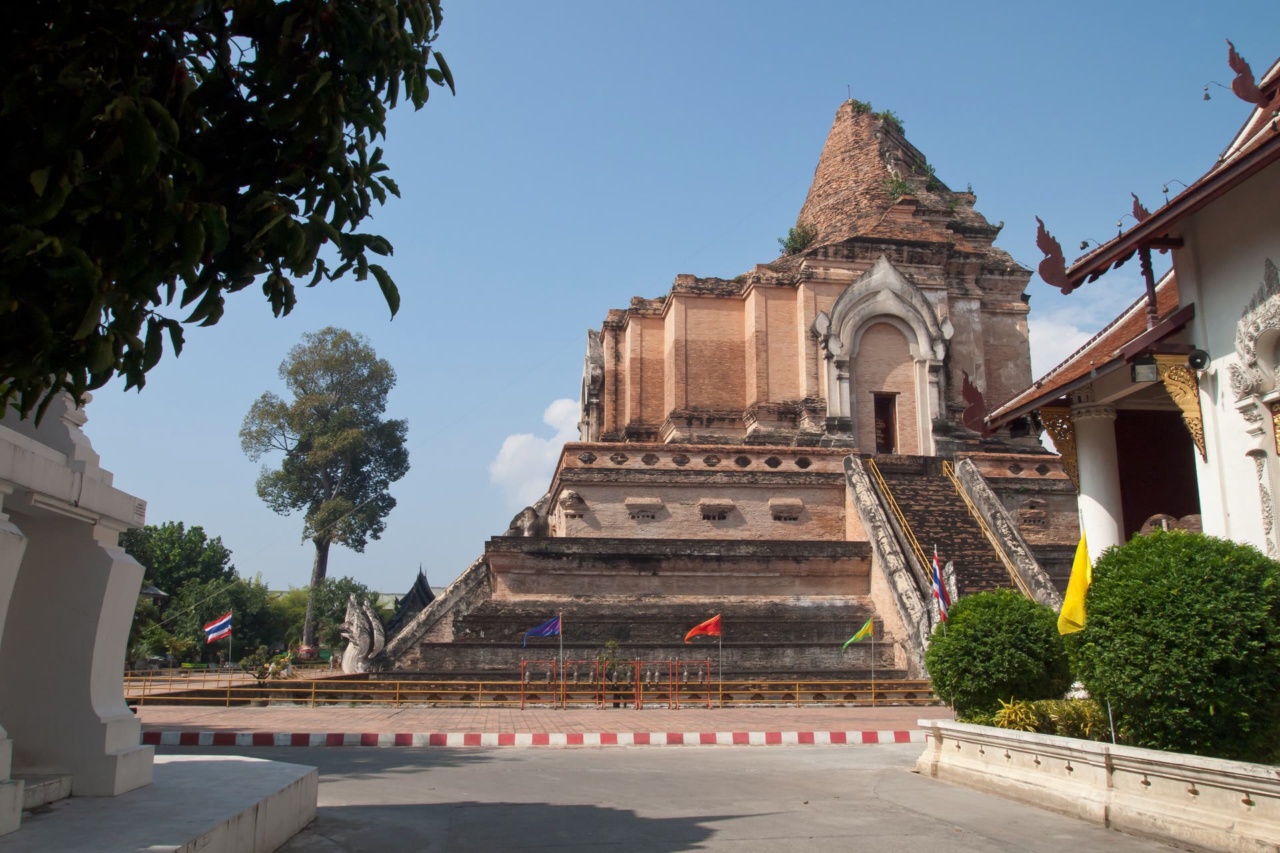
Wat Chedi Luang: A massive ruined chedi in the Old City center, originally built in the 14th century. The scale is impressive even in its partially collapsed state. Free monk chats happen here on certain days, offering a chance to practice English with novice monks while learning about Buddhism. Free entry, though donations are appreciated.
Wat Phra Singh: Home to Chiang Mai's most revered Buddha image and beautiful Lanna-style architecture. The interior murals in the Lai Kham chapel are exceptional. Located in the western Old City. Free entry.
Wat Suan Dok: West of the Old City, this temple has white chedis containing royal ashes set against Doi Suthep. Particularly photogenic at sunset. It also hosts popular meditation retreats and monk chats.
Lesser-Known Gems
Wat Umong: A forest temple about 15 minutes west of the Old City with unique tunnel-like passageways and a peaceful, almost eerie atmosphere. Far fewer tourists than the big-name temples. The surrounding grounds have walking paths and a small lake. Allow 1-2 hours.
Baan Kang Wat: An artist village near Wat Umong with small galleries, studios, and cafes in traditional wooden houses. Open on weekends primarily. A lovely spot to buy original art and crafts directly from makers.
Warorot Market (Kad Luang): The city's largest traditional market near the river. This is where locals shop for dried goods, northern Thai ingredients, clothing, and flowers. The basement food court is excellent and very cheap. Far more authentic than the tourist night markets.
Chiang Mai University Art Museum: A surprisingly good contemporary art space on the CMU campus. Free entry. A quiet escape from temple fatigue.
Experiences Worth Your Time
Cooking classes: Chiang Mai is arguably the best city in Thailand for cooking courses. Half-day classes typically cost $25-40 and include a market visit, instruction on 4-5 dishes, and you eat everything you make. Book one early in your trip so you can identify dishes at restaurants afterward.
Ethical elephant sanctuaries: Several rescue centers north of the city let you observe and feed elephants without riding them. Expect to pay $50-80 for a half-day visit including transport. Research carefully, as not all operations are equally ethical. Look for places that do not offer riding, painting, or circus-style shows.
Night markets: The Saturday Walking Street (Wualai Road) and Sunday Walking Street (Ratchadamnoen Road) are the main events. Sunday is larger and more famous but also more crowded. Both run from late afternoon until around 10-11pm and feature food, crafts, clothing, and live music. Arrive hungry.
Overrated Attractions
Tiger Kingdom: Sedated or heavily conditioned tigers in enclosures that you pose with for photos. Ethically questionable and not a genuine wildlife experience. Skip it.
Chiang Mai Night Bazaar (daily): The permanent nightly market on Chang Klan Road sells mostly mass-produced souvenirs at inflated prices. The Saturday and Sunday walking streets are vastly superior for both quality and atmosphere.
Bua Tong Sticky Waterfalls: Often hyped on social media, the limestone cascades where you can walk up the waterfall are genuinely interesting but require a 90-minute drive each way. Unless you are combining it with other northern attractions, the time investment may not be worth it for a short trip.
Food and Drink
Chiang Mai is one of the great food cities of Asia, and northern Thai (Lanna) cuisine is distinct from what most visitors know from Thai restaurants abroad. The flavors tend toward earthy, herbaceous, and less sweet than central Thai cooking, with Burmese and Shan influences throughout.
Signature Dishes
| Dish | Description | Where to Try | Typical Price |
|---|---|---|---|
| Khao Soi | Coconut curry noodle soup topped with crispy egg noodles, served with pickled mustard greens and shallots. The city's most iconic dish. | Small shophouses throughout the Old City and Nimman; look for places packed with locals at lunchtime | $1.50-3 |
| Sai Oua | Northern Thai herb sausage packed with lemongrass, galangal, kaffir lime, and chili. Smoky and intensely aromatic. | Markets and street stalls, especially the Saturday and Sunday walking streets | $1-2 per portion |
| Khao Kha Moo | Slow-braised pork leg over rice with pickled mustard greens and a boiled egg. Rich, tender, and deeply satisfying. | Street stalls and dedicated khao kha moo shops near Chang Phueak Gate | $1-2 |
| Nam Prik Ong | Northern-style chili dip with minced pork and tomato, served with raw vegetables and crispy pork rinds as part of a khan tok (Lanna-style meal tray) | Traditional Lanna restaurants; also common at cooking classes | $2-5 as part of a set |
| Kanom Jeen Nam Ngiao | Rice noodles in a tangy, spicy broth made with pork blood, tomatoes, and dried chili. Bolder than it sounds. | Morning market stalls and local noodle shops | $1-2 |
Where and How to Eat
Street food and market eating are central to the Chiang Mai experience. The area around Chang Phueak Gate (north side of the Old City) has legendary food stalls that fire up each evening. Warorot Market's food section is outstanding for breakfast and lunch. The university area near Suthep Road has cheap, excellent food catering to students.
For a sit-down meal with more atmosphere, the Nimman area and the riverside have restaurants ranging from casual northern Thai to upscale Thai-fusion. A solid mid-range dinner with drinks runs around $10-20 per person. High-end restaurants exist but top out around $30-50 per person, which is still remarkably affordable by international standards.
Chiang Mai's cafe scene is exceptional. The city has more specialty coffee roasters per capita than almost anywhere in Thailand, many sourcing beans from hill tribe farms in the surrounding mountains. Expect to pay $2-4 for a quality espresso drink.
Craft beer has arrived in force, with several local breweries and taprooms in the Nimman area. A local craft beer runs around $4-6 at a bar. For budget drinking, large bottles of Chang or Leo beer cost roughly $2-3 at restaurants.
Where to Stay
Budget (Under $20 per night)
The Old City is packed with guesthouses and hostels. Dorm beds start around $5-8, and private rooms in simple guesthouses go for $10-18. Santitham also has good budget options with a more local feel. At this price point, expect fans instead of air conditioning in the cheapest rooms, though many places offer AC rooms for a few dollars more.
Mid-Range ($20-60 per night)
This is the sweet spot in Chiang Mai. Boutique hotels with pools, stylish decor, and excellent breakfast start around $30-40. Nimman and the riverside area have the best concentration of mid-range properties. Serviced apartments are excellent value for stays of a week or more, often running $400-600 per month for a furnished studio with kitchen.
Upscale ($60-200+ per night)
Luxury resorts cluster along the Mae Rim road north of the city and in the hills around Doi Suthep. Within the city, several heritage properties in converted teak houses offer high-end stays with Lanna character. The riverside has a few international-brand hotels. Even at the top end, Chiang Mai offers remarkable value compared to Bangkok or the islands.
A unique option is staying at one of the traditional Lanna-style wooden guesthouses scattered through the Old City. These teak buildings offer character that no chain hotel can match, though soundproofing may be minimal.
Practical Tips
Safety: Chiang Mai is one of the safest cities in Southeast Asia for tourists. Violent crime against visitors is extremely rare. The main risks are motorbike accidents (wear a helmet, always) and petty theft in crowded market areas. Solo female travelers generally report feeling very comfortable here.
- Common scams: Tuk-tuk and songthaew drivers quoting inflated prices to tourists (agree on a price before getting in, or use Grab). Gem scams are less common than in Bangkok but still exist. Some tour operators oversell trekking and elephant experiences that don't match the reality.
- Payment: Cash is still king for street food, markets, and songthaews. ATMs are everywhere and dispense Thai baht; most charge a $5-6 fee per withdrawal for foreign cards. Credit cards are accepted at hotels, larger restaurants, and shops. Tipping is not expected at street stalls; 10-20 baht rounding up is appreciated at sit-down restaurants. For spa and massage services, a tip of 50-100 baht is customary.
- SIM cards: Buy a tourist SIM at the airport from AIS, TrueMove, or DTAC for around $5-10 for a week with generous data. Coverage is excellent throughout the city and decent in surrounding mountains.
- Language: English is widely understood in tourist areas, hotels, and restaurants. Outside those zones, basic Thai phrases help enormously. Learning to say "khop khun khrap/kha" (thank you) and "sawasdee" (hello) goes a long way. Google Translate works well for more complex interactions.
- Temple etiquette: Cover shoulders and knees. Remove shoes before entering any building. Do not point feet at Buddha images. Women should never touch a monk or hand anything directly to one.
- Drinking water: Do not drink tap water. Bottled water costs around $0.25-0.50. Ice in restaurants and street stalls is commercially produced and safe.
Day Trips
Doi Inthanon National Park
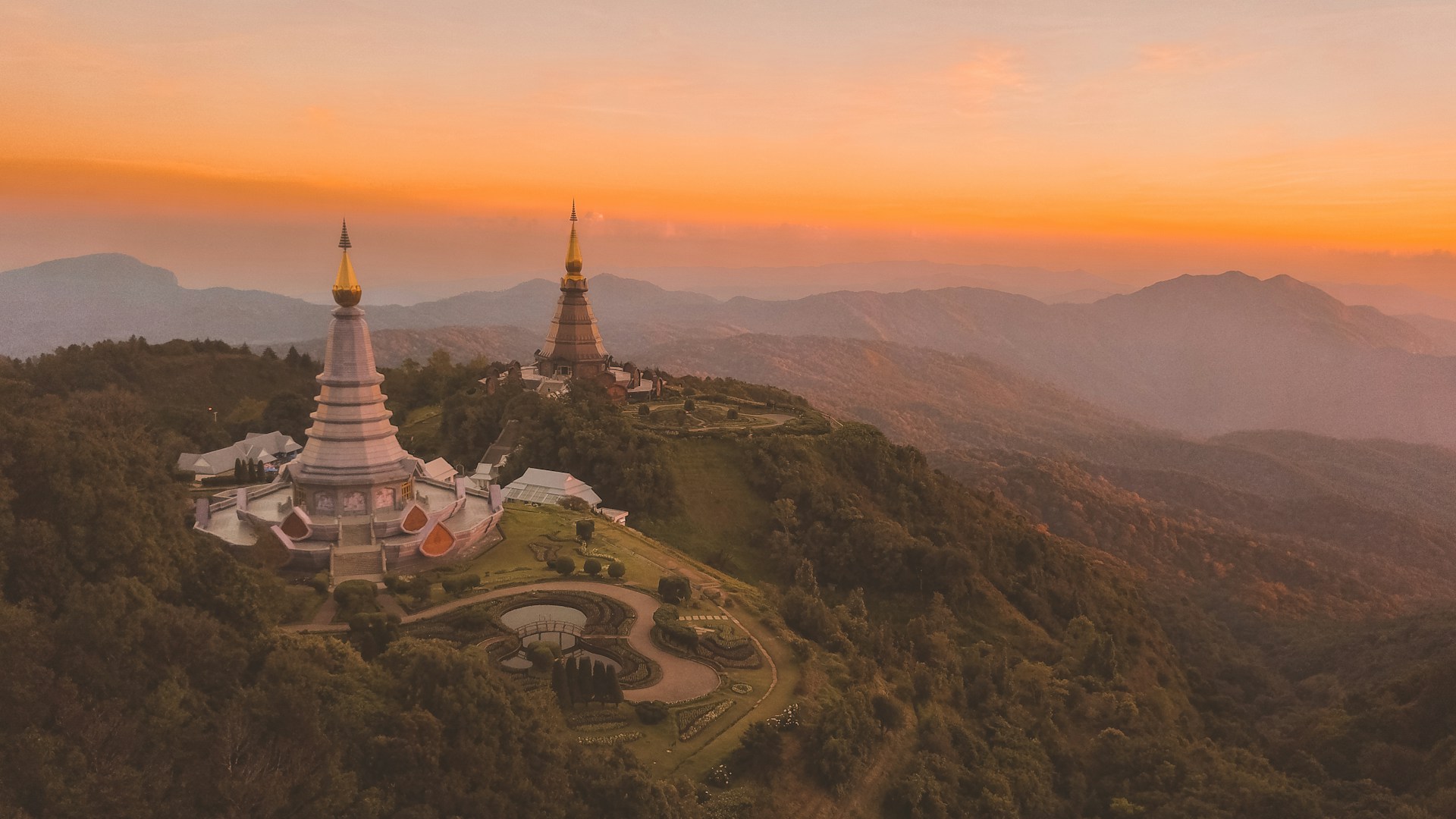
Thailand's highest peak (2,565 meters) is about 90 minutes southwest of the city. The drive passes through Karen and Hmong villages, waterfalls, and cloud forest. The twin chedis near the summit are beautiful, and the temperature drop is a welcome relief. Hire a car or join a tour ($25-40 per person). Worth a full day.
Chiang Rai and the White Temple
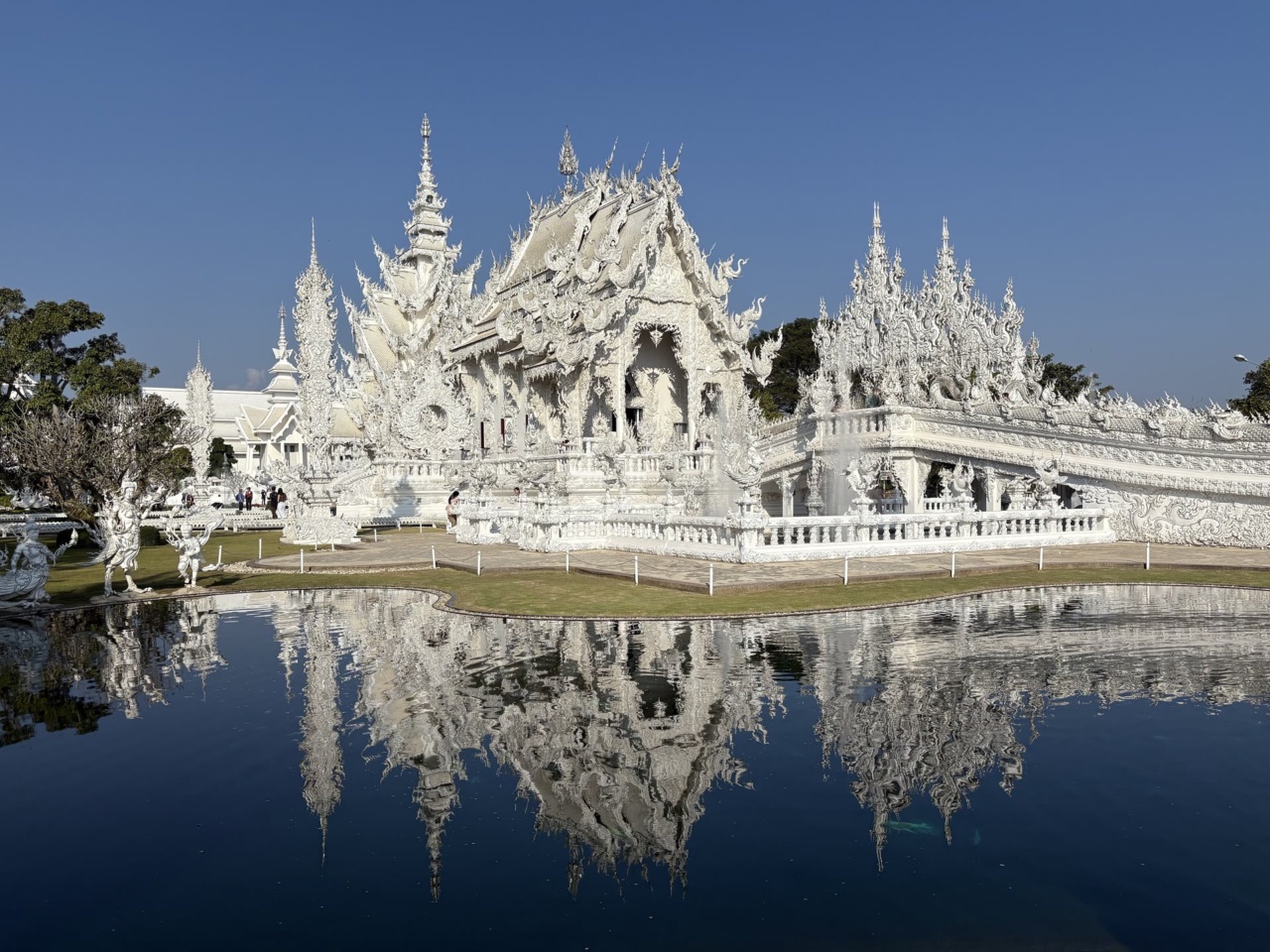
A 3-hour drive north, Chiang Rai makes for a long but rewarding day trip. Wat Rong Khun (the White Temple) is genuinely spectacular and unlike any other temple in Thailand. Combine it with the Blue Temple and the Black House (Baan Dam Museum) for a full day of architectural extremes. Buses run frequently for around $5-8 each way, or join a tour for $20-30. An overnight stay is more relaxed if you have the time.
Pai
A small mountain town 3 hours north via 762 curves of winding road. Pai has hot springs, waterfalls, a laid-back hippie vibe, and beautiful valley scenery. It is worth 2-3 nights rather than a day trip due to the long, winding drive. Minivans cost around $5 each way. Be warned: Pai can feel overly touristy and backpacker-oriented, which either appeals to you or doesn't.
Lamphun
Just 30 minutes south, this ancient Mon kingdom capital has stunning temples (Wat Phra That Hariphunchai is magnificent) with a fraction of Chiang Mai's tourist traffic. Easy to reach by songthaew for under $1. A perfect half-day trip for temple enthusiasts who want a quieter experience.
Mae Kampong Village
A charming hillside village about 50 minutes east of the city, nestled in a lush valley. Known for tea and coffee plantations, a community-based tourism program, and a giant tree canopy walk. Homestays are available if you want to spend the night. Songthaews can be arranged, or join a half-day tour for around $15-25.
Sample 3-Day Itinerary
Day 1: Old City Temples and Night Market
Morning: Start at Wat Chedi Luang for its massive ruined chedi, then walk to Wat Phra Singh for the finest Lanna architecture in the city. Grab a coffee at one of the Old City's many cafes between temples.
Afternoon: Explore Wat Suan Dok for its white chedis and peaceful grounds. Head to Warorot Market for local snacks and to browse the flower and food sections.
Evening: Eat at the Chang Phueak Gate food stalls (try khao kha moo and sai oua). If it is Sunday, walk the Ratchadamnoen Sunday Walking Street instead. If it is Saturday, hit the Wualai Walking Street.
Day 2: Doi Suthep and Cooking Class
Morning: Take a songthaew up to Wat Phra That Doi Suthep early (aim to arrive by 8am). Explore the temple and enjoy the mountain views before the crowds arrive.
Afternoon: Join an afternoon cooking class. Most include a market visit where you learn to identify Thai herbs and ingredients, followed by hands-on cooking of 4-5 dishes.
Evening: Stroll the Nimman area. Browse the boutiques, grab dinner at a northern Thai restaurant, and end with a drink at one of the neighborhood's rooftop bars or craft beer spots.
Day 3: Day Trip or Deeper Exploration
Option A - Doi Inthanon: Leave early for a full-day trip to the national park. Visit the twin chedis, hike the Ang Ka nature trail through cloud forest, and stop at waterfalls on the way back.
Option B - Slower City Day: Morning visit to Wat Umong and the nearby Baan Kang Wat artist village. Afternoon Thai massage (expect to pay around $8-12 for an hour). Explore the riverside area for dinner. End with a visit to the Chiang Mai Night Bazaar area just to see it, even if you buy nothing.
Budget Overview
| Category | Budget | Mid-Range | Comfort |
|---|---|---|---|
| Accommodation | $8-15 | $30-50 | $70-150 |
| Food | $5-10 | $15-25 | $30-50 |
| Transport | $2-5 | $5-10 | $10-20 |
| Activities | $0-5 | $10-25 | $25-60 |
| Daily Total | $15-35 | $60-110 | $135-280 |
Chiang Mai remains one of the best-value destinations in Asia. Budget travelers eating street food and visiting free temples can comfortably get by on $20-30 per day. Mid-range travelers staying in boutique hotels, taking cooking classes, and eating well will spend $60-100 per day and feel like they are living luxuriously. Even at the comfort level, you are getting exceptional value compared to most global destinations.
Frequently Asked Questions
Is Chiang Mai worth visiting?
Absolutely. Chiang Mai offers a unique combination of ancient Lanna culture, exceptional food, affordable living, and natural beauty that is hard to find elsewhere in Thailand. It is especially rewarding for travelers who enjoy temples, cooking, trekking, and a slower pace of travel compared to Bangkok or the southern islands.
How many days do you need in Chiang Mai?
Three days is enough to cover the major temples, take a cooking class, visit Doi Suthep, and explore the night markets. Five days allows you to add a day trip to Doi Inthanon or Chiang Rai and enjoy the city at a more relaxed pace. Many travelers end up extending their stay because the low cost and quality of life make it easy to linger.
Is Chiang Mai safe for tourists?
Chiang Mai is very safe by any standard. Violent crime against tourists is extremely rare, and solo travelers including women generally feel comfortable walking around at night. The biggest risks are motorbike accidents and minor scams like inflated songthaew prices. Use common sense with valuables in crowded markets.
What is the best time to visit Chiang Mai?
The cool season from November through February offers the best weather with comfortable temperatures and clear skies. Avoid March and April when agricultural burning creates severe air pollution that can make outdoor activities unpleasant and unhealthy. The rainy season from June to October is a good budget option with brief afternoon showers and lush green scenery.
What food is Chiang Mai famous for?
Khao soi, a coconut curry noodle soup topped with crispy noodles, is the signature dish. Other must-try items include sai oua (herbed pork sausage), khao kha moo (braised pork leg over rice), and nam prik ong (northern chili dip). Northern Thai cuisine is earthier and more herbaceous than the Thai food most visitors know from restaurants abroad.
Is Chiang Mai expensive?
Chiang Mai is one of the most affordable cities in Asia for travelers. Budget travelers can get by on $20-30 per day, and mid-range travelers spending $60-100 per day will enjoy boutique hotels and excellent meals. Street food dishes cost $1-2, and a quality Thai massage runs around $8-12 per hour.
Can you drink tap water in Chiang Mai?
No, do not drink the tap water. Bottled water is cheap and available everywhere for around $0.25-0.50. Ice in restaurants and street food stalls is commercially produced and considered safe. Many hotels and guesthouses provide free drinking water.
What is the best neighborhood to stay in Chiang Mai?
The Old City is best for first-timers who want walkable access to temples and budget accommodation. Nimman suits travelers who prefer trendy cafes, boutique hotels, and nightlife. Santitham is ideal for longer stays and digital nomads seeking a more local atmosphere at lower prices. The riverside area offers a quieter, more atmospheric alternative.
How do I get from Chiang Mai airport to the city center?
The airport is only about 15 minutes from the Old City. A Grab ride costs around $3-5, and metered taxis are similar. Some hotels offer free airport pickup. Red songthaews are the cheapest option at roughly $1-2 per person but may not be readily available at the airport.
Should I visit an elephant sanctuary in Chiang Mai?
Visiting an ethical elephant rescue center can be a meaningful experience, but research is essential. Choose sanctuaries that do not offer riding, painting, or performances. Expect to pay $50-80 for a half-day visit. Avoid any place that lets you bathe with elephants in ways that clearly stress the animals, and read recent independent reviews before booking.

Routes
🗺️ Getting Around Chiang Mai: Local Transport Guide
→ Routes from Chiang Mai (26)