Songkran Festival in Thailand: The Complete Guide to Thai New Year

Songkran Festival in Thailand: The Complete Guide to Thai New Year

Last updated: March 14, 2026

Every April, Thailand transforms into the world's largest water fight. Songkran, the traditional Thai New Year, blends ancient Buddhist rituals with citywide celebrations that draw millions of visitors from around the globe. Recognized by UNESCO as an intangible cultural heritage, it is far more than splashing strangers with water guns - though that part is undeniably fun.

The festival marks the beginning of the traditional Thai calendar year and carries deep spiritual significance. Families reunite, temples overflow with devotees, and the entire country slows down for three days of merit-making, feasting, and joy. Understanding both the cultural roots and the practical realities of Songkran will help you get the most out of this unforgettable experience.

When Songkran Takes Place

Songkran officially runs from April 13 to 15 each year. April 13 is Maha Songkran, the last day of the old year. April 14 is Wan Nao, a preparation day. April 15 is Wan Taleung Sok, the first day of the new year. In practice, celebrations in popular tourist destinations often start a day or two early and can stretch to a full week. Pattaya, for example, typically extends festivities through April 19, and Chiang Mai's celebrations often spill beyond the official dates as well.

These three days are national holidays, so banks, government offices, and many businesses close. Public transport still operates, but expect reduced schedules and packed buses and trains as millions of Thais travel home to their families.

Things to Do

The Traditions Behind the Water

Before the water pistols come out, Songkran mornings begin with quiet reverence. Thais visit their local temples early to make merit, offer food to monks, and bathe Buddha statues with scented water infused with jasmine or rose petals. This ritual cleansing symbolizes washing away bad luck and starting the new year fresh.

Rod Nam Dam Hua

One of the most touching traditions is Rod Nam Dam Hua, where younger family members gently pour fragrant water over the hands of their parents and grandparents as a sign of respect and gratitude. Elders respond with blessings for the year ahead. If a Thai friend invites you to join their family for this ceremony, consider it a genuine honor.

Sand Pagodas and Temple Offerings

At many temples, visitors build small pagodas from sand in the temple grounds. The tradition holds that people carry grains of sand out on their feet throughout the year, so building sand pagodas returns that sand and earns merit. These structures are often decorated with colorful flags, flowers, and incense.

The White Paste

You will see people with white chalky marks on their cheeks during Songkran. This paste, made from a mixture of mentholated powder and water, is applied gently as a blessing and a symbol of protection. Strangers may dab some on your face - smile and take it as a kind gesture.

Where to Celebrate Songkran

Songkran is celebrated nationwide, but certain cities have earned reputations for delivering particularly spectacular experiences. Each destination offers a different flavor of the festival.

Bangkok

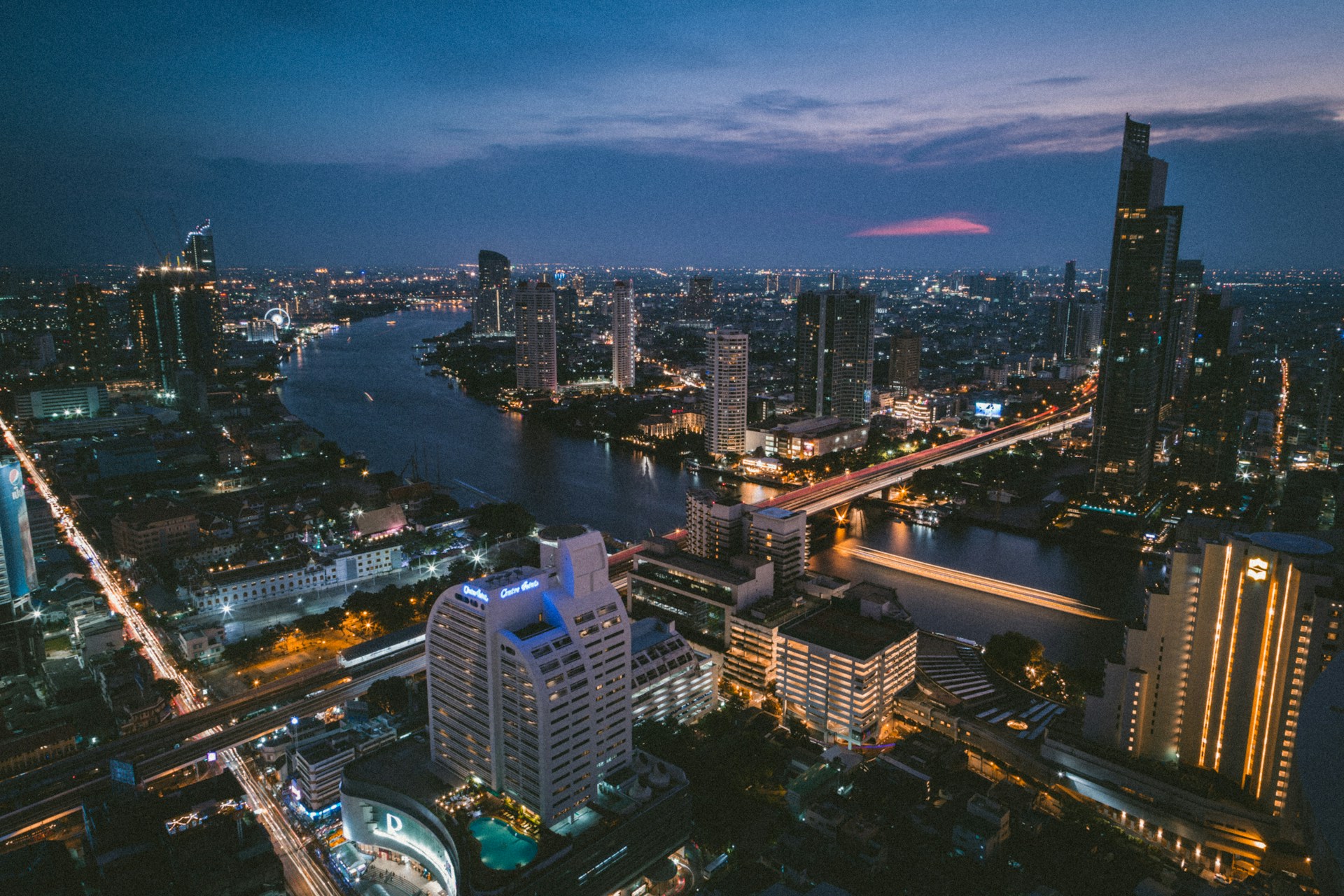
The capital goes all out. Silom Road is the epicenter - a kilometers-long stretch packed shoulder to shoulder with revelers armed with water guns, buckets, and hoses. Expect foam parties, DJ stages, and pickup trucks converted into mobile water cannons crawling through the crowd. Khao San Road is another major hotspot with a backpacker-friendly atmosphere, street food vendors, and nonstop music. The RCA entertainment district and Siam Square area also host large organized events.

For a more traditional experience in Bangkok, visit Wat Pho or Wat Arun in the morning for merit-making ceremonies before heading to the water zones in the afternoon.

Chiang Mai

Many travelers consider Chiang Mai the best place to experience Songkran. The old city moat becomes a massive water battleground, with people lining both sides for kilometers, dousing everyone who walks or drives past. The contained geography of the old city creates an intensity that is hard to match elsewhere. Traditional parades featuring the Phra Buddha Sihing statue wind through the streets, and the Tha Phae Gate area hosts cultural performances alongside the water chaos.

Chiang Mai also tends to start celebrations a day or two early, giving you more time to enjoy the festivities.

Phuket

On the island, Patong Beach and Bangla Road are the main celebration zones. The beach setting adds a different dimension - you can retreat into the ocean to cool off between rounds of water fighting. Phuket Town also holds more traditional ceremonies along its heritage streets. Celebrations here are smaller than Bangkok or Chiang Mai but come with the bonus of a beach holiday wrapped around the festival.

Pattaya

Pattaya runs the longest Songkran celebrations in the country, often extending festivities from April 13 through April 19 under the name "Wan Lai." Beach Road transforms into a water war zone, and the party atmosphere runs from morning to late night. The extended timeline makes Pattaya a solid choice if your travel dates do not perfectly align with the official April 13-15 window.

What to Wear and Bring

You will get soaked. There is no staying dry during Songkran, and attempting to do so will only lead to frustration. Embrace it from the start and dress accordingly.

  • Clothing: Quick-dry shorts and a light t-shirt or tank top. Avoid jeans, cotton, and anything that gets heavy when wet. Many locals wear colorful Hawaiian-style shirts - joining in adds to the fun.
  • Footwear: Waterproof sandals with good grip. The streets become slippery, and flip-flops tend to break or slide off in crowds. Sport sandals or water shoes work best.
  • Phone protection: A waterproof phone pouch is essential, not optional. Buy one before you arrive - they sell out fast at convenience stores during Songkran. Make sure it seals properly and test it before putting your phone inside.
  • Cash: Carry small bills in a ziplock bag. Many ATMs shut down or run out of cash during the festival. Street food and water gun refills are cash-only.
  • Sunscreen: Apply generously and reapply often. The April sun in Thailand is intense, and the water washes sunscreen off quickly. Waterproof SPF 50 is ideal.

How the Water Fights Work

The rules of engagement are simple: everyone is fair game. Locals set up stations outside their homes and businesses with barrels of water, ice buckets, and garden hoses. Pickup trucks loaded with drums of water cruise the streets with passengers splashing everyone in range. You can buy water guns of varying sizes from street vendors - small pistols start around $2, while large pump-action guns cost $5 to $15.

Ice water is common and is considered a playful escalation. Getting hit with a bucket of ice water on a 38-degree day is a shock, but it cools you down fast. Some revelers mix the white blessing paste with water for an extra layer of festive mess.

The water fighting typically starts around late morning and intensifies through the afternoon, winding down by evening when many areas shift to live music, street food, and socializing. By nightfall, the atmosphere changes to a more typical festival scene with concerts, food markets, and dancing.

Cultural Etiquette and Safety

Songkran is overwhelmingly friendly, but a few guidelines will keep you safe and respectful.

  • Do not spray monks, elderly people, or babies. Monks are off-limits entirely. If you see someone clearly not participating - carrying groceries, dressed for work, sheltering under an umbrella - leave them alone.
  • Do not spray water at motorcyclists or moving vehicles. This causes accidents and injuries every year. Stationary vehicles stuck in traffic are generally fair game, but never aim at someone's face while they are driving.
  • Respect temple grounds. If you visit a temple during Songkran, participate in the water-blessing rituals gently and reverently. The wild water fights happen on the streets, not inside temple compounds.
  • Watch your alcohol intake. The combination of heat, dehydration, sun, and alcohol leads to serious problems every year. Drink plenty of plain water between any alcoholic beverages.
  • Road safety: Traffic accidents spike dramatically during Songkran. Avoid riding motorcycles if possible, and be extremely cautious crossing streets. Wet roads, impaired drivers, and general chaos make this the most dangerous time to be on Thai roads.
  • Secure your valuables. Pickpocketing increases in dense crowds. Leave your passport, extra cash, and anything you cannot afford to lose at your hotel. Use the room safe.

Practical Tips for Songkran

Accommodation

Book your hotel at least two to three months in advance. Songkran is peak season, and prices in Bangkok, Chiang Mai, and Phuket jump significantly. Hostels and guesthouses near celebration zones sell out first. Choose a hotel within walking distance of the main festivities so you do not need to navigate traffic-clogged streets to get home soaking wet.

Getting Around

Many roads close during peak celebration hours. In Bangkok, the BTS Skytrain is your best friend - the Sala Daeng station drops you right at the Silom water zone, and trains run throughout the festival. Taxis and ride-hailing apps still work but expect surge pricing and long waits. In Chiang Mai, most of the action is walkable from old city accommodations.

Food and Hydration

Street food stalls operate throughout the festival, and some of the best eating happens during Songkran. Look for khao chae, a traditional Songkran dish of chilled rice served in jasmine-scented water with delicate side dishes - it is only widely available during this time of year. Stay hydrated aggressively. The April heat combined with constant physical activity can lead to heat exhaustion faster than you expect.

Photography

If you want photos, bring a waterproof camera or a rugged action camera. Even with a waterproof phone pouch, operating a touchscreen through plastic is frustrating. A GoPro or similar camera handles the conditions far better and captures the chaos beautifully. The best photo opportunities come in the early morning temple ceremonies and the first hour of water fighting when the energy is at its peak.

For more travel guides covering Thailand and destinations across Asia, explore what is available on GoAsia.cc - from transport guides to city itineraries, there is plenty to help you plan your trip around Songkran and beyond.

Frequently Asked Questions

What is Songkran and when does it take place?

Songkran is the traditional Thai New Year festival, celebrated annually from April 13 to 15. It combines ancient Buddhist merit-making rituals with massive citywide water fights. The three days are national holidays across Thailand, though celebrations in cities like Pattaya and Chiang Mai often extend beyond the official dates.

How much does it cost to celebrate Songkran in Thailand?

Songkran itself is free to participate in - the water fights happen on public streets. Your main costs are accommodation (which rises during this peak period), water guns ($2 to $15 from street vendors), and food. Budget around $3 to $5 for a waterproof phone pouch and carry cash in small bills since many vendors do not accept cards.

How do I prepare for Songkran water fights?

Wear quick-dry clothing and waterproof sandals with good grip. Put your phone in a sealed waterproof pouch, carry cash in a ziplock bag, and leave valuables at your hotel. Apply waterproof sunscreen generously. Buy a water gun from any street vendor once celebrations begin - refill stations are everywhere.

Which city is the best place to celebrate Songkran?

Chiang Mai is widely regarded as the most iconic Songkran destination, with water battles centered around the old city moat. Bangkok offers the largest scale celebrations on Silom Road and Khao San Road. Pattaya extends the festival to nearly a week, and Phuket combines water fights with beach relaxation. Each city offers a distinct experience.

Is Songkran safe for tourists?

Songkran is generally very safe and welcoming to visitors. The main risks are road accidents (avoid motorcycles), sunburn, dehydration, and pickpocketing in dense crowds. Never spray water at motorcyclists or moving vehicles, and drink plenty of plain water throughout the day to counter the intense April heat.

Can I avoid getting wet during Songkran?

Practically speaking, no - not if you are walking on any public street during celebration hours. Staying in your hotel room or visiting indoor shopping malls are the only reliable ways to stay dry. Most travelers embrace the soaking as the whole point of the festival. If you truly need to stay dry, plan indoor activities during peak hours.

What is the cultural significance of the water?

Water during Songkran symbolizes cleansing and renewal. Pouring water over Buddha statues and elders' hands washes away misfortune from the past year and brings blessings for the year ahead. The street water fights evolved from these gentle blessing rituals into the joyful nationwide celebration visitors experience today.

Should I book accommodation in advance for Songkran?

Absolutely. Book at least two to three months ahead, especially in Chiang Mai, Bangkok's Silom and Khao San areas, and Phuket. Prices surge during Songkran and properties near celebration zones sell out fast. Choose accommodation within walking distance of festivities to avoid dealing with closed roads and gridlocked traffic.