Thailand has coastlines on both the Andaman Sea and the Gulf of Thailand, and ferries connect the islands to the mainland and to each other. For many travelers, the moment a longtail boat or high-speed catamaran leaves a pier marks the true beginning of a Thai island trip. The experience varies from small wooden boats between tiny communities to air-conditioned vessels crossing open water.
The Ferry Network in Thailand
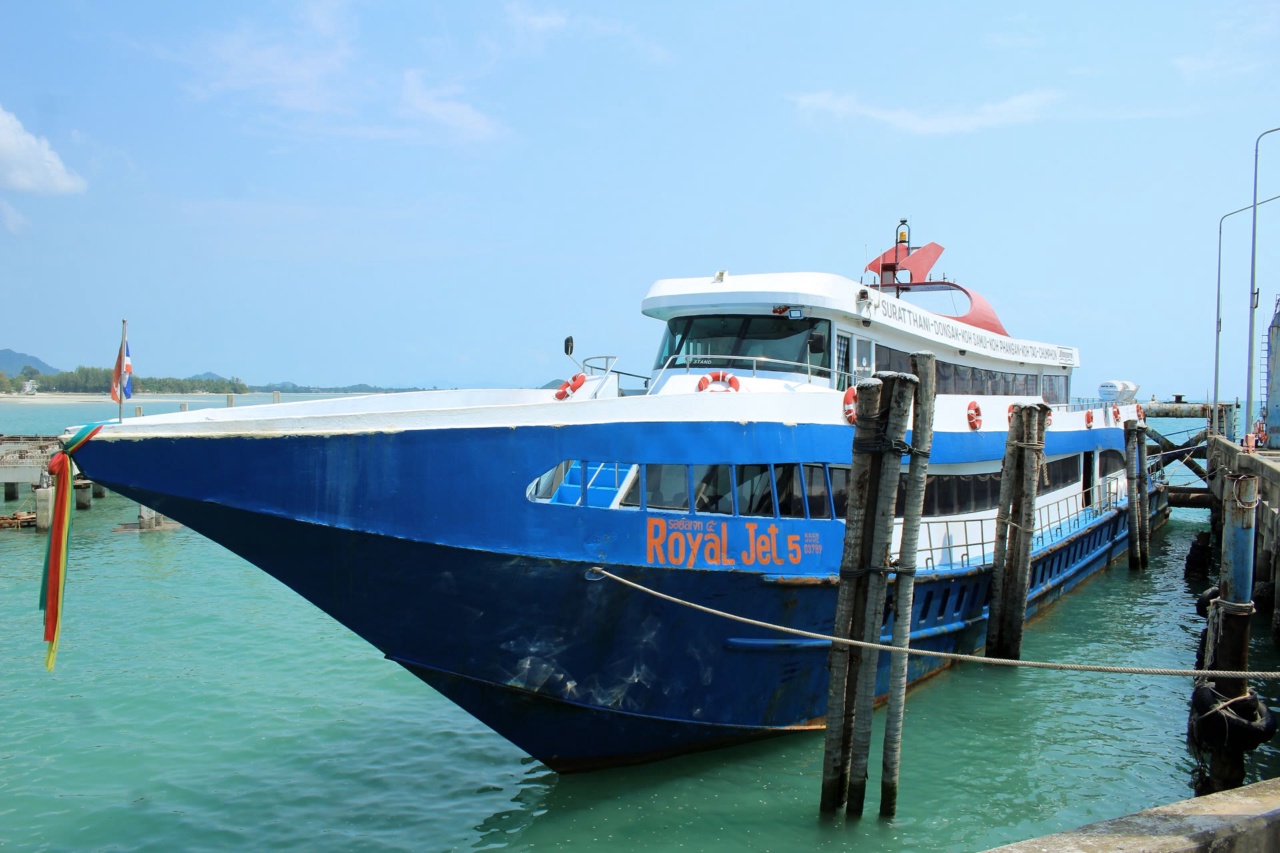
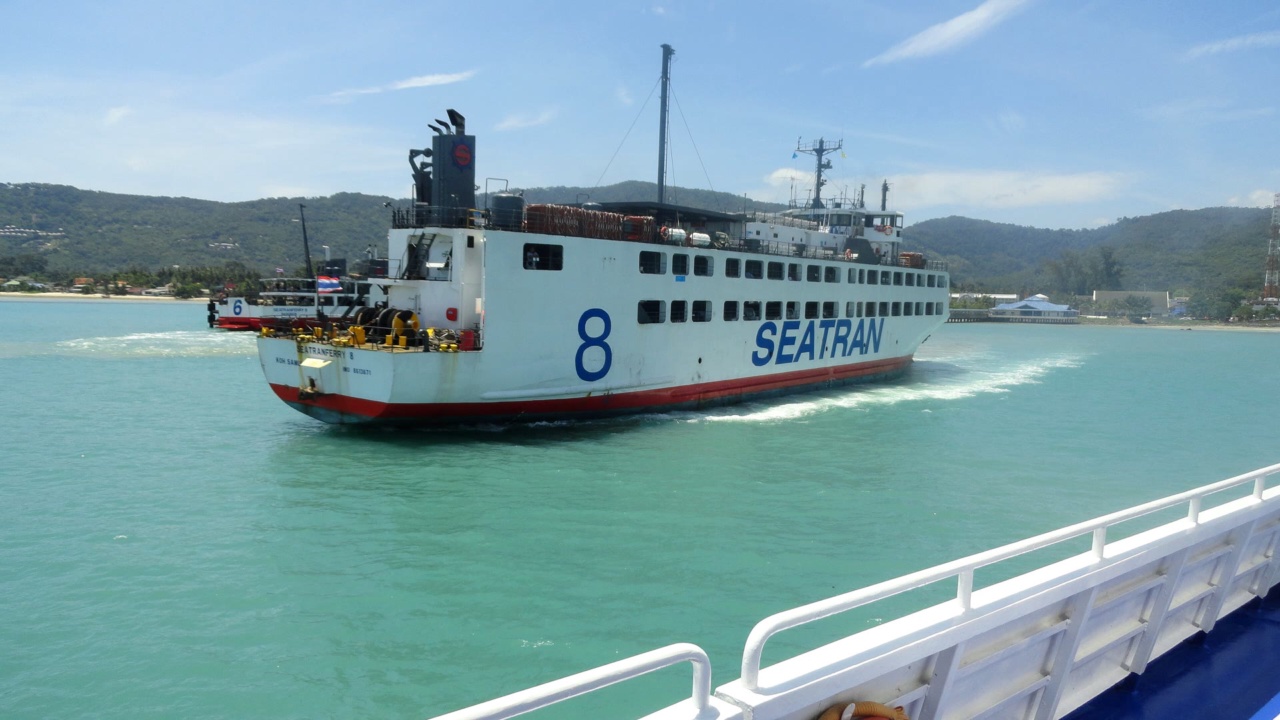
On the Gulf of Thailand side, ferries connect mainland piers to islands such as Koh Samui, Koh Phangan, Koh Tao and Koh Chang. Koh Samui and Koh Phangan are reached from Donsak in Surat Thani province, where Seatran and Raja Ferry operate.[1][2] Koh Tao is reached from Chumphon, where Lomprayah runs speed boats.[3] Koh Chang is reached by ferry from Ao Thammachat pier or Center Point pier near Trat.[3] On the Andaman side, speed boats to Koh Lipe leave from Pak Bara pier in Satun province.[3]
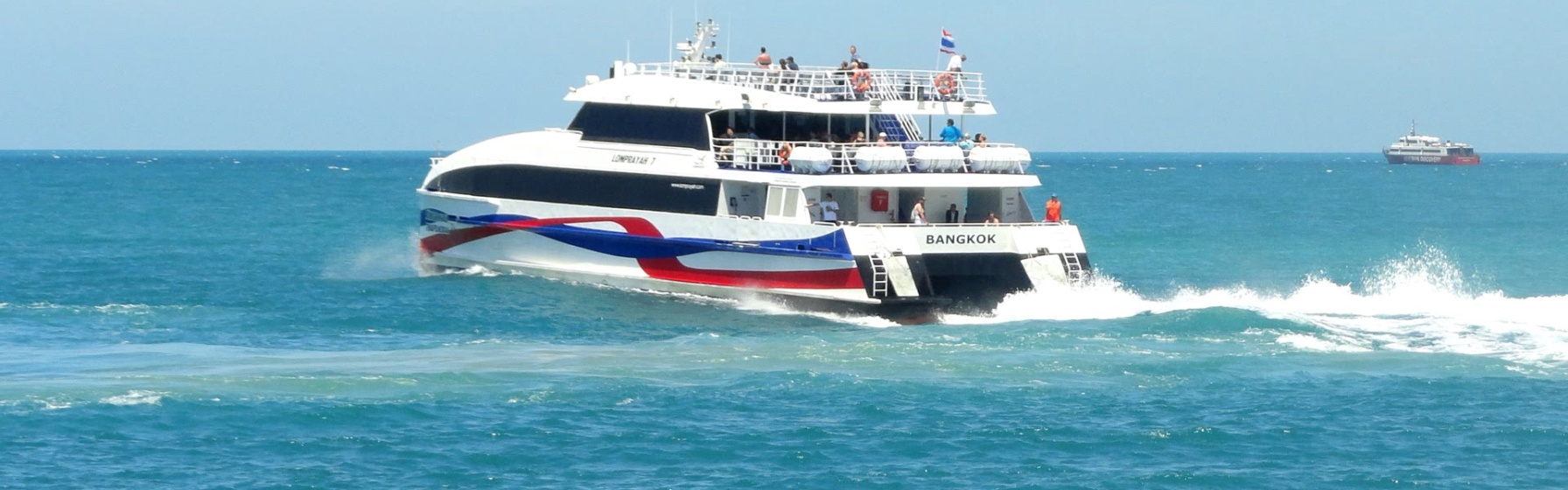
Lomprayah runs high-speed catamarans, speed boats, vehicle ferries and bus-and-boat joint tickets between the mainland and Koh Samui, Koh Phangan and Koh Tao.[4] Raja Ferry operates ferries from Donsak to Koh Samui and to Thong Sala on Koh Phangan.[2] The Tourism Authority of Thailand names Lomprayah, Seatran Discovery and Songserm for reaching Koh Tao via Koh Samui.[5]
Coverage is good for the major tourist islands and thinner for less-visited ones. Some routes stop in the rainy season. The island national parks off Satun, including Ko Tarutao and Ko Petra, close every year from 16 May to 15 November, and boat travel off Satun is dangerous from May to October because of heavy rain.[6] For Koh Tao, the Tourism Authority of Thailand recommends visiting from the end of December to September.[5]
Classes and Comfort Levels
Thai ferries come in several categories, and the experience varies between them.
About 90 to 120 minutes on Lomprayah routes, about 1 hour 30 minutes from Donsak to Koh Samui[4][1]
Open-air decks, basic seating, space for vehicles
Travelers bringing motorbikes or cars to Koh Samui or Koh Chang
Speedboat
Very fast
Small open boats that can be rough in choppy water
Short hops, private charters, reaching remote islands such as Koh Lipe[3]
Longtail boat
Slow
Basic wooden boat with a converted car engine
Short beach-to-beach transfers, local island hopping
Car ferries tend to be simple, with open-air seating areas, but the slower pace and sea breeze make them pleasant. Speedboats can be an intense experience in rough seas, so those prone to motion sickness should choose the largest available vessel.
The most convenient approach is to book online in advance, especially in peak season, when popular routes can sell out. Platforms like GoAsia.cc let you compare operators, departure times and combination bus-and-ferry packages side by side, which is useful for island-hopping itineraries. Most operators also sell tickets through their own websites.
Many travelers buy joint tickets that bundle a minivan or bus transfer to the pier with the ferry crossing. Lomprayah and Seatran both sell such combinations.[4][1] On holidays and busy weekends, walk-up tickets at the pier are a gamble, so book ahead. For quieter routes and off-peak periods, buying at the pier on the day of travel is often fine.
Arrive at the pier early. Some operators scan a QR code from your phone, while others exchange your booking confirmation for a boarding pass at a check-in counter.
What to Expect on Board
The journey itself is often one of the highlights of a Thai trip. Food and drink options vary by operator, and speedboats and longtails usually offer nothing, so bring water and snacks. Luggage is stored in a designated area on larger boats or placed on the floor of smaller boats, so keep valuables with you. Wi-Fi and charging ports are rare, so bring a power bank. Mobile signal tends to drop out mid-crossing but returns as you approach the islands. On some boats you remove your shoes when entering the air-conditioned cabin, following the Thai custom, so watch what other passengers do.
Tips for Ferry Travel in Thailand
Check the season. Boats on the Andaman coast stop or become dangerous in the rainy season, and the Gulf coast has its own weather.[6] Some routes do not operate in low season, so confirm with the operator.
Beware of the full moon party effect. Around every full moon, boats to and from Koh Phangan fill up fast. Book a few days ahead if your travel coincides with this event.
Sit near the center of the boat if you are prone to seasickness. The back of a catamaran experiences the most motion.
Arrive early at the pier. Multiple operators depart from nearby but different piers, so confirm exactly which pier your operator uses.
Protect your electronics. Spray is common on speedboats and longtails. A dry bag helps protect cameras, phones and passports.
Keep your ticket. Some operators check tickets again on arrival, and you may need it to claim a connecting minivan on the other side.
Sources and background
Numbers in the text such as [1] refer to these sources.
[1]Seatran Ferry Company: Seatran Ferry. Retrieved October 15, 2026.