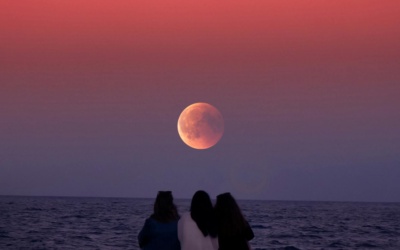
Koh Phangan is a Gulf of Thailand island that has evolved far beyond its Full Moon Party reputation into a genuine wellness hub, digital nomad haven, and tropical escape with some of the best beaches in Southeast Asia.
The bass hits you before you even see the beach. Thousands of neon-painted bodies pulse under a canopy of black light at Haad Rin, and for many travelers, this Full Moon Party spectacle is all they know of Koh Phangan. But walk ten minutes north along the coast, and you will find a silent beach where the only sound is the lap of warm water against granite boulders. That contrast defines this island: it is simultaneously Thailand's wildest party destination and one of its most serene wellness retreats, and the two worlds coexist with surprisingly little friction.
Koh Phangan sits in the Gulf of Thailand, approximately 100 kilometers from Surat Thani city, with the larger Koh Samui to the south and the dive island of Koh Tao to the north.[1] Much of the island is covered in dense tropical jungle with a mountainous spine. Unlike Koh Samui, which has been heavily developed, Phangan retains a raw, slightly untamed quality. Roads in the interior are steep and unpaved, electricity arrived in some areas only a few decades ago, and wild monitor lizards still wander through restaurant gardens.
The island draws a remarkably diverse crowd. Backpackers come for the parties and cheap bungalows. Yoga practitioners and detox seekers flock to the northern and western coasts for month-long retreats. Digital nomads set up in co-working spaces with ocean views. Families quietly enjoy the calm bays of the north. And increasingly, mid-range and upscale travelers discover that Phangan offers luxury at a fraction of Samui prices. Whatever your reason for coming, the island has a corner that fits.
Orientation and Neighborhoods
Think of Koh Phangan as a rough circle with a mountainous, jungle-covered center. The main port town of Thong Sala sits on the southwest coast and serves as the island's commercial hub. This is where ferries dock, where you will find the largest supermarkets, ATMs, pharmacies, and the famous night market. It is practical rather than pretty, but staying here puts you close to transport and supplies.
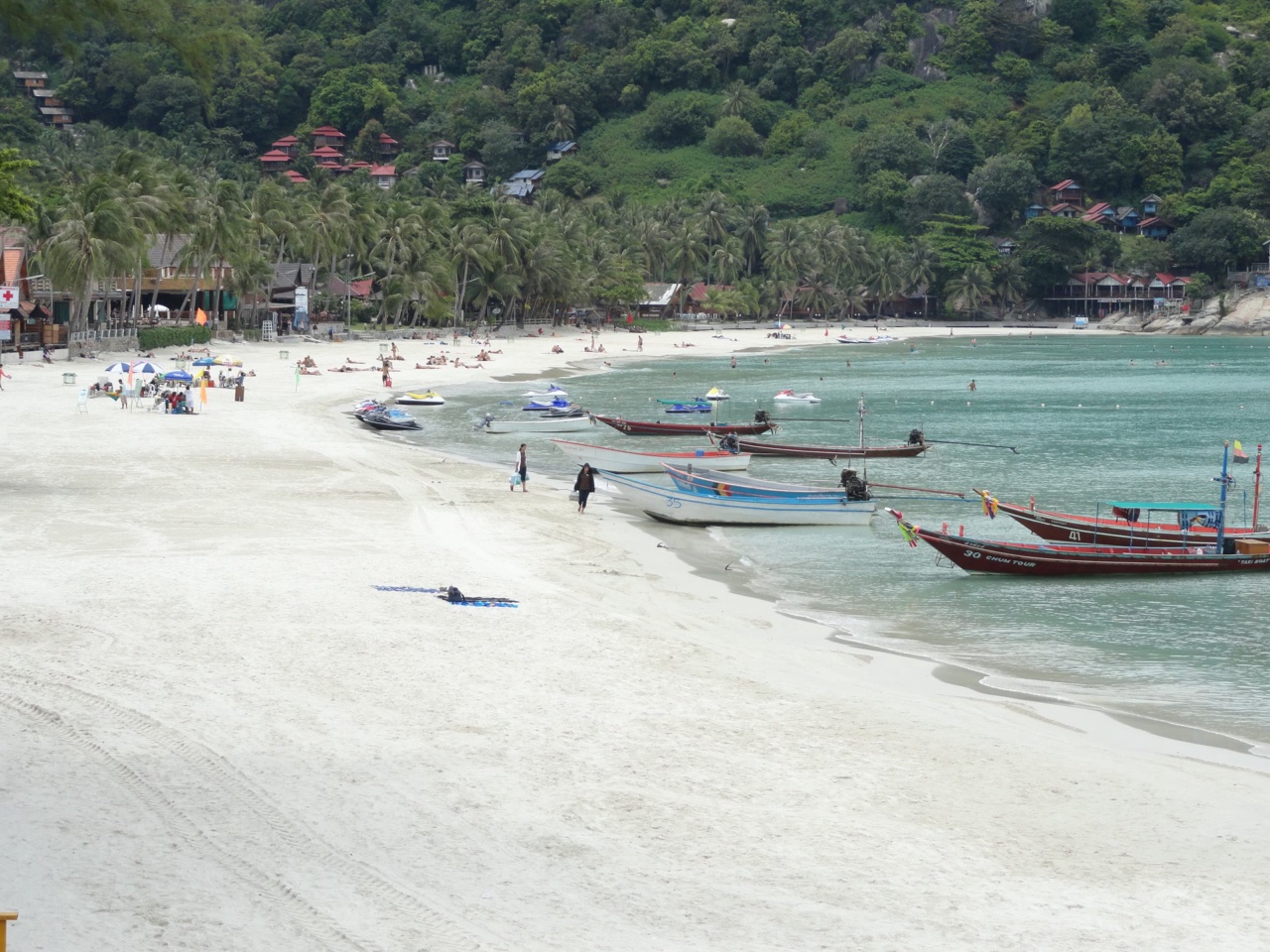
Haad Rin, on the southeastern tip, is the party peninsula. Haad Rin Nok (Sunrise Beach) hosts the Full Moon Party, which is held every full moon,[1] and is lined with bars, hostels, and cheap eats. Outside of party nights, it is a perfectly pleasant beach with good swimming. Haad Rin Nai (Sunset Beach) on the opposite side is calmer and better for families. If you want to be in the thick of nightlife, this is your base.
Sri Thanu and Haad Chao Phao on the west coast form the island's wellness corridor. Yoga shalas, vegan cafes, kombucha bars, and meditation centers cluster here. The vibe is laid-back and slightly hippie, with beautiful sunset views over the water. This area suits long-stay travelers, wellness seekers, and digital nomads.
Haad Salad and Haad Yao on the northwest coast offer some of the best all-round beaches: clean sand, good snorkeling off the rocks, a handful of quality restaurants, and enough accommodation options across all budgets. These are strong picks for travelers who want beach beauty without party noise.
Thong Nai Pan (Noi and Yai) on the northeast coast feels like a separate island. Reached by a steep, winding road that is partly unpaved, these twin bays are strikingly beautiful with soft sand and turquoise water. Accommodation ranges from backpacker bungalows to boutique resorts. The relative isolation is both the appeal and the drawback: you will need a scooter or pay for songthaew rides to reach the rest of the island.
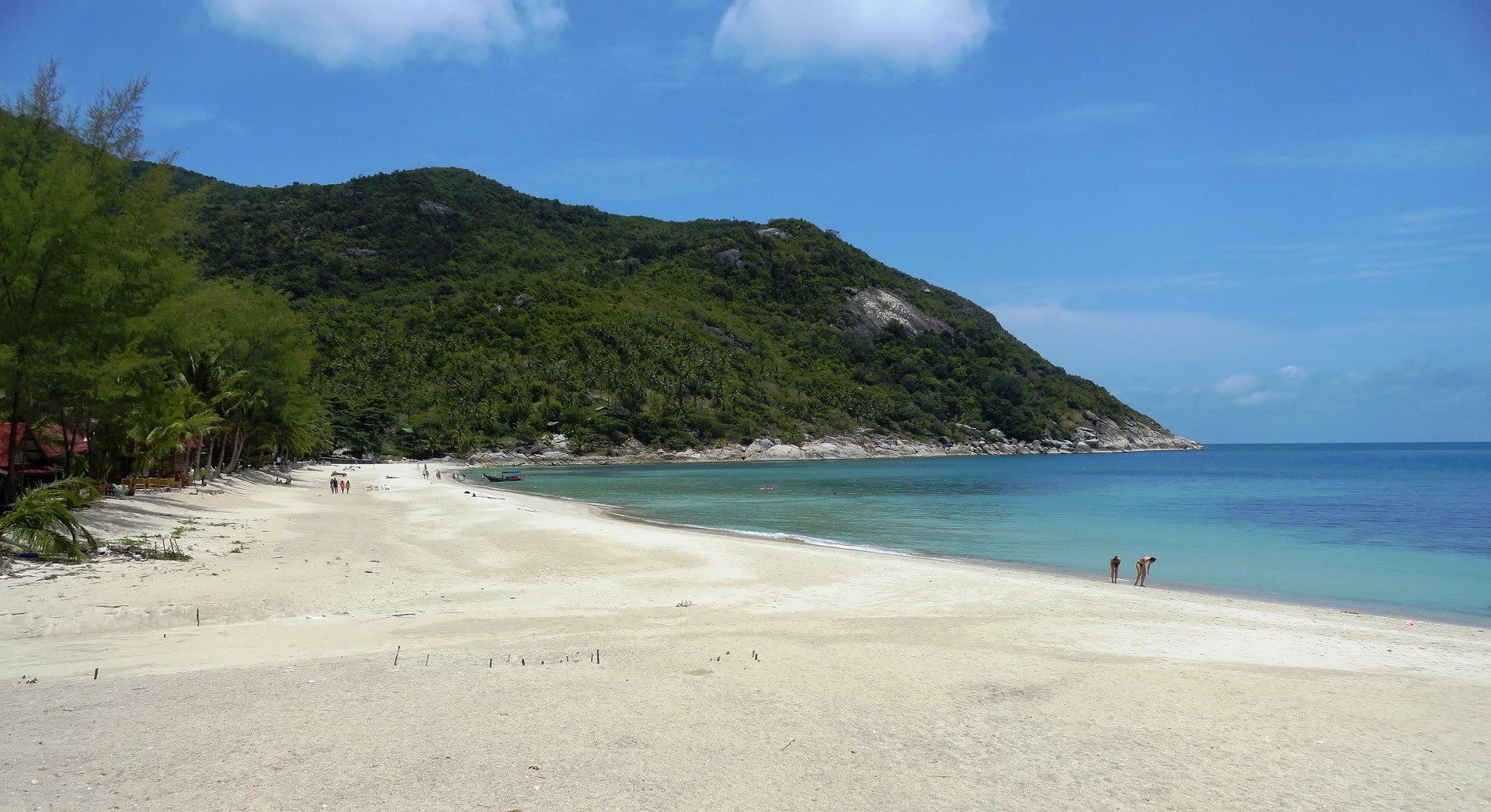
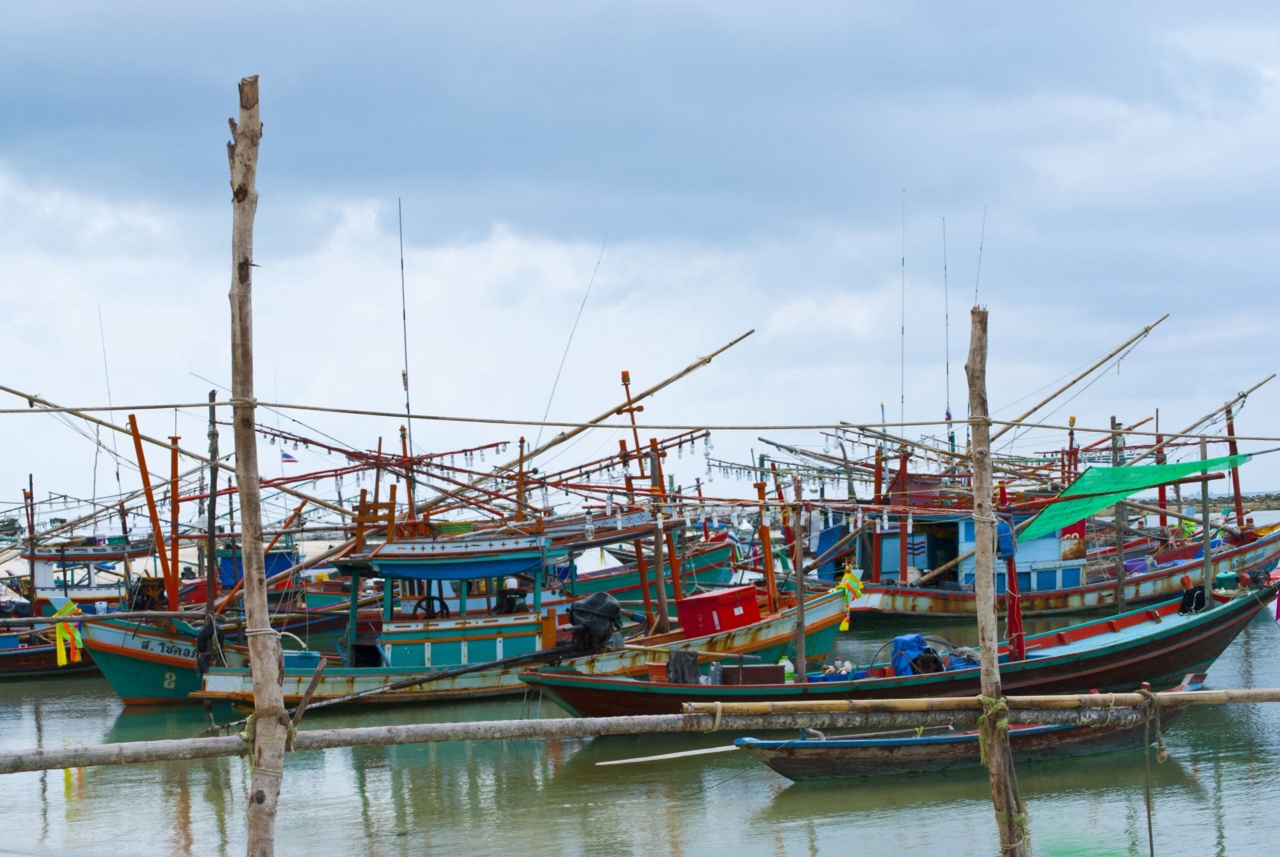
Chaloklum, a fishing village on the north coast, is the most authentically Thai settlement on the island. Fresh seafood is cheaper here than anywhere else, and the pier is the launching point for boats to the stunning Bottle Beach (Haad Khuat), which is inaccessible by road. Chaloklum suits travelers who prefer local atmosphere over tourist infrastructure.
Things to Do
Offers are only loaded from GetYourGuide after you click. GetYourGuide can then process your IP address and set cookies. Privacy Policy
GetYourGuide partner offers. GoAsia may earn a commission if you book through these offers. Check whether tickets or transfers are included, and follow the attraction's official booking and admission rules.
Best Time to Visit
Koh Phangan has a tropical climate with temperatures hovering between 25 and 33 degrees Celsius year-round. The key variable is rain, and it follows the Gulf of Thailand monsoon pattern, which differs from the Andaman coast.
Period
Weather
Crowds
Prices
Dec - Feb
Dry, sunny, occasional brief showers. Best overall weather.
High
Peak
Mar - Apr
Hot and humid, still mostly dry. Songkran (Thai New Year) in April.
Moderate to High
Moderate to High
May - Jun
Increasing rain, but often sunny mornings. Seas still calm enough for boats.
Low
Low
Jul - Sep
Intermittent rain, some sunny stretches. Occasional storms.
Low to Moderate
Low
Oct - Nov
Heaviest monsoon rains, rough seas, occasional flooding. November is worst.
Very Low
Lowest
The sweet spot for most travelers is January through March: reliable sunshine, calm seas for snorkeling and island hopping, and the Full Moon Party at its biggest. The trade-off is higher prices and more crowded beaches. If you want solitude and do not mind afternoon rain showers, May through June offers dramatically lower prices with still-enjoyable conditions.
Full Moon Party dates follow the lunar calendar and happen once monthly. Half Moon and Black Moon parties fill the gaps. If you specifically want to attend, check dates in advance and book accommodation early, as Haad Rin sells out. Conversely, if you want to avoid party chaos, plan your stay to not overlap with Full Moon dates.
Getting There and Getting Around
Koh Phangan has no airport. The nearest one is on Koh Samui (USM). From there, take a taxi to one of the piers and catch a boat to Koh Phangan. Lomprayah runs catamaran and speedboat crossings from Koh Phangan to Koh Samui in about 30 minutes from 350 baht (about $10), and a slower ferry that takes about 1 hour from 250 baht (about $7).[2]
The alternative is to fly into Surat Thani airport (URT) on the mainland. From there, combined bus-and-boat tickets run to Koh Phangan; Lomprayah sells combined bus-and-boat tickets from Surat Thani airport and boat tickets from Donsak pier.[3] You can compare and book ferry and combined transport tickets on GoAsia.cc for current schedules.
Boats also connect Koh Phangan with Koh Tao for easy island hopping. From Koh Tao to Koh Phangan, Lomprayah's speedboat takes 45 minutes (700 baht, about $21), the catamaran 1 hour 15 minutes (600 baht, about $18) and the ferry 1 hour 40 minutes (450 baht, about $13).[2]
Getting Around the Island
Scooters are the default transport, renting for around $5 to $8 per day for a 125cc automatic. Always check brakes and tires before riding, take photos of existing damage, and never leave your passport as a deposit (offer a cash deposit or a photocopy instead). The roads between Thong Sala, Haad Rin, and the west coast are paved and manageable. Roads to Thong Nai Pan and Bottle Beach are steep, rutted, and genuinely dangerous for inexperienced riders, especially after rain.
Songthaews (converted pickup trucks with bench seating) run fixed routes from Thong Sala to most beaches, costing roughly $2 to $5 per person depending on distance. After dark, they function more like shared taxis at higher prices, around $5 to $10. On Full Moon Party nights, dedicated songthaew services run to and from Haad Rin all night.
Longtail boats are the only way to reach Bottle Beach and some secluded northern coves, typically costing $5 to $10 per person from Chaloklum. Water taxis between beaches can be arranged but are pricier.
The island is not walkable in any practical sense due to distances and hills, though individual beach areas like Haad Rin or Sri Thanu are fine to explore on foot.
Top Sights and Experiences
Must-See Beaches
Bottle Beach (Haad Khuat) is the island's most beautiful stretch of sand, a crescent of white powder backed by jungle and accessible only by boat from Chaloklum (10 minutes, around $5) or a steep jungle hike from Chaloklum village (about 40 minutes). Arrive before 11 AM to have it nearly to yourself. A few simple restaurants serve food, and basic bungalows allow overnight stays for the full castaway experience.
Thong Nai Pan Noi is a contender for the prettiest bay, with fine sand, clear water, and a handful of upscale resorts mixed with budget bungalows. The swimming is excellent and the bay is sheltered, making it good even when seas elsewhere are rough.
Haad Salad offers good snorkeling directly off the beach, especially around the rocky headlands on either side. Coral is in reasonable condition and you can spot clownfish, parrotfish, and occasionally small reef sharks without a boat trip.
Temples and Culture
Wat Pho (not to be confused with Bangkok's famous temple) sits on a hill near Thong Sala and houses a small but serene reclining Buddha. The real draw is the view over the port and surrounding islands. Visit in the early morning for the best light and coolest temperatures.
Chinese Temple (Guan Yu Shrine) near Ban Tai is a colorful, ornate shrine that sees very few tourists. It is a quick stop worth combining with a beach day at Ban Tai.
Waterfalls and Jungle
Than Sadet Waterfall is the island's most significant waterfall, part of a national park where Thai kings have historically visited and carved their initials into the rocks. The hike follows the stream through several tiers and takes about 1 to 2 hours round trip. Bring water shoes as the rocks are slippery.
Phaeng Waterfall is the most accessible, located a short drive from Thong Sala with a paved road to the parking area. The waterfall itself is modest, but a steep trail from the top leads to the Domsila Viewpoint, which offers a spectacular panorama of the island's southern coast. Allow 30 minutes for the climb.
Wellness and Yoga
Koh Phangan has become one of Asia's top wellness destinations. Drop-in yoga classes are available daily across the island, typically costing $8 to $15 per session. Multi-day retreats combining yoga, meditation, detox, and breathwork range from $300 to over $2,000 depending on duration and luxury level. The Sri Thanu and Haad Chao Phao areas have the highest concentration of retreat centers. Even if you are not into full retreats, a single class or a Thai massage (around $8 to $15 for an hour) is a worthwhile experience.
Snorkeling and Diving
The best snorkeling from shore is at Haad Salad, Mae Haad (where a sandbar connects to a small island at low tide), and the rocks off Haad Yao. For better marine life, book a day trip to Sail Rock, a pinnacle between Koh Phangan and Koh Tao that is considered one of the Gulf's best dive sites. Expect to pay around $30 to $50 for a snorkel day trip or $70 to $100 for a two-dive trip. Koh Tao remains the better base for serious diving, but Phangan's options are solid for casual exploration.
Overrated Experiences
The Full Moon Party itself is, frankly, overrated for anyone over 25 or anyone not specifically seeking a massive beach rave. The music is repetitive, the beach gets trashed, drinks are overpriced by island standards (around $5 to $8 for a bucket), and theft is common. If you go, treat it as a one-night experience rather than the highlight of your trip.
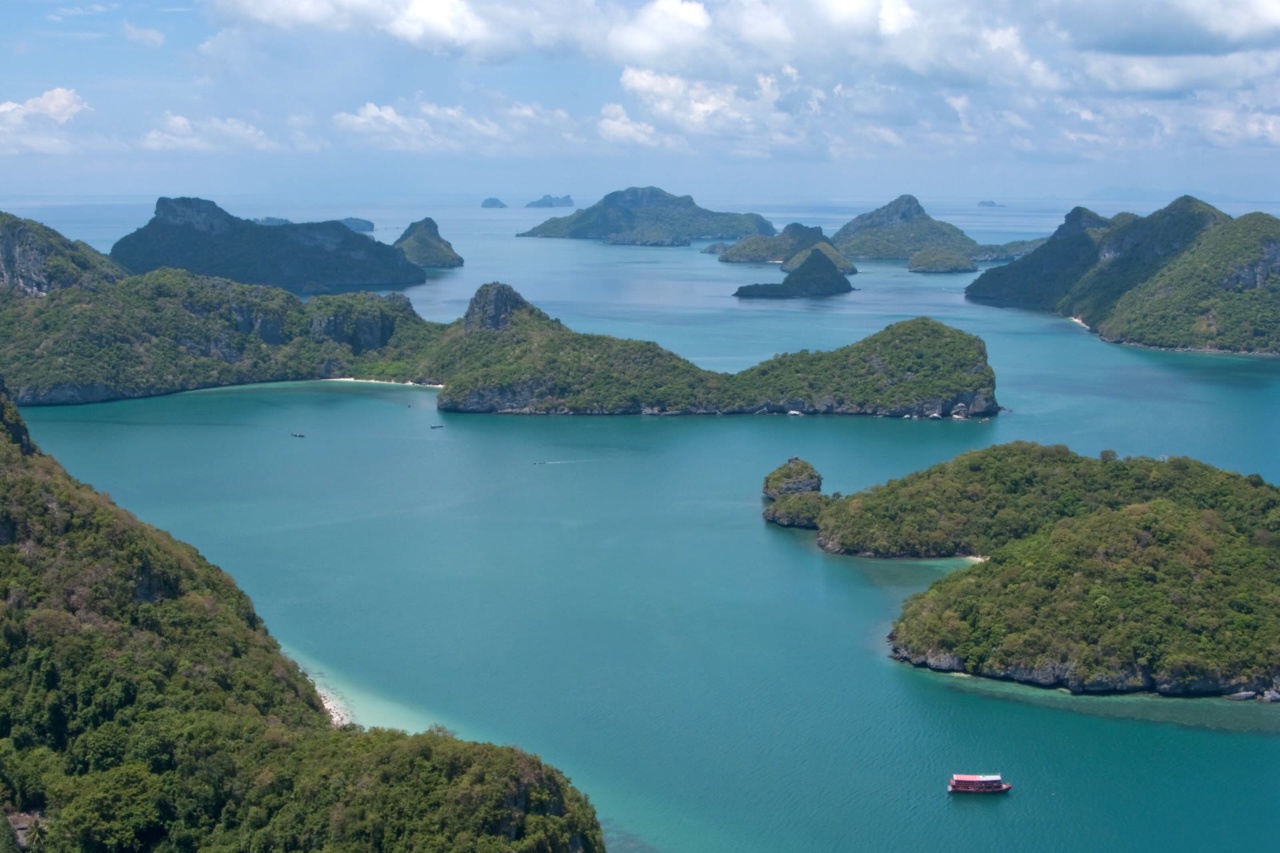
The Ang Thong National Marine Park day trip is often sold as a must-do from Koh Phangan, but the long boat ride, crowded viewpoints, and limited snorkeling time make it a tiring day. The scenery is admittedly stunning, but manage expectations. It is better done from Koh Samui where the crossing is shorter.
Amsterdam Bar and similar jungle bars are atmospheric but play up a manufactured bohemian vibe with inflated drink prices. Worth a single visit for the setting, not worth making a habit of.
Food and Drink
Koh Phangan punches above its weight for food. The island benefits from fresh Gulf seafood, a strong Thai culinary tradition, and a wellness-driven international food scene that keeps quality high.
Signature Dishes and Local Favorites
Dish
Description
Where to Try
Typical Price
Pla Pao (Grilled Fish)
Whole fish stuffed with lemongrass, coated in salt, grilled over charcoal. Served with spicy dipping sauce.
Chaloklum seafood restaurants
$4 - $8
Som Tum (Papaya Salad)
Shredded green papaya with chili, lime, fish sauce, peanuts. Ask for your spice level.
Thong Sala Night Market
$1 - $2
Pad Kra Pao (Basil Stir-fry)
Minced pork or chicken with holy basil and chili over rice, topped with a fried egg.
Any local Thai restaurant
$1.50 - $3
Khao Soi
Northern Thai coconut curry noodle soup with crispy noodle topping. Not native to the south but widely available.
Cafes in Sri Thanu area
$3 - $5
Fresh Coconut Smoothie
Young coconut blended with ice. Simple and perfect in the heat.
Beach shacks island-wide
$1.50 - $3
Acai/Smoothie Bowls
Blended fruit bowls with granola and toppings. A wellness-scene staple.
Health cafes in Sri Thanu/Haad Yao
$4 - $7
Where to Eat
Thong Sala Night Market (also called Pantip Market) operates nightly and is the single best place for cheap, authentic Thai food on the island. Dozens of stalls serve curries, grilled meats, pad thai, roti, and fresh fruit shakes for $1 to $3 per dish. Arrive around 5 PM for the best selection.
Chaloklum is the place for seafood. Several restaurants along the fishing pier serve the day's catch at prices well below the tourist beaches. A whole grilled sea bass with sides will run around $5 to $10.
Sri Thanu has the island's best health-conscious and international food: Israeli shakshuka, Mexican burritos, Italian wood-fired pizza, raw vegan plates, and excellent coffee. Prices are higher than Thai street food (expect $5 to $12 for a meal) but quality is genuinely good.
Haad Rin caters to the party crowd with cheap pad thai stalls, pizza joints, and Western breakfast spots. Quality is inconsistent and prices are slightly inflated. The Chicken Lady stall near the pier is a local institution for late-night grilled chicken.
Budget meals at Thai restaurants and markets cost $1.50 to $4. A mid-range restaurant dinner with a beer runs $8 to $15. Upscale beachfront dining with cocktails can reach $25 to $50 per person, which is still modest by international standards.
Where to Stay
Budget (Under $20 per night)
Koh Phangan remains one of the best-value islands in Thailand for budget travelers. Simple fan-cooled bungalows with a mosquito net and cold-water shower are available across the island for $8 to $15 per night. Haad Rin has the most hostel-style dorms, starting around $6 to $10 per bed. Ban Tai, between Thong Sala and Haad Rin, has a good selection of cheap guesthouses on a long but unremarkable beach. For the classic backpacker experience, rent a basic bungalow at Bottle Beach or Haad Khom and live simply for a few days.
Mid-Range ($20 to $80 per night)
Air-conditioned bungalows and small hotels with pools are widely available in this range. Haad Yao, Haad Salad, and Sri Thanu have excellent mid-range options with beach access. Thong Nai Pan Noi has stylish boutique guesthouses that would cost double on Koh Samui. Many mid-range places include breakfast and offer motorbike rental on site.
Upscale ($80 to $250+ per night)
Koh Phangan's luxury scene has grown significantly. Hillside pool villas with ocean views are available across the north and west coasts. Thong Nai Pan and Haad Salad have the highest concentration of upscale resorts. Expect private pools, spa facilities, and beachfront restaurants. Even at the top end, prices are roughly 30 to 50 percent less than equivalent properties on Koh Samui.
A unique Phangan accommodation experience is renting a treehouse or jungle bungalow in the island's interior. Several properties offer elevated wooden structures surrounded by canopy, with varying levels of comfort from rustic to luxurious. These are memorable but require scooter access.
Practical Tips
Safety: The biggest danger on Koh Phangan is motorbike accidents. Wear a helmet, avoid riding at night on unfamiliar roads, and never ride drunk. At parties, drink spiking occurs, so watch your drinks and avoid buying from random vendors. Jellyfish are occasionally present, especially during the wet season. If stung, douse with vinegar (available at most beach shops) and seek medical attention for severe reactions.
Payment: Cash is king on Koh Phangan. ATMs are clustered in Thong Sala and Haad Rin and charge around $5 to $7 per withdrawal for foreign cards. Many restaurants and hotels now accept card payments, but street food, songthaews, and smaller businesses are cash only. Bring enough baht for a few days at a time.
Tipping: Not expected at local Thai restaurants or street food stalls. At upscale restaurants, a 10 percent tip is appreciated. Rounding up taxi fares is common but not obligatory.
Internet and SIM cards: Buy a Thai SIM card at a shop in Thong Sala for around $5 to $10 with generous data packages. AIS and TrueMove have the best coverage on the island. Wi-Fi is available at most accommodations and cafes, though speeds vary. Co-working spaces in Sri Thanu and Thong Sala offer reliable high-speed connections for around $5 to $10 per day.
Language: English is widely spoken in tourist areas. Menus, signs, and transport information are almost always in English. In local villages like Chaloklum, basic Thai phrases help but are not essential. Learning "sawasdee" (hello), "khop khun" (thank you), and "pet nit noi" (a little spicy) goes a long way.
Cultural dos and don'ts: Cover shoulders and knees when visiting temples. Remove shoes before entering any temple or Thai home. Do not touch anyone's head, and avoid pointing your feet at people or Buddha images. The Thai royal family is deeply respected, and disrespectful comments carry serious legal consequences. On beaches, topless sunbathing is culturally inappropriate even though enforcement is lax.
Water: Do not drink tap water. Bottled water is cheap (around $0.30 to $0.50) and widely available. Most restaurants use filtered water for ice, but at very basic stalls, exercise judgment.
Mosquitoes: Dengue fever is present on the island. Use repellent, especially at dawn and dusk. Accommodation with screens or air conditioning reduces risk significantly.
Day Trips
Koh Tao
The famous dive island is about 45 minutes to 1 hour 40 minutes north by boat, with fares from 450 baht (about $13) one way.[2] If you are not staying on Koh Tao, a day trip is tight but doable: catch the early morning ferry, do a two-dive trip or snorkel around Shark Island and Japanese Garden, and return on an afternoon boat. Better yet, spend at least one night. The snorkeling alone justifies the trip.
Ang Thong National Marine Park
This archipelago of 42 islands offers dramatic viewpoints, an emerald saltwater lake, and kayaking through karst formations. Lomprayah's day trip by speedboat includes snorkeling equipment and a buffet lunch on the island, and the national park entrance fee is paid separately: 300 baht (about $9) for foreign adults and 150 baht for children.[4] The boat journey is long and can be rough in choppy seas. Best done in calm weather between January and April. As noted earlier, it is more conveniently accessed from Koh Samui, but the Phangan trips are less crowded.
About 30 minutes away by catamaran, Samui offers upscale shopping at Central Festival mall, the quirky mummified monk at Wat Kunaram, the Big Buddha temple, and Fisherman's Village in Bophut for a Friday night walking street.[2] It makes a good half-day or full-day excursion if you want a change of pace or need supplies unavailable on Phangan.
Koh Ma
Technically reachable on foot at low tide via a sandbar from Mae Haad beach on Phangan's northwest coast, this tiny island offers the island's best easily accessible snorkeling. The coral reef surrounding Koh Ma is in good condition with abundant fish life. Bring your own mask and snorkel (rentals available at Mae Haad for around $3) and time your visit for low tide when you can walk across. This is not really a day trip but a half-day excursion that deserves special mention.
Sail Rock
A submerged pinnacle roughly halfway between Koh Phangan and Koh Tao, Sail Rock is the Gulf of Thailand's premier dive site. A chimney-like vertical swim-through, schooling barracuda, batfish, and regular whale shark sightings (especially March through May) make this exceptional. Dive trips from Phangan cost around $70 to $100 for two dives. Even snorkelers can enjoy the site on calm days, though diving is the real draw.
Sample 3-Day Itinerary
Day 1: Southern Beaches and Night Market
Morning: Pick up your scooter rental in Thong Sala and ride to Haad Rin. Walk the length of Sunrise Beach, swim, and grab a coffee at one of the beachfront cafes. If it is not a party night, the beach will be peaceful and clean.
Afternoon: Ride to Phaeng Waterfall (20 minutes from Haad Rin). Cool off in the pools, then hike up to Domsila Viewpoint for panoramic island views. Budget about 2 hours total.
Evening: Head back to Thong Sala for the night market. Graze through the stalls, trying som tum, grilled pork skewers, mango sticky rice, and a fresh fruit shake. Total dinner cost: around $5 to $8.
Day 2: Northern Coast and Bottle Beach
Morning: Ride to Chaloklum (30 to 40 minutes from Thong Sala). Catch a longtail boat to Bottle Beach and spend the morning on one of Thailand's most beautiful hidden beaches. Bring snorkel gear.
Afternoon: Return to Chaloklum for a late seafood lunch at one of the pier restaurants. Then ride to Mae Haad beach and walk across the sandbar to Koh Ma for snorkeling (check tide times).
Evening: Watch the sunset from a bar or restaurant on the west coast near Haad Yao or Sri Thanu. Many venues have cushioned seating on the sand with acoustic music as the sun drops.
Day 3: Wellness, Jungle, and Nightlife
Morning: Take a drop-in yoga class at one of the Sri Thanu studios (most offer 8 AM or 9:30 AM sessions). Follow it with a healthy brunch at a nearby cafe: smoothie bowl, fresh juice, and eggs.
Afternoon: Ride to Than Sadet Waterfall for a jungle hike along the stream. The trail is shaded and the rock pools are perfect for swimming. Allow 2 to 3 hours for a relaxed visit.
Evening: If your dates align with the Full Moon Party, head to Haad Rin around 10 PM (the party peaks between midnight and 4 AM). If not, check for Half Moon or jungle parties, or simply enjoy a quiet dinner and beach bar on your favorite stretch of coast.
Budget Overview
Category
Budget
Mid-Range
Comfort
Accommodation
$8 - $15
$30 - $60
$80 - $200
Food
$8 - $12
$15 - $25
$30 - $50
Transport
$5 - $7 (scooter)
$5 - $10 (scooter + fuel)
$10 - $20 (scooter + occasional taxi)
Activities
$0 - $5 (beaches, hiking)
$10 - $20 (yoga, snorkeling)
$30 - $60 (dive trips, spa)
Daily Total
$25 - $40
$60 - $115
$150 - $330
Koh Phangan remains one of the best-value tropical islands in Southeast Asia. Budget travelers willing to eat local food and stay in fan bungalows can stretch their money remarkably far. Mid-range travelers get genuine comfort, pool access, and quality dining without breaking the bank. Even at the comfort level, you are paying a fraction of what similar experiences cost in Bali, the Maldives, or even neighboring Koh Samui. The island rewards those who explore beyond the obvious, and nearly every baht spent here buys something memorable.
Frequently Asked Questions
Is Koh Phangan worth visiting?
Absolutely. Koh Phangan offers a rare combination of stunning beaches, vibrant nightlife, affordable wellness retreats, and lush jungle scenery all on one compact island. Even if you have zero interest in the Full Moon Party, the island's quieter northern and western coasts deliver some of the best tropical experiences in Thailand at very reasonable prices.
How many days do you need in Koh Phangan?
Most visitors find 4 to 5 days ideal for hitting the main beaches, doing a snorkeling trip, exploring the interior, and catching a party or sunset session. If you are coming specifically for a wellness retreat or to work remotely, a week or even a month is common and easy to fill.
Is Koh Phangan safe for tourists?
The island is generally safe. The main risks are motorbike accidents on steep, unpaved roads and drink spiking at large parties. Avoid swimming at unguarded beaches after dark, wear a helmet on scooters, and watch your drinks at Haad Rin. Petty theft from bungalows happens occasionally, so use a safe or keep valuables locked.
What is the best time to visit Koh Phangan?
The driest and most pleasant months are January through March, with calm seas and sunshine. December through April is broadly considered high season. The monsoon peaks in November with heavy rain and rough ferries, making it the worst month to visit. Shoulder months like May and October offer lower prices with manageable weather.
What food is Koh Phangan famous for?
The island is known for fresh seafood, particularly grilled whole fish and coconut-based curries using local catch. Thong Sala night market is the best spot for cheap, authentic Thai food. Koh Phangan also has an unusually strong health food and vegan scene driven by the wellness community, with smoothie bowls and raw food widely available.
Is Koh Phangan expensive?
It is one of the more affordable Thai islands. Budget travelers can get by on roughly $25 to $40 per day with a basic bungalow, street food, and a rented scooter. Mid-range travelers spending $60 to $100 per day will be very comfortable. It is noticeably cheaper than neighboring Koh Samui for comparable quality.
Do I need to rent a scooter on Koh Phangan?
A scooter is the most practical way to explore the island and costs around $5 to $8 per day. However, many roads are steep, unpaved, and dangerous, especially in the north and interior. If you are not an experienced rider, stick to the paved main roads or use songthaew shared taxis. Motorbike accidents are the number one cause of tourist injuries on the island.
Can you skip the Full Moon Party and still enjoy Koh Phangan?
Easily. Many visitors specifically avoid Full Moon Party dates to enjoy the island at its quietest. The northern and western beaches, jungle hikes, yoga retreats, and snorkeling trips have nothing to do with the party scene. Some travelers argue the island is actually better during non-party periods when accommodation is cheaper and beaches are emptier.
How do I get from Koh Samui to Koh Phangan?
Catamarans and speedboats connect Koh Samui (Nathon, Bangrak and Pralarn piers) with Koh Phangan several times a day. Lomprayah's crossings take about 30 minutes from 350 baht (about $10); a slower ferry takes about 1 hour from 250 baht (about $7). You can check ferry schedules and book transport on GoAsia.cc for up-to-date options.
Is English widely spoken on Koh Phangan?
In tourist areas, most restaurant and hotel staff speak functional English, and menus are almost always bilingual. In more remote parts of the island or at local markets, English is limited. Basic Thai phrases are appreciated but not essential for getting around.
Sources and background
Numbers in the text such as [1] refer to these sources.
[1]Tourism Authority of Thailand: Ko Pha-ngan. Retrieved October 17, 2026.