

Surat Thani
Surat Thani is southern Thailand's unsung gateway city, where most travelers pass through en route to the famous Gulf islands but few pause to explore.
Last updated: October 15, 2026
Contents
- 1. Orientation and Neighborhoods
- 1.1 City Center and Tapi River Waterfront
- 1.2 Ban Don Area
- 1.3 Makham Tia and Phunphin
- 1.4 Donsak Pier Area
- 2. Best Time to Visit
- 3. Getting There and Getting Around
- 3.1 Arriving by Air
- 3.2 Arriving by Train
- 3.3 Arriving by Bus
- 3.4 Getting Around the City
- 4. Top Sights and Experiences
- 4.1 Must-See Experiences
- 4.2 Lesser-Known Gems
- 4.3 Overrated Attractions
- 5. Food and Drink
- 5.1 Signature Dishes
- 6. Where to Stay
- 6.1 Budget (Under $15 per night)
- 6.2 Mid-Range ($15-40 per night)
- 6.3 Upscale ($40-80 per night)
- 7. Practical Tips
- 8. Day Trips
- 8.1 Khao Sok National Park
- 8.2 Chaiya and Wat Phra Boromathat Chaiya
- 8.3 Khanom
- 8.4 Tapee River Estuary and Oyster Farms
- 8.5 Koh Samui, Koh Phangan, and Koh Tao
- 9. Sample 3-Day Itinerary
- 9.1 Day 1: Arrive and Explore the City
- 9.2 Day 2: Khao Sok National Park
- 9.3 Day 3: Chaiya Day Trip and Departure
- 10. Budget Overview
- 11. Frequently Asked Questions
Most travelers experience Surat Thani as a blur - a bus station, a ferry pier, a few hours of transit before the turquoise waters of Koh Samui or Koh Phangan swallow their attention. But the capital of Thailand's largest province by area has a personality that deserves more than a layover. The Tapi River cuts through the city center, lined with old shophouses and a waterfront that comes alive at dusk. Night markets here serve some of the best southern Thai food you will find anywhere, at prices that make Bangkok seem expensive.
Surat Thani (locals often shorten it to "Surat") means "City of Good People," a name bestowed by King Vajiravudh in the early twentieth century. The city functions as the commercial hub for the upper southern region, which means it has all the practical amenities - hospitals, shopping malls, transport links - without the tourist markup. If you are heading to the Gulf islands or Khao Sok National Park, building in a night or two here gives you a richer understanding of the region and saves money on accommodation.
This is not a city of grand temples or must-see monuments. Its appeal is atmospheric: the rhythm of a working Thai city, the smell of roti frying at a Muslim street stall, the sight of longtail boats puttering along the river at sunset. It suits independent travelers, food lovers, and anyone who wants to see Thailand beyond the beach-bar circuit.
Orientation and Neighborhoods
Surat Thani sprawls along the southern bank of the Tapi River, roughly 650 kilometers south of Bangkok. The city is not large by Thai standards, and the areas of interest to travelers cluster in a manageable zone.
City Center and Tapi River Waterfront
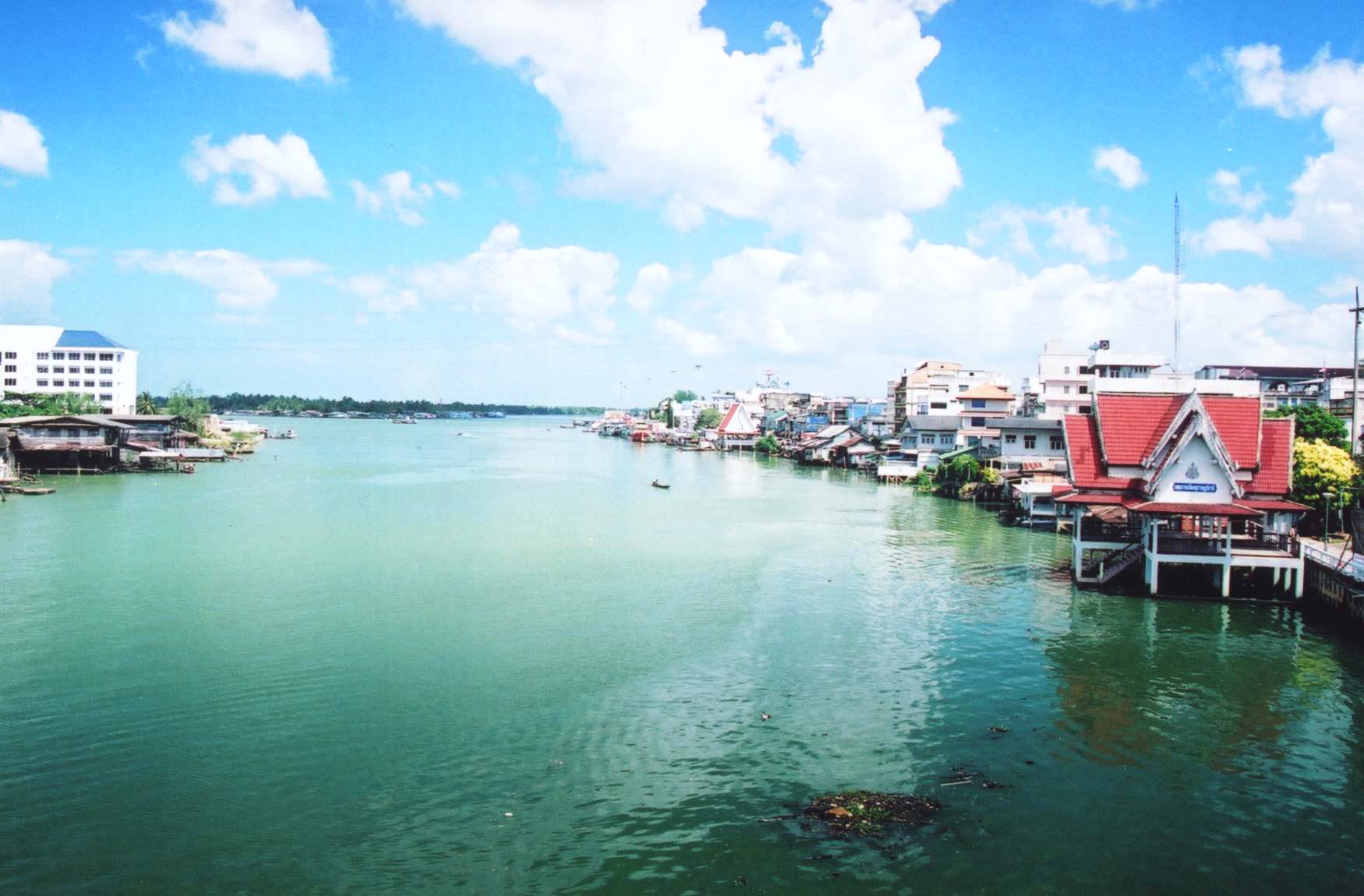
The heart of Surat Thani runs along Talad Mai Road and the streets parallel to the river. Here you will find the main night market, old shophouses with Chinese-Thai architecture, the city pillar shrine, and most of the budget to mid-range hotels. Walking along the river promenade at sunset is the single most pleasant thing to do in the city. This is the best area to base yourself for exploring on foot.
Ban Don Area
Ban Don sits east of the city center near the old port. This was historically the main settlement before Surat Thani grew, and it retains a quieter, more traditional feel. The Ban Don night market here is less touristy than the central one. If you are catching an early morning ferry from the old Ban Don pier (used by some Koh Samui night ferries), staying here makes logistical sense.
Makham Tia and Phunphin
Phunphin is the railway town about 13 kilometers south of the city center where Surat Thani's main train station is located. Most travelers arriving by train will pass through here. There is little reason to stay in Phunphin unless you have a very early or late train. Songthaews and tuk-tuks connect Phunphin to the city center.
Donsak Pier Area
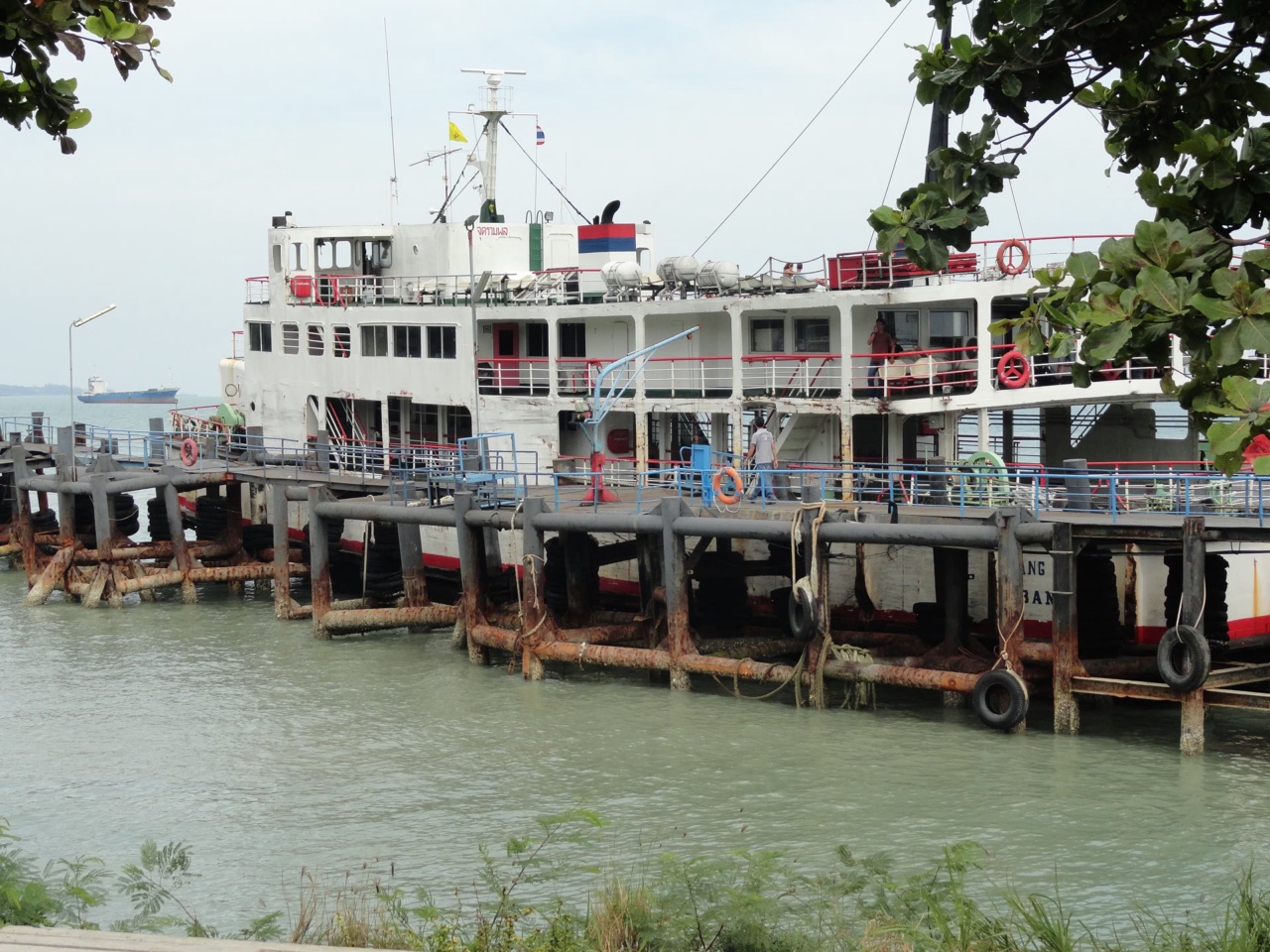
Donsak Pier, the main departure point for ferries to Koh Samui and Koh Phangan, is about 60 kilometers east of the city. There is almost nothing at Donsak itself. Combined tickets with bus transfers from the city are the standard way to reach it.
Things to Do
Offers are only loaded from GetYourGuide after you click. GetYourGuide can then process your IP address and set cookies. Privacy Policy
GetYourGuide partner offers. GoAsia may earn a commission if you book through these offers. Check whether tickets or transfers are included, and follow the attraction's official booking and admission rules.
Best Time to Visit
Surat Thani has a tropical monsoon climate. The weather breaks into three rough seasons, though southern Thailand does not have the same crisp seasonal divisions as the north.
| Season | Months | Weather | Crowds | Prices |
|---|---|---|---|---|
| Hot and Dry | January - April | Hot (30-36C), low rainfall, sunny | Moderate (island-bound travelers) | Moderate |
| Southwest Monsoon | May - September | Warm, intermittent rain, humidity high | Low | Low |
| Northeast Monsoon | October - December | Heavy rain, potential flooding, cooler | Low | Low |
January through April offers the driest and most pleasant weather. February and March are ideal. The southwest monsoon from May to September brings afternoon showers but is still manageable for travel - mornings are often clear. October through December sees the heaviest rainfall, and November in particular can bring serious flooding to low-lying parts of the city and province. Ferry services to the islands can be disrupted during this period.
The Chak Phra Festival, held at the end of Buddhist Lent (usually October), is Surat Thani's biggest cultural event. Elaborately decorated boats parade along the Tapi River and Buddha images are carried through the streets. It is one of the most visually striking festivals in southern Thailand and worth timing a visit around if the dates align.
Getting There and Getting Around
Arriving by Air
Surat Thani Airport (URT) is a small but functional airport about 25 kilometers west of the city center. Budget airlines operate multiple daily flights from Bangkok's Don Mueang Airport, with flight time around one hour. Tickets typically cost $25 to $60 one way if booked in advance. From the airport, shared minivans run to the city center for around $3 to $5 per person. Private taxis cost roughly $15 to $20. Many travelers buy combined flight-bus-ferry packages directly to the islands, which bypass the city entirely.
Arriving by Train
Overnight trains from Bangkok to Surat Thani depart from Krung Thep Aphiwat Central Terminal. Surat Thani railway station is in Phunphin, outside the city center, so arrange an onward local transfer. Journey time and fare depend on the train and berth class. Check the station and service on your ticket before travelling. See the official long-distance station announcement.
Arriving by Bus
Long-distance buses from Bangkok's Southern Bus Terminal take about 9 to 11 hours. VIP buses cost roughly $15 to $25. The main bus terminals in Surat Thani are Talad Kaset 1 and Talad Kaset 2, both centrally located. Buses also connect Surat Thani with other southern cities like Krabi, Nakhon Si Thammarat, and Hat Yai.
Getting Around the City
Surat Thani is not a walking city in the way that Chiang Mai's old town is, but the central area along the river is compact enough to cover on foot. For longer distances, songthaews follow fixed routes through the city for around $0.30 to $0.50 per ride. Motorcycle taxis are everywhere and charge roughly $0.50 to $2 for short trips. Grab (the Southeast Asian ride-hailing app) works in Surat Thani, though driver availability is lower than in major tourist cities. A Grab car across town typically costs $2 to $4. Renting a motorbike is possible from some guesthouses for around $6 to $10 per day, useful if you want to explore the surrounding area. For details on transport connections from Surat Thani to the islands and other destinations, GoAsia.cc has comprehensive route information.
Top Sights and Experiences
Must-See Experiences
Surat Thani Night Market (Talad Mai Road) - This is the highlight of any visit. The market stretches along the main road near the river and comes alive around 5 PM. Stalls sell everything from grilled seafood and southern curries over rice to fresh oysters and coconut desserts. Spend at least an hour grazing. Prices are remarkably low - a full meal costs $1 to $2.
Tapi River Waterfront - The riverside promenade is best enjoyed in the late afternoon when the heat breaks. Old wooden houses on stilts line parts of the bank, and you can watch longtail boats heading upriver. The area near the city pillar shrine has benches and a relaxed atmosphere. This is Surat Thani at its most photogenic.
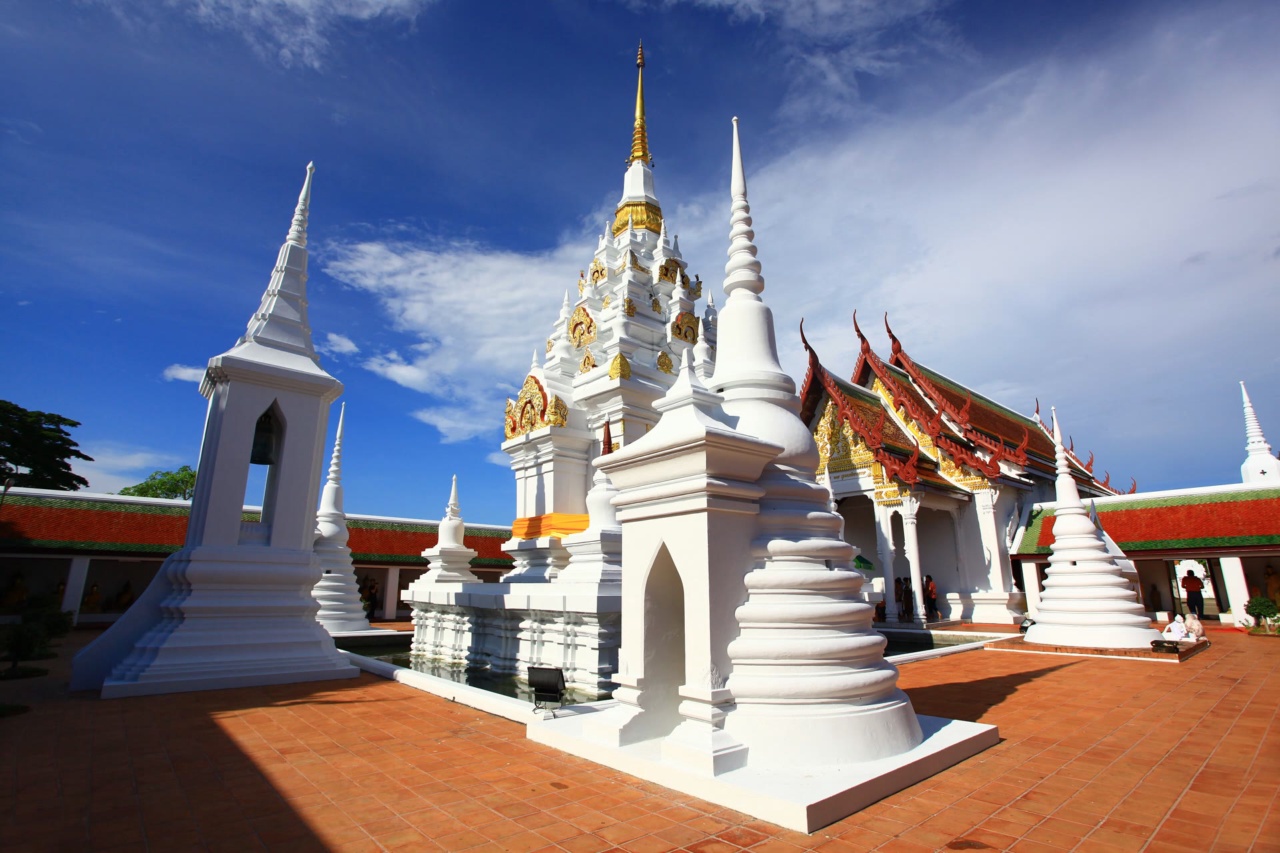
Wat Phra Boromathat Chaiya - Located about 54 kilometers north of the city in the ancient town of Chaiya, this is one of the most historically significant temples in southern Thailand. The Srivijaya-era stupa dates back over a thousand years and its distinctive architecture reflects Indian and Javanese influences. The adjacent National Museum displays artifacts from the Srivijaya period. Allow half a day for a visit including travel. Songthaews and local buses run to Chaiya, or you can take a train (Chaiya has its own station).
Monkey Training College - Unique to Surat Thani province, these schools train pig-tailed macaques to harvest coconuts, a traditional practice in the region. A visit takes about an hour and includes demonstrations. Opinions on the ethics vary - the monkeys are generally well-treated and the practice is deeply rooted in local culture, but animal welfare-conscious travelers should decide for themselves. Located about 8 kilometers south of the city; a taxi or motorbike is needed.
Lesser-Known Gems
San Chao Market (Morning Market) - For an early-morning immersion in local life, visit this wet market near the river where vendors sell fresh seafood, tropical fruits, and prepared foods. The oyster vendors here sell the famous Surat Thani oysters fresh and grilled. Arrive before 8 AM for the full experience.
Khao Tha Phet Viewpoint - A small hill on the western edge of the city offers panoramic views over the Tapi River and the city. It is not well-marked but locals know it. Best at sunrise or sunset. A short but steep walk of about 15 minutes reaches the top.
Tapi River Boat Trip - Some guesthouses can arrange informal longtail boat trips along the river. There is no formal tourist boat service, but asking at the riverside near the night market sometimes turns up a boatman willing to take you for a short cruise for a few dollars.
Overrated Attractions
Wat Sai (Reclining Buddha) - Sometimes listed in guides as a must-see, this temple south of the city has a reclining Buddha that is modest compared to those in Bangkok or Ayutthaya. Unless you have extra time, it is skippable.
Surat Thani City Pillar Shrine - Worth a quick look if you are walking along the river, but not worth a special trip. It is a small, standard city pillar shrine without notable architectural features.
The Piers Themselves - Some travelers arrive early at Donsak or Ban Don piers expecting a scenic waterfront experience. Both are purely functional transit points with minimal facilities. Do not plan to spend leisure time there.
Food and Drink
Surat Thani punches well above its weight for food. The city sits at the crossroads of Thai-Buddhist and Thai-Muslim culinary traditions, and the province's coastline and river system supply exceptional seafood. Southern Thai food here is bold, spicy, and unapologetically intense.
Signature Dishes
| Dish | Description | Where to Try | Typical Price |
|---|---|---|---|
| Hoy Nang Rom (Oysters) | Fresh oysters from the Tapi River estuary, served raw, grilled, or fried in an omelet | San Chao morning market, night market stalls | $1-3 per plate |
| Gaeng Tai Pla | Fiery curry made with fermented fish entrails, bamboo shoots, and vegetables - an acquired taste and a southern Thai classic | Rice-and-curry shops throughout the city | $1-1.50 |
| Gaeng Som | Sour and spicy soup-curry with fish and vegetables, the everyday comfort food of the south | Any local restaurant or market stall | $1-1.50 |
| Khanom Jeen | Fermented rice noodles served with various curry sauces and a tray of fresh vegetables | Morning market stalls, dedicated khanom jeen shops | $0.50-1 |
| Roti | Flaky flatbread served with curry (savory) or banana and condensed milk (sweet), reflecting Muslim culinary influence | Street carts throughout the city, especially near mosques | $0.30-0.75 |
| Khao Yam | Southern Thai rice salad with herbs, dried shrimp, toasted coconut, and a sweet-savory dressing | Morning markets | $0.50-1 |
The night market on Talad Mai Road is the single best eating destination. Arrive hungry and work your way through multiple stalls. The grilled seafood vendors near the river end of the market are particularly good. For breakfast, seek out the khanom jeen stalls that set up near the morning markets - locals line up for these, which is always a good sign.
Southern Thai food is significantly spicier than central Thai cuisine. If you have a low spice tolerance, learn the phrase "mai phet" (not spicy), though even "not spicy" versions can bring tears to the uninitiated. The Muslim quarter near the mosque has excellent roti and mataba (stuffed roti) stalls that are especially lively in the evening.
For a sit-down meal, several simple rice-and-curry restaurants along Talad Mai Road and Na Mueang Road serve excellent southern-style dishes. Point-and-choose from the trays of prepared curries - a plate of rice with two toppings costs around $1 to $1.50. Mid-range restaurants with air conditioning and menus in English are scarce, as this is not a tourist-oriented city. A meal at one of the nicer local restaurants with seafood and beer runs around $5 to $10 per person.
Local coffee culture leans toward the southern Thai style: strong brewed coffee with sweetened condensed milk, served hot or over ice. Several small cafes near the river have started offering specialty coffee for around $1.50 to $3.
Where to Stay
Surat Thani's accommodation scene is geared toward Thai business travelers and transit tourists rather than international visitors. Do not expect boutique hotels or luxury resorts, but clean and comfortable options exist at every budget level.
Budget (Under $15 per night)
Several guesthouses and basic hotels cluster near the Talad Kaset bus terminals and along the river. Rooms are simple - fan or air-conditioning, private bathroom, minimal decor. A few hostels with dorm beds have appeared in recent years, charging around $5 to $8 per bed. The area near Talad Kaset 2 is convenient for early bus or ferry departures.
Mid-Range ($15-40 per night)
The best value in Surat Thani falls in this range. Several modern hotels along Na Mueang Road and near the Central Plaza shopping mall offer clean rooms with air-conditioning, hot showers, Wi-Fi, and breakfast for $20 to $35. These are perfectly comfortable for a night or two and often have English-speaking reception staff.
Upscale ($40-80 per night)
The top-end options in Surat Thani are limited. A couple of business-class hotels near the river and the main commercial area offer the best rooms in the city with amenities like swimming pools, fitness centers, and on-site restaurants. By international standards these are mid-range properties, but they represent the ceiling of what Surat Thani offers. Expect to pay $40 to $80 per night.
If you are only passing through for a ferry connection, some travelers opt to take the night train or night bus and skip accommodation entirely. The night ferry to Koh Tao from Ban Don pier (departing around 11 PM) is another option that doubles as a bed for the night, though comfort is basic.
Practical Tips
Safety: Surat Thani is a safe city with low crime rates. The main risks are traffic-related - be cautious when crossing roads and if riding a motorbike. Petty theft is uncommon but keep valuables secure at bus and train stations where crowds gather.
Common Scams: The most frequent issue involves combined transport tickets to the islands. Some travel agencies sell packages with substandard minivans, long waits, or bait-and-switch ferry operators. Buy ferry tickets from reputable operators or directly at the pier when possible. If a deal seems too cheap, the service quality usually reflects it.
- Cash vs. Card: Surat Thani is a cash-heavy city. ATMs are plentiful (most charge a $5 to $7 foreign transaction fee per withdrawal). Credit cards are accepted at hotels, the Central Plaza mall, and some larger restaurants, but night markets, street food stalls, and local shops are cash only. Bring enough baht for your stay.
- Tipping: Not expected at local restaurants or street stalls. Rounding up the bill or leaving small change is appreciated but not obligatory. At hotels, a small tip for porters (around $1) is a nice gesture.
- SIM Cards: Pick up a tourist SIM at the airport or any 7-Eleven. AIS, TrueMove, and DTAC all offer prepaid data packages. A week of unlimited data costs around $5 to $8. Coverage in Surat Thani city is excellent.
- Language: English proficiency is low compared to tourist hubs. Hotel staff at mid-range and above properties usually speak basic English. At markets, restaurants, and transport hubs, expect to rely on gestures, translation apps, and a few Thai phrases. Google Translate's camera function for reading Thai menus and signs is invaluable.
- Cultural Etiquette: Surat Thani has a significant Muslim population alongside the Buddhist majority. Dress modestly when visiting temples or mosques. Remove shoes before entering any religious building. The standard Thai customs apply: do not touch anyone's head, do not point your feet at people or Buddha images, and always show respect for the monarchy.
- Flooding: During the October to December monsoon, parts of the city can flood. If visiting during this period, check conditions before traveling and keep valuables off the floor in your hotel room.
Day Trips
Khao Sok National Park
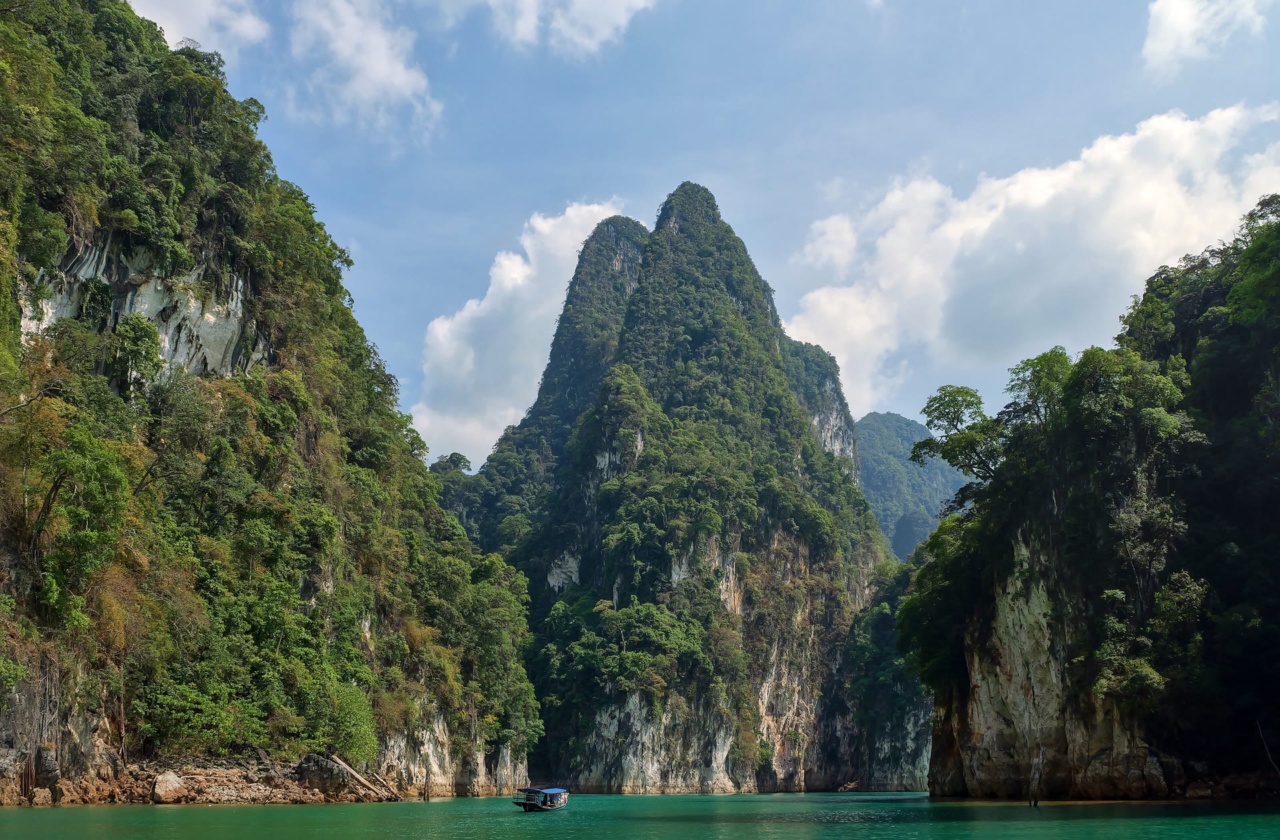
The crown jewel of day trips from Surat Thani, Khao Sok lies about 100 kilometers west of the city (roughly 90 minutes by car). The park contains some of the oldest evergreen rainforest in the world, dramatic limestone karst formations, and Cheow Lan Lake with its iconic floating raft houses. A day trip allows time for a jungle hike and possibly a short longtail boat ride on the lake, but an overnight stay in a lakeside raft house is far more rewarding if your schedule allows. Minivans run from Surat Thani to Khao Sok for around $5 to $8. Park entrance is roughly $10 for foreigners.
Chaiya and Wat Phra Boromathat Chaiya
The ancient town of Chaiya, 54 kilometers north, was likely a capital of the Srivijaya maritime empire. The main draw is the stunning thousand-year-old stupa at Wat Phra Boromathat Chaiya and the adjacent Chaiya National Museum. The town is quiet and easily explored on foot. Take a local bus or train from Surat Thani (Chaiya has its own railway station). Half a day is sufficient.
Khanom
This coastal district about 100 kilometers northeast of Surat Thani is known for its quiet beaches and the rare pink dolphins that inhabit the waters offshore. Khanom is developing slowly as a low-key beach destination and makes a pleasant contrast to the busy Gulf islands. You will need your own transport (rented car or motorbike) to explore properly, as public transport options are limited.
Tapee River Estuary and Oyster Farms
The area where the Tapi River meets the Gulf of Thailand is dotted with oyster farms. Some local operators offer boat tours through the mangroves and oyster beds, followed by a seafood meal. Ask at your hotel or a local travel agency to arrange this. It is a genuinely local experience that few tourists know about. Expect to pay around $10 to $20 per person including food.
Koh Samui, Koh Phangan, and Koh Tao
The obvious onward destinations. While these are typically multi-day trips rather than day trips, it is technically possible to take a morning ferry to Koh Samui (about 1.5 hours from Donsak Pier), spend the day, and return on an evening ferry. This is a rushed way to experience the island but doable if you just want a beach day. Combined bus-and-ferry tickets cost around $8 to $15 each way.
Sample 3-Day Itinerary
Day 1: Arrive and Explore the City
Morning: Arrive in Surat Thani by train, bus, or flight. Check into your hotel in the city center near the river. If you arrive early enough, head to the San Chao morning market for khanom jeen noodles and fresh oysters.
Afternoon: Walk along the Tapi River waterfront, visiting the city pillar shrine area. Explore the old shophouse streets around Talad Mai Road. Stop for iced coffee at a local cafe. If you have energy, take a songthaew to the Monkey Training College for a one-hour visit.
Evening: This is the main event. Hit the night market on Talad Mai Road. Start with grilled oysters, work through plates of southern curry over rice, try a sweet roti for dessert. Walk along the illuminated river promenade afterward.
Day 2: Khao Sok National Park
Morning: Take an early minivan to Khao Sok National Park (departs around 7-8 AM from the bus terminal). Arrive by mid-morning and begin a guided jungle trek through the rainforest. Keep an eye out for gibbons, hornbills, and the enormous Rafflesia flowers if they are in bloom.
Afternoon: Take a longtail boat onto Cheow Lan Lake. The limestone cliffs rising from the emerald water are spectacular. If you arranged an overnight raft house stay, settle in for the evening. Otherwise, head back toward the park entrance for the return minivan to Surat Thani.
Evening: Back in Surat Thani, try a different section of the night market or seek out a local restaurant for gaeng tai pla (the fermented fish curry) if you are feeling adventurous.
Day 3: Chaiya Day Trip and Departure
Morning: Take a local bus or train to Chaiya (about one hour). Visit Wat Phra Boromathat Chaiya and spend time examining the ancient stupa and the small but excellent National Museum. The temple grounds are peaceful and photogenic.
Afternoon: Return to Surat Thani. Pick up any last supplies or snacks from the market. If you are heading to the islands, catch an afternoon bus-and-ferry combo to Koh Samui or Koh Phangan. If continuing overland, evening trains and buses connect to Bangkok, Krabi, and other southern destinations.
Evening: Depending on your onward travel, enjoy one final night market meal or board your overnight train or bus.
Budget Overview
| Category | Budget | Mid-Range | Comfort |
|---|---|---|---|
| Accommodation | $8-15 | $20-35 | $45-80 |
| Food | $5-8 | $10-18 | $20-30 |
| Transport | $2-4 | $5-10 | $15-25 |
| Activities | $0-5 | $10-15 | $15-30 |
| Daily Total | $15-32 | $45-78 | $95-165 |
Surat Thani is genuinely cheap. Budget travelers eating street food and staying in basic guesthouses can get by on $20 to $30 per day with ease. The biggest expense for most travelers will be onward transport to the islands or Khao Sok rather than anything in the city itself. Mid-range travelers will find that $50 to $70 per day buys considerable comfort, including a nice hotel room, good meals, and transport. Even at the top end, Surat Thani rarely dents a wallet the way the Gulf islands or Bangkok do.
Frequently Asked Questions
Is Surat Thani worth visiting?
Surat Thani is worth a stop if you appreciate authentic Thai city life, excellent night markets, and affordable food. It is not a destination for beaches or major tourist attractions, but spending a night here before heading to the islands or Khao Sok adds depth to a southern Thailand trip and saves money compared to staying on the islands.
How many days do you need in Surat Thani?
One full day and night is enough to explore the night markets, the Tapi River waterfront, and the city center. Two days allow for a day trip to Khao Sok or the surrounding countryside. Most travelers use Surat Thani as a transit point and spend just one night.
Is Surat Thani safe for tourists?
Surat Thani is very safe by Thai standards. Violent crime against tourists is extremely rare, and the biggest risks are typical travel concerns like bag snatching or transport scams. The city has a low-key atmosphere and locals are welcoming, though few speak fluent English.
How do I get from Surat Thani to Koh Samui or Koh Phangan?
Ferries depart from Donsak Pier, about 60 kilometers east of the city center. Combined bus-and-ferry tickets are sold at the train station, bus terminal, and travel agencies for roughly $8 to $15 depending on the ferry operator and island. The journey from Surat Thani city to Koh Samui takes around three to four hours total including the drive to the pier.
What food is Surat Thani famous for?
Surat Thani is known for its oysters from the Tapi River estuary, southern Thai curries like gaeng tai pla and gaeng som, and excellent roti served with curry or sweetened condensed milk. The night markets are the best place to sample the full range of local dishes at very low prices.
Is Surat Thani expensive?
Surat Thani is one of the cheapest cities in southern Thailand. Street food meals cost around $1 to $2, budget hotels start at $10 to $15 per night, and local transport is very affordable. It is significantly cheaper than the nearby Gulf islands.
Can I fly to Surat Thani?
Yes, Surat Thani Airport receives multiple daily flights from Bangkok (both Don Mueang and Suvarnabhumi) on budget carriers like AirAsia, Nok Air, and Thai Lion Air. Flight time is about one hour. The airport is roughly 25 kilometers west of the city center.
Is English widely spoken in Surat Thani?
English is not widely spoken in Surat Thani since it is a working Thai city rather than a tourist hub. Hotel staff at larger properties and some travel agency workers speak basic English. Having a translation app on your phone is very helpful, and learning a few Thai phrases goes a long way.
What is the best time to visit Surat Thani?
The best months are January through April when rainfall is lowest and temperatures are warm but manageable. The heaviest rains fall from October through December, which can cause flooding in low-lying areas. If you are connecting to the islands, avoid November when seas can be rough.
Can you drink tap water in Surat Thani?
No, tap water in Surat Thani is not safe to drink. Bottled water is cheap and available everywhere, typically costing around $0.25 to $0.50. Most hotels provide complimentary bottles. Ice in restaurants and markets is generally factory-made and safe.
Guides & Tips
1/1
Routes
🗺️ Getting Around Surat Thani - Local Transport Guide for Travelers
→ Routes from Surat Thani (22)