
Getting Around Surat Thani - Local Transport Guide for Travelers
Contents
- 1. Getting Around Surat Thani by Songthaew
- 2. Getting Around Surat Thani by Motorbike Taxi
- 3. Getting Around Surat Thani by Tuk-Tuk
- 4. Getting Around Surat Thani by Minivan and Shared Van
- 5. Getting Around Surat Thani by Grab and Ride-Hailing Apps
- 6. Getting Around Surat Thani by Private Taxi and Transfer
- 7. Getting Around Surat Thani on Foot
- 8. Getting Around Surat Thani by Rented Motorbike
- 9. Comparing Your Options
- 10. Practical Tips for Getting Around Surat Thani
- 11. Popular Routes and Destinations
- 11.1 Surat Thani Town to the Airport
- 11.2 Surat Thani Town to the Train Station
- 11.3 Surat Thani Bus Terminal to Town Center
- 11.4 Surat Thani Town to the Ferry Piers
- 12. Frequently Asked Questions
Surat Thani is not the kind of Thai city that tourists linger in for long. Most travelers pass through on their way to Koh Samui, Koh Phangan, or Koh Tao, treating it as a transit hub rather than a destination. But if you find yourself with hours to kill between connections, or you have chosen to explore the city itself, understanding how local transport works will save you time, money, and a fair amount of confusion.
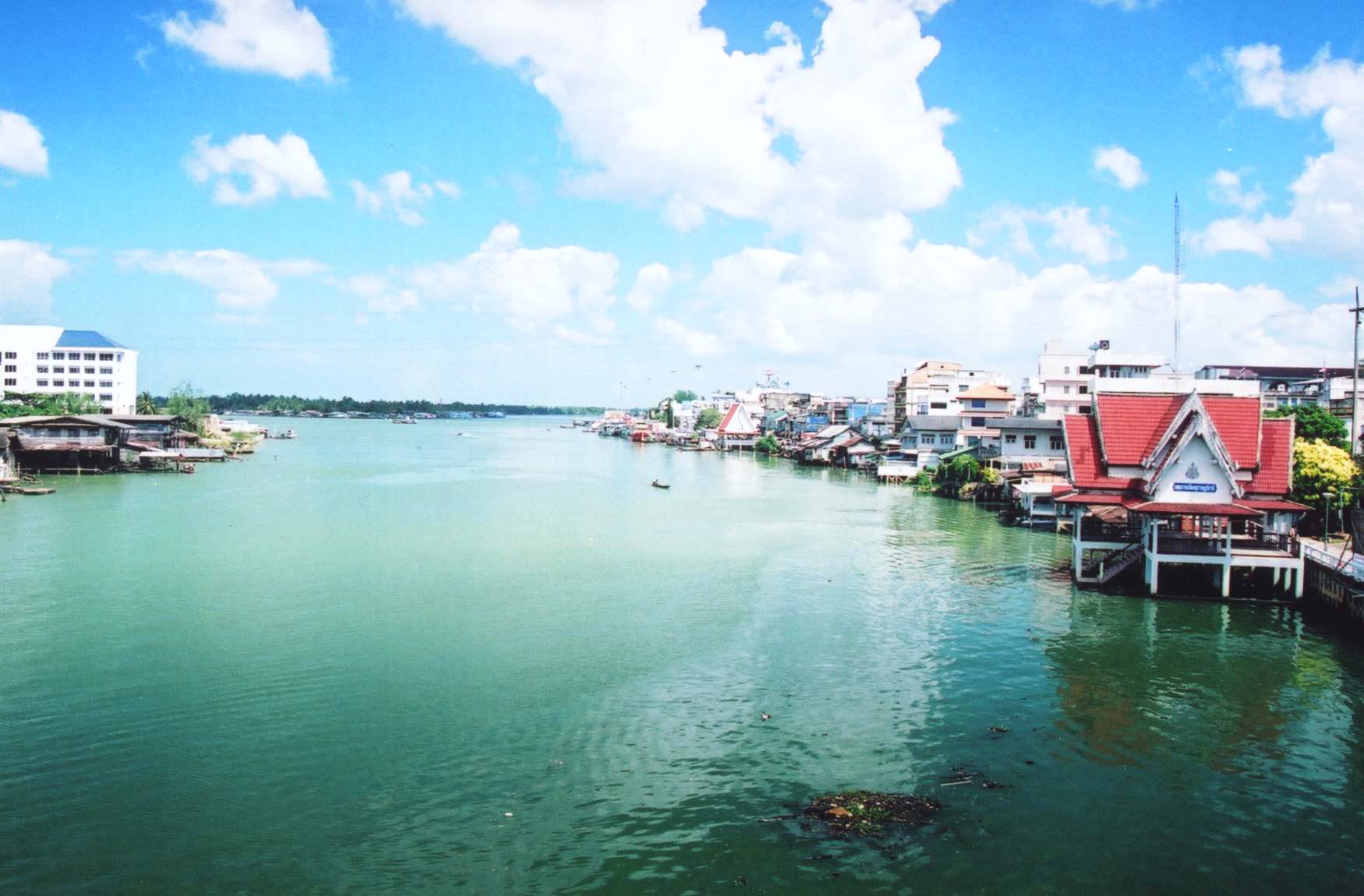
The city sprawls along the Tapi River without a single metro line or organized bus network to speak of. There is no BTS here, no tourist-friendly rail loop. Instead, Surat Thani runs on a patchwork of songthaews (shared pickup trucks with bench seating), motorbike taxis, minivans, and increasingly, ride-hailing apps. The town center is compact enough to walk in patches, but the key transport hubs - the airport, the train station, the bus terminal, and the pier at Donsak - are spread far apart, sometimes over an hour's drive from each other. That geographic spread is the single most important thing to understand before you arrive.
The pace here is unhurried and provincial. Drivers are generally honest, but English is limited, so having your destination written in Thai on your phone makes everything smoother. Think of Surat Thani not as a city to sightsee by public transport, but as a place where you need to connect the dots between a few critical points efficiently.
Getting Around Surat Thani by Songthaew
Songthaews are the backbone of local transport in Surat Thani. These converted pickup trucks with two rows of bench seats in the back operate on loose routes through the town center, picking up and dropping off passengers along the way. They are the closest thing Surat Thani has to a public bus system.
In the town center, songthaews circulate along the main roads, particularly Talat Mai Road and the area around the day and night markets. You flag one down by waving from the roadside, hop in the back, and press the buzzer or knock on the roof when you want to get off. Fares are cheap - expect to pay around 10 to 20 baht (roughly under $1) for rides within the central area. You pay the driver in cash as you exit.
The challenge with songthaews is that routes are not posted or mapped in English. Locals know which color or number goes where, but as a visitor, your best bet is to tell the driver your destination before climbing in. If they nod, you are on the right truck. If they wave you off, wait for the next one. During rush hours in the morning and late afternoon, songthaews fill up quickly and can be slow. Outside of peak times, they run less frequently, so you may wait 10 to 20 minutes.
Getting Around Surat Thani by Motorbike Taxi
Motorbike taxis, identifiable by their orange or colored vests, cluster at intersections, markets, and near transport hubs. They are the fastest way to cover short to medium distances in Surat Thani, weaving through traffic that cars and songthaews cannot avoid.
A short ride of a few kilometers within the town center typically costs around 30 to 60 baht (roughly $1 to $2). For longer distances, negotiate the fare before you get on. Motorbike taxi drivers in Surat Thani generally do not use meters, so agreeing on a price upfront is essential. Most drivers speak minimal English, so showing your destination on a map app helps enormously.
Helmets are legally required but not always provided. If the driver hands you one, wear it. If not, you can ask - "maw gan noi dai mai?" (helmet, can I have one?) - though quality varies. Motorbike taxis are best for solo travelers with small bags. If you are hauling a large backpack to the bus terminal, a car is a better choice.
Getting Around Surat Thani by Tuk-Tuk
Surat Thani's tuk-tuks are not the flashy three-wheelers of Bangkok. Here, they tend to be small motorized vehicles, sometimes resembling a covered motorbike sidecar. You will find them near the train station, bus terminal, and market areas.
Tuk-tuks are useful for short hops when you have a bit more luggage than a motorbike taxi can handle. Prices are negotiable and typically fall between 50 and 150 baht (around $2 to $5) depending on distance. As with motorbike taxis, always agree on the fare before departure. Tuk-tuk drivers at transport hubs sometimes quote inflated prices to arriving travelers, so it helps to have a rough idea of what the ride should cost. A ride from the train station to the town center, for example, should be well under 100 baht.
Getting Around Surat Thani by Minivan and Shared Van
Minivans are the workhorse of longer-distance transport in and around Surat Thani. They connect the town center to the airport, the train station, the bus terminal (Talat Kaset), and critically, the piers at Donsak where ferries depart for the islands.
These are not hop-on-hop-off city buses. Shared vans operate on fixed routes between specific hubs and typically depart when full or at scheduled intervals. You buy a ticket at the departure point - often a small office or counter near the bus terminal or at a travel agency. Vans to the airport from the town area cost around $9, with a journey time of roughly 1.5 hours. Vans connecting the town to the ferry piers at Donsak run in a similar price range of $8 to $9 and take 1.5 to 2 hours.
Many travelers arriving by train or bus will find that their island-bound ticket includes a van transfer to the pier. If you booked a combination ticket (bus or train plus ferry), check whether the van pickup is included. These combo transfers are convenient but run on tight schedules, so delays at one end can cause stress at the other.
Getting Around Surat Thani by Grab and Ride-Hailing Apps
Grab, Southeast Asia's dominant ride-hailing app, works in Surat Thani, though availability is more limited than in Bangkok or Chiang Mai. You can book both car rides (GrabCar) and motorbike rides (GrabBike) through the app. The key advantage is transparent pricing - you see the fare before you confirm, eliminating the need to negotiate.
In the town center and around the bus terminal, you will usually find drivers available. Near the airport and train station, coverage can be spottier, especially late at night. Having Grab installed and loaded with a Thai phone number gives you a reliable backup when other options are scarce. Payment can be made in cash or by card linked to the app.
Expect Grab fares within the town center to run around 40 to 100 baht for short trips. For longer distances to the airport or train station, fares will be higher, but still competitive with negotiating a private taxi. Surge pricing can apply during peak hours or heavy rain.
Getting Around Surat Thani by Private Taxi and Transfer
Metered taxis are rare in Surat Thani. What you will find instead are private cars arranged through hotels, travel agencies, or transport counters at the airport and bus terminal. These are essentially hired cars with a driver, and prices are fixed or negotiated in advance.
Private transfers are the most comfortable option for getting between the airport, train station, bus terminal, and town center, especially if you are traveling with family or heavy luggage. Prices for private transfers can range widely - from around $27 for a short transfer to over $130 for longer or more premium arrangements, based on distance and vehicle type. Hotels can usually arrange a car for you, and this is often the most hassle-free option if you arrive late at night when other transport is thin on the ground.
At the airport, you will find a transport counter offering fixed-price rides into town. These are legitimate and save you from negotiating with individual drivers outside.
Getting Around Surat Thani on Foot
The central area of Surat Thani, particularly around the night market, the riverside, and Talat Mai Road, is walkable if you do not mind the heat. The blocks are flat, and the market areas reward slow exploration. You can cover the main commercial strip and the riverside promenade on foot in an hour or two.
That said, Surat Thani is not a pedestrian-friendly city by design. Sidewalks are uneven or nonexistent in places, and traffic does not yield to walkers. Walking is best reserved for exploring the town center itself, not for reaching the airport, train station, or piers, which are all well outside comfortable walking distance.
Getting Around Surat Thani by Rented Motorbike
If you are staying in Surat Thani for more than a day and want flexibility, renting a motorbike is an option. A few rental shops operate near the town center and some guesthouses can arrange one. Daily rates typically run around 200 to 300 baht (roughly $6 to $9). You will need to show your passport and sometimes leave a deposit.
Riding in the town center is manageable if you have experience on Thai roads. Traffic is lighter than in Bangkok, but local driving habits can still surprise newcomers. An international driving permit is technically required, and police checkpoints do occur. Fuel is cheap and gas stations are easy to find. A motorbike gives you the freedom to visit attractions outside the center, like Khao Sok National Park day trips or the monkey training school, at your own pace.
Comparing Your Options
| Mode | Typical Cost | Duration | Best For |
|---|---|---|---|
| Songthaew | Under $1 per ride | Varies by route | Cheap hops within the town center |
| Motorbike Taxi | $1 - $2 (short rides) | 5 - 15 min | Quick solo trips, beating traffic |
| Tuk-Tuk | $2 - $5 | 5 - 20 min | Short rides with some luggage |
| Shared Minivan | $8 - $10 | 1h 30min - 2h | Getting to the airport, pier, or between hubs |
| Grab (Car/Bike) | $1 - $5 (town center) | Varies | Fair pricing without negotiation, late-night rides |
| Private Transfer | $27 - $130+ | 25 min - 2h 30min | Airport or pier transfers, groups, comfort |
| Walking | Free | N/A | Exploring the night market and riverside |
| Rented Motorbike | $6 - $9 per day | N/A | Day trips, multi-day stays, total flexibility |
Practical Tips for Getting Around Surat Thani
Surat Thani is a transit city, and a little preparation goes a long way. Here are the things that will actually make your life easier on the ground.
- Download Grab before you arrive. Even if you do not use it, having the app ready gives you a pricing benchmark and a backup when other transport is unavailable. Google Maps also works well for estimating distances and identifying songthaew routes.
- Carry cash in small denominations. Most local transport - songthaews, motorbike taxis, tuk-tuks - operates on cash only. Having 20 and 50 baht notes avoids the awkward moment when a driver cannot break a 1,000 baht bill.
- Have your destination in Thai on your phone. Screenshot the Thai name and address from Google Maps or your booking confirmation. This single step eliminates most communication problems with drivers.
- Watch out for combination ticket confusion. If you bought a train-plus-ferry or bus-plus-ferry combo ticket, your van transfer to the pier is usually included, but the pickup point and timing can be vague. Confirm details with the ticket seller and arrive early. Missed connections mean buying a new ticket.
- Rush hour runs from about 7:30 to 9:00 AM and 4:30 to 6:30 PM. The main roads through town get congested. If you need to reach the bus terminal or train station during these windows, add extra time.
- Late-night transport is limited. After about 9 or 10 PM, songthaews stop running and motorbike taxis thin out. Grab or a hotel-arranged car becomes your best option. If you are arriving on a late train or bus, arrange a pickup in advance.
- Beware of tout pricing at transport hubs. Drivers waiting outside the train station or bus terminal may quote two to three times the normal fare. Walk a short distance away from the arrival area and prices drop, or use Grab for a fair baseline.
- The town center and the piers are far apart. Donsak Pier is roughly 60 kilometers east of town. Do not assume you can casually get there - plan your pier transfer as carefully as you would a domestic flight connection.
For travelers comparing transport options across Thailand or planning onward journeys to the islands, GoAsia.cc offers a useful way to check routes, prices, and schedules in one place.
Popular Routes and Destinations
Most travelers in Surat Thani are connecting between a handful of key transport hubs. Here is what to expect on the most common routes.
Surat Thani Town to the Airport
The airport (URT) sits about 25 kilometers west of the town center. A shared bus costs $3 and takes around 45 minutes. Shared vans from the town area to the airport run around $9 and take approximately 1.5 hours, as they may make stops along the way. For a faster, direct ride, a private transfer or Grab is more efficient but costs more.
Surat Thani Town to the Train Station
The Surat Thani train station (Phun Phin) is about 14 kilometers west of the town center. A local bus covers this route for $3 in roughly 30 minutes. This is a well-traveled route, and songthaews also run between the two points. Motorbike taxis and Grab work here too if you want a faster, more direct ride.
Surat Thani Bus Terminal to Town Center
The main bus terminal (Talat Kaset) has connections into the town center by bus for around $33 (likely a combination or long-distance service fare), shared van for $8 in about 1.5 hours, or private transfer ranging from $27 to $132 depending on vehicle and distance, taking 25 minutes to 2.5 hours. For most travelers, a short songthaew, tuk-tuk, or Grab ride from Talat Kaset into the central market area is the simplest option for local trips.
Surat Thani Town to the Ferry Piers
Shared vans from the town area to Donsak Pier cost around $8 to $9 and take 1.5 to 2 hours. This is the most common route for travelers heading to Koh Samui, Koh Phangan, or Koh Tao. Most island-bound combination tickets include this van transfer. If traveling independently, book your van seat at the bus terminal or through a local travel agency.
Frequently Asked Questions
Use this guide to compare local transport in Surat Thani. When bookable tickets are available, the booking tool shows current options and prices.
For short trips within the town center, songthaews and motorbike taxis are the cheapest and most common options. For longer distances to the airport, train station, or ferry piers, shared minivans are the standard choice. Grab is a reliable backup when you want transparent pricing or are traveling late at night.
Local transport is affordable. Songthaews within the town center cost under $1 per ride, motorbike taxis run $1 to $2 for short trips, and tuk-tuks cost $2 to $5. Shared vans to the airport or piers cost $8 to $10. Private transfers are the most expensive option, ranging from $27 upward depending on distance.
Yes, local transport in Surat Thani is generally safe. Songthaews, minivans, and motorbike taxis are used daily by locals without issues. The main concerns are negotiating fair prices at transport hubs and wearing a helmet on motorbike taxis. Avoid unlicensed vehicles late at night and stick to Grab or hotel-arranged transport after dark.
Grab works in Surat Thani, though driver availability is more limited than in larger Thai cities. You can usually find drivers in the town center and near the bus terminal. Coverage near the airport and train station can be patchy, especially at night. Having the app installed gives you a useful pricing reference even if you end up taking other transport.
The central area around the night market and riverside is walkable for short explorations, but Surat Thani is not a pedestrian-friendly city overall. Sidewalks are inconsistent, and the key transport hubs like the airport, train station, and ferry piers are all located well outside the town center, requiring motorized transport.
Shared vans run from the town center to Donsak Pier for around $8 to $9, taking 1.5 to 2 hours. If you purchased a combination ticket (bus or train plus ferry), the van transfer to the pier is usually included. Confirm pickup details in advance, as schedules can be tight and missed connections require buying a new ticket.
A shared bus from the airport to town costs $3 and takes about 45 minutes. You can also arrange a private transfer at the airport transport counter or use Grab if drivers are available. Shared vans heading into town cost around $9 but may take longer due to stops along the route.
Guide prices and journey times are indicative, not live quotes. A booked package may include transfers and waiting time as well as the main journey. Check the selected offer, pickup point and current conditions before booking.