
Hat Yai
Thailand's southern commercial powerhouse sits just 50 kilometers from the Malaysian border, drawing weekend shoppers, food pilgrims, and travelers looking for an authentic Thai city untouched by mass tourism.
Last updated: October 15, 2026
When to go
Climate and best time for Hat YaiBest months: January to March and May to August
- January: Great. 32 °C by day, 24 °C at night, 81 mm of rain
- February: Great. 33 °C by day, 23 °C at night, 27 mm of rain
- March: Great. 34 °C by day, 24 °C at night, 74 mm of rain
- April: Good (very hot). 35 °C by day, 24 °C at night, 108 mm of rain
- May: Great. 34 °C by day, 24 °C at night, 120 mm of rain
- June: Great. 34 °C by day, 24 °C at night, 107 mm of rain
- July: Great. 33 °C by day, 24 °C at night, 97 mm of rain
- August: Great. 33 °C by day, 24 °C at night, 125 mm of rain
- September: Good (a lot of rain). 33 °C by day, 24 °C at night, 141 mm of rain
- October: Mixed (a lot of rain). 32 °C by day, 24 °C at night, 242 mm of rain
- November: Poor (a lot of rain). 31 °C by day, 24 °C at night, 370 mm of rain
- December: Poor (a lot of rain). 31 °C by day, 24 °C at night, 387 mm of rain
- Great
- Good
- Mixed
- Poor
Contents
- 1. Orientation and Neighborhoods
- 1.1 Niphat Uthit Area (City Center)
- 1.2 Lee Gardens and Sanehanusorn Road
- 1.3 Hat Yai Nai Area
- 1.4 Where to Stay by Priority
- 2. Best Time to Visit
- 3. Getting There and Getting Around
- 3.1 Getting There
- 3.2 Getting Around
- 4. Top Sights and Experiences
- 4.1 Must-Sees
- 4.2 Lesser-Known Gems
- 4.3 Honestly Overrated
- 5. Food and Drink
- 5.1 Signature Dishes
- 5.2 Eating Culture
- 6. Where to Stay
- 6.1 Budget (Under $20 per night)
- 6.2 Mid-Range ($20-50 per night)
- 6.3 Upscale ($50-100 per night)
- 6.4 Unique Options
- 7. Practical Tips
- 8. Day Trips
- 8.1 Songkhla Old Town
- 8.2 Padang Besar Border Market
- 8.3 Ton Nga Chang Waterfall
- 8.4 Koh Yo
- 8.5 Betong
- 9. Sample 3-Day Itinerary
- 9.1 Day 1: Markets, Food, and City Core
- 9.2 Day 2: Songkhla Day Trip
- 9.3 Day 3: Waterfall, Temple, and Farewell Feast
- 10. Budget Overview
- 11. Frequently Asked Questions
The first thing you notice in Hat Yai is the smell of charcoal smoke and frying garlic drifting from a hundred street stalls, mixing with the hum of motorbikes and the chatter of shoppers hauling bags from market to market. This is not a city that performs for tourists. It performs for itself, and that is precisely what makes it rewarding to visit.
Hat Yai is the largest city in Songkhla Province and the economic engine of Thailand's deep south. Its population is heavily Thai-Chinese, which explains the profusion of Chinese shrines, dim sum restaurants, and the boisterous energy of its commercial districts. Malaysian and Singaporean visitors flood in on weekends for cheap shopping, affordable massage, and food that rivals anything in Bangkok, but Western travelers remain rare. If you want to experience a Thai city where you are genuinely off the beaten path without sacrificing comfort or infrastructure, Hat Yai delivers.
The city works best as a two-to-three-night stop on a longer southern Thailand or cross-border itinerary, or as a base for exploring Songkhla's old town, the beaches of Koh Yo, and the surrounding countryside. It is not a place of grand temples or postcard views. It is a place of extraordinary eating, lively markets, and the particular satisfaction of wandering a city that does not care whether you have a guidebook or not.
Orientation and Neighborhoods
Hat Yai is compact and easy to grasp. The city center is roughly bounded by the railway station to the north and the Lee Gardens Plaza area to the south, with Niphat Uthit roads 1, 2, and 3 running parallel as the main commercial arteries. Most of what you need, including hotels, markets, restaurants, and transport, sits within this walkable core.
Niphat Uthit Area (City Center)
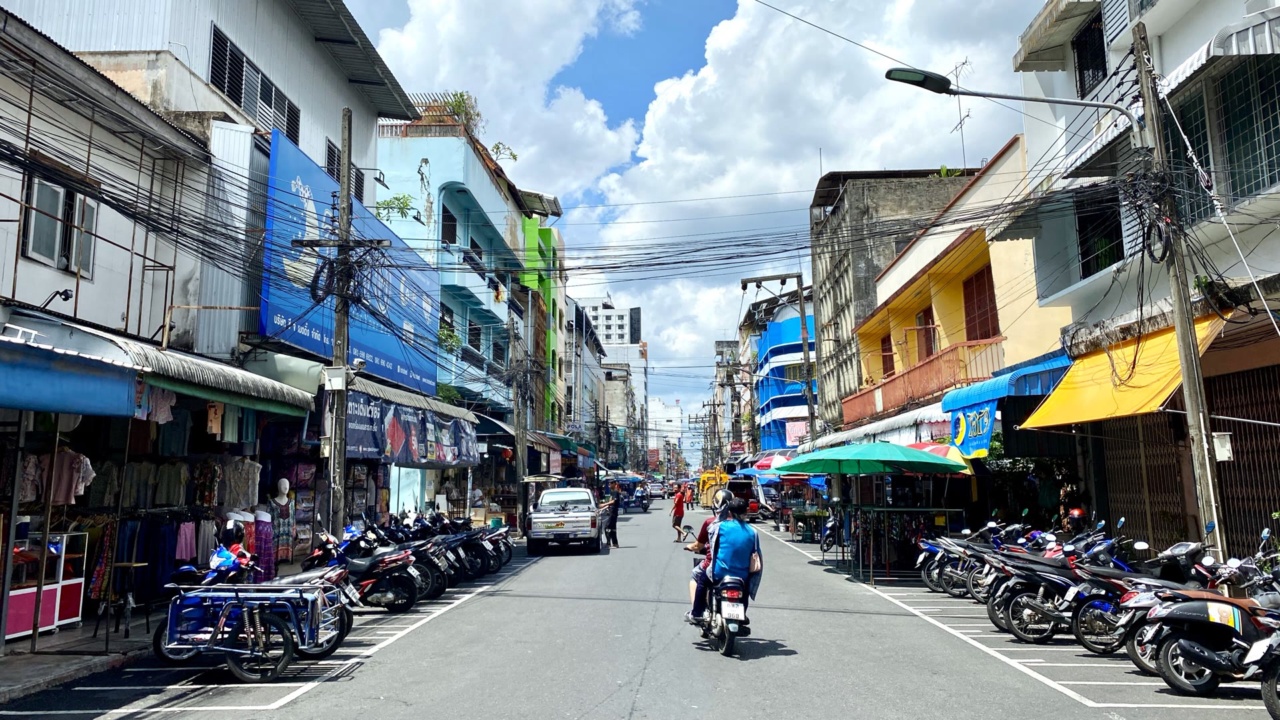
This is the beating heart of Hat Yai. Niphat Uthit 2 and 3 are lined with shophouses, gold shops, massage parlors, and street food vendors. Most budget and mid-range hotels cluster here. It is noisy and chaotic, but you are steps from everything.
Lee Gardens and Sanehanusorn Road
The stretch around Lee Gardens Plaza and Sanehanusorn Road is slightly more upscale, with department stores, chain restaurants, and the city's main night market. This is where Malaysian visitors tend to base themselves, and hotels here offer a bit more polish.
Hat Yai Nai Area
South of the center, near Hat Yai Nai temple, the city becomes more residential and quieter. A good choice if you have your own transport and want to escape the noise at night while still being a short ride from the action.
Where to Stay by Priority
For food and nightlife, stay in the Niphat Uthit core. For shopping convenience, the Lee Gardens zone is ideal. Families and those wanting quiet should look at hotels along Phetkasem Road south of the center, where you get more space for your money.
Things to Do
Offers are only loaded from GetYourGuide after you click. GetYourGuide can then process your IP address and set cookies. Privacy Policy
GetYourGuide partner offers. GoAsia may earn a commission if you book through these offers. Check whether tickets or transfers are included, and follow the attraction's official booking and admission rules.
Best Time to Visit
Hat Yai has a tropical monsoon climate with heat and humidity year-round. The key variable is rain, and it rains a lot here compared to most of Thailand.
| Season | Months | Weather | Crowds | Prices |
|---|---|---|---|---|
| Dry Season | February - April | Hot, less rain, 30-35C | Moderate | Standard |
| Shoulder | May - September | Hot, occasional rain | Low | Lower |
| Monsoon | October - January | Heavy rain, possible flooding | Lower (except holidays) | Lower |
February to April offers the most comfortable conditions, though Hat Yai is never truly dry. November and December see the heaviest rainfall, and flooding can occasionally disrupt the city. The city gets a surge of Malaysian visitors during Malaysian school holidays and long weekends, as well as during Chinese New Year, when the Thai-Chinese community celebrates with dragon dances, firecrackers, and special food stalls throughout the center.
The annual Ok Pansa festival and Songkran (mid-April) are also lively times to visit, though hotel prices spike and rooms fill fast.
Getting There and Getting Around
Getting There
Hat Yai International Airport (HDY) is about 10 kilometers west of the city center. Multiple daily flights connect to Bangkok (Don Mueang and Suvarnabhumi) via AirAsia, Nok Air, and Thai Lion Air, with fares typically around $30-70 one way if booked in advance. A taxi or minivan from the airport to the city center costs roughly $5-8 and takes about 20 minutes.
Hat Yai Junction is one of the busiest railway stations in southern Thailand, with trains running north to Bangkok (roughly 16-18 hours by sleeper, around $20-40 depending on class) and south to the Malaysian border at Padang Besar, connecting onward to Kuala Lumpur and Singapore. Buses also run frequently from Hat Yai bus terminal to destinations across southern Thailand and into Malaysia. For more details on cross-border routes and schedules, GoAsia.cc is a useful resource.
Getting Around
The city center is walkable if you can handle heat and uneven sidewalks. For anything beyond the core, songthaews (shared pickup trucks) run fixed routes through the city for around $0.30-0.50 per ride. Motorbike taxis are everywhere and cost roughly $0.50-1.50 for short hops. Grab is available in Hat Yai and is the easiest option for getting to attractions outside the center, with rides within the city typically under $2-3.
Renting a motorbike costs around $6-10 per day from shops near the train station, but traffic in the center is aggressive and lanes are a suggestion, not a rule. If you are not experienced riding in Southeast Asian traffic, stick to Grab.
Top Sights and Experiences
Must-Sees
Kim Yong Market - Hat Yai's legendary covered market sprawls across several blocks near Niphat Uthit 1. It is equal parts wet market, food hall, and shopping bazaar. Come hungry in the morning for dim sum, roast duck, and fresh tropical fruit. Plan at least an hour to wander. It is best before 10am when the produce is freshest and the heat has not yet peaked.
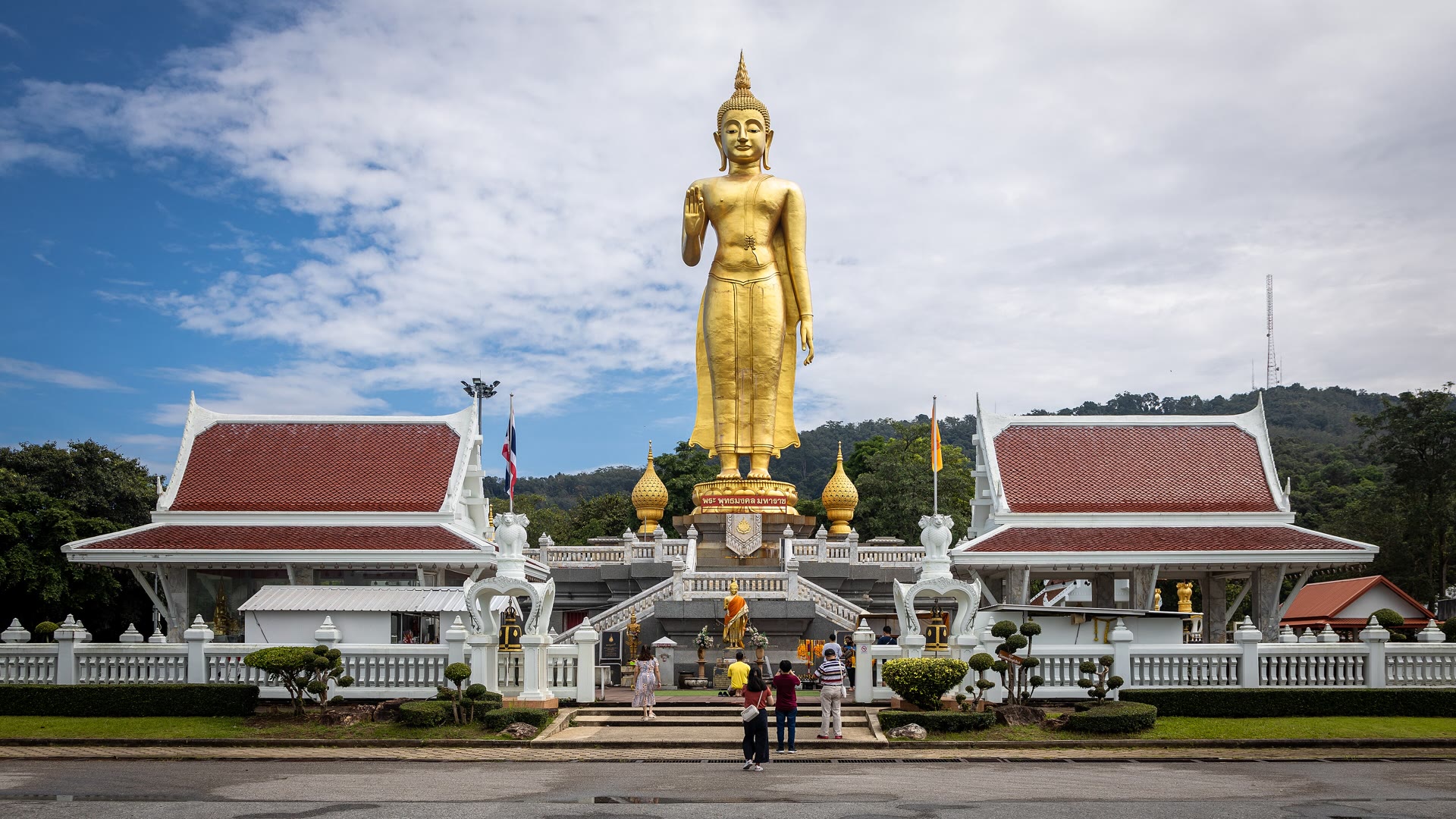
Hat Yai Municipal Park and Standing Buddha - On the hill at the southern edge of the city, this park contains a 20-meter standing Buddha statue visible from across town. The climb takes about 15 minutes and rewards you with a panoramic view of the city sprawl. Free entry. Best visited in the late afternoon when the light softens and the heat drops.
Wat Hat Yai Nai - This temple houses one of the largest reclining Buddha images in Thailand, measuring 35 meters long and 15 meters high. The interior of the image contains a small museum of Buddhist artifacts. Entry is free, though donations are appreciated. It is a genuinely impressive sight and rarely crowded.
Asean Night Bazaar (Sanehanusorn Night Market) - Open nightly along Sanehanusorn Road, this is Hat Yai's main night market. The food section is the real draw, with stall after stall selling grilled seafood, roti, Thai desserts, and fresh fruit shakes. Clothing and souvenir stalls are skippable unless you are hunting for bargain-priced goods. Arrive around 6pm for the best selection.
Khlong Hae Floating Market - Located about 4 kilometers west of the city center, this floating market operates on weekends and is one of the few in southern Thailand. It is small and local-focused, with vendors selling southern Thai snacks, fresh fruit, and handicrafts from boats along a canal. Take a Grab for around $1.50 each way. It is a pleasant hour-long visit, best combined with a morning at Kim Yong Market.
Lesser-Known Gems
Ton Nga Chang Waterfall - About 25 kilometers west of Hat Yai in a national park, this seven-tier waterfall is stunning after the rains. The lower tiers are easy to reach and good for swimming. Entry to the national park costs around $3 for foreigners. You will need a Grab or rented vehicle to get here.
Chinese Shrines - Hat Yai's Thai-Chinese heritage is visible in dozens of ornate shrines scattered through the city center. The Dragon and Tiger Shrine near the municipal park is particularly photogenic, with colorful dragon sculptures and incense-filled halls. Free to enter, and rarely visited by tourists.
Songkhla Old Town (technically a day trip but close enough to mention) - Just 25 minutes east by road, Songkhla's old town has beautifully preserved Sino-Portuguese shophouses, street art, and a waterfront promenade along the inland sea. Many travelers find it more photogenic than Hat Yai itself.
Honestly Overrated
Ice Dome at Central Festival - A small, expensive ice room inside a shopping mall. It costs around $7 for a few minutes of standing in a cold room. Not worth the money or time.
Magic Eye 3D Museum - A collection of painted photo backdrops aimed at selfie-takers. Dated and overpriced at roughly $6 entry. Skip it unless you are traveling with children who need an air-conditioned distraction.
Bullfighting - Hat Yai was historically known for its bull-versus-bull fights. These still occur on certain weekends but are increasingly controversial and difficult to find. The experience is uncomfortable for most visitors and not recommended.
Food and Drink
Hat Yai is one of the great eating cities of Thailand, and food is the single best reason to visit. The cuisine here reflects the city's position at the crossroads of Thai, Chinese, and Malay culinary traditions, producing dishes you simply cannot find elsewhere in the country.
Signature Dishes
| Dish | Description | Where to Try | Typical Price |
|---|---|---|---|
| Hat Yai Fried Chicken | Deep-fried chicken with crispy shallots, served with sticky rice. The city's most famous export. | Street stalls throughout Niphat Uthit area | $1-2 |
| Dim Sum | Steamed and fried dumplings, buns, and rolls served at breakfast and lunch. Quality rivals Hong Kong at a fraction of the price. | Kim Yong Market, early morning restaurants on Niphat Uthit 1 | $2-5 for a full spread |
| Khao Mok Gai | Thai-Muslim chicken biryani with turmeric rice, boiled egg, and sweet dipping sauce. Southern Thailand's comfort food. | Muslim restaurants near the train station | $1-1.50 |
| Roti | Flaky flatbread served with curry or sweetened with condensed milk and banana. Malay influence at its best. | Night market stalls, Muslim eateries | $0.50-1.50 |
| Khanom Jeen | Rice noodles with spicy fish curry sauce, served with a plate of fresh vegetables and herbs. | Morning market stalls, local restaurants | $0.75-1.50 |
| Roast Duck and Pork | Chinese-style roasted meats hanging in shopfront windows, served over rice with gravy. | Shophouses along Niphat Uthit 2 and 3 | $1.50-2.50 |
Eating Culture
Street food and shophouse restaurants are the backbone of eating in Hat Yai. Sit-down restaurants exist but the best food is almost always at the humblest stalls. Breakfast dim sum is a ritual here, with locals arriving at market restaurants as early as 5:30am. The night market is the other essential eating experience, with grilled seafood, satay, and Thai desserts at rock-bottom prices.
A budget meal from a street stall costs roughly $1-2. A mid-range restaurant meal with drinks runs around $5-10 per person. Upscale dining is limited in Hat Yai, but a splurge meal at a hotel restaurant or one of the better seafood places will set you back around $15-25 per person. Alcohol is widely available in the Chinese and Thai restaurants, but Muslim eateries do not serve it.
Where to Stay
Budget (Under $20 per night)
Guesthouses and basic hotels along Niphat Uthit 2 and near the train station offer clean rooms with air conditioning and Wi-Fi for as little as $10-18 per night. Do not expect luxury, but the location puts you in the middle of the food action. Some older hotels in this range can feel dated, so check recent reviews before booking.
Mid-Range ($20-50 per night)
Several modern hotels in the Lee Gardens area and along Phetkasem Road offer comfortable rooms with good amenities for $25-45 per night. This is the sweet spot for most travelers. You get reliable hot water, decent beds, and often a breakfast buffet.
Upscale ($50-100 per night)
Hat Yai's top-end hotels are concentrated around the Lee Gardens and Central Festival areas. For $60-100 you get international-standard rooms with pools, fitness centers, and club lounges. These are excellent value compared to similar quality in Bangkok or resort towns. The Centara and Lee Gardens Plaza hotels are the most established names in this category.
Unique Options
Hat Yai does not have boutique homestays or heritage hotels like Chiang Mai or Bangkok. The accommodation scene is functional and business-oriented. If you want atmospheric lodging, consider staying in Songkhla old town (30 minutes away) where a handful of converted shophouse guesthouses offer more character.
Practical Tips
Safety: Hat Yai is generally safe for tourists. The deep south insurgency that affects Pattani, Yala, and Narathiwat provinces does not typically impact Hat Yai, though occasional incidents have occurred in the past. Exercise normal urban caution, especially at night. Petty theft and bag snatching are the main risks, particularly around markets.
- Scams: Tuk-tuk and motorbike taxi drivers sometimes overcharge tourists who do not agree on a price beforehand. Always confirm the fare before getting in. Gem and jewelry scams are less common here than in Bangkok but still exist.
- Payment: Cash is king in Hat Yai. Markets, street food stalls, and smaller shops deal exclusively in Thai baht. ATMs are plentiful and accept international cards. Mid-range hotels and larger shops accept credit cards. Tipping is not expected at street stalls but a 10-20 baht tip at sit-down restaurants is appreciated.
- SIM Cards and Internet: Pick up a tourist SIM at the airport or from any 7-Eleven for around $5-10, which gives you a week or more of data. AIS, TrueMove, and DTAC all have good coverage in Hat Yai. Wi-Fi is available at most hotels and many cafes.
- Language: English is limited in Hat Yai. Hotel staff and some restaurant workers speak basic English, but at markets and street stalls you will rely on pointing, translation apps, and smiles. A few basic Thai phrases go a very long way here. Some vendors also speak Malay due to the cross-border trade.
- Cultural Tips: Dress modestly when visiting temples. Remove shoes before entering any religious building. The city has a significant Muslim population, so be respectful around mosques and during Ramadan. Do not touch anyone's head. The royal family is deeply respected and any disrespect is both culturally offensive and illegal.
- Tap Water: Do not drink the tap water. Bottled water is available everywhere for around $0.20-0.30.
Day Trips
Songkhla Old Town
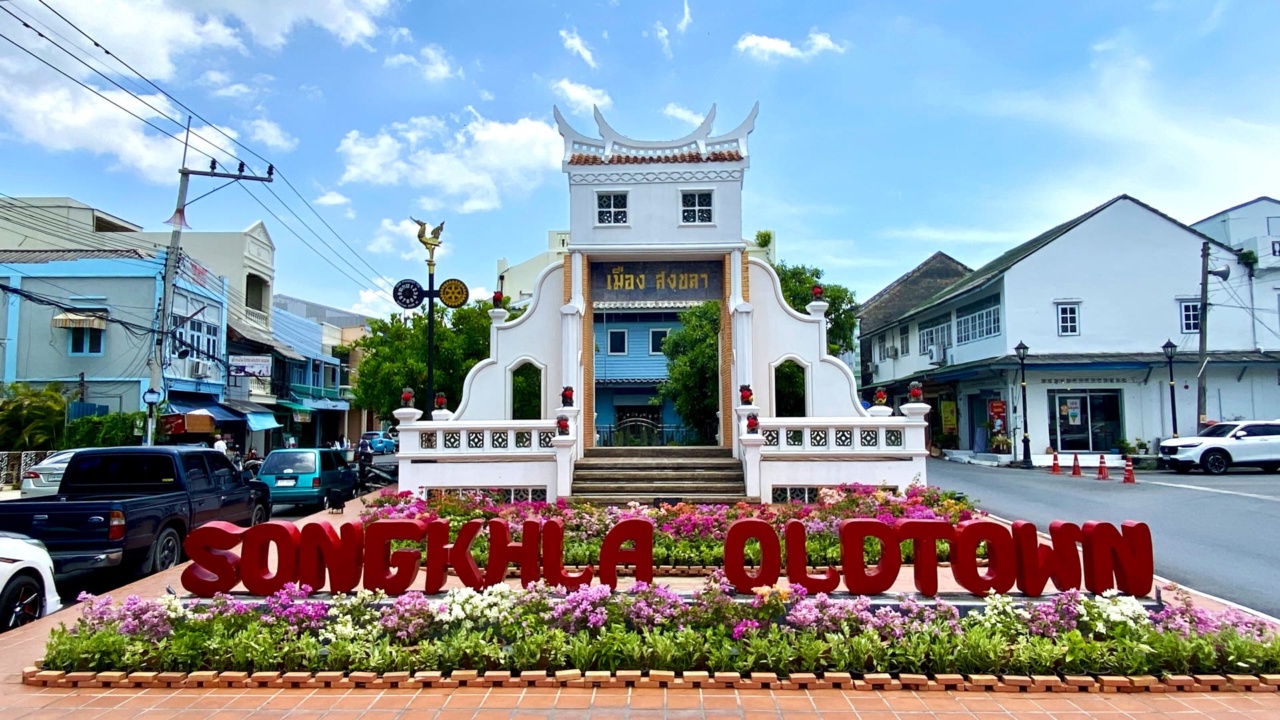
Just 25 kilometers east (about 30 minutes by car), Songkhla is Hat Yai's quieter, more scenic neighbor. The old town has beautifully restored Sino-Portuguese architecture, vibrant street art, and the excellent Songkhla National Museum housed in a former Chinese mansion. Walk along the Songkhla Lake waterfront, visit the mermaid statue at Samila Beach, and eat fresh seafood at the beachside restaurants. Songthaews run between Hat Yai and Songkhla for under $1, or take a Grab for around $5-7. This is the single best day trip from Hat Yai and should not be missed.
Padang Besar Border Market
The Thai-Malaysian border crossing at Padang Besar, about 55 kilometers south, has a sprawling market on the Thai side selling cheap clothing, electronics, and food. It is a fascinating glimpse into border-town commerce. Trains run from Hat Yai Junction to Padang Besar in about an hour for under $1. The market is most lively on weekends.
Ton Nga Chang Waterfall
About 25 kilometers west of the city, this beautiful multi-tiered waterfall in Ton Nga Chang Wildlife Sanctuary is the best natural attraction near Hat Yai. The lower tiers are accessible and swimmable. Best visited after rain when the water flow is strongest, but avoid going during heavy storms. You need your own transport or a Grab (around $8-10 each way). Allow half a day.
Koh Yo
This island in Songkhla Lake is connected by bridges and reachable in about 40 minutes from Hat Yai. It is known for its folklore museum, cotton weaving, and fresh seafood restaurants overlooking the lake. A pleasant half-day trip, especially when combined with Songkhla old town.
Betong
Thailand's southernmost city, about 140 kilometers south of Hat Yai, sits in a mountain valley near the Malaysian border. Known for its sea of fog, hot springs, and a giant mailbox landmark. It is a long drive (3-4 hours) and best as an overnight trip rather than a rushed day trip. Worth it for travelers who want to explore truly off-the-beaten-path Thailand.
Sample 3-Day Itinerary
Day 1: Markets, Food, and City Core
Morning: Start early at Kim Yong Market for dim sum breakfast and a wander through the produce, meat, and dry goods sections. Explore the surrounding streets and Chinese shophouses along Niphat Uthit 1 and 2.
Afternoon: Walk south to the Dragon and Tiger Shrine, then continue to Hat Yai Municipal Park. Climb the hill to the standing Buddha for city views. Cool off with a fresh fruit shake from a street vendor.
Evening: Head to Sanehanusorn Night Market for dinner. Graze through grilled seafood, Hat Yai fried chicken, roti, and Thai desserts. End with a traditional Thai massage at one of the many parlors along Niphat Uthit 2 (around $6-8 for an hour).
Day 2: Songkhla Day Trip
Morning: Take a songthaew or Grab to Songkhla Old Town. Walk the street art trail through the historic shophouse district. Visit the Songkhla National Museum.
Afternoon: Head to Samila Beach for photos at the mermaid statue, then have a seafood lunch at one of the beachside restaurants. If time allows, cross to Koh Yo for the folklore museum and lake views.
Evening: Return to Hat Yai. Have dinner at a local khao mok gai restaurant near the train station, then explore the night scene around Lee Gardens Plaza.
Day 3: Waterfall, Temple, and Farewell Feast
Morning: Hire a Grab to Ton Nga Chang Waterfall. Spend the morning hiking to the lower tiers and swimming. Bring water and snacks.
Afternoon: Return to Hat Yai and visit Wat Hat Yai Nai to see the massive reclining Buddha. Explore the temple grounds and the small museum inside the statue.
Evening: Splurge on a final dinner at one of Hat Yai's better seafood restaurants. Pick up last-minute snacks and fried chicken from the market stalls for your onward journey.
Budget Overview
| Category | Budget | Mid-Range | Comfort |
|---|---|---|---|
| Accommodation | $10-15 | $25-40 | $60-100 |
| Food | $5-8 | $10-18 | $20-35 |
| Transport | $2-4 | $5-10 | $10-20 |
| Activities | $0-3 | $3-8 | $8-15 |
| Daily Total | $17-30 | $43-76 | $98-170 |
Hat Yai is remarkably affordable even by Thai standards. Budget travelers can eat like royalty on street food for under $8 a day. The biggest expense for most visitors is accommodation, and even that is a bargain compared to Thai tourist hubs. Shopping at the markets can inflate your budget quickly if you are not careful, but the essentials of food, lodging, and transport remain extremely cheap.
Frequently Asked Questions
Is Hat Yai worth visiting?
Hat Yai is absolutely worth visiting if you love street food, markets, and authentic Thai city life without tourist crowds. It is not a place for beaches or temples on the scale of Bangkok or Chiang Mai, but for food lovers and cultural explorers, it offers a rewarding and very affordable experience that feels genuinely local.
How many days do you need in Hat Yai?
Two to three days is ideal. One day covers the city's markets, temples, and food scene, a second day allows for a day trip to Songkhla or Ton Nga Chang Waterfall, and a third day lets you explore at a relaxed pace. Beyond three days, you will likely run out of new things to do unless you are using Hat Yai as a base for deeper southern Thailand exploration.
Is Hat Yai safe for tourists?
Hat Yai is generally safe. While the deep south insurgency affects neighboring provinces, Hat Yai itself functions as a normal, busy commercial city. Use standard urban precautions like watching your belongings in crowded markets and agreeing on transport fares in advance. Avoid walking alone in poorly lit areas late at night.
What food is Hat Yai famous for?
Hat Yai is most famous for its fried chicken, a crispy, shallot-topped dish that has become iconic across Thailand. The city is also renowned for its dim sum, khao mok gai (chicken biryani), roti, roast duck, and the extraordinary variety of its street food scene, which blends Thai, Chinese, and Malay flavors.
Is Hat Yai expensive?
Hat Yai is one of the cheapest cities in Thailand for travelers. Street meals cost around $1-2, basic hotel rooms start at $10-15, and transport within the city rarely exceeds $2-3. Even a comfortable mid-range trip costs well under $75 per day including everything.
Can you drink tap water in Hat Yai?
No, do not drink the tap water in Hat Yai. Stick to bottled water, which is sold everywhere for around $0.20-0.30. Ice in restaurants and street stalls is generally produced commercially and is safe, but use your judgment at very basic stalls.
Is English widely spoken in Hat Yai?
English is limited in Hat Yai compared to tourist-heavy Thai cities. Hotel staff and some restaurant workers speak basic English, but at markets and street stalls, communication relies on gestures, pointing, and translation apps. Learning a few Thai phrases will significantly improve your experience.
How do I get from Hat Yai to Malaysia?
The easiest route is by train from Hat Yai Junction to Padang Besar, the border crossing, which takes about an hour and costs under $1. From Padang Besar, Malaysian trains continue to Kuala Lumpur and beyond. Minivans and buses also run directly from Hat Yai to Penang, Kuala Lumpur, and other Malaysian cities, typically taking 4-8 hours depending on the destination.
What is the best neighborhood to stay in Hat Yai?
For first-time visitors, the Niphat Uthit area in the city center puts you within walking distance of the best markets, street food, and nightlife. The Lee Gardens area is slightly more polished and convenient for shopping. Both are well-connected and affordable, making either a solid base for exploring the city.
What should I avoid in Hat Yai?
Avoid the Ice Dome and Magic Eye 3D Museum, which are overpriced and underwhelming. Skip tuk-tuk rides without agreeing on a fare first, and be cautious of gem shops offering deals that seem too good to be true. During the monsoon season from October to January, be aware that heavy flooding can occasionally affect the city center.
Latest News
1/1
Routes
🗺️ Getting Around Hat Yai - Local Transport Guide for Travelers
→ Routes from Hat Yai (20)