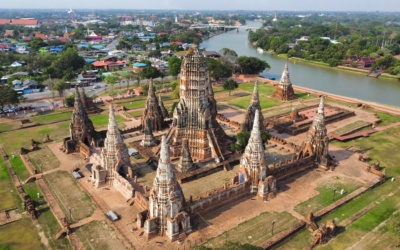
The ancient capital of the Kingdom of Siam, Ayutthaya is a sprawling open-air museum of crumbling temples, headless Buddha statues, and towering prangs that rise from flat river plains just north of Bangkok.
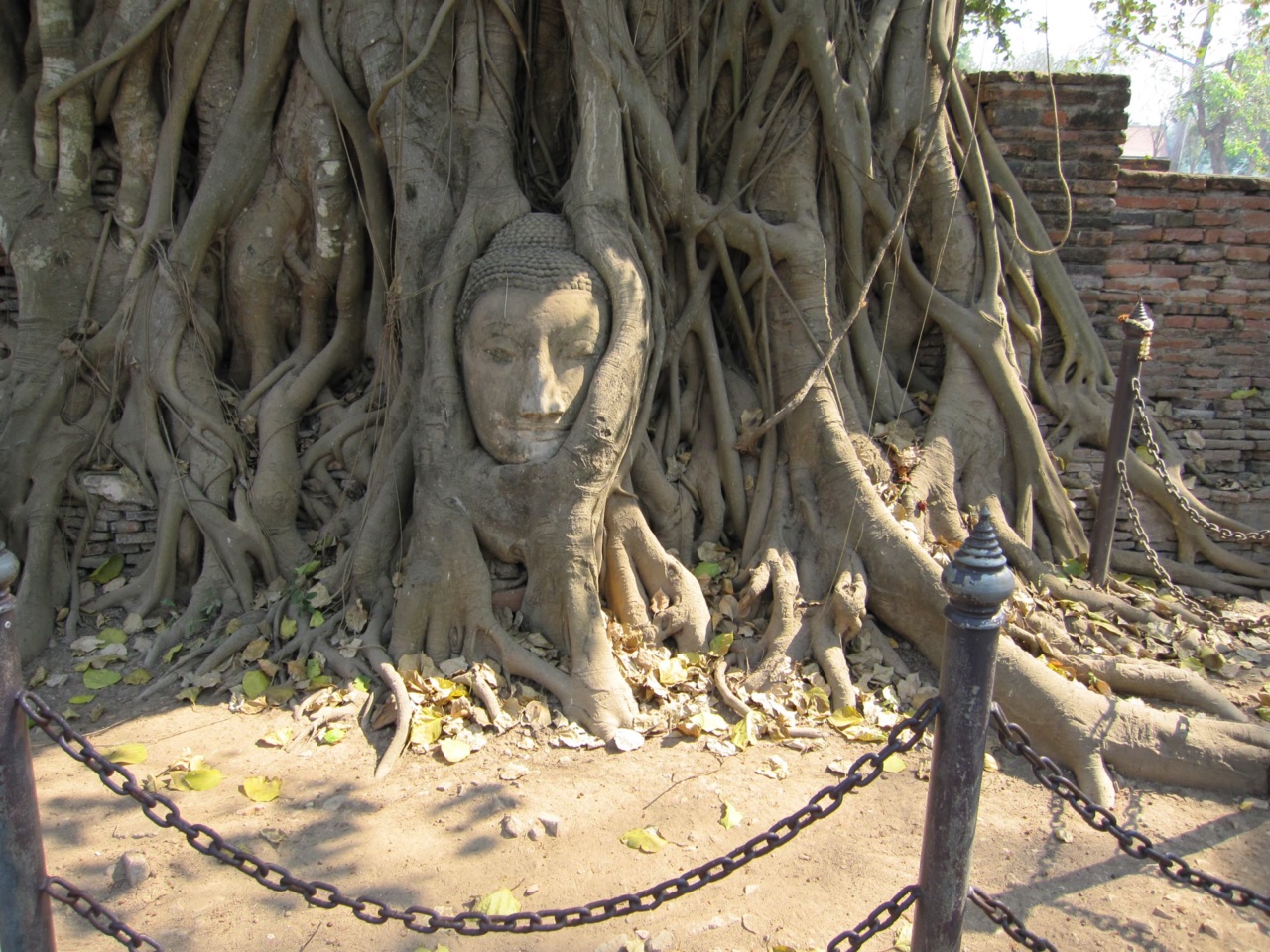
A tree has swallowed a Buddha's head. The sandstone face sits perfectly centered in a web of gnarled roots at Wat Mahathat, serene and slightly smiling, as if it planned to be there all along. This single image has become Ayutthaya's calling card, but the ancient city offers far more than one photogenic moment. For over four centuries, this was the thriving capital of the Siamese kingdom, a cosmopolitan trading hub that hosted merchants from China, Japan, Portugal, and Persia before Burmese armies burned it to the ground in 1767.
Today Ayutthaya sits roughly 80 kilometers north of Bangkok, an easy day trip or overnight escape from the capital's chaos. The ruins of hundreds of temples, palaces, and monasteries spread across an island formed by the confluence of three rivers: the Chao Phraya, the Pa Sak, and the Lopburi. Modern life carries on around the ancient stones. Locals ride motorbikes past 600-year-old chedis, night markets set up in the shadow of crumbling walls, and monks in saffron robes collect alms along streets that once served a city larger than contemporary London.
Ayutthaya rewards visitors who slow down. While many tourists blitz through on a rushed day trip from Bangkok, spending at least one night lets you explore the ruins at golden hour, cycle the quiet back lanes of the island, and eat your way through one of central Thailand's most underrated food scenes. The scale of destruction here is genuinely moving, and the temples, even in ruin, convey an architectural ambition that rivals Angkor.
Orientation and Neighborhoods
Ayutthaya's historic core sits on an island roughly four kilometers long and two kilometers wide, created by the loop of the Chao Phraya, Pa Sak, and Lopburi rivers plus connecting canals. This island is where nearly all the major ruins are located, and it is small enough to cycle across in about 15 minutes.
The Island (Historic Center)
The bulk of the UNESCO-listed ruins occupy the western and central portions of the island. The area around Wat Mahathat and Wat Ratchaburana forms the spiritual heart, while the old royal palace grounds (Wang Luang) sit to the northwest. Most guesthouses, bicycle rental shops, and restaurants cluster along Naresuan Road and the streets near the train station ferry crossing on the island's east side. This is where you want to base yourself for the most convenient access to temples and food.
East of the Island
Across the Pa Sak River to the east, the train station area and the neighborhood around the Ayutthaya Grand Hotel have a scattering of mid-range hotels and the city's main fresh market. A short ferry ride (around $0.15) or bridge crossing connects you to the island. Some of the best-value accommodation is here.
South and West of the Island
Several important temples, including Wat Phanan Choeng and Wat Yai Chai Mongkhon, sit outside the island to the south and southeast. The Japanese and Portuguese settlement areas are also in this zone. You will need a bicycle or tuk-tuk to reach these comfortably.
Where to Stay by Priority
Budget travelers should look for guesthouses on the island's east side near Naresuan Road, where rooms are cheap and restaurants are plentiful. Mid-range visitors will find better-appointed hotels both on the island and across the river to the east. For something atmospheric, a few boutique riverside guesthouses along the Pa Sak offer sunset views over the ruins. Families with cars often prefer the larger hotels east of the river where parking is easier.
Things to Do
Offers are only loaded from GetYourGuide after you click. GetYourGuide can then process your IP address and set cookies. Privacy Policy
GetYourGuide partner offers. GoAsia may earn a commission if you book through these offers. Check whether tickets or transfers are included, and follow the attraction's official booking and admission rules.
Best Time to Visit
Ayutthaya sits in Thailand's central plains, which means it is hot year-round, but some months are dramatically more comfortable than others.
Season
Months
Weather
Crowds
Notes
Cool Season
Nov - Feb
25-32C, low humidity, minimal rain
Moderate to high
Best overall conditions for temple exploration
Hot Season
Mar - May
35-40C, intense sun
Low
Brutal midday heat; go early morning or late afternoon only
Rainy Season
Jun - Oct
28-34C, heavy afternoon showers
Low
Sep-Oct brings flood risk; some temple grounds may be waterlogged
The cool season, particularly December and January, offers the most pleasant conditions. Mornings can feel genuinely cool by Thai standards, and you can spend hours cycling between ruins without overheating. The Loy Krathong festival (typically November) is magical in Ayutthaya, with floating offerings illuminating the rivers around the ancient temples. The annual World Heritage Fair, usually held in December, brings sound-and-light shows to the ruins.
Avoid late September and October if possible. Ayutthaya experienced devastating floods in the past, and while infrastructure has improved, low-lying temple grounds still accumulate water during heavy monsoon years.
Getting There and Getting Around
Getting to Ayutthaya
From Bangkok, you have several practical options. The train is the most atmospheric. Long-distance trains now leave from Krung Thep Aphiwat Central Terminal (also called Bang Sue Grand Station), which replaced Hua Lamphong as Bangkok's main long-distance station in January 2023.[1] Third-class seats are the cheapest way to go, and the ride takes roughly 1.5 to 2 hours, rolling through Bangkok's outskirts and rice paddies. Trains run frequently throughout the day.
Minivans depart from Bangkok's Victory Monument area (and other hubs) every 20 to 30 minutes, cost around $2 to $3, and take about 90 minutes depending on traffic. They drop you closer to the island center than the train station does. For more transport details and schedules, GoAsia.cc is a useful resource for planning connections across Thailand.
From Suvarnabhumi Airport, a taxi directly to Ayutthaya costs roughly $40 to $50 and takes about 90 minutes. Some travelers heading north combine an Ayutthaya stop with onward travel to Lopburi or Sukhothai.
Getting Around Ayutthaya
Bicycles are the ideal way to explore. Rental shops near the guesthouse area on the island charge around $1 to $2 per day for a basic bike. The terrain is completely flat, distances between major temples are short, and cycling lets you stumble upon lesser-visited ruins along the way. E-bikes and scooters are also available for around $5 to $8 per day.
Tuk-tuks are plentiful and drivers will offer multi-temple tours. A standard three-hour circuit covering four to five major temples costs roughly $10 to $15 for the whole vehicle, though you should negotiate the price and itinerary before departing. Songthaews (shared pickup trucks) run occasional routes but are not reliable for temple-hopping.
Grab (ride-hailing) works in Ayutthaya but driver availability is limited compared to Bangkok. It is useful for getting from the train station to the island or to outlying temples. Walking is pleasant within specific temple complexes but the distances between sites make it impractical as your sole mode of transport, especially in the heat.
Top Sights and Experiences
Must-See Temples
Wat Mahathat - The most iconic site, famous for the Buddha head entwined in tree roots. The sprawling grounds contain rows of headless Buddha statues and a massive collapsed prang. Arrive early morning before the tour buses (before 9 AM) for the best photos and a more contemplative atmosphere. Entry is around $1.50. Allow 45 minutes to an hour.
Wat Ratchaburana - Directly across the road from Wat Mahathat, this temple features one of Ayutthaya's best-preserved prangs, which you can climb inside via a narrow staircase to see faded murals in the crypt. The claustrophobic descent is not for everyone, but it is one of the most unique experiences in the park. Entry around $1.50. Allow 30 to 45 minutes.
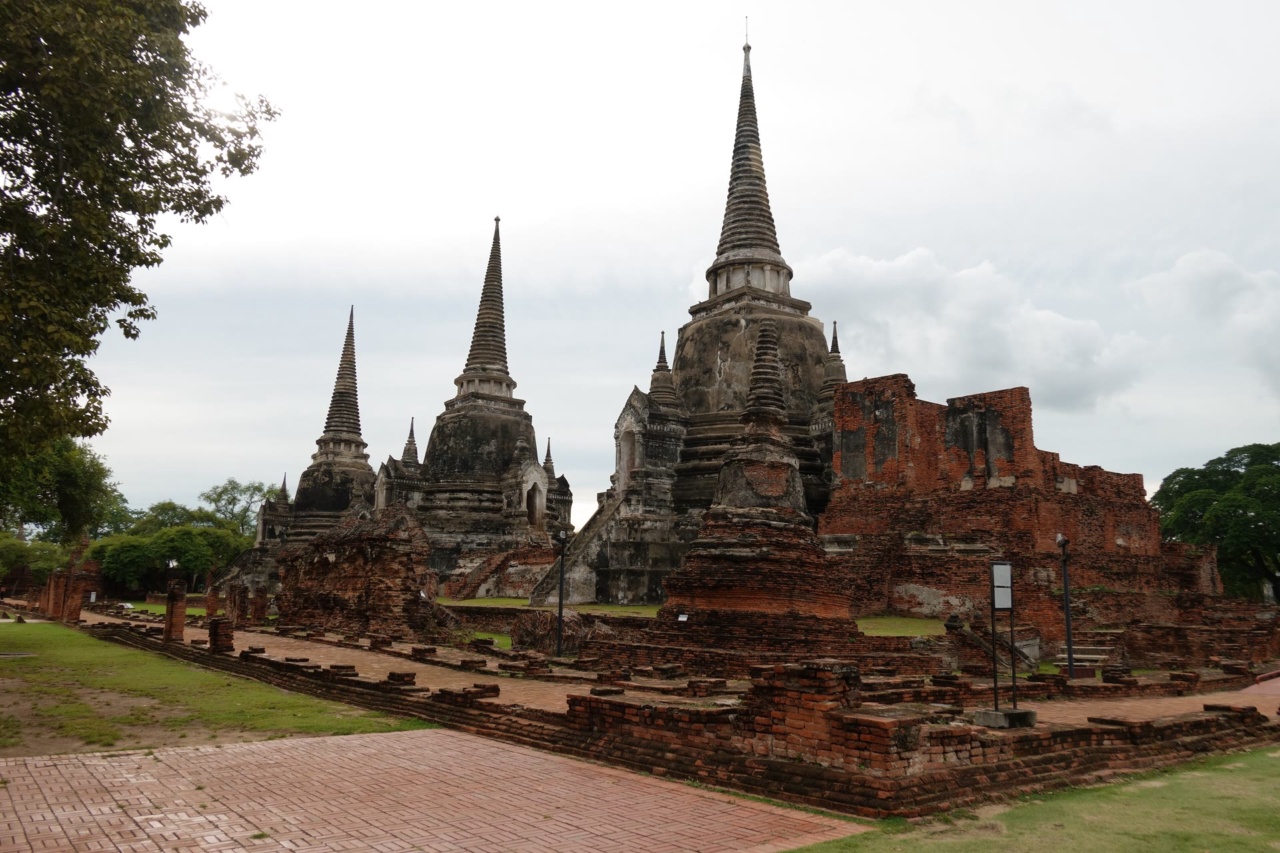
Wat Phra Si Sanphet - The three iconic bell-shaped chedis on the old royal palace grounds are Ayutthaya's most recognizable silhouette. This was the grandest temple in the kingdom, equivalent to Wat Phra Kaew in Bangkok. The site is most photogenic at sunset when the chedis glow amber. Entry around $1.50. Allow 30 minutes.
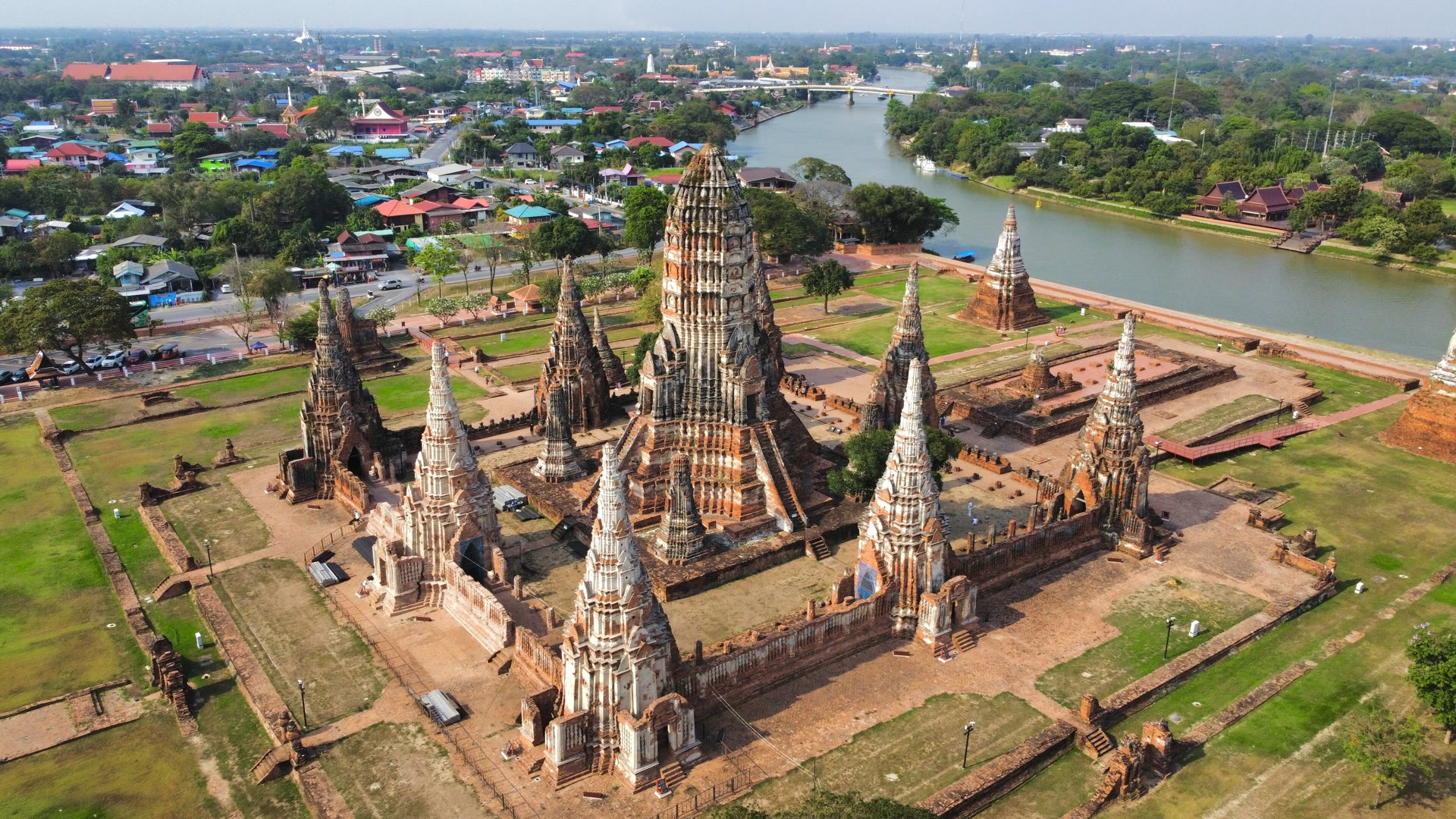
Wat Chaiwatthanaram - Sitting on the west bank of the Chao Phraya outside the island, this Khmer-style temple is arguably Ayutthaya's most photogenic ruin. The central prang surrounded by smaller towers creates a stunning symmetry, especially at sunset. It is a short bike ride or tuk-tuk trip from the island center. Entry around $1.50. Allow 45 minutes.
Wat Yai Chai Mongkhon - Southeast of the island, this active monastery features a massive chedi you can climb for panoramic views, plus a large reclining Buddha draped in saffron cloth. The grounds are well-maintained and shaded, making it one of the more comfortable visits in hot weather. Entry around $1.50. Allow 30 to 45 minutes.
Wat Phanan Choeng - Home to a towering 19-meter seated Buddha that predates the founding of Ayutthaya itself, this active Chinese-Thai temple is packed with worshippers and has a completely different energy from the quiet ruins. The golden interior is dazzling. Entry is free (donations appreciated). Allow 20 to 30 minutes.
Lesser-Known Gems
Wat Lokayasutharam - A massive reclining Buddha in an open field, free to visit and rarely crowded. The lack of walls or enclosure makes it feel like the statue is simply resting in the landscape. Combine it with nearby Wat Worachettharam for a quiet stroll.
Wat Phu Khao Thong (Golden Mount) - A large white chedi sitting alone in rice fields northwest of the island. You can climb to the top for sweeping 360-degree views of the plains. Very few tourists make it here, and the surrounding fields are beautiful, especially during the green season. Free entry.
Chao Sam Phraya National Museum - If you want context for what you are seeing at the ruins, this small museum houses golden treasures, Buddha images, and artifacts recovered from the temple crypts. Entry around $4.50. Allow one hour.
Boat tours - Late-afternoon longtail boat trips around the island offer a perspective of the ruins from the water, the same vantage point traders would have had centuries ago. Tours typically cost around $10 to $20 per person and last about an hour. The sunset circuit past Wat Chaiwatthanaram is particularly worthwhile.
Overrated Attractions
Ayutthaya Floating Market - This is a purpose-built tourist attraction, not an authentic floating market. It charges an entry fee (around $5 for foreigners), sells overpriced souvenirs, and feels contrived. Skip it in favor of the genuine night market on the island.
Million Toy Museum - Occasionally recommended in guidebooks, this quirky collection of vintage toys is mildly interesting but not worth prioritizing over actual temple time unless you have multiple days and have exhausted the ruins.
Elephant Rides - Still offered near some temples, elephant riding around the ruins is widely criticized on animal welfare grounds. Responsible travelers should avoid this activity.
Food and Drink
Ayutthaya's food scene punches well above its weight for a small provincial city. The rivers supply excellent freshwater prawns and fish, and the town has its own distinct specialties you will not find easily elsewhere.
Signature Dishes
Dish
Description
Where to Try
Typical Price
Roti Sai Mai
Thin roti crepes wrapped around threads of spun palm sugar candy floss, a sweet snack unique to Ayutthaya
Stalls along U Thong Road and the road to Bang Pa-In
Around $0.50-$1 per bag
Boat Noodles (Kuay Teow Reua)
Small bowls of intensely flavored pork or beef noodle soup, traditionally served from boats
Restaurants near the river and the night market area
Around $0.30-$0.50 per bowl
Giant River Prawns (Kung Mae Nam)
Massive freshwater prawns grilled or baked with glass noodles, a central Thai delicacy
Riverside restaurants south of the island
Around $8-$15 per plate depending on size
Kanom Jeen Nam Ya
Rice noodles with spicy fish curry sauce, a common breakfast and lunch dish
Morning market stalls on the island
Around $0.50-$1
Tom Yum Kung
Hot and sour prawn soup, excellent here due to the fresh river prawns
Any riverside restaurant
Around $2-$4
Where to Eat
The night market near Bang Lan Road on the island is the best single destination for affordable street food. Stalls sell pad thai, grilled meats, som tam, mango sticky rice, and more, all for $1 to $2 per dish. The atmosphere is lively and the food is fresh.
For riverside dining, several restaurants along the Pa Sak River east of the island serve grilled prawns and Thai seafood with views of illuminated temples. Expect to pay $5 to $15 per person for a full meal with drinks at these spots.
The morning market near Chao Phrom Market is where locals eat breakfast. Arrive between 6 and 8 AM for rice porridge, kanom jeen, and strong Thai coffee for under $1. Roti sai mai stalls are concentrated along the main road heading south toward Bang Pa-In; buy several bags as they make excellent gifts.
Ayutthaya is not a nightlife destination. A few bars near the guesthouse area serve cold beer, but most visitors are in bed early, ready for another morning of temple exploration. Local beer costs around $1.50 to $2 at restaurants.
Where to Stay
Budget (Under $15 per night)
Simple guesthouses and hostels cluster along Naresuan Road and the sois near the northeast corner of the island. Expect basic fan rooms or dorm beds with shared bathrooms. Some have bicycle rentals on-site, which is convenient. The area is walkable to the night market and close to the ferry crossing from the train station.
Mid-Range ($15-$50 per night)
Several well-reviewed hotels on the island and just across the river offer air-conditioned rooms, pools, and breakfast. Riverside boutique guesthouses in this range provide atmospheric settings with views of the Pa Sak River. Hotels near the train station tend to be newer and offer better facilities for the price.
Upscale ($50-$150 per night)
A handful of heritage-style hotels and resorts sit along the riverbanks, offering polished rooms, riverside dining, and a sense of old-world charm. These properties are excellent for couples or anyone wanting a more refined base. Some converted traditional Thai houses provide a unique accommodation experience you will not find in Bangkok's concrete towers.
Booking in advance is only essential during major Thai holidays (Songkran in April, Loy Krathong in November) and long weekends. At other times, you can often walk in and negotiate a rate, especially for budget places.
Practical Tips
Safety: Ayutthaya is very safe. The main hazard is the heat, which can be genuinely dangerous if you spend hours cycling between exposed temple ruins without water. Carry at least a liter of water, wear a hat, and take midday breaks in shade or air conditioning.
Watch for uneven ground and steep steps at temple ruins, especially at sites like Wat Ratchaburana where you descend into crypts.
If cycling, be cautious on the main roads where trucks and buses pass. Stick to smaller sois when possible.
Petty theft is rare but do not leave valuables unattended in bicycle baskets.
Money: Cash is king in Ayutthaya. ATMs are available on the island and near the train station, dispensing Thai baht. Very few street food vendors or tuk-tuk drivers accept cards. Small guesthouses may also be cash-only. Mid-range hotels and some restaurants accept credit cards. Tipping is not expected at street stalls; rounding up the bill at sit-down restaurants is appreciated but not mandatory.
Temple Entry: Most major ruins charge 50 baht (around $1.50) per person. A six-site pass is available for 220 baht (around $6) and covers the main temples, offering a small saving if you plan to visit them all. Tickets are checked at each entrance. Keep your pass handy.
Dress Code: Since most temples are ruins without active worship areas, dress codes are relaxed compared to Bangkok. Shorts and tank tops are fine at most sites. However, Wat Phanan Choeng and Wat Na Phra Men are active temples where you should cover shoulders and knees. A lightweight sarong or scarf in your daypack solves this easily.
Connectivity: Wi-Fi is available at most guesthouses and cafes. If you need mobile data, Thai SIM cards from AIS, DTAC, or TrueMove are cheap (around $5 to $10 for a tourist package with generous data) and can be purchased at convenience stores or phone shops. Coverage in Ayutthaya is excellent.
Language: English is limited outside of hotels and tourist-facing businesses. Tuk-tuk drivers usually know enough to negotiate temple tours. Having temple names written in Thai on your phone helps enormously. Basic Thai phrases like "sawadee krap/ka" (hello) and "kop khun krap/ka" (thank you) are always appreciated.
Cultural Notes: Never climb on Buddha statues or temple structures for photos. The famous Buddha head in the tree roots at Wat Mahathat must be photographed with your head lower than the Buddha's, so kneel or crouch. This is both a rule and a sign of respect. Remove shoes before entering any active temple building.
Day Trips
Bang Pa-In Summer Palace
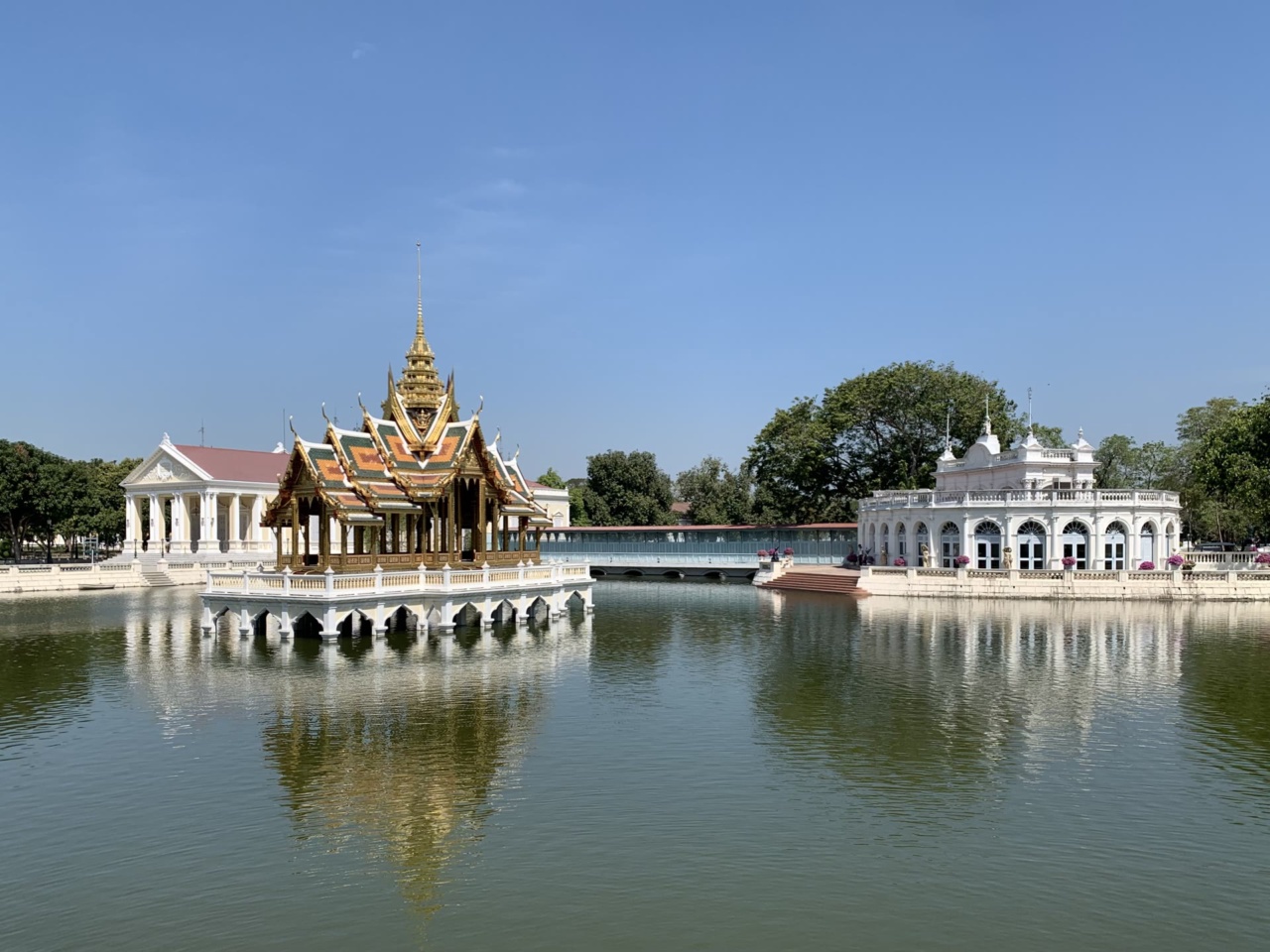
Located about 20 kilometers south of Ayutthaya toward Bangkok, this royal palace complex features a stunning mix of Thai, Chinese, and European architectural styles set around manicured gardens and lakes. It takes about 30 minutes by minivan or taxi. Entry is around $4.50. Allow two hours. The palace is well-maintained and offers a sharp contrast to Ayutthaya's ruins, showing what royal Thai architecture looks like when it has not been sacked. Worth combining with your Ayutthaya visit, especially on arrival or departure day.
About 75 kilometers north, Lopburi is famous for its Khmer-era temple ruins and the hundreds of macaque monkeys that have taken over the town center. Trains connect Ayutthaya to Lopburi in about 90 minutes and cost under $1. The monkeys at Prang Sam Yot are entertaining but aggressive; secure your belongings. The annual Monkey Buffet Festival (typically November) is wonderfully bizarre. A full day trip is worthwhile for anyone interested in Khmer history or animal chaos.
Ang Thong
This quiet province west of Ayutthaya is known for the Wat Muang complex, home to Thailand's largest seated Buddha statue at 92 meters tall. The surrounding area has a surreal hell garden depicting Buddhist punishments. It is about 40 minutes by car. Interesting as a quick detour rather than a full-day commitment.
Ayutthaya River Cruise to Bangkok
Several companies operate scenic boat cruises from Ayutthaya back to Bangkok along the Chao Phraya River. The journey takes most of the day and includes lunch and stops at riverside temples. Prices range from around $30 for basic services to $150 or more for luxury cruises. This is a memorable way to end an Ayutthaya visit, though budget travelers will find the train far more practical.
Khao Yai National Park
About two to three hours east of Ayutthaya, Khao Yai is Thailand's oldest national park and a UNESCO World Heritage Site. It is better suited as an overnight trip than a day excursion from Ayutthaya, but if you have a car and an early start, the waterfalls and wildlife (including wild elephants and hornbills) make it worthwhile. Entry is around $12 for foreigners.
Sample 3-Day Itinerary
Day 1: The Island Core
Morning: Arrive from Bangkok by early train. Cross to the island by ferry and rent a bicycle near the guesthouse area. Head straight to Wat Mahathat before the crowds build, spending time with the Buddha head in the tree roots and exploring the extensive grounds. Cross the road to Wat Ratchaburana and descend into the crypt to see the ancient murals.
Afternoon: Cycle to Wat Phra Si Sanphet and the adjacent Wihan Phra Mongkhon Bophit, which houses a massive bronze Buddha. Explore the old palace grounds. Take a midday break for lunch and cold drinks at a restaurant near Chao Phrom Market. Visit the Chao Sam Phraya National Museum for historical context.
Evening: Cycle to Wat Chaiwatthanaram on the west bank for sunset, timing your arrival about 45 minutes before the sun drops. Return to the island for dinner at the Bang Lan night market, sampling boat noodles and grilled skewers.
Day 2: Outer Temples and River Life
Morning: Start early at Wat Yai Chai Mongkhon southeast of the island, climbing the chedi for views before the heat intensifies. Continue to Wat Phanan Choeng to see the towering golden Buddha and the lively worship atmosphere. Visit the nearby Japanese Settlement historical area for a quieter cultural stop.
Afternoon: Cycle or tuk-tuk to Wat Lokayasutharam to see the massive outdoor reclining Buddha. Continue northwest to Wat Phu Khao Thong (Golden Mount) and climb for panoramic views over the rice fields. Stop for roti sai mai along U Thong Road on your way back.
Evening: Take a late-afternoon longtail boat tour around the island, passing temples from the river. Finish with a riverside dinner of grilled giant prawns at a restaurant along the Pa Sak River.
Day 3: Bang Pa-In and Departure
Morning: Check out and take a minivan or taxi to Bang Pa-In Summer Palace. Spend two hours exploring the ornate buildings and gardens. The Chinese-style Wehat Chamrun Palace and the Thai-style Aisawan Thiphya-Art pavilion in the lake are highlights.
Afternoon: Return to Ayutthaya for a final lunch, pick up bags of roti sai mai as souvenirs, and catch an afternoon train or minivan back to Bangkok. Alternatively, continue north to Lopburi if your itinerary heads that direction.
Budget Overview
Category
Budget
Mid-Range
Comfort
Accommodation
$5-$10
$20-$40
$60-$120
Food
$5-$8
$10-$20
$25-$40
Transport
$2-$4 (bicycle)
$8-$15 (tuk-tuk tours)
$20-$30 (private car/driver)
Activities
$5-$8 (temple passes)
$10-$15 (temples + museum)
$20-$30 (temples + boat tour)
Daily Total
$17-$30
$48-$90
$125-$220
Ayutthaya is one of Thailand's best-value destinations. Budget travelers can have a rich experience for under $30 per day, while mid-range visitors who want air-conditioned rooms and sit-down meals will still spend less than they would in Bangkok. The major expense for most visitors is actually getting there and back, and even that is negligible if you take the train.
Frequently Asked Questions
Is Ayutthaya worth visiting?
Absolutely. Ayutthaya is one of Thailand's most significant historical sites and a UNESCO World Heritage treasure. The sheer scale of the ruins, spread across an entire river island, gives you a visceral sense of the kingdom's former power. It is easily accessible from Bangkok and offers a completely different experience from Thailand's beaches or modern cities.
How many days do you need in Ayutthaya?
One full day covers the major temples comfortably, but staying overnight lets you enjoy the ruins during golden hour and explore the excellent night markets. Two days is ideal if you want to include the Bang Pa-In Summer Palace, cycle the island thoroughly, and visit some lesser-known temples without rushing.
Is Ayutthaya safe for tourists?
Ayutthaya is very safe. Violent crime against tourists is essentially unheard of. The main risks are heat-related illness from spending long hours at exposed temple sites and minor traffic hazards if you are cycling. Keep hydrated, wear sunscreen, and stay alert when sharing the road with cars and tuk-tuks.
What is the best time to visit Ayutthaya?
The cool season from November through February offers the most comfortable weather for exploring outdoor ruins. Avoid the peak flooding risk in September and October, when some low-lying temple grounds can become waterlogged. Early morning visits year-round help you beat both heat and tour bus crowds.
How do I get from Bangkok to Ayutthaya?
The cheapest option is usually a third-class train from Bangkok's Krung Thep Aphiwat Central Terminal (Bang Sue Grand Station), taking about two hours. Minivans depart frequently from Victory Monument and take around 90 minutes. You can also hire a private car or join a guided day tour from Bangkok.
Can I visit Ayutthaya as a day trip from Bangkok?
Yes, it is one of the most popular day trips from Bangkok. You can comfortably see four to six major temples in a single day if you start early. However, staying overnight gives you more relaxed pacing, better light for photography, and the chance to experience the town's evening atmosphere.
Is it better to explore Ayutthaya by bicycle or tuk-tuk?
Both work well. Bicycles cost around one to two dollars per day and give you freedom to stop anywhere, though the heat can be brutal midday. Tuk-tuks are better if time is short or the weather is extreme; expect to pay roughly $10 to $15 for a three-hour tour covering the main sites. E-bikes are increasingly available and offer a great middle ground.
What food is Ayutthaya famous for?
Ayutthaya is renowned for roti sai mai, a cotton-candy-like sweet wrapped in thin roti crepes, sold all along the road to the city. The town also has excellent boat noodles, river prawns, and a vibrant night market scene with affordable Thai street food. Do not leave without trying the giant freshwater prawns from the nearby rivers.
Do I need to dress modestly at Ayutthaya temples?
Most Ayutthaya temples are ruins without active worship areas, so dress codes are more relaxed than at Bangkok's grand temples. However, a few sites like Wat Na Phra Men have active shrines where you should cover shoulders and knees. Carrying a light scarf or sarong is a practical solution.
Is Ayutthaya expensive?
Ayutthaya is notably cheaper than Bangkok. Guesthouse rooms start around $10 to $15, street meals cost $1 to $2, and temple entry fees are typically $1.50 per site or $6 for a multi-temple pass. A comfortable day of sightseeing, food, and transport can be done for well under $30.
Sources and background
Numbers in the text such as [1] refer to these sources.