
Getting Around Ayutthaya - Local Transport Guide for the Ancient Capital
Contents
- 1. Getting Around Ayutthaya by Bicycle
- 2. Getting Around Ayutthaya by Tuk-Tuk
- 3. Getting Around Ayutthaya by Motorbike and Motorbike Taxi
- 4. Getting Around Ayutthaya by Songthaew (Shared Minibus)
- 5. Getting Around Ayutthaya by Boat
- 6. Getting Around Ayutthaya on Foot
- 7. Getting Around Ayutthaya by Elephant (A Note)
- 8. Comparing Your Options
- 9. Practical Tips for Getting Around Ayutthaya
- 9.1 Apps and Maps
- 9.2 Money and Payment
- 9.3 Timing and Heat
- 9.4 Common Mistakes
- 9.5 Safety
- 9.6 Language Tips
- 10. Popular Routes and Destinations
- 10.1 Getting to Ayutthaya by Train
- 10.2 Key Temple Circuit
- 11. Frequently Asked Questions
- 12. Sources and background
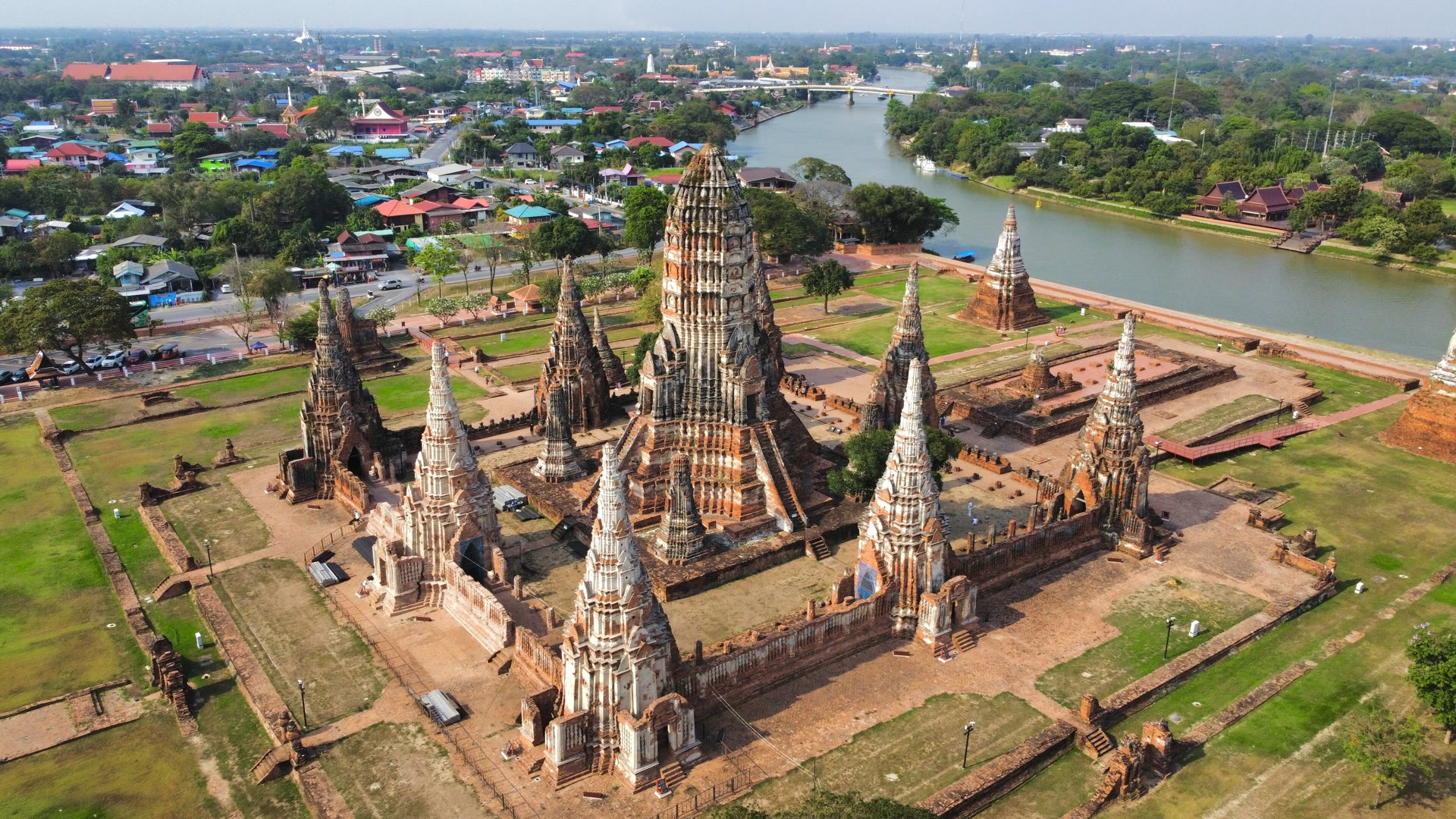
Ayutthaya sprawls across a flat river island where crumbling temples rise from grassy fields and narrow lanes wind between neighborhoods that still feel like a provincial Thai town. The ancient capital sits at the confluence of three rivers, and its historic core - roughly contained within a loop of water - is compact enough that you can see several major ruins in a single afternoon if you pick the right way to move. But the ruins are scattered, not clustered, and the tropical heat makes walking between distant sites exhausting by midday.
Unlike Bangkok, Ayutthaya has no rail transit, no Grab cars lurking on every corner, and no air-conditioned buses circling the sights. Instead, you will rely on a mix of rented bicycles, chartered tuk-tuks, motorbike taxis, longtail boats, and your own two feet. The simplicity is part of the charm. This is a city where the pace of travel matches the pace of life - unhurried, a little dusty, and full of unexpected discoveries along the way.
Understanding your options before you arrive will save you money and frustration. Here is everything you need to know about moving freely through Ayutthaya.
Getting Around Ayutthaya by Bicycle
Cycling is the most popular and arguably the best way to explore Ayutthaya's historic island. The terrain is dead flat, distances between major temples are manageable, and quiet back roads let you stumble on ruins, local markets, and canal-side scenes that tuk-tuk passengers never see.
Guesthouses and rental shops near the train station and along Naresuan Road rent bicycles by the day, and some also offer multi-gear or electric bicycles. Ask for the price before you rent, and always check the brakes and tires before you ride off - quality varies, and a flat tire in the midday heat is no fun.
The best cycling hours are early morning (before 10 a.m.) and late afternoon (after 3 p.m.), when the heat is tolerable and the light on the temples is beautiful. Carry water, wear sunscreen, and lock your bike when you stop at a ruin. Traffic on the main ring roads around the island can be fast-moving, so stick to smaller interior roads where possible. A loop of the major sites on the island is very doable for anyone with moderate fitness.
Getting Around Ayutthaya by Tuk-Tuk
Ayutthaya's tuk-tuks are not the zippy three-wheelers of Bangkok. They are larger, open-sided vehicles - more like motorized rickshaws. They are the default transport for visitors who want to cover ground quickly without the physical effort of cycling, especially in the heat of the day.
There are two ways to use tuk-tuks: hiring one for a single trip or chartering one for a half-day or full-day tour. Prices are negotiated, so agree on the fare for a single hop or for a charter of a few hours before you set off. Drivers usually know set itineraries and will suggest a route covering Wat Mahathat, Wat Phra Si Sanphet, Wat Chaiwatthanaram, and other highlights.
Always agree on the price and itinerary before you climb in. Bargaining is expected but keep it friendly. Drivers waiting at the train station or outside popular temples tend to quote higher opening prices than those you flag down on the street. If a price feels too high, smile, walk away, and try the next driver - there is never a shortage. Some drivers will try to add stops at gem shops or souvenir stores where they earn a commission; politely decline if that is not your thing.
Getting Around Ayutthaya by Motorbike and Motorbike Taxi
For solo travelers or those comfortable on two wheels, renting a motorbike gives you maximum freedom. Several shops near the train station and along Naresuan Soi 2 rent scooters by the day. Rental shops may ask for a deposit or identification, but do not leave your original passport as collateral. Ask about a safer deposit option before handing over any document. Thai law requires visitors to hold an international driving license to ride a motorcycle, and to show it with their passport and national license when asked.[1] Always wear the helmet provided.
Motorbike taxis - identifiable by their orange or colored vests - cluster at the train station, near markets, and at major intersections. They are cheap and fast for short hops, and the fare is agreed before the ride. Simply point in the direction you want to go or show an address on your phone. These are practical for crossing the island quickly, but the ride can feel hairy if you are not used to Thai traffic.
Getting Around Ayutthaya by Songthaew (Shared Minibus)
Songthaews - converted pickup trucks with two bench seats in the back and a roof - serve as Ayutthaya's informal public bus system. They run fixed routes connecting the train station, the main market areas, and neighborhoods outside the island. Fares are very low.
The catch is that songthaews are designed for locals, not tourists. Routes are unmarked and run on loose schedules. Unless you speak some Thai or are very adventurous, they are more useful for getting a sense of local life than for efficient temple hopping. That said, if your guesthouse is outside the island (for example, near the bus terminal), a songthaew may be the cheapest way to reach the historic center. Ask your accommodation for the nearest stop and which color or route number to look for.
Getting Around Ayutthaya by Boat
Water was the original highway of old Siam, and Ayutthaya's rivers remain a wonderful way to see the city from a different angle. Longtail boat tours circle the island, passing Wat Chaiwatthanaram, Wat Phanan Choeng, and the riverside fort ruins. A private longtail charter is priced by route and duration, so agree on the fare in advance. Boats can be hired at the pier near Phom Phet Fortress or through guesthouses.
Short cross-river ferries also operate at several points, shuttling passengers and motorbikes to temples on the opposite bank for a small fee. These tiny ferries are essential for reaching Wat Phanan Choeng and Wat Yai Chai Mongkhon without a long road detour.
A sunset boat ride along the Chao Phraya and Pa Sak rivers is one of Ayutthaya's most memorable experiences - the temples glow orange against the fading sky, and the breeze off the water is a welcome relief after a hot day of sightseeing.
Getting Around Ayutthaya on Foot
Walking works well for concentrated clusters of ruins. The area around Wat Mahathat, Wat Ratchaburana, and Wat Phra Ram is compact enough to cover on foot in an hour or two. The Ayutthaya Historical Park's central zone, near the old royal palace grounds, is pleasant for strolling in the cooler morning hours.
Beyond these clusters, however, walking becomes impractical. The distances between outlying temples like Wat Chaiwatthanaram and Wat Yai Chai Mongkhon are several kilometers, often along roads with narrow or nonexistent sidewalks and fast-moving traffic. Save walking for exploring individual temple complexes and use another mode to travel between them.
Getting Around Ayutthaya by Elephant (A Note)
You may see elephants carrying tourists near the ruins. While this was once a common tourist activity, growing awareness of animal welfare concerns has led many travelers and organizations to discourage elephant riding. The practice is increasingly criticized for the harm it causes to the animals. Consider the ethical implications before participating, and know that every other transport mode in this guide will show you the same sights without the controversy.
Comparing Your Options
| Mode | Duration | Best For |
|---|---|---|
| Bicycle | Self-paced | Exploring the island at your own pace, discovering hidden ruins |
| Tuk-tuk (charter) | Several hours for the main sites | Covering many temples quickly, traveling in the heat, groups |
| Tuk-tuk (single trip) | A few minutes per hop | Quick point-to-point trips between specific ruins |
| Motorbike rental | Self-paced | Solo travelers wanting maximum flexibility and speed |
| Motorbike taxi | A few minutes | Short solo hops, getting to/from the train station |
| Songthaew | Varies | Budget travelers comfortable with local systems |
| Longtail boat | One to two hours | Scenic river views, sunset tours, reaching riverside temples |
| Cross-river ferry | A few minutes | Crossing to temples on the opposite riverbank |
| Walking | Varies | Exploring within temple clusters, morning strolls |
Practical Tips for Getting Around Ayutthaya
Apps and Maps
- Google Maps works well for navigation and shows temple locations accurately. Download the offline map for Ayutthaya before you arrive, as mobile data can be spotty in some areas.
- Grab exists in Ayutthaya but availability is limited compared to Bangkok. You may wait a long time for a car or find none available. Do not rely on it as your primary transport here.
- The Ayutthaya Historical Park has a basic map available at the visitor center near Wat Mahathat - grab one for orientation.
Money and Payment
- Cash is king in Ayutthaya. Tuk-tuks, bike rentals, boats, and songthaews all operate on cash only. ATMs are available near the train station and on Naresuan Road.
- Carry small bills - 20 and 100 baht notes. Tuk-tuk drivers and ferry operators rarely have change for 1,000 baht notes.
- Temple entrance fees are charged per site and payable in cash, so check the current fee at each site.
Timing and Heat
- Start early. The hours before 10 a.m. are the most comfortable for cycling or walking. The midday heat is brutal - this is when a tuk-tuk charter earns its price.
- Many temples close in the late afternoon, so check the hours of each site and plan your last visits accordingly.
- Ayutthaya does not have a significant rush hour problem for tourists, but the roads around the fresh market area near Chao Phrom can get congested in the early morning and late afternoon.
Common Mistakes
- Underestimating distances: The island looks small on a map, but cycling between Wat Chaiwatthanaram on the west side and Wat Maheyong on the east takes a good while. Plan your route to minimize backtracking.
- Not agreeing the price first: The first price is often inflated. Ask for the fare before you get in, and compare a second quote if it feels too high.
- Skipping off-island temples: Wat Yai Chai Mongkhon and Wat Phanan Choeng are outside the island moat but absolutely worth visiting. Budget transport time to reach them.
- Cycling without water: Dehydration sneaks up fast. Carry at least one liter and refill at convenience stores (7-Eleven is everywhere).
Safety
- Ayutthaya is generally very safe, even after dark. However, the island has limited street lighting, so cycling at night requires a headlight - most rental bikes do not come with one.
- Watch for dogs, especially near temples. Stray dogs are common and usually harmless but can be territorial. Give them space.
- If you rent a motorbike, drive defensively. Thai traffic follows its own logic, and tourists on scooters are involved in accidents regularly.
Language Tips
English is limited outside tourist-facing businesses. Having temple names written in Thai script on your phone helps enormously when communicating with tuk-tuk drivers. Google Translate's camera function can help you read Thai signs. Useful phrases: "pai" (go to), "tao rai" (how much?), and "yut tee nee" (stop here).
For more detailed route comparisons and planning across Thailand, GoAsia.cc can help you weigh your transport options before you travel.
Popular Routes and Destinations
Getting to Ayutthaya by Train
From Krung Thep Aphiwat Central Terminal in Bangkok, the State Railway of Thailand lists, for example, Special Express No. 7 at 07:30 arriving in Ayutthaya at 08:23, Rapid No. 111 at 07:50 arriving at 08:59, and Rapid No. 109 at 14:15 arriving at 15:20.[2] Check the current SRT timetable for the service you choose. The Ayutthaya station is east of the historic island. From the station, use the short ferry or local taxi options described above.
Key Temple Circuit
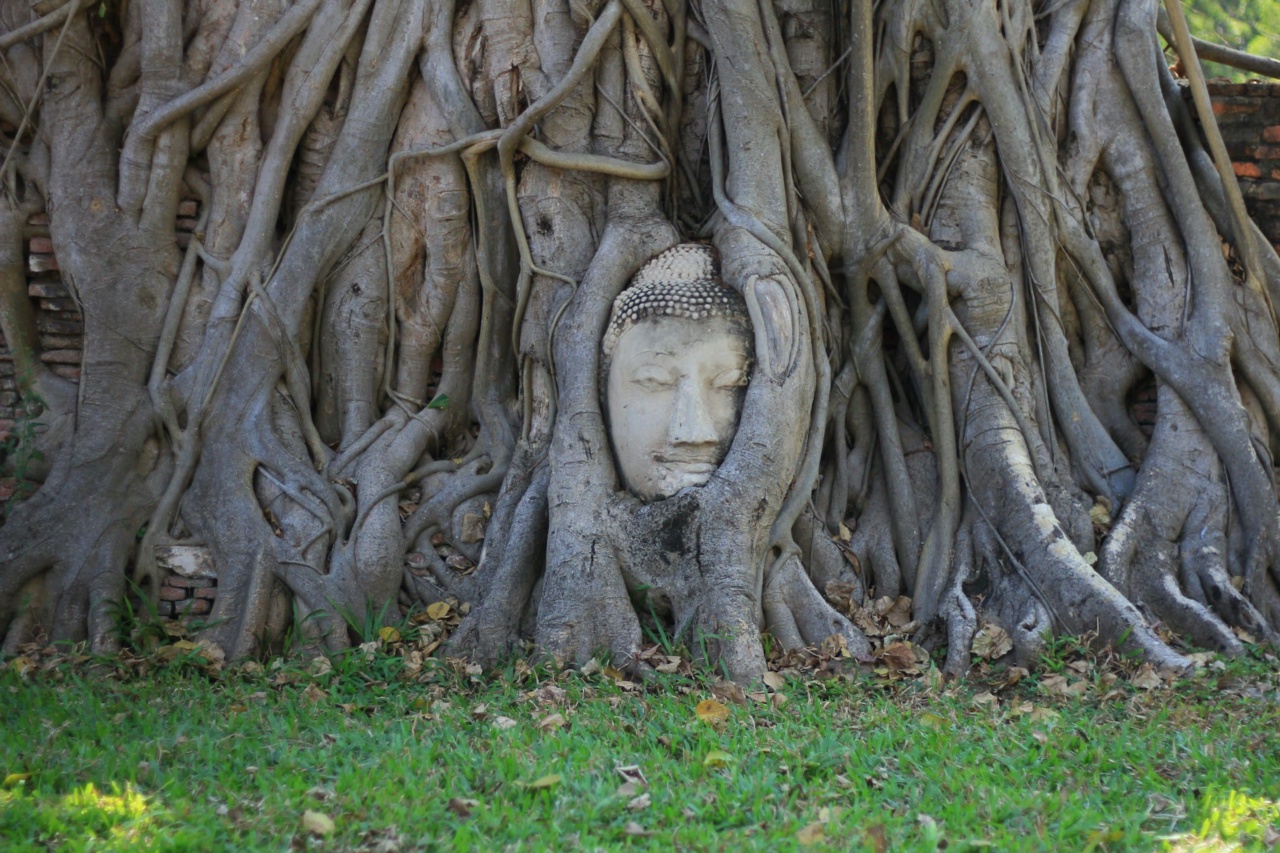
The classic day-trip route covers Wat Mahathat (the iconic Buddha head in tree roots), Wat Ratchaburana, Wat Phra Si Sanphet, and Wat Chaiwatthanaram. By bicycle, plan a good half day for this circuit with time to explore each site. By chartered tuk-tuk, you can cover these plus Wat Yai Chai Mongkhon and Wat Phanan Choeng in a few hours. The most efficient approach is to start at Wat Chaiwatthanaram in the west early in the morning, then work your way east across the island, finishing at temples near the train station for a convenient departure.
Frequently Asked Questions
Use this guide to compare local transport in Ayutthaya. When bookable tickets are available, the booking tool shows current options and prices.
Renting a bicycle is the best way to explore Ayutthaya for most travelers. The island is flat, distances between temples are manageable, and cycling lets you discover quiet ruins and local neighborhoods at your own pace. If the heat is too intense, chartering a tuk-tuk for a half-day tour is the most popular alternative.
Bicycles and motorbikes are rented by the day, while tuk-tuks, longtail boats and motorbike taxis work on negotiated fares, so agree on the price before you set off. Songthaews and the small cross-river ferries cost very little.
Yes, Ayutthaya is a safe and low-crime city. Tuk-tuks, motorbike taxis, and ferries are all safe to use. The main risks are traffic-related if you rent a motorbike, and dehydration if you cycle in the midday heat. Cycling at night is not recommended due to poor street lighting on the island.
Grab is technically available in Ayutthaya, but driver availability is very limited compared to Bangkok. You may wait a long time or find no drivers at all. It is better to rely on tuk-tuks, bicycle rental, or motorbike taxis as your primary transport options.
Ayutthaya is partially walkable. Clusters of temples like Wat Mahathat, Wat Ratchaburana, and Wat Phra Ram are close enough to explore on foot. However, the full spread of ruins covers a large area with limited sidewalks, so walking between distant sites is impractical, especially in the heat. A bicycle or tuk-tuk is recommended for covering the full circuit.
The train station is just east of the island. The cheapest option is to take the small cross-river ferry from the pier near the station directly to the historic center. Alternatively, motorbike taxis and tuk-tuks wait outside the station and can take you to any temple; agree on the fare first.
Take a train from Krung Thep Aphiwat Central Terminal. The State Railway of Thailand lists, for example, Special Express No. 7 at 07:30 arriving in Ayutthaya at 08:23 and Rapid No. 111 at 07:50 arriving at 08:59. Check the current SRT timetable for the service you choose.
Yes, a full day is enough to see the major temples. By bicycle, plan a full day of riding and exploring. A chartered tuk-tuk is quicker. Start early in the morning to beat the heat and make the most of your time.
Sources and background
Numbers in the text such as [1] refer to these sources.
- [1] Royal Thai Embassy, London (Ministry of Foreign Affairs of Thailand): Driving in Thailand. Retrieved October 15, 2026.
- [2] State Railway of Thailand: SRT Timetable Matrix 2026, Northern Line outbound. Retrieved October 15, 2026.
Guide prices and journey times are indicative, not live quotes. A booked package may include transfers and waiting time as well as the main journey. Check the selected offer, pickup point and current conditions before booking.