Ayutthaya Historical Park: Temples, Tickets and Visit Planning
Contents
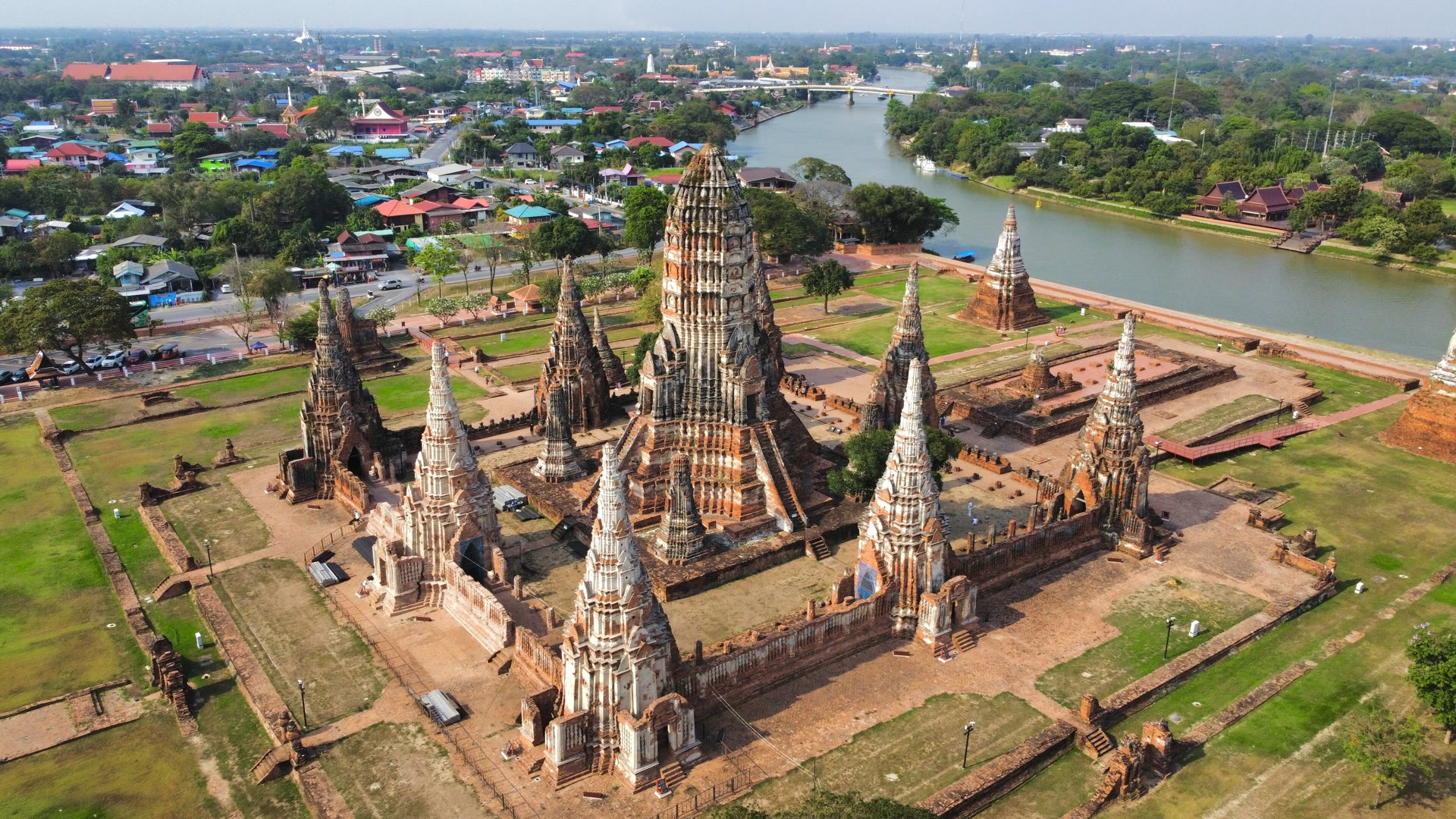
Ayutthaya became the second Siamese capital around 1350 and was destroyed in 1767. The UNESCO World Heritage property called the Historic City of Ayutthaya covers 289 hectares. The Fine Arts Department says Ayutthaya Historical Park maintains more than 300 historic sites across the island and surrounding area. The park itinerary is therefore broader than one monument or one ticket. Read UNESCO’s Historic City profile and the Fine Arts Department’s park overview.
Choose a short list of monuments
UNESCO highlights Wat Mahathat and Wat Phra Si Sanphet among Ayutthaya’s large palaces and Buddhist monasteries. It also notes surviving mural paintings in the crypt of Wat Ratchaburana. These are useful starting points if you want to focus on the ruined religious architecture and its historic context. The UNESCO profile does not confirm current interior or crypt access, so check that separately before building your route around it.
For a museum stop that adds context to two central ruins, the Chao Sam Phraya National Museum says its history began with finds from Wat Ratchaburana and highlights Buddha relics discovered at Wat Mahathat. The museum collections are a separate visit from the in-situ ruins and murals.
For a wider visit, add other named sites such as Wat Chaiwatthanaram, Wat Yai Chai Mongkhon or Wat Phanan Choeng. The park’s official map links maps of the ancient city and the island, while its historical background describes a central island surrounded by three rivers and a wider network of canals. Use the park map and visitor information to group stops by location instead of assuming every ruin is inside one compact enclosure. Read the park’s historical and city-layout background.
Things to Do
Offers are only loaded from GetYourGuide after you click. GetYourGuide can then process your IP address and set cookies. Privacy Policy
GetYourGuide partner offers. GoAsia may earn a commission if you book through these offers. Check whether tickets or transfers are included, and follow the attraction's official booking and admission rules.
Check the listed hours and ticket scope
The Fine Arts Department’s map page, checked on 7 October 2026, lists daily service hours from 8:00 am to 6:00 pm. It lists Thai rates of 10 baht each or 40 baht at a flat rate, and foreign visitor rates of 80 baht each or 300 baht at a flat rate. The page does not state when those figures took effect or name the monuments covered by the flat rates. Before paying, ask which sites the ticket covers for your visitor category and when the last entry is accepted. For current ticket coverage or access details, contact the park using the number listed on its map: +66 35 242286. Do not assume the UNESCO boundary or every monument in the surrounding area is included.
Build the Bangkok journey around the train you book
The State Railway of Thailand’s 2026 timetable matrix lets travelers check train times and fares from the listed services. SRT notes that schedules can change and advises checking with the station. For your travel date, compare an outbound and return service and note the departure station shown for the train you select. Plan local transport from Ayutthaya station to your first monument as a separate leg before fixing your shortlist.
Move between sites at a manageable pace
Use the official map to keep a visit to one area compact, then add another area only if the route and ticket terms fit your day. If you hire a driver, agree the named stops, waiting time, total quote and return point before setting off. If you cycle, choose a route that suits your own pace and conditions rather than relying on old rental prices or fixed distance estimates.
For more trip planning, see our Thailand travel guide.
Sources and background
These sources support the topics listed below, not every statement or current price in this article.
- [1] UNESCO World Heritage Centre: Historic City of Ayutthaya. Retrieved October 7, 2026. History, Culture
- [2] Fine Arts Department, Ministry of Culture, Thailand: Ayutthaya Historical Park Map and Visitor Information. Retrieved October 7, 2026. Access, Admission, Opening hours
- [3] Ayutthaya Historical Park, Fine Arts Department, Ministry of Culture, Thailand: Ayutthaya Historical Park. Retrieved October 7, 2026. History, Culture
- [4] Ayutthaya Historical Park, Fine Arts Department, Ministry of Culture, Thailand: Historical Background. Retrieved October 7, 2026. History, Culture
- [5] State Railway of Thailand: SRT Timetable Matrix 2026. Retrieved October 7, 2026. Transport, Access
- [6] Chao Sam Phraya National Museum, Fine Arts Department, Ministry of Culture, Thailand: About us. Retrieved October 7, 2026. History, Culture
Frequently Asked Questions
UNESCO’s Historic City of Ayutthaya property covers 289 hectares. The Fine Arts Department says the park maintains more than 300 historic sites across the island and surrounding area, so the UNESCO boundary is not a description of every monument in the wider itinerary.
UNESCO highlights Wat Mahathat and Wat Phra Si Sanphet among the capital’s large palaces and Buddhist monasteries, and notes surviving crypt murals at Wat Ratchaburana. For museum context, Chao Sam Phraya National Museum says its history began with finds from Ratchaburana and highlights Buddha relics discovered at Mahathat. Choose sites by interest, then use the park map to check locations. Do not assume crypt or interior access is available on your date.
The Fine Arts Department map page checked on 7 October 2026 lists daily hours of 8:00 am to 6:00 pm. It lists Thai rates of 10 baht each or 40 baht flat, and foreign visitor rates of 80 baht each or 300 baht flat. The page gives no effective date or list of sites covered by a flat rate, so confirm the details at the park. For current ticket coverage or access details, contact the park using the number listed on its map: +66 35 242286.
The park map page gives flat-rate figures but does not identify which monuments they cover. Before paying, name the sites on your route and confirm the ticket’s coverage, price for your visitor category and last entry time.
Use the State Railway of Thailand timetable matrix for your travel date, note the departure station shown for the service and compare a return option before fixing your monument shortlist. Plan the Ayutthaya station-to-site leg separately.
The park authority describes more than 300 historic sites across the island and surrounding area. A one-day plan should be a deliberate shortlist, not an assumption that every monument or crypt can be visited. Choose sites by location, then compare that plan with the train and ticket details.
Start with the official park map and group sites by area. If hiring a driver, agree named stops, waiting time, total cost and return point before leaving. If cycling, choose a route that matches your own pace and the conditions rather than relying on older price or distance estimates.
A guide may suit visitors who want interpretation and transport arranged together. Before booking, ask which monuments are included, whether admission is separate, the pickup and return points, any waiting time and whether the quote is per person or per vehicle.