Sources and background
Numbers in the text such as [1] refer to these sources.
- [1] Tourism Authority of Thailand: Explore Thai taste Thai foodie map 2.0. Retrieved October 17, 2026.

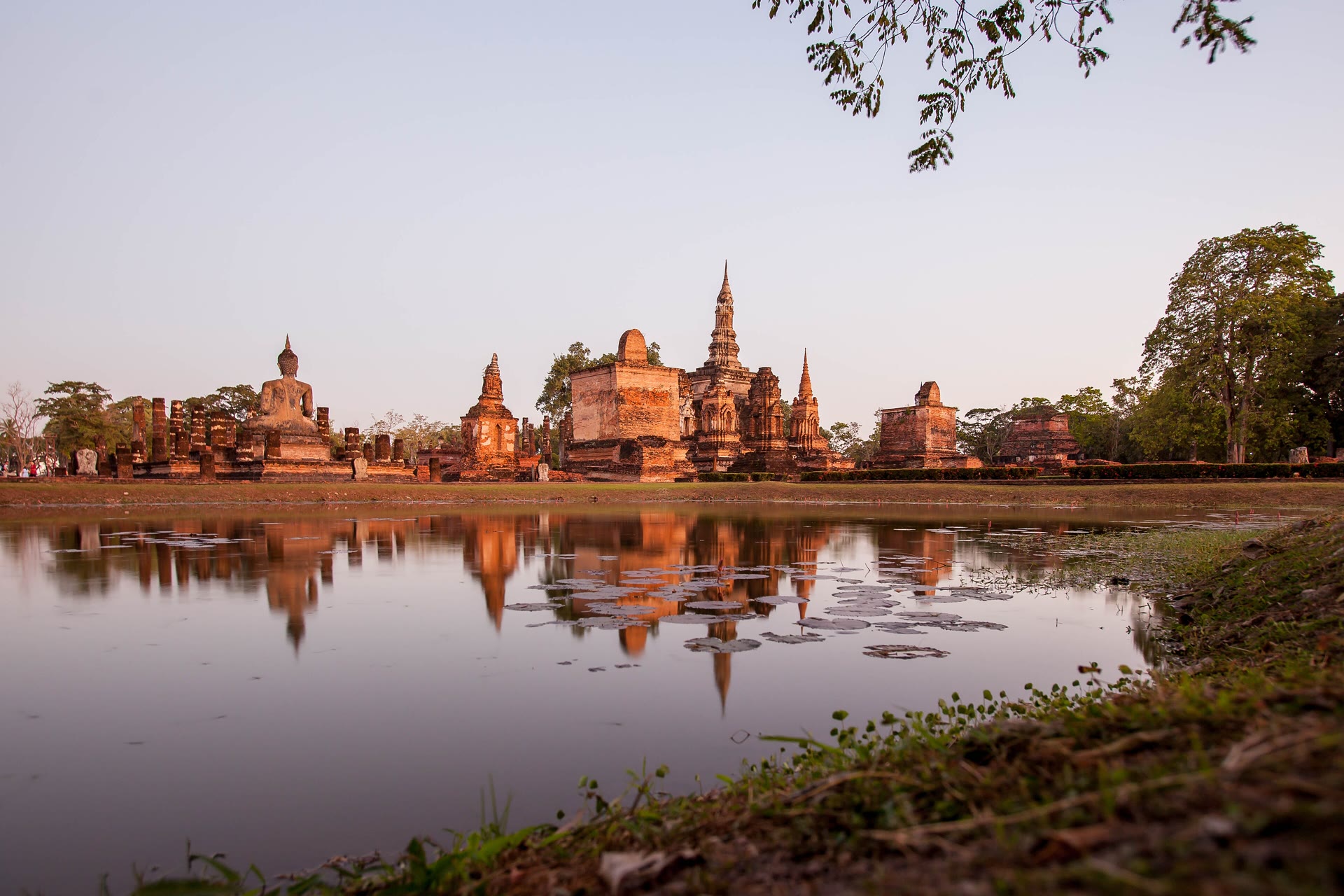
Sukhothai is the cradle of Thai civilization, where the ruins of the first Siamese kingdom rise from manicured lawns surrounded by lotus ponds and quiet countryside.
Last updated: October 17, 2026
Best months: June and July and November to February
The first rays of morning light catch the seated Buddha at Wat Mahathat, and for a moment the entire historical park seems to glow from within. Lotus buds float on the surrounding moats, a rooster crows from somewhere behind a laterite wall, and the only other sound is the crunch of bicycle tires on gravel. This is Sukhothai at its best: meditative, photogenic, and profoundly unhurried.
Founded in the 13th century as the capital of the first independent Thai kingdom, Sukhothai is where Thai script, Theravada Buddhism as a state religion, and many cultural traditions that define modern Thailand took root. The UNESCO-listed Historical Park preserves nearly 200 ruins across 70 square kilometers, yet on any given morning you might share a temple with just a handful of visitors. Compared to the more accessible Ayutthaya, Sukhothai demands a bit more effort to reach, which keeps it blissfully uncrowded.
The town itself is split into two distinct zones: "New Sukhothai," a modest Thai market town on the Yom River where buses arrive and guesthouses cluster, and "Old Sukhothai," the historical park roughly 12 kilometers to the west. Understanding this split is the single most important practical detail for planning your visit. Most travelers base themselves in one zone and shuttle to the other, though a growing number of boutique stays near the park make it possible to wake up within walking distance of the ruins.
Sukhothai suits couples, solo travelers, history buffs, and photographers. Families with patient kids will enjoy it too, especially on bikes. If your image of Thailand is all-night parties and packed beaches, Sukhothai will feel like a different country entirely, and that is precisely the point.
Sukhothai is not a large city, and its layout is simple once you grasp the two-zone structure.
This is the living town, straddling the Yom River about 12 kilometers east of the ruins. The bus station sits on the bypass road, and the compact center along Singhawat Road holds banks, 7-Elevens, the night market, and most budget guesthouses. It is unremarkable as a Thai town but perfectly functional, with a friendly feel and easy access to local food.
The zone surrounding the historical park has a quieter, more rural atmosphere. A handful of mid-range and boutique hotels, restaurants catering to tourists, and bicycle rental shops line Route 12 (the road connecting old and new town). Staying here puts you within cycling distance of the central zone ruins, which is a huge advantage for catching sunrise or avoiding midday heat.
Offers are only loaded from GetYourGuide after you click. GetYourGuide can then process your IP address and set cookies. Privacy Policy
GetYourGuide partner offers. GoAsia may earn a commission if you book through these offers. Check whether tickets or transfers are included, and follow the attraction's official booking and admission rules.
Sukhothai sits in Thailand's central plains and is noticeably hotter than Bangkok for much of the year. The ruins are almost entirely outdoors with limited shade, so timing matters more here than in many Thai destinations.
| Season | Months | Weather | Crowds | Notes |
|---|---|---|---|---|
| Cool Season | Nov - Feb | Comfortable, 20-32C, dry | Moderate | Best time to visit; pleasant cycling weather |
| Hot Season | Mar - May | Very hot, 35-40C, dry | Low | Exhausting for outdoor exploration; go early morning only |
| Rainy Season | Jun - Oct | Hot, frequent afternoon storms | Low | Lush green scenery; mornings often clear |
The Loy Krathong festival in November is spectacular in Sukhothai, widely considered the best place in Thailand to experience it. The historical park hosts a multi-day light-and-sound show, fireworks illuminate the ancient temples, and thousands of krathong (floating offerings) drift across the moats. If you can time your visit for this, do it, but book accommodation weeks in advance as the town fills completely.
Sukhothai has a small airport (THS) about 27 kilometers north of town, served by Bangkok Airways with daily flights from Bangkok's Suvarnabhumi Airport. Flight time is about 70 minutes and fares typically run around $80-150 one way. The airline operates a shuttle bus to town (included in the ticket or available for a small fee).
Most budget travelers arrive by bus. Direct buses from Bangkok's Mo Chit terminal take roughly 6-7 hours and cost around $8-12. From Chiang Mai, buses take about 5-6 hours for a similar price. The bus station in New Sukhothai is on the bypass road; a tuk-tuk into the town center costs around $1-2. You can check bus and transport options on GoAsia.cc for current route details.
Coming from Chiang Mai or Bangkok by train, the nearest station is Phitsanulok, about 60 kilometers east. From Phitsanulok, frequent buses cover the hour-long ride to Sukhothai for around $2-3.
Bicycle: This is the definitive way to explore Sukhothai. The historical park is flat, distances between temples are manageable, and rental shops near both the park entrance and in New Sukhothai charge around $1-2 per day for a basic bike. Some guesthouses lend them free.
Songthaew: Shared songthaews (covered pickup trucks) run between New Sukhothai and the historical park throughout the day for around $1 per person. They depart from near the bus station and along Singhawat Road. Service thins out after late afternoon.
Motorbike: Rental motorbikes cost around $6-10 per day and are useful for reaching the more distant northern and western ruin zones. An international driving permit is technically required.
Tuk-tuks: Available in both zones but not metered. Negotiate before boarding. A ride from New Sukhothai to the historical park costs roughly $4-6 for a private charter.
Grab and other ride-hailing apps have minimal presence in Sukhothai. This is a small town; you will rely on your own wheels or songthaews.
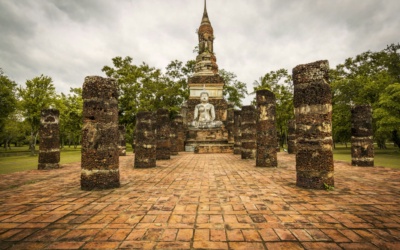
The heart of the UNESCO site, enclosed by triple earthen ramparts and moats. This is where you will find the iconic Wat Mahathat, the kingdom's most important temple, with its towering central chedi surrounded by columns and seated Buddhas. Nearby, Wat Si Sawai features three Khmer-style prang predating the Thai period, and Wat Sa Si sits on an island in a reflecting pond, creating one of Thailand's most photographed temple scenes. The Ramkhamhaeng National Museum near the entrance provides essential context on Sukhothai history and the development of Thai script. Budget at least 2-3 hours for the central zone alone. Entry costs around $3 for foreigners, with an additional small fee if you bring a bicycle or motorbike inside. The park opens at 6:00 and the best light (and fewest visitors) is before 9:00.
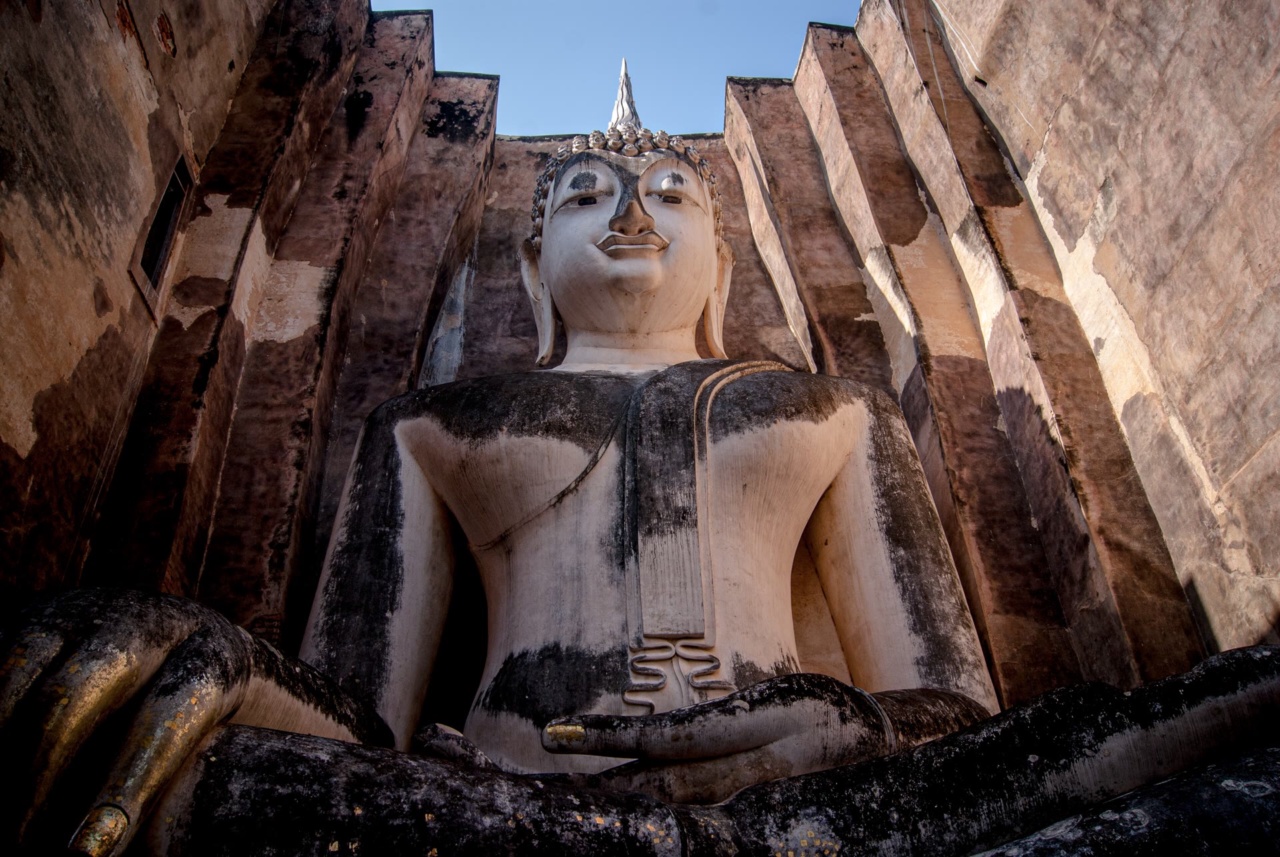
Most visitors focus on the central zone and miss these equally rewarding areas. The northern zone, a short bike ride away, contains Wat Si Chum, home to an enormous seated Buddha whose fingers alone are taller than a person. The image peers through a narrow slit in the mondop walls, creating a dramatic, almost cinematic reveal. The western zone, set against forested hills, includes Wat Saphan Hin, reached by a stone path climbing a low hill to a standing Buddha with sweeping views over the plain. Each zone has its own small entry fee (around $3 each). The western zone is best visited in the late afternoon when the light softens and the hilltop catches a breeze.
Arriving at the central zone when the gates open at 6:00 is a near-spiritual experience. Mist hangs over the lotus ponds, monks in saffron robes walk between temples, and you will have the place largely to yourself. Combine the central zone in the early morning with the northern zone mid-morning, then retreat from the midday heat. This rhythm defines the ideal Sukhothai day.
A small but well-curated private museum displaying Sukhothai-era ceramics, which were a major export of the kingdom. It provides insight into the trade networks that connected Sukhothai to China, Japan, and Southeast Asia. Allow about an hour. Entry is around $3.
Technically a separate site about 55 kilometers north of Sukhothai, Si Satchanalai was a sister city during the Sukhothai kingdom. Its ruins are even less visited, set among trees on the banks of the Yom River. The atmosphere is wilder and more atmospheric than the manicured Sukhothai park. Reachable by bus or motorbike in about an hour, it deserves a half-day at minimum. Entry is around $3.
Just outside the central zone's eastern gate, this small temple on an island is an active monastery rather than a ruin. Locals come here to pray and make merit, and the late afternoon light reflecting off the surrounding pond is beautiful. Free to enter and easy to miss if you only stay inside the walled park.
The countryside around Sukhothai is lush and photogenic, especially during and just after the rainy season when rice paddies turn electric green. Some guesthouses arrange cycling tours through the farmland between old and new town. There is no formal attraction here, just genuine rural Thailand.
Ramkhamhaeng National Museum: While the collection is important for context, the displays are dated and poorly lit. Worth a quick walk-through but do not spend more than 30-40 minutes unless you have a deep interest in Thai epigraphy.
The light-and-sound show (outside Loy Krathong): Occasional evening shows at the historical park can feel touristy and underwhelming compared to simply visiting the ruins in natural light. If one happens to be on during your visit, it is a pleasant enough evening, but do not plan your trip around it unless it coincides with Loy Krathong.
New Sukhothai town itself: Some guides suggest exploring the town, but there is genuinely little to see beyond the night market. Do not feel obligated to spend time here; the ruins and countryside are the draw.
Sukhothai has a signature noodle dish that alone justifies a visit for food lovers. Beyond that, the dining scene is modest but honest, rooted in central Thai flavors with some northern influence.
| Dish | Description | Where to Try | Typical Price |
|---|---|---|---|
| Sukhothai Noodles (Kuay Tiew Sukhothai) | Thin rice noodles in a sweet-sour broth with sliced pork, green beans, crushed peanuts, and a squeeze of lime. Distinctly different from Bangkok-style noodle soup. | Noodle shops near the historical park entrance and New Sukhothai's day market | Around $1-1.50 |
| Pad Thai Sukhothai | A local version of pad thai that differs from the central Thai version: stir-fried with eggs and long beans, chewy and slightly spicy, and often served with an egg crepe.[1] | Night market stalls in New Sukhothai | Around $1-1.50 |
| Khao Lam | Sticky rice with coconut cream and black beans cooked inside bamboo tubes. A common roadside snack. | Roadside vendors along Route 12 | Around $0.50 |
| Som Tam (Papaya Salad) | Ubiquitous across Thailand, but Sukhothai versions tend toward the sweeter central Thai style rather than the fiery Isaan version. | Market stalls throughout town | Around $1 |
New Sukhothai Night Market: The best single eating destination in town. Open nightly along Singhawat Road, it offers a rotating selection of noodle soups, grilled meats, pad thai, sweets, and fresh fruit shakes. Prices are rock-bottom, and the atmosphere is entirely local.
Historical Park Area Restaurants: A strip of tourist-oriented restaurants lines the road near the central zone entrance. Quality is decent but prices are slightly inflated (still cheap by Western standards). Several serve excellent Sukhothai noodles.
Day Markets in New Sukhothai: The morning market near the river is where locals eat breakfast. Point-and-choose rice dishes over rice (khao rad kaeng) cost around $1 and are filling and flavorful.
Vegetarians can manage with som tam, morning glory, fried rice, and noodle soups ordered without meat, but dedicated vegetarian restaurants are rare. Coffee culture has arrived in a small way, with a handful of independent cafes near the historical park serving proper espresso drinks for around $2-3.
New Sukhothai has a good selection of guesthouses and hostels along Singhawat Road and the surrounding soi. Expect basic fan rooms, shared bathrooms, and friendly owners who can arrange transport and bike rental. Some include free bicycles. Dorm beds in the few hostels start around $5-7.
The sweet spot for most travelers. Small hotels and boutique guesthouses near the historical park offer air-conditioned rooms, pools, and garden settings in the $20-40 range. Staying in this zone means you can cycle to the ruins in minutes. A few options in New Sukhothai also hit this price point with more modern rooms.
Sukhothai has a handful of resort-style properties set among rice paddies between the two town zones. These offer swimming pools, spacious rooms with Thai design touches, and a genuine sense of rural escape. Do not expect five-star luxury; this is rustic elegance rather than polished resort life, and that suits the destination perfectly. Rates rarely exceed $120 except during Loy Krathong.
During the Loy Krathong festival, every category fills up and prices can double or triple. Book as far ahead as possible if visiting during November's full moon.
Safety: Sukhothai is one of the safest destinations in Thailand. Violent crime against tourists is virtually unheard of. The main risks are sunstroke from cycling in the heat and minor motorbike accidents. Wear sunscreen, carry water, and drive carefully on the rural roads.
Scams: Sukhothai is refreshingly scam-free compared to Bangkok or Chiang Mai. Tuk-tuk drivers may quote inflated prices, so agree on a fare before getting in. That is about the extent of it.
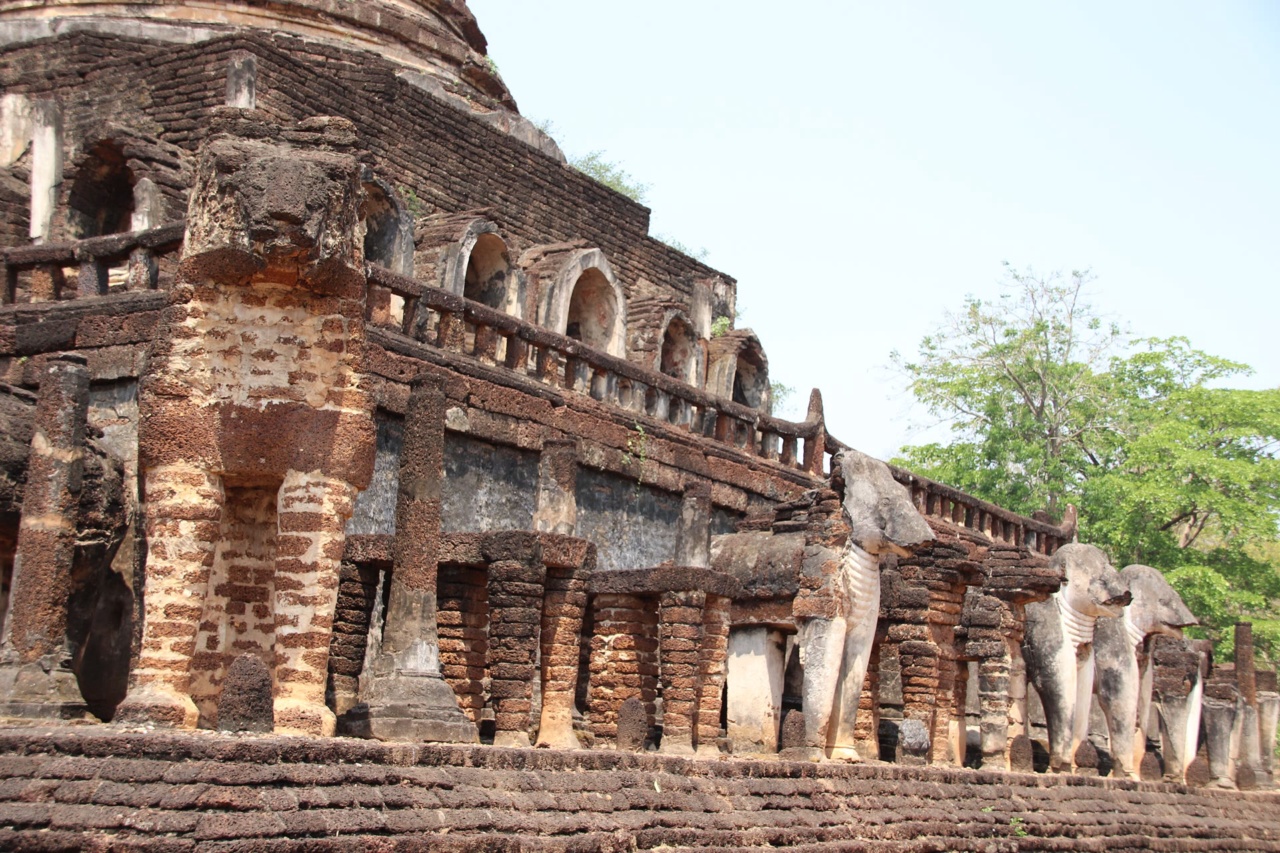
About 55 kilometers north, this sister historical park is less restored and more atmospheric than Sukhothai itself. Highlights include Wat Chang Lom (with its elephant-base chedi), Wat Chedi Jet Thaew, and the nearby Chaliang ruins along the Yom River. Reachable by local bus (about 1.5 hours, around $2) or rented motorbike (about 1 hour). Budget a full half-day. Entry is around $3. Highly recommended and genuinely worth the effort.
Near Si Satchanalai, the remains of ancient ceramic kilns that produced the famous Sangkhalok ware exported across Asia. A small museum at the site explains the production process. Combine with Si Satchanalai for a full day trip.
The nearest large city, about 60 kilometers east (1 hour by bus, around $2-3). Home to Wat Phra Si Rattana Mahathat, which houses the Phra Phuttha Chinnarat, widely considered the most beautiful Buddha image in Thailand. The city also has a lively night market along the Nan River. Worth a half-day if you are passing through or arrived by train.
Another UNESCO-listed Sukhothai-era site, about 80 kilometers south. Less visited than even Si Satchanalai, with impressive laterite ruins in a forested setting. Reachable by bus in about 1.5 hours. For dedicated history enthusiasts, combining all three historical parks (Sukhothai, Si Satchanalai, Kamphaeng Phet) over several days offers an unmatched immersion in early Thai civilization.
A forested mountain park about 30 kilometers west of Sukhothai, offering hiking trails and a viewpoint at the summit of Khao Luang (1,200 meters). The hike is steep and takes 3-4 hours round trip. Best visited in the cool season. Entry is around $6 for foreigners. Not a must-do, but a good option if you want to break up temple-heavy days with some nature.
Morning: Arrive early and rent a bicycle near the historical park. Enter the central zone at opening (6:00) to catch sunrise light at Wat Mahathat and Wat Sa Si. Spend 2-3 hours cycling the central zone, visiting Wat Si Sawai and the smaller surrounding temples.
Afternoon: Visit the Ramkhamhaeng National Museum for historical context (allow 30-45 minutes). Have Sukhothai noodles at a shop near the park entrance. Head to Wat Traphang Thong outside the eastern gate in the softer afternoon light.
Evening: Songthaew or cycle back to New Sukhothai. Browse and eat at the night market on Singhawat Road. Try the Sukhothai-style pad thai and a mango sticky rice for dessert.
Morning: Cycle to the northern zone (a short ride from the central zone). Spend time at Wat Si Chum, absorbing the massive Buddha image. Explore the smaller northern ruins, which are peaceful and often empty.
Afternoon: Cycle or motorbike to the western zone. Climb the stone path to Wat Saphan Hin for the hilltop standing Buddha and panoramic views. The western zone is more spread out and feels wilder than the central area.
Evening: Cycle back through the rice paddies between old and new Sukhothai, stopping for photos and cold drinks at roadside stalls. Dinner at a restaurant near the historical park area.
Morning: Take an early bus or ride a rented motorbike north to Si Satchanalai Historical Park. Rent a bicycle at the entrance and explore Wat Chang Lom, Wat Chedi Jet Thaew, and the riverside Chaliang ruins.
Afternoon: Visit the Sawankhalok ceramics kiln site nearby. Have lunch at a local restaurant in the Si Satchanalai area.
Evening: Return to Sukhothai. Final evening at the night market or a quiet dinner near your accommodation. If energy remains, a post-sunset stroll near the illuminated moats of the historical park (visible from outside) is a fitting farewell.
| Category | Budget | Mid-Range | Comfort |
|---|---|---|---|
| Accommodation | $5-12 | $20-40 | $50-120 |
| Food | $5-8 | $10-15 | $15-25 |
| Transport | $2-3 | $5-8 | $10-15 |
| Activities | $5-8 | $8-12 | $10-15 |
| Daily Total | $17-31 | $43-75 | $85-175 |
Sukhothai is one of Thailand's most affordable destinations. Budget travelers who stick to guesthouses, market food, and bicycles can comfortably manage on $20-25 per day. The biggest variable is accommodation; the jump from a fan room in New Sukhothai to a boutique resort near the park is significant in percentage terms but still remarkably cheap by global standards. Entry fees to the historical park zones are the main activity cost, and even visiting all three zones in a day totals under $10.
Absolutely. Sukhothai offers Thailand's most atmospheric ancient ruins in a setting that feels uncrowded and authentic. If you have any interest in history, photography, or simply escaping the tourist trail, it is one of the most rewarding stops in the country. The cycling experience through the historical park is unlike anything else in Southeast Asia.
Two full days is the sweet spot for most travelers: one for the main historical park zones and one for a day trip to Si Satchanalai. Three days allows a more relaxed pace with countryside exploration. A single rushed day is possible but does not do the site justice.
Sukhothai is extremely safe. It is a small, quiet town with very low crime rates. The main practical risks are sunstroke from cycling in the heat and minor road accidents on rented motorbikes. Use common sense with valuables and you will have zero issues.
November through February offers the most comfortable weather for cycling and outdoor exploration. November is especially magical if your visit coincides with the Loy Krathong festival, which is celebrated more beautifully in Sukhothai than anywhere else in Thailand. Avoid March through May when temperatures regularly exceed 38C.
Sukhothai noodles (kuay tiew Sukhothai) are the signature dish: thin rice noodles in a slightly sweet and tangy broth with pork, green beans, and crushed peanuts. The town also has its own local style of pad thai. Both are best sampled at the New Sukhothai night market for around $1-1.50.
The cheapest option is a direct bus from Bangkok's Mo Chit terminal, taking about 6-7 hours and costing around $8-12. Bangkok Airways flies daily from Suvarnabhumi to Sukhothai's small airport in about 70 minutes, typically $80-150 one way. You can also take a train to Phitsanulok and then a one-hour bus to Sukhothai.
English is limited outside hotels and tourist-facing restaurants near the historical park. In New Sukhothai's markets and local shops, you will need basic Thai phrases or a translation app. Hotel staff and bicycle rental operators generally communicate well enough for practical needs.
For proximity to the ruins, stay near the historical park (Old Sukhothai area) where boutique guesthouses put you within cycling distance of the temples. For the cheapest rates and the best night market, stay in New Sukhothai along Singhawat Road. The trade-off is a 12-kilometer commute between the two zones.
Cycling is by far the best way to explore the park. The terrain is completely flat, distances between temples are manageable, and bikes can be rented for around $1-2 per day near the park entrance. You can bring your bicycle into the park for a small additional fee. Most visitors cover the central and northern zones comfortably by bike in a single morning.
Sukhothai is one of Thailand's cheapest destinations. Budget travelers can manage on $20-25 per day with guesthouse accommodation, market food, and a rented bicycle. Entry fees to the historical park zones are around $3 each, and meals at local markets rarely exceed $1.50. Even mid-range travelers will spend well under $75 per day.
Numbers in the text such as [1] refer to these sources.