Chumphon is the quiet gateway to Thailand's Gulf Islands, a coastal province capital where travelers swap mainland bustle for ferry rides to Koh Tao, Koh Phangan, and Koh Samui.
Most travelers know Chumphon only as the name on their ferry ticket. They arrive by overnight train or bus, shuffle onto a catamaran bound for Koh Tao, and never look back. That is a missed opportunity. This small provincial capital on Thailand's narrowest stretch of land sits where the southern Gulf of Thailand begins, and it has some of the region's most undervisited beaches, excellent crab-and-squid seafood markets, and a genuinely local atmosphere almost untouched by mass tourism.
Chumphon is not a destination that demands a week. It is, however, a place that deserves a day or two on either side of an island hop. The coastline runs for roughly 220 kilometers, dotted with fishing villages, mangrove estuaries, and sandy coves that see more longtail boats than sunbathers. Inland, limestone karst hills and rubber plantations fill the landscape. The town itself is compact and functional rather than charming, but its night market alone justifies an overnight stay.
If you are a diver heading to Koh Tao, a backpacker seeking somewhere genuinely off the beaten track, or a road-tripper working down the peninsula, Chumphon is worth more than a glance through a bus window.
Orientation and Neighborhoods
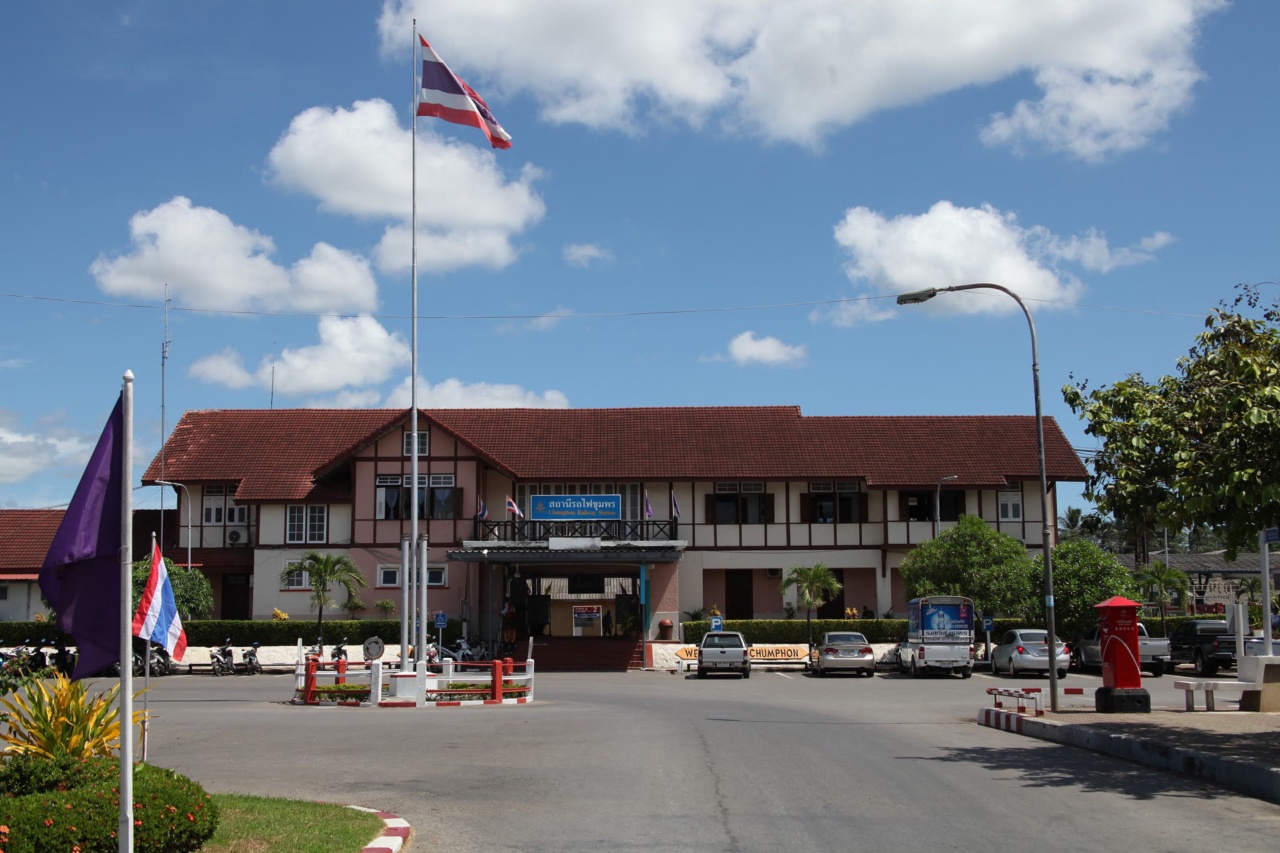
Chumphon town is small and grid-like, centered on a few main roads. Tha Tapao Road and Sala Daeng Road form the commercial spine, where you will find banks, 7-Elevens, the main market, and most guesthouses. The train station sits near the town center, making it easy to walk to accommodation.
Town Center: Practical rather than pretty. Budget hotels, local restaurants, the night market, and transport connections are all here. This is where most transit travelers stay for a night.
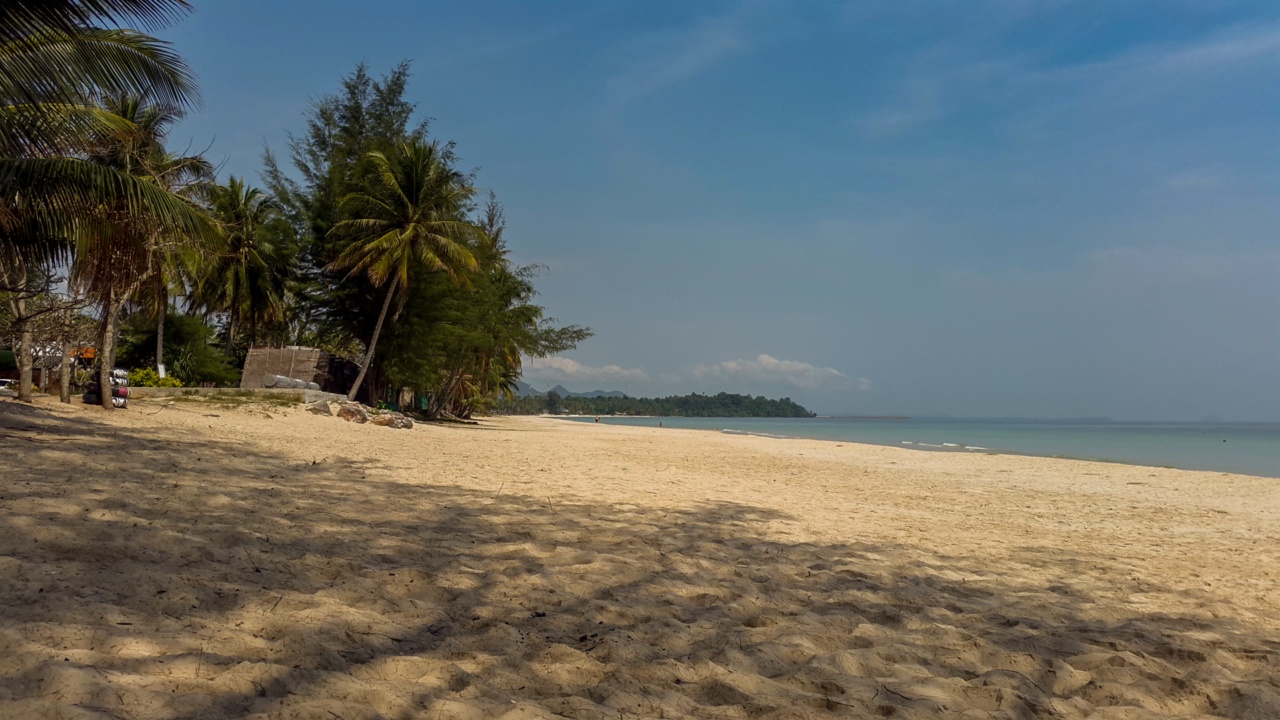
Hat Thung Wua Laen: The main beach area, roughly 16 kilometers north of town. A long crescent of sand with a handful of low-key resorts, dive shops, and beachfront restaurants. This is where you stay if you want actual beach time rather than just a bed near the pier.
Pak Nam Chumphon: The fishing village and port area about 10 kilometers southeast of town. Some ferries depart from piers near here. It has a lively morning fish market and a riverside atmosphere worth a visit.
Thung Makham Noi Pier: This is where the Lomprayah catamarans and ferries to Koh Tao leave from.[1] There is not much here besides the pier and a few food stalls, so do not plan to hang around.
For most visitors, staying in town is the most convenient option for catching early ferries or trains. If you have a full day or more, base yourself at Thung Wua Laen beach instead.
Things to Do
Offers are only loaded from GetYourGuide after you click. GetYourGuide can then process your IP address and set cookies. Privacy Policy
GetYourGuide partner offers. GoAsia may earn a commission if you book through these offers. Check whether tickets or transfers are included, and follow the attraction's official booking and admission rules.
Best Time to Visit
Chumphon sits in a transitional climate zone. The Gulf side of Thailand has a different rain pattern than the Andaman coast, which means the wet season peaks later here.
Month Range
Weather
Crowds
Prices
Dec - Apr
Dry, warm, calm seas (27-34C)
Moderate
Higher
May - Aug
Occasional rain, hot, seas mostly calm
Low
Lower
Sep - Nov
Heavy rain, rough seas, possible flooding
Very low
Lowest
The driest and most pleasant months are January through April. Ferry services to the islands run year-round but can be disrupted by storms from October to early December. November is historically the wettest month, and seas can be rough enough to cancel crossings. If your trip hinges on a ferry connection, avoid late October through November if possible.
Chumphon does not have major tourist festivals of its own; the draw is the seafood, the beaches and the islands.
Getting There and Getting Around
By train: Chumphon is a stop on the southern railway from Bangkok. Long-distance trains depart from Krung Thep Aphiwat Central Terminal. Special Express No. 43 leaves at 07:30 and reaches Chumphon at 14:05. Rapid No. 171 (15:10) arrives at 22:27, Special Express No. 37 (16:10) at 23:26 and Express No. 85 (19:50) at 03:53; Special Express No. 39 leaves at 22:50 and arrives at 05:37.[2] Chumphon station is central. See the official long-distance station announcement.
By Bus: Buses to Chumphon leave from Bangkok's Southern Bus Terminal (Sai Tai Mai).[3] VIP buses with reclining seats are worth the small premium. The bus terminal is on the edge of town, a short songthaew or motorbike taxi ride from the center.
By Air: Chumphon has a small airport (CJM) with limited domestic flights; Nok Air lists Chumphon among its domestic destinations.[4]Transfers from the airport are usually arranged through your accommodation or an airline shuttle.
By Minivan: Private minivan services connect Chumphon to Ranong, Surat Thani, and other southern towns. These are faster than buses but less comfortable. You can check transport options and schedules on GoAsia.cc for planning connections.
Getting Around Town: Chumphon town is small enough to walk if you are staying centrally. Motorbike taxis (identifiable by numbered vests) cost around $0.50-1.50 for trips within town. Songthaews (shared pickup trucks) run loosely scheduled routes. Renting a motorbike is the best option for reaching beaches and costs around $5-8 per day from guesthouses or rental shops. Grab is available but coverage is inconsistent outside the town center.
Top Sights and Experiences
Must-Sees
Hat Thung Wua Laen: Chumphon's best beach. A wide, gently curving bay with golden sand, calm water for swimming, and a handful of beachfront restaurants. It is clean, uncrowded, and has a relaxed vibe that feels like Thailand did decades ago. Spend a half-day here minimum. Snorkeling gear can be rented cheaply from beachside shops, and the southern end of the bay has some rocky areas with decent reef fish.
Chumphon Night Market: Located in the town center near the intersection of Kromluang Chumphon Road and Pracha Uthit Road, this nightly market is the highlight of staying in town. Stalls sell grilled squid, southern Thai curries over rice, fresh fruit shakes, and roti. Prices are genuinely local, with most dishes under $1.50. It runs from around 5pm to 10pm.
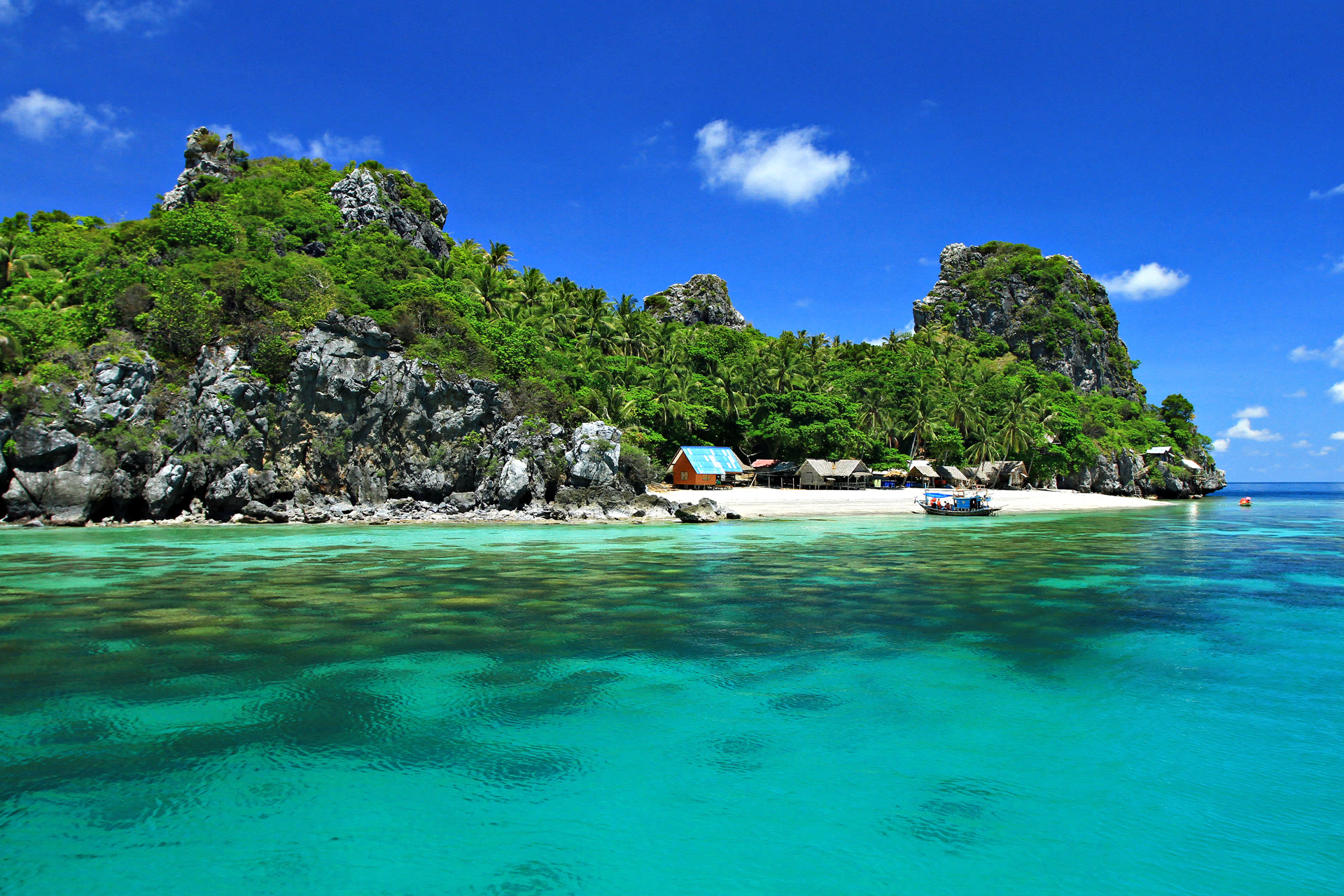
Mu Ko Chumphon National Park: This marine park encompasses over 40 small islands off the coast. Day trips by longtail boat visit islands with coral reefs, white sand beaches, and excellent snorkeling. Trips can be arranged from Thung Wua Laen or through guesthouses, typically costing around $20-35 per person including lunch. The best islands to target are Koh Ngam Yai and Koh Ngam Noi, known for clear water and coral gardens. Best visited December through April when visibility is high.
Pak Nam Chumphon Fish Market: Arrive before 7am to see the morning catch being unloaded. This is a working fishing port, not a tourist attraction, which makes it fascinating. You can buy incredibly fresh seafood and have it cooked at nearby restaurants for a small fee. The atmosphere is raw and authentic.
Lesser-Known Gems
Hat Sai Ri: A quieter beach south of Thung Wua Laen, accessible by motorbike. Less developed, with a few simple food shacks and a long stretch of sand that is often nearly empty on weekdays. There is a memorial park here dedicated to the Royal Thai Navy, which adds a bit of historical interest.
Khao Dinso Viewpoint: A short hike up a hillside south of Pak Nam Chumphon offers panoramic views of the coastline, river mouth, and offshore islands. The trail is easy and takes about 20-30 minutes. Go in the late afternoon for the best light.
Pha To Cave and Waterfall Area: About 50 kilometers inland, the Pha To district has limestone caves and small waterfalls surrounded by jungle. It is a full half-day trip by motorbike and feels completely removed from any tourist infrastructure. Bring a flashlight for the caves.
Overrated Attractions
Prince of Chumphon Shrine (Sala Chumphon): While historically significant to Thais as a memorial to the father of the Royal Thai Navy, foreign visitors often find the shrine underwhelming. It is a quick photo stop at best, not a destination in itself.
Chumphon Town Temple Circuit: Several guides list the town's temples as attractions, but none are architecturally remarkable compared to temples elsewhere in Thailand. Unless you have genuine interest in everyday Thai Buddhist life, skip the temple tour.
Cat and Dog Cafe Culture: A few cafes have popped up in town, but they are small and unremarkable compared to what you will find in Bangkok or Chiang Mai.
Food and Drink
Chumphon's food identity is defined by seafood and southern Thai cooking. The province sits at the geographic start of southern Thailand, so you begin to taste the shift toward spicier, more coconut-heavy curries here. Dishes are noticeably hotter than central Thai food.
Dish
Description
Where to Try
Typical Price
Pla Muek Yang
Grilled squid, often served with spicy seafood dipping sauce
Night market, beachfront restaurants
$1.50-3
Khanom Jeen Nam Ya
Rice noodles with spicy fish curry sauce, a southern Thai staple
Morning market stalls in town
$0.75-1.50
Gaeng Som
Sour and spicy curry with fish, tamarind, and vegetables
Local rice-and-curry shops
$1-2
Pu Nim Tod
Deep-fried soft-shell crab, a Chumphon specialty
Seafood restaurants at Pak Nam or Thung Wua Laen
$3-6
Hoi Tod
Crispy mussel or oyster pancake
Night market
$1-2
Fresh Coconut Ice Cream
Made from local coconuts, served in the shell
Street vendors around town
$0.50-1
The night market is the single best eating destination in town. For seafood with a view, head to the cluster of open-air restaurants at the southern end of Thung Wua Laen beach, where you can pick your fish from ice displays and have it grilled or steamed to order. A full seafood spread for two with drinks typically runs $10-20.
Street food dominates the budget tier. A filling plate of rice with two curries costs around $1 at market stalls. Mid-range restaurants in town serve Thai and some Western dishes for $3-6 per plate. There is no real upscale dining scene in Chumphon, which is part of its charm. Coffee culture is growing, with a few modern cafes in town serving espresso drinks for around $1.50-2.50.
For drinks, local beer (Chang, Leo, Singha) costs around $1.50-2 at convenience stores and $2-3 at restaurants. Fresh fruit smoothies from market stalls are around $0.75.
Where to Stay
Budget (under $15/night): Chumphon town has several clean, no-frills guesthouses near the train station and along Tha Tapao Road. Expect fan rooms or basic air-con rooms with shared or private bathrooms. Backpacker hostels with dorm beds are available for around $5-8. Quality is basic but functional for a transit night.
Mid-Range ($15-40/night): A few modern hotels in town offer air-conditioned rooms with hot showers, Wi-Fi, and breakfast for around $20-35. At Thung Wua Laen beach, bungalow-style resorts in this range offer beachfront or garden settings with pools. This is the sweet spot for comfort without overspending.
Comfort ($40-80/night): The nicest options are beachfront resorts at Thung Wua Laen, offering private bungalows, pools, and restaurant service. Do not expect luxury resort standards, but the setting and tranquility are excellent. A few boutique-style properties have opened in recent years with more polished interiors.
There is no five-star hotel in Chumphon. If you want luxury, this is not the destination for it. The appeal here is simplicity and value.
Practical Tips
Safety: Chumphon is very safe by any standard. Violent crime against tourists is essentially unheard of. The main risks are motorbike accidents (wear a helmet, drive cautiously) and jellyfish stings during certain months (ask locals before swimming). Keep an eye on your belongings at bus and train stations as you would anywhere.
Common Scams: Chumphon has very few tourist scams because there are very few tourists. The main thing to watch for is inflated transfer prices from touts at the train station offering rides to ferry piers. Agree on a price before getting in, or book transfers through your accommodation. Some package deals bundling bus-ferry tickets from Bangkok include unnecessary markups; buying separately is often cheaper.
Payment: Cash is king. Most local restaurants, markets, and small hotels accept only cash. ATMs are plentiful in town and dispense Thai baht with typical fees of around $5-6 per withdrawal. A few larger hotels accept credit cards. Mobile payment via QR code (PromptPay) is increasingly common at 7-Elevens and some restaurants.
Tipping: Not expected at local eateries or markets. At sit-down restaurants, rounding up the bill or leaving 20-40 baht is appreciated but not required. Tip dive boat crews and tour guides around 100-200 baht if service was good.
SIM Cards: Pick up a tourist SIM at any 7-Eleven or phone shop in town. AIS, TrueMove, and DTAC all offer prepaid data packages. Around $5-8 gets you a week of generous data. Coverage is good in town and along the coast; it drops off in remote inland areas.
Language: English is limited. Hotel staff at mid-range and above usually speak basic English. At markets, restaurants, and transport hubs, expect minimal English. Having Google Translate downloaded with the Thai language pack is genuinely useful here. Learn a few Thai phrases (hello, thank you, how much) and you will get warm responses.
Cultural Notes: Dress modestly when visiting temples. Remove shoes before entering any building where you see shoes left outside. Do not touch anyone's head. Show respect toward images of the Thai royal family. Chumphon is a conservative, traditional town, so revealing beachwear should stay at the beach.
Day Trips
Koh Tao (ferry, 1.5-3 hours): The most popular onward destination from Chumphon. Lomprayah catamarans take about 1 hour 30 minutes to 1 hour 45 minutes and cost 750 baht (about $22); the slower Lomprayah ferry takes about 2.5 hours and costs 450 baht (about $13).[1] While most people go to Koh Tao to stay, it is technically possible as a day trip on the fast ferry if schedules align, though it would be rushed. Better to commit at least two nights.
Koh Phithak: A tiny island about 30 minutes by longtail boat from the coast south of Chumphon. It has a small fishing community, a homestay program, and a sandbar that connects to a neighboring islet at low tide. This is a genuine community-based tourism experience with no resort development. Arrange through guesthouses or local tour operators for around $15-25 per person including lunch.
Ranong and Hot Springs (about 120km south, 2 hours by car): The neighboring province has natural hot springs at Raksawarin. The hot springs are pleasant but not spectacular.
Koh Ngam Yai and Koh Ngam Noi: Twin islands within Mu Ko Chumphon National Park, reachable by boat trip from Thung Wua Laen (about 45 minutes). Excellent snorkeling around coral formations, especially on the sheltered sides. Day trips run around $20-35 and are the best marine experience you can have without going all the way to Koh Tao.
Pathiu District Waterfalls: About 30 kilometers north of town, several small waterfalls are tucked into forested hills. They are best visited during or just after the rainy season when water flow is strongest. Quiet, local, and free to visit. Reachable by motorbike in about 40 minutes.
Sample 3-Day Itinerary
Day 1: Arrive and Explore Town
Morning/Afternoon: Arrive by overnight train or morning bus. Check into a guesthouse in town. Walk the central streets, visit the local morning market for khanom jeen breakfast. Rent a motorbike for the next two days (around $5-8/day). In the afternoon, ride to Pak Nam Chumphon to see the fishing port and climb Khao Dinso viewpoint for coastal panoramas.
Evening: Return to town for the night market. Work your way through grilled squid, hoi tod, and a fresh coconut ice cream. Wander the market stalls and soak in the small-town atmosphere.
Day 2: Beach and Island Day
Morning: Ride to Hat Thung Wua Laen (20-25 minutes by motorbike). Arrange a snorkeling boat trip to Koh Ngam Yai and Koh Ngam Noi through a beachside operator. Most trips depart around 9-10am and return by 3pm, including lunch and snorkeling gear.
Afternoon: Back at Thung Wua Laen, swim, relax on the sand, or rent a kayak. Walk to the southern rocky end of the beach for better snorkeling directly from shore.
Evening: Dinner at one of the beachfront seafood restaurants. Order the soft-shell crab and a whole grilled fish. Watch the sunset over the bay with a cold Singha.
Day 3: Quiet Beach and Departure
Morning: Ride to Hat Sai Ri for a quieter beach experience. Visit the Royal Thai Navy memorial. Swim or simply enjoy having a long beach nearly to yourself.
Midday: Return the motorbike. Grab lunch at a curry-over-rice shop in town. Pick up snacks and water for your onward journey.
Afternoon/Evening: Catch a ferry to Koh Tao, a train south to Surat Thani, or a bus back to Bangkok. If taking the overnight train north, use the late afternoon to visit a local coffee shop and recharge before departure.
Budget Overview
Category
Budget
Mid-Range
Comfort
Accommodation
$5-10
$20-35
$40-70
Food
$5-8
$10-18
$20-30
Transport
$2-4
$5-10
$10-20
Activities
$0-5
$15-25
$25-40
Daily Total
$12-27
$50-88
$95-160
Chumphon is one of the cheapest coastal destinations in Thailand. Budget travelers eating at markets and staying in fan rooms can get by on well under $20 per day. Even the comfort tier here is modest by international standards. The biggest single expense is typically the ferry ticket to the islands rather than anything in Chumphon itself.
Frequently Asked Questions
Is Chumphon worth visiting?
Yes, especially if you want to experience a non-touristy Thai coastal town with great seafood and uncrowded beaches. It is not a destination for nightlife or luxury, but travelers who enjoy authentic local atmosphere and marine day trips will find it rewarding. Even one extra night beyond a ferry transit reveals a side of Thailand most visitors miss.
How many days do you need in Chumphon?
One to three days is ideal. A single overnight lets you enjoy the night market and catch an early ferry. Two to three days allow time for beach visits at Thung Wua Laen, a snorkeling day trip, and exploring the fishing port. Beyond three days, most travelers are ready to move on to the islands or further south.
Is Chumphon safe for tourists?
Chumphon is very safe. It is a quiet provincial town with low crime rates. The main risks are motorbike accidents on rural roads and occasional jellyfish at certain beaches. Standard travel precautions are sufficient, and locals are generally friendly and helpful toward visitors.
How do I get from Chumphon to Koh Tao?
Lomprayah catamarans reach Koh Tao in about 1 hour 30 minutes to 1 hour 45 minutes and cost 750 baht (about $22). The slower Lomprayah ferry takes about 2.5 hours and costs 450 baht (about $13). Ask your ticket seller whether the transfer from town to the pier is included.
What food is Chumphon famous for?
Chumphon is known for fresh seafood, particularly grilled squid, soft-shell crab, and southern-style sour fish curry (gaeng som). The night market is the best place to sample local dishes cheaply. Khanom jeen nam ya, rice noodles with spicy fish curry, is a beloved breakfast staple throughout the province.
Is Chumphon expensive?
Not at all. Chumphon is one of Thailand's most affordable coastal areas. Market meals cost under $1.50, basic rooms start around $5-10, and even a full seafood dinner for two rarely exceeds $20. It is significantly cheaper than the islands it serves as a gateway to.
Is English widely spoken in Chumphon?
English is limited outside of hotels and some tour operators. Market vendors, songthaew drivers, and local restaurant staff typically speak little to no English. Having a translation app ready and learning basic Thai phrases will make your experience much smoother.
What is the best time to visit Chumphon?
January through April offers the driest weather, calmest seas, and best conditions for snorkeling and island trips. Avoid late October through November when heavy rain and rough seas can disrupt ferry services and make beaches less enjoyable. May through September is a good shoulder period with lower prices and manageable weather.
Can I use Chumphon as a base for visiting multiple islands?
Chumphon is primarily a gateway to Koh Tao, with some ferries continuing to Koh Phangan and Koh Samui. However, using it as a base for island day trips is impractical due to ferry schedules. It works best as a stopover where you spend a night or two before heading to one island destination.
What is the best beach in Chumphon?
Thung Wua Laen is the standout, with a long sandy bay, calm water, and enough facilities for a comfortable day without feeling developed. Hat Sai Ri is a good alternative for solitude. For the best snorkeling, take a boat to the islands of Mu Ko Chumphon National Park rather than snorkeling from shore.
Sources and background
Numbers in the text such as [1] refer to these sources.