Thailand Beaches: Compare Coasts, Islands and Trips
Contents
Thailand's beaches make more sense as coast-and-island trips than as one ranked list. This shortlist brings together mainland coves, island day trips and places worth a night or two, each with a note on how to arrive.
Prices, boat timetables, park access and swimming conditions change with the season, so confirm them for your dates with the operator or park.
| Area | Compare these places | Arrival plan to check |
|---|---|---|
| Krabi mainland | Railay West, Railay East and Phra Nang Cave Beach for cliffs, climbing areas and a cave shrine[1] | Pier, boat and return arrangement |
| Phuket south | Ao Sane, a small cove in the Rawai and Nai Harn area[2] | Local road access and beach conditions |
| Phi Phi islands | Ko Phi Phi Le's Maya Bay, Pi Leh Bay and Loh Samah Bay, or Ko Mai Phai, also known as Bamboo Island[3] | Park notices, departure point and return boat |
| Satun | Ko Lipe or Ko Tarutao for an island stay, with Pak Bara as the mainland port[4] | Island-specific sailing, park status and onward connection |
| Ko Samui | Hat Lamai, with Hin Ta Hin Yai in the same area[5] | Your Samui base and local transfers |
| Ko Pha-ngan | Hat Rin Nok, home of the Full Moon Party, or quieter Hat Rin Nai[6] | Event date, island crossing and accommodation |
| Ko Tao | Sairee, Ao Tanote and other named bays, with Ao Mae Hat as the main-pier area[7] | Where you stay and how the bays fit your island route |
| Ko Chang, Trat | Hat Sai Khao, known as White Sand Beach, among the island's west-coast stops[8] | Mainland crossing and onward island transport |
Andaman coast: mainland coves and island trips
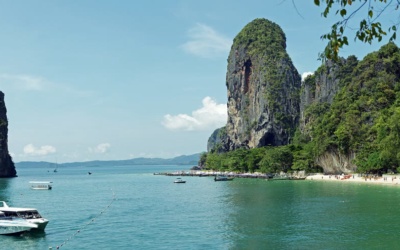
On the Railay peninsula in Krabi, Railay West is the cliff-framed beach for sunsets, Railay East is the climbers' side, and Phra Nang Cave Beach has a cave and shrine. Hua Tong passenger boats run from Ao Nang and Noppharat Thara at 100 baht per person per trip, a journey of about 20 minutes, from morning to evening.[1] Confirm the pier, departure and return with an operator on the day. For more on the peninsula, see our Railay Beach guide.
On Phuket's southern shore, Ao Sane lies within the Nai Harn beach system in Rawai, a mixed sand-and-rock coast.[2] Check local access and conditions before going. See our Phuket beaches guide for more named areas to compare.
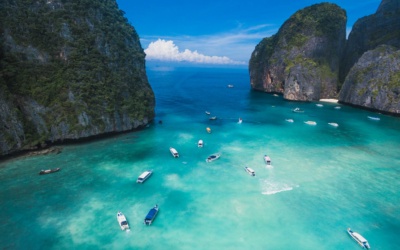
A Phi Phi outing takes in Ko Phi Phi Le, with Maya Bay, Pi Leh Bay, Loh Samah Bay and Viking Cave, about two kilometres from Ko Phi Phi Don. Charter boats leave from Don, and day-tour packages run from Krabi or Phuket.[3] North of Don, Ko Mai Phai has beaches and coral reefs on its north and east sides.[9] Verify the park notice, the exact departure point and the return connection before you book either trip. Our Phi Phi Islands guide covers the wider island group.
Maya Bay closes for an annual recovery break; in 2026 it ran from 1 August to 30 September, and the park used the quiet time to count blacktip reef sharks off the beach.[10] Check the park authority's latest notice for the visitor rules on your travel date.
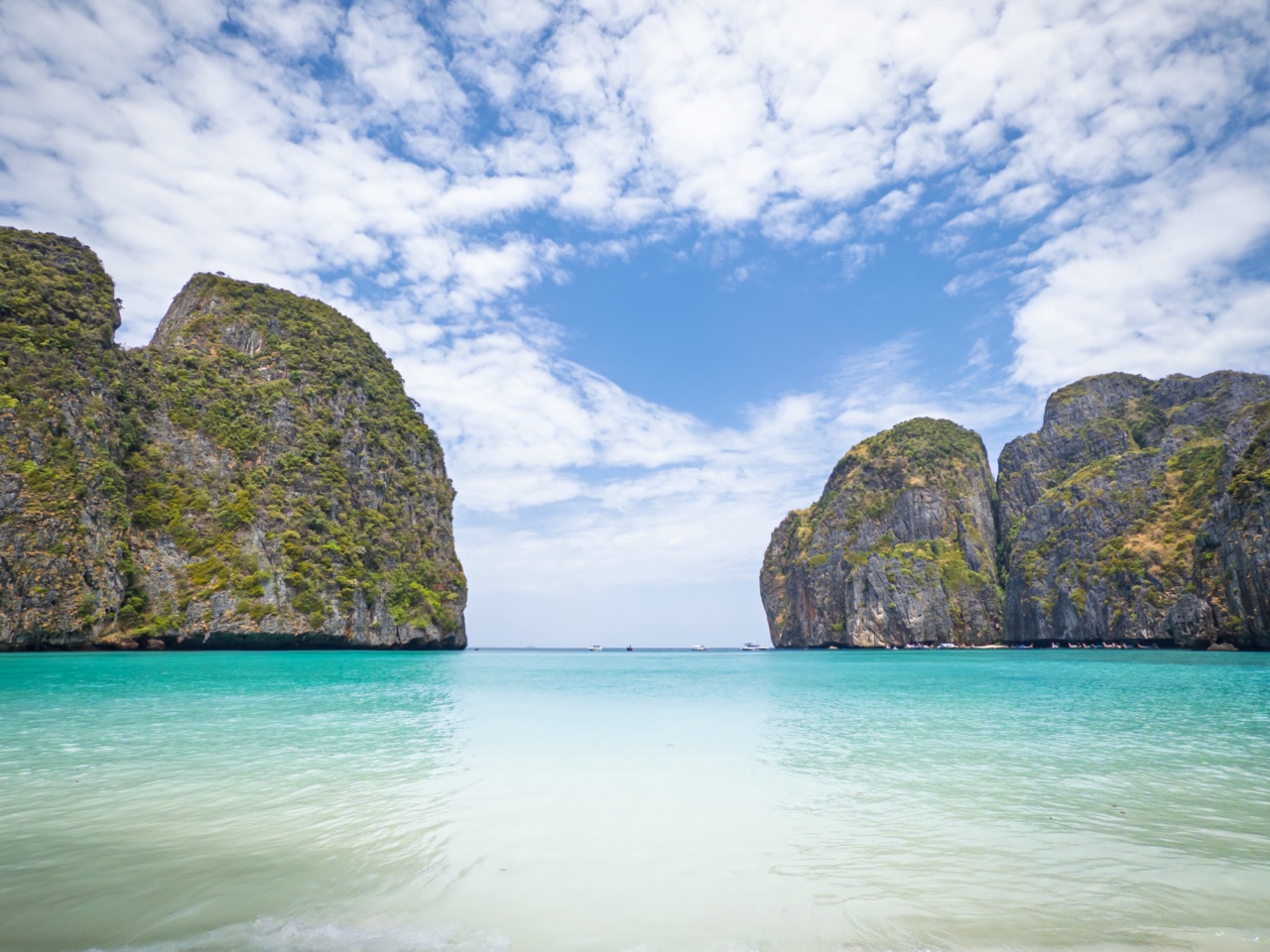
Further south, Pak Bara is the port town for the Satun islands, among them Ko Lipe, Ko Tarutao, Ko Bulon Lae and Ko Adang.[4] The island national parks, including Ko Tarutao and Ko Petra, close every year from 16 May to 15 November for visitor safety.[4] Confirm the right pier and the complete return or onward route for the island you choose.
Things to Do
Offers are only loaded from GetYourGuide after you click. GetYourGuide can then process your IP address and set cookies. Privacy Policy
GetYourGuide partner offers. GoAsia may earn a commission if you book through these offers. Check whether tickets or transfers are included, and follow the attraction's official booking and admission rules.
Gulf and eastern Gulf: choose a base, then nearby stops
On Ko Samui, Hat Lamai is a beach in Ko Samui, Surat Thani.[5] The Hin Ta Hin Yai rock formations sit in Hat Lamai, Tambon Maret, so the two make an easy pair.[11]
On Ko Pha-ngan, Hat Rin has two sides: Hat Rin Nai and Hat Rin Nok, and the Full Moon Party takes place at Hat Rin Nok.[6] If the party is why you go, confirm the date and book accommodation and island transport for it. For event planning, see our Full Moon Party guide.
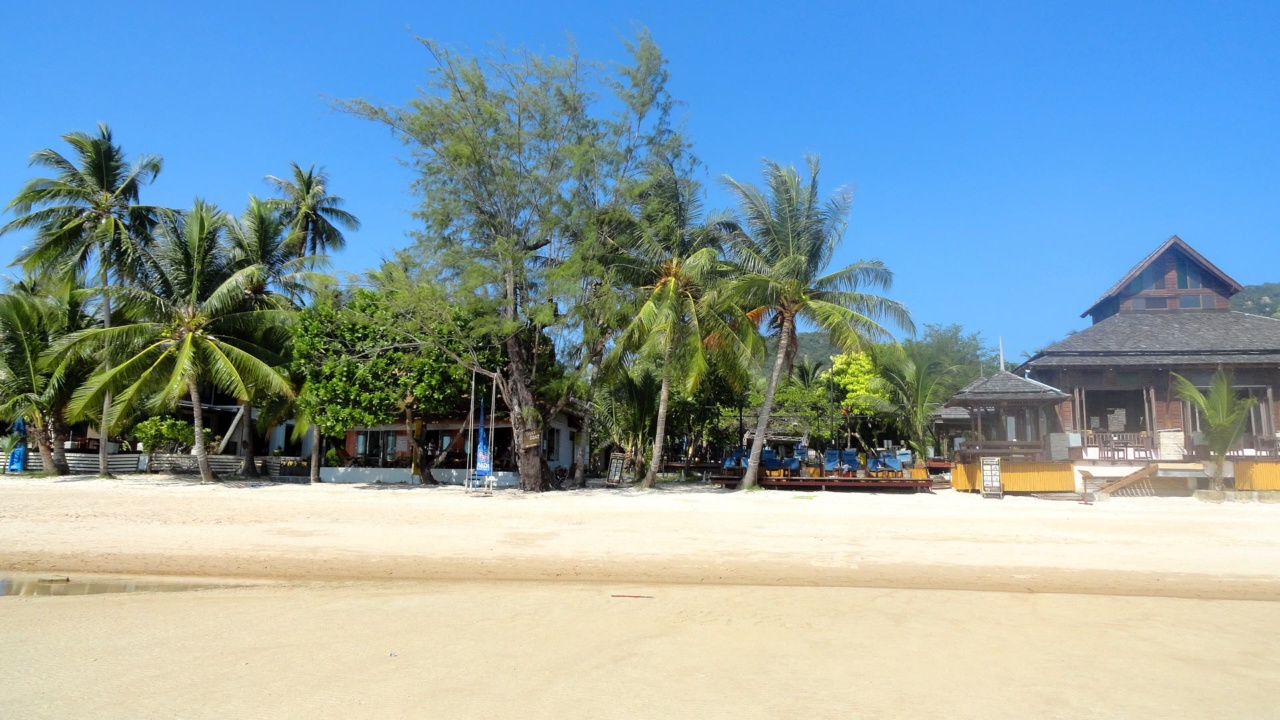
Ko Tao's main pier and community are at Ao Mae Hat. Sairee is the island's longest beach, and Ao Tanote and other bays lie around the coast.[7] The recommended way to reach Ko Tao is by boat from Ko Samui, with Lomprayah, Seatran Discovery and Songserm on the route.[7] On Ko Chang in Trat, Hat Sai Khao, or White Sand Beach, is among the island's highlights, and the popular west-coast places are linked by one road.[8] Confirm the crossing and island transport before you set dates.
Use seasons for planning
Heavy rain falls on the west coast of peninsular Thailand from May through October, and boat travel off Satun is dangerous in those months.[4] Ko Tao is best visited from the end of December through September.[7] An Andaman seasonal rule does not apply automatically to every Gulf island.
Make the route fit your trip
Decide whether you want a mainland base, a boat-led day trip or an island stay before you compare individual beaches. For island trips, check both directions, the exact pier and any park requirements. The Thai Meteorological Department seven-day forecast includes regional marine conditions;[12] check it near departure, then follow the operator's decision on whether the boat sails.
For more route-planning ideas, see our Thailand travel guide.
Sources and background
Numbers in the text such as [1] refer to these sources.
- [1] Tourism Authority of Thailand: Railay Beach. Retrieved October 15, 2026.
- [2] Department of Marine and Coastal Resources, Thailand: Ao Sane coastal survey in the Nai Harn beach system. Retrieved October 8, 2026.
- [3] Tourism Authority of Thailand: Ko Phi Phi Le. Retrieved October 8, 2026.
- [4] Tourism Authority of Thailand: Satun. Retrieved October 15, 2026.
- [5] Tourism Authority of Thailand: Hat Lamai. Retrieved October 8, 2026.
- [6] Tourism Authority of Thailand: Hat Rin. Retrieved October 8, 2026.
- [7] Tourism Authority of Thailand: Ko Tao. Retrieved October 15, 2026.
- [8] Tourism Authority of Thailand: Ko Chang. Retrieved October 8, 2026.
- [9] Tourism Authority of Thailand: Ko Mai Phai. Retrieved October 8, 2026.
- [10] Department of National Parks, Wildlife and Plant Conservation: Department of National Parks reports Maya Bay September survey during a dated seasonal closure. Retrieved October 20, 2026.
- [11] Tourism Authority of Thailand: Hat Ta Hin Yai. Retrieved October 8, 2026.
- [12] Thai Meteorological Department: Weather Forecast 7 days. Retrieved October 8, 2026.
Frequently Asked Questions
Choose by the trip you want: Railay for a mainland cliff-and-cave setting, Phi Phi for named island bays, Satun for an island stay, or Samui, Pha-ngan, Tao or Chang for a Gulf island base. Then compare the arrival and return connections for your dates.
Yes. Ao Sane lies in the Nai Harn beach system in Rawai and is a mixed sand-and-rock shore. Check local access and conditions before going.
Compare the bays of Ko Phi Phi Le and Ko Mai Phai north of Ko Phi Phi Don. Confirm the departure pier, park status, what the trip includes and the return connection with the provider.
Maya Bay closes every year for a recovery break. In 2026 the closure ran from 1 August to 30 September. Check the park authority's latest notice for your actual visit date.
Yes. Hin Ta Hin Yai is in Hat Lamai, Tambon Maret, on Ko Samui. Check local transfers and access if you plan to visit both.
At Hat Rin Nok, which is different from Hat Rin Nai. Confirm the date and arrange lodging and island transport for it.
Start with the island group, then confirm the outbound and return legs, the pier, where you will sleep and any park requirements. For Satun, Pak Bara is the port town, Ko Lipe and Ko Tarutao are among the island destinations, and the island national parks close from 16 May to 15 November.
The Thai Meteorological Department publishes a seven-day forecast with regional marine conditions. Check it close to departure, then confirm with the operator whether the boat sails.