Phi Phi Islands: Maya Bay, Stunning Beaches, and Thailand's Most Photogenic Archipelago

Phi Phi Islands: Maya Bay, Stunning Beaches, and Thailand's Most Photogenic Archipelago

Last updated: March 18, 2026

Leonardo DiCaprio swam ashore here in The Beach, and the world has been trying to follow him ever since. The Phi Phi Islands, a small archipelago in the Andaman Sea between Phuket and Krabi, became one of the most famous destinations in Southeast Asia almost overnight after the film's release. The irony is that the resulting flood of tourists nearly destroyed what made the islands beautiful in the first place. Maya Bay was closed for years to allow its coral reefs and marine life to recover, and the restored version that visitors see today is a dramatically different, and better, experience.

The archipelago consists of six islands, but only two matter for visitors: Koh Phi Phi Don, the larger island where all accommodation and nightlife is concentrated, and Koh Phi Phi Leh, the uninhabited island where Maya Bay and the dramatic limestone cliffs are found. Together they offer some of the clearest water, most spectacular karst scenery, and best snorkeling in Thailand. The islands can be visited as a day trip from Phuket or Krabi, but staying a night or two on Phi Phi Don reveals a different pace once the day-trippers leave.

The Two Islands

Koh Phi Phi Don

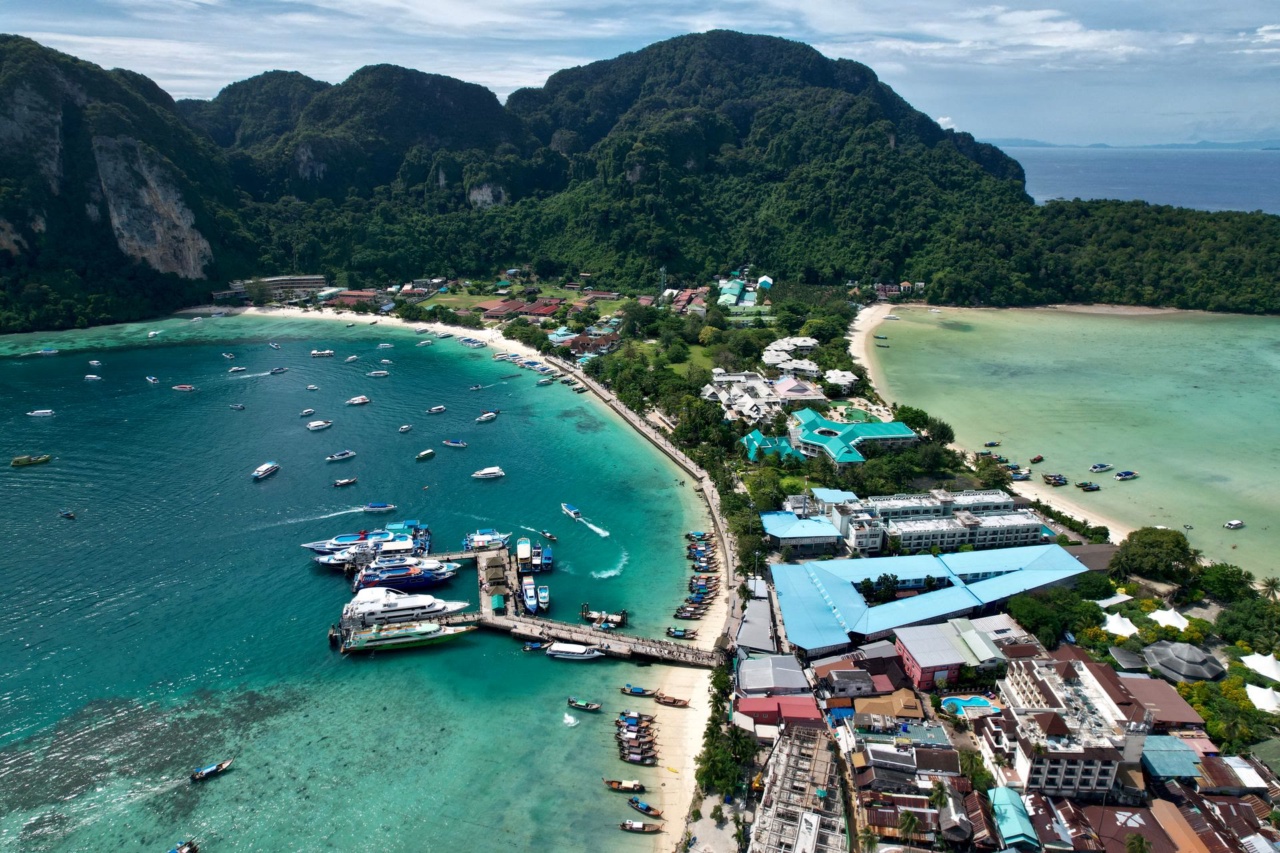
This is where you stay, eat, and party. Phi Phi Don is shaped like a butterfly, with two hilly headlands connected by a narrow, flat isthmus called Tonsai. The village of Tonsai is the main hub, packed with guesthouses, restaurants, dive shops, bars, and convenience stores along narrow alleys. There are no cars or motorbikes on the island. Everything is reached on foot or by longtail boat.

The island has beaches on both sides of the isthmus. Tonsai Bay faces south and is where the ferries dock. Loh Dalum Bay faces north, with a long crescent of sand that serves as the island's social center during the day and its party strip at night, when bars line the beach with fire shows and bucket drinks.

Beyond Tonsai, the island has quieter beaches accessible by longtail or hiking trail. Long Beach, about 20 minutes by boat from Tonsai pier, offers good snorkeling directly from shore and a calmer atmosphere. Laem Tong Beach on the northern tip is the most secluded, home to a few upscale resorts and accessible only by boat.

Koh Phi Phi Leh

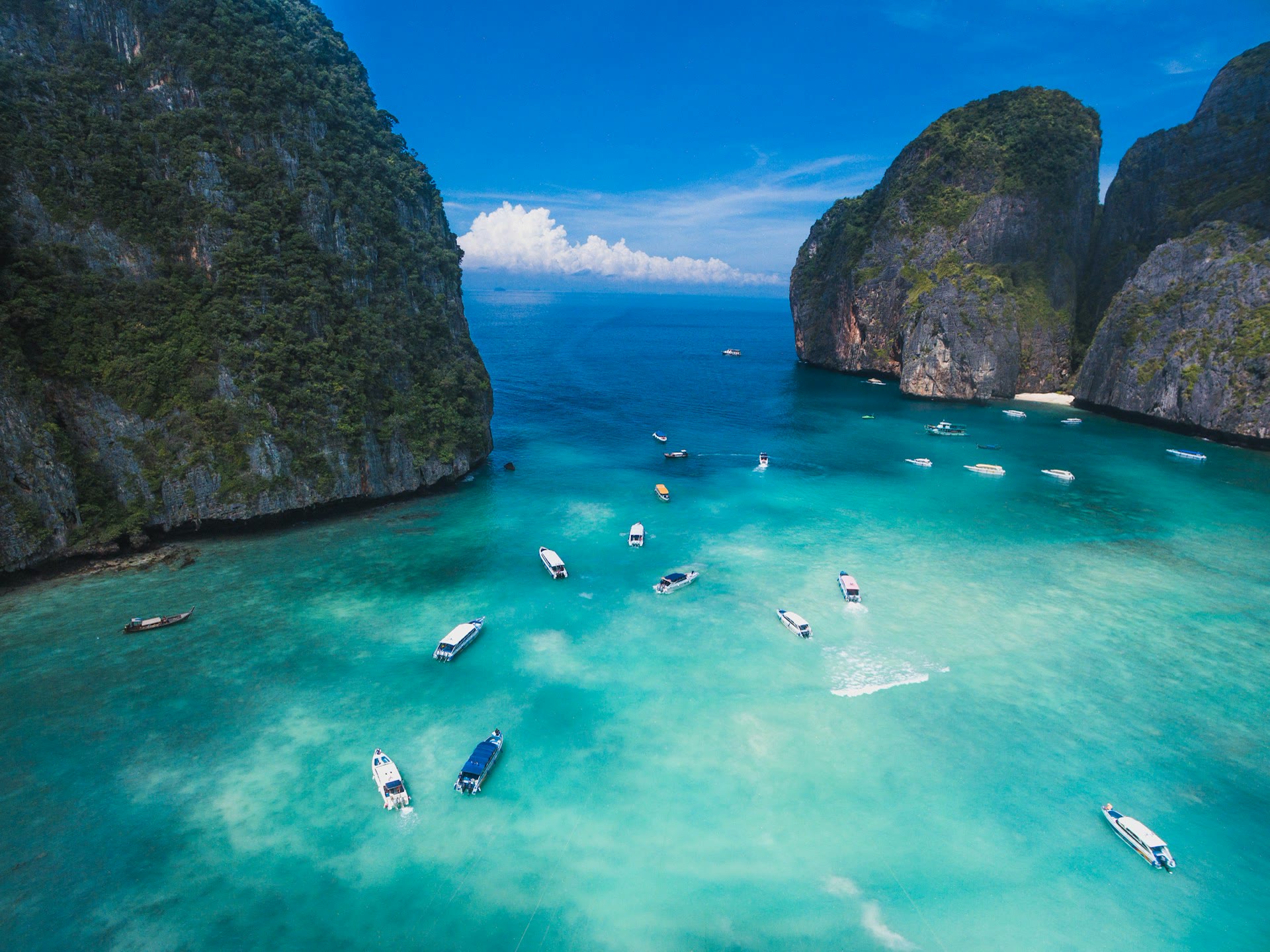
The uninhabited sister island is the star of the show. Towering limestone cliffs plunge into turquoise water, and the island's two main attractions, Maya Bay and Pileh Lagoon, are among the most photographed spots in Thailand.

Maya Bay was closed from mid-2018 to early 2022 after years of mass tourism caused severe damage to its coral reef and ecosystem. Since reopening, access is strictly controlled. Visitors arrive by boat but dock at a pier on the back side of the island and walk through a short trail to the bay. Swimming in Maya Bay itself is no longer permitted to protect the recovering reef, though you can wade in the shallows and enjoy the spectacular setting. Boat numbers and visitor hours are limited. The result is a vastly improved experience compared to the pre-closure chaos when dozens of speedboats anchored directly in the bay.

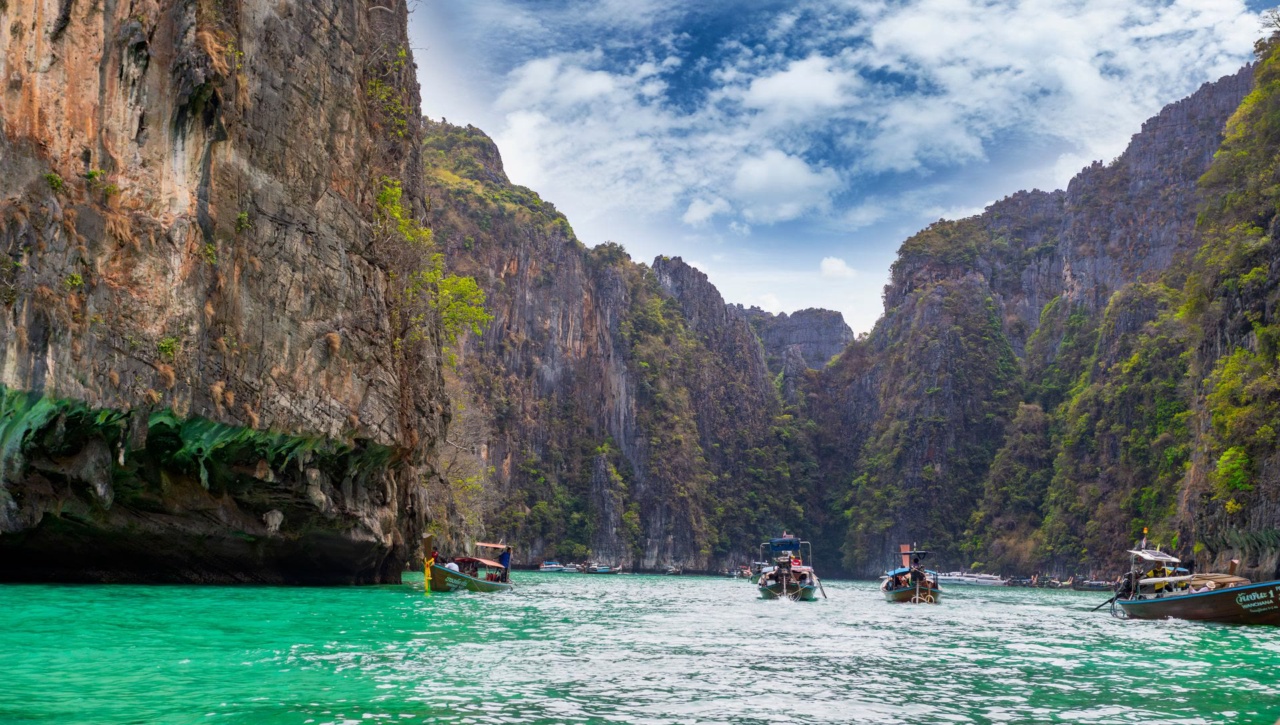
Pileh Lagoon is an enclosed emerald-green lagoon surrounded by vertical cliffs. Swimming here is allowed and the water is extraordinarily clear. It is the highlight of most boat tours and justifiably so.

Things to Do

Getting to the Phi Phi Islands

The islands are accessible only by boat. No airport, no bridge, no helicopter pad. Ferries and speedboats run daily from both Phuket and Krabi.

RouteDurationPrice (one way)Frequency
Phuket to Phi Phi (ferry)90 minutes350-450 baht ($10-$13)Multiple daily departures
Phuket to Phi Phi (speedboat)45-60 minutes700-1,200 baht ($19-$33)Several daily
Krabi (Klong Jilad Pier) to Phi Phi90 minutes350-450 baht ($10-$13)Multiple daily
Ao Nang to Phi Phi90 minutes400-500 baht ($11-$14)2-3 daily
Koh Lanta to Phi Phi60 minutes300-400 baht ($8-$11)1-2 daily (high season)

All boats arrive at Tonsai Pier on Phi Phi Don. Upon arrival, you must pay a national park fee of 400 baht per person in cash. This fee applies to all visitors, including those staying on the island. For detailed ferry schedules and booking options from Phuket and Krabi, check GoAsia.cc for up-to-date route information.

Beaches on Phi Phi Don

  • Loh Dalum Bay: The main beach, wide and sandy with shallow turquoise water. Beautiful in the morning, increasingly lively through the day, and loud at night with beach bars and fire shows. Not ideal for quiet relaxation after dark.
  • Long Beach: A 20-minute longtail ride from Tonsai (about 100-200 baht). Excellent snorkeling with reef sharks visible close to shore. Quieter than Tonsai with a handful of resorts and restaurants.
  • Monkey Beach: A small beach named for the macaques that live here. Often crowded with day-trip boats. The monkeys can be aggressive, so watch your belongings and do not feed them.
  • Laem Tong Beach: The most remote beach on the island, accessible only by boat. Home to the Zeavola and Holiday Inn resorts. Pristine sand, calm water, and almost no foot traffic from backpackers.
  • Loh Moo Dee: A 500-meter stretch of white sand on the southeast coast, reachable by longtail or a 30-minute hike. Far fewer visitors than the main beaches and excellent for swimming.

Things to Do

Snorkeling and Diving

The waters around Phi Phi offer some of Thailand's best underwater visibility. Snorkeling is possible directly from Long Beach, or you can join boat tours that hit multiple sites including Shark Point, where blacktip reef sharks are regularly spotted in shallow water. Full snorkeling day trips around Phi Phi Leh run 600 to 1,500 baht depending on the boat type.

Diving is excellent, with several dive sites suitable for beginners and certified divers alike. A two-dive fun dive trip costs around 3,000 to 4,000 baht. Open Water certification courses are widely available for about 12,000 to 15,000 baht over three to four days. The King Cruiser wreck, a sunken ferry between Phi Phi and Phuket, and Hin Daeng/Hin Muang (further out, for day trips) are highlights for experienced divers.

Viewpoint Hike

The Phi Phi Viewpoint trail climbs from Tonsai Village to three ascending viewpoints on the hillside. The hike takes 20 to 30 minutes and is steep in places with uneven steps, but the panoramic view from Viewpoint 2 over both Tonsai Bay and Loh Dalum Bay, with Phi Phi Leh in the background, is the defining image of the islands. Viewpoint 3 is slightly higher and less crowded. There is a 30 baht entry fee. Go at sunrise for the best light and fewer people.

Island Hopping Tours

Full-day longtail or speedboat tours from Phi Phi Don typically visit Maya Bay, Pileh Lagoon, Viking Cave (viewable from the boat only), Monkey Beach, and one or two snorkeling spots. Longtail tours cost around 800 to 1,500 baht per person, while speedboat tours run 1,500 to 2,500 baht. Private longtail charters cost 2,500 to 4,000 baht for the whole boat (seats 6 to 8 people) and allow you to set your own schedule.

Kayaking

Kayak rentals are available on Loh Dalum Bay for about 200 to 500 baht per hour. Paddling around the headlands to smaller beaches and coves is a rewarding way to explore the coastline without a motor.

Where to Stay

Accommodation on Phi Phi Don ranges from basic backpacker hostels in Tonsai to luxury resorts on the remote beaches.

AreaVibePrice RangeBest For
Tonsai VillageCentral, loud at night300-2,000 bahtBudget travelers, nightlife seekers
Long BeachQuieter, beachfront800-4,000 bahtSnorkelers, couples
Laem TongSecluded, upscale3,000-15,000 bahtLuxury seekers, families
Loh Dalum areaBeach access, moderate noise500-3,000 bahtMiddle ground between party and peace

Book ahead during high season (November through March), especially for Long Beach and Laem Tong properties, which have limited room counts.

Tips for Visiting the Phi Phi Islands

  • Bring cash. ATMs exist on Phi Phi Don but charge hefty fees (220 baht per withdrawal). Credit card acceptance is limited outside larger resorts. Bring enough cash from the mainland.
  • Pack reef-safe sunscreen. The national park regulations are increasingly strict about chemical sunscreens that damage coral. Mineral-based, reef-safe formulations are the responsible choice and may eventually become mandatory.
  • Maya Bay visits are best early morning. If you stay on Phi Phi Don, book a tour that leaves at first light. The bay is quietest before the Phuket speedboats arrive around 10:00 AM.
  • Do not feed the monkeys on Monkey Beach. They are wild animals, they bite, and feeding them disrupts their natural behavior. Keep food in closed bags and watch your belongings.
  • Tonsai is noisy at night. If you value sleep, choose accommodation away from the main bar strip along Loh Dalum. Long Beach or the eastern side of Tonsai is significantly quieter.
  • The viewpoint hike is non-negotiable. Even if you do nothing else on the island, climb to Viewpoint 2. The panorama is the single best view in all of southern Thailand.
  • Day trips versus staying over. Day trips from Phuket or Krabi give you a taste but are rushed and crowded. Staying at least one night means you experience the island after the tour boats leave and before they arrive the next morning. Those quiet hours are when Phi Phi is at its best.
  • High season runs November to April. The Andaman coast's monsoon season brings rough seas and some ferry cancellations from May to October. Many businesses on the island close or reduce services during low season. December and January are peak months with highest prices and biggest crowds.

Frequently Asked Questions

What are the Phi Phi Islands and why are they famous?

The Phi Phi Islands are a six-island archipelago in Thailand's Andaman Sea, located between Phuket and Krabi. They became world-famous after The Beach was filmed at Maya Bay on Koh Phi Phi Leh. The islands are known for dramatic limestone cliffs, crystal-clear turquoise water, excellent snorkeling and diving, and a lively backpacker scene on Koh Phi Phi Don.

How much does it cost to visit the Phi Phi Islands?

Ferry tickets from Phuket or Krabi cost 350 to 450 baht one way (about $10 to $13). A mandatory national park fee of 400 baht is collected on arrival. Budget accommodation starts around 300 baht per night, while day tour packages from the island run 800 to 2,500 baht. A budget traveler can manage on roughly 1,500 to 2,000 baht per day including accommodation and food.

How do I get to the Phi Phi Islands?

Ferries run multiple times daily from Phuket's Rassada Pier (90 minutes) and Krabi's Klong Jilad Pier (90 minutes). Speedboats are faster at 45 to 60 minutes but more expensive. All boats arrive at Tonsai Pier on Koh Phi Phi Don. There is no airport on the islands; boat is the only option.

Can you still visit Maya Bay?

Yes, Maya Bay reopened after a multi-year closure for ecological restoration. Access is now strictly controlled: visitors dock on the back side of the island and walk to the bay via a trail. Swimming in the bay itself is prohibited to protect the recovering coral reef, though wading in the shallows is allowed. Visitor numbers and hours are limited.

Should I do a day trip or stay overnight on Phi Phi?

Staying overnight is strongly recommended if time allows. Day trips from Phuket or Krabi are rushed and you arrive when the island is at its most crowded. Staying even one night lets you experience the island in the quiet early morning and evening hours, hike to the viewpoint at sunrise, and take a less crowded boat tour to Maya Bay.

Is the Phi Phi Viewpoint hike worth it?

It is the single best viewpoint in southern Thailand. The 20 to 30-minute climb is steep but manageable, and the panoramic view from Viewpoint 2 over both bays with Phi Phi Leh in the background is stunning. Go at sunrise for the best light and smallest crowds. There is a small 30 baht entry fee.

When is the best time to visit the Phi Phi Islands?

High season runs from November to April with calm seas, clear skies, and the best visibility for snorkeling and diving. December and January are the busiest and most expensive months. The monsoon season from May to October brings rougher seas and occasional ferry cancellations, though the islands remain accessible most days and prices drop significantly.

Is the nightlife on Phi Phi really that intense?

Tonsai Village and especially the Loh Dalum beach bar strip are genuinely loud and lively most nights, with fire shows, bucket drink specials, and music until late. It is a major part of the island's identity and draws a young backpacker crowd. If nightlife is not your thing, stay on Long Beach or Laem Tong for a completely different, peaceful experience.