Tubbataha Reef: Diving the Philippines' Most Pristine Marine Sanctuary

Tubbataha Reef: Diving the Philippines' Most Pristine Marine Sanctuary

Last updated: March 17, 2026

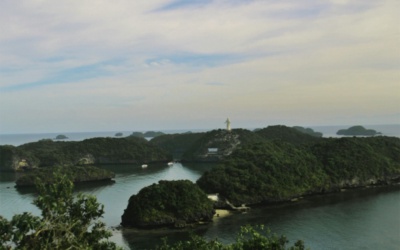
In the middle of the Sulu Sea, 150 kilometers southeast of Palawan and far from any inhabited island, two coral atolls rise from the deep ocean floor and support one of the most biodiverse marine ecosystems on the planet. Tubbataha Reefs Natural Park covers nearly 100,000 hectares of protected ocean and has been a UNESCO World Heritage Site since 1993. With no resorts, no day trips, and no way to visit except by liveaboard dive boat during a narrow three-month window each year, Tubbataha is as exclusive and unspoiled as diving gets in Southeast Asia.

The reef system hosts over 350 species of coral, more than 500 species of fish, 11 species of shark, 13 species of whale and dolphin, and healthy populations of manta rays, sea turtles, and pelagic species that have largely disappeared from more accessible dive sites. For experienced divers, Tubbataha is a bucket-list destination that delivers on every promise - walls of coral dropping into blue abyss, sharks cruising at every dive site, and a sense of wilderness that few places in the ocean can still offer.

The Two Atolls

North Atoll

The larger of the two atolls, roughly 16 kilometers long. The North Atoll features dramatic wall dives with sheer coral cliffs dropping from shallow reef tops into deep blue water. Dive sites along the outer wall regularly produce encounters with whitetip and blacktip reef sharks, grey reef sharks, nurse sharks, and occasional hammerheads. The reef top is a garden of hard and soft corals in excellent condition, with dense schools of fusiliers, surgeonfish, and anthias providing constant movement and color.

Key dive sites on the North Atoll include Amos Rock (a submerged pinnacle attracting large pelagics), Shark Airport (named for the whitetip reef sharks that rest on a sandy plateau like planes on a runway), and the North Wall (a continuous coral cliff with overhangs sheltering groupers and lionfish).

South Atoll

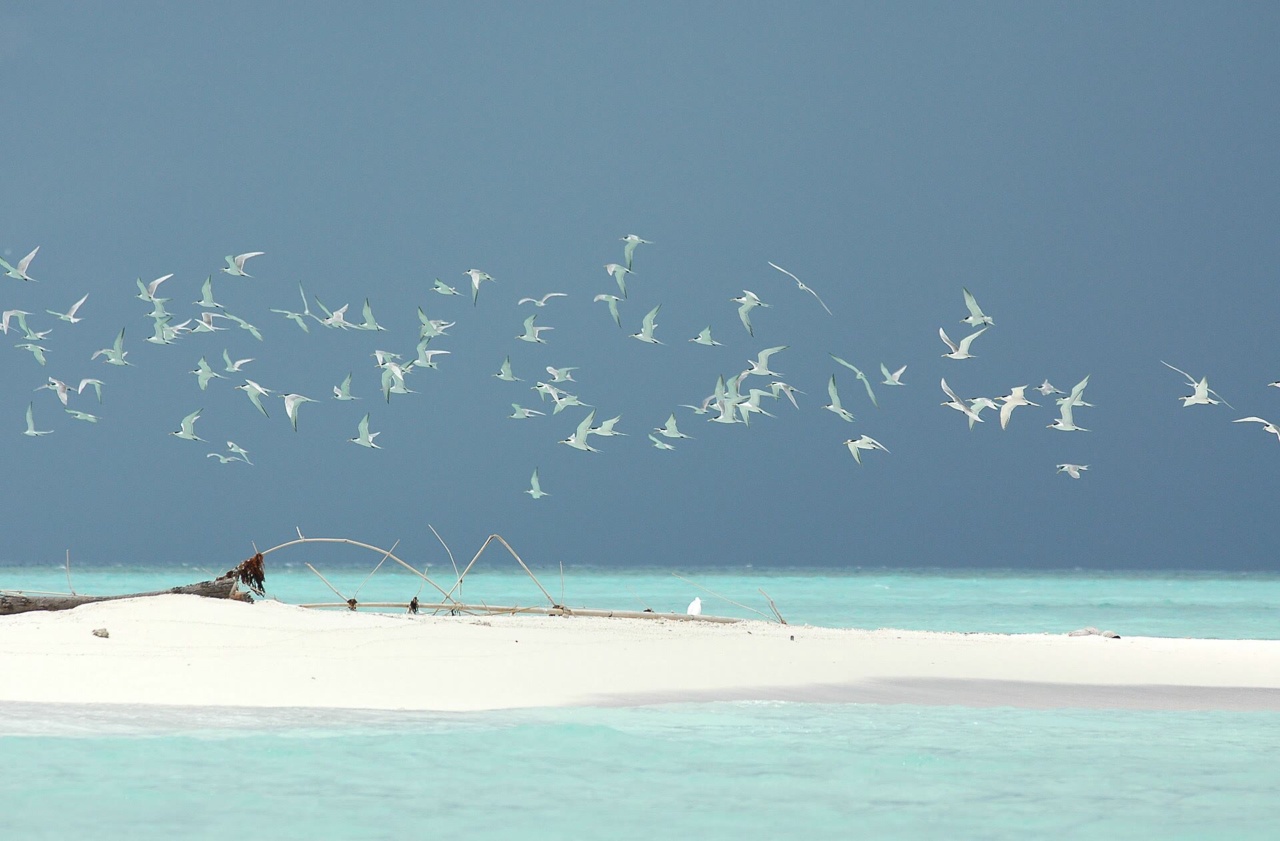
Smaller but equally impressive, the South Atoll offers some of Tubbataha's best wall diving. The walls here are steeper and the coral coverage even denser in places. Delsan Wreck, a cargo ship that ran aground on the reef, has become an artificial reef attracting schools of batfish, jacks, and barracuda. The South Atoll's Bird Island is a nesting site for brown boobies and terns - a rare opportunity to see a thriving seabird colony in the wild.

Jessie Beazley Reef

A submerged reef about 20 kilometers north of the main atolls, Jessie Beazley is a single pinnacle rising from deep water. This isolated seamount acts as a magnet for pelagic species - manta rays, whale sharks, hammerhead sharks, and large tuna are all possible here. Conditions can be challenging with strong currents, but Jessie Beazley often delivers Tubbataha's most exciting encounters.

Things to Do

The Diving

Tubbataha diving is primarily wall diving and drift diving along the outer edges of the atolls, with some pinnacle and channel dives mixed in.

AspectDetails
Visibility20-40 meters, often exceeding 30 meters
Water temperature27-30 degrees Celsius
CurrentsMild to strong, varying by site and tide
Depth range5-40+ meters
Dives per day3-4 day dives plus 1 night dive (typical liveaboard schedule)
Certification requiredOpen Water minimum, Advanced Open Water recommended

Most liveaboards offer 3-4 dives per day plus a night dive, totaling 15-20+ dives over a typical 5-6 night trip. Night dives on the reef are spectacular, with sleeping sharks, hunting lionfish, and bioluminescent plankton.

What You Will See

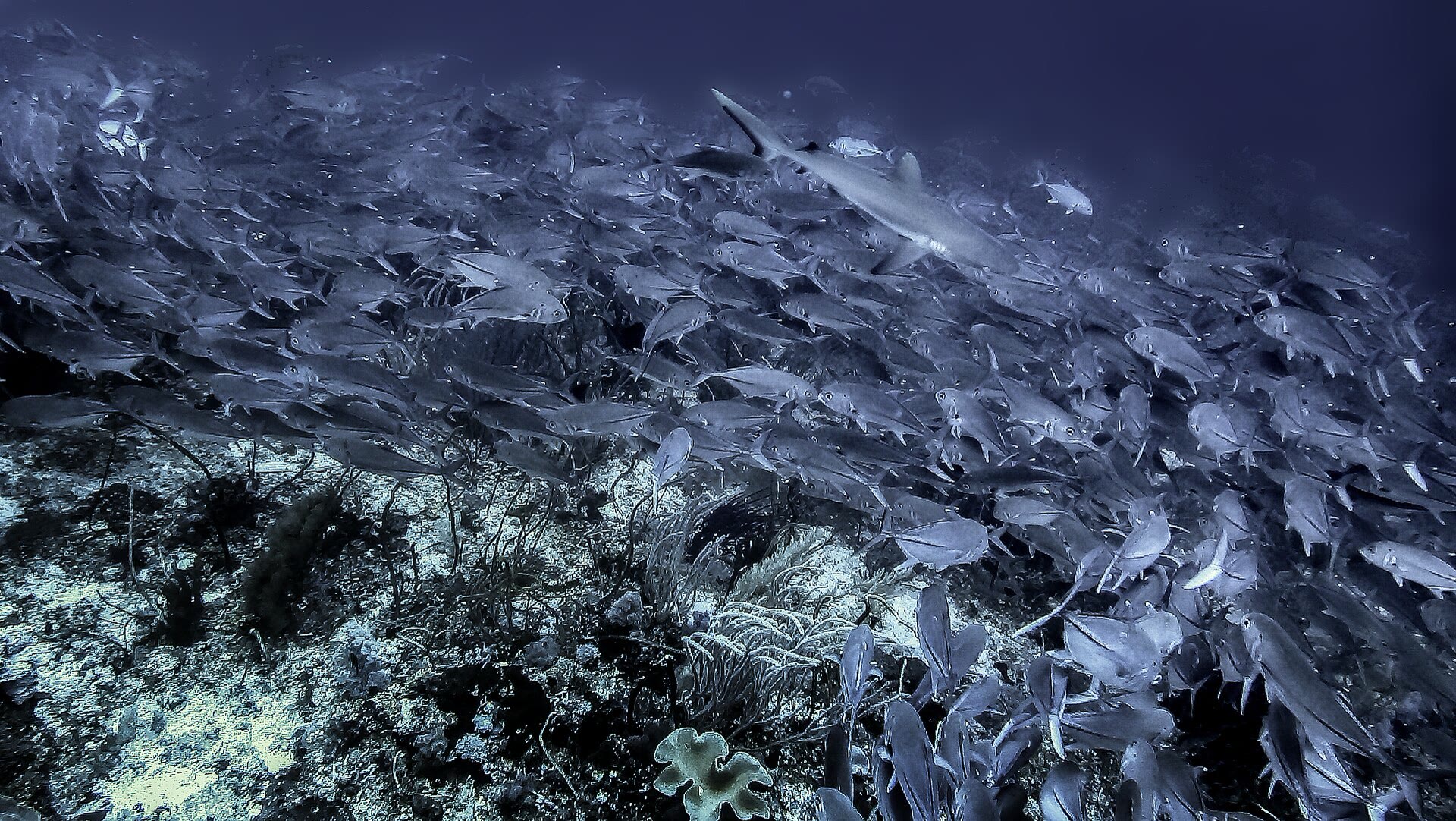
  • Sharks: Whitetip reef sharks, blacktip reef sharks, grey reef sharks, and nurse sharks are seen on almost every dive. Hammerheads appear occasionally at deeper sites and Jessie Beazley.
  • Manta rays: Reef mantas cruise the walls and cleaning stations, particularly around the South Atoll.
  • Sea turtles: Both green and hawksbill turtles are abundant throughout the park.
  • Pelagics: Large schools of jacks, barracuda, and tuna patrol the walls. Whale sharks pass through occasionally, especially in April and May.
  • Coral: The reef is in exceptional condition compared to most dive sites in Southeast Asia. Massive table corals, dense soft coral gardens, and healthy hard coral formations cover every surface.

How to Visit Tubbataha

Liveaboard Only

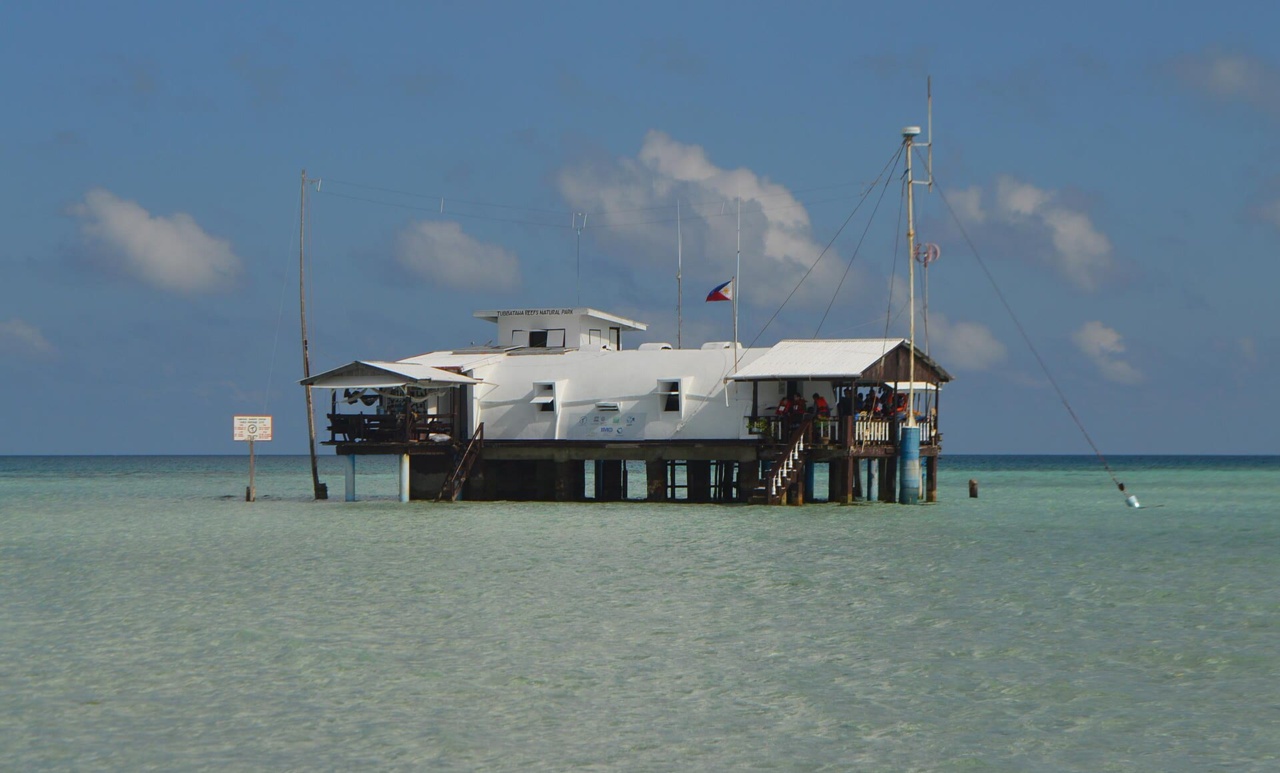
There is no other way to visit Tubbataha except by liveaboard dive boat. No day trips exist - the reef is too far from land. Liveaboards depart from Puerto Princesa, Palawan, with the crossing taking approximately 10-12 hours overnight.

Choosing a Liveaboard

Approximately 13 liveaboard vessels operate Tubbataha itineraries during the season. Trips typically last 5-7 nights, with the crossing to and from Puerto Princesa taking one night each way, leaving 3-5 full days of diving at the reef.

CategoryPrice Range (per night)What to Expect
Budget liveaboard$200-280Shared cabins, basic amenities, good diving
Mid-range$280-400Private cabins, air conditioning, nitrox available
Premium$400-500+Spacious cabins, camera facilities, premium service

A typical 6-night trip costs $1,700-3,000+ per person depending on the vessel. This includes accommodation, all meals, diving (tanks, weights, guide), and the crossing. Equipment rental is extra if you do not bring your own.

Conservation Fee

All divers must pay a conservation fee of $145 (USD) upon arrival in Puerto Princesa. This fee goes directly to the Tubbataha Management Office for reef protection and park operations. Bring cash in US dollars.

Booking

Tubbataha liveaboard trips sell out far in advance due to the short season and limited vessel capacity. Book 9-12 months ahead for the best selection, especially for April and May trips (the peak of the season with the calmest seas). Some popular boats sell out over a year in advance.

Getting to Puerto Princesa

Puerto Princesa is the departure point for all Tubbataha liveaboards.

RouteDurationCost
Manila to Puerto Princesa (flight)1 hour 15 minutesPHP 2,000-5,000 one way
Cebu to Puerto Princesa (flight)1 hour 30 minutesPHP 2,500-5,000 one way

Most liveaboards require you to arrive in Puerto Princesa one day before departure for the conservation fee briefing and gear setup. Plan to fly in the day before your boat leaves.

Diving Season

Tubbataha is only accessible from mid-March to mid-June. This narrow window is dictated by weather - the Sulu Sea is too rough for safe liveaboard crossings outside these months.

MonthConditions
Mid-March to early AprilSeason opening. Good conditions, slightly rougher seas possible. Fewer boats.
April to MayPeak season. Calmest seas, best visibility, highest chance of whale sharks and mantas. Most popular and most expensive.
Late May to mid-JuneSeason closing. Good diving but monsoon weather approaching. Some deals available.

Tips for Diving Tubbataha

  • Book early: This cannot be overstated. With only a three-month season and limited boats, popular departure dates sell out a year in advance. Start planning at least 12 months ahead.
  • Get Advanced Open Water certified: While some boats accept Open Water divers, most of Tubbataha's best sites involve wall dives to 30+ meters and moderate to strong currents. Advanced certification and at least 30-50 logged dives will ensure you are comfortable and can fully enjoy the diving.
  • Bring your own gear if possible: Liveaboard rental equipment is available but limited. Your own well-fitted mask, wetsuit, and computer make a significant difference in comfort over 15-20 dives. Most boats have free nitrox (enriched air) - bring your nitrox certification card.
  • Pack seasickness medication: The 10-12 hour crossing from Puerto Princesa can be rough, and even calm-sea days at the reef involve boat movement. Bring medication even if you do not usually get seasick.
  • Bring the $145 conservation fee in USD cash: This is collected during the pre-departure briefing in Puerto Princesa. Have exact change or close to it in US dollars.
  • Arrive in Puerto Princesa a day early: Flight delays to Puerto Princesa are common. Missing your liveaboard departure means missing the entire trip with no refund. Build in a buffer day.
  • Carry a surface marker buoy (SMB): Currents at some Tubbataha sites can be strong and unpredictable. An SMB is essential safety equipment for drift dives and should be part of your standard gear.
  • Respect the reef: Tubbataha's pristine condition is its greatest asset. Maintain excellent buoyancy control, do not touch coral or marine life, and secure all dangling equipment. The park rangers enforce strict no-touch rules.

For more Philippines diving destinations and underwater adventures, explore other articles on GoAsia.cc.

Frequently Asked Questions

When can I dive Tubbataha Reef?

The diving season runs from mid-March to mid-June only. This narrow window is determined by sea conditions in the Sulu Sea. April and May offer the calmest seas, best visibility, and highest chance of manta ray and whale shark encounters. Outside this season, the reef is inaccessible due to rough weather. The park is closed to all visitors during the off-season.

How much does a Tubbataha liveaboard trip cost?

Budget liveaboards start around $200-280 per night, mid-range options run $280-400, and premium vessels charge $400-500+ per night. A typical 6-night trip costs $1,700-3,000+ per person including accommodation, meals, diving, and the crossing from Puerto Princesa. Add $145 USD for the mandatory conservation fee, plus equipment rental if needed and flights to Puerto Princesa.

How do I get to Tubbataha Reef?

Fly to Puerto Princesa, Palawan (1 hour from Manila, 1.5 hours from Cebu), then board a liveaboard dive boat. The crossing takes 10-12 hours overnight. There is no other way to visit - no day trips or resort access exists. All liveaboards depart from Puerto Princesa. Arrive at least one day before departure for the conservation briefing and gear setup.

What diving certification do I need for Tubbataha?

Open Water certification is the minimum accepted by most liveaboards, but Advanced Open Water is strongly recommended. Many of the best dive sites involve wall dives to 30+ meters with moderate to strong currents. Having at least 30-50 logged dives will ensure you are comfortable. Some premium vessels require Advanced Open Water and 50 logged dives minimum.

How far in advance should I book a Tubbataha trip?

Book 9-12 months in advance. The combination of a three-month season and limited vessel capacity means popular dates sell out very quickly. April and May departures on well-known boats can sell out over a year ahead. Early booking also gives you the best cabin selection. Last-minute availability is rare and usually limited to less popular early or late season dates.

What marine life will I see at Tubbataha?

Tubbataha is exceptionally biodiverse. Expect whitetip, blacktip, and grey reef sharks on nearly every dive. Manta rays, green and hawksbill sea turtles, massive schools of jacks and barracuda, and nurse sharks are regular sightings. Hammerhead sharks and whale sharks appear occasionally, especially at Jessie Beazley Reef. The coral coverage is among the healthiest in Southeast Asia with over 350 species.

Is Tubbataha suitable for beginners?

Tubbataha is best suited for intermediate to advanced divers. While technically Open Water certified divers can join most trips, the diving involves wall dives, drift dives in current, and depths commonly exceeding 20 meters. Beginners may miss the best parts of the dive sites and could feel uncomfortable in stronger currents. Gaining experience at more accessible Philippine dive sites first is recommended.