Vat Phou Temple: Laos' Ancient Khmer Ruins in Champasak

Vat Phou Temple: Laos' Ancient Khmer Ruins in Champasak

Last updated: March 19, 2026

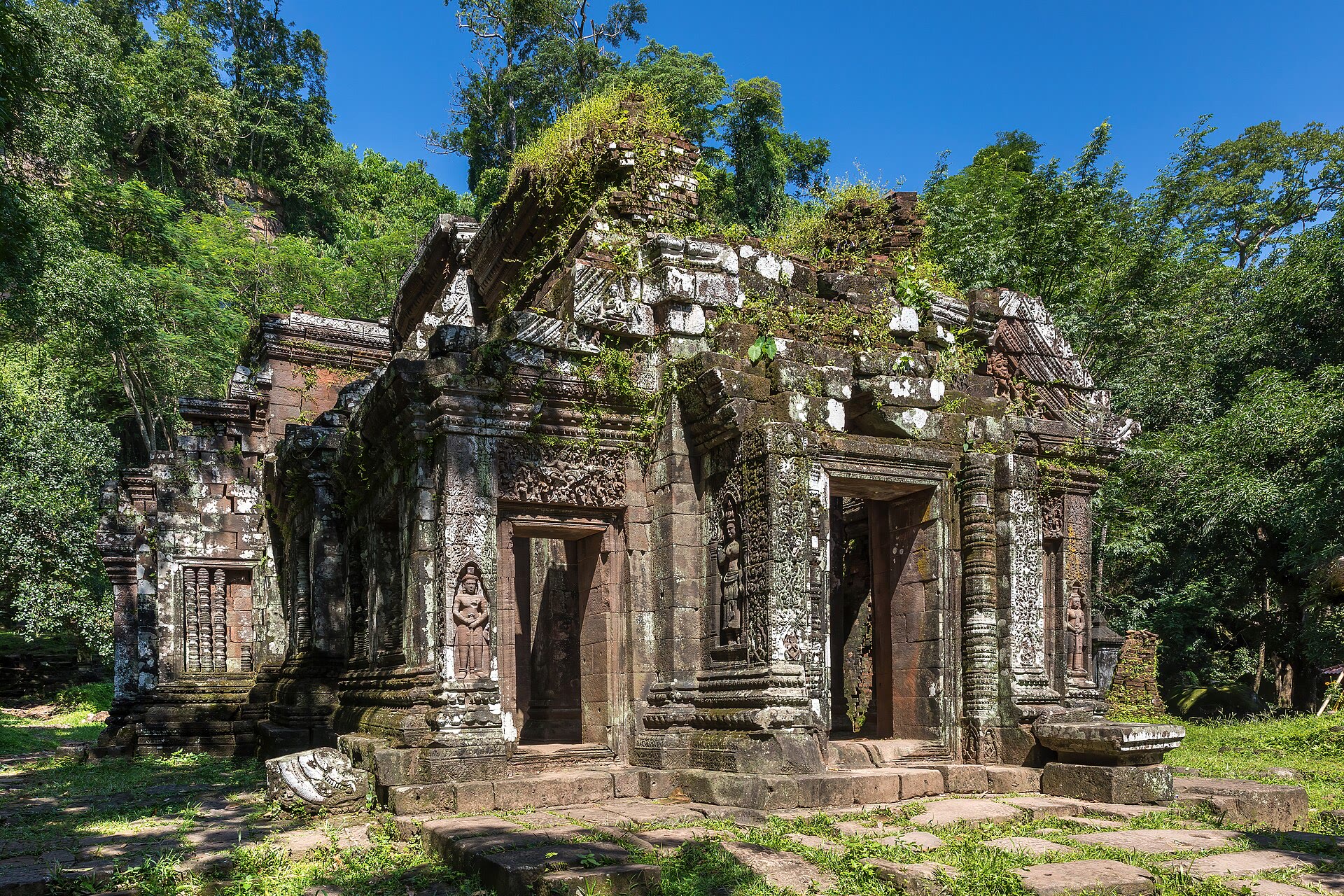
Long before Angkor Wat rose from the Cambodian plains, a Hindu temple complex was taking shape at the foot of Phou Kao mountain in what is now southern Laos. Vat Phou (meaning "mountain temple") dates back to the late 10th and early 11th centuries, making it one of the oldest Khmer religious sites in Southeast Asia. Despite its age and significance, it receives a fraction of the visitors that flock to its more famous Cambodian cousin.

This UNESCO World Heritage Site sits within a carefully planned cultural landscape stretching over 10 kilometers from the Mekong River to the sacred mountain peak. The temple was originally dedicated to Shiva before being converted into a Buddhist monastery in the 13th century, and today it offers a rare glimpse into a civilization that shaped much of mainland Southeast Asia.

Understanding the Temple Complex

Vat Phou is not a single building but an extensive complex arranged along a central axis that runs from the Mekong River westward to the summit of Phou Kao. This alignment was deliberate, reflecting the Hindu cosmological vision of the relationship between nature and humanity. The entire layout was designed to mirror the connection between earthly life (the river) and the divine (the mountain).

The complex is divided into several distinct zones. At the lowest level, you will find two large rectangular reservoirs (barays) that once supplied water for the surrounding settlements. Beyond these lie the remains of two symmetrical palaces, sometimes called the "quadrangle buildings," whose exact purpose remains debated among archaeologists. Some believe they served as segregated worship halls, one for men and one for women.

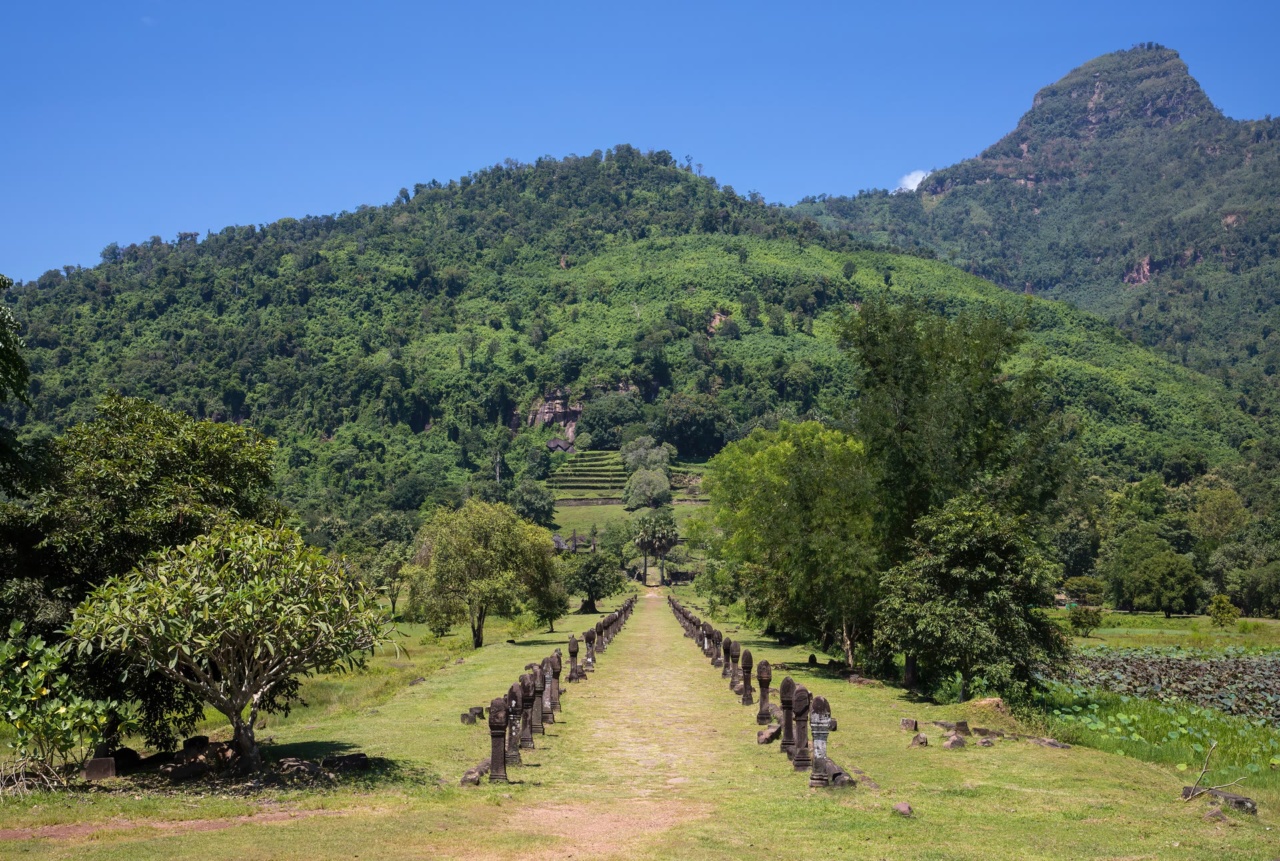
A grand ceremonial causeway flanked by stone pillars leads uphill from the palaces toward the main sanctuary. Along this path, frangipani trees provide welcome shade, and the views back toward the Mekong plain grow more impressive with each step. The upper terrace houses the main shrine, a compact sandstone structure partially carved into the mountainside, along with scattered lintels, boundary stones, and carvings depicting scenes from Hindu mythology.

Things to Do

Key Highlights Within the Complex

The Main Sanctuary

The uppermost shrine is the spiritual heart of Vat Phou. Originally housing a Shiva lingam fed by a natural spring from the mountain, the sanctuary now contains Buddhist images reflecting the temple's later conversion. The carved lintels above the doorways are among the finest examples of Khmer art outside Cambodia, depicting Vishnu riding Garuda, Shiva on Nandi, and intricate scenes from the Ramayana.

The Crocodile Stone

Near the upper terrace, a mysterious carved stone in the shape of a crocodile sits among the trees. Archaeological evidence suggests this may have been used for ritual human sacrifices during the pre-Angkorian period, though the exact purpose remains a subject of scholarly debate.

The Nandi Pavilion

Partway up the ceremonial causeway, a small pavilion once held a statue of Nandi, the sacred bull and vehicle of Shiva. While the original statue has been moved to the on-site museum, the pavilion itself remains an atmospheric stopping point during the climb.

The Holy Spring

A natural spring emerges from the cliff face behind the main sanctuary. For centuries, this water was channeled through carved stone channels to continuously bathe the Shiva lingam in the shrine below. The spring still flows, and locals consider it sacred. You can often see Lao visitors collecting the water.

The On-Site Museum

Near the entrance, a small but well-organized museum displays artifacts recovered from the complex and surrounding area. Highlights include stone sculptures of Shiva, Vishnu, and Nandi spanning several centuries, along with decorative lintels and boundary stones. The museum provides essential context for understanding what the ruins once looked like and how the complex functioned as a living religious center. Plan to spend 20 to 30 minutes here, ideally before exploring the ruins.

Getting to Vat Phou from Pakse

Vat Phou sits approximately 45 kilometers south of Pakse, the main transport hub for southern Laos. Most visitors use Pakse as their base for a day trip to the temple.

Transport OptionDurationApproximate CostNotes
Tuk-tuk (chartered)1 to 1.5 hours each way$15 to $25 round tripNegotiate waiting time; most drivers will stay for 2 to 3 hours
Motorbike rental1 hour each way$8 to $12 per dayMost flexible option; the road is paved and well-maintained
Minivan day tourFull day$20 to $35 per personUsually includes other stops; bookable through guesthouses or travel agents in Pakse
Public songthaew1.5 to 2 hours$2 to $3 one wayDepartures from KM 8 bus terminal; runs 08:00 to 16:00

If you are riding a motorbike, the route from Pakse crosses the Mekong bridge and follows a scenic road along the river through Champasak town before reaching the temple. The drive itself is one of the more pleasant rides in southern Laos, with views of rice paddies, river islands, and rural villages along the way.

Exploring the Champasak Area

While Vat Phou is the star attraction, the surrounding Champasak cultural landscape deserves more than a rushed visit. The small town of Champasak, situated on the banks of the Mekong about 10 kilometers from the temple, has a handful of guesthouses and restaurants that make it a pleasant overnight base. Staying in Champasak rather than Pakse lets you visit the temple early in the morning before tour groups arrive.

The broader landscape includes the remains of an ancient Khmer road, additional smaller temple sites, and the Mekong riverfront, which is particularly scenic around sunset. Every February, the Vat Phou Festival draws thousands of pilgrims and locals for three days of religious ceremonies, traditional music, buffalo fights, and boat racing, transforming the usually quiet ruins into one of the liveliest events in Laos.

Practical Tips for Visiting Vat Phou

  • Arrive early or late. The temple complex faces east, making morning light ideal for photography of the main structures. Late afternoon offers softer light and fewer visitors. Midday heat makes the uphill walk to the main sanctuary significantly more strenuous.
  • Wear proper footwear. The climb from the lower level to the upper sanctuary involves uneven stone steps and can be slippery after rain. Sturdy sandals or light hiking shoes work best.
  • Bring water and sun protection. While frangipani trees shade parts of the causeway, much of the complex is exposed. There are no drink vendors beyond the entrance area.
  • Allow at least two hours. Rushing through in an hour means missing half the complex. Three hours lets you explore thoroughly, including the museum and the upper terrace trails.
  • Consider a golf cart to the entrance gate. For 45,000 Kip, you can ride a golf cart the first kilometer from the ticket office to the temple entrance, saving energy for the climb ahead.
  • Dress respectfully. As an active Buddhist site, shoulders and knees should be covered. This is generally enforced at the upper sanctuary.
  • Combine with other southern Laos highlights. Vat Phou pairs naturally with a visit to the 4,000 Islands (Si Phan Don) region, the Bolaven Plateau waterfalls, or the Xe Pian wetlands. More travel ideas for Laos and the region are available on GoAsia.cc.

Entry Fees and Hours

The temple complex is open daily from 08:00 to 18:00. Entrance costs 50,000 Kip (approximately $3) for foreign visitors and 20,000 Kip for Lao nationals. Children under 10 and monks enter free. Your ticket is valid for the entire day, so you can leave and return if needed.

The museum follows the same opening hours and is included in the entrance fee. A small parking area near the ticket office accommodates motorbikes and tuk-tuks.

Frequently Asked Questions

What is Vat Phou and why is it significant?

Vat Phou is a Khmer Hindu temple complex in southern Laos that predates Angkor Wat by over a century. Built in the late 10th to early 11th century and later converted to a Buddhist site, it was designated a UNESCO World Heritage Site for its remarkably preserved cultural landscape stretching from the Mekong River to the sacred Phou Kao mountain.

How much does it cost to visit Vat Phou?

Entrance costs 50,000 Kip (about $3) for foreign visitors and 20,000 Kip for Lao nationals. Children under 10 and monks enter free. An optional golf cart ride to the entrance gate costs an additional 45,000 Kip.

How do I get to Vat Phou from Pakse?

The easiest options are chartering a tuk-tuk ($15 to $25 round trip, about 1 to 1.5 hours each way) or renting a motorbike ($8 to $12 per day). Public songthaews run from the KM 8 bus terminal for $2 to $3 one way. Travel agents in Pakse also offer minivan day tours for $20 to $35 per person.

How long should I plan for a visit to Vat Phou?

Allow at least two hours to explore the main complex and museum at a comfortable pace. Three hours is better if you want to explore the upper terrace thoroughly and enjoy the views. If visiting from Pakse, plan for a half-day trip including travel time.

What is the best time of day to visit Vat Phou?

Early morning offers the best photography light since the temple faces east, along with cooler temperatures and fewer visitors. Late afternoon is also pleasant. Avoid midday when the exposed climb to the upper sanctuary is hottest.

Is there a festival at Vat Phou?

The annual Vat Phou Festival takes place every February over three days. It features Buddhist ceremonies, traditional Lao music, buffalo fights, boat racing, and a pilgrimage to the upper sanctuary. It is one of the largest cultural events in southern Laos and well worth timing your visit around.

Can I stay in Champasak town instead of Pakse?

Champasak town is only 10 kilometers from the temple and has several guesthouses and small restaurants. Staying overnight lets you visit the ruins early before tour groups arrive and explore the scenic Mekong riverfront area at a relaxed pace.

How does Vat Phou compare to Angkor Wat?

Vat Phou is much smaller and less restored than Angkor Wat, but it is actually older and receives far fewer visitors. The setting at the base of a sacred mountain with views across the Mekong plain gives it an atmosphere that many travelers find more peaceful and atmospheric than the crowded Angkor complex.