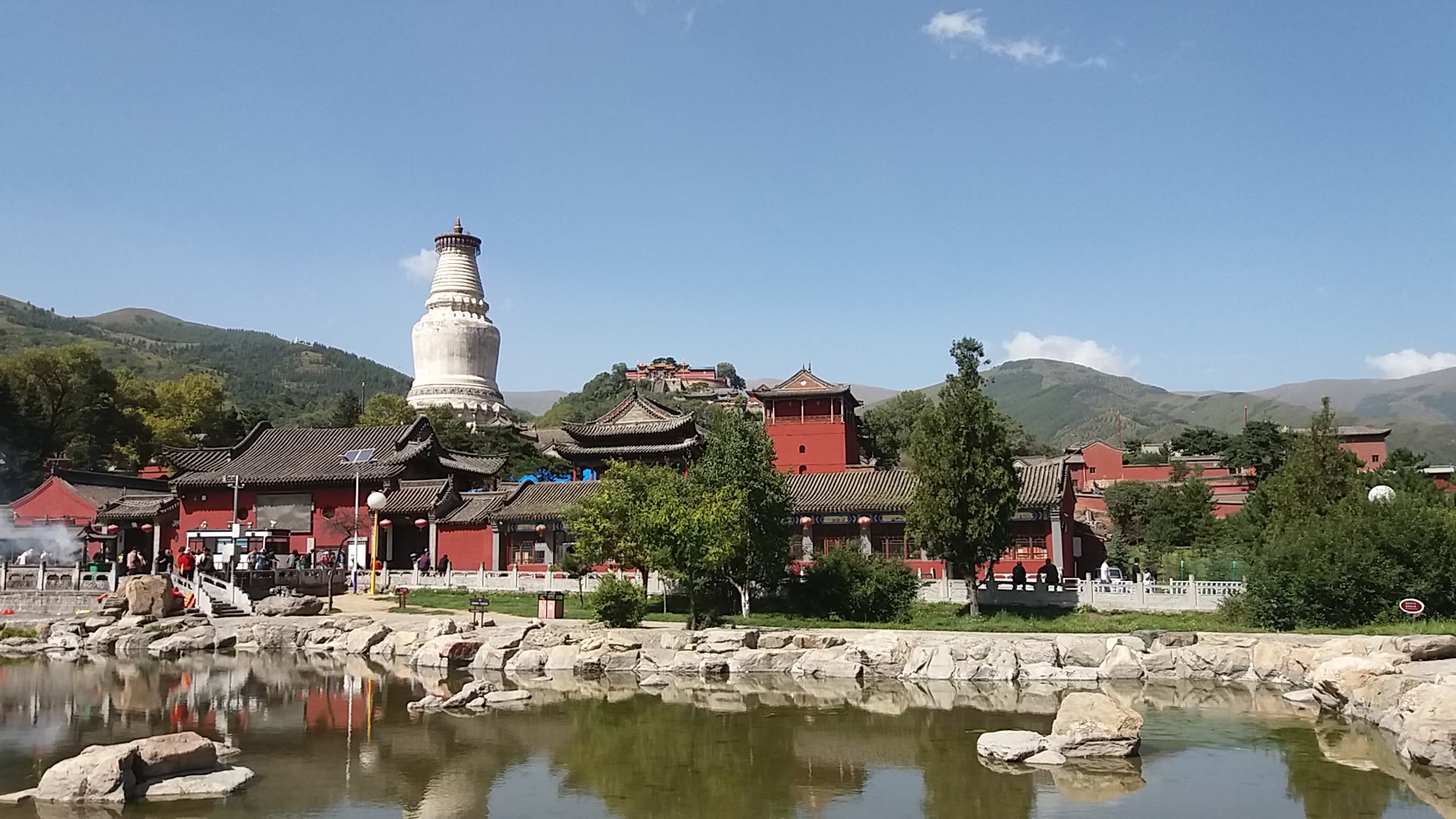
Wutai Mountain, or Wutaishan, is one of the four sacred Buddhist mountains of China and arguably the most atmospheric of them. Spread across a cluster of five flat-topped peaks in northeastern Shanxi province, it has drawn monks and pilgrims for well over a thousand years. Unlike a single dramatic summit, Wutai is a whole highland landscape dotted with temple complexes, some perched on slopes, others gathered into a bustling temple town that hums with chanting, incense, and the soft tread of prostrating pilgrims.
The mountain is dedicated to Manjushri, the bodhisattva of wisdom, and that association has made it a magnet for devotion across the Han Chinese, Tibetan, and Mongolian Buddhist worlds. You will see saffron and maroon robes mingling, prayer flags fluttering beside Chinese-style temple eaves, and worshippers performing full-body prostrations along stone paths. UNESCO inscribed the site as a cultural landscape, recognizing not just individual buildings but the centuries-long dialogue between mountain, faith, and architecture.
For an independent traveler, Wutai rewards patience. It sits at high altitude, the weather can turn cold even in summer, and the temples are scattered enough that planning matters. But few places in China combine living religious practice with such a concentration of historic temple art, and the crisp mountain air makes it a welcome escape from the heat and crowds of the lowland cities.
What Wutai Mountain Actually Is
Wutai means "five terraces," a reference to the five rounded peaks that ring the area: the North, South, East, West, and Central terraces. The North Terrace, Yedou Peak, is the highest point in northern China, topping out above 3,000 meters. The peaks themselves are largely treeless, grassy domes, and circumambulating all five is a serious pilgrimage challenge that few casual visitors attempt.
The heart of the visitor experience is not the peaks but the valley below them, centered on the temple town of Taihuai. This is where most of the famous temples cluster within walking or short-driving distance of one another. The town has hotels, restaurants, shops selling incense and prayer beads, and a steady flow of pilgrims and tourists. It functions as your base.
The mountain holds dozens of active monasteries representing two main traditions. Most are Chinese Buddhist temples with classic timber halls, but several are Tibetan Buddhist monasteries with distinctive white stupas and Tibetan-style decoration. This blend is part of what makes Wutai unusual: you can experience two living strands of Buddhism within a single day.
Things to Do
Why It Matters to Travelers and Pilgrims
Wutai is a working sacred site, not a museum. People come here to fulfill vows, seek blessings, and walk routes their ancestors walked. That living quality is the main draw. Where some Chinese heritage sites can feel staged for tourism, Wutai retains a genuine devotional intensity, especially around major festival days and during the warmer pilgrimage season.
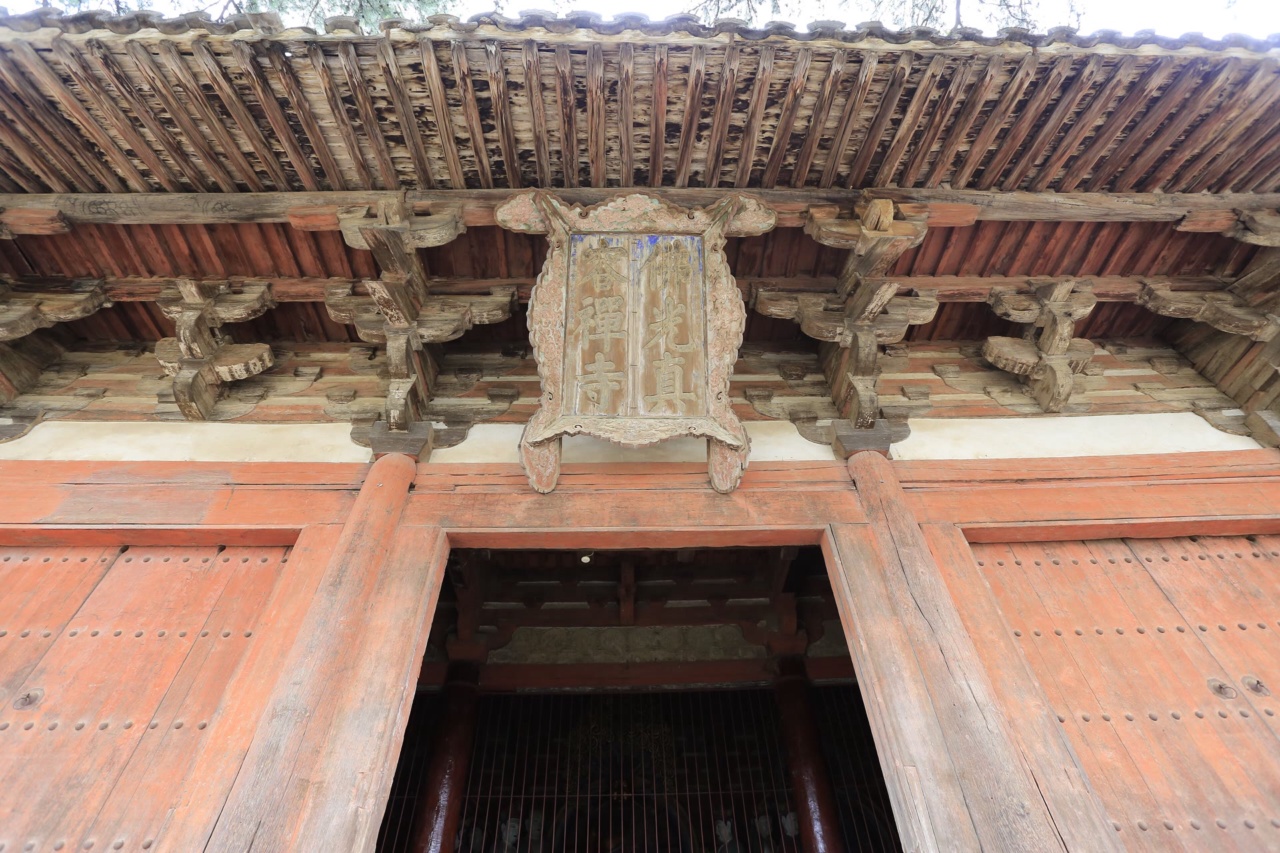
It also holds extraordinary architectural and artistic heritage. Some of the surrounding temple buildings rank among the oldest surviving timber structures in China, and the region as a whole is famous among historians for early wooden architecture. Inside the halls you will find painted clay statues, frescoes, and ritual objects spanning many dynasties. For travelers interested in Buddhist art and the history of Chinese building, Wutai is a landmark destination.
Finally, there is the landscape. The high valleys, grassy peaks, and clear skies offer a kind of beauty that contrasts sharply with the loess plateau scenery elsewhere in Shanxi. On a clear day the views from a terrace peak are vast and quiet.
The Core Temple Circuit
You do not need to see every temple to feel you have visited Wutai. A focused circuit of the central cluster covers the highlights and the strongest atmosphere. Most of these sit in or near Taihuai town.
Xiantong Temple
One of the oldest and largest monasteries on the mountain, Xiantong is known for its bronze hall and its dense layout of halls climbing the hillside. It gives a strong sense of scale and history and is a natural first stop.
Tayuan Temple
The temple with the great white stupa that has become the visual symbol of Wutai. The towering white dagoba is visible across the valley, and pilgrims circle it clockwise while spinning the prayer wheels around its base. It is one of the most photographed and most revered spots.
Pusading
Set on a hill reached by a long staircase, Pusading is a Tibetan Buddhist monastery with imperial connections and commanding views over the temple town. The climb is worth it for the panorama and the quieter, more contemplative mood at the top.
Shuxiang and Luohou Temples
These add depth to a temple day, with notable statuary and ritual features. Luohou is known for a mechanical rotating lotus and other distinctive devotional installations.
Nanshan and Longquan Temples
A short distance from the center, these reward visitors who want fine stone carving and a slightly less crowded experience. Longquan in particular is admired for its intricate carved archway and railings.
The Five Terraces
Visiting all five peaks, known as the grand pilgrimage circuit, traditionally takes serious effort and several days on foot, though many modern pilgrims now use vehicles to reach the peak temples on certain routes. Unless you are committed to the full pilgrimage, treat the terraces as optional. Reaching even one peak gives you the high-altitude landscape and a sense of the larger sacred geography.
How Much Time to Allow
A rushed visitor can see the central temple cluster in a single full day, but that does the place a disservice. Two days is a comfortable minimum: one for the core temples in and around Taihuai, and a second to slow down, visit outlying monasteries, climb to a viewpoint, and absorb the rhythm of the place. Pilgrims and architecture enthusiasts often stay longer.
Building in an extra half day also gives you a buffer against weather. Mountain conditions change quickly, and a clear morning can give way to cold rain or fog by afternoon.
Getting There from Taiyuan and Datong
Wutai sits between two main gateway cities, and your approach depends on where you are coming from in your wider China itinerary.
From Taiyuan, the Shanxi provincial capital, you have road connections by long-distance bus and by hired car or taxi. Taiyuan is well connected to the rest of China by air and high-speed rail, so many travelers route through it. The journey into the mountains takes several hours.
From Datong, the famous city of the Yungang Grottoes and the Hanging Temple, the approach is also by road. Many travelers pair Datong and Wutai because they sit in the same northern Shanxi region, making a logical two-stop loop. Combining Datong's grottoes, the Hanging Temple, and Wutai's monasteries gives you one of the richest Buddhist-heritage routes in China.
There is a railway station associated with Wutai, but it lies a significant distance from the temple town, so check exactly where any train deposits you and how you will cover the remaining distance to Taihuai. Always confirm current schedules, transfer points, and the final leg into the mountains before you commit, since regional bus timetables and station transfers can change.
Within the mountain area, an entrance fee applies to the scenic zone, and shuttle or sightseeing buses typically run between major points. Verify the current ticket structure and whether peak-access transport is included or separate when you arrive.
Altitude and Cold: The Practical Reality
This is the single most important thing to plan for. Taihuai town sits at well over 1,700 meters, and the surrounding peaks rise much higher. The combination of altitude and northern Shanxi's continental climate means Wutai is cold for much of the year and chilly even in summer.
Summer days can be pleasant, but mornings, evenings, and high-altitude spots stay cool, and rain brings a sharp drop in temperature. Spring and autumn are cold, and winter is severe, with snow, ice, and bitter wind. Some travelers love the stark winter atmosphere, but it demands proper gear and a willingness to accept that some routes and peak access may be limited.
Practical implications:
- Pack warm layers regardless of season, including a windproof outer layer, a hat, and gloves for higher elevations.
- Expect strong sun at altitude; bring sunscreen and sunglasses even when the air feels cold.
- Stay hydrated and pace yourself, especially if you ascend to a terrace peak. Mild altitude effects such as headache or breathlessness are possible.
- If you have a heart or respiratory condition, factor the elevation into your planning and consider keeping to the lower temple cluster.
Pilgrimage Etiquette and Respectful Behavior
Wutai is a place of active worship, and behaving respectfully is both courteous and part of experiencing the site properly.
- Dress modestly. Cover shoulders and avoid very short clothing when entering temple halls.
- Follow circumambulation direction. Walk clockwise around stupas and sacred objects, matching the pilgrims around you.
- Mind photography. Many interiors prohibit photography, particularly of statues and frescoes. Look for signs, and never photograph worshippers mid-prostration without asking.
- Keep quiet in halls. Lower your voice, silence your phone, and do not interrupt ongoing prayers or ceremonies.
- Handle incense carefully. If you offer incense, follow local practice and dispose of it in the designated burners rather than leaving lit sticks unattended.
- Do not touch statues or ritual objects unless it is clearly part of an invited practice, such as spinning prayer wheels.
- Step over thresholds, not on them. Many temple doorways have raised wooden sills; treading on them is considered disrespectful.
Choosing a Base and Where to Stay
Taihuai town is the logical base, with accommodation ranging from simple guesthouses to mid-range hotels. Staying in town puts you within walking distance of the central temple cluster and lets you experience the early-morning atmosphere before day visitors arrive, which is one of the best reasons to overnight on the mountain rather than visiting in a single dash.
Because Wutai is a major domestic pilgrimage and tourism destination, accommodation can fill up and prices can spike during Chinese public holidays and major Buddhist festival periods. If your dates overlap with a national holiday, book ahead and expect crowds. Outside those windows, the town is calmer.
Suggested Two-Day Plan
| Day | Focus | Highlights |
|---|---|---|
| Day 1 | Central temple cluster | Xiantong, Tayuan white stupa, Pusading climb, Luohou and Shuxiang |
| Day 2 | Outlying temples and views | Nanshan, Longquan stone carving, optional terrace-peak excursion |
Start each day early. The light is best, the air is freshest, and you will share the temples with pilgrims rather than tour groups. Use the middle of the day for the busier central sites if you must, and save quieter outlying temples for late afternoon.
Realistic Downsides and Common Mistakes
Wutai is rewarding, but be clear-eyed about the tradeoffs.
It is remote. Reaching the mountain takes a half day or more of overland travel from gateway cities, and transport connections require checking in advance. This is not a quick add-on; budget the travel time honestly.
Crowds during holidays. During Chinese national holidays and major festivals, the central temples and the town can be packed, and the contemplative mood evaporates. If you want quiet, avoid those dates.
Entrance and transport fees add up. Between the scenic-area entrance and internal sightseeing transport, costs accumulate. Confirm what is included before paying so you are not surprised at peak-access points.
Temple fatigue is real. Visiting too many similar halls in one day blurs them together. Be selective, sit for a while in one or two favorite courtyards, and let the place breathe rather than ticking off every monastery.
Underdressing for the cold is the most common practical error. Travelers arriving from hot lowland cities routinely underestimate how cold the mountain gets, especially at night and at altitude.
Language. English is limited. Carry your hotel and destination names in Chinese characters, have offline maps and translation ready, and keep some cash on hand, as not every small vendor or rural transfer will accept cards.
Practical Tips for a Smoother Wutai Visit
- Verify transport before you go. Confirm bus schedules, train transfers, and the final road leg into Taihuai close to your travel date, since regional timetables change.
- Time your visit for shoulder seasons. Late spring through early autumn balances climbable weather with manageable crowds, while avoiding the deepest cold.
- Overnight on the mountain. Staying in Taihuai unlocks the serene early morning, when temples open and pilgrims begin the day's circuits.
- Pair it with Datong. Linking Wutai with the Yungang Grottoes and the Hanging Temple builds a coherent northern Shanxi Buddhist route.
- Pack layers and rain protection. Mountain weather shifts fast; a warm layer and a waterproof shell cover most conditions.
- Bring small cash and offline tools. Useful for rural transfers, incense, and snacks where digital payment or English may not work.
- Be selective with temples. Choose a focused circuit and linger, rather than racing through every hall.
Wutai Mountain works best for travelers who want depth rather than a quick photo stop: those drawn to living Buddhist practice, historic temple architecture, and high mountain air. Plan the logistics carefully, respect the devotional atmosphere, and dress for cold you might not expect, and the mountain repays you with a sense of place that is increasingly rare among China's major heritage sites. For more help mapping a Shanxi route and connecting it to the rest of your trip, GoAsia.cc is a useful place to keep planning your Asia travels.
Frequently Asked Questions
Allow at least two days for a satisfying visit. One day covers the central temple cluster around Taihuai town, and a second lets you explore outlying monasteries, reach a viewpoint, and absorb the atmosphere. Pilgrims and architecture enthusiasts often stay longer, and an extra half day buffers against fast-changing mountain weather.
Yes, an entrance fee applies to the scenic zone, and internal sightseeing or shuttle transport may cost extra on top of that. Because fees and inclusions can change, confirm the current ticket structure when you arrive, and check whether access to the higher terrace peaks is bundled or charged separately.
Both gateway cities connect to the mountain by road via long-distance bus or hired car, with a journey of several hours. Taiyuan offers air and high-speed rail links to the rest of China, while Datong pairs well with the Yungang Grottoes and Hanging Temple. A railway station serves the area but sits far from the temple town, so confirm the final road transfer in advance.
Late spring through early autumn offers the most comfortable weather and climbable conditions, though it remains cool at altitude. Avoid Chinese national holidays and major Buddhist festivals if you want a quieter experience, as the temples and town can become very crowded during those periods. Winter is severe but atmospheric for prepared travelers.
The temple town sits above 1,700 meters and the peaks rise far higher, so it stays cold for much of the year and chilly even in summer. Pack warm layers, a windproof outer layer, a hat, and gloves regardless of season. Also bring sunscreen and sunglasses, since the sun is strong at altitude even when the air feels cold.
Dress modestly with covered shoulders, walk clockwise around stupas and sacred objects, and keep your voice low in halls. Respect photography restrictions, especially inside halls and around worshippers performing prostrations. Step over raised wooden thresholds rather than on them, and avoid touching statues or ritual items unless clearly invited to do so.
It is doable but requires preparation, as English is limited. Carry destination names in Chinese characters, keep offline maps and a translation app ready, and have some cash on hand for rural transfers and small vendors. Booking accommodation in Taihuai town in advance also reduces on-the-ground language hurdles.