Xidi Village: Inside China's Best Preserved Huizhou Merchant Town

Xidi Village: Inside China's Best Preserved Huizhou Merchant Town

Last updated: June 9, 2026

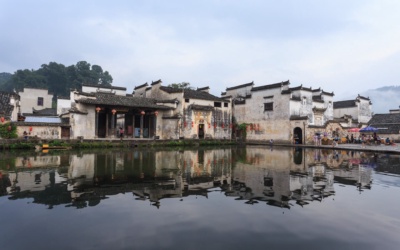
Tucked into the hills of southern Anhui, Xidi looks less like a tourist attraction and more like a living museum that nobody bothered to dismantle. Whitewashed walls topped with stepped horse-head gables crowd narrow stone lanes, and behind heavy wooden doors sit courtyards that prosperous Huizhou merchants built centuries ago. The village has stood here for roughly 900 years, and a remarkable amount of it survives intact.

Xidi was inscribed on the UNESCO World Heritage List together with nearby Hongcun as an outstanding example of traditional Huizhou village architecture. What makes it special is not a single monument but the completeness of the whole: ancestral halls, decorated stone gateways, private residences with intricate wood and brick carving, and a street plan that has barely changed since the village's commercial heyday.

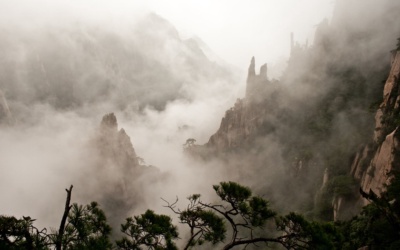
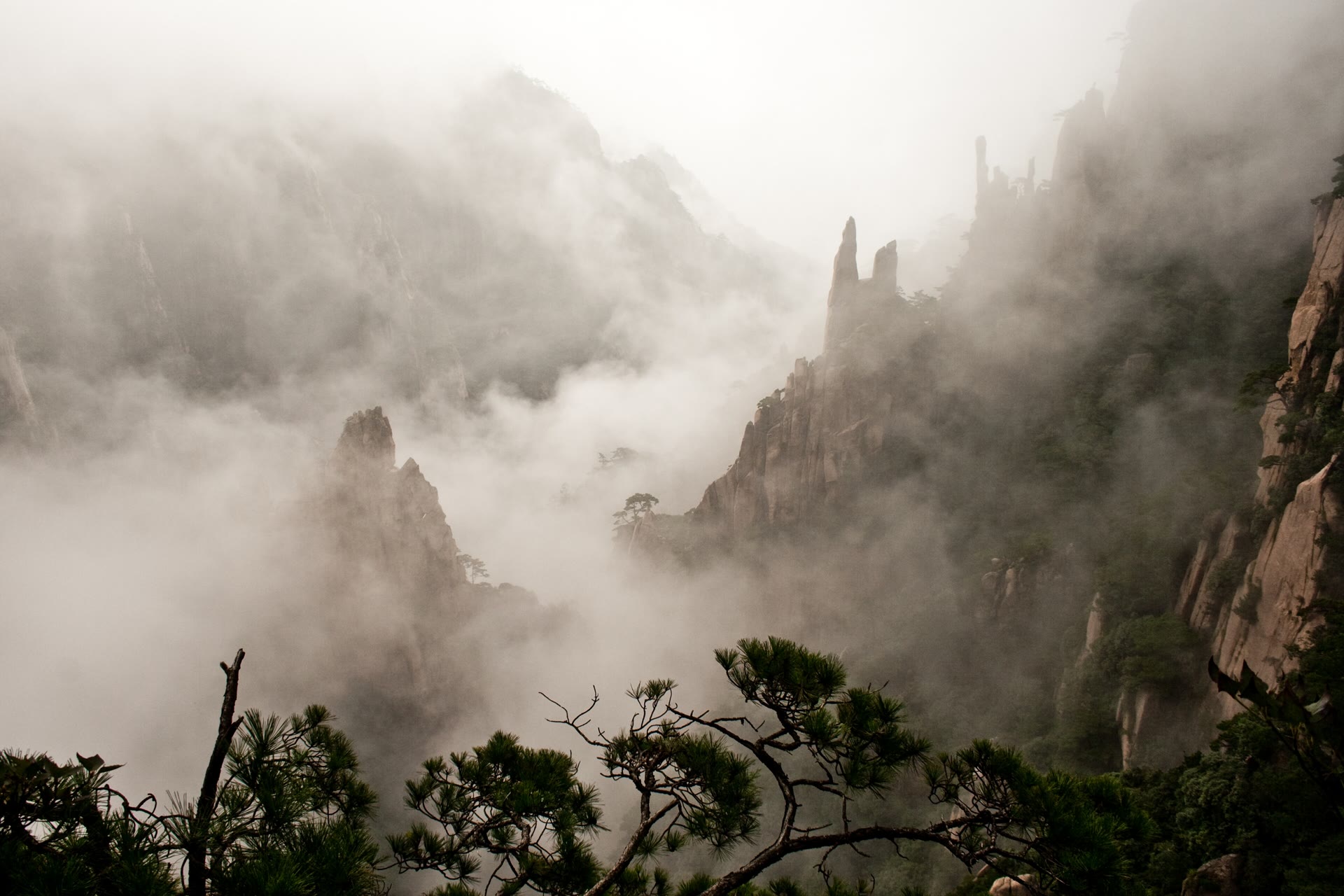
For travelers based around Huangshan (Yellow Mountain), Xidi is one of the most rewarding cultural day trips in the region. It pairs naturally with a mountain visit, giving you both dramatic granite peaks and the human landscape that the same region produced. This guide covers what to see, how to get there independently, how it compares to Hongcun, and how much time you actually need.

What Xidi Is and Why It Matters

Xidi belongs to a cluster of villages built by the Huizhou merchant clans, traders who grew wealthy from salt, tea, timber, and pawnbroking from roughly the Ming and Qing periods. Confucian custom discouraged ostentatious display of wealth in the wider world, so these merchants poured their money into their home villages instead. The result is architecture of unusual refinement in what was otherwise rural farmland.

The village was settled by the Hu clan, and family lineage shaped its layout. Ancestral halls anchored the community, residences clustered along streams and lanes, and a memorial archway at the entrance announced the family's status. Roughly 200 historic dwellings remain, with more than a hundred of them well preserved. Many are still inhabited, which is part of what gives Xidi its lived-in atmosphere rather than the feeling of a stage set.

The distinctive visual signature is Huizhou style: white plaster walls, dark grey tiled roofs, and the high stepped gables known as horse-head walls, originally designed as firebreaks between tightly packed wooden buildings. Inside, the craftsmanship is the real story. Doorframes, window lattices, beams, and screens carry detailed carving in wood, brick, and stone, much of it depicting auspicious symbols, scenes from classical stories, and natural motifs.

Things to Do

The Main Things to See

You do not need a strict itinerary at Xidi. The pleasure is partly in wandering, getting briefly lost in side lanes, and noticing details. That said, a few set pieces are worth seeking out.

The Hu Wenguang Memorial Archway

The standout entrance landmark is a tall, freestanding stone memorial gateway built to honor a high-ranking member of the Hu family. It is the most photographed structure in the village and a good orientation point. These archways were a public form of recognition, granted for official achievement or moral virtue, and Xidi's is one of the finest surviving examples of its kind in the region.

Ancestral and clan halls

The ancestral halls were the ceremonial heart of village life, used for rituals honoring forebears and for clan decision-making. They are larger and grander than the residences, with open halls, sturdy timber columns, and inscribed plaques. Visiting them gives you the social logic behind the village: this was a community organized around family lineage.

Merchant residences

The private houses are where Huizhou craftsmanship is most concentrated. Several are open to visitors, and inside you find the classic arrangement of a small open-air courtyard, called a skywell, that brings light and rain into the center of the home. Look up at the carved beams and brackets, and look closely at door panels and window screens. Many homes display antique furniture, calligraphy, and household objects, and signboards or local guides explain the symbolism of the carvings.

The lanes and water channels

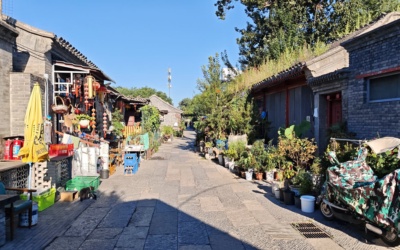
Some of the most atmospheric moments come simply from walking the stone-paved lanes early or late in the day, when the light is soft and the tour groups have thinned. Narrow channels of water run through parts of the village, and the play of reflection, shadow, and pale wall surfaces is what draws photographers here.

Xidi Versus Hongcun: Which to Visit

This is the single most common question travelers ask, because the two villages share the UNESCO listing, sit close together, and look broadly similar in style. They are different enough that the choice matters, and visiting both is also a legitimate option if you have the time.

FeatureXidiHongcun
Defining imageMemorial archway, ancestral halls, residential lanesCrescent-shaped pond and a larger lake with reflections
AtmosphereMore residential, slightly quieter feelMore scenic water features, very popular for photos
CrowdsBusy but often a notch calmerFrequently the busier of the two
Film fameLess associated with filmFeatured in well-known cinema, which boosts its draw
Best forArchitecture and carving detailClassic postcard water scenery

If your priority is interior craftsmanship, ancestral halls, and a sense of a living merchant town, Xidi delivers strongly. If you want the iconic mirror-still pond reflections that appear on so many photos of the region, Hongcun is the one. They are close enough that energetic visitors do both in a single long day, though combining them is tiring and you will move quickly through each. Many travelers prefer to give one village a relaxed half day rather than rush both.

How Much Time You Need

For most visitors, two to three hours inside Xidi is enough to see the main halls, walk through several open residences, and explore the lanes without rushing. Photography enthusiasts and slow travelers can easily spend half a day, especially if they want to catch the village in different light.

If you are combining Xidi with Hongcun on the same day, plan for a full day out from your base, including transport time between the two villages. If you are pairing a village visit with Huangshan mountain, treat them as separate days; the mountain alone is a demanding full day.

Getting There from Huangshan

Independent access takes a little planning, but it is very doable. The key thing to understand is that the regional hub goes by the name Huangshan, which can refer to several things: the mountain itself, the modern city of Huangshan (whose central district is also widely called Tunxi), and the wider area. Xidi sits in Yi County, and the practical gateway town for the villages is Yi County town, often referenced as Yixian.

By bus

The most common independent route is by bus. From the Tunxi area of Huangshan city, buses run toward Yi County and the village area. Travelers typically take a bus heading to Yi County or directly toward the villages, with a journey of roughly an hour and a half depending on the route and stops. Schedules and exact departure points change, so confirm current timings at your accommodation or the bus station the day before. Buses serving Xidi and Hongcun are often linked, since the two villages are on the same general route.

From Huangshan Scenic Area

If you are coming directly from the mountain, you generally first reach a transit town at the foot of the mountain and then connect onward by bus toward the village area. This adds transfers, so it is smoother to base yourself in Tunxi for village trips and treat the mountain as its own outing.

By taxi, car, or tour

For convenience, many travelers hire a car with driver or a taxi for the round trip, which removes the uncertainty of bus timetables and lets you combine Xidi and Hongcun easily. Agree the price and waiting arrangement before you set off. Organized day tours from Huangshan city also cover both villages, which suits travelers who prefer not to deal with logistics, though you trade away flexibility and time at each stop.

Practical transport notes

  • Bus frequency thins out later in the day, so plan your return before the afternoon runs dry, especially in the off season.
  • Carry your passport, as you may need it for tickets and transport.
  • Have the village names in Chinese characters written down to show drivers, since spoken English is limited in rural Anhui.
  • If you cannot read timetables, ask staff to point out the last return departure clearly.

Tickets and Practical Access

Xidi charges an entrance fee, as is standard for protected heritage villages in China. Prices and any combined village tickets change over time, so verify the current admission cost and what it includes before you arrive. Tickets are typically sold at the village entrance, and some operators offer combination options covering both Xidi and Hongcun.

Opening hours are generous, generally spanning a full day, but specific times and any seasonal adjustments should be confirmed locally. Because some houses are private homes opened to visitors, access to individual interiors can vary, and a few may be closed when residents need privacy. Treat the open houses as a privilege rather than a guarantee.

Hiring a local guide at the entrance is worth considering. The carvings and hall functions carry layered meaning that is easy to walk past unexplained, and a knowledgeable guide turns a pretty stroll into a far richer visit. Confirm whether English explanation is available before you commit.

Photography Etiquette and Tips

Xidi is a photographer's village, but it is also a place where people genuinely live. Balancing those facts matters.

  • Ask before photographing people. Residents go about daily life in courtyards and doorways. A smile and a gesture toward your camera go a long way, and respect a refusal.
  • Be considerate inside homes. Some interiors are still family living spaces. Keep to visitor areas, do not move objects, and avoid flash near antique surfaces and carvings.
  • Shoot early or late. Midday light is harsh and the lanes are most crowded then. Soft morning and late afternoon light suits the pale walls and dark roofs, and the crowds are lighter at the edges of the day.
  • Use the lanes for composition. The narrow stone alleys, framed doorways, and stepped gables create natural lines and frames. Look for reflections in the water channels after rain.
  • Mind the tour groups. Large groups move in waves. Step into a side lane, wait a few minutes, and you can often photograph a busy spot in relative calm.

When to Visit

Xidi is open year round, and each season offers something. Spring and autumn bring the most comfortable weather and good light, making them the most pleasant times overall. Summer is warm, humid, and the busiest, especially during domestic holiday periods, when both villages can feel crowded. Winter is quieter and atmospheric, with fewer visitors and a stark beauty to the architecture, though it can be cold and damp.

Avoid major Chinese public holidays if you can, since the villages draw very large domestic crowds at those times, which undermines the contemplative quality that makes Xidi worth visiting. Weekdays outside holidays are noticeably calmer than weekends.

Realistic Downsides

It is worth being honest about the tradeoffs. Xidi is commercialized in parts. Some homes function as souvenir shops, snack stalls, and tea sellers, and the through-routes can feel touristy during peak hours. The carvings and atmosphere remain genuine, but you should arrive expecting a managed heritage site rather than an undiscovered hamlet.

Crowds are the main enemy of the experience. At busy times the central lanes fill with groups and the quiet you came for evaporates. The fix is timing: arrive early, stay late, and use the side lanes. Language is another practical hurdle, since English is limited, so prepare written place names and consider a translation app for tickets, transport, and food.

Finally, the two-village debate can lead to overreach. Trying to cram Xidi, Hongcun, and the mountain into one trip in a single short day leaves you rushing everywhere. Build in enough time, or choose deliberately. You can map out a sensible Anhui route and combine it with the wider region on GoAsia.cc as you plan the rest of your China itinerary.

Suggested Plan for Independent Travelers

  1. Base in Tunxi (Huangshan city). It has the most accommodation, transport links, and food, and it is the natural launch point for village trips.
  2. Pick your village strategy. Choose Xidi for architecture, Hongcun for water scenery, or both if you have a full, well-paced day.
  3. Start early. Catch a morning bus or car to beat the heaviest crowds and get the best light in the lanes.
  4. Hire a guide at the gate if you want the carvings and hall history explained, after confirming English availability.
  5. Confirm your return transport before exploring, noting the last bus or arranging driver pickup.
  6. Keep the mountain separate. Give Huangshan its own day rather than tacking it onto a village visit.

The Verdict

Xidi rewards travelers who care about how people lived rather than just how a place photographs. The merchant residences, ancestral halls, and stone-carved details tell a coherent story about wealth, family, and craft in old China, and the UNESCO listing reflects how completely that story survives here. Visited with a little planning around timing and transport, and with respect for the residents who still call it home, it is one of the most memorable stops in southern Anhui and a perfect cultural complement to the dramatic scenery of Huangshan.

Frequently Asked Questions

How much time should I spend in Xidi Village?

Most visitors find two to three hours enough to see the main ancestral halls, several open residences, and the lanes at a relaxed pace. Photographers and slow travelers can easily fill half a day. If you are also visiting Hongcun, plan a full day out from your base, since combining both villages takes time and energy.

Do I need a ticket and how much does it cost?

Yes, Xidi charges an entrance fee, as do most protected heritage villages in China. Prices and any combination tickets covering both Xidi and Hongcun change over time, so confirm the current admission cost before you go. Tickets are usually sold at the village entrance, and carrying your passport is wise.

How do I get to Xidi from Huangshan independently?

The most common route is by bus from the Tunxi area of Huangshan city toward Yi County, with a journey of roughly an hour and a half. Buses often link Xidi and Hongcun on the same route. Confirm current schedules and the last return departure the day before, or hire a car with driver for flexibility, especially if you want to see both villages.

Should I visit Xidi or Hongcun if I only have time for one?

Choose Xidi if you want architecture, carving detail, ancestral halls, and a more residential feel. Choose Hongcun if you want the famous water scenery and pond reflections. They are close together, so energetic travelers can do both in a long day, though giving one village a relaxed half day is often more enjoyable.

When is the best time to visit Xidi?

Spring and autumn offer the most comfortable weather and the best light. Summer is warm and the busiest, while winter is quiet and atmospheric but cold and damp. Avoid major Chinese public holidays and weekends if possible, since the village draws very large domestic crowds that diminish its calm character.

Is photography allowed inside the village houses?

Photography is generally welcome in the lanes and open buildings, but many homes are still lived in by residents. Ask before photographing people, avoid flash near antique carvings and surfaces, and keep to visitor areas inside the houses. Early morning and late afternoon give the best light and the fewest crowds for clean shots.

Can I combine Xidi with a Huangshan mountain trip?

It is best to treat them as separate days. The mountain is a demanding full-day outing, and the villages deserve their own relaxed visit. Basing yourself in the Tunxi area lets you do the mountain one day and the villages another without rushing either.