
When to go
Climate and best time for HuangshanBest months: February and September to November
- January: Good (cold). 8 °C by day, 1 °C at night, 56 mm of rain
- February: Great. 11 °C by day, 4 °C at night, 99 mm of rain
- March: Good (a lot of rain). 16 °C by day, 7 °C at night, 146 mm of rain
- April: Good (a lot of rain). 22 °C by day, 13 °C at night, 172 mm of rain
- May: Good (a lot of rain). 26 °C by day, 18 °C at night, 194 mm of rain
- June: Mixed (a lot of rain). 29 °C by day, 21 °C at night, 240 mm of rain
- July: Good (a lot of rain). 32 °C by day, 25 °C at night, 159 mm of rain
- August: Good (typhoon risk). 32 °C by day, 24 °C at night, 113 mm of rain
- September: Great. 28 °C by day, 20 °C at night, 77 mm of rain
- October: Great. 23 °C by day, 14 °C at night, 60 mm of rain
- November: Great. 17 °C by day, 9 °C at night, 77 mm of rain
- December: Good (cold). 11 °C by day, 3 °C at night, 53 mm of rain
- Great
- Good
- Mixed
- Poor
Contents
- 1. Orientation and Neighborhoods
- 2. Best Time to Visit
- 3. Getting There and Getting Around
- 4. Top Sights and Experiences
- 4.1 The Yellow Mountains (Huangshan)
- 4.2 Hongcun Ancient Village
- 4.3 Tunxi Old Street
- 4.4 Overrated: The Guest-Greeting Pine
- 5. Food and Drink
- 6. Where to Stay
- 7. Practical Tips
- 8. Day Trips
- 9. Sample 3-Day Itinerary
- 9.1 Day 1: Ancient History and River Views
- 9.2 Day 2: The Ascent
- 9.3 Day 3: Canyons and Villages
- 10. Budget Overview
- 11. Frequently Asked Questions
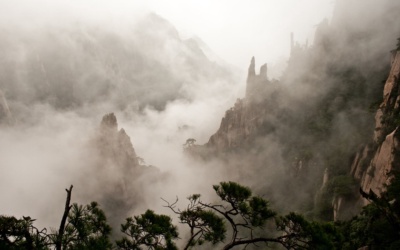
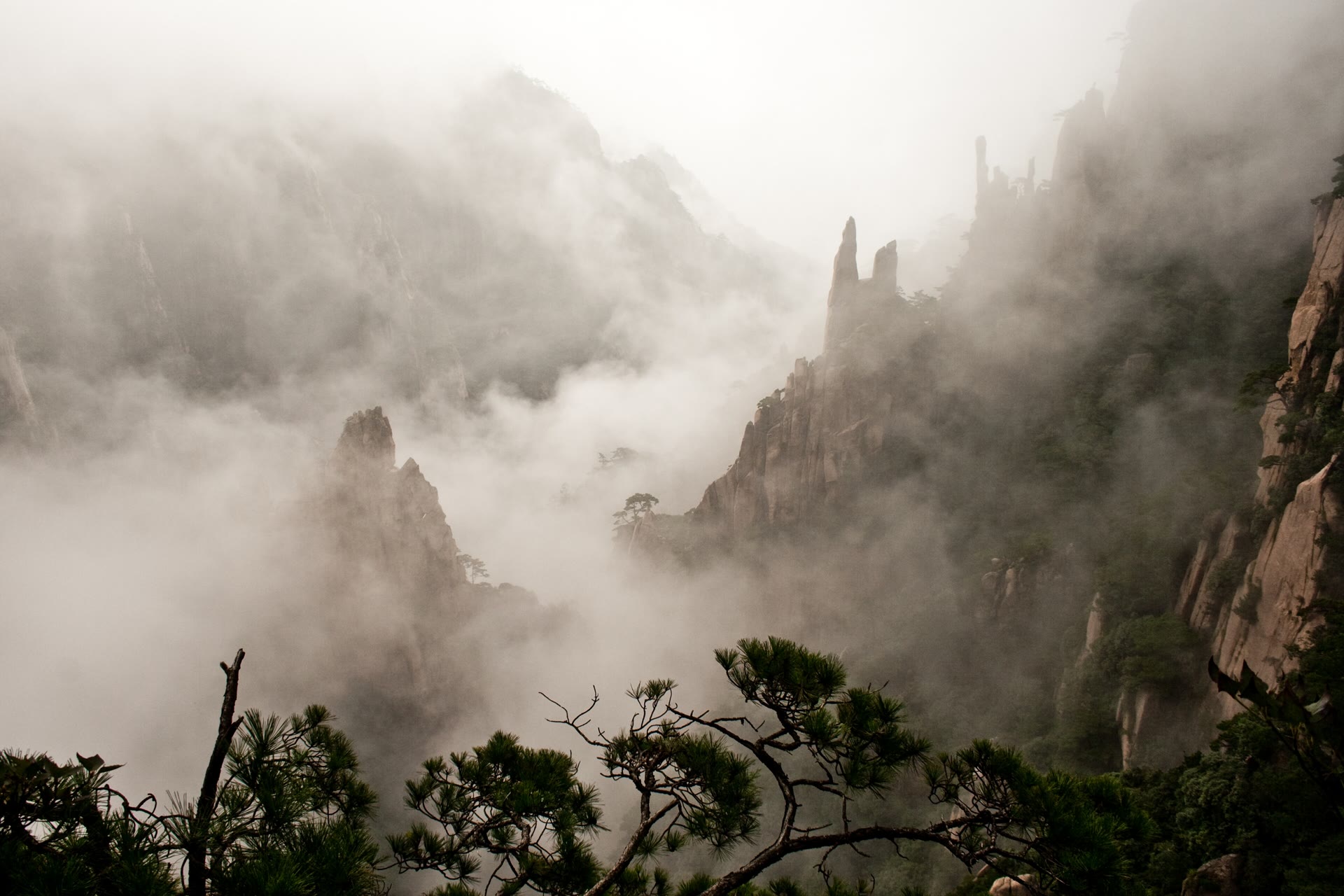
Huangshan is not merely a city but a geographical gateway to the most celebrated landscape in Chinese history. While the modern urban center of Tunxi serves as the logistics hub, the true draw lies an hour north in the granite spires of the Yellow Mountains. Here, twisted pine trees cling to sheer rock faces, and a sea of clouds frequently blankets the valleys, creating a scene that feels more like a classical scroll painting than reality.
This region is the heart of ancient Huizhou culture, a distinct architectural and social identity characterized by white-walled villas, black tiled roofs, and intricate wood carvings. It suits travelers who value physical exertion and cultural immersion over nightlife or high-end shopping. Whether you are climbing thousands of stone steps to reach Bright Top or wandering the narrow water lanes of Hongcun, Huangshan demands time and sturdy footwear.
The balance of the trip usually splits between the rugged verticality of the peaks and the flat, contemplative pace of the preserved villages. It is a place where the air is noticeably crisper than in China's eastern megacities, and the local tea, Huangshan Maofeng, is arguably the best in the country. To get the most out of your visit, avoid major national holidays when the narrow mountain paths become dangerously congested.
Orientation and Neighborhoods
Huangshan is divided into several distinct areas that are often confused by first-time visitors. The city center is Tunxi, located near the airport and train station. This is where most travelers spend their first or last night. The actual Yellow Mountains (Huangshan Scenic Area) are located about 30 miles north in the town of Tangkou. Finally, the ancient villages like Hongcun and Xidi are scattered in the surrounding Yi County.
- Tunxi (City Center): The most convenient base for arrivals. Stay here for the Tunxi Old Street, proximity to the airport, and the best variety of restaurants. It is best for budget travelers and short stays.
- Tangkou: A small town at the foot of the mountains. This is purely a transit hub. Stay here if you want to start your mountain hike at dawn. It is functional rather than beautiful.
- The Mountain Top: There are several hotels located on the peaks. Staying here is essential if you want to see the sunrise or sunset, though prices are high and facilities are basic due to the difficulty of transporting supplies.
- Hongcun and Yi County: For those seeking a quiet, cultural experience, staying in a converted Ming or Qing dynasty mansion in the countryside is unbeatable. This is ideal for couples and slow travelers.
Things to Do
Offers are only loaded from GetYourGuide after you click. GetYourGuide can then process your IP address and set cookies. Privacy Policy
GetYourGuide partner offers. GoAsia may earn a commission if you book through these offers. Check whether tickets or transfers are included, and follow the attraction's official booking and admission rules.
Best Time to Visit
The climate in Huangshan is temperate but highly unpredictable on the peaks. Rain is frequent, and the mountains are often shrouded in fog. While this creates the famous 'sea of clouds,' it can also obscure all views.
| Month Range | Weather | Crowds | Prices |
|---|---|---|---|
| March - May | Spring blossoms, foggy | Moderate | Mid-range |
| June - August | Hot, rainy, humid | Very High | High |
| September - November | Clear skies, autumn colors | High | High |
| December - February | Snowy, freezing, beautiful | Low | Low |
High season coincides with the warm months and Chinese national holidays (early May and early October). During these times, wait times for cable cars can exceed three hours. Winter is the best-kept secret; the 'silver world' of frozen pines is breathtaking, and hotel prices drop significantly, though some trails close for maintenance.
Getting There and Getting Around
Huangshan Tunxi International Airport (TXN) connects to major hubs like Shanghai, Beijing, and Guangzhou. A taxi to Tunxi center takes roughly 15 minutes and costs about $5 to $10. The Huangshan North Railway Station is the primary high-speed rail hub, connecting to Shanghai in roughly 2.5 to 3 hours. From the station, dedicated shuttle buses run to the mountain base at Tangkou for about $5.
Within the city of Tunxi, taxis and ride-hailing apps like Didi are cheap and efficient. However, to reach the mountain or the ancient villages, you will rely on the comprehensive bus network leaving from the Tunxi Bus Station or Tangkou. For the mountain itself, private vehicles are banned; you must take the official National Park shuttle from Tangkou to the cable car stations (around $3). Once on the mountain, your only options are walking or paying for a porter-carried sedan chair, which is expensive and often unnecessary for fit hikers.
Top Sights and Experiences
The Yellow Mountains (Huangshan)
The main attraction is a series of peaks, the highest being Lotus Peak and Bright Top. Most visitors take a cable car up (Yungu or Yuping lines) to save energy for the upper trails. Don't miss the West Sea Grand Canyon, a dramatic loop that involves steep stairs and a monorail. Give yourself at least six hours on the mountain if doing a day trip, or 24 hours if staying overnight. Tip: Check the weather forecast for 'cloud probability' before heading up.
Hongcun Ancient Village
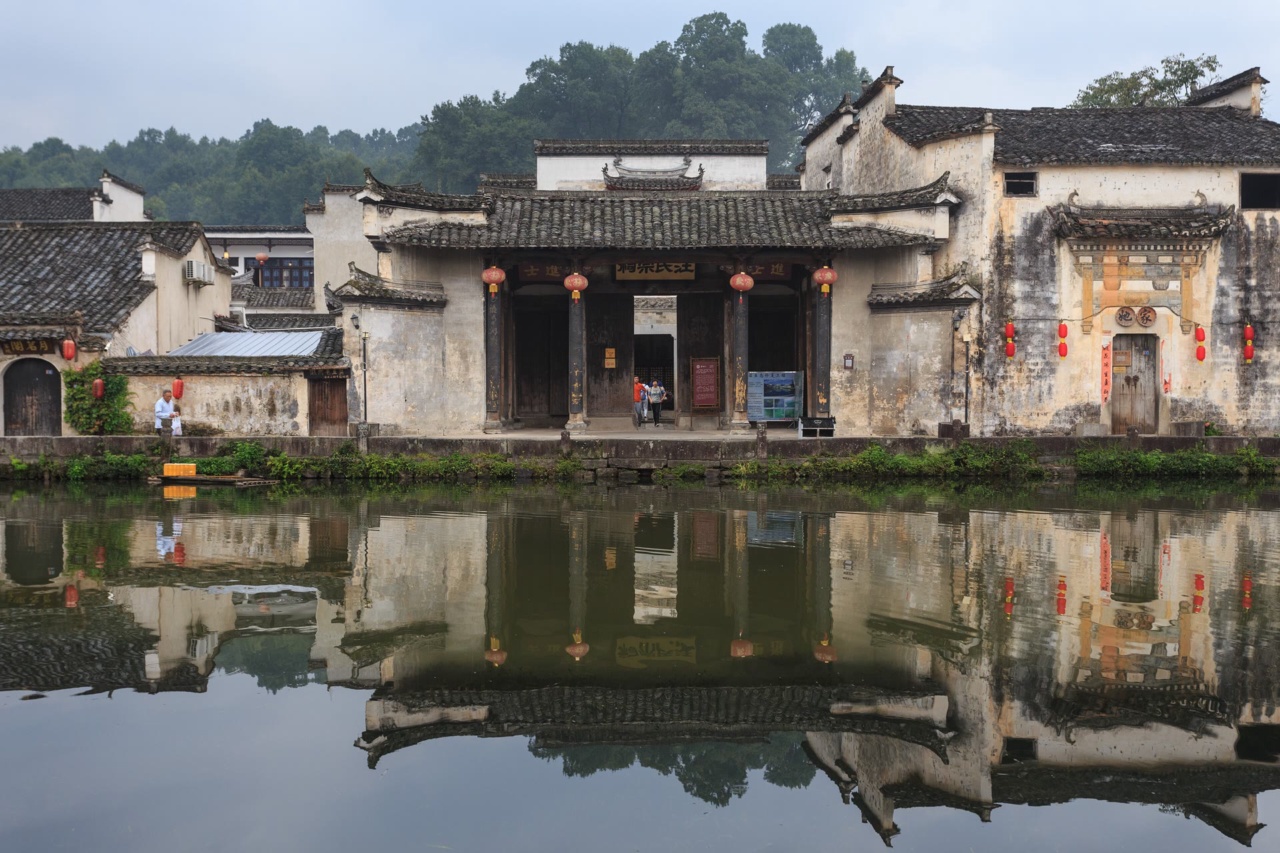
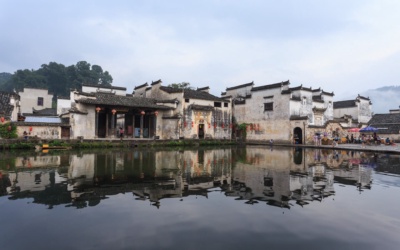
A UNESCO World Heritage site, this village is designed in the shape of an ox, with an intricate water system flowing past every house. The Moon Pond in the center is the most photographed spot. Visit early in the morning (before 8:30 AM) to avoid the massive tour groups that arrive from Tunxi. It takes about 2-3 hours to see properly.
Tunxi Old Street
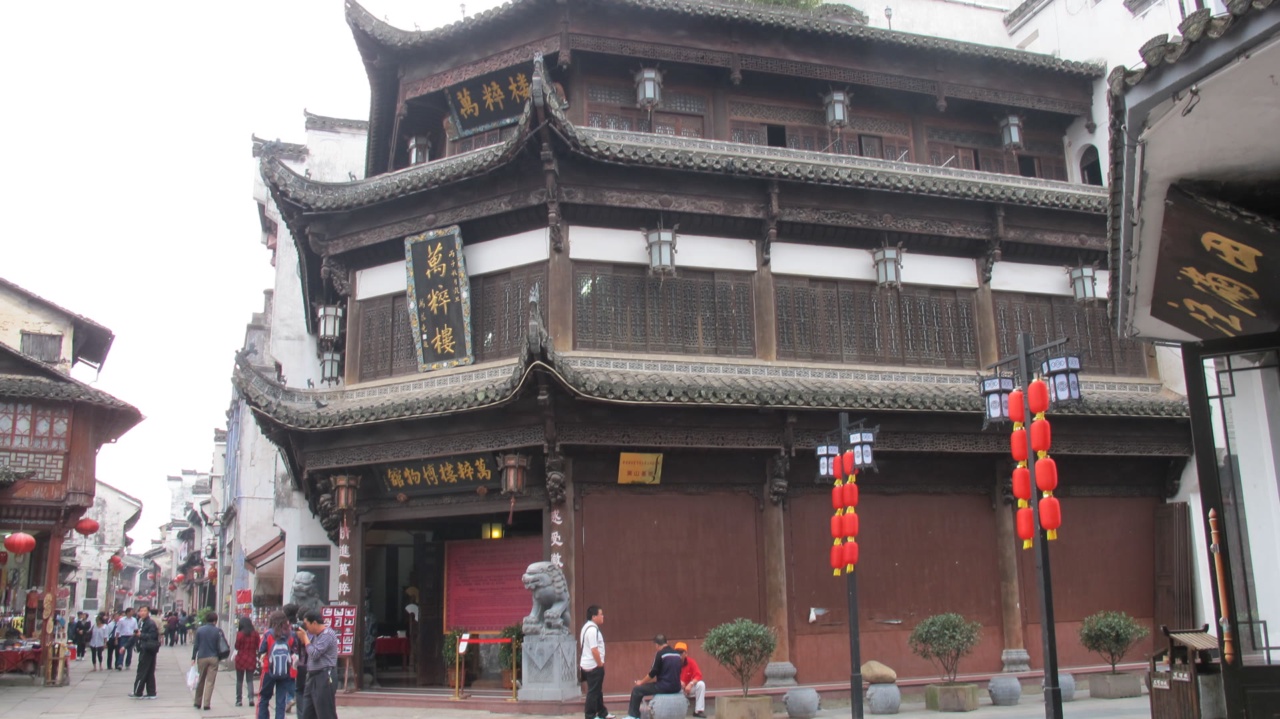
Located in the heart of the city, this street dates back to the Song Dynasty. It is lined with shops selling 'The Four Treasures of the Study' (ink, paper, brushes, and inkstones). While touristy, the side alleys offer a glimpse into local life and excellent street food. It is best visited in the evening when the red lanterns are lit.
Overrated: The Guest-Greeting Pine
While this 1,000-year-old tree is a national symbol, the area around it is perpetually mobbed by hundreds of tourists taking identical photos. You will see equally impressive pines along the quieter trails near the West Sea Grand Canyon without the claustrophobia.
Food and Drink
Huizhou cuisine is one of China's eight great culinary traditions, characterized by heavy use of oil, salt, and wild-foraged ingredients. It is hearty and savory.
| Dish | Description | Where to Try | Typical Price |
|---|---|---|---|
| Stinky Mandarin Fish | Fermented fish with a pungent smell but delicate, savory meat. | Old Street restaurants | $15 - $25 |
| Hairy Tofu | Fermented tofu with a mushroom-like fuzz, deep-fried and served with chili. | Street stalls | $2 - $4 |
| Huizhou Biscuits | Small, flaky pastries filled with dried vegetables and fatty pork. | Tunxi bakeries | $1 per bag |
| Bamboo Shoots | Freshly harvested from the mountains, often braised with cured ham. | Village guesthouses | $6 - $10 |
Drinking tea is a central part of the culture. Huangshan Maofeng is a premium green tea grown locally. Avoid buying expensive tins on the main tourist streets; instead, look for smaller wholesalers in the backstreets of Tunxi or visit a reputable tea plantation in the countryside.
Where to Stay
Budget: Tunxi has numerous high-quality hostels and local inns. Expect to pay $15 to $30 per night. Look for places near the Xin'an River for better views.
Mid-Range: In Tangkou or the ancient villages, boutique guesthouses (often restored mansions) offer a mix of modern comfort and traditional aesthetics for $50 to $90 per night.
Upscale: On the mountain top, hotels like the Xihai Hotel or Beihai Hotel are the only options. They are expensive (often $150 to $250) and fill up months in advance. In Tunxi, international chains provide predictable luxury for around $100.
Practical Tips
- Payment: Cash is rarely used. Download Alipay or WeChat Pay and link your international card before arrival. Most smaller vendors cannot give change for large bills.
- Safety: The mountains are safe but physically demanding. Stone steps become incredibly slippery when wet. Buy 'ice claws' or spiked shoe covers from vendors at the base if there is any snow or ice.
- Internet: A VPN is required to access Google, Facebook, or Instagram. Purchase an e-SIM or local SIM card at the airport for reliable data.
- Language: English is limited outside of major hotels. Download a translation app that works offline. Having your destination written in Chinese characters is essential for taxi drivers.
- Monkeys: On the mountain, Tibetan Macaques can be aggressive. Do not show food or plastic bags near them.
Day Trips
- Xidi Village: Similar to Hongcun but often less crowded. It features incredible stone archways and is only 20 minutes from Hongcun.
- Mukeng Bamboo Forest: Famous as a filming location for 'Crouching Tiger, Hidden Dragon,' this is a peaceful hike through towering bamboo groves about 15 minutes from Hongcun.
- Bishan Village: A more 'bohemian' village where artists have opened bookstores and craft breweries in old communal halls. It is a 30-minute drive from Yi County center.
- Jiuhua Mountain: One of the four sacred Buddhist mountains, located 2.5 hours away. It is worth it only if you have an extra two days; otherwise, it is too rushed for a day trip.
Sample 3-Day Itinerary
Day 1: Ancient History and River Views
Morning: Arrive in Tunxi, check into your hotel. Afternoon: Visit the Chengkan Village (famous for its Feng Shui layout) or the Tangyue Memorial Arches. Evening: Explore Tunxi Old Street and have dinner at a traditional Huizhou restaurant. Walk along the Xin'an River to see the illuminated bridges.
Day 2: The Ascent
Morning: Take an early bus to Tangkou and use the Yungu Cable Car to ascend the mountain. Afternoon: Hike to the Beginning-to-Believe Peak and Lion Peak. Check into your mountain-top hotel. Evening: Watch the sunset from Purple Cloud Peak or Bright Top.
Day 3: Canyons and Villages
Morning: Wake up early for the sunrise. Hike the West Sea Grand Canyon loop. Afternoon: Take the cable car down and catch a bus to Hongcun. Spend the afternoon wandering the village. Evening: Return to Tunxi or the train station for your departure.
Budget Overview
| Category | Budget | Mid-Range | Comfort |
|---|---|---|---|
| Accommodation | $20 | $60 | $180 |
| Food | $15 | $35 | $70 |
| Transport | $10 | $20 | $40 |
| Activities | $30 | $50 | $60 |
| Daily Total | $75 | $165 | $350 |
Note: Mountain days are significantly more expensive than city days due to park entrance fees (around $27) and cable car costs (around $12 per leg).
Frequently Asked Questions
Is Huangshan worth visiting?
Yes, it is widely considered the most beautiful mountain range in China. The combination of unique geological formations and well-preserved ancient villages makes it a top-tier cultural and natural destination.
How many days do you need in Huangshan?
Three days is the ideal minimum. This allows one full day and night on the mountain, one day for the ancient villages like Hongcun, and half a day for Tunxi's old streets.
Is Huangshan safe for tourists?
Huangshan is very safe. The main risks are physical exhaustion or slipping on mountain stairs. Standard precautions against overpricing in tourist markets apply, but violent crime is extremely rare.
What is the best time to visit Huangshan?
Autumn (September to November) offers the clearest skies and most stable weather. Winter is beautiful for snow but cold, while spring is lush but often very rainy and foggy.
Is the mountain hike difficult?
It is strenuous. Even with cable cars, you will walk thousands of stone steps. It is manageable for anyone with average fitness, but those with knee issues should bring walking poles.
Can you drink tap water in Huangshan?
No. Always drink boiled water or bottled water, which is widely available. On the mountain, bottled water is more expensive as it is carried up by porters.
Do I need to book mountain hotels in advance?
Yes, absolutely. There are limited beds on the summit and they often sell out weeks in advance, especially for weekends and holidays.
Is English widely spoken in Huangshan?
Only in high-end hotels and by some staff at major tourist sites. You should have translation apps and offline maps ready to navigate effectively.
Routes
Routes to Huangshan (1)