Bokor Hill Station: Cambodia's Haunting Mountain Ghost Town

Bokor Hill Station: Cambodia's Haunting Mountain Ghost Town

Last updated: March 18, 2026

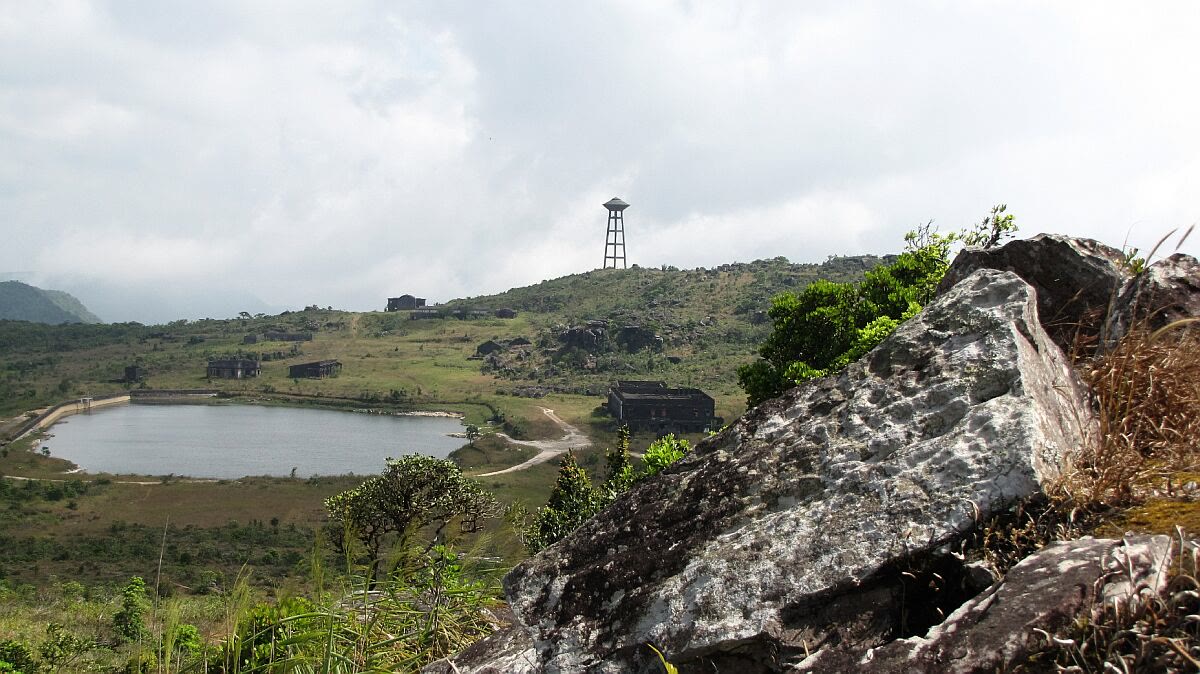
A ruined French colonial hotel stands on a misty mountaintop, its grand facade staring out over the Gulf of Thailand through empty windows. Vines creep across the walls. The Catholic church next door has no roof, its stone shell open to the sky. Fog rolls through at any moment, swallowing everything in white before retreating to reveal the jungle-covered slopes of Preah Monivong National Park stretching below. This is Bokor Hill Station, one of the most atmospheric abandoned sites in Southeast Asia, perched 1,080 meters above the Cambodian coast.

Built in the 1920s as a luxury retreat for French colonial administrators escaping the lowland heat, Bokor was abandoned during the First Indochina War and never fully reclaimed. The construction cost nearly 900 workers' lives - forced laborers who died building the road up the mountain. The resort changed hands multiple times through Cambodia's turbulent history, serving as a Khmer Rouge stronghold and a Vietnamese military outpost before being left to the jungle once more. That layered history, combined with the eerie beauty of the ruins and the wild mountain setting, makes Bokor unlike anything else in Cambodia.

The site has changed in recent years. A modern casino resort now occupies part of the mountaintop, and a paved road has replaced the old dirt track. Some travelers feel the development has diminished the experience. But the historic ruins remain accessible and free to visit, the national park is still wild and beautiful, and on a misty morning, Bokor Hill Station still feels like stepping into a ghost story written in stone.

History of Bokor Hill Station

The French colonial administration began construction of Bokor Hill Station in 1921, driven by the desire for a cool-climate retreat similar to Dalat in Vietnam or the hill stations of British India. The mountain's elevation offered temperatures 10 to 15 degrees cooler than the sweltering coast below, making it ideal for a luxury resort.

The centerpiece was the Bokor Palace Hotel, a grand colonial building completed in 1925 with sweeping views over the Gulf of Thailand. A Catholic church, a post office, and the royal residence of King Sisowath (later known as the Black Palace, completed in 1936) joined the hotel on the plateau. The resort served the colonial elite exclusively - Cambodians who built it were not welcome as guests.

Bokor was abandoned in 1940 during the Japanese invasion and briefly reopened after World War II, only to be abandoned again during the First Indochina War. It fell to the Khmer Rouge in the 1970s, who used the isolated mountaintop as a military position. Vietnamese forces later occupied the site during their intervention in Cambodia. Each chapter added another layer of history to the already haunting atmosphere.

By the time backpackers began visiting in the early 2000s, Bokor was a genuine ghost town - reachable only by a rough dirt road, shrouded in mist, with the abandoned buildings slowly being consumed by the jungle. That raw, unmanaged atmosphere attracted a steady stream of adventurous travelers and made Bokor a legendary stop on the Southeast Asia backpacker trail.

Things to Do

What to See at Bokor

The Bokor Palace Hotel

The former hotel and casino is the most iconic structure on the mountain. Its long facade with arched windows faces the sea, and on clear days the views extend across the Gulf of Thailand. The building has been partially restored and preserved as a heritage landmark rather than left to crumble. You can walk around the exterior and take in the scale of what was once the most luxurious building in southern Cambodia. The contrast between the colonial grandeur of the architecture and its mountain jungle setting is striking.

The Catholic Church

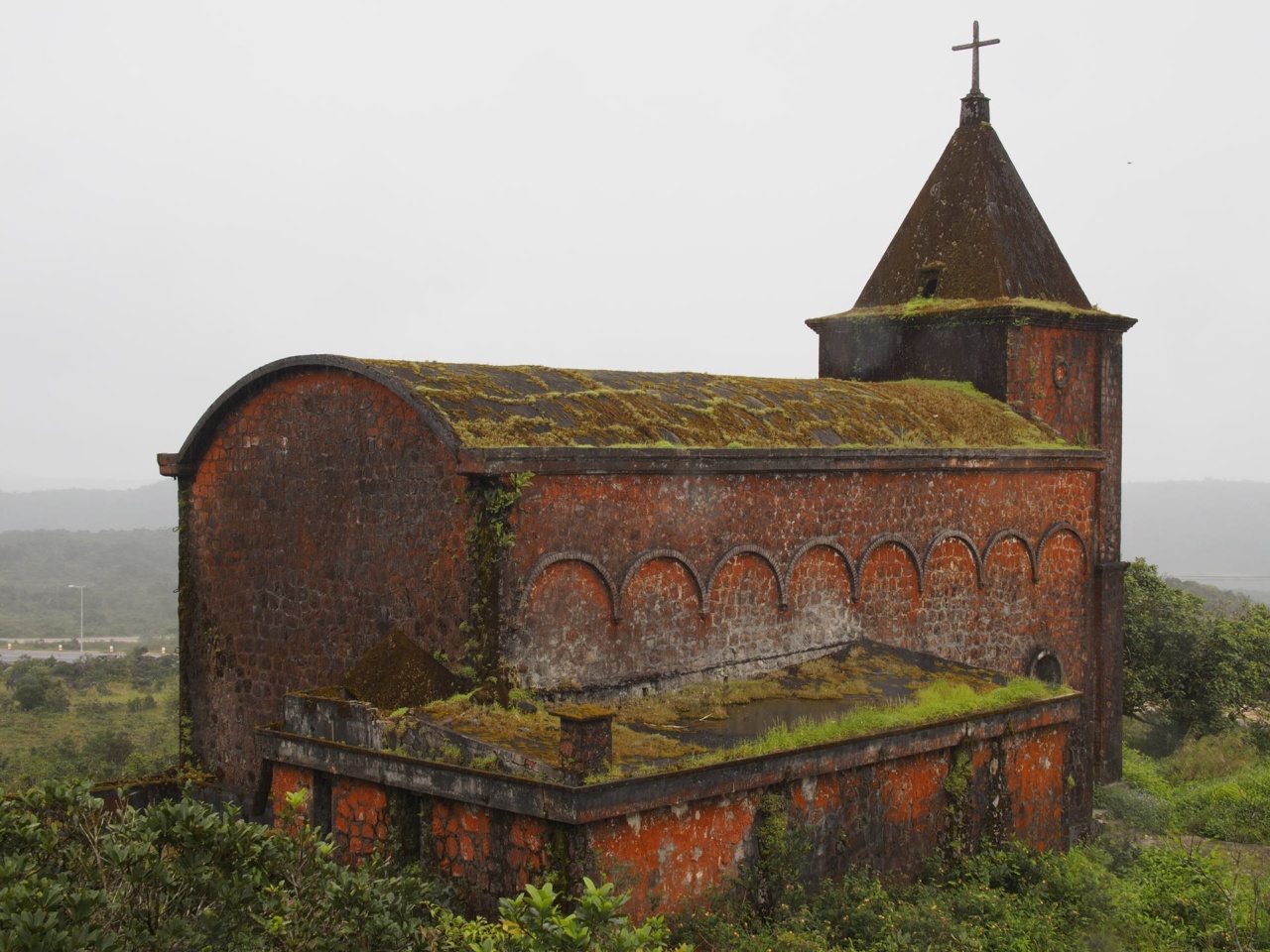
Set on a small rise near the hotel, the roofless stone church is perhaps the most photogenic ruin on the mountain. The walls still stand, the arched doorways frame views of the surrounding forest, and the interior is open to the sky. Morning mist drifting through the empty nave creates an almost cinematic atmosphere. This is the image most travelers associate with Bokor.

The Black Palace (Royal Residence)

King Sisowath's former mountain retreat sits apart from the main hotel complex. Completed in 1936, the dark stone building earned its nickname from the color of its walls. It is smaller and more intimate than the hotel, with a terrace that commands views over the national park. The building is in relatively good condition and can be explored from the outside.

Lok Yeay Mao Statue

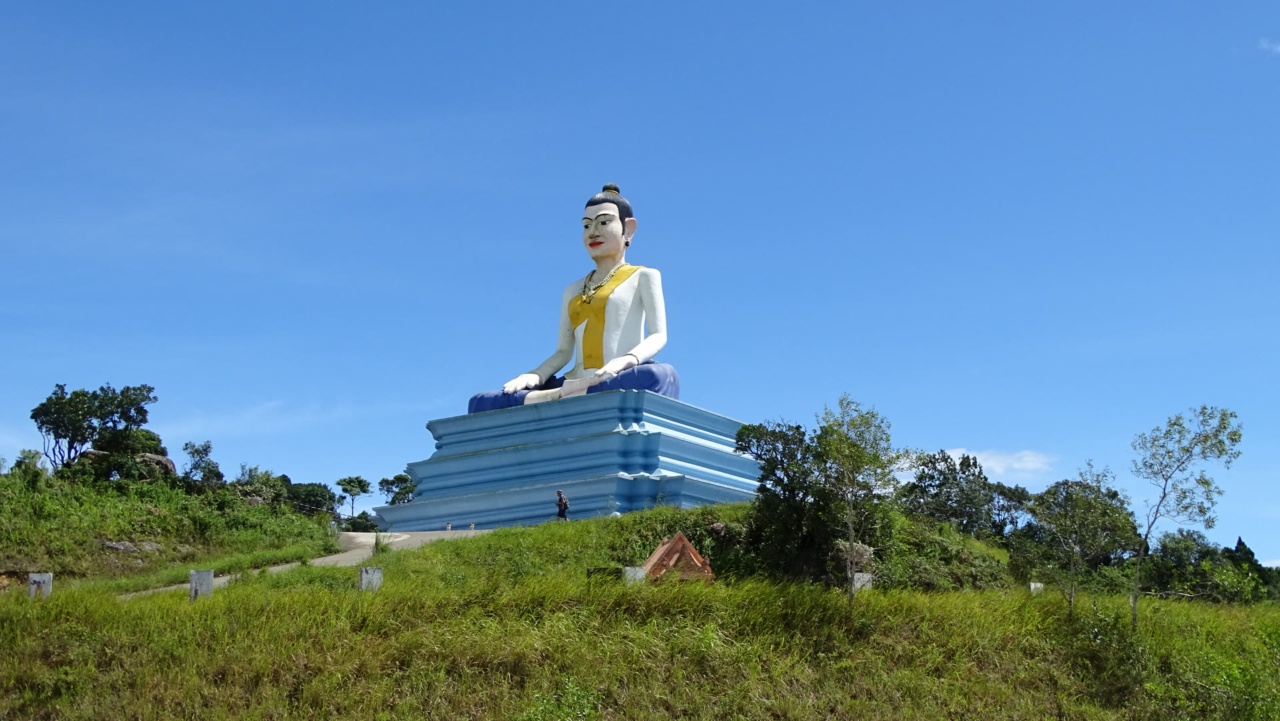
A massive 29-meter statue of Lok Yeay Mao, a legendary Cambodian spirit believed to protect travelers, was erected on the mountain in 2010. It is visible from a considerable distance and has become a prominent landmark on the plateau. While modern rather than historical, the statue is culturally significant and the area around its base offers panoramic views.

Wat Sampov Pram

This small temple complex predates the French colonial buildings and sits among large boulders on the plateau. Five small stupas give the temple its name ("Five Ships Temple"). The site is atmospheric, particularly when mist wraps around the ancient stones, and provides a quieter stop away from the main ruins.

Popokvil Waterfall

Located about 2 km from the main hill station site, this two-tiered waterfall is at its most impressive during and just after the rainy season (June to October). During the dry season the flow reduces significantly and may disappoint. When flowing well, the upper tier cascades into a natural pool suitable for swimming. The short walk from the road to the waterfall passes through beautiful forest.

The Modern Development

The Thansur Bokor Highland Resort and Casino opened on the mountain in 2012, bringing modern hotel rooms, a casino, and paved access roads to what was previously a remote wilderness outpost. The development is controversial among travelers. The resort occupies a significant portion of the plateau, and construction has altered the character of the mountaintop considerably.

The historic colonial buildings were preserved as part of the development agreement, and they remain freely accessible to visitors. But the juxtaposition of a modern casino resort next to crumbling French ruins creates a surreal contrast that some find jarring and others find oddly fascinating. The paved road, while removing the adventure of the old dirt track, also makes Bokor accessible to travelers who would not have attempted the former route.

Getting to Bokor Hill Station

Bokor Mountain is located about 37 km west of Kampot. The entrance to the national park is on Route 3, about 8 km from Kampot toward Sihanoukville. From the park entrance, a well-paved road winds up the mountain for about 30 km to the plateau. The drive takes approximately 40 minutes from the park entrance, or about an hour from central Kampot.

Transport OptionCostNotes
Rental motorbike$4 - $12/day100cc automatics from $4, larger bikes from $12. The road is paved and manageable on a scooter. Most popular option.
Tuk-tuk$20 - $30Round trip with waiting time. Negotiate before departing. Driver waits while you explore.
Organized tour$15 - $30Half-day tours from Kampot, usually including lunch. Covers main sights efficiently.
Private car/taxi$30 - $50Most comfortable option. Arrange through your guesthouse in Kampot.

There is no entrance fee to the national park or to visit the historic buildings. The mountain is freely accessible, making it one of the best value excursions in the Kampot area.

When to Visit

  • Dry season (November to April): The most reliable weather for clear views from the mountaintop. Roads are in best condition. However, Popokvil Waterfall may have reduced flow.
  • Rainy season (May to October): The mountain is at its most atmospheric, with frequent mist and fog rolling across the plateau. The waterfall is at full force and the jungle is lush. However, visibility can be poor for hours at a time, and afternoon downpours are common. The road can be slippery on a motorbike.
  • Best time of day: Early morning offers the highest chance of dramatic mist around the ruins combined with clearing views. By midday the mountaintop is often either clear (dry season) or fully socked in (rainy season). Late afternoon light on clear days is beautiful for photography.

Budget at least half a day for the trip including travel time. Three to four hours on the mountain is enough to see the main sites without rushing.

Tips for Visiting Bokor Hill Station

  • Bring a jacket or long sleeves. The temperature at 1,080 meters is noticeably cooler than in Kampot, especially in the morning and when mist rolls in. The difference can be 10 to 15 degrees Celsius, which catches unprepared visitors off guard.
  • Carry water and snacks. There are a few vendors at the main sites and the casino resort has restaurants, but options are limited and prices are higher than in Kampot. Bring what you need for comfort.
  • Rent a motorbike for flexibility. A scooter gives you the freedom to stop at viewpoints along the mountain road and explore the plateau at your own pace. The road is well-paved and safe for confident riders. If you are not experienced on motorbikes, a tuk-tuk or tour is a better choice - the road has steep gradients and tight curves.
  • Do not expect the ruins to look like old photos. If you have seen images of Bokor from the early 2000s - overgrown, desolate, and utterly abandoned - the current reality is different. The casino resort development has changed the mountaintop significantly. The ruins are still there and still atmospheric, but the surroundings are more developed than many older travel guides suggest.
  • Combine with other Kampot activities. Bokor works well as a morning trip, leaving your afternoon free for a sunset river cruise, pepper plantation visit, or the drive to Kep for crab market seafood. More ideas for exploring Cambodia's south coast are available on GoAsia.cc.
  • Watch for monkeys. Macaques inhabit the mountain and can be aggressive around food. Keep snacks sealed and do not feed or approach them.
  • Check weather before riding up. If heavy rain is falling in Kampot, conditions on the mountain will be worse. A misty day adds atmosphere, but torrential rain makes the visit unpleasant and the motorbike ride dangerous. Ask your guesthouse for a weather assessment.

Frequently Asked Questions

What is Bokor Hill Station and why is it worth visiting?

Bokor Hill Station is an abandoned French colonial resort built in the 1920s atop a 1,080-meter mountain in Preah Monivong National Park, about 37 km from Kampot. The ruins of the grand hotel, Catholic church, and royal residence sit in a misty mountain setting that feels genuinely haunting. It combines colonial history, Khmer Rouge-era significance, and dramatic natural beauty in one accessible half-day trip.

How much does it cost to visit Bokor Hill Station?

Entry to the national park and all historic sites is free. Your only costs are transport - a rental motorbike runs $4 to $12 per day, a tuk-tuk round trip is $20 to $30, or organized tours from Kampot cost $15 to $30. This makes Bokor one of the best value excursions in southern Cambodia.

How do I get to Bokor from Kampot?

Head west on Route 3 toward Sihanoukville for about 8 km until you see the national park entrance on the right. From there, a paved mountain road winds 30 km up to the plateau, taking about 40 minutes. Most travelers rent a motorbike in Kampot or hire a tuk-tuk for the round trip.

Is the road up Bokor Mountain safe for a scooter?

The road is fully paved and in good condition, making it manageable on a 100cc automatic scooter for confident riders. However, it has steep gradients and tight curves, and can be slippery in wet weather. If you are not experienced on motorbikes or if heavy rain is falling, a tuk-tuk or car is the safer option.

Has the modern casino development ruined Bokor?

The Thansur Bokor Highland Resort changed the mountaintop significantly, and the raw abandoned atmosphere of the early 2000s is gone. However, all historic colonial buildings were preserved and remain freely accessible. The experience is different from what older travel guides describe, but the ruins, the mist, and the mountain setting are still genuinely atmospheric.

What should I wear to Bokor Hill Station?

Bring a light jacket or long sleeves, as temperatures at 1,080 meters can be 10 to 15 degrees cooler than coastal Kampot. Comfortable closed-toe shoes are recommended for walking around the ruins. During the rainy season, a rain jacket is essential as showers can appear with little warning.

When is the best time to visit Bokor?

Early morning during the dry season (November to April) offers the best combination of misty atmosphere and clearing views. The rainy season brings more dramatic fog and a full waterfall but can reduce visibility entirely for hours. Avoid visiting during heavy downpours, as the mountain road becomes hazardous on two wheels.