Erhai Lake: Cycling, Bai Villages, and Mountain Views Beside Dali

Erhai Lake: Cycling, Bai Villages, and Mountain Views Beside Dali

Last updated: June 9, 2026

Erhai Lake is the wide, glassy heart of the Dali region in northwest Yunnan, a freshwater lake stretching roughly 40 kilometers north to south between the Cangshan mountain range and a string of farming villages. Despite the name, which translates as Ear Sea, it is a lake, not an ocean inlet, and its scale surprises most first-time visitors who expect a small pond beside Dali Old Town.

What makes Erhai worth more than a quick photo stop is the loop around its shoreline. The road and dedicated cycling paths that ring the lake pass through Bai ethnic minority villages, terraced fields, waterside cafes, and viewpoints where the mountains drop almost straight into the water. It is one of the few places in China where a slow, self-directed day on a bike or scooter is genuinely the best way to experience the destination.

This guide covers how to choose between the east and west shores, how to do the loop by bike, car, or e-scooter, which villages are worth your time, and the practical realities of wind, strong sun, and lakeside accommodation that catch travelers off guard.

What Erhai Lake Is and Why It Matters

Erhai is the second largest highland lake in Yunnan and sits at roughly 1,970 meters above sea level. The altitude matters for two reasons: the air is thin enough that sun exposure is intense, and the temperature swings sharply between day and night even in warmer months.

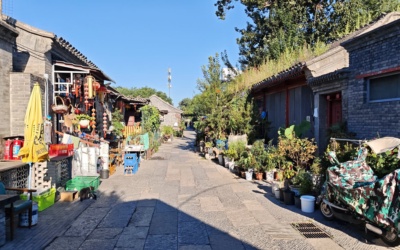
The lake has long been the agricultural and cultural center of the Bai people, whose distinctive whitewashed houses with painted gables and grey-tiled roofs define the villages along the shore. Dali Old Town, the walled tourist hub most travelers base themselves in, sits a few kilometers inland on the western side, between the lake and Cangshan. The relationship is simple: Dali Old Town is where you sleep, eat, and arrange logistics, while Erhai is where you spend the day exploring.

The draw is the combination. You get open water, big mountain backdrops, rural village life, and an increasingly polished cafe and guesthouse scene, all within an easy loop. For independent travelers it is one of the more rewarding self-guided experiences in southwest China, with enough infrastructure to be manageable and enough space to escape crowds.

Things to Do

East Shore Versus West Shore

The two sides of Erhai have developed very differently, and choosing where to focus your time shapes the whole trip.

The west shore is closer to Dali Old Town and more developed. It includes the popular village of Xizhou, established cafes, and easy access for anyone basing themselves near the old town. It is the convenient choice if you have limited time, do not want to arrange long transport, or prefer more services and food options along the way. The tradeoff is more traffic and more visitors at the well-known stops.

The east shore is quieter, more rural, and arguably more scenic for uninterrupted lake-and-mountain views looking back toward Cangshan. The villages here feel less commercialized, and the famous photo-friendly stretches with clear water and mountain reflections are concentrated on this side. The downside is distance and fewer services, so you need to plan food, water, and a return route more carefully. The northern end of the east shore connects toward Shuanglang, the lake's most hyped village.

Many travelers who only have one day do a partial loop rather than the full circuit, picking either the west shore with Xizhou or a stretch of the east shore toward Shuanglang. Those with a full day and an early start, especially on an e-scooter or by car, can complete the entire ring.

How to Loop the Lake

There are three realistic ways to circle Erhai, and the right one depends on your fitness, time, and comfort level riding in China.

By Bicycle

Cycling is the classic Erhai experience, and dedicated lakeside cycling paths separate riders from traffic along long sections of the shore. Bikes and electric-assist bikes are widely rented from shops near Dali Old Town and from villages on the lake. The full loop is long, well beyond what most casual riders complete in a comfortable day, so an honest assessment of your fitness matters.

A more realistic plan for many travelers is to ride a scenic segment, such as the west shore toward Xizhou or a defined stretch of the east shore, then turn back or arrange a pickup. Electric-assist bikes flatten the difficulty considerably and are worth the extra cost given the altitude and wind.

By Electric Scooter or Moped

Rental e-scooters are extremely popular and let you cover the entire loop with stops at multiple villages in a single day. They are faster than bikes, require no real fitness, and give you the freedom to linger. The catch is that battery range can be a concern on the full circuit, so confirm range with the rental shop, plan charging or swap options, and start early. Riding in mixed traffic also demands caution, and you should verify license and rental requirements locally before you commit.

By Car or Hired Driver

Hiring a car with a driver for the day is the most comfortable option, especially for families, anyone uneasy on two wheels, or travelers visiting in poor weather. A driver knows the viewpoints and can adjust the route, and you stay dry and protected from sun and wind. The downside is that you lose the intimacy of the lakeside paths and the ability to stop spontaneously at small spots a car cannot reach.

MethodBest forMain tradeoff
Bicycle / e-bikeActive travelers, partial loops, immersionDistance, wind, and sun on the full circuit
Electric scooterFull loop in one day with many stopsBattery range and traffic safety
Car with driverComfort, families, bad weatherLess spontaneity, higher cost

The Villages Worth Your Time

The villages are the soul of an Erhai trip, and a few stand out.

Xizhou

Xizhou, on the west shore, is the best-preserved center of Bai architecture and culture near Dali. Its old courtyards, market, and traditional houses make it the cultural highlight of the lake, and it is famous for the local Xizhou baba, a savory or sweet flatbread sold from street stalls. The surrounding fields, planted with rapeseed in season, are a popular backdrop. Xizhou is touristy but genuinely worth the stop, and it pairs well with a west-shore ride.

Shuanglang

Shuanglang, on the northeast shore, has become Erhai's most developed and most photographed village, transformed from a fishing settlement into a cluster of boutique guesthouses, cafes, and lakefront terraces. It is the prime spot for sunrise and sunset over the water with mountains beyond, and many travelers choose to spend a night here specifically for that. Be honest with yourself about the tradeoff: Shuanglang delivers postcard views but is crowded and commercialized, and rooms with the best lake frontage command a premium.

Smaller Stops

Between the headline villages, the east shore in particular has quieter hamlets, small temples, and informal viewpoints where you can pull over for clear-water photos and reflections. These unmarked stops are often the most memorable part of the loop, and they are exactly why a scooter or bike beats a fixed tour.

When to Go and What the Weather Does

Dali and Erhai enjoy a relatively mild highland climate compared with much of China, which is part of the region's appeal. Spring and autumn are generally the most pleasant, with comfortable temperatures and clearer skies for mountain views. The rapeseed bloom around Xizhou is a seasonal draw worth checking timing for if flowers matter to you.

The rainy summer months bring afternoon showers and can obscure the mountains, while winter is cooler and can be windy but often clear. Whatever the season, the two constants are strong sun and wind. At this altitude, ultraviolet exposure is intense even on cool days, and travelers who skip sunscreen, sunglasses, and a hat regularly get burned during a full day on the lake.

Wind is the other surprise. Erhai can be calm and mirror-flat at dawn, then build into a stiff, persistent breeze by midday, especially on exposed shore stretches. This affects cyclists most: a tailwind on the way out becomes a slog on the way back. Plan your harder pedaling for the start of the day and aim for early-morning calm if you want those glassy reflection photos.

Staying Overnight on the Lake

Spending at least one night beside Erhai rather than only day-tripping from Dali Old Town changes the experience. Lakeside guesthouses and boutique stays cluster heavily in Shuanglang and along scenic shore stretches, and many are built specifically to capture sunrise or sunset views from rooms and terraces.

The appeal of an overnight stay is timing: you get the lake at its quietest and most beautiful, around dawn and dusk, without rushing back to town. The tradeoffs are cost and convenience. Lakefront rooms with genuine water views are priced accordingly, and staying out on the shore means fewer dining and transport options than the dense old town. If photography or simply waking up to the lake is a priority, the splurge is worth it; if you want nightlife, food variety, and easy logistics, base in Dali Old Town and day-trip out.

For travelers comparing regional itineraries and figuring out how Erhai fits with the rest of Yunnan, GoAsia.cc is a useful place to keep planning your broader Asia route.

Getting There and Fitting Erhai Into a Trip

Most independent travelers reach the area via Dali, which connects to the rest of Yunnan by high-speed and conventional rail and by air through the regional airport. From Dali Old Town, the western shore of Erhai is only a few kilometers away, easily reached by taxi, ride-hailing, local bus, or rental scooter.

Erhai pairs naturally with the wider Yunnan circuit. Many travelers combine Dali and Erhai with Lijiang to the north and Shangri-La beyond it, or with Kunming as a gateway. Within Dali itself, the lake complements Cangshan, where cable cars and hiking trails give you the mountain side of the same landscape you admire from the shore.

For pacing, treat Erhai as one full day at minimum. A half day only scratches one shore. Two days, ideally with an overnight on the lake, lets you do the loop, explore Xizhou and Shuanglang properly, and still catch a sunrise or sunset over the water.

Practical Tips for Riding the Erhai Loop

  • Start early. The lake is calmest and the light best at dawn, traffic is lighter, and you beat both the wind and the midday heat. An early start also leaves margin if a scooter battery runs low or a bike ride takes longer than planned.
  • Respect the sun. Bring high-SPF sunscreen, sunglasses, and a brimmed hat or buff. At nearly 2,000 meters, burns happen fast even when the air feels cool.
  • Confirm scooter range and rules. Ask exactly how far a rental e-scooter will go on a charge before committing to the full loop, and clarify license and deposit requirements before riding.
  • Carry water and snacks. The east shore in particular has long gaps between reliable food stops. Do not assume a cafe will appear when you need one.
  • Plan your wind direction. If cycling out and back, head into the likely afternoon wind first so the easier ride is on your return.
  • Carry cash and a working payment app. Many village stalls and small guesthouses lean on mobile payment, and rural spots may not handle foreign cards smoothly. Sort out payment methods before you leave the old town.
  • Be honest about distance. The full loop is long. If you are not a confident cyclist, choose a scooter, a car, or a single shore rather than overcommitting and getting stranded far from town.
  • Verify operational details. Rental availability, any village entry arrangements, boat services, and seasonal access can change, so confirm current details locally or with your accommodation before setting out.

Realistic Downsides

Erhai is beautiful, but set expectations honestly. The most-photographed spots, especially in Shuanglang and parts of Xizhou, are crowded and commercialized, and the lakeside cafe culture means some viewpoints feel more like Instagram backdrops than quiet rural escapes. Development has been heavy in places.

The full loop is also more demanding than it looks on a map, and wind and sun punish the unprepared. Weather can hide the mountain views that make the trip special, so a single poor-visibility day can underwhelm. And while the lake itself is large and impressive, the experience rewards travelers who slow down and explore villages and quiet stretches rather than those expecting a single dramatic landmark.

None of this should put you off. Managed well, with an early start, the right transport for your ability, and a willingness to wander, Erhai is one of the most relaxed and visually rewarding days you can have in Yunnan.

Frequently Asked Questions

How much time do I need at Erhai Lake?

Allow at least one full day to enjoy a meaningful portion of the loop and visit a village or two. Two days, ideally with one night beside the lake, lets you explore both Xizhou and Shuanglang properly and catch a sunrise or sunset over the water. A half day only covers one short stretch of one shore.

Are there entry fees, and how much do rentals cost?

There is no single ticket to see the lake itself, though some specific sites or boat services may charge separately. Your main costs are transport, such as renting a bicycle, electric scooter, or hiring a car with a driver for the day, plus food and any overnight stay. Confirm current rental prices, deposits, and any local access rules before committing.

What is the best way to get around the lake?

Electric scooters are the most popular choice for covering the full loop with many stops, while dedicated cycling paths suit active riders who may prefer a partial route. A hired car with driver is most comfortable for families or bad weather. Choose based on your fitness, confidence in traffic, and how much of the loop you want to cover.

Should I focus on the east or west shore?

The west shore is closer to Dali Old Town, more developed, and includes the cultural village of Xizhou, making it the convenient option with limited time. The east shore is quieter and more scenic, with the best clear-water and mountain-reflection views and the village of Shuanglang at its northern end. With a full day and an early start you can do the entire loop.

Is it better to stay on the lake or in Dali Old Town?

Staying lakeside, especially in Shuanglang, gives you quiet dawn and dusk views and is ideal for photography, but lakefront rooms cost more and offer fewer dining and transport options. Dali Old Town has more food, nightlife, and easier logistics and works well for day trips. Pick based on whether waking up to the lake or convenience matters more to you.

What should I prepare for in terms of weather?

Expect intense sun at nearly 2,000 meters altitude, so bring high-SPF sunscreen, sunglasses, and a hat regardless of season. Wind is often calm at dawn but builds through the day, which matters most for cyclists. Spring and autumn generally offer the clearest skies and most comfortable temperatures, while summer brings rain that can hide the mountains.