Grand Palace Bangkok: tickets, entrance, dress and visit planning
Contents
- 1. Choose a palace and temple visit
- 2. History and the Emerald Buddha
- 3. Tickets, booking and included places
- 4. Hours and the visitor entrance
- 5. Dress and visitor rules
- 6. Getting there
- 7. Audio guides and accessibility
- 8. Nearby sights and a realistic itinerary
- 9. Sources and background
- 10. Frequently Asked Questions
Choose a palace and temple visit
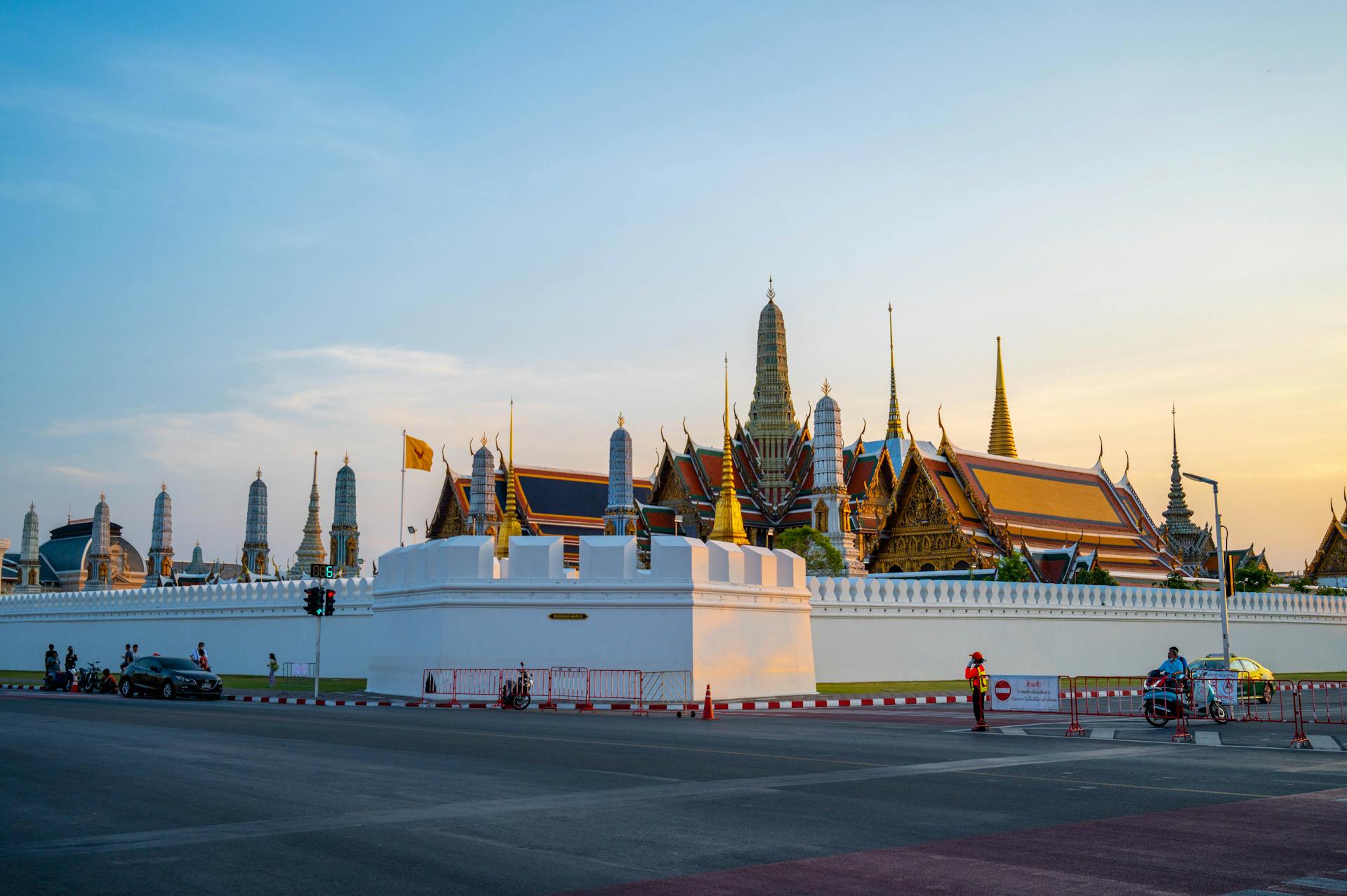
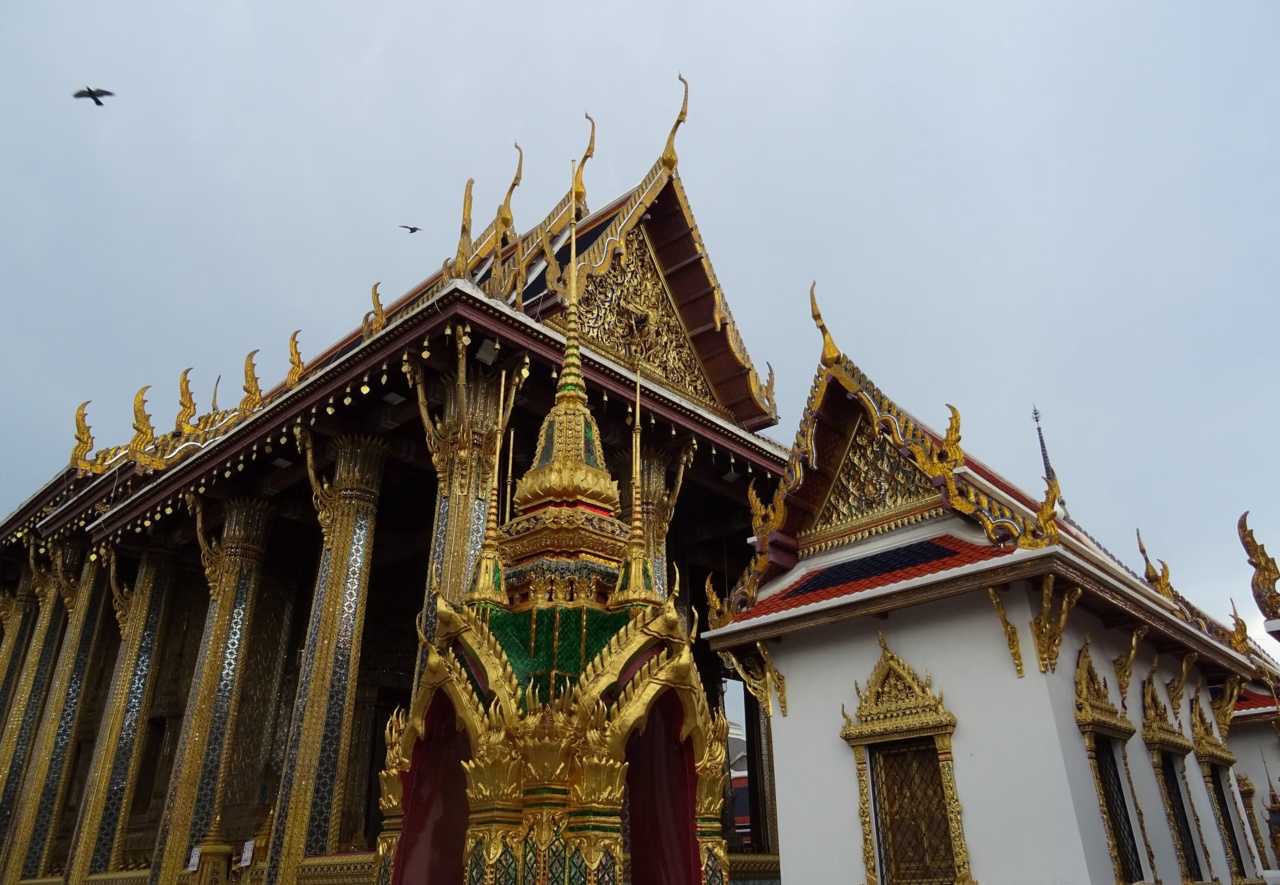
The Grand Palace is Bangkok's showpiece of royal architecture: gilded spires, mirrored mosaics and Wat Phra Kaew, home of the Emerald Buddha. It is a ceremonial site rather than a museum, and parts of it stay closed to visitors. Plan the palace as the main visit, then decide whether you have time and energy left for the textile museum or another nearby temple.
Things to Do
Offers are only loaded from GetYourGuide after you click. GetYourGuide can then process your IP address and set cookies. Privacy Policy
GetYourGuide partner offers. GoAsia may earn a commission if you book through these offers. Check whether tickets or transfers are included, and follow the attraction's official booking and admission rules.
History and the Emerald Buddha
King Rama I established the palace in 1782 after moving the capital to the east bank of the Chao Phraya. The compound covers 218,000 square metres with residence and throne halls, administrative buildings and the royal chapel.[1] The royal residence is arranged into Outer, Middle and Inner Courts; the Middle Court includes the Chakri Maha Prasat and Phra Maha Prasat groups. The complex still serves ceremonial functions,[2] so follow the open visitor route: not every hall, court or former residence can be entered.
Wat Phra Kaew houses the Emerald Buddha on an elevated gilded altar. The name describes the colour, not a gemstone: the figure is carved from jasper and stands 66 cm tall including the base. The king changes its three seasonal garments on set dates of the lunar calendar.[3] The temple is a place of worship as well as a heritage site, so keep your voice low and follow the photography and access instructions of each space; a courtyard rule does not always apply inside a hall.
Tickets, booking and included places
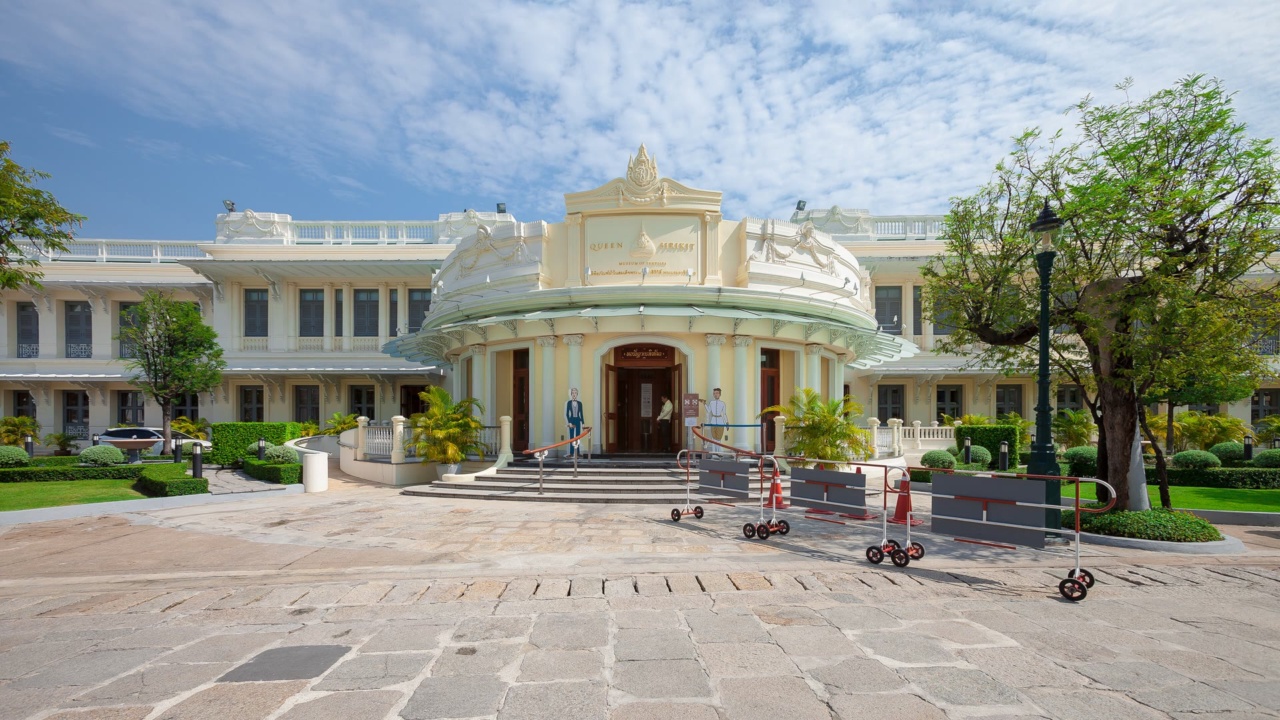
Foreign visitors pay 500 THB, which covers the Grand Palace, Wat Phra Kaew and the Queen Sirikit Museum of Textiles inside the compound. Thai visitors enter the palace and Wat Phra Kaew free with their ID card.[4] Children under 120 cm enter free.[5] Guides, transport and neighbouring temples cost extra.
You can buy tickets on the official website or at the palace ticket office. Online tickets can be booked up to one month ahead, and they cannot be refunded or changed to another date or time.[5] A ticket is valid for seven days from the date printed on it, with a single visit to each included site, so it does not give you unlimited re-entry to the palace.[6]
The same ticket also covers the Arts of the Kingdom Museum and the Queen Sirikit Institute's artisan masterpieces at Koh Kerd in Bang Pa-In, Ayutthaya province, which is not part of the Bangkok palace. It is open Wednesday to Sunday, 10:00 to 15:30, and closed on Monday, Tuesday, New Year's Day and Songkran. In Bangkok, the ticket includes the Khon performance at Sala Chalermkrung, with three 25-minute shows on weekdays at 13:00, 14:30 and 16:00.[6] Neither fits into the same day as a palace visit.
Hours and the visitor entrance
The palace opens at 08:30, and ticket sales run until 15:30.[6] The official pages disagree on the closing time: the FAQ and the practical-information page say 15:30, while the ticket page says 16:30.[5][4][6] Go in the morning and you avoid the question. Royal ceremonies can change access on the day. If someone outside tells you the palace is closed, check with the entrance staff or the official calendar before you accept a detour.
Since 10 January 2024 the visitor entrance has been Mani Noppharat Gate instead of Viset Chaisri Gate.[5] Follow the current official map and signs rather than an old map pin or the spot where your taxi drops you; the palace information point can point you the right way. Being open does not mean every interior space is open.
Dress and visitor rules
Arrive in a sleeved top and loose long trousers or a long skirt. Sleeveless tops, vests, short tops, transparent tops, shorts, torn or tight trousers, cycling trousers, miniskirts, trouser-skirts and sleepwear are not allowed.[4] Dress so that your outfit passes on its own; an improvised scarf is a gamble. Follow staff instructions about footwear and conduct in individual buildings. Drones may not fly over the grounds.[4]
Getting there
By rail and river, take the BTS to Saphan Taksin and leave by Exit 2. Sathorn Pier is just below the bridge, where the Chao Phraya Express Boat (orange flag) runs to Tha Chang. By MRT, leave Sanam Chai station by Exit 1 and continue on foot or by bus into the old city.[4] Check the boat operator, timetable and fare for your day, and allow for the walk to the gate, queues and the heat. A taxi or app car depends on traffic, and the final walk to the entrance counts as part of the trip.
Audio guides and accessibility
Personal audio guides rent for 200 THB in eight languages: English, French, German, Japanese, Mandarin, Russian, Spanish and Thai. You leave a passport or a credit card (Amex, Mastercard or Visa) as a deposit.[5] For wheelchair use, contact the palace before you travel: its accessibility page advertises free loans but also carries an undated temporary suspension notice linked to a royal funeral.[7]
Nearby sights and a realistic itinerary
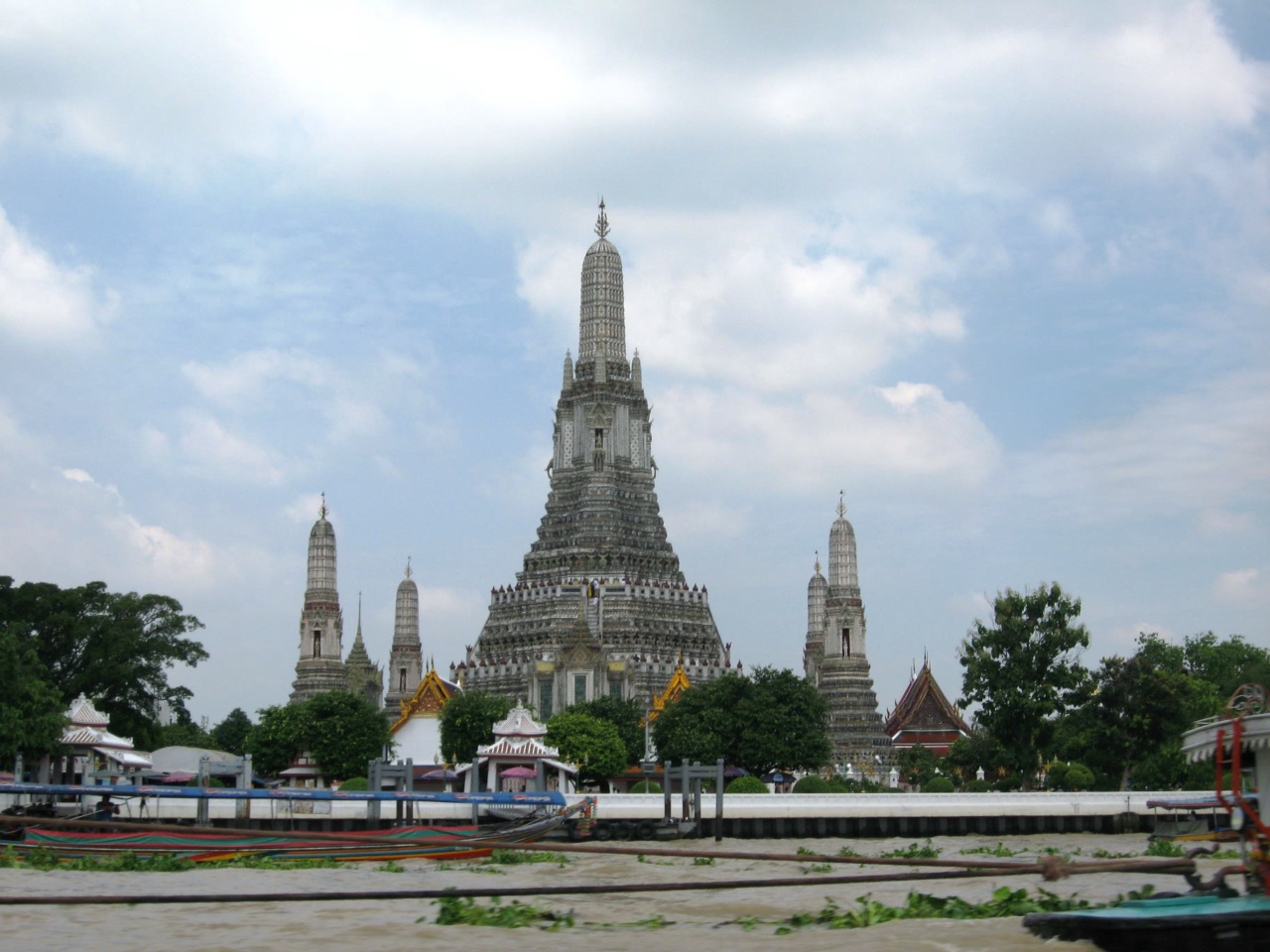
Wat Pho lies south of the palace, and Wat Arun stands across the river. Sanam Luang and Museum Siam are the other nearby directions. Each has its own admission, opening hours and access conditions. Palace, Wat Pho and Wat Arun together make a full day in the heat, so make one of the stops optional.
Start early to get more of the day: courtyards are quieter at the start, and the heat builds by midday. Bring water and sun protection, and plan breaks in the shade. Buy tickets only at the official ticket office or on the official website, and ignore offers of a detour to a jewellery shop.
Sources and background
Numbers in the text such as [1] refer to these sources.
- [1] Bureau of the Royal Household, Thailand: Palace foundation, compound and royal chapel. Retrieved October 16, 2026.
- [2] Tourism Authority of Thailand: Royal courts and ceremonial function. Retrieved October 16, 2026.
- [3] Bureau of the Royal Household, Thailand: Emerald Buddha material, dimensions and seasonal garments. Retrieved October 16, 2026.
- [4] Bureau of the Royal Household, Thailand: Official visitor guidance: fees, transport approaches, dress and notices. Retrieved October 20, 2026.
- [5] Bureau of the Royal Household, Thailand: Changed visitor entrance, online conditions, child admission and audio guides. Retrieved October 20, 2026.
- [6] Bureau of the Royal Household, Thailand: Ticket validity, admission and separately located included venues. Retrieved October 20, 2026.
- [7] Bureau of the Royal Household, Thailand: Accessibility information and undated wheelchair-service suspension. Retrieved October 16, 2026.
- [8] Bureau of the Royal Household, Thailand: Official palace overview and seasonal Emerald Buddha garments. Retrieved October 16, 2026.
Frequently Asked Questions
Royal architecture and Wat Phra Kaew, home of the Emerald Buddha. King Rama I established the palace in 1782 after moving the capital to the east bank of the Chao Phraya. The 218,000-square-metre compound has residence and throne halls, administrative buildings and the royal chapel. The royal residence is arranged into Outer, Middle and Inner Courts; the Middle Court includes the Chakri Maha Prasat and Phra Maha Prasat groups. The complex still serves ceremonial functions, so follow the open visitor route.
Foreign visitors pay 500 THB, which covers the Grand Palace, Wat Phra Kaew and the Queen Sirikit Museum of Textiles inside the compound. Thai visitors enter the palace and Wat Phra Kaew free with their ID card. Children under 120 cm enter free. Guides, transport and neighbouring temples cost extra.
Since 10 January 2024 the visitor entrance has been Mani Noppharat Gate instead of Viset Chaisri Gate. By rail and river, take the BTS to Saphan Taksin, leave by Exit 2 and take the Chao Phraya Express Boat from Sathorn Pier to Tha Chang. By MRT, leave Sanam Chai station by Exit 1. Follow the current official map and signs for the last stretch on foot.
Wear a sleeved top and loose long trousers or a long skirt. Sleeveless tops, vests, short tops, transparent tops, shorts, torn or tight trousers, cycling trousers, miniskirts, trouser-skirts and sleepwear are not allowed. Follow staff instructions about footwear and conduct in individual buildings. Drones may not fly over the grounds.
Come early: the palace opens at 08:30, courtyards are quieter in the morning, and the heat builds by midday. Bring water and sun protection and plan breaks. Buy tickets only at the official ticket office or on the official website, and ignore offers of a detour to a jewellery shop.
Yes. Wat Pho is a separate visit south of the palace, and Wat Arun is across the river. Each has its own admission, opening hours and access conditions. Palace, Wat Pho and Wat Arun together make a full day in the heat, so make one of the stops optional.
The palace opens daily at 08:30, and ticket sales run until 15:30. The official pages disagree on the closing time: the FAQ says 15:30 and the ticket page says 16:30, so plan a morning visit. Royal ceremonies can change access on the day.
Wat Phra Kaew houses the Emerald Buddha on an elevated gilded altar. The name describes the colour, not a gemstone: the figure is carved from jasper and stands 66 cm tall including the base. The king changes its three seasonal garments on set dates of the lunar calendar. The temple is a place of worship, so follow the photography and access instructions of each space.