Meenakshi Temple Madurai: Visiting South India's Greatest Temple

Meenakshi Temple Madurai: Visiting South India's Greatest Temple

Last updated: March 19, 2026

Every evening at around 21:00, priests carry a golden statue of Lord Shiva on a palanquin through the inner corridors of Meenakshi Temple to reunite him with his consort Meenakshi in her bedchamber. This nightly ritual, called Palliarai Pooja, has been performed without interruption for centuries and captures what makes this temple fundamentally different from most heritage sites: it is not a monument frozen in time but a living, breathing spiritual center where ancient traditions continue exactly as they were conceived.

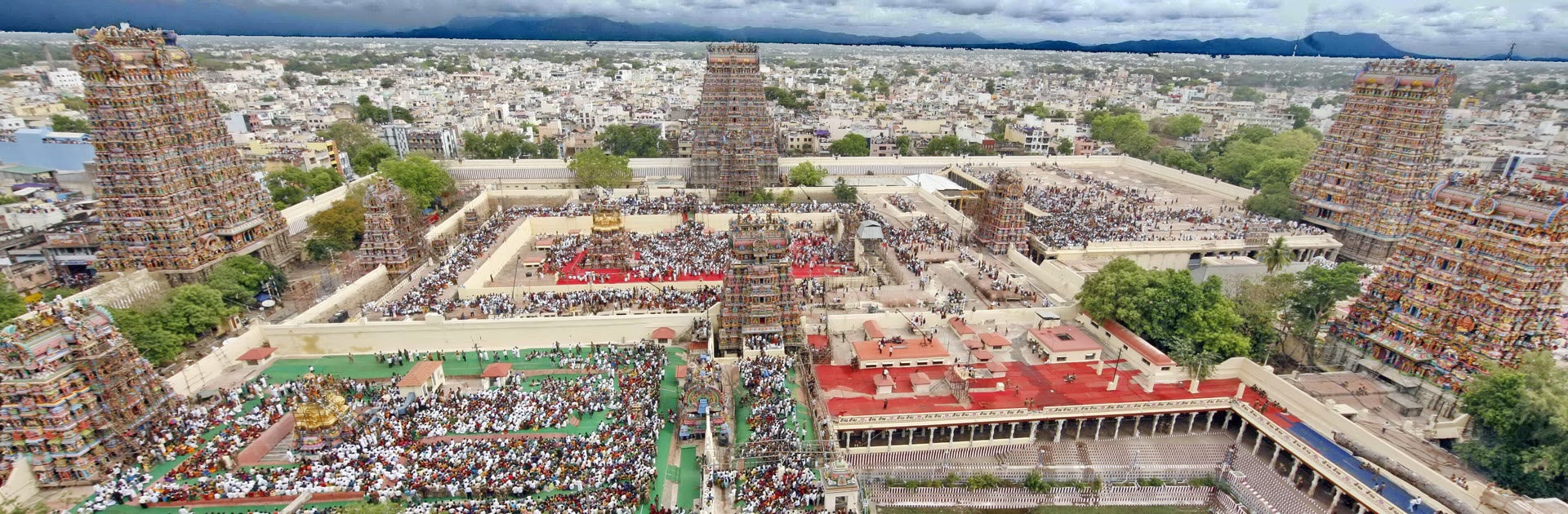
Meenakshi Amman Temple sits in the heart of Madurai, one of the oldest continuously inhabited cities in the world. The temple complex sprawls across six hectares and contains 14 towering gopurams (gateway towers) encrusted with thousands of brightly painted stucco figures depicting gods, demons, and mythological scenes. It is dedicated to the goddess Meenakshi (an avatar of Parvati) and her consort Sundareswarar (Shiva), and it draws an estimated 15,000 visitors daily, making it one of the most visited religious sites in India.

History and Significance

The temple's origins stretch back over two millennia, though the current structures date primarily to the 16th and 17th centuries when the Nayak dynasty rebuilt and expanded the complex after earlier destructions. The legend of Meenakshi holds that the goddess was born with three breasts as a warrior princess of the Pandyan kingdom, and the prophecy stated that the third breast would vanish when she met her future husband. When she encountered Shiva on the battlefield, the prophecy fulfilled itself, and the two were married in Madurai. This celestial wedding remains the temple's most important annual festival.

The temple functions as the spiritual and geographic center of Madurai. The city was literally built around it, with concentric rectangular streets radiating outward from the temple walls. Even today, the temple's daily rituals set the rhythm of life in the surrounding neighborhoods, with loudspeakers broadcasting prayers that echo through the streets at dawn and dusk.

Things to Do

What to See Inside the Temple

The Gopurams

The 14 gopurams are the temple's most recognizable feature, visible from across the city. The tallest, the southern tower, rises 52 meters and is covered with an estimated 1,500 sculpted figures. Each gopuram serves as an entrance to a different section of the complex, and the sculptures depict scenes from Hindu mythology, with figures repainted in vivid colors during regular restoration cycles. The eastern gopuram is the main entrance for visitors and offers the most dramatic first impression.

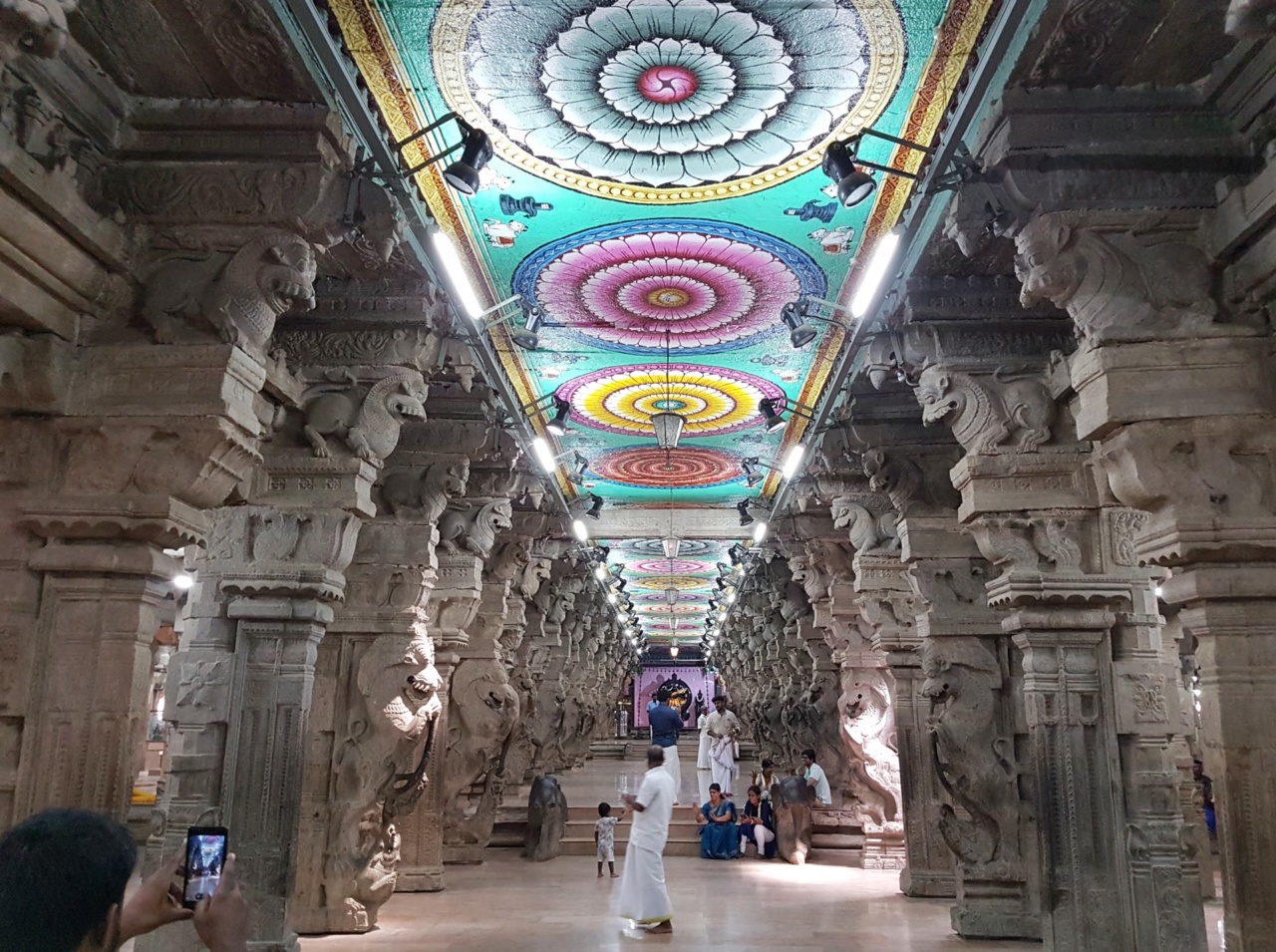
The Hall of Thousand Pillars

This mandapam actually contains 985 elaborately carved pillars, each unique. The hall now functions as a museum displaying bronze sculptures, stone carvings, and historical photographs of the temple. Among the most remarkable features are the musical pillars near the entrance, carved from single blocks of granite and producing distinct musical notes when struck. Entry to the museum costs Rs. 50.

The Golden Lotus Tank

The Potramarai Kulam (Golden Lotus Tank) is a sacred pool surrounded by a pillared corridor at the center of the complex. Devotees bathe in the tank before entering the inner sanctums, and Tamil literary tradition holds that the quality of new works was tested by floating them on this water. Manuscripts that sank were deemed unworthy. The tank is one of the most photogenic spots in the complex, particularly in the early morning when reflections are sharpest.

The Inner Sanctums

The two main shrines house the deities Meenakshi and Sundareswarar. Non-Hindu visitors may be restricted from entering the innermost sanctum areas, though this varies depending on the time and the priests on duty. The corridors leading to the shrines are lined with carved pillars, oil lamps, and devotional shops selling flowers, coconuts, and camphor for offerings. Special darshan (viewing) tickets allow quicker access: Rs. 50 for the Meenakshi shrine alone, or Rs. 100 for both deities.

The Ashta Shakti Mandapam

Located just inside the eastern gopuram, this pillared hall contains sculptures depicting the eight forms of the goddess Shakti and scenes from the Tiruvilaiyadal Puranam, a collection of stories about Shiva's divine games in Madurai. It serves as a good introduction to the temple's mythology before venturing deeper into the complex.

Daily Rituals and Ceremonies

The temple conducts six major pujas (worship ceremonies) daily, each involving elaborate rituals of bathing, decorating, and offering food to the deities. The most accessible for visitors are:

RitualTimeDescription
Morning Opening05:00Temple doors open with ritual prayers; most atmospheric time to visit
Thrikalasandhi10:00Mid-morning puja with lamp ceremony
Uchikkal Puja12:00Noon worship before midday closure
Evening Reopening16:00Temple reopens after midday break
Maalai Aarti18:00Evening lamp ceremony; large crowds gather
Palliarai Pooja21:00Night ceremony carrying Shiva to Meenakshi's chamber

The Palliarai Pooja at 21:00 is the most memorable ceremony to witness. A golden palanquin bearing the processional image of Sundareswarar is carried through the corridors accompanied by musicians, and the atmosphere is intense and devotional. The temple closes at 22:00 after this final ritual.

Practical Information

DetailInformation
Opening hours05:00 to 12:30 and 16:00 to 22:00 daily
Temple entryFree
Special darshanRs. 50 (Meenakshi) / Rs. 100 (both deities)
Museum (Hall of 1000 Pillars)Rs. 50
Camera feeRs. 50 (no photography inside inner sanctums)
Shoe storageRs. 5 at designated counters outside entrances

Dress Code and Etiquette

The temple enforces a strict dress code. Men must wear full-length trousers or a dhoti/lungi - shorts, three-quarter pants, and sleeveless shirts are not permitted. Women must cover their shoulders and legs, and sleeveless tops require a shawl or covering. Western-style clothing is generally discouraged for women; a salwar kameez or saree is ideal. If you arrive underdressed, vendors outside the temple sell lungis and shawls for Rs. 100 to Rs. 200.

Shoes must be removed before entering. Use the designated shoe storage counters near each entrance for Rs. 5. Cameras are allowed in most areas but photography is prohibited in the inner sanctums. Mobile phones should be silenced. The temple is an active place of worship, so move respectfully, avoid blocking devotees, and ask before photographing people at prayer.

Getting to Madurai

Madurai is well connected as a major South Indian city.

  • By air: Madurai Airport receives domestic flights from Chennai (1 hour), Bangalore (1.5 hours), Delhi, Mumbai, and Hyderabad. The airport is 12 kilometers from the temple, with taxis costing Rs. 300 to Rs. 500.
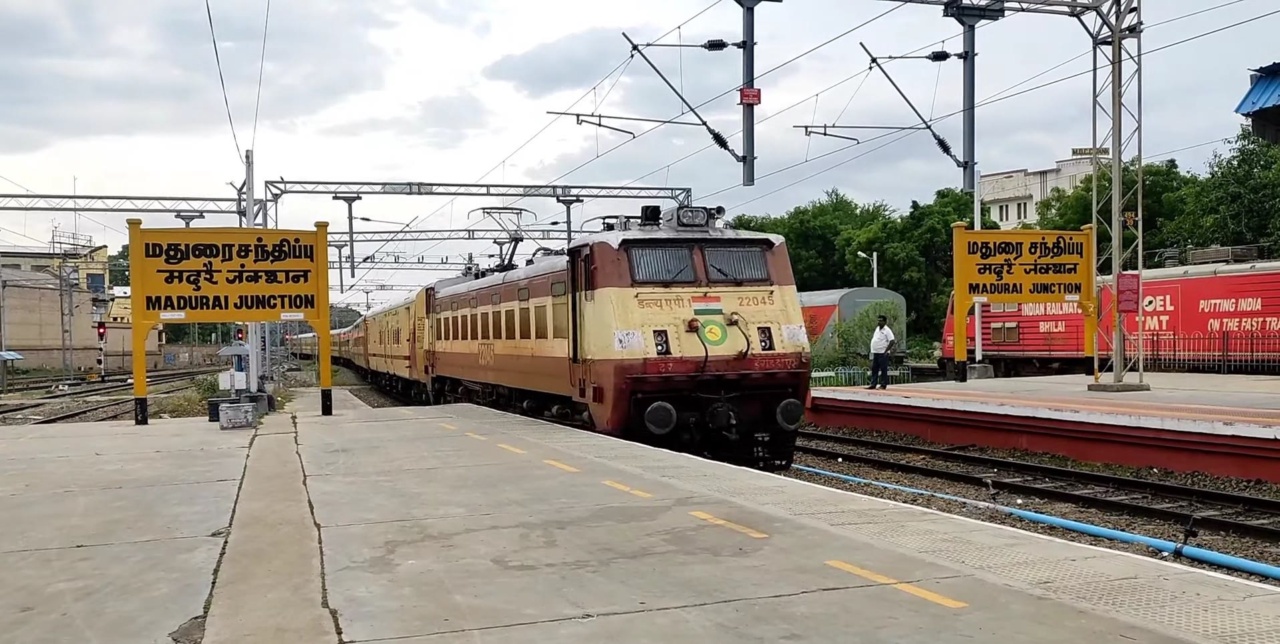
  • By train: Madurai Junction is a major railway hub with trains from Chennai (8 hours), Bangalore (10 hours), Trivandrum (7 hours), and Rameswaram (3 hours). The station is 1 kilometer west of the temple, walkable or a Rs. 50 auto-rickshaw ride.
  • By bus: Government and private buses connect Madurai to all major South Indian cities. The Mattuthavani bus terminal handles long-distance services, while the Periyar bus stand near the temple serves local and regional routes.

Tips for Visiting Meenakshi Temple

  • Visit at opening time (05:00). The temple is quietest in the first hour after opening, when the corridors are still cool and the morning rituals create an intimate atmosphere. By 09:00, crowds build significantly.
  • Return for the Palliarai Pooja. Even if you visit during the day, come back at 21:00 for the night ceremony. The procession through candlelit corridors is the most moving experience the temple offers and lasts about 30 minutes.
  • Hire a guide. The temple's mythology and architectural details are far richer than signage alone can convey. Licensed guides wait near the eastern entrance and charge Rs. 500 to Rs. 1,000 for a 90-minute tour. A good guide transforms the visit from impressive to unforgettable.
  • Plan around the midday closure. The temple closes from 12:30 to 16:00. Use this break to explore Madurai's bazaars, which surround the temple on all sides and sell everything from jasmine garlands to brass lamps. The streets immediately around the temple are the most atmospheric part of the city.
  • Budget at least three hours. The complex is vast, with multiple halls, corridors, and shrines spread across six hectares. Rushing through in an hour means missing entire sections. A thorough visit with the museum takes three to four hours.
  • Carry small bills. You will need cash for shoe storage, camera fees, darshan tickets, and offerings. Vendors and the temple counters do not accept cards. Keep Rs. 5 and Rs. 10 notes handy for shoe storage and small purchases.
  • Explore the surrounding streets. The four concentric Masi streets around the temple form one of the oldest planned urban layouts in India. The evening flower market on the eastern side, where mountains of jasmine are traded, is a sensory experience worth seeking out. More travel guides for South India are available on GoAsia.cc.

Frequently Asked Questions

What is Meenakshi Temple and why is it important?

Meenakshi Temple is a massive Hindu temple complex in the center of Madurai, Tamil Nadu, dedicated to the goddess Meenakshi (Parvati) and her consort Sundareswarar (Shiva). It is one of the most important pilgrimage sites in South India, drawing around 15,000 visitors daily, and has been an active place of worship for over two millennia. The current structures date mainly to the 16th and 17th centuries.

How much does it cost to visit Meenakshi Temple?

Entry to the temple is free. Optional special darshan tickets cost Rs. 50 for the Meenakshi shrine or Rs. 100 for both deities. The museum in the Hall of Thousand Pillars is Rs. 50, and camera fees are Rs. 50. Shoe storage costs Rs. 5 per pair. A guide runs Rs. 500 to Rs. 1,000.

What are the opening hours of Meenakshi Temple?

The temple opens daily from 05:00 to 12:30 and again from 16:00 to 22:00. The midday closure is for ritual purposes. Six major pujas are conducted throughout the day, with the final ceremony (Palliarai Pooja) at 21:00 being the most atmospheric to witness.

What is the dress code for Meenakshi Temple?

Men must wear full-length trousers or a dhoti/lungi with a shirt that covers the shoulders. Shorts, three-quarter pants, and sleeveless tops are not allowed. Women should cover shoulders and legs, with traditional Indian clothing preferred. Vendors outside sell lungis and shawls for Rs. 100 to Rs. 200 if you arrive underdressed.

Can non-Hindus visit Meenakshi Temple?

Non-Hindu visitors are welcome in most areas of the temple complex, including the corridors, halls, the Golden Lotus Tank, and the museum. Access to the innermost sanctums may be restricted for non-Hindus at the discretion of the priests, though this varies. The vast majority of the complex is open to all.

What is the best time of day to visit Meenakshi Temple?

Early morning at 05:00 when the temple opens offers the fewest crowds and coolest temperatures. The evening Maalai Aarti at 18:00 and the Palliarai Pooja night ceremony at 21:00 are the most atmospheric rituals to witness. Avoid weekends and Hindu festival days if you prefer quieter conditions.

How do I get to Meenakshi Temple from Madurai railway station?

Madurai Junction is only about 1 kilometer west of the temple, making it walkable in 15 minutes. Auto-rickshaws charge Rs. 50 to Rs. 100 for the short trip. From Madurai Airport (12 km), taxis cost Rs. 300 to Rs. 500. The temple sits in the exact center of the old city and is impossible to miss.

What is the Palliarai Pooja ceremony?

The Palliarai Pooja is the temple's nightly closing ritual at 21:00 in which a golden processional image of Sundareswarar (Shiva) is carried on a palanquin through the corridors to Meenakshi's bedchamber, symbolizing the divine couple's reunion. It is accompanied by musicians and chanting and lasts about 30 minutes. It has been performed without interruption for centuries.