Temple of Literature Hanoi: Hours, Tickets and What to See
Contents
The Temple of Literature, or Van Mieu, and the Imperial Academy, or Quoc Tu Giam, form one of Hanoi's oldest sites. King Ly Thanh Tong ordered the temple built in 1070, and King Ly Nhan Tong established the Imperial Academy in 1076.[1] Together they tell the story of Vietnam's Confucian learning and royal examinations. See the site's own history timeline for the full sequence.
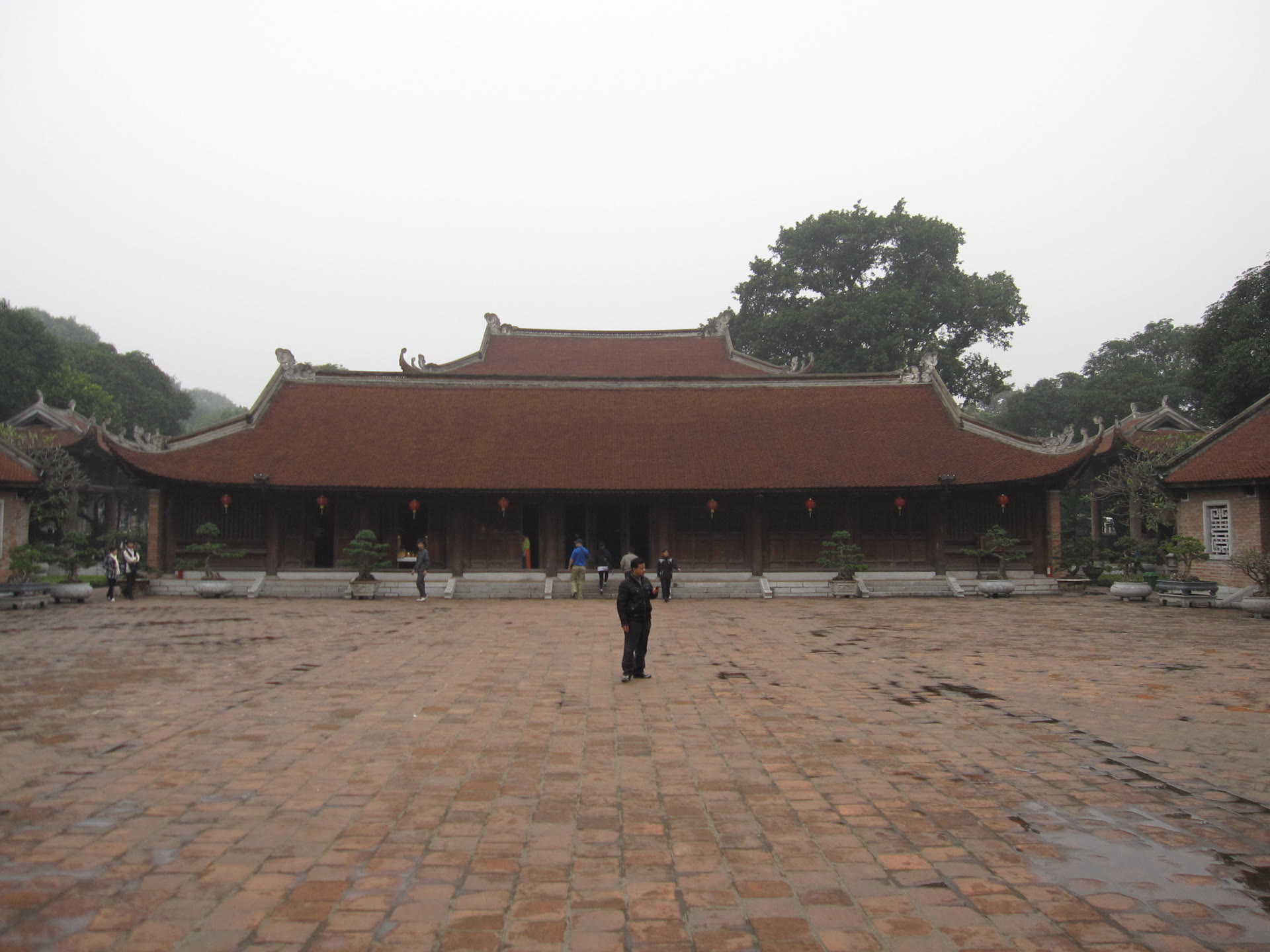
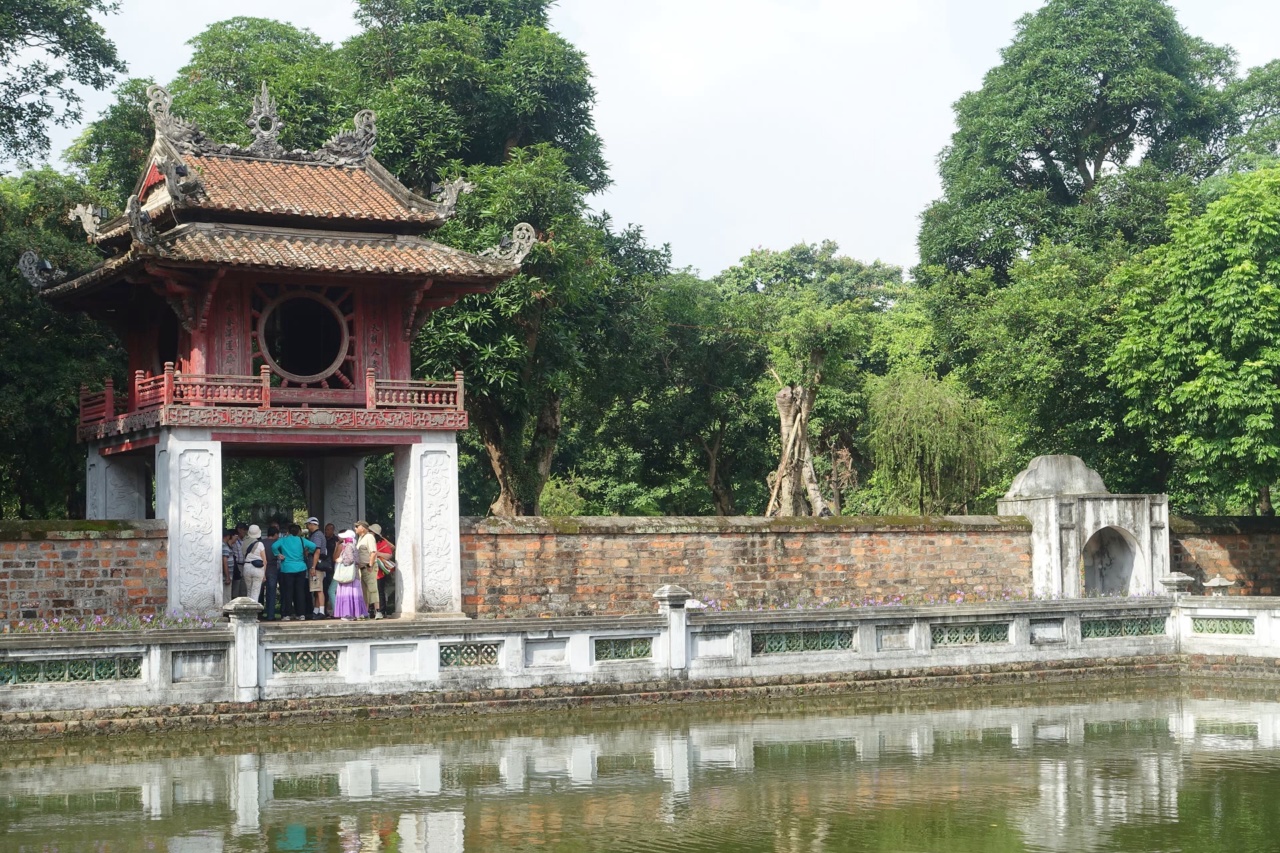
Follow the site map from the inner court to Khue Van Pavilion, then on to the Doctoral Stele Garden with Thien Quang Well, the Great Sacrifice Zone and the Imperial Academy Zone.[2] Short on time? Head for the pavilion, the stele garden and Thai Hoc House. An audio guide and QR information are available on site.[2]
What to look for
The Doctoral Steles are the heart of the grounds. King Le Thanh Tong ordered them erected in 1484, and 82 of them were recognized as National Treasures in 2015.[1] They stand on stone tortoises and record the laureates of the royal examinations held between 1442 and 1779.[3] UNESCO inscribed the Stone Stele Records of Royal Examinations of the Le and Mac Dynasties in its Memory of the World register in 2011. The listing covers the 82 stelae, not the whole complex.[3] Look, but do not touch: the rules forbid touching, writing or drawing on stelae, artefacts and buildings.[2]
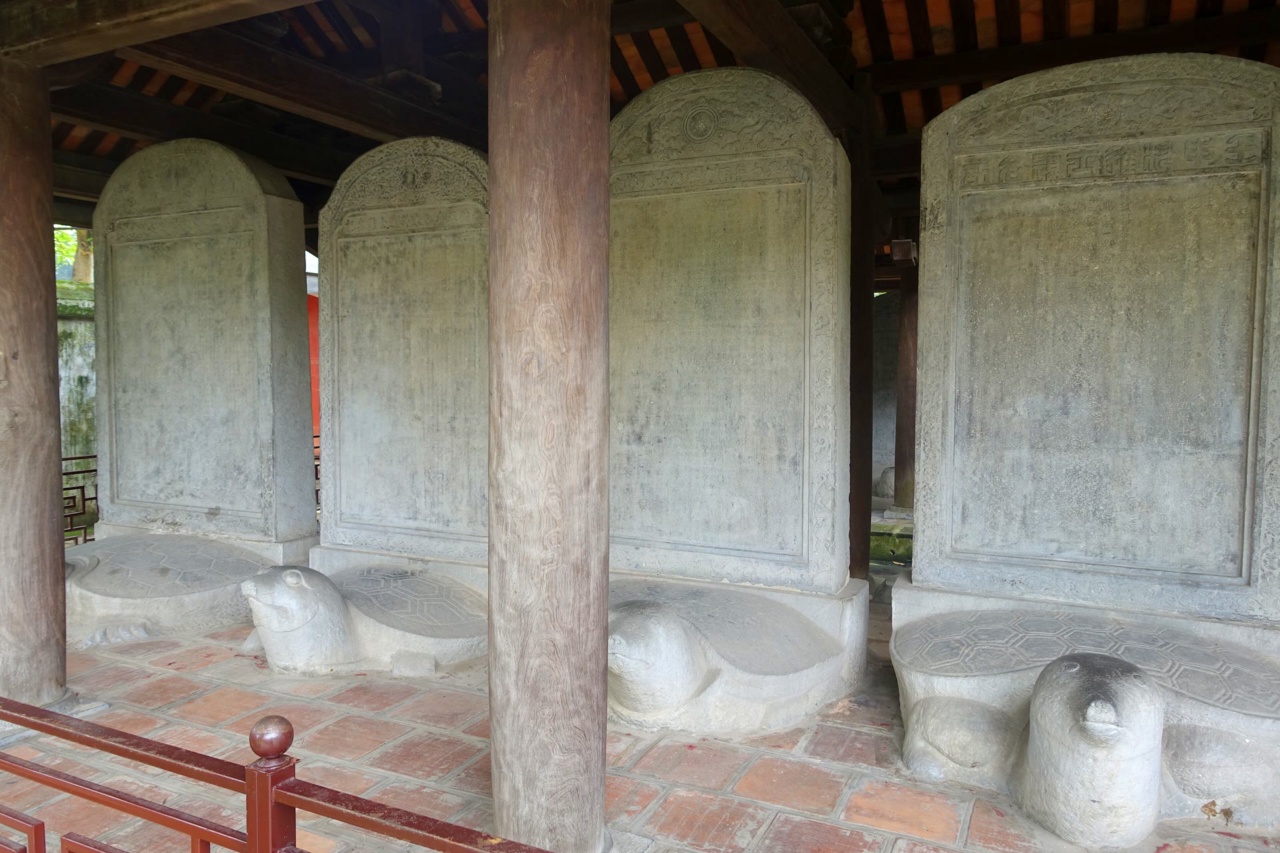
Khue Van Pavilion, Thien Quang Well and Thai Hoc House are the stops that anchor most visits. The audio guide or the QR codes add context as you move between them. The official guide to the architectural works covers each gate, hall and pavilion in detail.[4]
Things to Do
Offers are only loaded from GetYourGuide after you click. GetYourGuide can then process your IP address and set cookies. Privacy Policy
GetYourGuide partner offers. GoAsia may earn a commission if you book through these offers. Check whether tickets or transfers are included, and follow the attraction's official booking and admission rules.
Hours, admission and the evening program
The site is open from 8:00 AM to 5:00 PM every day. The evening program runs from 6:00 PM to 10:00 PM on Wednesday, Saturday and Sunday.[2]
| Visit | Admission |
|---|---|
| Daytime general admission | 70,000 VND standard ticket[2] |
| Reduced admission | 35,000 VND for students at schools in Vietnam with a student ID, visitors aged 60 or older with ID, people with severe disabilities and people eligible for cultural access preferential policies, with proof documents as required[2] |
| Free admission | Children under 16 and people with special severe disabilities[2] |
| Evening experience | The night tour is ticketed separately. The one-show package costs 299,000 VND for adults and 149,000 VND for children. The two-show package costs 399,000 VND for adults and 199,000 VND for children. Adult tickets apply to visitors taller than 1.30 m, child tickets to those from 1.00 m to 1.30 m, and children under 1.00 m enter free.[5] |
A daytime ticket does not include the evening program. Its 3D mapping show, calligraphy and woodblock printing make it a very different visit from the daytime walk.[5]
Getting there and using the site
The entrance is at 58 Quoc Tu Giam Street, Van Mieu - Quoc Tu Giam Ward, Hanoi. Buses 02, 41, E08 and E09 stop opposite 40 Ton Duc Thang Street, and bus 38 stops at 58 Quoc Tu Giam Street.[2] Cars and tourist buses park along Van Mieu Street, motorbikes and bicycles in Giam Garden.[2] You leave through the exit at 19-21 Van Mieu Street or by the path to Giam Garden.[2]
Take it slowly. The courtyards, the stelae and Thai Hoc House reward unhurried walking, and more so if you listen to the audio guide. The site has an information desk, free Wi-Fi, restrooms, a tea house, a bookstore, a souvenir shop and on-site commentary.[2]
Respectful visiting
Wear respectful attire when you enter shrines and keep quiet in sacred areas. Do not step on the lawns, pick flowers or break branches, and do not smoke anywhere on site. Superstitious practices, gambling and fraud are forbidden, and security may end the visit of anyone who breaks the rules.[2]
For onward trip planning, see our Vietnam travel guide. For questions about tickets or access, check the visitor information page or call the Centre for Cultural and Scientific Activities of Van Mieu - Quoc Tu Giam on +84 24 3747 2566.[2]
Sources and background
Numbers in the text such as [1] refer to these sources.
- [1] Centre for Cultural and Scientific Activities of Van Mieu - Quoc Tu Giam: Site History. Retrieved October 20, 2026.
- [2] Centre for Cultural and Scientific Activities of Van Mieu - Quoc Tu Giam: Visitor Information. Retrieved October 20, 2026.
- [3] UNESCO Memory of the World: Stone Stele Records of Royal Examinations of the Le and Mac Dynasties (1442-1779). Retrieved October 20, 2026.
- [4] Centre for Cultural and Scientific Activities of Van Mieu - Quoc Tu Giam: Architectural Works. Retrieved October 20, 2026.
- [5] Centre for Cultural and Scientific Activities of Van Mieu - Quoc Tu Giam: Van Mieu Night Tour. Retrieved October 20, 2026.
Frequently Asked Questions
Van Mieu was built in 1070, and Quoc Tu Giam, the Imperial Academy, was established in 1076. Together they form a historic complex tied to Confucian learning and Vietnam's royal examinations, and home to the Doctoral Steles.
Walk from the inner court to Khue Van Pavilion, the Doctoral Stele Garden with Thien Quang Well, the Great Sacrifice Zone and the Imperial Academy Zone. If time is short, focus on the pavilion, the stelae and Thai Hoc House.
The site is open from 8:00 AM to 5:00 PM every day. The separate evening program runs from 6:00 PM to 10:00 PM on Wednesday, Saturday and Sunday.
The standard daytime ticket costs 70,000 VND. The reduced ticket costs 35,000 VND for students at schools in Vietnam, visitors aged 60 or older, people with severe disabilities and people eligible for cultural access preferential policies, with proof documents. Children under 16 and people with special severe disabilities enter free.
No. The evening program is ticketed separately. The one-show package costs 299,000 VND for adults and 149,000 VND for children, and the two-show package costs 399,000 VND for adults and 199,000 VND for children. Adults are taller than 1.30 m, children are 1.00 m to 1.30 m, and children under 1.00 m enter free.
The entrance is at 58 Quoc Tu Giam Street. Buses 02, 41, E08 and E09 stop opposite 40 Ton Duc Thang Street, and bus 38 stops at the entrance address.
Take it at an easy pace. If time is short, focus on Khue Van Pavilion, the Doctoral Stele Garden and Thai Hoc House, and allow longer if you use the audio guide or come back for the evening program.
Wear respectful clothing in shrines and keep quiet in sacred areas. Do not touch, write or draw on stelae, artefacts or buildings, do not step on the lawns, and do not smoke on site.