Darjeeling Tea Plantations: Visiting the World's Finest Tea Gardens
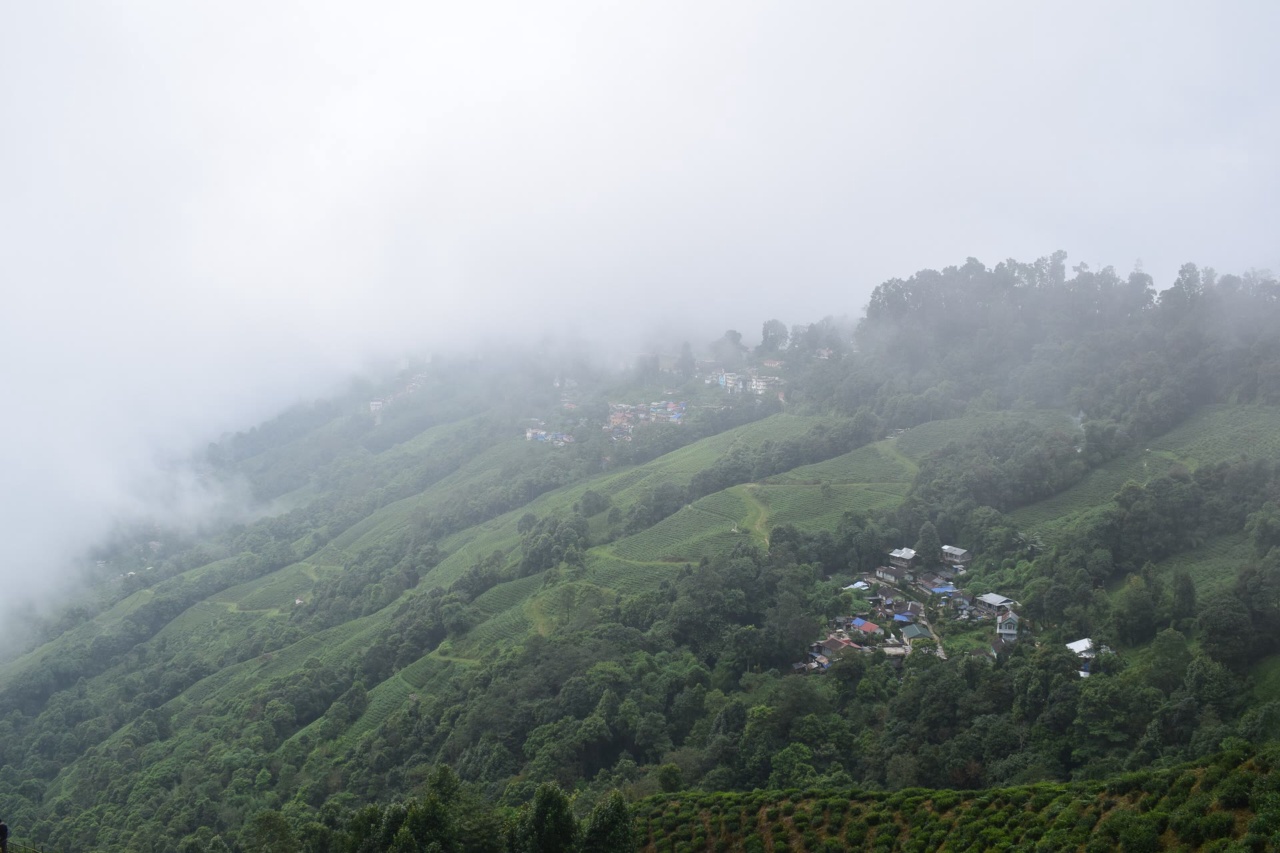
Darjeeling tea commands some of the highest prices in the world, with premium first flush lots selling for hundreds of dollars per kilogram at auction. Yet the gardens where this tea grows cling to steep Himalayan hillsides at altitudes between 600 and 2,000 meters, tended by workers who pluck the delicate two-leaves-and-a-bud by hand just as they have for over 150 years. Visiting these estates is not just a tea tasting experience but a window into one of India's most distinctive agricultural traditions and one of the most beautiful working landscapes in the country.
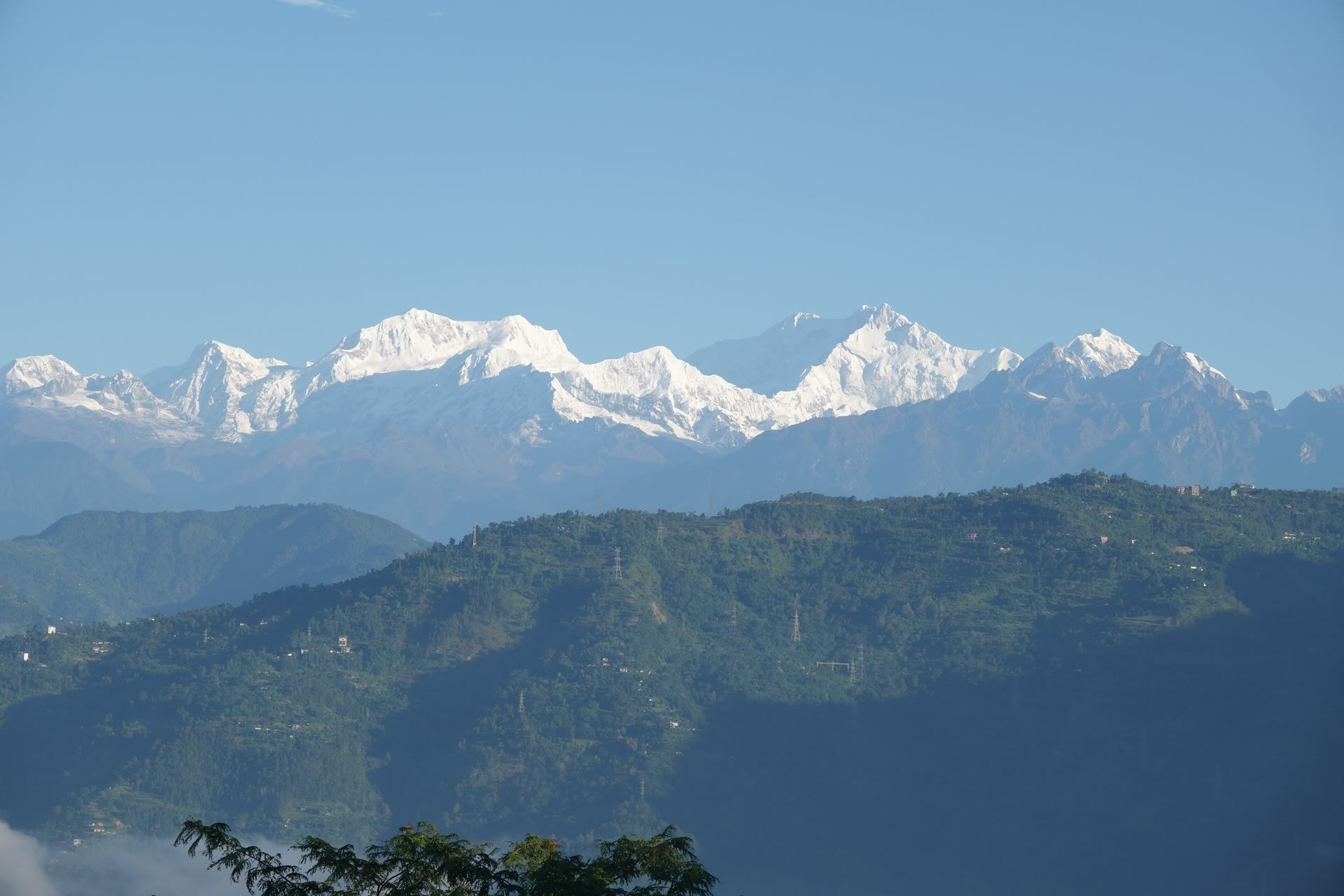
The Darjeeling tea district in West Bengal contains 87 registered tea gardens spread across the hills surrounding the town of Darjeeling and the neighboring valleys of Kurseong and Mirik. Several estates welcome visitors for guided tours of their plantations and processing factories, and a handful offer overnight stays in colonial-era bungalows surrounded by rolling rows of tea bushes with views of the Kanchenjunga range. For travelers already visiting Darjeeling for its mountain scenery and toy train, the tea estates add a layer of cultural and sensory richness that makes the hill station genuinely unique.
Understanding Darjeeling Tea
What makes Darjeeling tea different from every other tea in the world is a combination of altitude, climate, and the specific Chinese variety of the tea plant (Camellia sinensis var. sinensis) that was introduced by the British in the 1840s. The cool temperatures, frequent mist, and intense mountain sunlight slow the growth of the leaves, concentrating flavor compounds that produce the distinctive muscatel character Darjeeling is known for.
The tea is harvested in distinct seasonal flushes, each producing a markedly different flavor profile:
| Flush | Season | Character | Price Range |
|---|---|---|---|
| First Flush | March to April | Light, floral, astringent, bright liquor | Highest (premium lots $100+ per kg) |
| Second Flush | May to June | Full-bodied, muscatel grape notes, amber liquor | High |
| Monsoon Flush | July to September | Strong, less nuanced, darker liquor | Moderate |
| Autumn Flush | October to November | Mellow, copper-colored, rounded flavor | Moderate to high |
Visiting during first or second flush (March to June) means seeing the gardens at their most active, with pluckers working the rows and factories running at full capacity. This is the ideal time for a plantation tour.
Things to Do
Tea Estates You Can Visit
Happy Valley Tea Estate
The most accessible tea garden for visitors, Happy Valley sits just 3 kilometers north of Darjeeling town and has been producing tea since its founding in the 1850s. The estate offers guided factory tours that walk you through each stage of tea production: withering, rolling, oxidation, drying, and sorting. You watch workers operate machinery that has barely changed in a century, and the air inside the factory carries the rich, malty scent of processing tea.
Tours run during working hours (roughly 08:00 to 16:00) on weekdays during the plucking season (March to November). The factory is closed on Sundays and during the winter dormant period (December to February). There is no formal entry fee, though a small donation of Rs. 100 to Rs. 200 is expected. The estate shop sells fresh tea directly from the factory at prices well below retail.
Makaibari Tea Estate
Located near Kurseong, about 30 kilometers south of Darjeeling (1.5 hours by jeep), Makaibari is one of the most celebrated tea estates in the world. Established in the 1850s, it was the first tea estate to be certified organic and biodynamic, and its commitment to sustainable farming has made it a model for the industry. The estate produces some of the most expensive Darjeeling teas ever sold at auction.
Makaibari offers a more immersive experience than Happy Valley. Visitors can tour the organic gardens and factory, participate in tea plucking alongside workers, and stay overnight in village homestays within the estate. Homestays cost Rs. 1,500 to Rs. 3,000 per night including meals, and the experience of waking up in a tea garden with Kanchenjunga visible through the mist is extraordinary. Tours can be arranged through the estate office or through guesthouses in Darjeeling.
Glenburn Tea Estate
For travelers seeking a luxury plantation experience, Glenburn offers upscale accommodation in a restored colonial planter's bungalow overlooking the Rangeet River valley. The estate has been producing tea since the mid-19th century and operates as both a working plantation and a boutique retreat. Rates start from approximately Rs. 15,000 ($180) per night per person including meals, guided plantation walks, and tea tastings. Advance booking is essential as the property has limited rooms.
Margaret's Hope Tea Estate
Named after a planter's daughter, Margaret's Hope produces some of the most awarded second flush teas in Darjeeling. The estate is about 25 kilometers from Darjeeling town and welcomes visitors for factory tours during the processing season. The gardens here are particularly scenic, set on slopes facing Kanchenjunga, and less crowded than Happy Valley.
What Happens on a Tea Estate Tour
A typical plantation tour lasts one to two hours and covers three main areas:
- The garden walk: You walk through rows of tea bushes, learning how altitude, shade, and pruning cycles affect the leaf quality. During plucking season, you can watch (and sometimes try) the precise two-leaves-and-a-bud technique that skilled pluckers perform at remarkable speed.
- The factory tour: Inside the processing facility, you follow the tea from freshly plucked leaf to finished product. The key stages are withering (spreading leaves on troughs to remove moisture), rolling (breaking cell walls to begin oxidation), oxidation (the chemical process that determines whether the tea becomes green, oolong, or black), firing (halting oxidation with heat), and sorting (grading by leaf size).
- The tasting: Most tours end with a cupping session where you taste different grades and flushes produced by the estate. A knowledgeable guide will explain the differences between first and second flush, how to identify muscatel notes, and what separates premium grades from lower ones. The estate shop is usually nearby, selling tea at factory prices.
Getting to Darjeeling
Darjeeling sits at approximately 2,050 meters elevation in the hills of northern West Bengal.
- By air: Bagdogra Airport (IXB), about 70 kilometers from Darjeeling, receives flights from Delhi, Kolkata, and other major Indian cities. From the airport, shared jeeps to Darjeeling take 3 to 4 hours and cost Rs. 250 to Rs. 400 per person. Private taxis run Rs. 2,500 to Rs. 3,500.
- By train: New Jalpaiguri (NJP) is the nearest major railway station, about 75 kilometers from Darjeeling. Trains connect NJP to Kolkata (8 to 10 hours), Delhi (20+ hours), and other cities. From NJP, the famous Darjeeling Himalayan Railway (toy train) takes approximately 7 hours for the scenic journey up to Darjeeling, though most travelers opt for the faster 3 to 4 hour jeep ride.
- By road: Shared jeeps from Siliguri and NJP are the most common transport, departing throughout the morning from the respective motor stands.
Tips for Visiting Darjeeling Tea Plantations
- Visit during plucking season. The factories are only operational from March to November, with peak activity during first flush (March to April) and second flush (May to June). Visiting in winter means seeing dormant gardens and closed factories, which misses the entire point.
- Go to Happy Valley on a weekday. The factory only operates Monday to Saturday, and weekdays are much quieter than Saturdays. Arrive before 10:00 to see the full processing chain in action before the day's plucking is complete.
- Buy tea at the source. Estate shops sell tea at significantly lower prices than retail shops in Darjeeling town or online. First flush teas purchased directly from the factory can cost 30 to 50 percent less than the same grade in a branded shop. Bring cash as cards are not always accepted.
- Book Makaibari homestays in advance. The village homestays are popular and limited in number. Contact the estate office at least a week ahead, especially during peak season (March to June and October to November).
- Dress in layers. Darjeeling's altitude means temperatures can shift dramatically, especially in the mornings when mist rolls through the gardens. A light jacket and comfortable walking shoes are essential for plantation visits.
- Learn basic tea vocabulary before your visit. Understanding terms like flush, muscatel, tippy, and golden flowery will make factory tours and tastings much more meaningful. The guides appreciate engaged visitors and will share more detailed knowledge with those who show interest.
- Combine with the toy train. The Darjeeling Himalayan Railway is a UNESCO World Heritage Site and one of the most iconic train rides in India. A short joy ride from Darjeeling to Ghum and back takes about 2 hours and costs Rs. 1,400 for foreigners. More travel ideas for India and the Himalayan region are available on GoAsia.cc.
Frequently Asked Questions
Yes, several estates welcome visitors for guided tours. Happy Valley Tea Estate is the most accessible, located just 3 kilometers from Darjeeling town. Makaibari near Kurseong offers deeper immersion including homestays. Tours typically last one to two hours and cover the gardens, factory, and a tasting session.
Most estate tours are free or request a small donation of Rs. 100 to Rs. 200. The real cost comes from buying tea at the estate shop, which is optional but hard to resist at factory-direct prices. Makaibari homestays cost Rs. 1,500 to Rs. 3,000 per night, while luxury stays at estates like Glenburn start from Rs. 15,000 per person.
For Happy Valley, simply show up during working hours (weekdays, 08:00 to 16:00, March to November). For Makaibari, contact the estate office or arrange through your hotel in Darjeeling. Glenburn and other luxury estates require advance booking. Most Darjeeling hotels and travel agents can also arrange guided tea tours.
March to June covers both the first and second flush, when the gardens are at peak activity and factories are processing freshly plucked leaves. This is the ideal window for a full plantation experience. October to November (autumn flush) is a quieter but still active alternative. Avoid December to February when gardens are dormant.
First flush (March to April) produces lighter, more floral teas with a bright, astringent character and commands the highest prices. Second flush (May to June) creates fuller-bodied teas with the distinctive muscatel grape notes that Darjeeling is most famous for. Both are premium, but they taste notably different.
Several estates offer overnight accommodation. Makaibari provides village homestays within the plantation from Rs. 1,500 per night including meals. Glenburn Tea Estate offers luxury bungalow stays from Rs. 15,000 per person. Margaret's Hope and other estates occasionally offer stays through booking platforms. Reserve well in advance during peak season.
Happy Valley is a 15-minute walk or short taxi ride from Darjeeling's Chowrasta square. Makaibari near Kurseong requires a 1.5-hour jeep ride. Margaret's Hope is about 45 minutes by car. Local taxis and shared jeeps are readily available, and most hotels can arrange transport to any estate.
Prices at estate shops are typically 30 to 50 percent lower than retail shops in Darjeeling town or online. The tea is also fresher, often packaged within days of production. First flush and second flush teas purchased at source represent excellent value for quality Darjeeling tea. Bring cash as many estate shops do not accept cards.