Phu Quoc Island: Beaches, Nature and Trip Planning
Contents
Phu Quoc is a large island in southern Vietnam, with beaches and visitor areas spread between its western, northern, eastern and southern coasts. A useful first decision is where to stay: Duong Dong suits a town-focused stay, accommodation along Long Beach puts the west coast at the centre of your plans, and northern and southern outings need more route planning. Choose a base around the places you most want to visit rather than expecting every beach to be a quick hop away.
Choose a coast for your stay
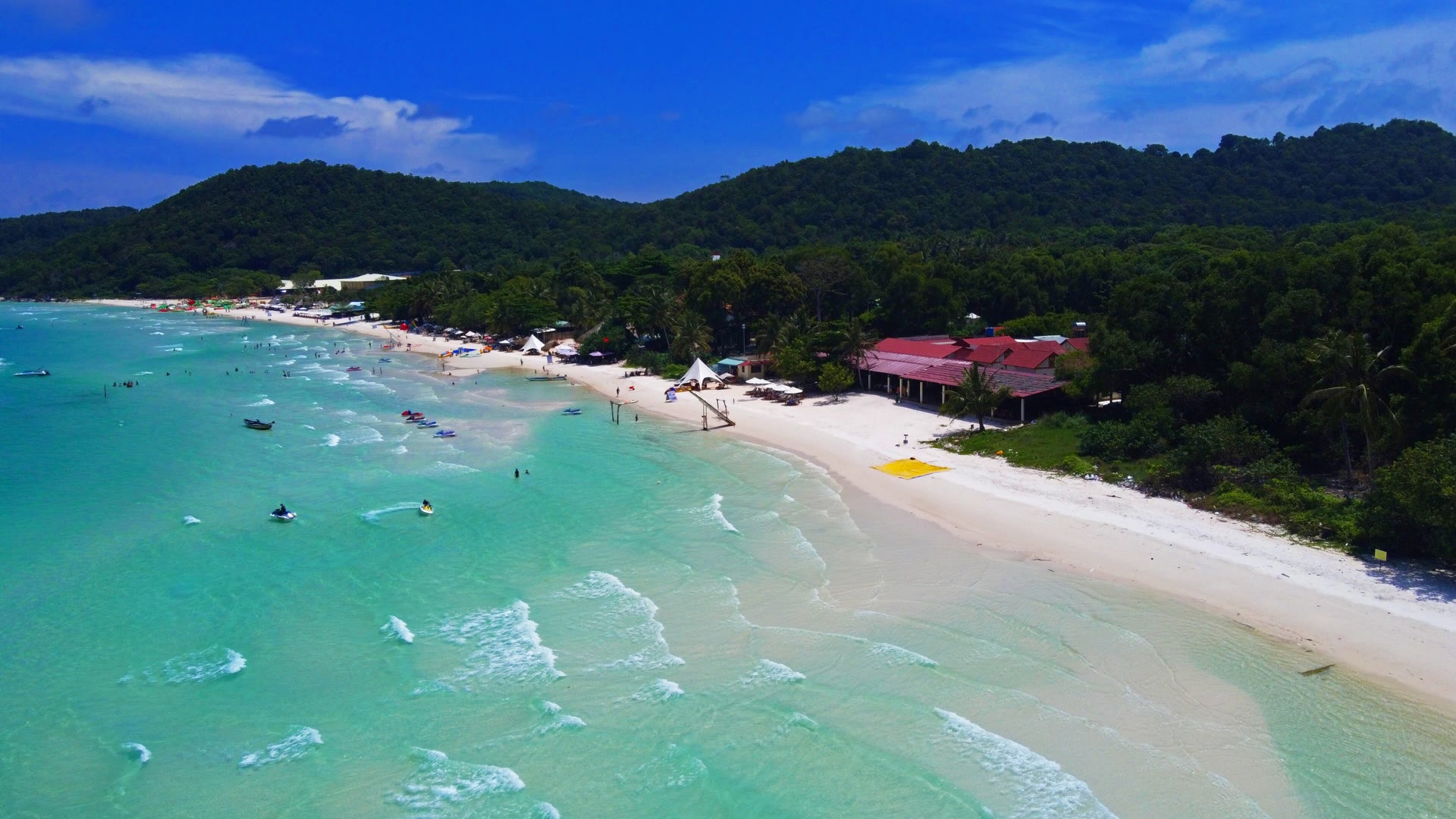
The west coast is a practical base for sunset-facing Long Beach and Duong Dong. For a quieter west-coast setting, head for Vung Bau or Ong Lang. Bai Sao lies on the east side, with public and private areas and local restaurants nearby. In the north, Ganh Dau is a secluded beach.[1] Compare the locations on a map and decide whether a beach day merits a separate north or south outing. Read the Vietnam tourism authority’s beach overview. The island overview compares the east, west, north and southern archipelago areas.[2]
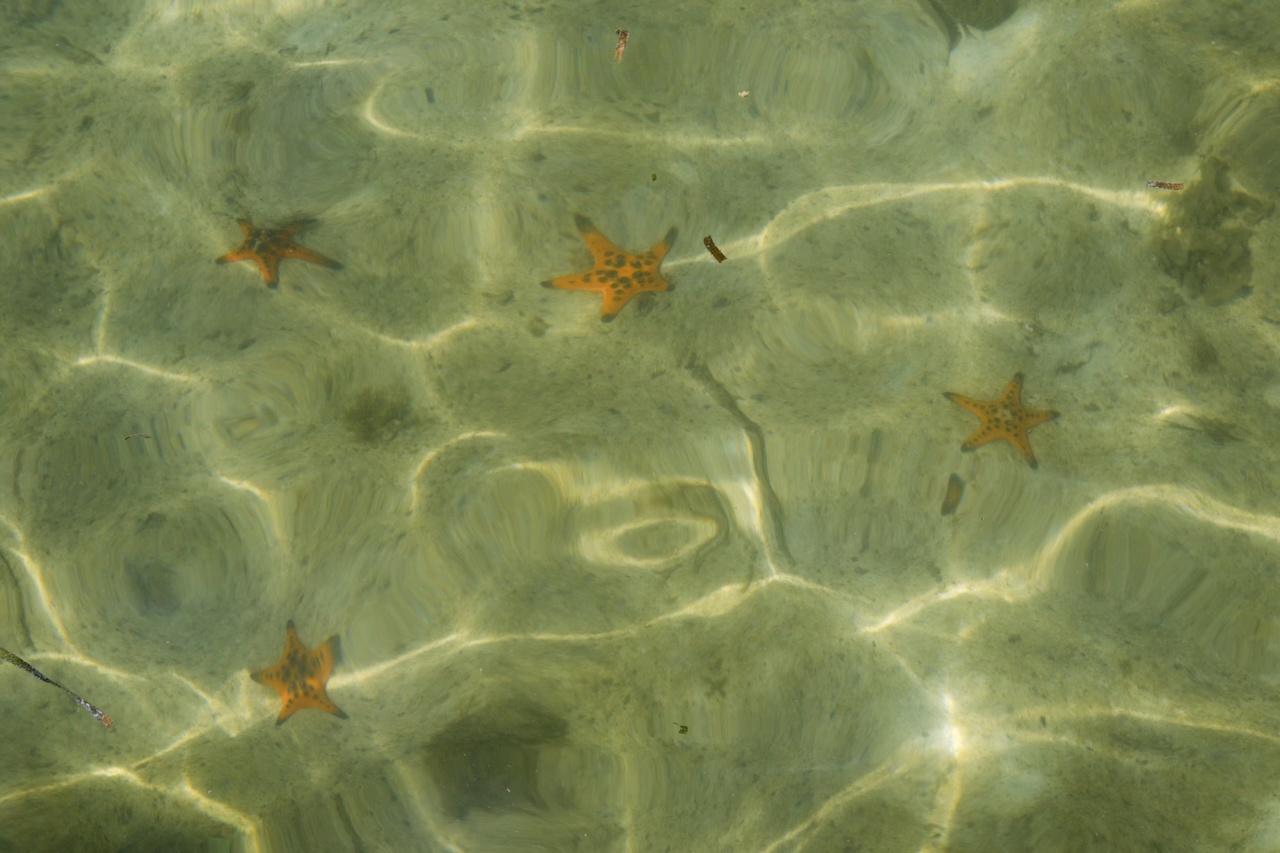
Phu Quoc’s northern landscape also includes forest and the Phu Quoc National Park. Bai Thom, Cua Duong, Ham Ninh and Ganh Dau are protected spots.[3] Parts of Phu Quoc lie within the Kien Giang Biosphere Reserve, a UNESCO biosphere reserve designation rather than a World Heritage listing.[4] See the tourism authority’s nature overview and UNESCO’s Kien Giang reserve profile.
Things to Do
Offers are only loaded from GetYourGuide after you click. GetYourGuide can then process your IP address and set cookies. Privacy Policy
GetYourGuide partner offers. GoAsia may earn a commission if you book through these offers. Check whether tickets or transfers are included, and follow the attraction's official booking and admission rules.
Plan the journey to the island
Compare flights to Phu Quoc International Airport with ferry routes from Rach Gia or Ha Tien. Ferry travel adds the mainland trip to the port, so compare the whole route from your starting point, not just the crossing. Phu Quoc Express sells tickets for both routes. Your ticket shows the exact departure time, and passengers are asked to arrive 45 minutes before departure (Rach Gia notice, October 2026).[5] The Rach Gia to Bai Vong crossing takes about 2 hours 30 minutes,[5] and the Ha Tien to Bai Vong crossing about 1 hour 20 minutes.[6] Check the route page for your travel date. Check the Rach Gia route page.
For visa planning, Holders of foreign passports do not need a visa to enter and leave Phu Quoc for stays of up to 30 days, including travelers who transit through another international border gate in Vietnam before entering Phu Quoc.[7] The exemption covers the island only, not onward travel around Vietnam. Check the Ministry of Foreign Affairs list for your passport before you book. Read the Ministry of Foreign Affairs visa list.
Build days around one area
For a short stay, keep each day geographically compact. Pair Duong Dong with nearby west-coast time, set aside another day for northern places such as Ganh Dau, and reserve the south for an An Thoi boat outing or a visit to Hon Thom if that product suits your plans. The An Thoi archipelago is the island area in the south.[2] Ask an operator what is included, the named stops, departure point, return time and weather or cancellation terms.
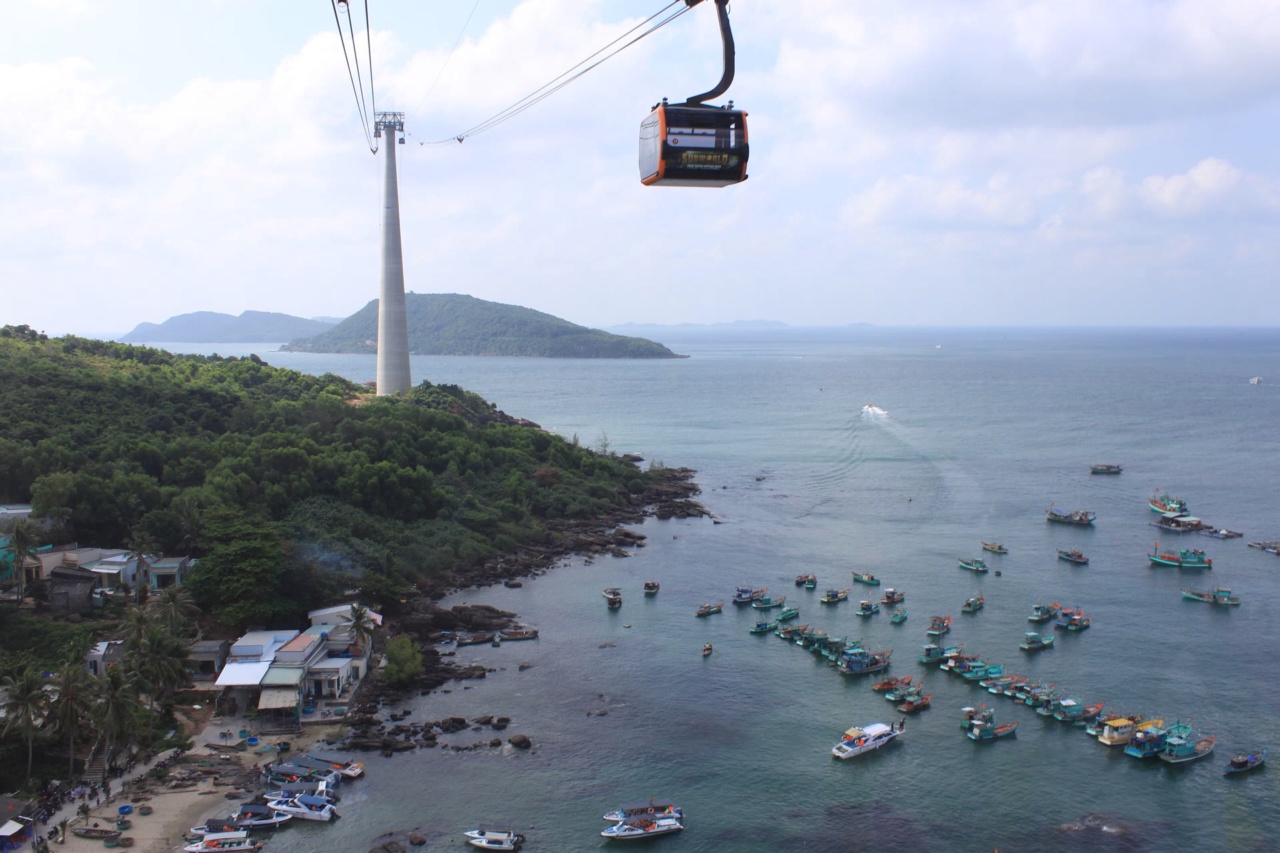
Sun World sells a Hon Thom round-trip cable-car ticket as well as combinations, including a cable car with a buffet.[8] Read the ticket description before you buy: a ride does not include other attractions, meals or shows unless it says so. View Sun World Hon Thom tickets and visitor information.
Local products and a flexible itinerary
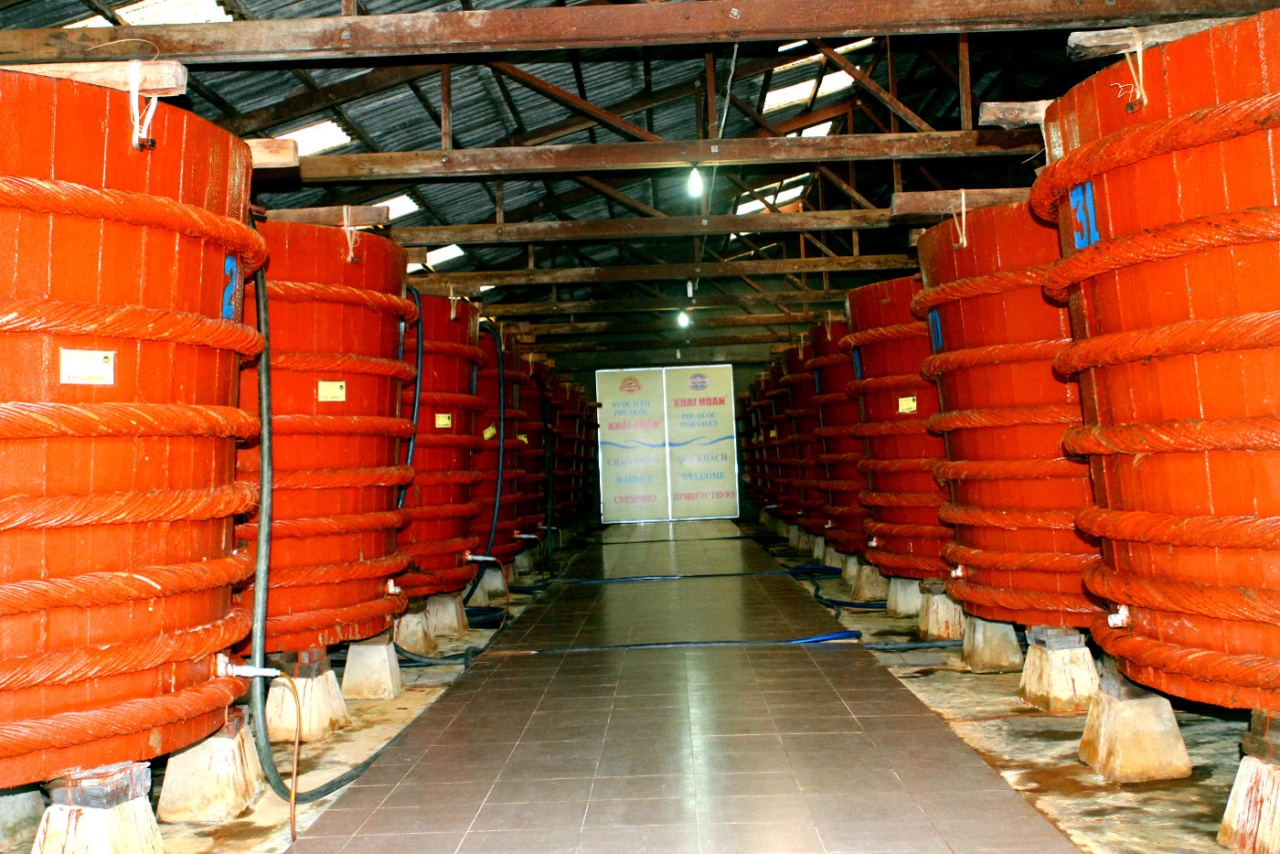
Phu Quoc is known for pepper and fish sauce as well as its coastline. Pepper farms and fish-sauce production are part of the island’s local landscape.[2] If either interests you, look for a named producer and ask about visits before making a detour.
For more destination ideas across Vietnam, see our Vietnam travel guide.
A three-day outline can keep the trip manageable: use one day for the coast near your accommodation, one for a northern or southern area, and one for a boat outing or Hon Thom. Add time rather than squeezing both ends of the island into one day. If you have a longer stay, spread the beaches and local visits across separate days and leave room to adjust around your confirmed transport and booked activities.
Sources and background
Numbers in the text such as [1] refer to these sources.
- [1] Viet Nam National Authority of Tourism: Beachy, beautiful Phu Quoc. Retrieved October 15, 2026.
- [2] Viet Nam National Authority of Tourism: Ten reasons to love Phu Quoc. Retrieved October 15, 2026.
- [3] Viet Nam National Authority of Tourism: Phu Quoc for nature lovers. Retrieved October 15, 2026.
- [4] UNESCO Man and the Biosphere Programme: Kien Giang Biosphere Reserve. Retrieved October 17, 2026.
- [5] Phu Quoc Express: Rach Gia to Phu Quoc ferry schedule. Retrieved October 17, 2026.
- [6] Phu Quoc Express: Ha Tien pier - Phu Quoc Express. Retrieved October 15, 2026.
- [7] Ministry of Foreign Affairs of Viet Nam: Viet Nam's visa exemption list. Retrieved October 17, 2026.
- [8] Sun World: Sun World Hon Thom. Retrieved October 15, 2026.
Frequently Asked Questions
It suits a trip that combines beaches, local food and a few separate island outings. Choose a base first, since Duong Dong and Long Beach, the northern beaches and the south coast serve different plans.
Duong Dong suits a stay focused on town restaurants; Long Beach suits a west-coast stay. Vung Bau and Ong Lang are quieter western alternatives, Ganh Dau is a northern choice and Bai Sao is on the east side. Check the accommodation's exact location against your planned days before booking.
Compare a flight with ferries from Rach Gia or Ha Tien, including the mainland journey to the port. Phu Quoc Express sells tickets for both routes. The ticket shows the exact departure time, and passengers should arrive 45 minutes early. The Rach Gia crossing takes about 2 hours 30 minutes and the Ha Tien crossing about 1 hour 20 minutes. Check the schedule for your own date.
No, for up to 30 days. Holders of foreign passports can enter and leave Phu Quoc without a visa, including travelers who transit through another international border gate in Vietnam before entering the island. This exemption does not cover onward travel in Vietnam, so check the Ministry of Foreign Affairs list for your passport and full itinerary.
Parts of Phu Quoc lie within the UNESCO Kien Giang Biosphere Reserve, together with protected marine areas. A biosphere reserve is not a World Heritage site. Ask the local authorities or an operator before visiting a protected area.
The An Thoi archipelago in the south is the area for boat trips. Ask for the named islands, departure and return points, equipment and meal inclusions, and cancellation terms before booking.
Sun World sells a round-trip cable-car ticket and combination tickets, including one with a buffet. Read the ticket description for your date to see whether a meal, show or other attraction is included.
Three days work well: a nearby beach day, a northern or southern area day, and one boat outing or Hon Thom visit. With more time, split the island into smaller geographic areas.