Yiwu is the world's largest wholesale hub, a neon-lit frontier where global trade meets local grit. It is a unique destination for business travelers and curious explorers looking to witness the engine of global consumerism and China's most diverse international food scene.
Yiwu is not your typical Chinese tourist destination. While neighboring Hangzhou offers serene lakes and Suzhou boasts classical gardens, Yiwu is a city built on the relentless energy of commerce. It is home to the International Trade City, a massive complex where toys, jewelry, hardware, stationery, socks and thousands of other small commodities are traded.[1][2][3] This is a city of high-speed deals, logistics warehouses, and a cosmopolitan atmosphere fueled by traders from many countries.
Visiting Yiwu offers a raw look at the 'Made in China' phenomenon. The skyline is a mix of gleaming glass skyscrapers and dense blocks of trading offices. Streets that seem nondescript by day transform into vibrant night markets after sunset. It is a place where the air smells of street food spices and new plastic, and where the hustle never truly stops. For the traveler, the appeal lies in seeing the sheer scale of global supply chains and enjoying one of the most authentic and diverse international culinary scenes in East Asia.
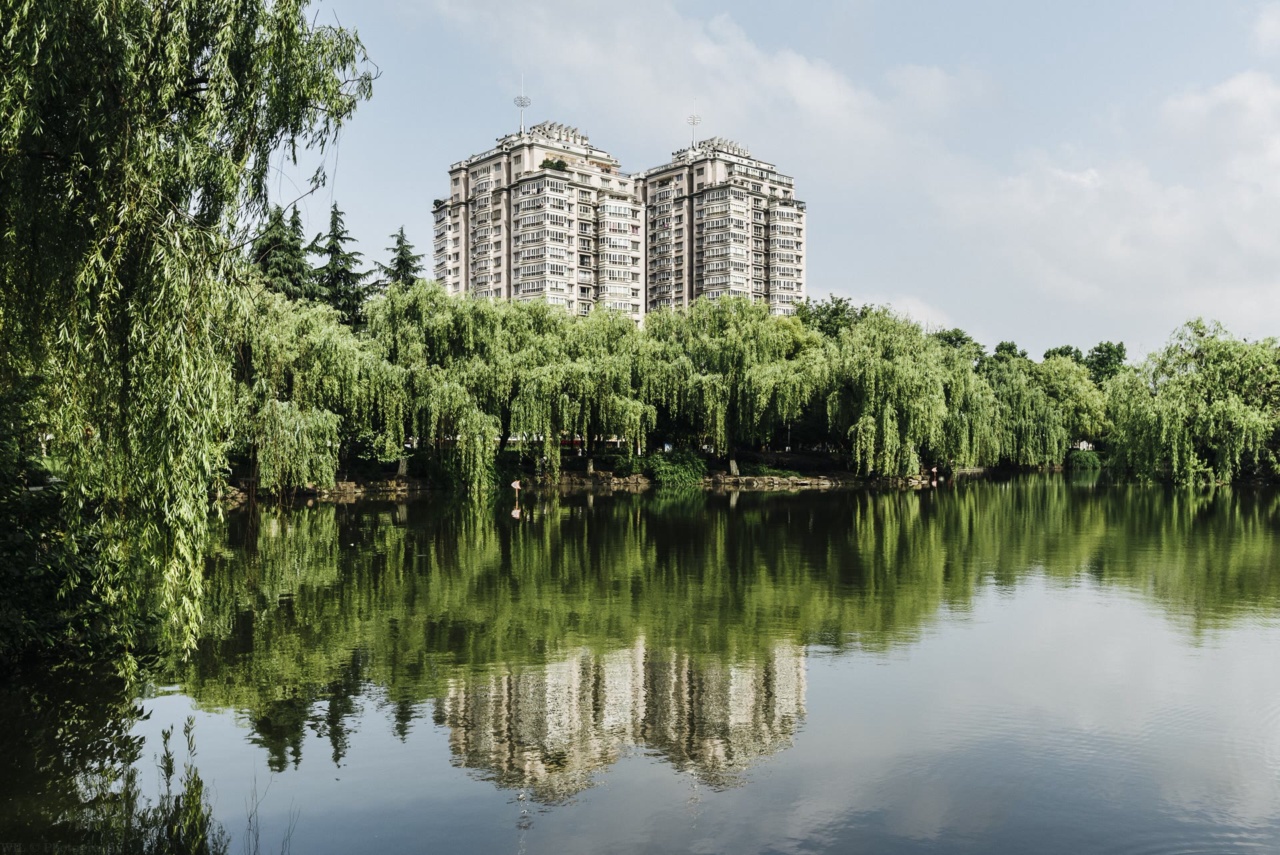
Despite its industrial reputation, Yiwu has invested heavily in urban beautification. You will find sprawling parks along the Yiwu River and a highly efficient infrastructure that makes navigating this commercial giant easier than many expect. It is a city that rewards the observant traveler who finds beauty in the organized chaos of a global bazaar and the stories of the people from all corners of the earth who come here to find their fortune.
Orientation and Neighborhoods
Yiwu is located in central Zhejiang Province. The city is essentially anchored by the massive International Trade City (Futian Market) and the older downtown core. Understanding the city layout is mostly about understanding where you are in relation to the market districts.
Futian (International Trade City): This is the heart of the city's economy. Staying here is essential for business travelers. It is modern, filled with high-end hotels, and offers easy access to the five massive market districts.
Binwang: Located between the old center and Futian, this area is famous for its night market and a high concentration of Middle Eastern and exotic restaurants. It is the best place to stay for food lovers and those who want a central location with evening activity.
Choucheng (Old Downtown): This is the traditional heart of Yiwu. It feels more like a standard Chinese city with shopping malls, local parks, and older residential blocks. It offers more budget-friendly accommodation and a glimpse into local life.
Jiangdong: Situated across the river from the main commercial zones, this area is quieter and more residential. It offers a slightly more relaxed pace while remaining close to the action.
Things to Do
Offers are only loaded from GetYourGuide after you click. GetYourGuide can then process your IP address and set cookies. Privacy Policy
GetYourGuide partner offers. GoAsia may earn a commission if you book through these offers. Check whether tickets or transfers are included, and follow the attraction's official booking and admission rules.
Best Time to Visit
Yiwu experiences four distinct seasons. The climate is humid subtropical, meaning summers are intense and winters are surprisingly chilly. When planning a trip, the lunar calendar and the trade fair schedule are more important than the weather.
Season
Weather
Spring (Mar-May)
Mild and pleasant
Summer (Jun-Aug)
Hot and humid
Autumn (Sep-Nov)
Cool and dry
Winter (Dec-Feb)
Cold and damp
The absolute best times to visit are April, May, September, and October. During these months, the temperature is comfortable for walking the massive market floors. Avoid the Chinese New Year period (usually late January or February), when many traders close for the holiday. Also be aware of the Yiwu Fair, which runs from 21 to 24 October in 2026 at the Yiwu International Expo Center and is a time when hotels can be scarce and expensive.[4]
Getting There and Getting Around
Yiwu is well connected thanks to its status as a global trade hub. Many international visitors arrive via Shanghai or Hangzhou.
By Air: Yiwu Airport (YIW) has its own flights, and market bus line 5 links the airport with the market district.[5] Many travelers instead fly into Shanghai or Hangzhou and continue by high-speed train.
By Train: The Yiwu Railway Station is a major stop on the high-speed rail line. On 16 October 2026, the fastest trains from Shanghai Hongqiao to Yiwu took about 1 hour 20 minutes, and the first departure was at 06:07.[6] From Hangzhou East, the fastest trains take 40 minutes.[7] You can check schedules and book tickets through GoAsia.cc to ensure a seat on these busy routes.
Local Transport: Yiwu has a bus system, and taxis and ride-hailing apps like DiDi are the most practical for visitors. DiDi has an English interface and lets you set your destination on a map. The city is not particularly walkable due to the massive scale of the market districts, though the riverfront parks are excellent for strolling.
Top Sights and Experiences
The International Trade City (Futian Market)
This is the primary reason people visit Yiwu. Divided into five massive districts, it is a huge complex of stalls. Even if you are not buying, the scale is staggering. District 1 is known for artificial flowers, toys and jewelry;[1] District 2 for bags, hardware, electrical goods and watches;[2] District 3 for stationery, cosmetics and sports goods;[8] District 4 for socks, hosiery, hats and shoes;[3] and District 5 for imported goods on the first floor, with bedding and hotel supplies above.[5]Tip: Wear your most comfortable shoes. You could walk for hours and not see half of it. Opening hours differ slightly by district: most open between 08:30 and 09:00 and close between 16:30 and 17:00, with a lunch break.[1][8][3]
Binwang Night Market
Binwang is a sensory overload. In the evening, stalls set up to sell everything from cheap clothes to electronics. The real draw, however, is the food. You can find local Zhejiang snacks alongside authentic kebabs and flatbreads. It is the best place to experience the city's multicultural energy.
Xiuhu Park
For a break from the commercial hum, Xiuhu Park in the center of the city offers a traditional Chinese landscape. It features a historic pagoda (Da'an Temple Pagoda) and a large lake. It is particularly beautiful at night when the pagoda and surrounding pavilions are illuminated. Spend about an hour here for a quiet sunset walk.
While informative, the Yiwu Museum is often underwhelming for those who have visited the major museums in Shanghai or Beijing. It focuses heavily on local history and the development of the 'feather-for-sugar' trade. Unless you have a deep interest in the specific economic history of the region, your time is better spent exploring the markets or the surrounding villages.
Food and Drink
Yiwu has a diverse food scene. Because of its community of foreign traders, the city offers Middle Eastern, Indian, and Turkish cuisine.
Dish
Description
Where to Try
Dongpo Pork
Braised fatty pork belly in sweet soy sauce
Local Zhejiang restaurants
Turkish Pide
Flatbread with meat, cheese, and vegetables
Exotic Street (Chouzhou North Rd)
Lamb Kebabs
Spiced charcoal-grilled skewers
Binwang Night Market
For the best international food, head to Chouzhou North Road and the surrounding alleys. Here, you will find Lebanese bakeries, authentic Indian curry houses, and Turkish cafes where the tea flows until late at night. For local flavors, look for 'Noodle Restaurants' in the old town area which serve hearty, inexpensive bowls of noodles and dumplings.
Where to Stay
Choosing where to stay depends on whether you are in Yiwu for business at the market or for cultural exploration.
Upscale: International-brand hotels are located near the International Trade City. They offer Western amenities and English-speaking staff.
Mid-Range: Business hotels near Binwang Road offer comfortable rooms, central locations, and easy access to both the markets and the night life.
Budget: Local 'Business Hotels' (Shangwu Jiudian) provide basic rooms and are plentiful in the Choucheng district. English may be limited.
Practical Tips
Payment: Cash is rarely used. Alipay and WeChat Pay are essential. Link your international Visa or Mastercard to Alipay before you arrive. Small vendors may struggle to give change for large cash notes.
Language: English is spoken in high-end hotels and by some younger traders in the market, but it is not widespread. Download a translation app (like Baidu Translate or Google Translate with offline files) and have your hotel address written in Chinese characters.
Internet: The 'Great Firewall' blocks many Western sites. Purchase an international roaming plan or a 'travel SIM' before entering China to maintain access to Google, WhatsApp, and Instagram.
Tipping: Tipping is not expected and can sometimes be seen as confusing or offensive. In high-end hotels, a service charge is usually included in the bill.
Business Etiquette: If you are here for business, bring plenty of business cards. A slight bow or a firm handshake is standard. If offered tea, accept it as a gesture of goodwill.
Day Trips
Hengdian World Studios
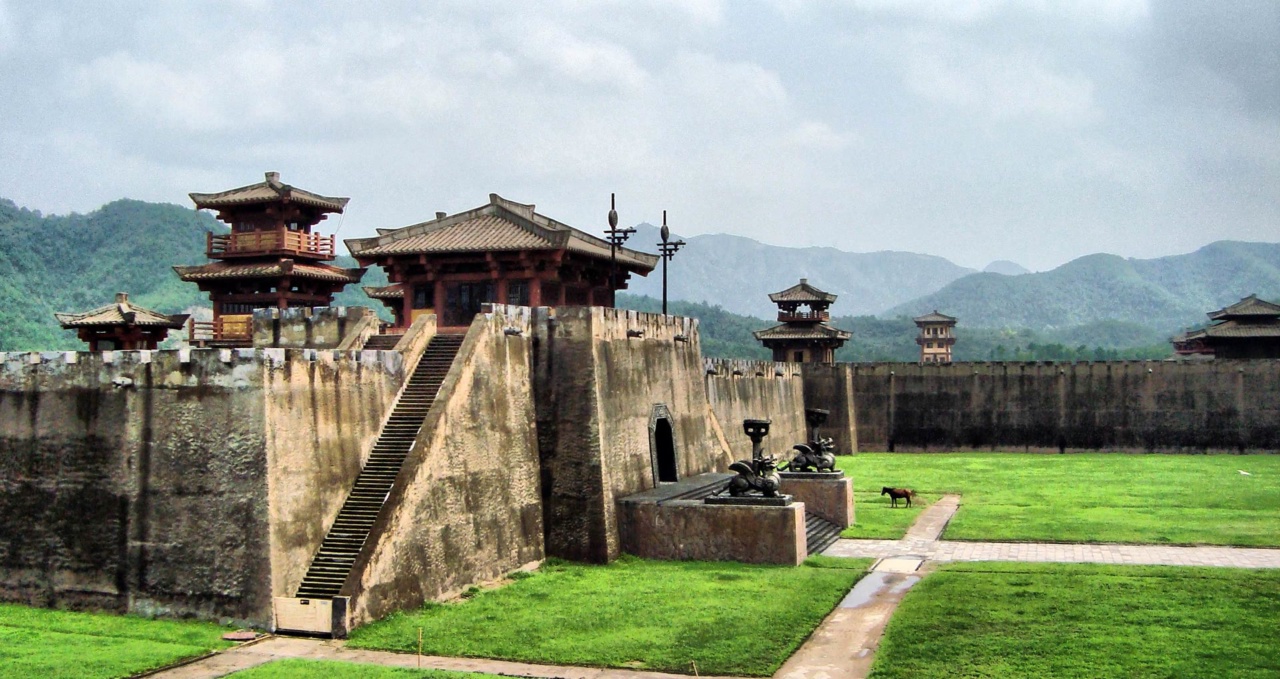
Known as the 'Chinese Hollywood,' Hengdian describes itself as the world's largest film and TV shooting base, made up of scenic building clusters from different eras.[9] It lies in neighboring Dongyang, and shuttle buses run from the passenger station of the International Trade City between 06:00 and 18:30.[9] It is a highly entertaining day trip for fans of Chinese cinema or history.
Located in nearby Lanxi, this village is laid out according to the eight-diagram (Bagua) pattern of Feng Shui. It is quieter than the famous water towns near Shanghai and is known for its well-preserved traditional architecture.
Sample 3-Day Itinerary
Day 1: The Commercial Giant
Morning: Start at District 1 of the International Trade City. Marvel at the sheer volume of toys and jewelry. Afternoon: Walk through District 2 and 3, focusing on the electronics and stationery sections. Grab a quick lunch at the market food courts. Evening: Head to the Binwang Night Market for street food and souvenir hunting. Finish with a Turkish coffee on Chouzhou North Road.
Day 2: Culture and History
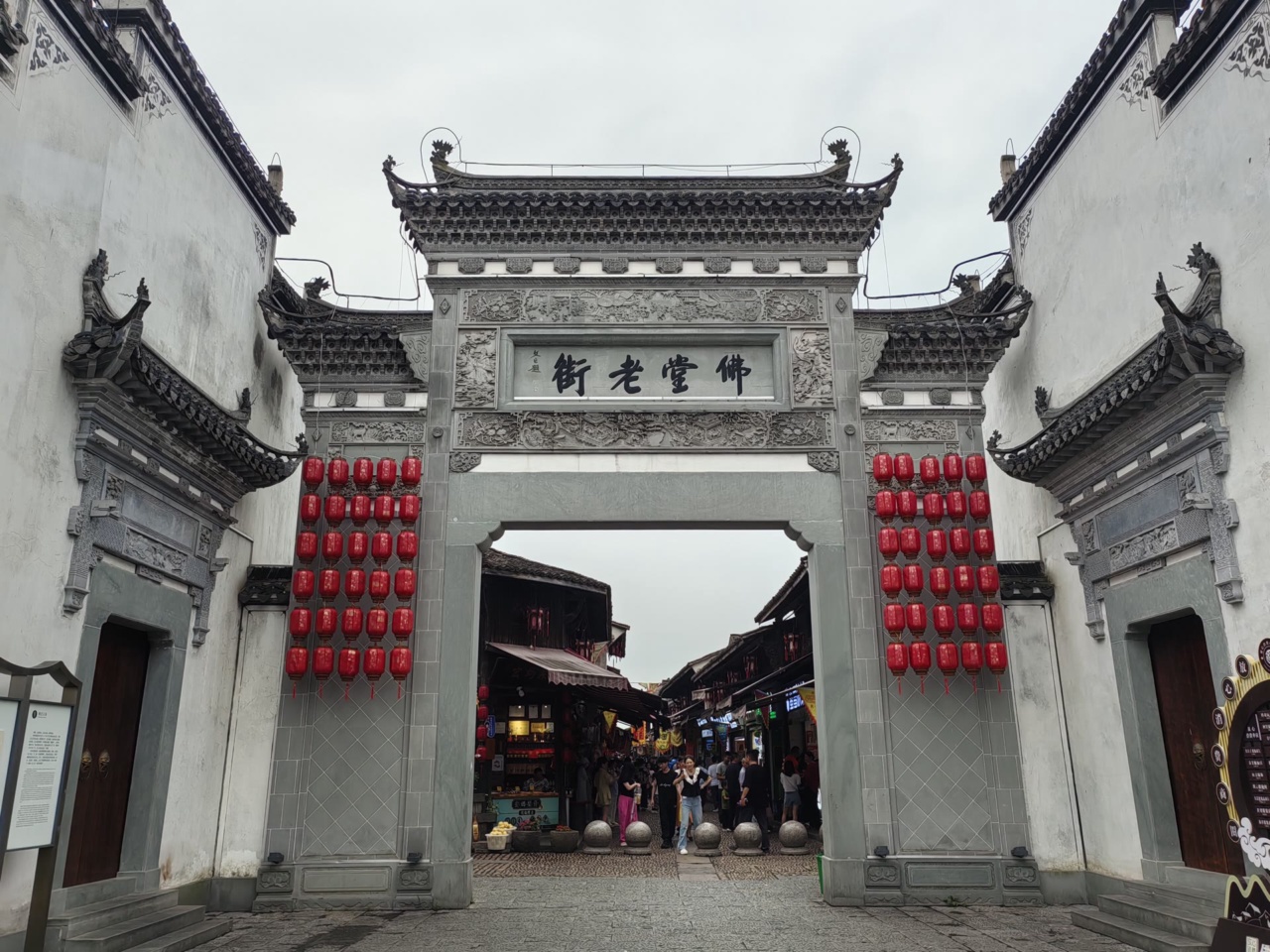
Morning: Visit Xiuhu Park and the Da'an Temple Pagoda for a peaceful morning walk. Afternoon: Take a taxi to the nearby village of Fotang. This ancient town has a beautiful old street with traditional wooden carvings and a slower pace of life. Evening: Return to the city for a high-end Chinese banquet featuring Zhejiang specialties like West Lake Vinegar Fish.
Full Day: Take a trip to Hengdian World Studios. Explore the massive palace sets and see one of the live shows on offer. Evening: Return to Yiwu and spend your final night at the Yiwu Riverfront, watching the city lights and enjoying a final meal at one of the authentic Middle Eastern restaurants in the Binwang area.
Frequently Asked Questions
Is Yiwu worth visiting?
Yiwu is worth visiting for anyone interested in global trade, the 'Made in China' phenomenon, or unique international food. It is not a traditional sightseeing city, but its sheer scale and multicultural energy make it a fascinating destination for curious travelers.
How many days do you need in Yiwu?
Two to three days are sufficient for most visitors. This allows one full day to explore the massive International Trade City, one evening for the night markets, and a day for a nearby attraction like Hengdian World Studios or Fotang Ancient Town.
Is Yiwu safe for tourists?
Yiwu is generally safe for tourists. The biggest concerns are traffic safety and occasional overcharging by unlicensed taxis. Always use regulated taxis or DiDi and follow standard precautions with your belongings in crowded markets.
Can you buy single items at the Yiwu Market?
Most stalls in the International Trade City are wholesale only and require minimum order quantities. However, some sellers will sell samples or single items, especially in the jewelry and toy sections. For single-item shopping, the Binwang Night Market is a better option.
What is the best way to pay for things in Yiwu?
Mobile payment via Alipay or WeChat Pay is the standard. Most vendors, even at street stalls, prefer this over cash. It is highly recommended to set up Alipay with an international credit card before you arrive in China.
Is English widely spoken in Yiwu?
English is common among professional traders and in high-end hotels. However, the general public and small shop owners typically only speak Mandarin. Using a translation app and having your destinations written in Chinese characters is essential for smooth travel.
When is the Yiwu Market closed?
Many traders close for the Chinese New Year holiday, so most of the market is quiet for a stretch of days or weeks around it, and individual stalls may close on other public holidays. Outside those periods the market is open daily, with hours that differ slightly by district.
What food is Yiwu famous for?
Yiwu is best known for its international food, especially the Middle Eastern, Turkish, and Indian restaurants in the Binwang area, alongside Zhejiang-style dishes in local restaurants.
Sources and background
Numbers in the text such as [1] refer to these sources.