Sources and background
Numbers in the text such as [1] refer to these sources.
- [1] Uttarakhand Tourism: The FRI Museum. Retrieved October 23, 2026.

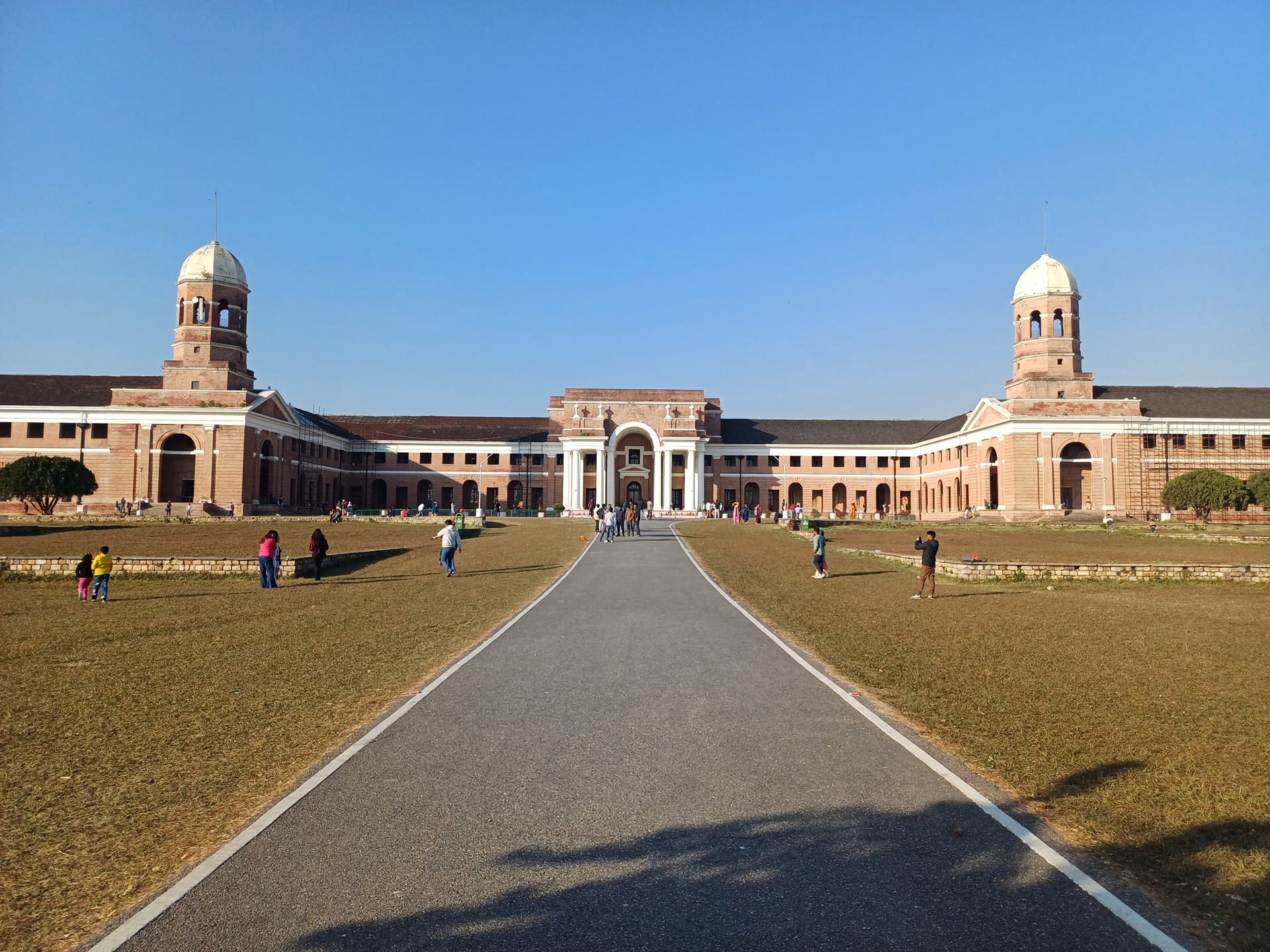
Nestled in the Doon Valley between the Himalayan foothills and the Shivalik range, Dehradun is Uttarakhand's relaxed capital city where colonial-era institutions, Buddhist monasteries, and bustling bazaars coexist beneath a canopy of sal and deodar trees.
Last updated: October 23, 2026
Best months: February to April and October
The first thing you notice about Dehradun is the air. Step off a train from Delhi and the shift is immediate: cooler, cleaner, carrying a faint sweetness from the litchi orchards and pine forests that ring the valley. At roughly 640 meters above sea level, the city sits in a broad, green bowl formed by the Tons River to the west and the Song River to the east, with the snow-streaked Himalayas visible on clear winter mornings from almost any rooftop.
Dehradun is not a place that screams for attention. It lacks the temple grandeur of Varanasi or the monument density of Jaipur. What it offers instead is a lived-in, walkable charm built over centuries as a center of education, military training, and scientific research. The Forest Research Institute, the Indian Military Academy, and the Survey of India all call this city home, lending it an intellectual, slightly old-fashioned character that feels distinct from other Indian cities of similar size.
Most travelers treat Dehradun as a transit point, spending a night before heading to Mussoorie or Rishikesh. That is a missed opportunity. Two or three days here reveal excellent Garhwali cuisine, serene Buddhist temples, lively street markets, and some of the best bakeries in northern India, a legacy of the city's boarding school culture. Dehradun suits budget travelers, culture seekers, and anyone who wants the Himalayan foothills without the tourist circus.
Dehradun is roughly linear, stretching along a northeast-southwest axis. The city center clusters around the Clock Tower (Ghanta Ghar), which anchors the main commercial area. Paltan Bazaar, the busiest market street, runs east from here toward the railway station. Rajpur Road, the city's spine, heads north from the Clock Tower toward Mussoorie, lined with restaurants, hotels, and shopping complexes.
This is the old heart of Dehradun: noisy, crowded, and full of character. Budget hotels, street food stalls, and wholesale markets dominate. Stay here if you want to be within walking distance of the railway station and the cheapest eats in town.
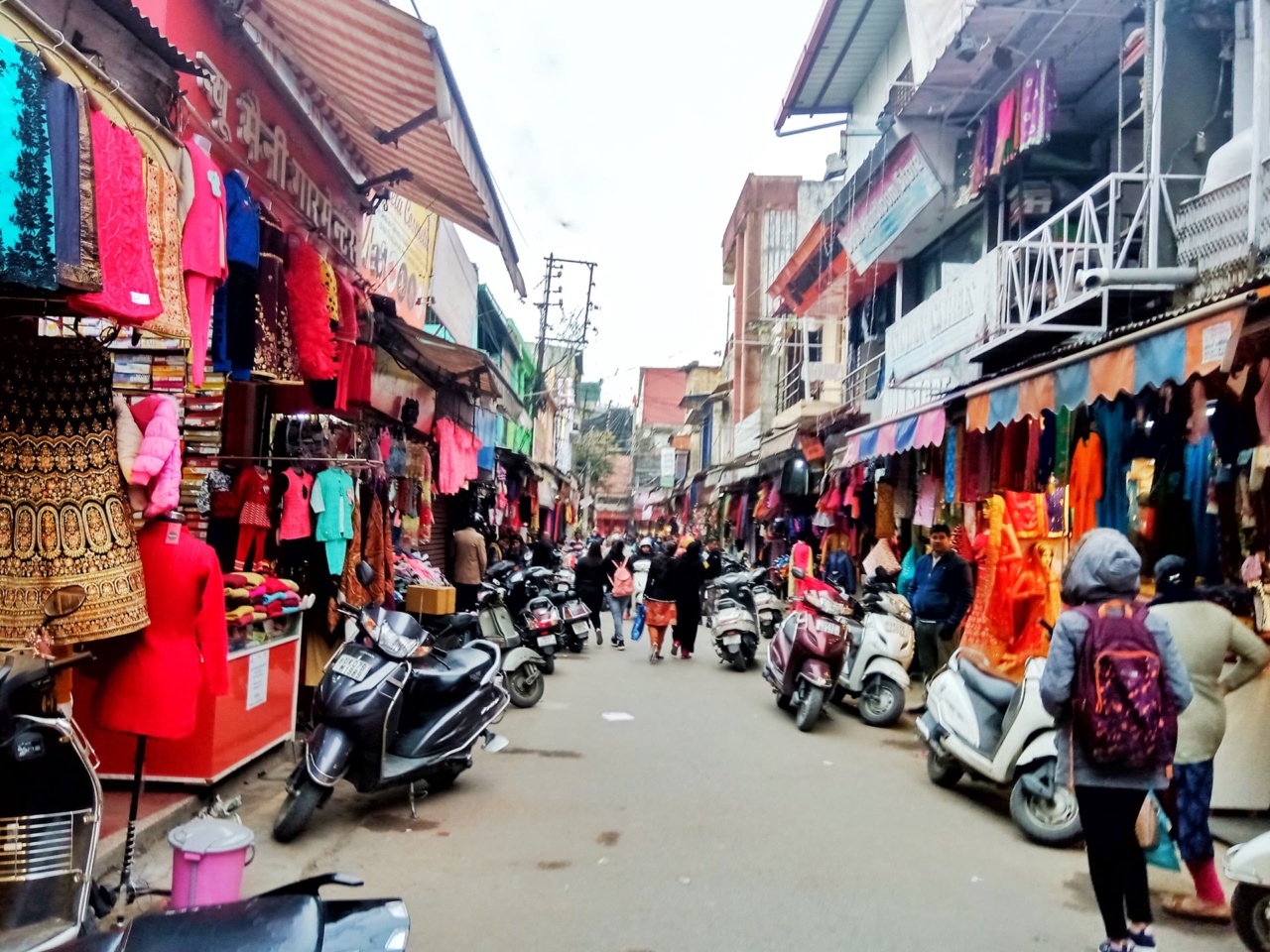
The stretch from Astley Hall to Rajpur village is where most mid-range and upscale hotels are located. Restaurants, cafes, and bakeries cluster along this road. It is the most convenient base for first-time visitors who want comfort without isolation.
Quieter residential neighborhoods east of the center. A handful of heritage guesthouses and homestays operate here, offering a more local experience. Good for families and longer stays.
Located about 10 kilometers from the center,[1] Clement Town is home to the Tibetan settlement and the Mindrolling Monastery. If you are interested in Buddhist culture, staying near here puts you within walking distance of the monastery complex and its peaceful grounds.
The Interstate Bus Terminal (ISBT) is on the western edge of the city. This area is functional rather than charming, useful only if you have an early morning bus departure.
Offers are only loaded from GetYourGuide after you click. GetYourGuide can then process your IP address and set cookies. Privacy Policy
GetYourGuide partner offers. GoAsia may earn a commission if you book through these offers. Check whether tickets or transfers are included, and follow the attraction's official booking and admission rules.
Dehradun's valley location gives it a moderate climate compared to the plains, but summers can still be warm and the monsoon brings heavy rain. The sweet spot is the post-monsoon and winter window.
| Season | Months | Weather | Crowds | Notes |
|---|---|---|---|---|
| Spring | March - April | Pleasant, 15-30C | Moderate | Litchi blossoms, clear skies, ideal for day trips |
| Summer | May - June | Warm, 25-38C | High (transit traffic to hills) | Hot afternoons but cooler than Delhi; Mussoorie-bound traffic peaks |
| Monsoon | July - September | Heavy rain, 22-32C | Low | Lush green valley, occasional landslides on hill roads |
| Autumn | October - November | Cool, clear, 12-28C | Moderate | Best visibility of Himalayan peaks; excellent weather |
| Winter | December - February | Cold, 3-18C | Low | Foggy mornings, crisp days; occasional frost; very atmospheric |
October through March is the best window overall. Diwali (October or November) brings festive energy but also firecrackers and haze. The annual Jhanda Fair at Guru Ram Rai Darbar in April draws large crowds and is worth seeing if you are in town.
Jolly Grant Airport (DED) is about 24 kilometers from the city center.[1] It handles domestic flights from Delhi, Mumbai, Bangalore, and a few other cities. A prepaid taxi from the airport to Rajpur Road costs around $8-10. There is no rail link to the airport, but shared shuttle services run sporadically.
Dehradun Railway Station sits at the eastern end of Paltan Bazaar. The Shatabdi Express from New Delhi takes about 5.5 hours and is the most comfortable option. The Nanda Devi Express is an overnight alternative. Auto-rickshaws from the station to Rajpur Road cost around $1-2.
Buses from Delhi (roughly 6-7 hours) arrive at the ISBT. Volvo AC buses run by Uttarakhand Transport Corporation and private operators cost around $6-10. For more transport options and schedules, GoAsia.cc has detailed route information.
Dehradun is manageable but not compact. The center around Clock Tower and Paltan Bazaar is walkable, but getting to Clement Town, Robber's Cave, or the Forest Research Institute requires transport.
This is Dehradun's single most impressive building. The FRI campus, built in the colonial era, features a massive red-brick structure in Greco-Roman style set within 450 hectares of gardens and experimental plantations. The museums inside cover forestry, timber, entomology, and more. The grounds are open from 09:00 to 17:30; allow about 3 hours.[1] Morning visits are best for photography when the light hits the colonnaded facade.
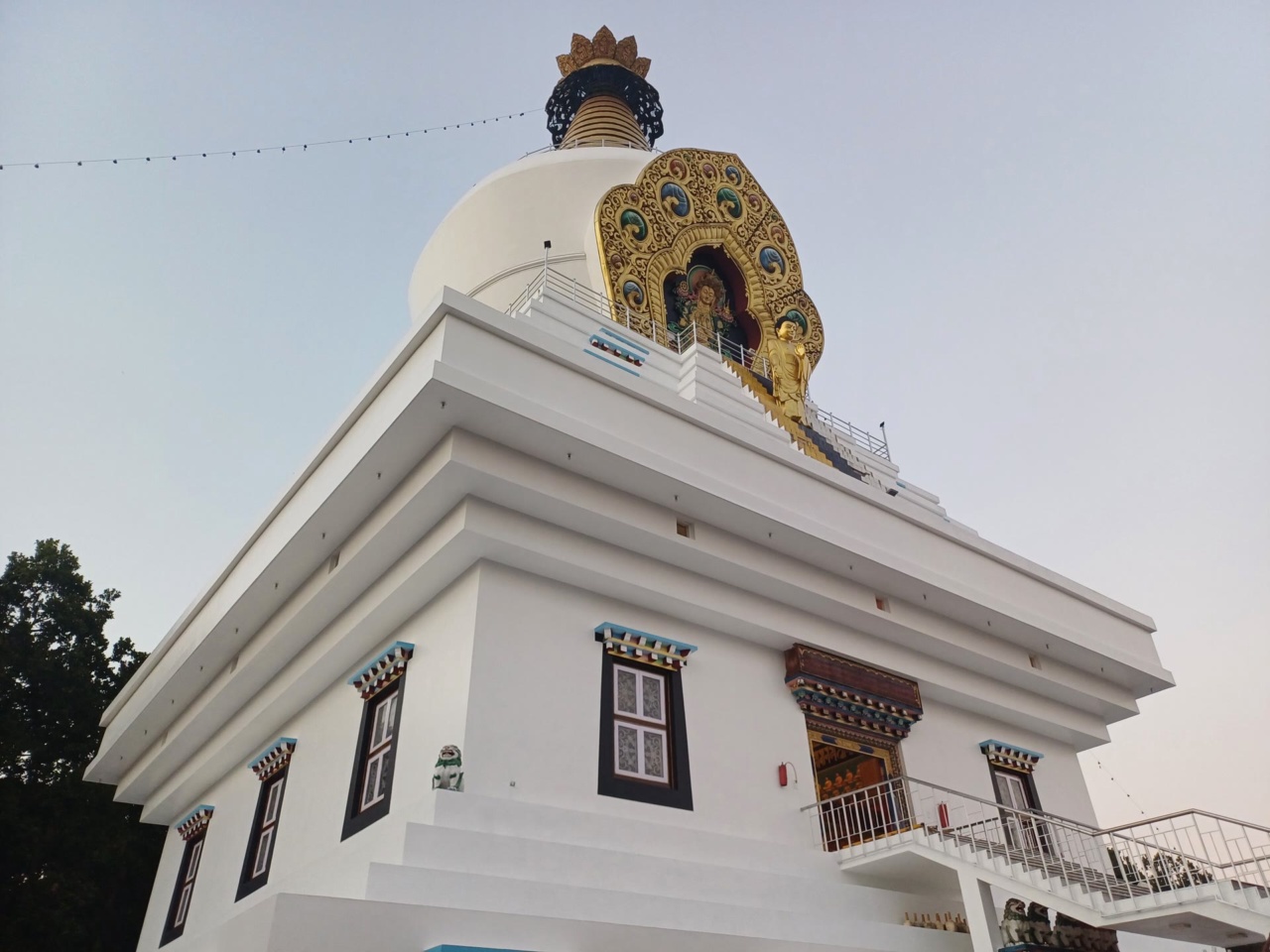
One of the largest Buddhist centers outside Tibet, located in Clement Town. A 35-meter gilded Buddha statue and several stupas with views over the valley are the highlights.[1] The Japanese-influenced garden is immaculately maintained. Free entry. Spend 1-2 hours here. Mornings are quieter, and you may hear monks chanting if you arrive before 9 AM.
A narrow limestone cave formation about 9 kilometers from the city center[1] where a stream runs through a gorge and disappears underground before re-emerging. You wade through ankle-to-knee-deep water inside the cave. It is genuinely fun and refreshingly cool, especially in warmer months. Bring waterproof sandals. Entry is around $0.50. Best visited on weekdays to avoid crowds.
A Shiva temple built inside a natural cave where water drips continuously onto the lingam from the rock above. The setting along a small stream is atmospheric. The surrounding forest is home to langur monkeys. Free entry, 30-60 minutes is sufficient.
Not a single sight but an experience. Walk the stretch from Astley Hall northward, stopping at old bakeries for bun maska and fruit cake, browsing bookshops, and sampling momos from Tibetan stalls. This is Dehradun's living room, and an evening stroll here captures the city's personality better than any monument.
A little-visited memorial on a hillock honoring both British and Gorkha soldiers who fought in the Anglo-Nepalese War of 1814-1816. The British were so impressed by Gorkha bravery that they erected a memorial to their opponents, a rare act. The hilltop offers good views of the valley. Free, 30 minutes.
A small, well-curated museum with fossils, rock samples, and exhibits explaining the formation of the Himalayas. Nerdy and wonderful. Free entry. Located on GMS Road, 30-45 minutes is enough.
About 15 kilometers from the city, this forest picnic spot has shallow pools fed by a canal running through sal forest. Popular with local families on weekends. Go on a weekday for peace. Entry around $0.30.
Sahastradhara: Marketed as a sulphur spring and waterfall destination, it has become heavily commercialized with food stalls, plastic litter, and a ropeway that leads to nothing particularly special. The water is often murky. Skip it unless you have exhausted other options.
Malsi Deer Park: A small, somewhat depressing zoo near the Mussoorie road. The enclosures are cramped and the animal variety is limited. Not worth the detour.
Tiger Falls: Despite the dramatic name, reaching this waterfall involves a long drive and a steep hike, and during dry months the flow is underwhelming. Only worthwhile immediately after the monsoon.
Dehradun's food scene punches above its weight. The city sits at the intersection of Garhwali hill cuisine, Punjabi flavors from the plains, and Tibetan influences from its refugee community. Add a legacy of British-era bakeries and boarding schools, and you get a surprisingly diverse eating landscape.
| Dish | Description | Where to Try | Typical Price |
|---|---|---|---|
| Kafuli | Thick spinach-fenugreek curry cooked in iron kadhai, a Garhwali staple | Local Garhwali restaurants near Clock Tower | $1-2 |
| Aloo ke Gutke | Boiled potatoes tempered with cumin, turmeric, and red chili, simple and addictive | Small eateries in Paltan Bazaar | $0.50-1 |
| Bal Mithai | Fudge-like sweet coated in sugar balls, originally from Almora but widely available | Sweet shops on Rajpur Road | $2-3 per box |
| Momos | Tibetan dumplings, steamed or fried, with fiery red chutney | Tibetan stalls near Rajpur Road and Clement Town | $0.50-1 |
| Bun Maska | Soft bun slathered with butter, a boarding school tradition | Old bakeries on Rajpur Road | $0.30-0.50 |
| Maggi | Instant noodles cooked with vegetables, a hill station staple elevated to art form | Roadside stalls everywhere | $0.30-0.50 |
Paltan Bazaar and Clock Tower area: The best zone for cheap, filling meals. Look for small dhabas (roadside restaurants) serving thalis for around $1-1.50. The chaat stalls here serve excellent aloo tikki and pani puri.
Rajpur Road: The mid-range dining strip. North Indian restaurants, Chinese-Indian fusion joints, pizza places, and several excellent bakeries. A full meal at a sit-down restaurant runs $3-6 per person.
Clement Town: Tibetan restaurants serve thukpa (noodle soup), tingmo (steamed bread), and momos. Meals here cost $1-3 and portions are generous.
Bakeries: Dehradun's bakery culture is genuine and old. Fruit cakes, rusks, pastries, and bread from decades-old establishments along Rajpur Road are a highlight. Do not leave without trying a slice of plum cake or a packet of Dehradun-style rusks.
Street food is generally safe in Dehradun if you stick to busy stalls with high turnover. Stick to freshly cooked items and avoid pre-cut fruit from street vendors. Drinking water should be bottled or filtered.
Paltan Bazaar and the area around the railway station have numerous budget hotels and guesthouses. Rooms are basic but functional, with attached bathrooms and fans or basic AC. Expect to pay $5-12 per night. Some backpacker hostels have opened along Rajpur Road with dorm beds for $4-6.
Rajpur Road is the sweet spot for mid-range stays. Several well-maintained hotels offer AC rooms, Wi-Fi, and on-site restaurants. A few heritage properties in Dalanwala and Race Course offer more character. Expect clean rooms, hot water, and decent breakfasts in this range.
A handful of boutique hotels and resorts sit along the Mussoorie road or on the outskirts of the city, offering valley views, gardens, and spa facilities. These are best for travelers who want a hill station atmosphere without actually going up to Mussoorie. Some properties in Rajpur village, at the northern end of Rajpur Road, combine heritage architecture with modern amenities.
Homestays are increasingly popular in Dehradun. Several families in quieter neighborhoods like Dalanwala and Vasant Vihar host guests, offering home-cooked Garhwali meals and genuine local insight. Prices range from $10-30 per night including meals. Check platforms like Airbnb or local homestay networks.
Dehradun is one of the safer cities in northern India. Violent crime against tourists is extremely rare. That said, standard precautions apply:
Cash is still king in Dehradun's smaller shops, street food stalls, and auto-rickshaws. ATMs are plentiful along Rajpur Road and near the Clock Tower. UPI payments (Google Pay, PhonePe) are widely accepted even at small vendors if you have an Indian bank account. International credit cards work at hotels and larger restaurants but not at budget eateries. Carry small denominations; breaking a 500-rupee note at a street stall can be difficult.
Tipping is not expected at budget restaurants or street stalls. At mid-range and upscale restaurants, rounding up or leaving 5-10% is appreciated. Hotel porters appreciate $0.50-1. Auto-rickshaw drivers do not expect tips.
Airtel and Jio offer the best coverage in Dehradun. You can buy a prepaid SIM at shops near the railway station or on Rajpur Road for around $3-5 with a data plan. You will need your passport and a passport-sized photo. Activation can take a few hours to a day. Most hotels and cafes offer free Wi-Fi, though speeds vary.
Hindi is the primary language. English is widely understood in hotels, restaurants along Rajpur Road, and by educated locals, but less so in bazaars and among auto-rickshaw drivers. Learning basic Hindi phrases (kitna? for how much, dhanyavaad for thank you) goes a long way. Garhwali is spoken among locals but you will not need it as a visitor.
The classic day trip, just 35 kilometers and about 1.5 hours uphill by car or shared taxi. This colonial-era hill station at 2,000 meters offers Mall Road strolling, views from Gun Hill, and the atmospheric Landour area where Ruskin Bond lives. Shared taxis from Dehradun's Mussoorie bus stand cost around $1-2 per person. Go on a weekday to avoid the weekend crush. Honestly, Mussoorie's main Mall Road is touristy and crowded, but Landour, a 20-minute walk above, is genuinely lovely with old churches, a famous bakery, and quiet forest paths.
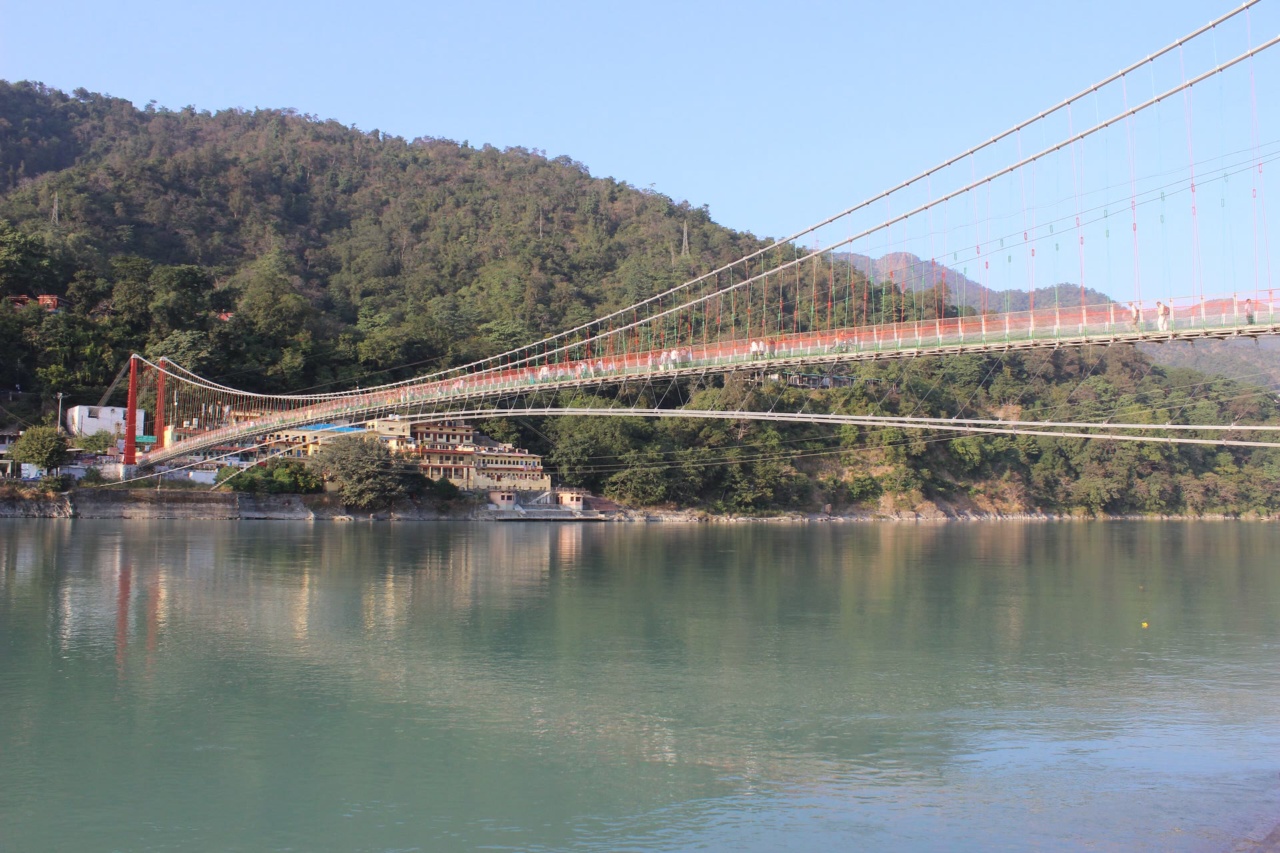
About 45 kilometers south, reachable in 1-1.5 hours by bus or taxi. Famous as the yoga capital of the world, Rishikesh offers the Lakshman Jhula and Ram Jhula suspension bridges, riverside ashrams, and white-water rafting on the Ganges. Buses from ISBT cost around $1. A full day is ideal. The north bank (Tapovan side) is more peaceful than the busy Swarg Ashram area.
About 55 kilometers south, reachable in 1.5-2 hours. One of Hinduism's seven holiest cities, Haridwar is worth visiting for the Ganga Aarti ceremony at Har Ki Pauri ghat, held every evening at sunset. The ritual of floating flower lamps on the Ganges is unforgettable. Trains and buses run frequently and cost under $1-2.
Rajaji National Park: Spread across the Shivalik foothills, this national park is home to Asian elephants, leopards, and a variety of birdlife. The Chilla range is part of the park; check the current Uttarakhand Tourism park information for gate access and opening conditions before you go. Jeep safaris cost around $15-25 per person. The park is open from mid-November to mid-June. Elephant sightings are common; tiger sightings are rare. A half-day trip is sufficient.
A quiet hill town about 90 kilometers northwest of Dehradun, at 2,100 meters. Far less visited than Mussoorie, Chakrata offers Tiger Falls (best after monsoon), deodar forests, and genuine solitude. The drive takes about 3 hours on winding roads. Best as an overnight trip, but doable as a long day trip if you start early. Shared taxis and buses run from Dehradun but are infrequent; hiring a private car (around $30-40 round trip) is more practical.
Morning: Start at the Forest Research Institute. Arrive by 9:30 AM to beat school groups. Spend 2-3 hours exploring the museums and photographing the stunning architecture. Grab a cup of chai from the stall near the entrance gate.
Afternoon: Head to Paltan Bazaar for lunch at a local thali restaurant. Walk through the market, browsing spice shops and fabric stalls. Continue to the Clock Tower area for chaat and street food tasting.
Evening: Walk along Rajpur Road, stopping at an old bakery for bun maska and cake. Have dinner at a Garhwali restaurant on Rajpur Road, trying kafuli and aloo ke gutke. If you are up for it, catch a Bollywood film at one of the local cinemas for a quintessentially Indian experience.
Morning: Take an auto-rickshaw or Ola to Mindrolling Monastery in Clement Town. Spend 1.5-2 hours exploring the Great Stupa, gardens, and the small shops selling Tibetan crafts. Have a Tibetan breakfast of thukpa or tingmo at a nearby restaurant.
Afternoon: Head to Robber's Cave. Wade through the gorge, enjoy the cool water, and have a simple lunch at the stalls outside. Then visit Tapkeshwar Temple on the way back, a natural pairing since both are on the same side of the city.
Evening: Return to Rajpur Road for momo hunting. Try both steamed and fried varieties from different stalls. Pick up a box of bal mithai as a souvenir from a sweet shop.
Morning: Catch a shared taxi to Mussoorie from the Mussoorie bus stand (depart by 8 AM to beat traffic). Head directly to Landour rather than Mall Road. Walk the Landour loop, stopping at the famous bakery for walnut brownies and lemon tarts. Explore the old churches and enjoy the Himalayan views.
Afternoon: Descend to Mussoorie's Mall Road for lunch. Walk to Gun Hill viewpoint (cable car available) for panoramic views. Browse the shops if you enjoy that sort of thing, but do not expect anything you cannot find elsewhere.
Evening: Return to Dehradun by shared taxi or bus. Have a farewell dinner at a well-regarded restaurant on Rajpur Road. If departing the next morning, pack and arrange your transport the night before.
| Category | Budget | Mid-Range | Comfort |
|---|---|---|---|
| Accommodation | $5-10 | $20-35 | $50-100 |
| Food | $3-5 | $8-12 | $15-25 |
| Transport | $1-3 | $5-8 | $10-20 |
| Activities | $1-2 | $3-5 | $5-10 |
| Daily Total | $10-20 | $36-60 | $80-155 |
Dehradun is genuinely affordable. Budget travelers can eat well and see everything for under $20 a day. The biggest variable is accommodation: splurging on a heritage property or valley-view resort pushes costs up significantly, but the city's food and transport remain cheap at every level. Bargain in auto-rickshaws, eat where locals eat, and your money will stretch remarkably far.
Absolutely, especially if you appreciate a relaxed city with good food, colonial-era architecture, and easy access to the Himalayas. It is not a monument-heavy destination, but the Forest Research Institute, Mindrolling Monastery, and the city's bakery and street food culture make it a rewarding stop. It also serves as an ideal base for day trips to Mussoorie, Rishikesh, and Haridwar.
Two to three days is ideal. One full day covers the city's main sights, a second day can include Robber's Cave, Clement Town, and deeper food exploration, and a third day is perfect for a day trip to Mussoorie or Rishikesh. If you are only transiting, even one full day reveals enough to make the stop worthwhile.
Dehradun is considered one of the safer cities in northern India. Violent crime against tourists is very rare. The main concerns are auto-rickshaw fare inflation and minor pickpocketing in crowded bazaars. Solo female travelers generally report feeling comfortable, though standard precautions about traveling after dark in quiet areas apply.
October through March offers the best weather, with clear skies, cool temperatures, and occasional Himalayan views. Spring (March-April) is also pleasant. Avoid July through September if possible, as heavy monsoon rains can cause landslides on hill roads and make outdoor activities less enjoyable.
Dehradun is known for Garhwali dishes like kafuli (spinach-fenugreek curry) and aloo ke gutke (spiced potatoes), Tibetan momos from the Clement Town community, and old-school bakery items like bun maska, fruit cake, and rusks. The bal mithai sweet and Maggi noodles from roadside stalls are also local staples.
Not at all. Dehradun is one of the more affordable cities in India for travelers. Budget travelers can manage on $10-20 per day including accommodation, food, and transport. Even mid-range travelers spending $40-60 daily will eat very well and stay comfortably.
Shared taxis and buses depart frequently from the Mussoorie bus stand in Dehradun. The 35-kilometer journey takes about 1.5 hours uphill. Shared taxis cost around $1-2 per person, while a private taxi runs roughly $8-12 one way. Weekday mornings have lighter traffic than weekends.
No, tap water in Dehradun is not safe for tourists to drink. Stick to sealed bottled water or use a filtered water bottle. Most hotels provide complimentary bottled water. Avoid ice in street-side drinks unless you are confident it is made from purified water.
English is understood at hotels, restaurants on Rajpur Road, and by many educated locals, thanks to the city's strong boarding school and university culture. However, auto-rickshaw drivers, market vendors, and people in smaller neighborhoods primarily speak Hindi. A few basic Hindi phrases will make daily interactions much smoother.
Rajpur Road is the best all-around choice, offering easy access to restaurants, bakeries, and transport connections. Budget travelers should consider Paltan Bazaar near the railway station. Those interested in Buddhist culture will enjoy staying near Clement Town, close to the Mindrolling Monastery.
Numbers in the text such as [1] refer to these sources.