
Contents
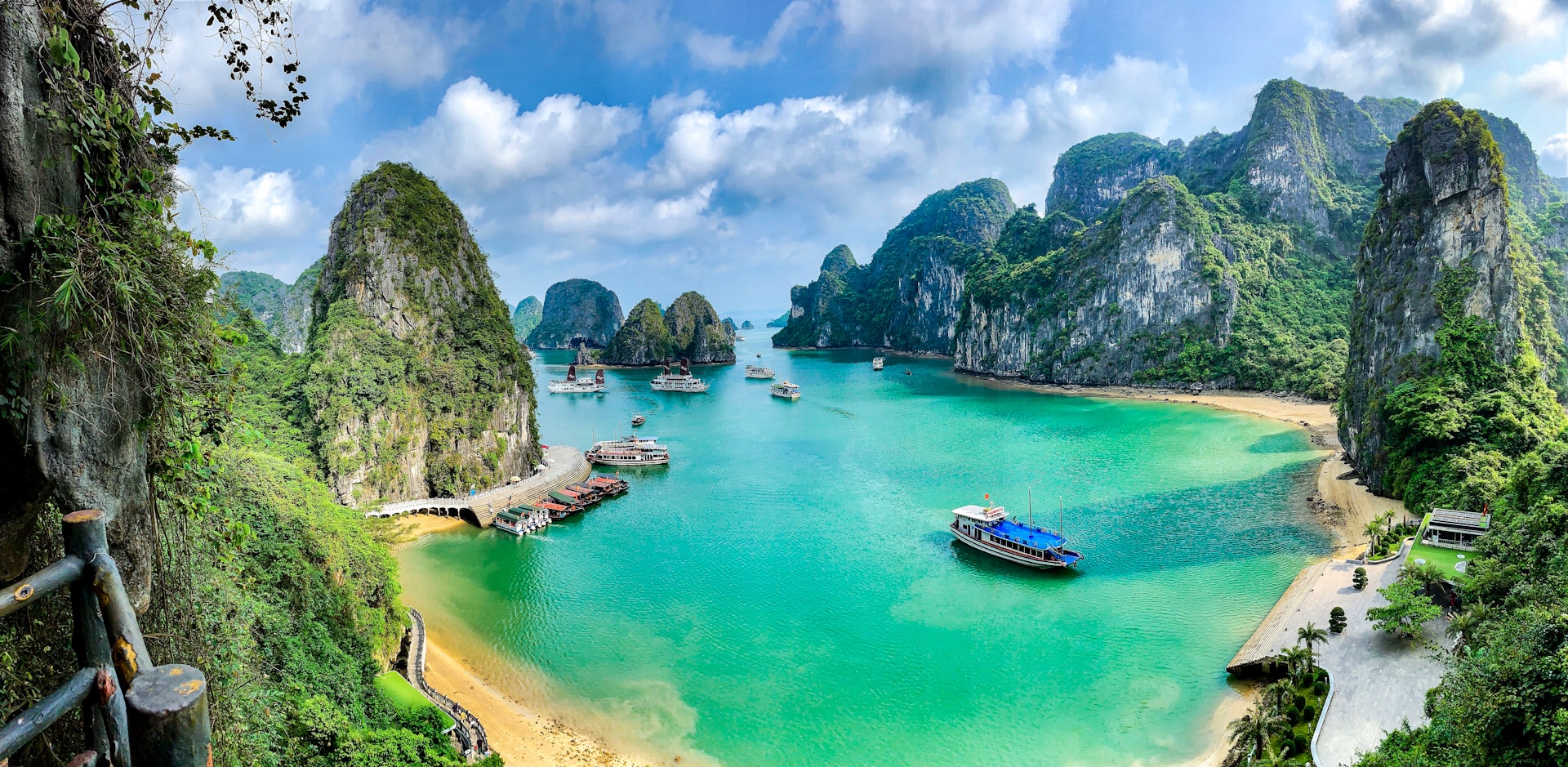
Leaving behind the limestone karsts of Lan Ha Bay for the mist-shrouded peaks of the Hoang Lien Son mountains is one of the most dramatic geological shifts you can experience in Northern Vietnam. The journey takes you from the humid, salty air of Cat Ba Island, across the Red River Delta, and deep into the rugged highlands where terraced rice fields replace the emerald waters of the Gulf of Tonkin.
This route is a significant undertaking that requires crossing from an island to the mainland before heading northwest toward the Chinese border. While the distance is considerable, the infrastructure in Northern Vietnam has improved significantly, making it possible to complete the trip in a single day or via an overnight journey that saves you a night on accommodation. You can easily browse and book tickets for this entire route on GoAsia.cc to ensure your seat is secured before you leave the island.
Cat Ba to Sapa by Bus
The bus is the most popular way to traverse this route, offering a variety of comfort levels ranging from standard sleepers to high-end luxury cabins. Most operators provide a combined ticket that includes the ferry or speedboat transfer from Cat Ba Island to the mainland (usually via Hai Phong), followed by a long-distance bus journey to Sapa. This seamless connection is highly recommended as it removes the stress of coordinating multiple independent legs.
VIP Cabin and Royal Cabin Buses
For those seeking the highest level of comfort on a long journey, the VIP Cabin or Royal Cabin buses are the gold standard. These vehicles feature private or semi-private compartments with reclining beds, USB charging ports, and sometimes even personal entertainment screens. These tickets typically range from $30 to $49. The journey duration varies between 9 and 13 hours depending on the specific route and the number of stops. Many travelers opt for the evening departures to sleep through the transit and wake up in the cool mountain air of Sapa.
VIP Sleeper and Standard Sleeper Buses
A slightly more budget-friendly option is the VIP 34 or standard Sleeper bus. These feature three rows of bunk-style beds. While they offer less privacy than the individual cabins, they are perfectly adequate for a long haul. Prices for these services start as low as $20, making it the most economical way to reach the mountains. Some routes involve a transfer at Hai Phong or Lao Cai, where you might switch from a smaller shuttle or ferry to the larger sleeper bus that handles the highway leg of the trip.
Cat Ba to Sapa by Private Transfer
If you are traveling in a group or simply prefer the convenience of a door-to-door service, a private transfer is the most flexible option. This service typically originates from Hai Phong, meaning you would take the local ferry from Cat Ba to the mainland to meet your driver. Private transfers are significantly faster than buses, often completing the trip in about 7 to 8 hours.
Prices for a private vehicle range from $226 to $356 depending on the vehicle type. Options include standard sedans for up to 3 passengers, SUVs for 4 to 5 people, and larger minivans or 14-pax minibuses for big groups. This is an excellent choice for families or those who want to avoid the fixed schedules of public transport and enjoy the ability to stop for breaks or photos along the way.
Comparing Your Options
| Mode | Price (USD) | Duration | Comfort |
|---|---|---|---|
| Standard/VIP Bus | $20 - $40 | 9h - 13h 30min | Moderate |
| VIP/Royal Cabin Bus | $30 - $49 | 9h - 12h | High |
| Private Transfer | $226 - $356 | 7h 10min - 7h 50min | Very High |
Tips for Traveling from Cat Ba to Sapa
- Book in Advance: This is a popular route, especially during the trekking season in Sapa. Secure your tickets early on GoAsia.cc to get the better cabin berths.
- Prepare for Temperature Changes: Cat Ba is often tropical and warm, while Sapa can be quite chilly, especially at night or during the winter months. Keep a jacket or sweater in your carry-on bag.
- Motion Sickness: While the highway from Hanoi to Sapa is smooth, the final climb into the mountains involves winding roads. If you are prone to motion sickness, consider taking medication before the final leg.
- Luggage: On sleeper buses, your large bags will be stored in the hold. Keep your valuables, passport, and electronics in a smaller bag that stays with you at your seat or in your cabin.
- Arrival in Sapa: Most buses drop passengers off at the Sapa bus station or near the lake. From there, it is a short taxi or motorbike taxi ride to most central hotels and homestays.
Frequently Asked Questions
Use the booking tool on this page to compare the transport options currently available from Cat Ba to Sapa, including current prices and schedules.
The cheapest way to travel is by bus, with prices starting at approximately $20 for a VIP Sleeper or standard sleeper service. These budget-friendly options usually depart from Hai Phong or include the ferry transfer from the island.
The fastest way to reach Sapa is by private transfer, which takes between 7 hours and 10 minutes to 7 hours and 50 minutes. This option bypasses the frequent stops made by public buses.
The journey typically takes between 9 and 13 hours by bus, depending on the operator and the type of vehicle. A private car is faster, taking under 8 hours on average.
Yes, there are several overnight options, particularly the VIP Cabin and Sleeper buses that depart in the late afternoon or evening. These allow you to sleep during the long transit and arrive in Sapa the following morning.
Many operators offering services from Dao Cat Ba include the speedboat or ferry transfer in their total price. However, always check the specific class description when booking to ensure the island-to-mainland transfer is covered.
A VIP Cabin provides a private or semi-enclosed space with a flat bed and more amenities, while a standard Sleeper features open bunks in a shared cabin. The VIP Cabin offers significantly more privacy and comfort for the 10-hour journey.
Guide prices and journey times are indicative, not live quotes. A booked package may include transfers and waiting time as well as the main journey. Check the selected offer, pickup point and current conditions before booking.