
When to go
Climate and best time for Mui NeBest months: December to April
- January: Great. 30 °C by day, 22 °C at night, 22 mm of rain
- February: Great. 30 °C by day, 22 °C at night, 6 mm of rain
- March: Great. 31 °C by day, 23 °C at night, 8 mm of rain
- April: Great. 33 °C by day, 25 °C at night, 35 mm of rain
- May: Good (a lot of rain). 32 °C by day, 25 °C at night, 158 mm of rain
- June: Good (a lot of rain). 31 °C by day, 25 °C at night, 151 mm of rain
- July: Good (a lot of rain). 30 °C by day, 24 °C at night, 176 mm of rain
- August: Good (a lot of rain). 30 °C by day, 24 °C at night, 140 mm of rain
- September: Good (a lot of rain). 31 °C by day, 24 °C at night, 162 mm of rain
- October: Good (a lot of rain). 31 °C by day, 24 °C at night, 174 mm of rain
- November: Good (typhoon risk). 31 °C by day, 23 °C at night, 70 mm of rain
- December: Great. 30 °C by day, 22 °C at night, 48 mm of rain
- Great
- Good
- Mixed
- Poor
Contents
- 1. Orientation and Neighborhoods
- 1.1 Mui Ne Village (East End)
- 1.2 Central Tourist Strip
- 1.3 Western Resort Zone (Toward Phan Thiet)
- 1.4 Phan Thiet City
- 2. Best Time to Visit
- 3. Getting There and Getting Around
- 3.1 Getting to Mui Ne
- 3.2 Getting Around Mui Ne
- 4. Top Sights and Experiences
- 4.1 Must-See Attractions
- 4.2 Red Sand Dunes (Doi Cat Hong)
- 4.3 White Sand Dunes (Bau Trang)
- 4.4 Mui Ne Fishing Village
- 4.5 Fairy Stream (Suoi Tien)
- 4.6 Kitesurfing and Windsurfing
- 4.7 Lesser-Known Gems
- 4.8 Ta Cu Mountain and Reclining Buddha
- 4.9 Ke Ga Lighthouse
- 4.10 Fish Sauce Factories
- 4.11 Overrated Attractions
- 5. Food and Drink
- 5.1 Signature Dishes
- 5.2 Where to Eat
- 6. Where to Stay
- 6.1 Budget (Under $20 per night)
- 6.2 Mid-Range ($20-60 per night)
- 6.3 Upscale ($60-150+ per night)
- 7. Practical Tips
- 8. Day Trips
- 8.1 Ta Cu Mountain
- 8.2 Ke Ga Lighthouse
- 8.3 Phan Rang and Ninh Chu Beach
- 8.4 Cat Tien National Park
- 8.5 Ho Chi Minh City
- 9. Sample 3-Day Itinerary
- 9.1 Day 1: Dunes and Village
- 9.2 Day 2: Wind, Water, and Relaxation
- 9.3 Day 3: Day Trip and Farewell
- 10. Budget Overview
- 11. Frequently Asked Questions
The first thing that strikes you about Mui Ne is the wind. From November through March, steady gusts barrel across the South China Sea and rake the coastline, turning this otherwise sleepy fishing town into Southeast Asia's premier kitesurfing destination. Colorful kites dot the sky above the waves, while just inland, enormous dunes of red and white sand ripple like a pocket Sahara dropped onto the Vietnamese coast.
Mui Ne is not a single compact town but rather a 15-kilometer stretch of coastal road (Nguyen Dinh Chieu) running between the traditional fishing village of Mui Ne proper to the east and the small city of Phan Thiet to the west. Most travelers base themselves somewhere along this strip, where resorts, guesthouses, restaurants, and kite schools sit shoulder to shoulder facing the sea. The vibe is distinctly more relaxed than Nha Trang or Da Nang, with fewer high-rises and a rougher, more authentic edge.
This is a destination that rewards travelers who appreciate contrasts. You can wake up to watch fishermen haul in their catch at dawn, spend the afternoon sandboarding down massive dunes, eat a seafood feast for a fraction of Western prices, and fall asleep to the sound of waves. Mui Ne works well for couples, solo adventurers, kitesurfing enthusiasts, and anyone who wants a beach break that offers more than just a lounger and a cocktail.
A word of honesty: Mui Ne's main beach has suffered from erosion in recent years, and not every stretch is postcard-perfect. Some sections are rocky or narrow, and the water can be rough. But the dunes, the seafood, the wind sports, and the general atmosphere more than compensate, especially if you choose your accommodation wisely.
Orientation and Neighborhoods
Understanding Mui Ne's layout is simple because nearly everything sits along one road. Think of it as a long, thin line hugging the coast.
Mui Ne Village (East End)
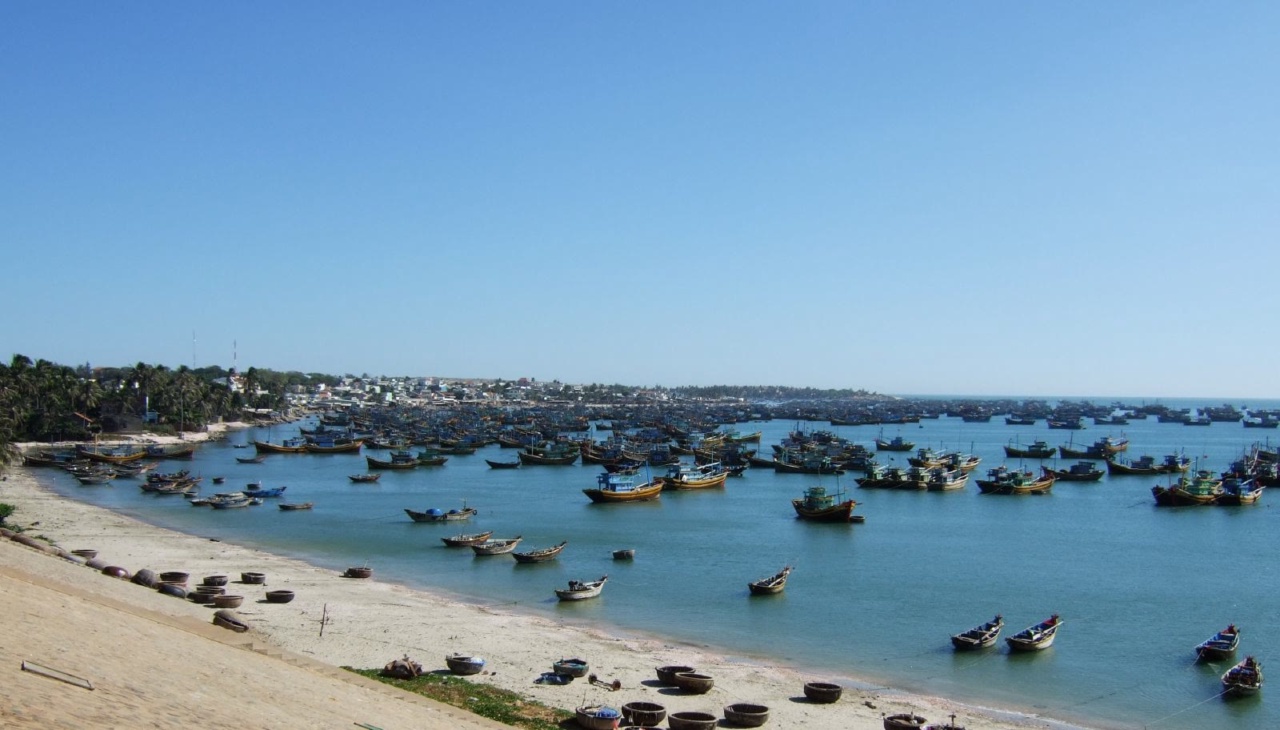
The original fishing village sits at the eastern tip of the strip. This is where you will find the iconic fishing harbor crammed with hundreds of colorful round basket boats (thung chai). It is gritty, authentic, and not touristy at all. There is little accommodation here, but it is essential to visit for the atmosphere and the freshest seafood.
Central Tourist Strip
The middle section of Nguyen Dinh Chieu is where most hotels, restaurants, kite schools, and bars cluster. Budget guesthouses and mid-range resorts line both sides of the road. This is the most convenient base, with easy access to food, nightlife (such as it is), and the beach. The beach quality varies block by block, so check your hotel's frontage before booking.
Western Resort Zone (Toward Phan Thiet)
Heading west toward Phan Thiet, you will find larger, more upscale resorts with private beach sections that tend to be better maintained. This area is quieter and more isolated, ideal for families or couples seeking a resort experience. You will need a motorbike or taxi to reach restaurants and shops in the central strip.
Phan Thiet City
The provincial capital sits about 10 kilometers west of the tourist strip. It has a local market, hospitals, ATMs, and everyday Vietnamese city life. Most travelers only pass through, but it is useful for supplies and a glimpse of non-touristy Vietnam.
Things to Do
Offers are only loaded from GetYourGuide after you click. GetYourGuide can then process your IP address and set cookies. Privacy Policy
GetYourGuide partner offers. GoAsia may earn a commission if you book through these offers. Check whether tickets or transfers are included, and follow the attraction's official booking and admission rules.
Best Time to Visit
Mui Ne has a semi-arid microclimate that makes it one of the driest spots in Vietnam, receiving far less rain than Ho Chi Minh City or the central coast. This is partly why the sand dunes exist at all.
| Season | Months | Weather | Crowds | Notes |
|---|---|---|---|---|
| Dry / Windy | Nov - Mar | Warm, strong winds, minimal rain, 27-32C | High | Peak kitesurfing season; best overall weather |
| Hot / Transitional | Apr - May | Very hot (35C+), winds dying down, occasional showers | Moderate | Good for beach lounging; too calm for kiting |
| Wet Season | Jun - Oct | Afternoon storms, humid, calmer seas | Low | Cheapest prices; rain is usually brief; dunes still accessible |
The sweet spot for most travelers is November through February, when the weather is warm but not scorching, rain is rare, and the wind is perfect for kite and windsurfing. If you specifically want to kitesurf, this window is non-negotiable. For budget travelers happy to skip wind sports, the wet season offers significant discounts (often 40-50% off accommodation) and the rain rarely ruins a full day.
Tet (Vietnamese Lunar New Year, usually late January or early February) brings domestic tourists in droves. Prices spike and hotels fill up, so book well ahead or avoid that week entirely.
Getting There and Getting Around
Getting to Mui Ne
Mui Ne does not have its own airport. The nearest option is Cam Ranh Airport (near Nha Trang), roughly 250 kilometers north, but the most common gateway is Ho Chi Minh City (Tan Son Nhat Airport), about 200 kilometers southwest. From HCMC, the most popular options are:
- Tourist bus/sleeper bus: Multiple operators run daily services taking roughly 5-6 hours. Expect to pay around $8-12 for a sleeper bus. This is the most popular budget option.
- Private car/transfer: Around $60-80 for a private car, cutting travel time to about 4 hours. Many resorts can arrange this.
- Train: Take the train from HCMC to Phan Thiet station (about 4 hours), then a taxi or bus the remaining 15 kilometers to the tourist strip. Train tickets cost around $8-15 depending on class. You can find schedules and more transport details on GoAsia.cc.
Getting Around Mui Ne
The tourist strip is a single long road, which makes navigation easy but distances deceptive. Walking between the central strip and the dunes or fishing village is not practical.
- Motorbike rental: The most popular option, costing around $5-8 per day for a semi-automatic scooter. The coastal road is straightforward, but watch for sand on the road and erratic traffic. An International Driving Permit is technically required.
- Grab (ride-hailing): Available but with fewer drivers than in major cities. A Grab bike ride along the strip costs roughly $1-3. Grab cars are less common.
- Taxi: Mai Linh taxis are reliable. A ride from one end of the strip to the other costs around $4-6.
- Hotel shuttle: Many resorts offer free or cheap shuttles to the central strip.
Walkability is limited to your immediate neighborhood. For the dunes, fishing village, and Fairy Stream, you will need wheels.
Top Sights and Experiences
Must-See Attractions
Red Sand Dunes (Doi Cat Hong)
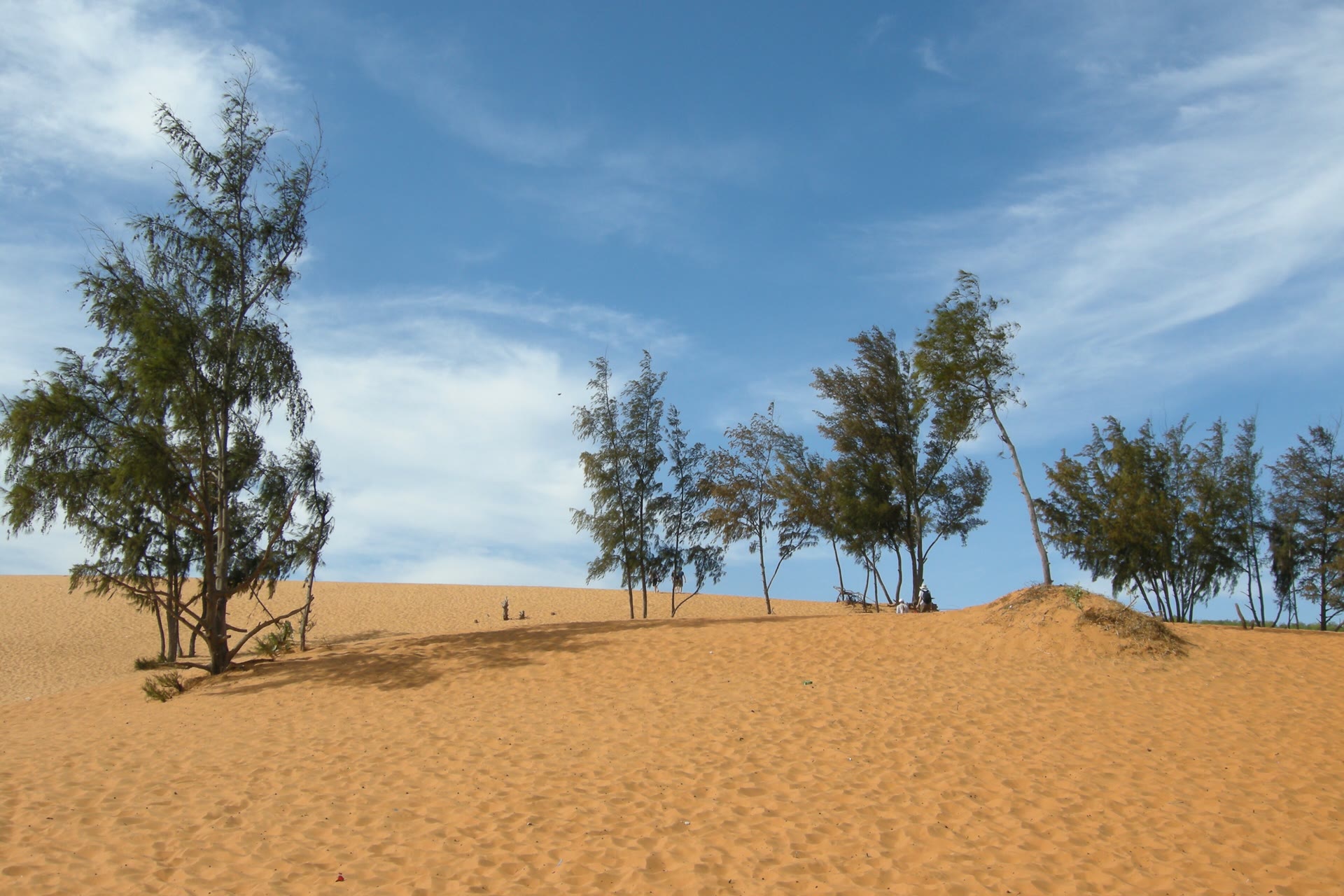
Located just north of the tourist strip near Mui Ne village, these dunes glow a deep terracotta color, especially at sunrise and sunset. Entry is free. Local children will offer to rent you a plastic sled for sandboarding (around $2-3, or you can bring a piece of cardboard). The dunes are not enormous but are photogenic and easily accessible. Visit at sunrise for the best light and fewer people. Budget about 30-45 minutes.
White Sand Dunes (Bau Trang)
About 30 kilometers northeast of the tourist strip, these are the real showstoppers: vast, Sahara-like expanses of pale sand surrounding a lotus-filled freshwater lake. You can rent an ATV (around $15-25 for 15-20 minutes) to tear across the dunes, or simply hike them on foot. Arrive at sunrise to avoid the heat and tour groups. The drive out takes about 40 minutes by motorbike. Budget 1.5-2 hours for the visit. There is an unofficial entrance fee of around $1-2.
Mui Ne Fishing Village
The harbor at the eastern end of the strip is a sensory overload: hundreds of round basket boats bobbing in turquoise water, fishermen sorting their catch, and the pungent smell of fish sauce production nearby. Go early morning (around 5:30-7:00 AM) when the boats return. This is a working village, not a tourist attraction, so be respectful with your camera. Free to visit.
Fairy Stream (Suoi Tien)
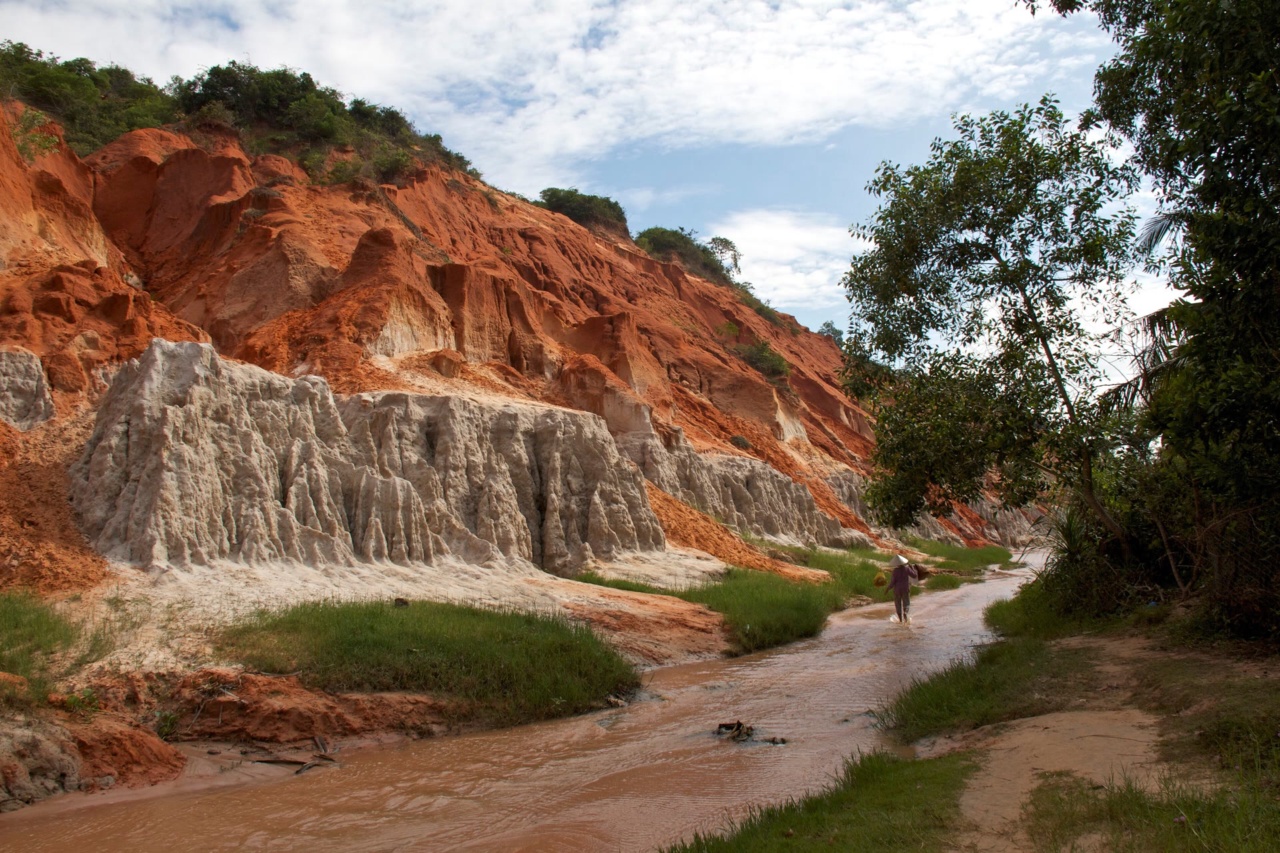
A shallow, ankle-deep stream that you wade through barefoot between walls of red and white sandstone eroded into fantastical shapes. The walk takes about 30-40 minutes one way. Remove your shoes at the entrance and carry them. The stream ends at a small waterfall. Entry is around $1. Go in the morning before it gets hot. It is genuinely unique and worth the visit despite the somewhat tacky name.
Kitesurfing and Windsurfing
Mui Ne is Vietnam's undisputed capital of wind sports. From November to March, consistent 15-25 knot winds create ideal conditions. Multiple schools along the strip offer beginner courses (typically $60-80 for a 2-hour introductory lesson) and multi-day packages. Even if you do not participate, watching dozens of kites dancing above the waves is mesmerizing. The main kite beach is in the central part of the strip.
Lesser-Known Gems
Ta Cu Mountain and Reclining Buddha
About 30 kilometers south of Phan Thiet, this mountain hosts a 49-meter reclining Buddha statue, one of the largest in Southeast Asia. You can take a cable car up (around $7 round trip) or hike the trail in about 1.5 hours. The views over the coast and countryside are excellent. Few international tourists make the trip, so it feels peaceful and local.
Ke Ga Lighthouse
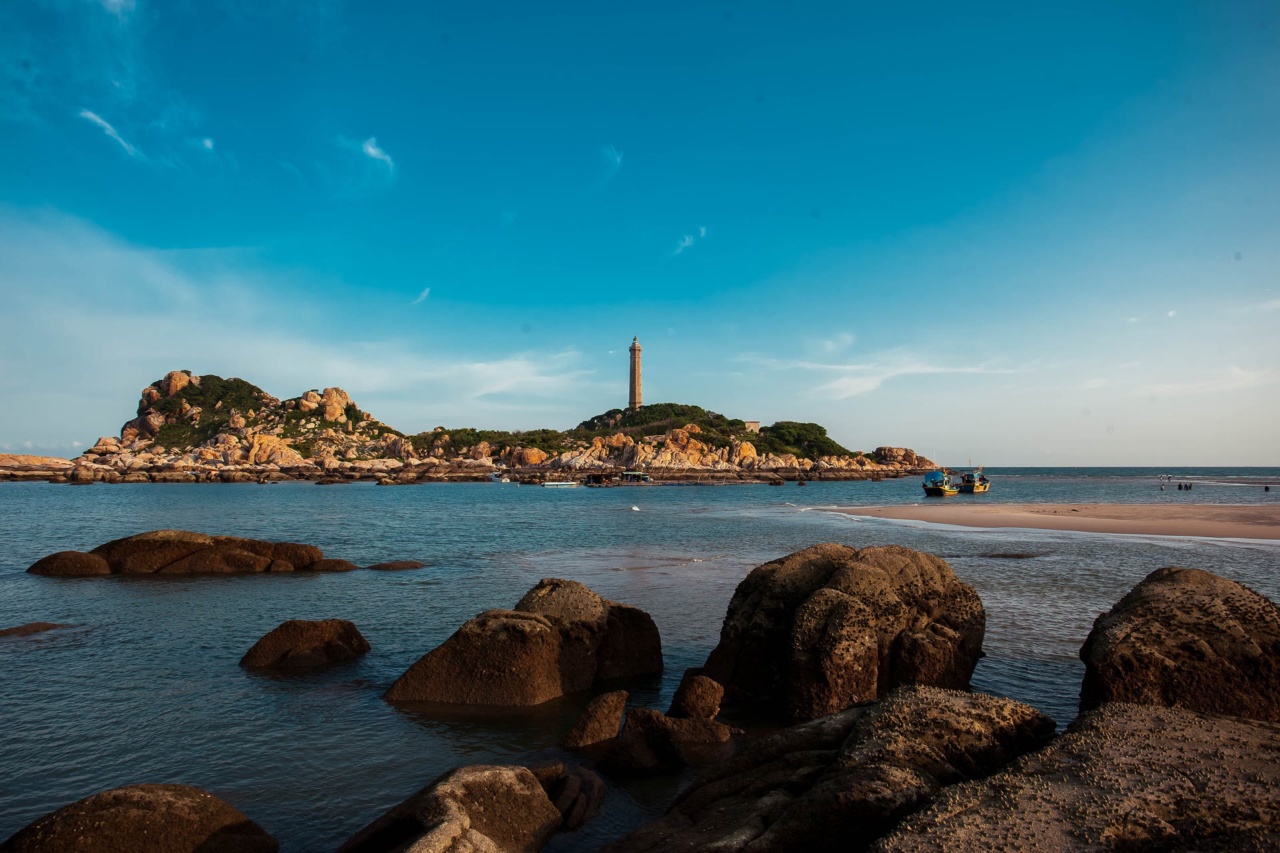
Vietnam's oldest lighthouse sits on a small rocky island about 30 kilometers south of Phan Thiet, roughly 45 kilometers from the Mui Ne strip. Built by the French in the late 1800s, it is reached by a short boat ride from the shore (around $2-3). The surrounding beach is quiet and undeveloped. It makes for a pleasant half-day excursion, especially combined with Ta Cu Mountain.
Fish Sauce Factories
Phan Thiet is one of Vietnam's fish sauce production centers. A few small factories near the fishing village welcome visitors. The smell is intense, but it is a fascinating look at how Vietnam's most essential condiment is made. Free, though you will likely buy a bottle on the way out.
Overrated Attractions
Poshanu Cham Towers: These small Cham temple ruins on a hill west of the strip are mildly interesting for their historical significance but underwhelming compared to the Cham sites in My Son or Nha Trang. The towers are small, and the site can be covered in 15 minutes. Only visit if you are passing by.
ATV tours of the white dunes at midday: Many tour packages dump you at the White Sand Dunes at 10-11 AM when the heat is brutal and the light is flat. The ATV experience itself is fun but overpriced in organized tours. Rent a motorbike and go independently at sunrise instead.
Sunset cocktails at beachfront bars: Mui Ne's coastline faces east-southeast, meaning you do not actually get dramatic ocean sunsets from most of the strip. The dunes are a far better sunset spot.
Food and Drink
Mui Ne and Phan Thiet are seafood towns first and foremost. The fishing fleet brings in fresh catch daily, and prices remain remarkably low for the quality.
Signature Dishes
| Dish | Description | Where to Try | Typical Price |
|---|---|---|---|
| Banh canh cha ca | Thick tapioca noodle soup with fish cake, a Phan Thiet specialty | Local noodle shops in Phan Thiet or along the strip | $1-2 |
| Grilled seafood (hai san nuong) | Fresh prawns, squid, clams, and fish grilled over charcoal | Seafood restaurants near the fishing village | $5-15 per person depending on selection |
| Banh khot | Crispy mini savory pancakes topped with shrimp, eaten with herbs and fish sauce | Street stalls and local restaurants | $1-2 for a plate |
| Lau ca (fish hotpot) | Communal hotpot with fresh fish, vegetables, and rice noodles | Seafood restaurants along the strip | $8-15 for two people |
| Nuoc mam (fish sauce) | Phan Thiet's famous fish sauce, used as a condiment everywhere | Every meal, or buy bottles at the market | $1-3 per bottle |
Where to Eat
The central tourist strip has dozens of restaurants catering to international visitors, with menus in English ranging from Vietnamese to Russian (a legacy of the large Russian tourist community that frequented Mui Ne for years). Quality varies wildly. For the best seafood value, head to the cluster of open-air restaurants near the fishing village where locals eat. Point at the live tanks, choose your fish or shellfish, and specify how you want it cooked (grilled is usually the best bet).
Street food is less prevalent along the tourist strip than in Vietnamese cities, but venture into Phan Thiet's central market area for banh canh, banh mi, and other local staples at rock-bottom prices. Breakfast at your hotel is convenient, but a banh mi from a street cart for around $0.50-1 is hard to beat.
For a mid-range meal at a tourist-oriented restaurant, expect to pay around $5-10 per person. Upscale resort dining runs $15-30 per person. A budget traveler eating local food can easily spend under $10 per day on meals.
Fresh coconuts are everywhere and cost around $0.50-1. Local Saigon and Tiger beers run about $0.50-1 at shops, $1.50-3 at restaurants. Craft beer has not really arrived in Mui Ne yet, so stick with the local brews.
Where to Stay
Budget (Under $20 per night)
Backpacker guesthouses and basic hotels line the central strip, many with pools and beach access. Expect clean but simple rooms with air conditioning, Wi-Fi, and cold-water showers at the cheapest end. Dorm beds are available at a handful of hostels for around $5-8. The central strip between the two main clusters of restaurants is the best budget base.
Mid-Range ($20-60 per night)
This is Mui Ne's sweet spot. Numerous boutique resorts and hotels offer swimming pools, beachfront locations, and comfortable rooms with hot water and breakfast included. Many have direct beach access with loungers. Look for properties with well-maintained beach frontage, as erosion has left some hotels with rocky or nonexistent beach.
Upscale ($60-150+ per night)
Several international-standard resorts occupy the western end of the strip toward Phan Thiet, offering private beach sections, multiple pools, spas, and manicured grounds. These properties often feel like self-contained worlds. During the wet season, even luxury resorts drop prices significantly, making this a good time to splurge.
A unique Mui Ne experience is staying at a resort with its own kite school or wind-sport center, where packages bundle accommodation with lessons. Several properties along the strip cater specifically to the kite community.
Practical Tips
Safety: Mui Ne is generally very safe. The main risks are motorbike accidents (wear a helmet, drive slowly on sandy roads) and petty theft from unattended belongings on the beach. Rip currents can be strong, especially during windy season. Swim only where you see others swimming.
Common scams: Watch for inflated taxi meters (use Grab or Mai Linh taxis). At the sand dunes, children offering sled rentals can be persistent and may demand higher prices after the ride. Agree on a price before you start. Some tour operators overcharge for the standard dune-sunrise-fishing-village-Fairy-Stream tour. Shop around; it should cost roughly $8-12 per person in a group.
- Cash vs card: Mui Ne is still largely a cash economy. ATMs are available along the strip and in Phan Thiet (Vietcombank and BIDV are reliable). Many mid-range and upscale hotels accept cards, but budget guesthouses, restaurants, and all street vendors expect Vietnamese dong. Withdraw dong from ATMs; USD is not widely accepted.
- Tipping: Not expected but appreciated. Rounding up the bill or leaving 5-10% at tourist restaurants is generous. Tip kite instructors if they did a good job.
- SIM cards: Buy a tourist SIM at any phone shop along the strip for around $3-5 with several GB of data. Viettel and Mobifone have the best coverage. Most hotels have Wi-Fi.
- Language: English is spoken at hotels, tour agencies, and tourist restaurants, but it is limited in Phan Thiet and the fishing village. A translation app is helpful. Russian menus are still common at some restaurants, a remnant of the pre-pandemic tourist mix.
- Sun protection: The semi-arid climate means intense sun year-round. The dunes offer zero shade. Bring strong sunscreen, a hat, and sunglasses. Dehydration is a real risk during dune visits.
- Cultural notes: Dress modestly when visiting temples (cover shoulders and knees). Remove shoes before entering homes or certain businesses. Vietnamese people in the fishing village are generally welcoming but do not enjoy having cameras shoved in their faces without a smile or nod of acknowledgment first.
Day Trips
Ta Cu Mountain
About 30 kilometers south of Phan Thiet city (roughly 45 kilometers from the Mui Ne strip), reachable in about an hour by motorbike or taxi (around $15-20 one way). The cable car ride and reclining Buddha are the main draws, plus excellent views. Half-day trip. Definitely worth it for the combination of nature and culture.
Ke Ga Lighthouse
Roughly 30 kilometers south of Phan Thiet by road (about 45 kilometers from the Mui Ne strip). The lighthouse itself is charming, and the surrounding beaches are empty and beautiful. Combine with Ta Cu Mountain for a full day. The boat to the island costs a couple of dollars.
Phan Rang and Ninh Chu Beach
About 110 kilometers north (2-2.5 hours by motorbike or car), Phan Rang offers well-preserved Cham towers (Po Klong Garai) that are far more impressive than the ones near Mui Ne. Ninh Chu Beach nearby is pristine and quiet. This is a long day trip but rewarding for history buffs.
Cat Tien National Park
Roughly 200 kilometers northwest, this is a stretch for a day trip (3-4 hours each way) and better as an overnight. The park protects lowland tropical forest with gibbons, sun bears, and over 350 bird species. Only attempt this if you have at least two days to spare.
Ho Chi Minh City
At 4-5 hours away, HCMC is technically doable as an overnight side trip if you are based in Mui Ne for a longer stay. But most travelers use Mui Ne as a beach extension before or after exploring HCMC rather than the other way around.
Sample 3-Day Itinerary
Day 1: Dunes and Village
Early morning (4:30 AM start): Rent a motorbike or join a jeep tour to the White Sand Dunes for sunrise. Watch the light transform the dunes from gray to gold. Walk the dunes, try sandboarding, and visit the lotus lake. Head back via the Red Sand Dunes for photos in the morning light.
Late morning: Stop at the Mui Ne fishing village to watch the boat activity and photograph the basket boats. Browse the small seafood market.
Afternoon: Check into your hotel, swim in the pool or sea, and rest during the hottest hours. Walk the Fairy Stream in the late afternoon when temperatures drop.
Evening: Seafood dinner at an open-air restaurant near the fishing village. Order grilled prawns, clams in garlic butter, and a cold Saigon beer.
Day 2: Wind, Water, and Relaxation
Morning: Take an introductory kitesurfing or windsurfing lesson (book the day before). Even a 2-hour taster session gives you a feel for why people travel across the world for Mui Ne's wind. Non-kiters can rent a SUP board or simply swim.
Afternoon: Beach time or pool time. Walk the strip, browse the shops, and grab a banh mi or banh khot for a cheap lunch. If you want a massage, beachfront spa services are available for around $8-15 per hour.
Evening: Try banh canh cha ca at a local noodle shop in Phan Thiet for an authentic dinner experience. Return to the strip for a drink at one of the laid-back beach bars.
Day 3: Day Trip and Farewell
Morning: Ride south to Ta Cu Mountain. Take the cable car up, visit the reclining Buddha, and enjoy the panoramic views. On the way back, stop at Ke Ga Lighthouse if time permits.
Afternoon: Return to Mui Ne for a final swim and lunch. Pack up and arrange your onward transport to HCMC or your next destination.
Evening: If departing by sleeper bus, most services leave in the early afternoon or evening, getting you to HCMC by late night.
Budget Overview
| Category | Budget | Mid-Range | Comfort |
|---|---|---|---|
| Accommodation | $5-15 | $25-50 | $60-150 |
| Food | $5-10 | $15-25 | $30-50 |
| Transport | $3-5 | $5-10 | $10-20 |
| Activities | $5-10 | $15-30 | $40-80 |
| Daily Total | $18-40 | $60-115 | $140-300 |
Mui Ne is one of Vietnam's better-value beach destinations. Budget travelers who rent a motorbike, eat local food, and skip organized tours can get by comfortably on $25-35 per day. Mid-range travelers enjoying a nice resort, seafood dinners, and a kite lesson will spend around $70-100 per day. Even the comfort tier is modest by international standards, with top resorts and daily activities rarely exceeding $200 per day outside of peak holiday periods.
Frequently Asked Questions
Mui Ne is absolutely worth visiting if you enjoy unique landscapes, seafood, and a relaxed coastal vibe. The combination of sand dunes, a working fishing village, and world-class kitesurfing makes it unlike any other beach destination in Vietnam. It is less polished than Da Nang and less party-oriented than Nha Trang, which is exactly its appeal.
Two to three days is ideal for most travelers. This gives you enough time to visit the dunes at sunrise, explore the fishing village and Fairy Stream, enjoy the beach, and take a day trip. Kitesurfers often stay a week or longer to make the most of the wind conditions.
Mui Ne is very safe by Southeast Asian standards. The biggest risks are motorbike accidents on sandy roads and strong ocean currents during windy season. Petty theft from unattended beach belongings can occur, but violent crime targeting tourists is extremely rare.
November through March offers the best weather with warm temperatures, minimal rain, and strong winds for kitesurfing. April and May are very hot but calm. The wet season from June to October brings brief afternoon storms but also the lowest prices and fewest crowds.
Mui Ne and nearby Phan Thiet are famous for fresh seafood, particularly grilled prawns and fish. The local specialty is banh canh cha ca, a thick noodle soup with fish cake. Phan Thiet is also one of Vietnam's top fish sauce production centers, so the condiment here is exceptionally fresh and flavorful.
The most popular option is a sleeper bus, which takes about 5-6 hours and costs around $8-12. Private car transfers take roughly 4 hours and cost $60-80. You can also take a train from HCMC to Phan Thiet station in about 4 hours, then a short taxi ride to the tourist strip.
Mui Ne is excellent for beginners during the windy season from November to March. Multiple reputable kite schools offer introductory lessons starting at around $60-80 for two hours. The consistent wind and relatively shallow water in some areas make learning conditions favorable. Outside of these months, the wind is usually too weak.
No, do not drink tap water in Mui Ne or anywhere in Vietnam. Bottled water is cheap and available everywhere, typically costing around $0.25-0.50 per bottle. Most hotels provide complimentary bottles daily. Ice in tourist restaurants is generally made from purified water and is safe.
Mui Ne is quite affordable, even by Vietnamese standards. Budget travelers can manage on $25-35 per day including accommodation, food, and transport. Seafood meals are remarkably cheap, motorbike rental is around $5-8 per day, and even mid-range resorts with pools rarely exceed $50 per night outside peak season.
Avoid visiting the White Sand Dunes at midday when the heat is brutal and the light is flat. Skip organized group tours that bundle everything at inflated prices when you can easily rent a motorbike and explore independently. Be cautious of children at the Red Sand Dunes who may demand excessive payment for sled rentals after the fact. Also avoid swimming in areas with strong currents, especially during the windy season.