BTS Skytrain Bangkok: Tickets and Trip Planning
Contents
- 1. BTS Lines and Routes
- 1.1 Sukhumvit Line (Light Green)
- 1.2 Silom Line (Dark Green)
- 1.3 Gold Line
- 2. Key Interchange Stations
- 3. Tickets and Fares
- 3.1 Single Journey Cards
- 3.2 One-Day Pass
- 3.3 Rabbit Card
- 4. Operating Hours and Frequency
- 5. Top Attractions by BTS Station
- 5.1 Siam (CEN)
- 5.2 National Stadium (W1)
- 5.3 Saphan Taksin (S6)
- 5.4 Mo Chit (N8)
- 5.5 Phrom Phong (E5)
- 5.6 Victory Monument (N3)
- 6. Tips for Riding the BTS
- 7. BTS Etiquette and Rules
- 8. Sources and background
- 9. Frequently Asked Questions
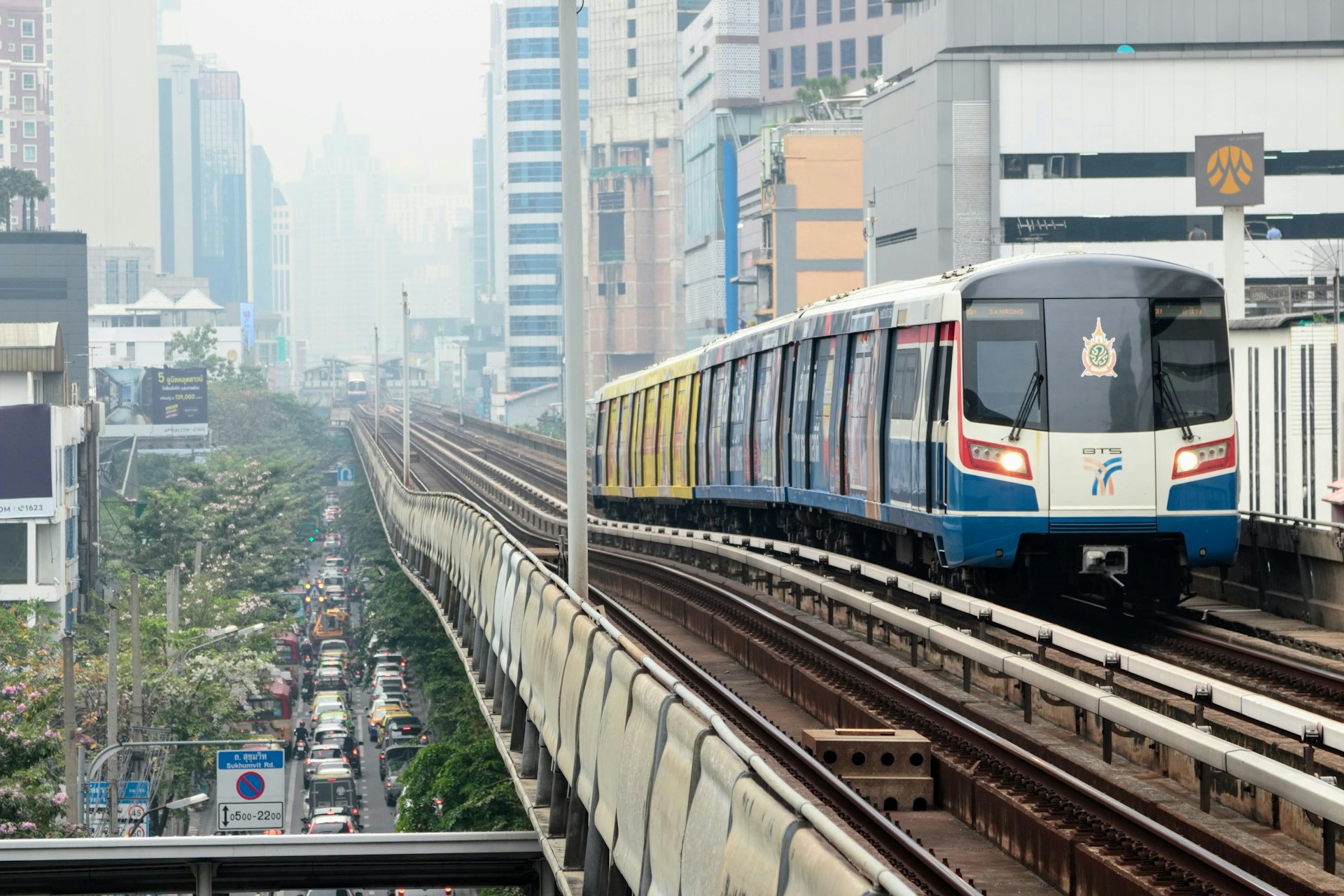
The BTS is Bangkok's elevated rail network, and for many trips it is the quickest way across the city: you glide above the traffic from Siam's malls to Chatuchak's market stalls. It works best when your start and end points are close to a station; anything beyond that means a short walk, a boat or a change to another operator.
This guide covers the Green Line's Sukhumvit and Silom routes, the separate Gold Line, tickets and the stations that put you closest to the sights.
BTS Lines and Routes
The Green Line consists of the Sukhumvit and Silom routes, a network of about 68.5 km with 60 stations. Siam is where the two routes meet.[1] The Gold Line is a separate connection from Krung Thon Buri towards ICONSIAM and Khlong San, with its own ticket rules.[2]
Sukhumvit Line (Light Green)
The Sukhumvit Line is the backbone of the BTS system. It runs north-south from Khu Khot in Pathum Thani province all the way down to Kheha in Samut Prakan.[1] This line passes through Bangkok's most popular areas for tourists and expats, including Siam, Asok, Phrom Phong, and Thong Lo. If you're staying along Sukhumvit Road, this is your line.
Silom Line (Dark Green)
The Silom Line connects National Stadium to Bang Wa.[1] From Krung Thon Buri, it crosses the Chao Phraya River before Saphan Taksin, where the station connects with Sathorn Pier. It also serves Sala Daeng and Chong Nonsi in the business district. From Saphan Taksin you can hop on a river boat for the temples along the water.
Gold Line
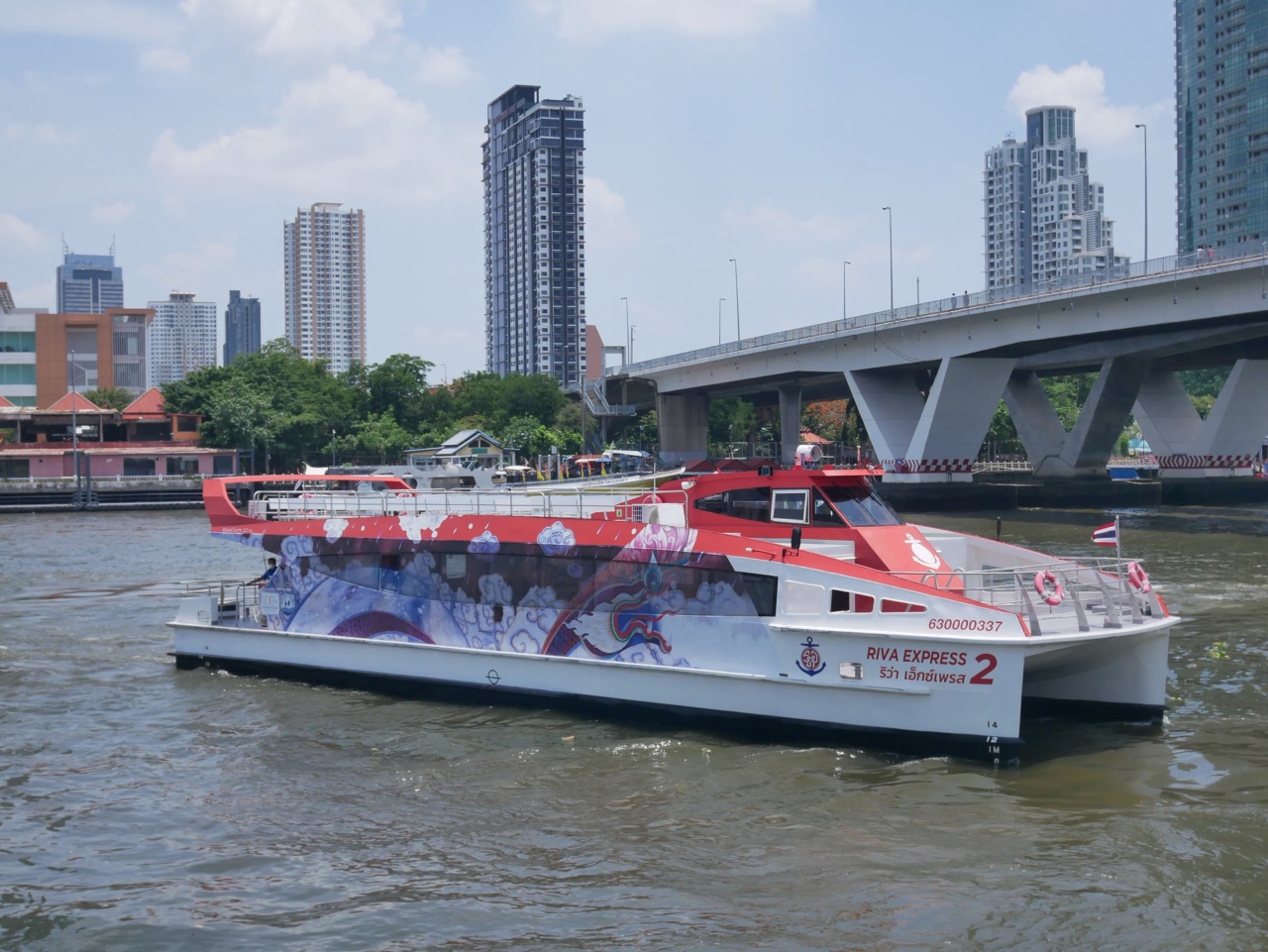
The Gold Line is a short automated connection with three stations between Krung Thon Buri and Khlong San, serving ICONSIAM.[2] Change from the Silom route at Krung Thon Buri and pay the additional fare. The Green Line One-Day Pass does not cover this journey.[3]
Things to Do
Offers are only loaded from GetYourGuide after you click. GetYourGuide can then process your IP address and set cookies. Privacy Policy
GetYourGuide partner offers. GoAsia may earn a commission if you book through these offers. Check whether tickets or transfers are included, and follow the attraction's official booking and admission rules.
Key Interchange Stations
Several BTS stations connect to other transit systems, making it easy to combine different lines in one journey.
| Station | Connects To | Useful For |
|---|---|---|
| Siam | Sukhumvit and Silom Line interchange | Switching between BTS lines, Siam Paragon, CentralWorld |
| Mo Chit (N8) | MRT Blue Line (Chatuchak Park) | Chatuchak Weekend Market and Chatuchak Park[4] |
| Asok (E4) | MRT Blue Line (Sukhumvit) | Terminal 21, Sukhumvit nightlife[5] |
| Sala Daeng (S2) | MRT Blue Line (Si Lom) | Lumpini Park and the business district[6] |
| Saphan Taksin (S6) | Sathorn Pier | River temples, Grand Palace area, Asiatique[7] |
| Phaya Thai (N2) | Airport Rail Link | Suvarnabhumi Airport[8] |
Tickets and Fares
Fares depend on the stations you travel between. Enter your origin and destination in the official BTS route planner to see the price, and compare the Green Line journeys you plan with the THB 150 One-Day Pass.[3] Trips on other operators are priced separately.
Single Journey Cards
Buy a Single Journey Card, not a black plastic token. Choose your destination at the ticket machine and pay with one of the methods shown there.[9] Whether a machine takes coins, banknotes or QR payment depends on the machine.[10] Keep the card for the whole journey, because you need it at the exit gate. If a gate does not accept it, ask BTS staff.[11]
One-Day Pass
The One-Day Pass costs THB 150 and gives unlimited travel on the Green Line on its date of issue or registration only. It is not a 24-hour ticket, does not cover the Gold Line or other rail systems, is non-refundable and is sold at BTS ticket offices.[3] It pays off on a day of many short hops; with only a few rides, single fares can come out cheaper, so add them up first.
Rabbit Card
A new Rabbit Card costs THB 120 to issue, with no card deposit; the stored value is extra. You can top up from THB 100 up to a maximum balance of THB 4,000, at BTS ticket offices, station vending machines and other authorised providers.[12] If you expect several BTS trips, the Rabbit Card saves you buying a separate Single Journey Card each time.
Rabbit also works at the gates of the MRT Pink Line and the MRT Yellow Line.[13][14] It does not cover every Bangkok rail system, and changing operators is not a free transfer: each leg is paid separately.
Operating Hours and Frequency
First and last departures and intervals depend on the station and direction, so check the BTS station timetable for your journey, including connecting services. If you plan a late night out, look up the last train for your station before you leave.
Stations are busiest during the morning and evening commuter peaks, especially at interchanges such as Siam and Asok. Outside those hours, transfers with luggage are much easier.
Top Attractions by BTS Station
One of the best things about the BTS is how many of Bangkok's highlights sit right next to a station. Here are the most useful stops for sightseers.
Siam (CEN)
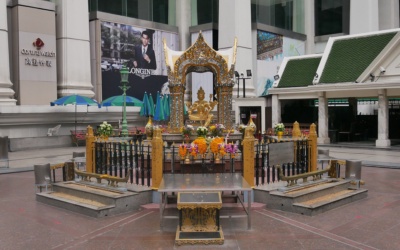
The central hub of the BTS and Bangkok's ultimate shopping zone. Siam Paragon, Siam Center, Siam Discovery, and CentralWorld are all within walking distance. For the Erawan Shrine, walk on towards Chit Lom station.
National Stadium (W1)
Home to MBK Center, one of Bangkok's most popular malls for affordable electronics, clothing, and souvenirs.[15] The nearby museum is covered in our Jim Thompson House guide.
Saphan Taksin (S6)
Saphan Taksin connects with Sathorn Pier.[7] From the pier, river boats run towards Wat Arun, Wat Pho, the Grand Palace area and Asiatique. Routes and times depend on the operator and date, so check the pier information before you rely on a boat for the next leg.
Mo Chit (N8)
Mo Chit is the station for Chatuchak Weekend Market and Chatuchak Park, with an interchange to the MRT Blue Line at Chatuchak Park station.[4] For an onward bus or van, use the exact terminal or pickup address on your booking: the BTS station name alone does not identify the departure point.
Phrom Phong (E5)
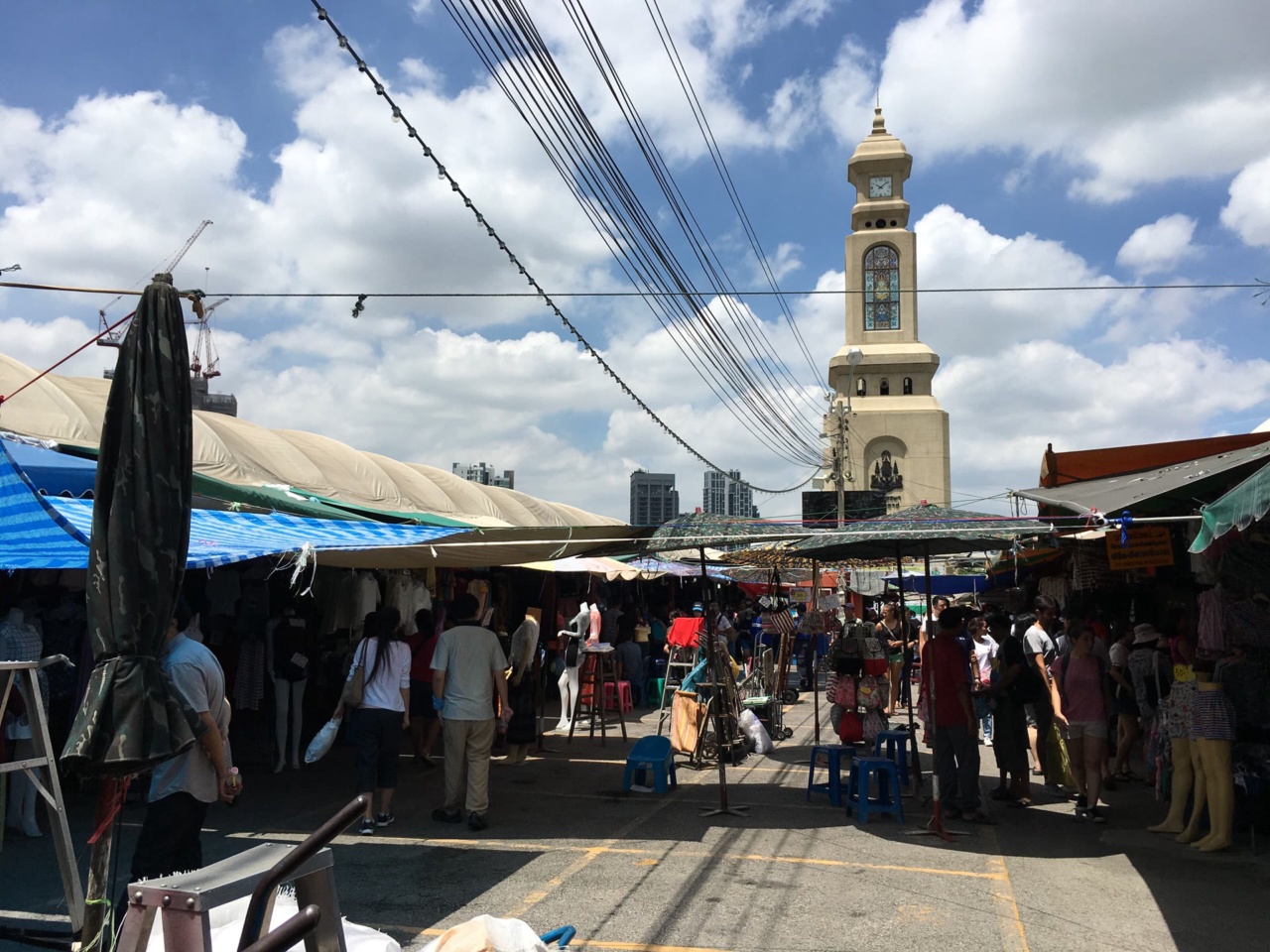
EmQuartier and Emporium connect directly to Phrom Phong station. The nearby park is Benchasiri Park, on Sukhumvit Road between Soi 22 and 24.[16] It is a different place from Benjakitti Forest Park, which needs its own route.
Victory Monument (N3)
Victory Monument is a local transport and street-food area known for boat-noodle restaurants. For an interprovincial van, confirm the departure terminal and pickup address with the operator before you head to the monument.
Tips for Riding the BTS
- Look at the payment symbols on the ticket machine. Some machines accept coins only; others take banknotes or supported QR payments. If yours does not suit, use the ticket office.[10]
- Take escalators carefully. Hold the handrail, keep clear of the step edges, and follow station signs and staff instructions. Do not run or block the landing.[17]
- Let passengers exit before boarding. Platforms have marked waiting areas beside the doors. Wait there until the train empties, then board. During rush hour, station staff may guide the flow.
- Plan the rail leg before you leave. Use the BTS route planner for stations and fares, then check the station timetable for your direction and connections.
- Check the last departure for your station and direction in advance, including any transfer, and leave time to buy a ticket and reach the platform.
- Connect at Phaya Thai. The Airport Rail Link from Suvarnabhumi Airport connects to the BTS at Phaya Thai. Each system has its own ticket.[8]
For the next step, explore our Thailand travel guide.
BTS Etiquette and Rules
Follow station signs and staff instructions, and let passengers leave before boarding. On a full train, offer a seat to someone who may need it.
Air conditioning on the BTS is powerful. If you're coming from the tropical heat outside, the contrast can be dramatic. Keeping a light layer in your bag is a practical move, especially for longer rides.
A large suitcase can make a crowded platform or transfer harder to navigate. Allow extra time and space for your luggage.
Sources and background
Numbers in the text such as [1] refer to these sources.
- [1] BTS Skytrain: Green Line routes and station coverage. Retrieved October 15, 2026.
- [2] BTS Group Holdings: Gold Line connection and network scope. Retrieved October 15, 2026.
- [3] BTS Skytrain: BTS One-Day Pass conditions. Retrieved October 20, 2026.
- [4] BEM (Bangkok Expressway and Metro): MRT Blue Line: Chatuchak Park station (BL13) exits and feeder systems. Retrieved October 15, 2026.
- [5] BEM (Bangkok Expressway and Metro): MRT Blue Line: Sukhumvit station (BL22) exits and feeder systems. Retrieved October 15, 2026.
- [6] BEM (Bangkok Expressway and Metro): MRT Blue Line: Si Lom station (BL26) exits and feeder systems. Retrieved October 15, 2026.
- [7] Asiatique The Riverfront: Contact and getting there. Retrieved October 15, 2026.
- [8] Airports of Thailand Public Company Limited: Way to Suvarnabhumi Airport. Retrieved October 15, 2026.
- [9] BTS Skytrain: Buying a BTS ticket at a machine. Retrieved October 15, 2026.
- [10] BTS Skytrain: BTS ticket machines and payment types. Retrieved October 15, 2026.
- [11] BTS Skytrain: Using BTS entrance and exit gates. Retrieved October 15, 2026.
- [12] BTS Skytrain: Rabbit Card issuance and top-up conditions. Retrieved October 20, 2026.
- [13] Northern Bangkok Monorail Company Limited: Using a Rabbit Card at Pink Line gates. Retrieved October 15, 2026.
- [14] Eastern Bangkok Monorail Company Limited: Using a Rabbit Card at Yellow Line gates. Retrieved October 15, 2026.
- [15] MBK Center: How to go to MBK Mall. Retrieved October 15, 2026.
- [16] Bangkok Metropolitan Administration: Benchasiri and Chatuchak park locations. Retrieved October 15, 2026.
- [17] BTS Skytrain: BTS escalator safety guidance. Retrieved October 15, 2026.
- [18] BTS Skytrain: BTS Single Journey Card. Retrieved October 15, 2026.
Frequently Asked Questions
The BTS Green Line consists of the Sukhumvit and Silom routes, a network of about 68.5 km with 60 stations, and Siam is where the two routes meet. The Gold Line is a separate connection from Krung Thon Buri towards ICONSIAM and Khlong San, with its own ticket rules.
The fare depends on your stations, so enter your origin and destination in the official BTS route planner. The One-Day Pass costs THB 150 and covers unlimited Green Line rides on the day of issue; it pays off on a day with many trips. The THB 120 Rabbit Card issuance fee is separate and is not travel credit.
Buy a Single Journey Card, not a black plastic token. Choose your destination at the ticket machine and pay with one of the methods shown there. Whether a machine takes coins, banknotes or QR payment depends on the machine. Keep the card for the whole journey, because you need it at the exit gate. If a gate does not accept it, ask BTS staff.
Rabbit works on the BTS and at the gates of the MRT Pink Line and MRT Yellow Line. It does not cover every Bangkok rail system, and changing operators is not a free transfer, so each leg is paid separately.
First and last departures and intervals depend on the station and direction. Check the BTS station timetable for your journey, including connecting services, and look up the last train before a late night out.
Take the Airport Rail Link to Phaya Thai and change to the BTS Sukhumvit Line there. Each system has its own ticket.
Use the BTS route map to find your station and any interchange, then check the fare and the station timetable. Payment methods vary by ticket machine. Follow the signs and gate instructions, and ask at the ticket office if you need help.
Saphan Taksin connects with Sathorn Pier. From there, river boats run towards the temples and the Grand Palace area; routes and times depend on the operator and date, so check the pier information for your destination.